AI Breathes New Life into Internet Healthcare: EAN Medical Files for IPO with 'Doctor Friend' Dual-Driven Health Ecosystem
In 1999, during the rise of internet portals, “999 Health Network” quietly went online. The following year, it launched “Form-Based Consultation,” allowing users to submit symptom descriptions and receive responses from physicians within 24 hours.
This is the earliest memory of internet healthcare: no valuation tables, no financing news, no grandiose rhetoric—only the simple digital connection between doctors and patients, like a beam of light in the darkness.
In the following years, various medical portals, popular science platforms for healthcare information, and health forums emerged in large numbers, transforming the way medical information was disseminated. As entrepreneurs began to move more healthcare scenarios online, internet giants quietly incorporated “medical health” into their strategic blueprints for the next decade.
From 2010 to 2013, the advent of the mobile internet era saw functions such as appointment registration, online consultations, pharmaceutical sales, and health education migrate from PC platforms to mobile devices, undergoing rapid iteration and increasingly enriching the modes of doctor-patient connectivity.
After 2014, the pace suddenly accelerated. Capital’s gaze grew increasingly fervent, and the industry became “a tinderbox ready to ignite.” One online consultation platform launched with hundreds of millions in advertising spending, while pharmaceutical e-commerce players proclaimed the slogan “one-hour medication delivery,” as the drums of war reverberated deafeningly. A prominent investor revealed the underlying truth: “What we are investing in is not healthcare, but the internet.”
This is the eve of the explosive growth of internet healthcare. Players from all sectors, armed with capital and code, are poised to disrupt this trillion-dollar industry.
Few people realize at this moment that the essence of healthcare has never been about speed and scale, but rather professionalism and trust—neither of which arrives with trends or emerges from capital.
01
2015: A Capital Feast, a Star-Studded Opening
If internet healthcare is likened to a marathon, 2015 was undoubtedly the moment the starting gun fired.
With the implementation of the “Guiding Opinions on Actively Promoting the ‘Internet Plus’ Action,” capital flooded in like a tide.
For a time, funding rounds in the hundreds of millions became the norm, valuation curves soared sharply, and even giants from unrelated industries rushed to cross over, fearing they would miss out on this feast.
The fervor of capital investment reflects, to some extent, the market’s eagerness for transformation in healthcare services. Although investors’ pursuit of the “one million users” KPI has sparked considerable controversy, this surge has also accelerated the digitalization of healthcare services—enabling more patients to experience the convenience of one-click appointment scheduling and online consultations.
That year, outside the gates of Beijing’s top-tier (Grade 3A) hospitals, ground promotion teams would pitch tents and hold their ground for three days just to secure agency agreements. Medical apps experienced explosive growth, with thousands of companies racing in the same track, their user growth curves as steep as mountain ridges... Behind this frenzy lay the DNA of internet entrepreneurship—rapid trial-and-error and agile iteration. While there was a bubble, it also served to quickly validate which paths were viable.
In this context, capital serves as both a catalyst and a compass. Amidst the cash-burning wars, 90% of companies flocked to online registration and lightweight consultation services. Tech entrepreneurs may have underestimated the professional barriers within the healthcare industry, but the internet mindset they introduced—customer-centricity, exceptional user experience, and data-driven decision-making—is precisely what traditional healthcare has been lacking.
Internet healthcare entrepreneurs at that time were pioneers riding the wave—elevated by capital, they accelerated industry development amidst dramatic ups and downs.
02
2017: The Winter Chill Arrives, A Trial of Survival
The “Measures for the Administration of Internet-Based Diagnosis and Treatment” acted like a sudden freeze; with the stroke of a pen, “online diagnosis and treatment by non-physical hospitals” came to an abrupt halt.
Capital cooled rapidly; in 2017, financing in the internet healthcare market plummeted by 80% year-on-year, a vast number of startups were deregistered, and the once-booming battlefield fell silent overnight.
This brutal shakeout has also prompted entrepreneurs to deeply reflect on several inescapable questions that have persisted throughout their rapid expansion:
● Difficulty in monetizing traffic—online consultation penetration rate is only 1.8%, with low user willingness to pay;
● Fierce homogenized competition—90% of companies are clustered in appointment registration and light consultation services;
● Internet thinking cannot be simply replicated—overcoming barriers in healthcare requires far more than just code and subsidies.
From 2017 to 2019, internet healthcare seemed to enter a prolonged hibernation. The once-bold claims of “disrupting healthcare”” entrepreneurs have either pivoted or exited, causing the number of healthcare apps to shrink dramatically from thousands at their peak to just a few hundred. The survivors are reflecting in silence: Where exactly lies the value of internet healthcare? And where is the viable business model?
03
2020: The Pandemic Black Swan—From Reshuffling to Industry Restructuring
As the industry struggled through a prolonged downturn, the sudden outbreak of the pandemic in early 2020 changed everything once again.
Offline medical resources are in critical shortage, leading to a surge in demand for remote consultations. The average daily consultation volume on major internet healthcare platforms has increased more than tenfold, with user habits forming within just a few weeks. As a result, “the spring of internet healthcare” has become a hot topic.
Yet, behind this springtime boom lies a more complex and surreal reality. Leveraging three core advantages—access to medical insurance payment channels, high-quality physician resources, and deeply entrenched patient trust—public hospitals rapidly established their own online service systems. In the first half of 2020 alone, over 800 new public internet hospitals were launched, subjecting private platforms to a silent “dimensional strike.”
This is not merely market competition, but a reconstruction of business logic. Smart enterprises are quickly adjusting their strategies, no longer “confronting” the healthcare system", but rather to accurately identify its position within the healthcare ecosystem, forming a complementary rather than substitutive relationship with traditional healthcare.
04
Industry Restructuring: From "Disrupting Healthcare""To" Integrating into Healthcare”
Having weathered the frenzy of 2015, the winter chill of 2017, and the trials of the pandemic, internet healthcare has undergone a profound self-restructuring. In this “survival of the fittest”” knockout rounds, the survivors have found their unique value coordinates and ways of survival.
JD Health:Leveraging the advantages of e-commerce supply chains to build an integrated “Medical Care + Testing + Diagnosis + Pharmaceuticals” ecosystem“A closed-loop service model that strengthens the online service ecosystem while strategically deploying offline self-operated business formats, creating comprehensive, all-scenario solutions for health needs.”
Haodf Online:Continuously deepen the development of the physician resource platform, with a base of 280,000 physicians, focusing on non-pharmaceutical medical service models, and adhering to the "Three Don'ts"“Strategy (no patient-facing advertising, no investment in offline hospitals, and no self-operated pharmacies); acquired by Ant Group at the end of 2023 to address commercial sustainability. Leveraging Alipay’s base of 800 million healthcare users, it has since evolved into a national-level application that extensively connects medical services, basic medical insurance, and commercial health insurance.”
Ping An Health:Leveraging its advantages as a payer, the company deeply synergizes with Ping An Group’s dual-wheel strategy of “Integrated Finance + Healthcare and Elderly Care” through models such as “Insurance + Healthcare” and “Insurance + Elderly Care.” It provides full-scenario healthcare and elderly care services to F-side clients (integrated finance customers) and employee health management services to B-side clients (corporate customers).
Dingdang Health:Extending from pure pharmaceutical distribution to health management, we provide health record management and medication adherence services through self-developed technologies such as health knowledge graphs and medical encyclopedia databases. Centered on the instant home-delivery digital pharmacy model, we are building an integrated “pharmaceuticals, testing, and insurance” ecosystem."Integrated Service Ecosystem."
WeDoctor:Develop the "Internet Hospital + Medical Insurance Payment" model to build a healthcare service network covering both online and offline channels. Meanwhile, actively advance cooperation in online medical insurance payment, expand telemedicine services, strengthen chronic disease management and specialized care systems, continuously broaden collaborations with public hospitals, and achieve significant results in digital hospital construction.
The business directions successfully explored by these enterprises point to a common insight: the value of internet healthcare lies not in “replacing” traditional healthcare, but in accurately identifying the pain points and blind spots of traditional healthcare to achieve mutual benefit and symbiosis. Meeting basic consultation needs is merely the starting point; discovering and serving deeper health needs is the key to sustainable development—
● From “Disrupting Healthcare” to “Empowering Healthcare”—No longer seeking to replace traditional medical institutions, but rather addressing their shortcomings through technological and service innovations;
● From “Traffic-Oriented Thinking” to “Value-Oriented Thinking”—No longer pursuing user scale alone, but focusing on creating substantial value for all stakeholders;
● From “Single-Point Breakthroughs” to “Ecosystem Building”—Moving beyond the digitization of isolated scenarios to create a comprehensive service system covering the entire health lifecycle.
These profound transformations have laid a more solid foundation for the industry’s development and prepared it to embrace the next wave of technological innovation.
05
The AI Wave: Reshaping the Imagination of Healthcare Services
Since 2023, the explosive growth of AI technology has injected new vitality into internet healthcare. Particularly since the beginning of this year, the wave of large language models sparked by DeepSeek has reinvigorated the long-stagnant internet healthcare sector. AI innovations in the healthcare field have emerged in abundance, with various companies exploring the integration of AI technology into their respective business domains.
MedlinkMedGPT integrates a medical knowledge graph with nearly 2 billion real-world doctor-patient dialogue records, covering diagnostic capabilities for approximately 3,000 diseases, thereby enabling more natural and fluent AI-patient interactions;
Huawei CloudPangu’s large language model delves into medical scenarios, establishing a dual-drive framework powered by both medical models and drug molecule models, and collaborates with multiple healthcare institutions to explore the future form of smart hospitals;
HaoBan AIA 73-billion-parameter medical large language model makes lab result interpretation simple and intuitive, putting expert-level medical advice within easy reach.
These innovations each have their own focus, yet they equally adhere to the core essence of professionalism, jointly driving the iteration and evolution of healthcare service models.
Meanwhile, the technological frontier has evolved from large language models to intelligent agents. From Manus to LOVEART... game-changing products are reshaping the boundaries of AI—they are no longer passively responsive tools, but “digital partners” capable of proactive perception, judgment, and action.”. In the highly specialized and high-barrier field of healthcare, AI agents can leverage their capability to handle complex decision-making, providing users with efficient and personalized health solutions.
In this challenging niche, Aon Medical, with years of deep expertise in health management, is pioneering a path that integrates AI with humanistic care.
06
“Doctor Friend”: A Dual-Driven Service Ecosystem Powered by AI and Human Physicians
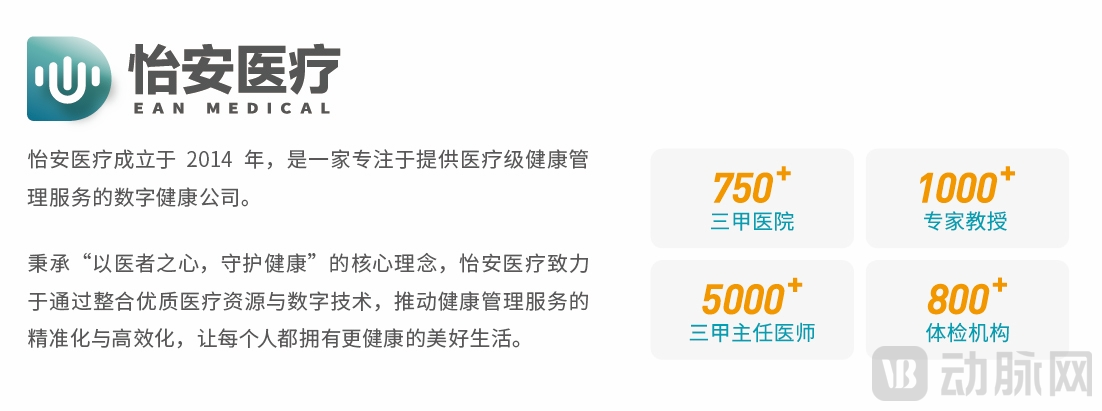
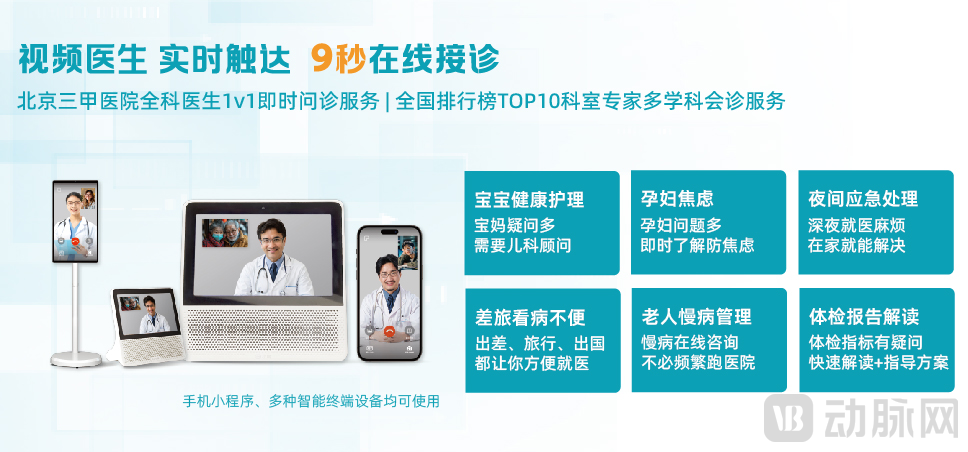
As of 2025, Aon Healthcare has been deeply engaged in the health management sector for 11 years, quietly navigating through 17 years of industry volatility and the downturn caused by the pandemic. Its core business consists of video consultations featuring “9-second access to tertiary hospital physicians” and related health management services. Aon holds qualifications for operating an internet hospital and boasts a robust layout of high-quality medical resources, including a service network of over 5,000 chief physicians from tertiary hospitals across China and a comprehensive supply chain for health products.
Through countless interactions with patients, they have gained a key insight: what modern people lack is not health data, but the ability to translate information into personalized decisions. Therefore, there is a widespread desire for a “doctor friend” who can provide professional and efficient assistance at critical moments.
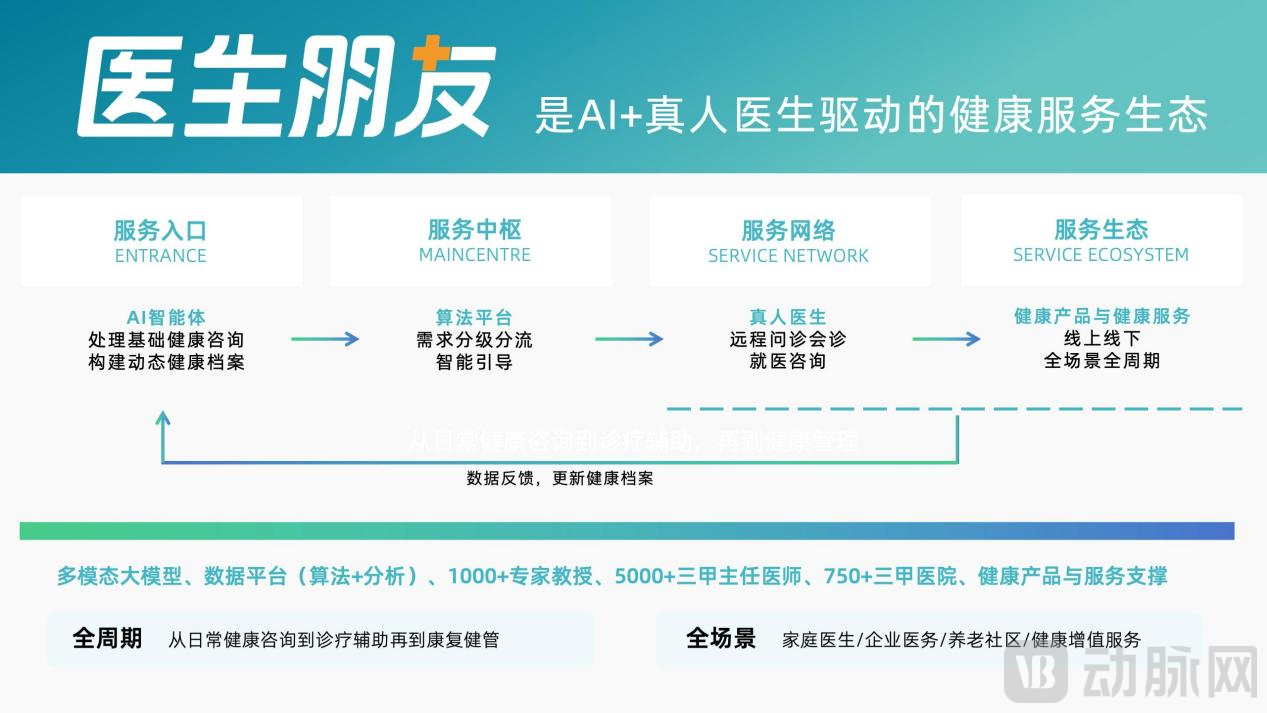
Based on this insight, Aon Healthcare has upgraded its original health management business to “Doctor Friend””—A health service ecosystem driven by both AI and human physicians.
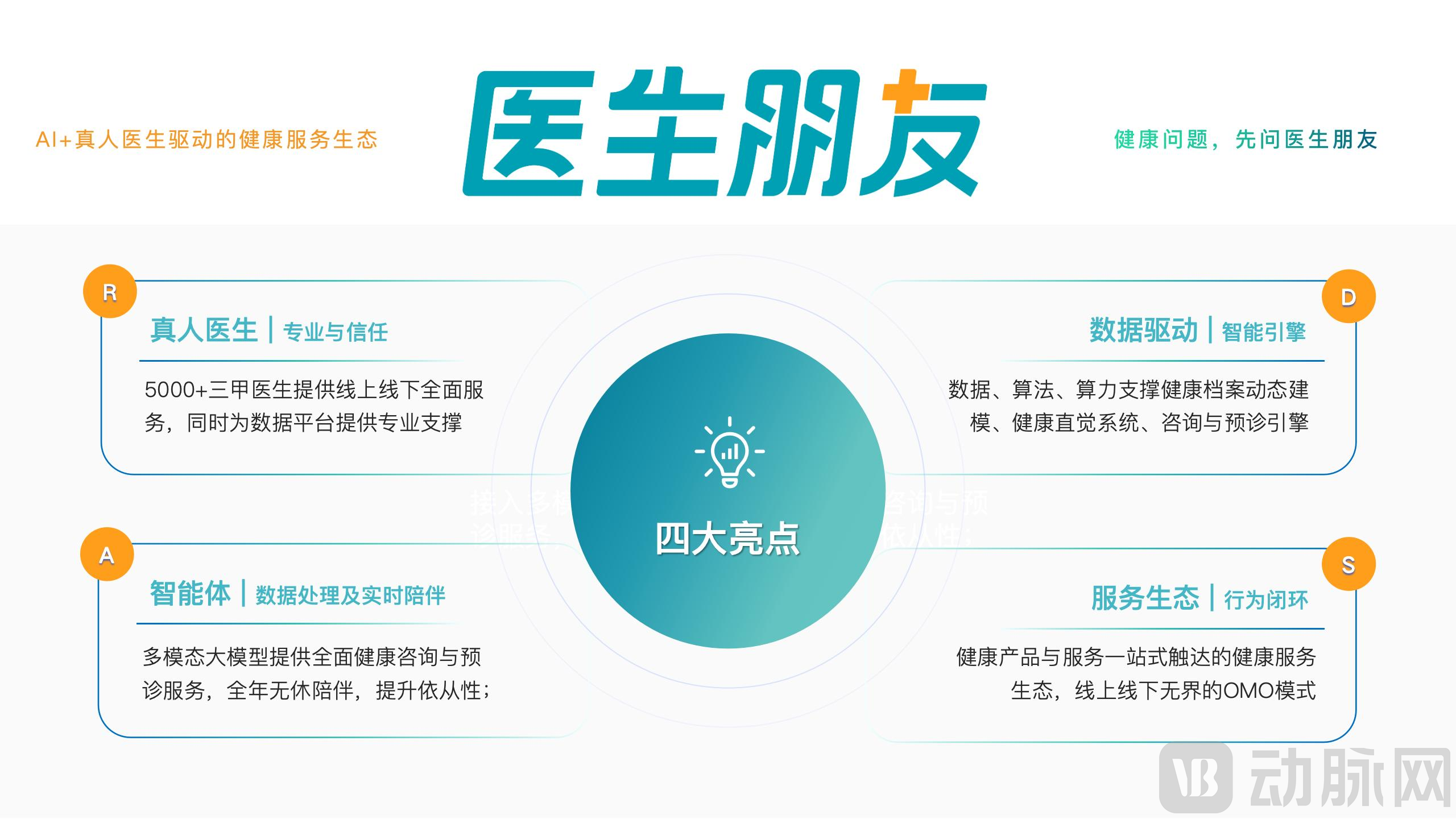
The underlying logic of the “Doctor Friend” model is that AI excels at data processing and efficiency enhancement, while human doctors remain irreplaceable in professional judgment and emotional connection. Only by complementing each other can they deliver healthcare services that are truly compassionate, efficient, and professional.
"Doctor Friend“AI agents are not about addition (providing more options), but rather subtraction (offering the most effective solution): they remember your health data and lifestyle habits, proactively identify potential risks; provide truly practical health advice tailored to your location, age, and personal characteristics; and even perceive your emotional state from your manner of expression to adjust their response strategies.”
Furthermore, “Doctor Friend"There are also two business philosophies: precision health management and proactive health management."
Proactive Health Management Breaks the "Seek Medical Care Only When Ill"” passive paradigm, shifting health management upstream through risk early warning and early intervention; whereas precision health management addresses the transition from “knowing“From” to “Achieving””the last-mile problem, guiding users to develop healthy habits through behavioral science.
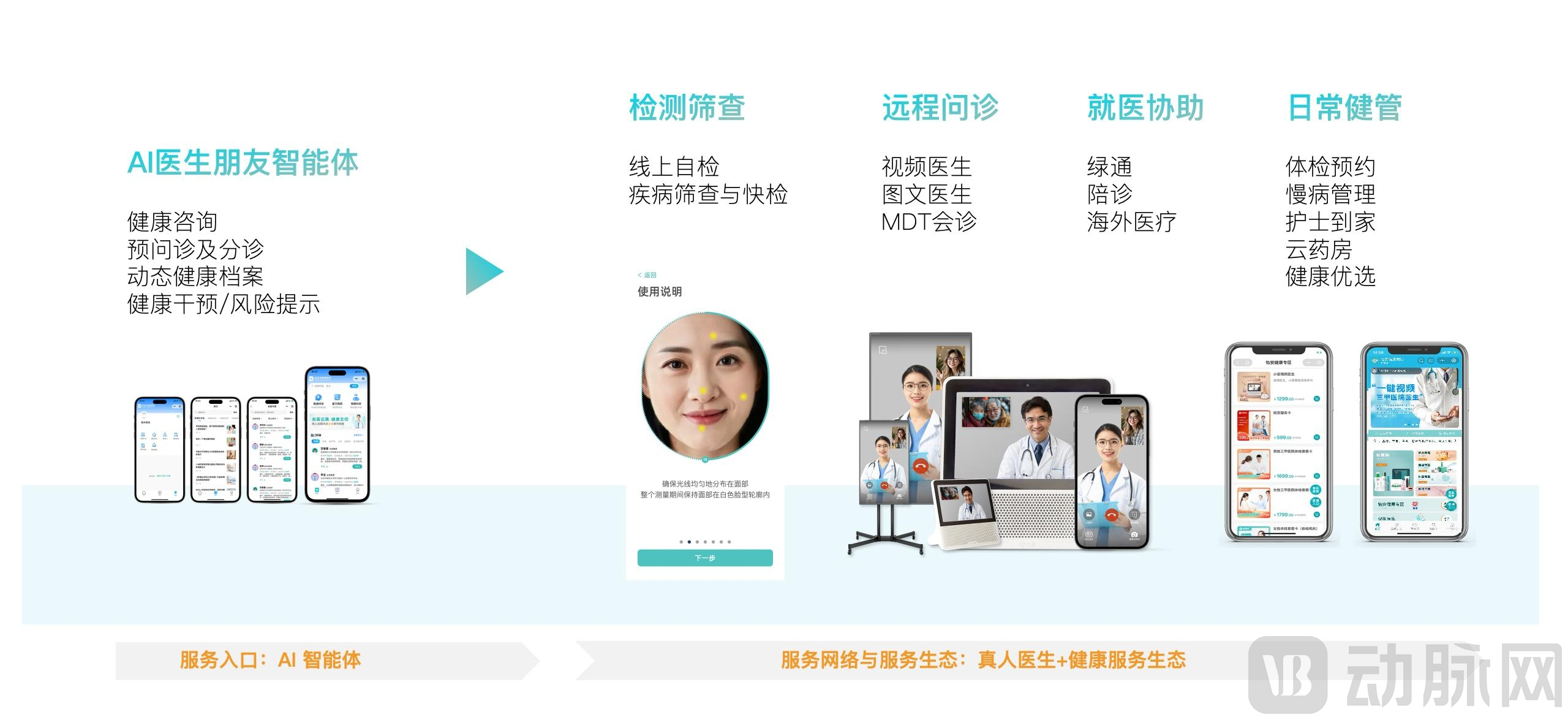
In terms of business model, Aon Health’s S2B2C approach has built an open and win-win health service ecosystem, shifting participants from “going it alone” in data silos to “ecosystem collaboration” for value co-creation. This model not only addresses customer acquisition challenges but also closes the service loop, paving the way for internet healthcare with a focus on “professionalism as king.”” sustainable development path.

Just as Deepseek, Manus, and LOVEART focus on core user needs in their respective fields, “Doctor Friend” represents a valuable exploration of AI-empowered healthcare—not because of its sophisticated technology, but because it addresses users’ fundamental pain points: what we need is not just cold, impersonal medical services, but a “Doctor Friend” who understands and accompanies us.
07
Conclusion: The Power of Internet Healthcare Returning to Its Essence
From the rudimentary forms of “39 Health Network” to the intelligent ecosystem of Aon Medical’s “Doctor Friend,” the turbulent two-decade journey of internet healthcare has witnessed a transformation from fervor to rationality, and from a capital feast to a return to value.
Technology is constantly iterating, but what drives the evolution of the industry is a steadfast commitment to the essence of healthcare. From “disrupting healthcare” to “integrating into healthcare,” and from chasing traffic to creating value, this cognitive restructuring is the true code for the evolution of internet healthcare.
The emergence of “Doctor Friends” serves as a vivid testament to this evolution—technology is no longer a badge of prestige, but a digital extension of physicians’ compassion; healthcare is not merely cold clinical diagnosis and treatment, but also warm companionship.
The spring of internet healthcare never arrives on the winds of fleeting trends; rather, it is earned through steadfast commitment to professionalism and value. Infusing warmth into life within the world of data and algorithms—this is the ultimate trump card for internet healthcare after navigating economic cycles, and its path to rebirth in the AI era.