

Yidu Tech at Geneva Dialogues: Advancing Health Equity Through Inclusive AI
Recently, the Annual Healthcare Roundtable was held at the World Economic Forum headquarters in Geneva, bringing together elite figures from global political, business, academic, and social sectors. Ms. Gong Rujing, Founder and Chairwoman of Yidu Tech, attended as a representative of China’s AI healthcare industry and a Global Young Leader, delivering remarks in two key thematic discussions.
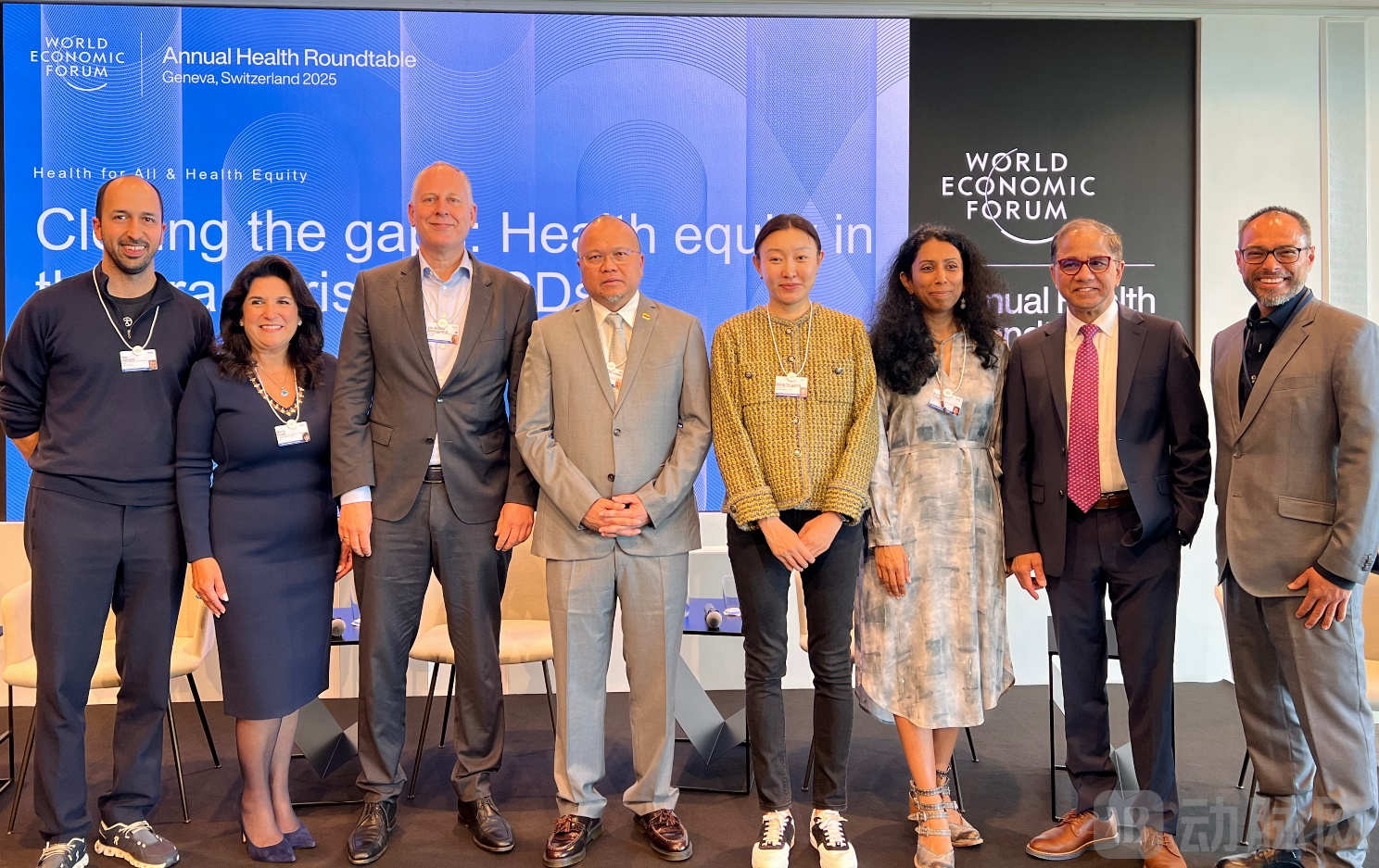
During the conference, Ms. Gong Rujing sat alongside executives from leading global healthcare companies—including Philips, Colgate-Palmolive, Medtronic, and Huma—to engage in in-depth discussions on the theme of “Health for All and Health Equity.” The Minister of Health of Brunei Darussalam, Dato Dr Hj Mohd Isham, attended the event and delivered the closing remarks.
In another discussion on Chinese medical practices from a global perspective, Ms. Gong Rujing engaged in an in-depth dialogue with Professor Ren Minghui of the School of Public Health at Peking University and Dr. Liu Chang, Founder and CEO of ASK Health Asia, conveying China’s innovative strength and strategic insights to the international community.
Reshaping the New Paradigm of Health Management with Inclusive AI and Humanistic Care
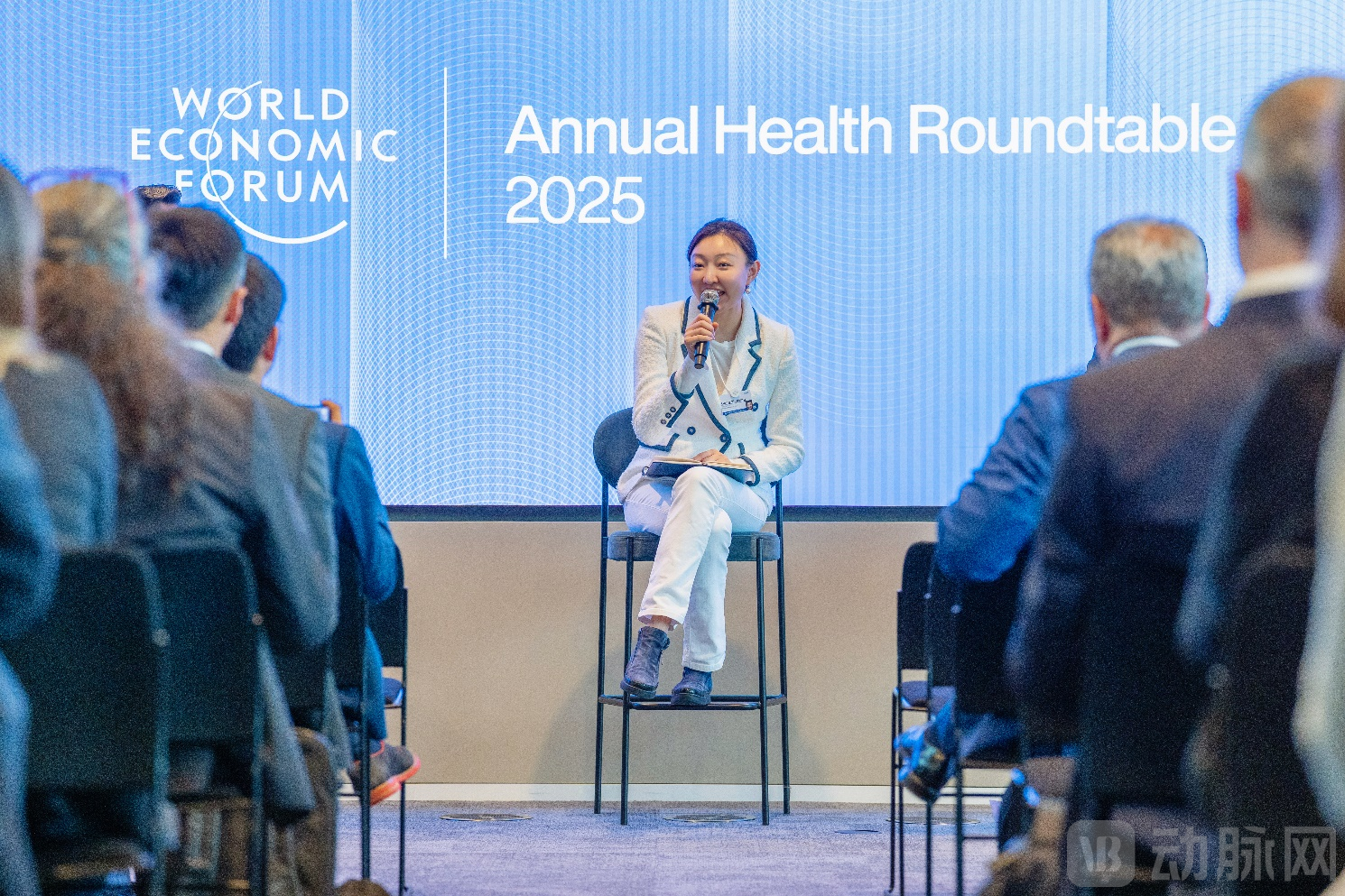
At the “Health for All and Health Equity” symposium, Ms. Gong Rujing shared how Yidu Tech leverages inclusive AI technologies to address the challenges of non-communicable diseases (NCDs). She introduced that the company’s digital therapeutic product for diabetes, built upon its self-developed diabetes digital therapy platform, has received approval from both the U.S. Food and Drug Administration (FDA) and the Hainan Provincial Medical Products Administration. Meanwhile, the company is exploring digital therapeutic technologies and products for conditions such as Alzheimer’s disease and weight management.
“True health equity begins with enabling everyone to understand their own health codes.” Regarding the management of chronic non-communicable diseases, Ms. Gong Rujing proposed three core strategies:
Patient Empowerment:By leveraging AI technology to integrate patients’ fragmented health data—such as medical history, lifestyle habits, and geographic environment—a dynamically visualized “Health Index” is generated, enabling users to clearly identify their health trends and risk factors. Gong Rujing emphasizes that the core of patient empowerment lies in fully opening accessible medical data to patients, thereby granting them the initiative in managing their own health.
Personalized Education:Customize and deliver personalized content based on individual patient data to help users improve their health metrics, avoiding the interference of generalized information in decision-making;
Ecological Connectivity:Integrate medical institutions, health experts, and community service resources. For instance, when the system detects abnormal health indicators in users, it automatically triggers referral or remote consultation processes, achieving precise matching between at-risk populations and medical resources, thereby significantly improving efficiency.
Ms. Gong Rujing shared in detail the collaborative practices with Brunei: In 2020, EVYD, a subsidiary of Yidu Tech, jointly developed an epidemic management system with the Ministry of Health of Brunei Darussalam, optimizing case tracking and resource allocation through real-time data coordination. In the post-pandemic era, this system was upgraded into a three-tier data infrastructure encompassing a government regulatory platform, physician workstations, and a personal health app, pioneering an innovative paradigm for population-wide health management.
Among these, BruHealth, a one-stop application for national health management and services, leverages artificial intelligence and big data analytics to integrate core functionalities such as personalized health management, full-cycle monitoring of chronic diseases, national-level disease screening and prevention, and digital patient services. It enhances health engagement through health indices and gamified interactive tasks, while improving the efficiency of the public health system and optimizing service accessibility via features such as digital appointment scheduling, queue management, and follow-up reminders.
Brunei’s Minister of Health, Dato Dr Hj Mohd Isham, highly commended this practice in his concluding remarks, pointing out that small economies face the dual challenges of fiscal pressure and human resource shortages in achieving universal health coverage, with digital technologies and AI serving as the key to breaking through these barriers.
“Technology is not an end in itself, but merely a tool for solving problems.” Gong Rujing emphasized that Yidu Tech has consistently adhered to the principle of “healthcare first” in its AI-driven medical practices. The company focuses on building end-to-end, disease-centric, and patient-centered solutions, driving technological innovation through healthcare needs, while maintaining a high degree of caution and reverence toward data security, risk prevention and control, and public awareness of AI.
China’s Decade of Innovation Leap: From Follower to Key Participant to New Leader
Yidu Tech’s innovative practices in the field of health management are a significant embodiment of China’s medical innovation and development. From a broader perspective, China’s life sciences industry has undergone a transition over the past decade, evolving from a follower to a key participant, and ultimately to a new leader.
In discussions on Chinese medical practices from a global perspective, Dr. Liu Chang highlighted the rise of China’s life sciences industry with a set of data: the number of innovative drugs approved annually increased from 11 in 2015 to 92 in 2024; China now accounts for nearly 40% of new drugs receiving first-time global approval; and its share of global first-in-class drugs under development rose from 9% in 2015 to 24% in 2025. Underpinning this leap is the construction of a full-value-chain policy framework under the “Healthy China 2030” strategy—from pilot initiatives in the Greater Bay Area to the establishment of a multi-tiered payment system—through which China is reshaping the biotechnology innovation ecosystem with an open and innovative approach.
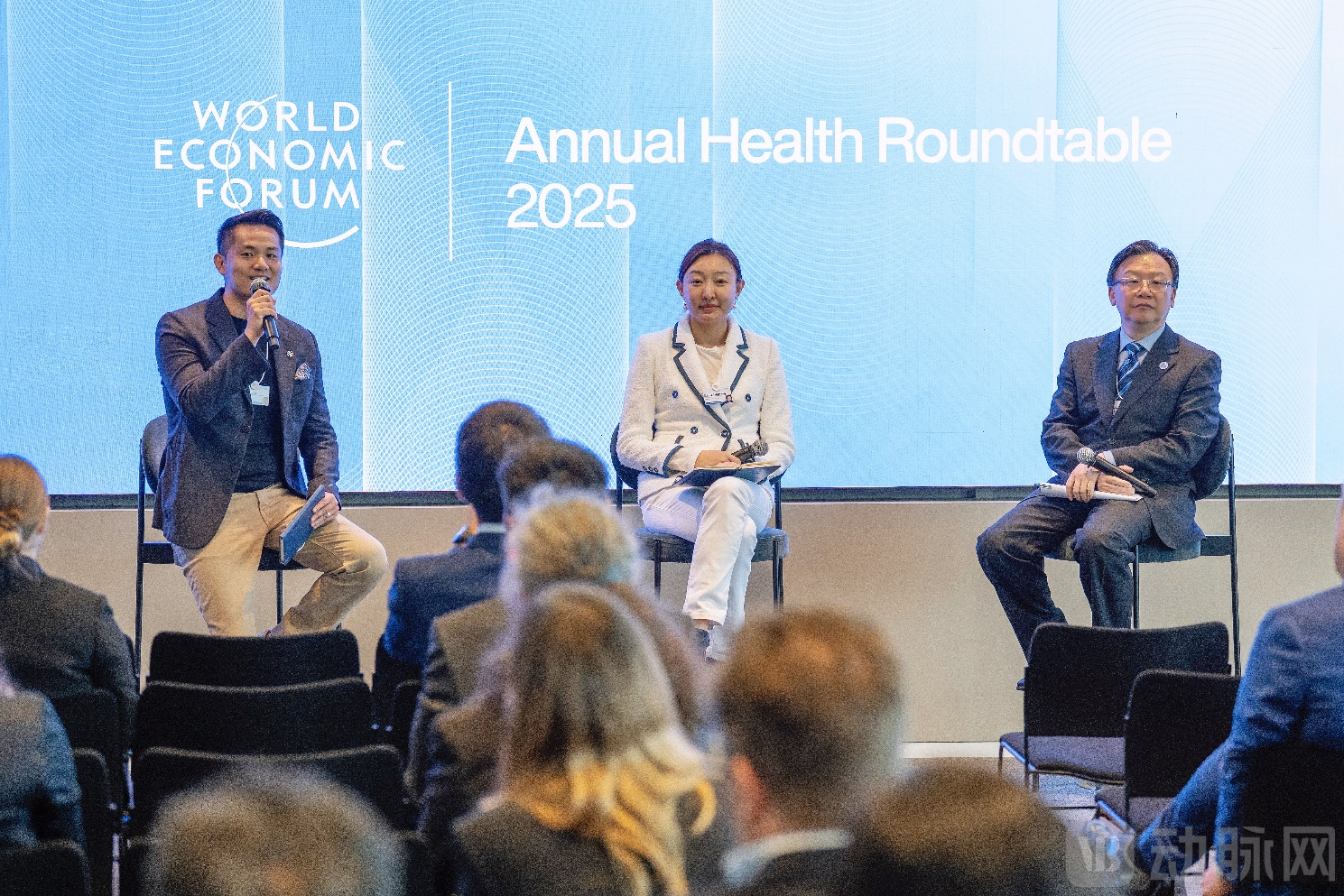
“Policy is the soil, technology is the seed, and data is the nutrient.” In her subsequent remarks, Gong Rujing attributed the uniqueness of Chinese innovation to “scaled scenario advantages and agile policy responses.” She pointed out, “China has the most complex stratification of healthcare needs and the most efficient digital infrastructure, providing a natural testing ground for technology validation and iteration.” Leveraging policy dividends, Yidu Tech employs data intelligence technologies to develop professional, efficient, precise, and inclusive medical AI products and solutions, driving intelligent decision-making to empower the entire industry ecosystem encompassing healthcare providers, pharmaceutical companies, insurers, and patients.
Three Major Business Practices: A Decade-Long Breakthrough from the Anxiety of 300 Million Aging Population to Data Governance Worth 5.5 Billion
The robust growth of medical innovation in China is inseparable from the deep cultivation by countless enterprises, such as Yidu Tech, in their respective fields. Looking back on the original intention behind starting the company, Ms. Gong Rujing candidly attributed it to her insights into China’s aging trend: “In the face of the demand for improved efficiency in the medical supply chain driven by China’s elderly population, which is about to surpass 300 million, the application of data and AI technologies will be key to reducing healthcare costs and enhancing service efficiency.”
Building the Foundation with Digital Intelligence:Ms. Gong Rujing emphasized that Yidu Tech’s core strength lies in its powerful “AI Healthcare Brain,” YiduCore. Through collaborations with hospitals, regional partners, and other institutions, YiduCore has been authorized to process over 5.5 billion medical records, covering 2,800 hospitals. It not only supports hospital research and management but also serves as the “intelligent brain” for public health decision-making and the construction of a multi-tiered healthcare security system. Taking health insurance as an example, Yidu Tech leverages YiduCore to accurately predict health risks among urban populations, enabling inclusive pricing through intelligent insurance product design while ensuring the sustainability of these products. To date, Yidu Tech has been deeply involved in the development and operation of “Huiminbao” (inclusive commercial health insurance) projects in 12 cities across four provinces, including Beijing and Shenzhen, cumulatively serving over 34 million insured individuals and providing protection to countless families.
Clinical Acceleration:Clinical trials are a critical phase in drug development and commercialization, serving as the primary basis for evaluating whether a new drug can be approved for market entry. They also represent the stage with the highest investment of capital and time throughout the drug development process. Yidu Tech has developed an end-to-end intelligent clinical trial solution to help pharmaceutical companies optimize their trial processes. More than 300 clinical studies conducted in collaboration with globally renowned pharmaceutical companies and researchers have demonstrated that Yidu’s AI-powered new drug R&D platform can reduce development costs by approximately 30%.
Health Closed Loop:In the field of health management, Yidu Tech leverages large language models and digital therapeutics to integrate traditional clinical treatment with out-of-hospital management and lifestyle interventions. Through its personal health portal system, combined with a dynamic risk index model, the platform enables real-time data collection, intelligent analysis, and risk early warning for user health data. It automatically generates personalized health intervention plans, establishing a closed-loop management cycle of “monitoring–analysis–intervention.” This approach shifts the focus of disease prevention from the clinical treatment stage to daily health management scenarios, driving a paradigm shift from “passive healthcare” to “proactive health.”
During her trip to Geneva, Ms. Gong Rujing engaged in in-depth exchanges with senior executives from leading global enterprises and international leaders from the political and academic spheres, showcasing the value of Chinese medical technology through innovative practices such as Brunei’s national health management platform.

Ms. Gong Rujing and the Minister of Health of Brunei Introduce Yidu Tech’s Application Solutions in Brunei to International Enterprises
Yidu Tech’s decade-deep digital intelligence foundation, AI-driven drug R&D, and closed-loop health management system are not only innovative outcomes driven by the “Healthy China” policy but also provide replicable technical solutions for global health equity. From serving the domestic market to exporting technology overseas, Chinese medical technology is writing a new chapter of “technological common good” in health governance with efficiency and inclusiveness.