

Navigating the New Era of Pharma Digital Marketing in the Age of Intelligence: Insights from 2025 VBEF
Driven by multiple factors, including the deepening of healthcare reform and shifts in health consumption, the digitalization of the pharmaceutical industry has entered a critical phase.
From the perspective of digital marketing in pharmaceutical companies, how to better understand consumer needs and behavioral patterns based on the analysis and integration of massive online and offline data; how to address compliance challenges in promotional activities; how to better implement multi-channel strategies throughout the product lifecycle; and how to more effectively evaluate and optimize ROI (Return on Investment) are issues that enterprises must confront.
To promote the advancement of digital marketing in the pharmaceutical industry and explore technological innovations and market development opportunities in this field,At the 2025 VBEF & Future Healthcare Top 100 Exhibition, a forum on digital marketing for pharmaceutical companies was held, inviting industry experts, leading pharmaceutical enterprises, providers of digital marketing solutions for the pharmaceutical sector, omnichannel marketing platforms, and physician-patient engagement platforms to jointly explore digital marketing strategies for pharmaceutical companies in the GPT era.
Heads of multiple industry-leading innovative enterprises attended the conference and delivered speeches. The speakers included Niu Zhengqian, Executive Vice President of the China Pharmaceutical Enterprise Management Association; Li Shaochun, Digital Strategy Scientist at Yunnan Baiyao Group, and General Manager and CIO of Yunnan Baiyao Digital Intelligence Technology Co., Ltd.; Zhao Yu (Mai Dong), Vice President of Knowledge Matrix and Head of the Healthcare Division; Chen Jing, Executive Director and Senior Vice President of Health Road; Zhang Xinyan, Founder and CEO of Huimei Digital Technology; Fan Jing, Head of the Digital Marketing Department within the Pharmaceutical Business Unit of JD Health; Li Sirui, Assistant to the Chairman of the Board of Tasly Great Health Industry Investment Group and Head of Digital Marketing; Li Yiheng, General Manager of the New Pharmaceutical Business Division of Jiangsu Xin-Hailian Group Fund; Qiao Peizhen, Head of the Patient Services Department within the Pharmaceutical Business Unit of JD Health; Yu Jie, Head of the Internet Business Group at Lunan Pharmaceutical Group; Zhang Jingchuan, General Manager of the Marketing Center at Huahong Pharmaceutical Group; and Chang Yongkuan, Head of Digital Promotion for Oncology Products and Patient Relations at Hengrui Medicine.
VCBeat has curated select content from the forum for our readers.
In the face of digital marketing, a rapidly evolving field, attendees shared their new explorations under the current situation.
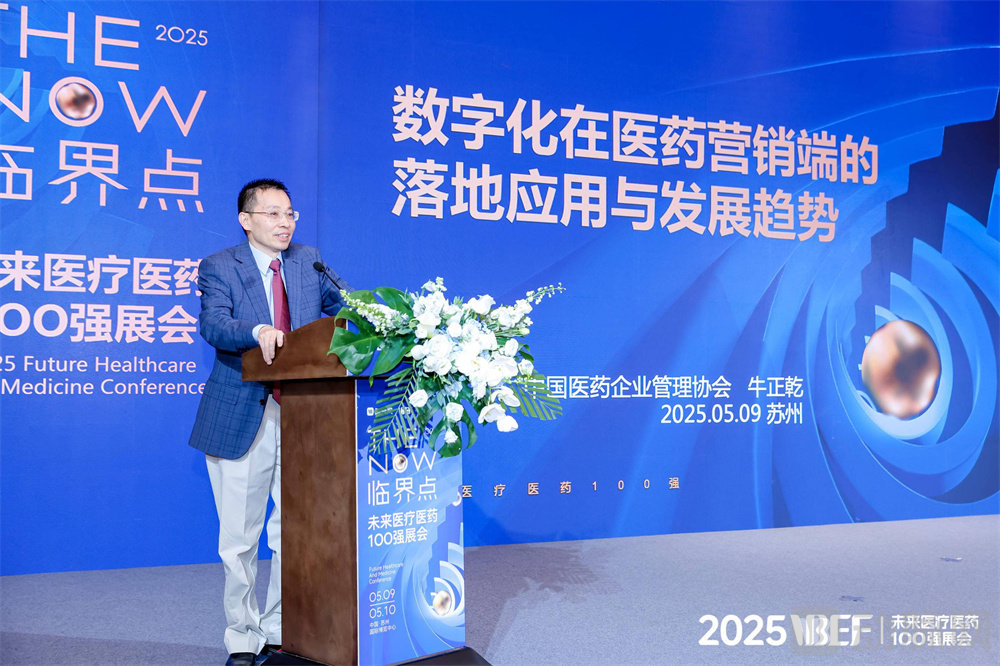
At the outset of the conference,Mr. Niu Zhengqian, Executive Vice President of the China Pharmaceutical Enterprise Management AssociationDelivering a keynote on “Practical Applications and Development Trends of Digitalization in Pharmaceutical Marketing.” He pointed out that public demand, societal evolution, intensifying competition, technological iteration, and regulatory requirements have made digital applications the new normal. Meanwhile, digital technologies such as artificial intelligence are rapidly transforming the industry. They are driving rapid advancement in the pharmaceutical sector, empowering the digital upgrade of marketing through intelligent insights, intelligent strategies, intelligent content, precision marketing, intelligent communication, and intelligent after-sales services, while also supporting pharmaceutical companies in conducting compliant digital marketing and better achieving patient health management.
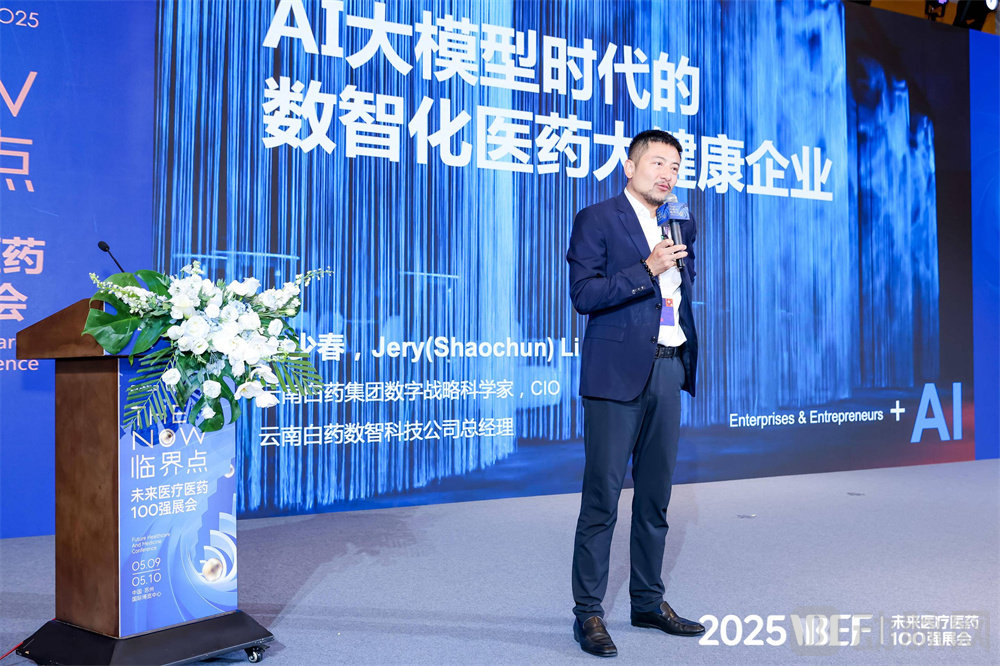
Li Shaochun, Digital Strategy Scientist of Yunnan Baiyao Group, and General Manager and CIO of Yunnan Baiyao Digital Intelligence Technology Co., Ltd.Delivered a keynote speech titled “Accelerating the Construction of ‘AI-Driven Enterprises’ in the Era of Large Language Models.” He stated that pharmaceutical companies are accelerating their digital transformation, with AI redefining the entire value chain encompassing R&D, manufacturing, and marketing. The key challenges lie in establishing a high-quality data foundation and integrating business operations with AI scenarios under top-level design. Yunnan Baiyao Group’s digitalization efforts focus on enhancing core business value, supporting collaborative operations and business growth, and enabling technology empowerment through a clearly defined AI strategy. Specifically, Yunnan Baiyao Group has established an open AI infrastructure platform, built a business-driven AI application system and talent team, and continuously promoted the integration and innovative application of AI technologies in its business operations.
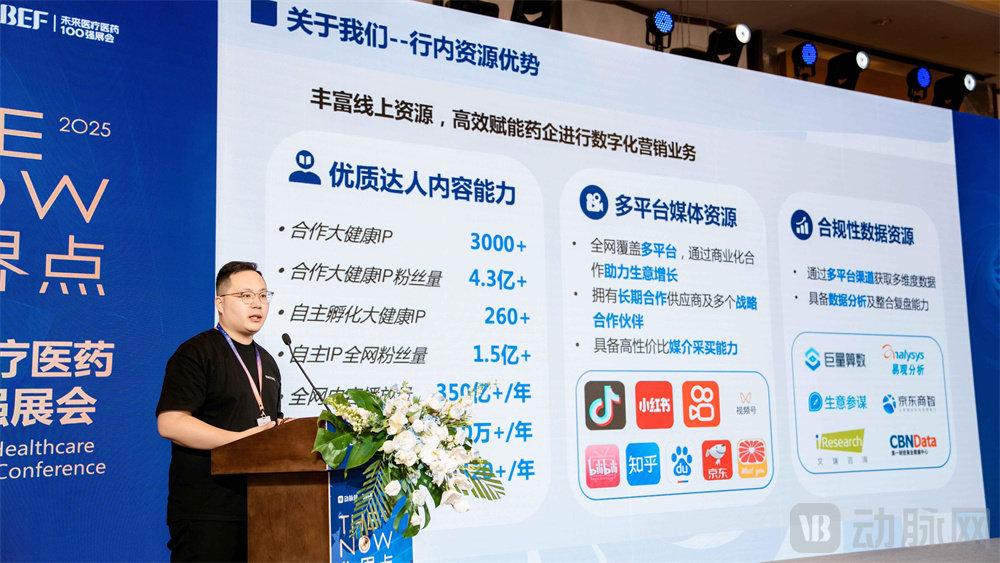
Zhao Yu (Maidong), Vice President of Knowledge Matrix and Head of the Healthcare DivisionDelivered a speech titled “K6 Propels a New Wave of Omnichannel Pharmaceutical Marketing.” He highlighted that building a knowledge matrix establishes a pharmaceutical strategic layout centered on “content + interest-based e-commerce.” By leveraging the “K6 Model” to empower omnichannel digital precision marketing in the pharmaceutical sector, and focusing on six key dimensions—audience and brand insights, user reach, content execution scenarios, user search optimization, traffic acquisition channels and strategies, and traffic conversion and operations—the approach seamlessly integrates “upstream patient education” with “downstream traffic conversion” across all channels, driving sustained and diversified growth for medical device brands.
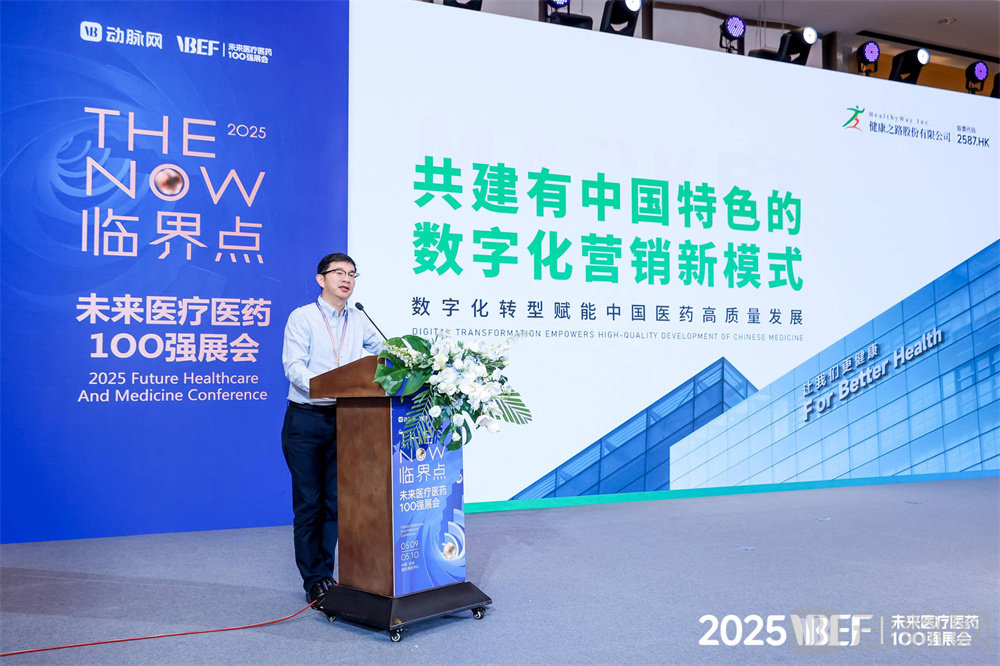
Chen Jing, Executive Director and Senior Vice President of Health RoadDelivered a speech titled “Co-building a New Model of Digital Marketing with Chinese Characteristics.” He noted that digital marketing in China’s pharmaceutical industry has entered an era characterized by “stringent regulation and technology-driven innovation,” requiring companies to explore precise, content-oriented, and intelligent marketing models within a compliant framework. In the future, data compliance, omnichannel integration, and AI empowerment will become key competitive factors. Health Road has established a comprehensive support system, ranging from market-driven demand output to standardized marketing management, working together with pharmaceutical and medical device enterprises to co-create a new model of digital marketing with Chinese characteristics.
Zhang Xinyan, Founder and CEO of Huimei ShukeIt is pointed out that the new AI-driven hyper-personalized pharmaceutical marketing model will provide precise intelligent agent services to pharmaceutical companies, physicians, and patients. In this context, “hyper-personalization” refers to intelligent agents equipped with extensive high-quality data and information, capable of providing desktop-level intelligent assistance. This approach not only enables pharmaceutical companies to conduct more precise market promotion and academic dissemination but also facilitates the establishment of specialized, integrated physician-patient research and follow-up platforms at the hospital department level. These platforms help physicians achieve intelligent and data-driven management of follow-up tasks, while providing patients with personalized disease management and follow-up services.
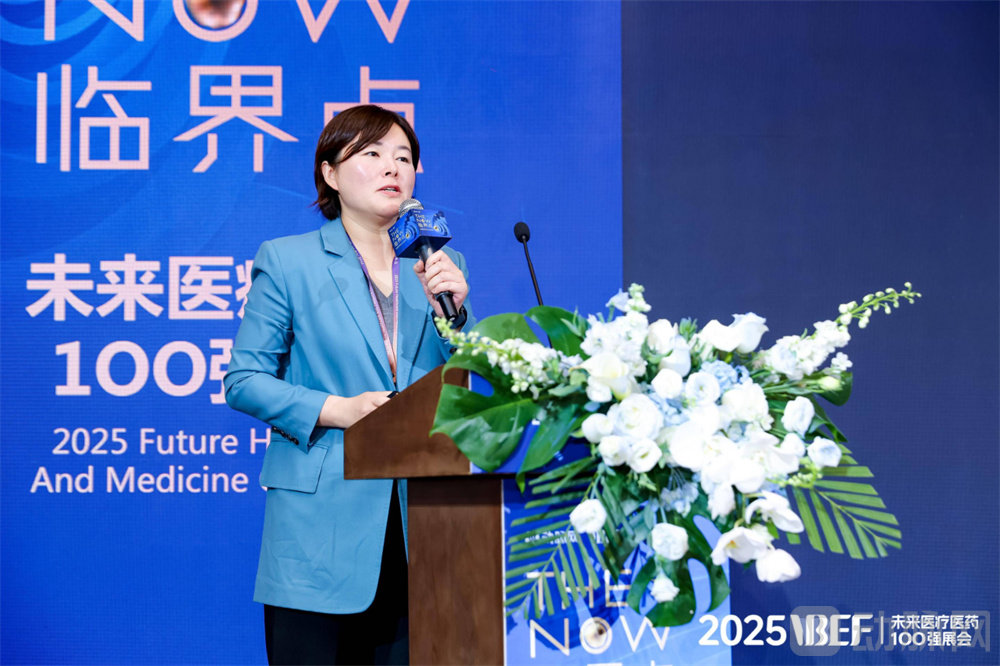
Assistant to the Chairman of the Board and Head of Digital Marketing at Tasly Big Health Industry Investment Group, Li SiruiHe delivered a keynote presentation titled “Breaking the Impasse: Rewriting Digital Marketing with AI.” He pointed out that digital marketing faces four major challenges. The first is the issue of data silos, where the key lies in achieving data integration. The second is resolving channel conflicts, making it crucial to integrate online and offline marketing through innovative collaborative mechanisms. The third concerns data security and governance; in the field of serious healthcare, there are stringent requirements for data, which is also highly sensitive. The final challenge involves product portfolio pricing strategies and the enhancement and development of team organizational capabilities. In the AI era, leveraging AI to empower digital transformation signifies the establishment of a company’s core competitiveness.
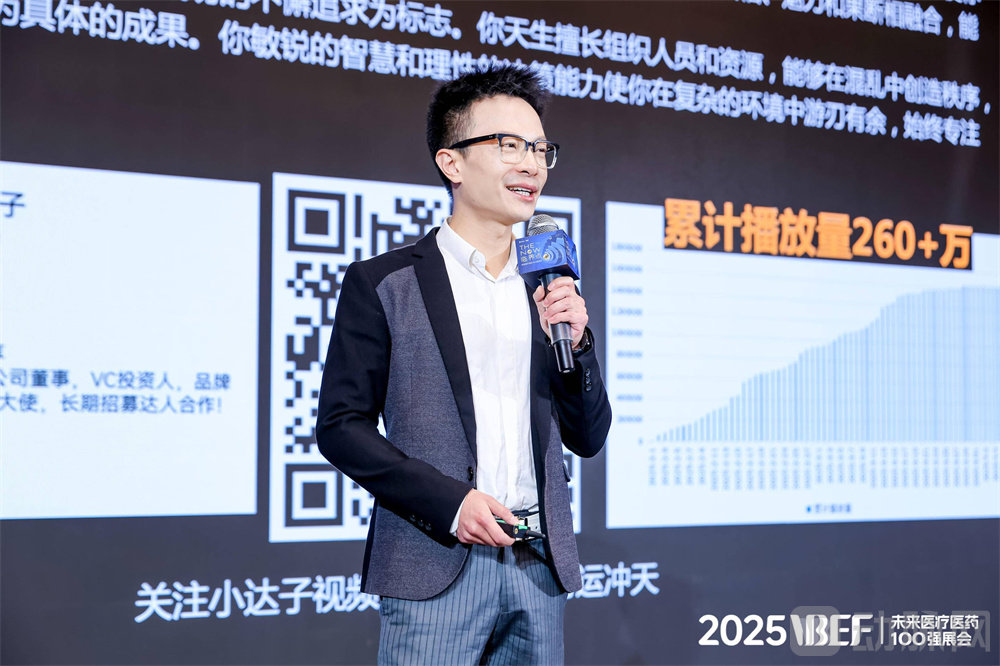
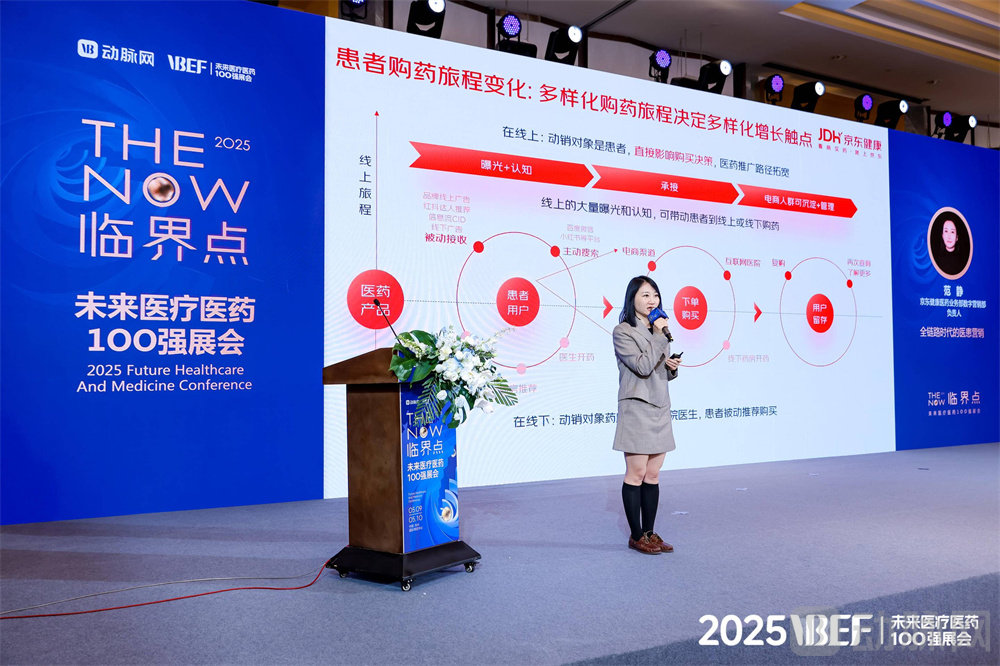
Fan Jing, Head of the Digital Marketing Department, Pharmaceutical Business Division, JD HealthShe pointed out that “dual-field integration” can maximize the value of digital pharmaceutical marketing, positioning JD Health as the optimal partner for pharmaceutical companies’ omni-channel growth. She noted that as patient journeys evolve, pharmaceutical marketing touchpoints must adapt accordingly. In response to the new challenges posed by emerging trends, JD Health’s digital marketing solutions assist pharmaceutical companies in diagnosing sales growth opportunities, assessing brand value perception, enhancing traffic efficiency, and identifying category innovation opportunities. By integrating remote, near-field, and on-site marketing scenarios, JD Health addresses specific business challenges, helping pharmaceutical companies uncover pain points in physician-patient marketing, optimize strategies, and improve efficiency.
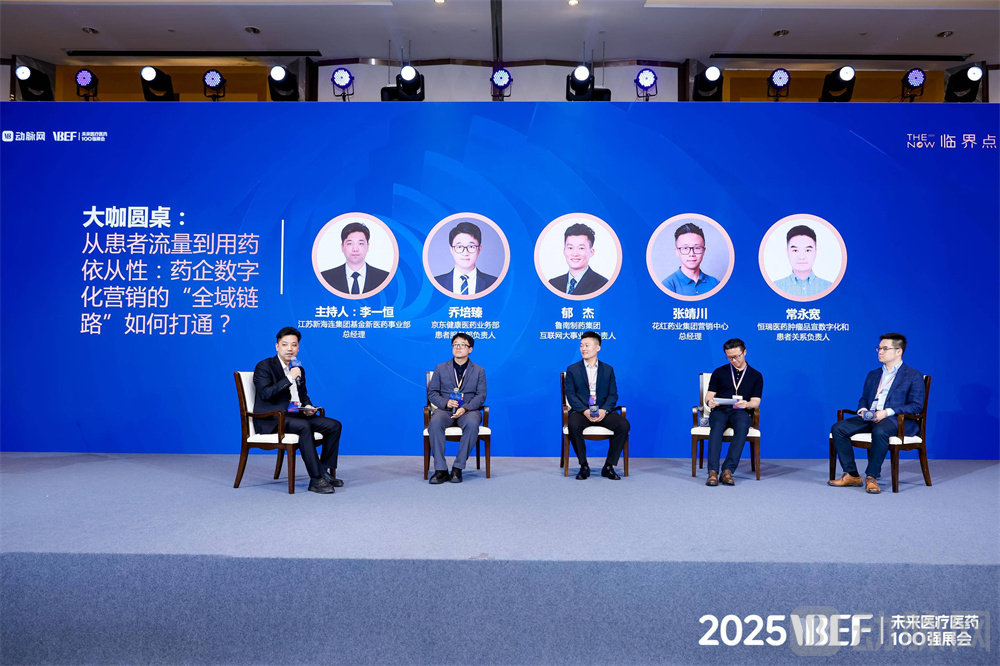
The forum featured a roundtable discussion. The session invited guests including Qiao Peizhen, Head of the Patient Services Department within JD Health’s Pharmaceutical Business Unit; Yu Jie, Head of the Internet Business Group at Lunan Pharmaceutical Group; Zhang Jingchuan, General Manager of the Marketing Center at Huahong Pharmaceutical Group; and Chang Yongkuan, Head of Digital Oncology Brand Promotion and Patient Relations at Hengrui Medicine. The forum was moderated by Li Yiheng, General Manager of the New Pharmaceutical Business Division of Jiangsu Xin-Hailian Group Fund. The panelists shared insights on the topic “From Patient Traffic to Medication Adherence: How Pharmaceutical Companies Can Establish an ‘Omni-Channel Link’ in Digital Marketing.”
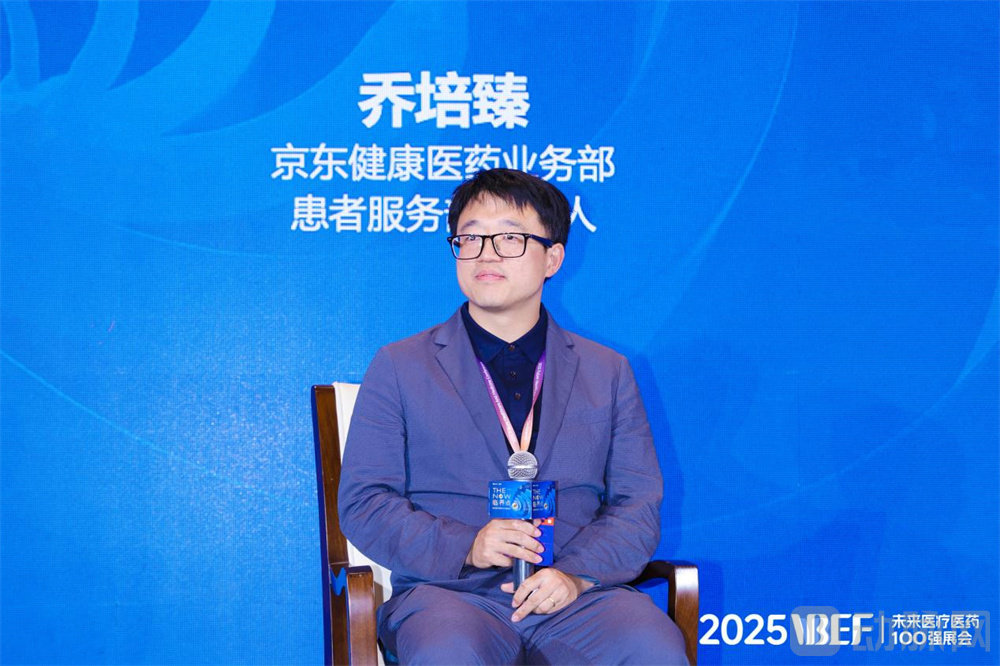
Qiao Peizhen, Head of the Patient Services Department, Pharmaceutical Business Division, JD HealthThe sharing highlighted that digital and intelligent patient management is an “essential tool” for improving adherence. JD Health will provide patients with warm and effective service experiences. By leveraging its end-to-end service capabilities and precise data insights into patients, and combining professional pharmaceutical teams with AI tools, JD Health has developed diverse, specialized, and intelligent patient management approaches. These effectively help patients improve medication adherence, persist in delivering long-term benefits to patients, and create value for pharmaceutical companies through its management services.
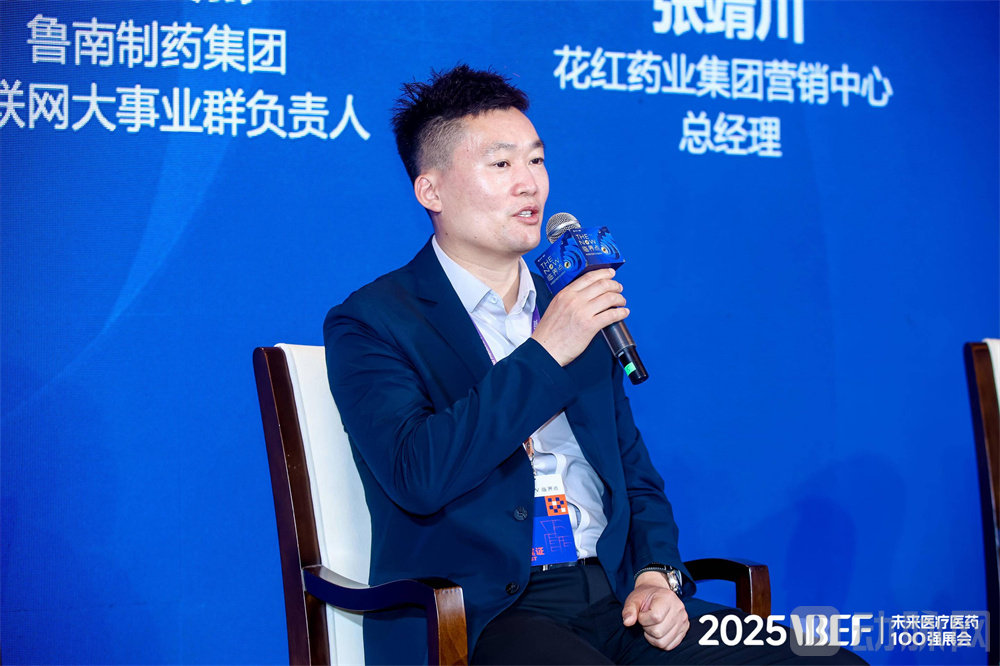
Yu Jie, Head of the Internet Business Group at Lunan Pharmaceutical GroupHe stated that in 2015, Chairman Zhang Guimin proposed the transformation mandate of “fully embracing the Internet” and the “brand premiumization” strategy, simultaneously restructuring value and strategic layout on both the R&D and marketing fronts. Meanwhile, to address the contradiction between the public’s growing demand for popular health science education and the proliferation of misleading “pseudo-health” content, Lunan Pharmaceutical Group began establishing new media platforms and a 24-hour customer service team in 2016. Through its brand matrix, the group has vigorously disseminated pharmaceutical knowledge and promoted the Yimeng Spirit. Over the past decade, it has persisted in providing 24/7, 365-day human customer service staffed by licensed pharmacists, delivering scientific and accurate pharmaceutical care services to users, thereby contributing to a Healthy China and a Healthy World.
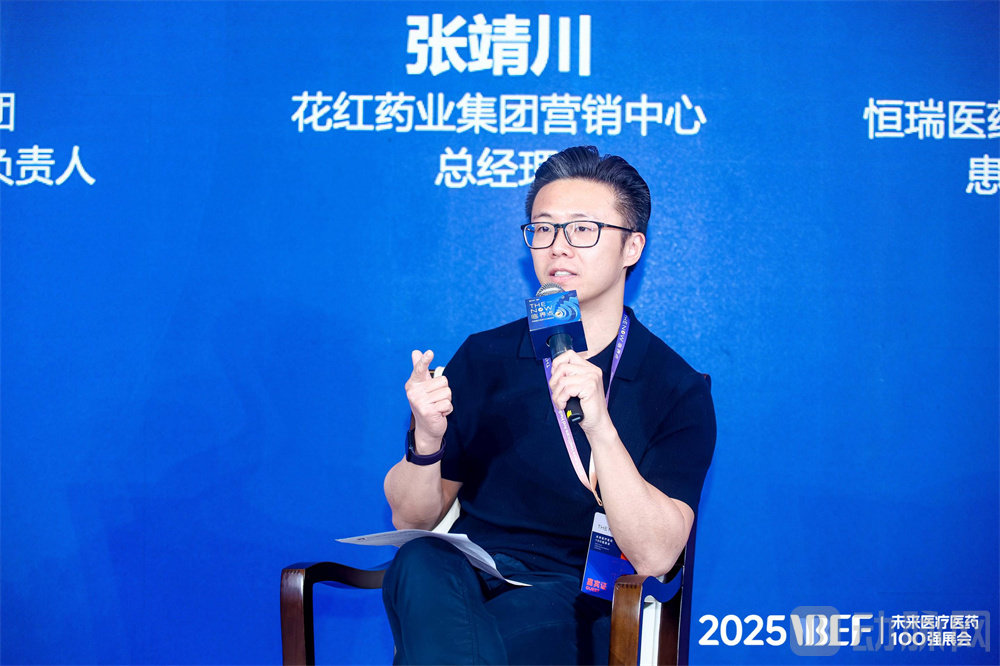
Zhang Jingchuan, General Manager of the Marketing Center, Huahong Pharmaceutical GroupThe discussion highlights that the core focus of product promotion lies in analyzing disease profiles and adhering to human nature. For instance, gynecological diseases are often highly concealed, presenting with symptoms such as pruritus and abnormal discharge, and frequently involve comorbidities, making rapid diagnosis difficult. Due to the high level of privacy involved, patients often misuse medications, leading to a vicious cycle. This ultimately results in a paradoxical situation where the incidence rate is high and the affected population is large, yet the pharmaceutical market share remains small. From a psychological perspective, while patients’ goal in taking medication is to resolve their health issues, they are inherently emotional and prefer to avoid taking drugs whenever possible. Patients always seek the shortest path to problem-solving and are easily influenced by promotional messaging. Currently, pharmaceutical marketing largely follows the patient diagnosis and treatment process from the physician’s perspective, rather than the diagnosis, treatment, and medication process from the patient’s perspective. This paradigm urgently needs to change.
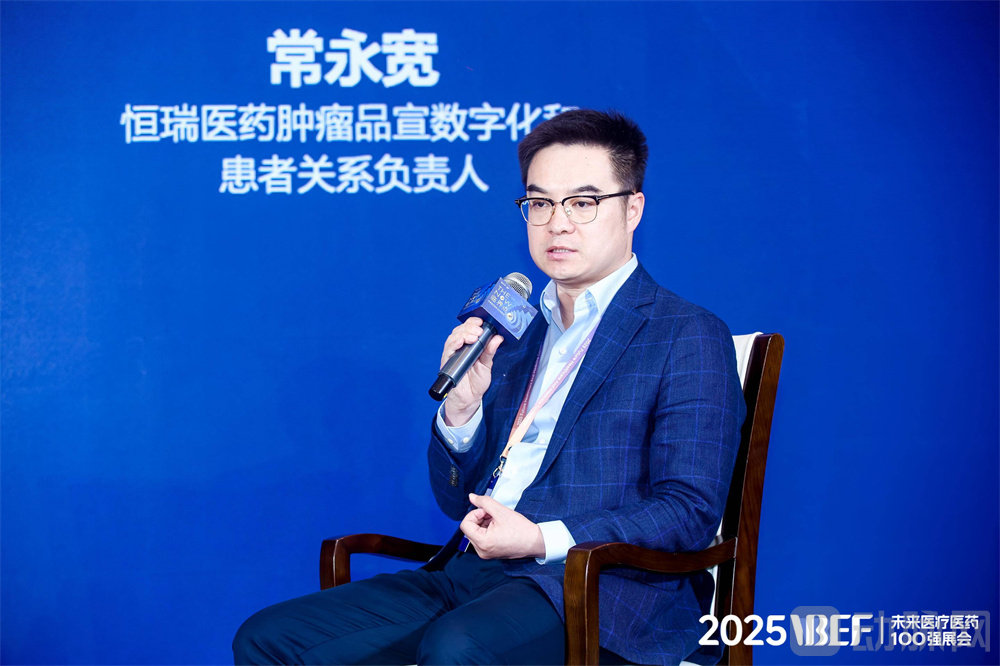
Chang Yongkuan, Head of Digital Oncology Brand Promotion and Patient Relations at Hengrui MedicineRegarding the maintenance of patient relationships, it is noted that pharmaceutical companies previously focused more on physicians’ perceptions and behaviors. However, driven by technological advancements, the adoption of patient-centric principles, and national policy initiatives, there is a growing emphasis on addressing the “last mile” of care after patient discharge. Hengrui Medicine has actively promoted digital innovation and collaborated with ecosystem partners to provide personalized diagnosis, treatment, and management solutions, thereby continuously enhancing patient service experiences and therapeutic outcomes. In April this year, Hengrui Medicine jointly launched the “Breaking Limits: Cancer Patient Rehabilitation Rally” with the China Anti-Cancer Association. This initiative aims to explore more efficient and suitable disease management models for cancer patients by supporting and analyzing real-world practices in patient care among participating parties.
Attendees noted that the convergence of evolving pharmaceutical policies, heightened public awareness of diseases, the corporate shift from product-centric to patient-centric models, changing patient engagement scenarios, and long-term investment paradigms is driving a gradual transition in industry marketing strategies from being physician-centric to patient-centric. Furthermore, the emergence of large language models such as DeepSeek, coupled with increased patient awareness and greater decision-making autonomy, is further accelerating this strategic transformation within pharmaceutical companies.
Against this trend-driven backdrop, let us wait and see what new landscape will emerge for digital pharmaceutical marketing in the future.