

Digital Intelligence Drives China's Medical Equipment Management: Keyun Medical Charts Global Expansion
Implementing refined management of medical equipment has become an industry consensus.
On one hand, the intensive implementation of reform policies in recent years, such as zero markup on pharmaceuticals and DRG/DIP payment systems, has driven healthcare institutions—particularly public hospitals—to transition their operational management from extensive to refined models. On the other hand, medical equipment assets now account for more than 50% of hospitals’ fixed assets. This means that the management efficiency of medical equipment directly impacts hospitals’ annual budget execution rates and operational surpluses.
Against this backdrop, the medical equipment management market has gradually emerged, giving rise to a number of competitive Chinese domestic enterprises. According to data from Grand View Research, the global medical equipment management market reached $31.5 billion in 2023, with third-party management services accounting for over 40% of the market share, making it the fastest-growing segment.
In the Chinese market, one company serves over 2,500 medical institutions. According to the company, it holds more than a quarter of the market share in third-party management services for medical equipment based on the number of maintenance contracts, and commands a 40% market share based on the number of hospitals with fully outsourced equipment management, establishing itself as the industry leader. Furthermore, the company secured $60 million in Series C financing, led by China Merchants Capital, with participation from UOB Venture Management (Singapore), Infinity Group (Israel), Huade International Financial Holdings Co., Ltd., and Maorong Investment. It also pioneered an integrated asset management model for hospital-wide medical equipment. In 2017, this approach was hailed as the “Kedu Model” in the Blue Book on the Development of China’s Medical Device Industry.
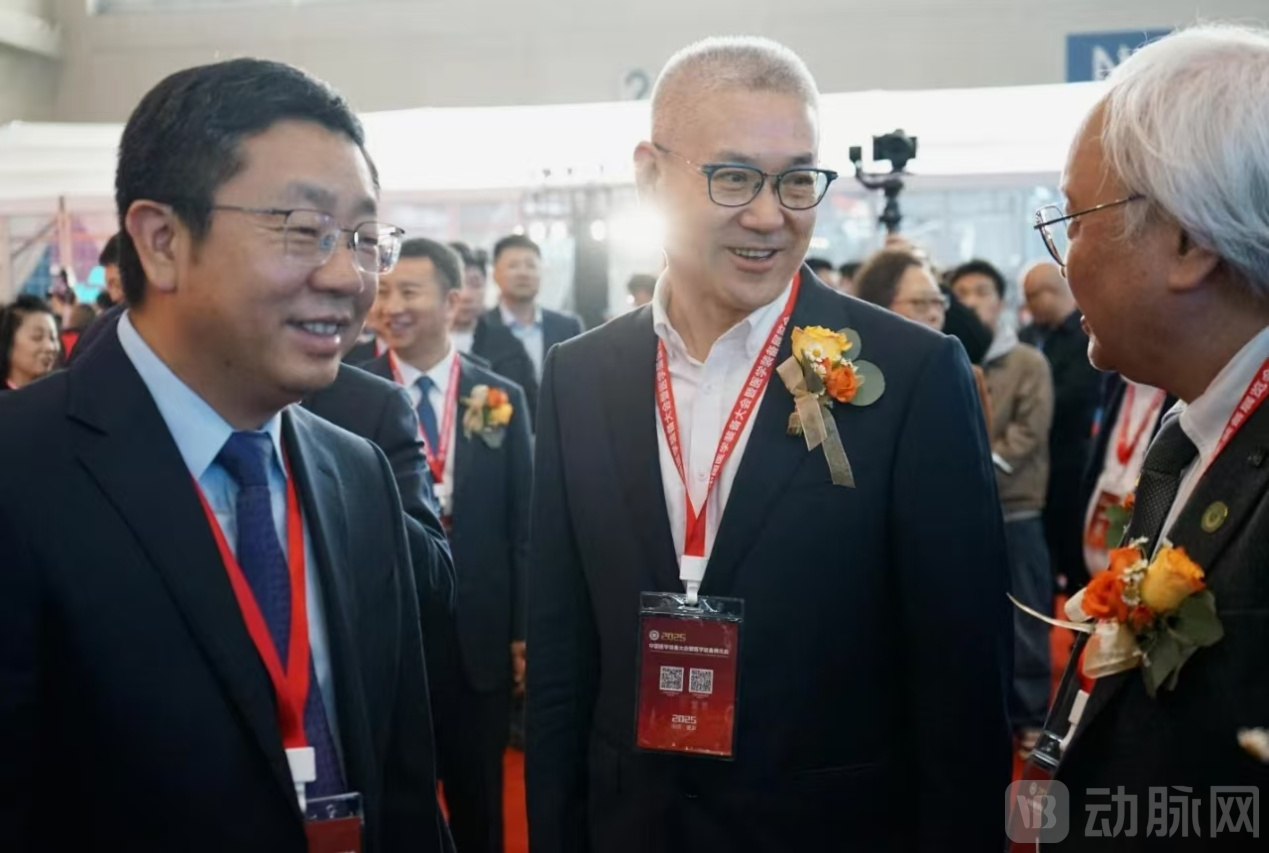
This enterprise isShanghai Keduo Medical Technology Co., Ltd. (hereinafter referred to as “Keduo Medical”) is a leading provider of full lifecycle management services for hospital medical equipment assets in China, facilitating high-quality hospital development through refined management of medical equipment. Since its establishment in 2006, Keduo Medical’s business has expanded across 31 provinces, municipalities, and autonomous regions in China, as well as the Hong Kong Special Administrative Region, with managed medical equipment assets exceeding RMB 100 billion.
In May, VCBeat connected with Kedou Medical to hear insights from its founder and chairman, Ni Jun, on China’s medical equipment industry and a summary of Kedou Medical’s development journey. In light of the national push to build new-quality productive forces and promote globalization in recent years, Ni Jun also shared Kedou Medical’s development strategy.
Accurately Grasping Industry Trends, Pioneering the Full Lifecycle Management Model for Medical Equipment
“Domestic medical equipment management has gone through four stages of development.” At the beginning of the interview, Ni Jun stated.
The first stage of development occurred around the 1990s. At that time, constrained by various factors, domestic hospitals had limited medical equipment, which was predominantly imported, and maintenance services were mainly provided by original manufacturers. The second stage emerged in the early 21st century; with the increase in hospital medical equipment and guidance from national policies, China’s medical equipment management market gradually formed a tripartite structure involving “hospitals + original manufacturers + third-party providers.” The third stage began in 2014, when medical equipment management progressively advanced toward full lifecycle management. Companies represented by Kedou Medical started offering end-to-end lifecycle management services, covering everything from procurement to decommissioning. The fourth stage has been driven by the emergence and practical application of cutting-edge technologies such as the Internet of Things (IoT), big data, and large language models, leading to another leap in medical equipment management models and ushering in an era of digital and intelligent management.
At every stage of its development, Kedou Medical has precisely grasped the pulse and trends of industry evolution. This may well be the primary reason it has emerged as a leader in China’s medical equipment management sector.
Specifically, since its inception, Kedou Medical has positioned itself as the preferred provider of medical equipment management solutions. During the first phase of its development, from 2006 to 2014, Kedou Medical’s client base primarily consisted of medical equipment manufacturers, for whom it mainly provided maintenance and repair services in hospitals across China. In this stage, Kedou Medical accumulated extensive experience in the maintenance and management of diverse medical equipment, along with a robust pool of engineering talent and a comprehensive engineer management system.
andIn 2014, Kedou Medical targeted hospitals as its primary customer base and pioneered the “Kedou Model,” a full lifecycle management approach for medical equipment.Compared with traditional medical equipment management models, the "Kedu Model" features two key characteristics: first, proactive management; and second, comprehensive services covering the entire lifecycle of equipment, from procurement, installation, and commissioning to inspection, repair, maintenance, and final decommissioning. Through this proactive and holistic medical equipment management service, Kedu Medical not only effectively improves equipment utilization rates but also matches hospitals with suitable medical equipment based on their needs and budgets, thereby helping hospitals enhance overall operational efficiency.
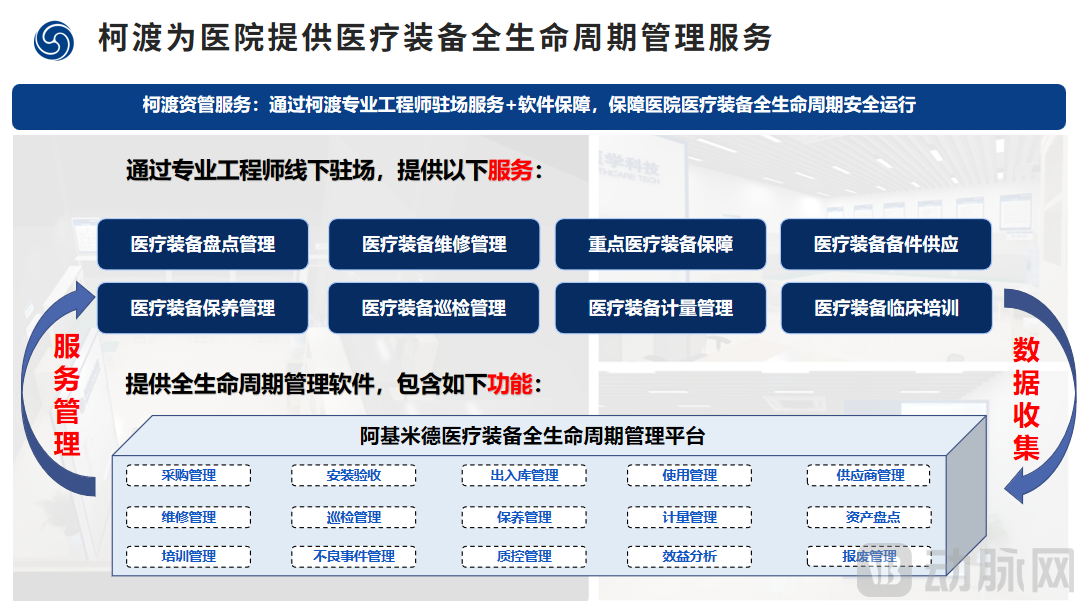
Specifically,Kedu Medical’s full lifecycle management model for medical equipment primarily comprises two aspects. The first involves deploying professional engineers on-site to provide services including medical equipment inventory, repair, priority equipment support, spare parts supply, maintenance, and routine inspections. To date, Kedu Medical has built a team of over 1,400 professional engineers, with work order response times not exceeding 15 minutes.
The second aspect pertains to software services. Kedou Medical has integrated information systems for procurement management, installation and acceptance, inventory control (inbound and outbound), usage management, maintenance management, inspection management, preventive maintenance management, benefit analysis, and decommissioning management into the Archimedes Medical Equipment Full Lifecycle Management Platform. This enables comprehensive, end-to-end medical equipment management services covering the entire process from procurement and installation to usage, maintenance, inspection, and eventual decommissioning.
Moreover, according to Kedou Medical, the Archimedes Digital Medical Equipment Lifecycle Management Platform can also assist hospitals in rapidly preparing documentation based on PDCA standards, thereby enhancing the efficiency of preparation for accreditation reviews.
VCBeat has learned that,Since Kedou Medical proposed the full lifecycle management model for medical equipment in 2014, it has been promoting fully outsourced partnerships based on this concept. However, as its business deepened, Kedou Medical also identified hospitals’ needs for managing medical equipment in specific key scenarios, such as the operating room.
It is reported that medical equipment in hospital operating rooms is not only diverse but also exhibits significant cross-departmental characteristics. Therefore, the management of operating room medical equipment has always been a pain point and challenge in hospital equipment management. To address this issue, Kedou Hospital has launched an intelligent management system for operating room medical equipment.
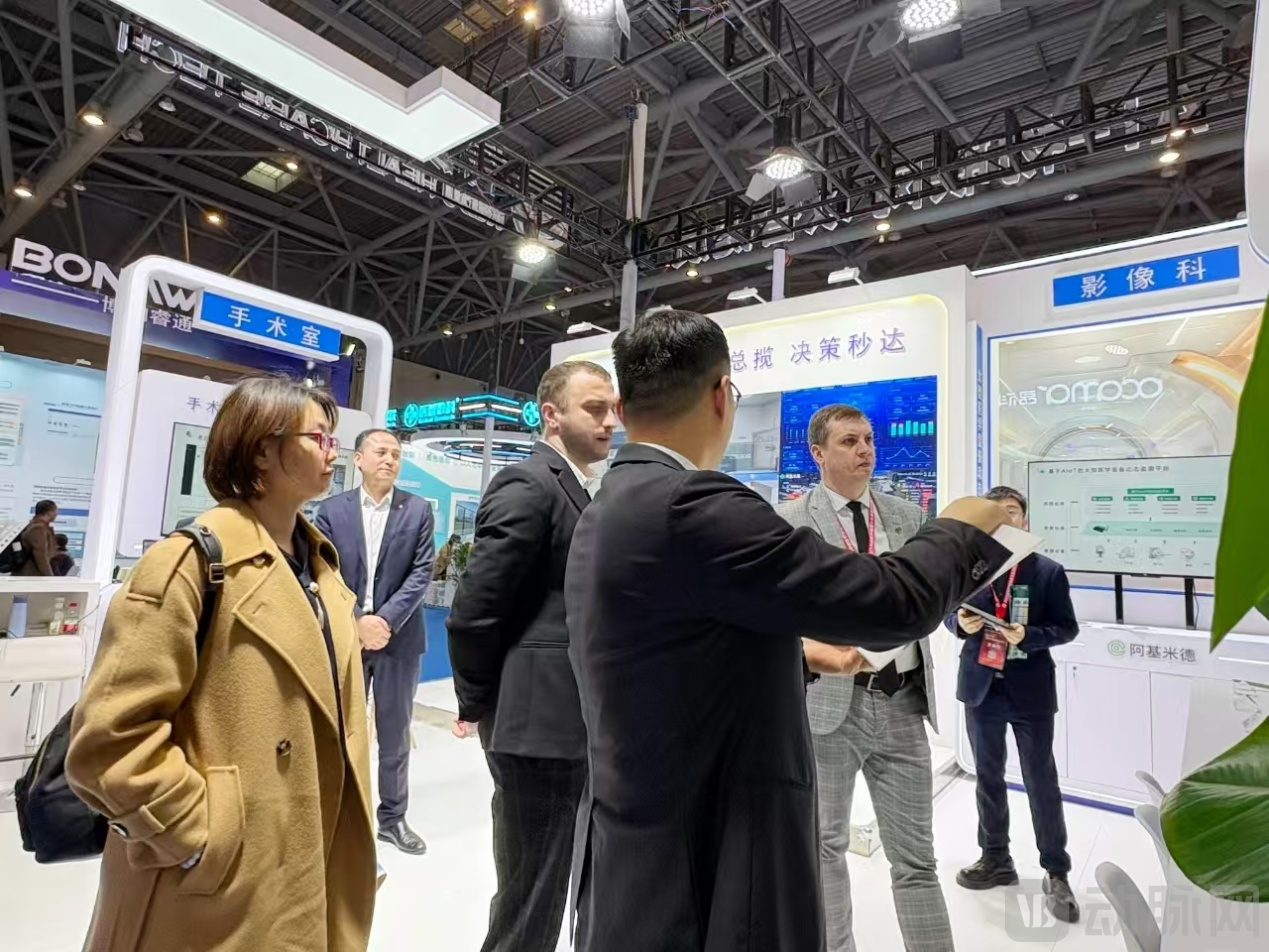
Specifically, in the preoperative phase, Kedou Medical’s system can automatically track the real-time location of medical equipment and integrate with the hospital’s scheduling system. By combining system-based retrieval with offline access, the preparation time for medical equipment prior to surgery can be reduced. During the intraoperative phase, the system collects operational data from the equipment, providing data support for subsequent analysis, and employs geofencing technology and early warning mechanisms to prevent medical equipment from leaving designated areas. In the postoperative phase, the collected equipment operational data is integrated with other hospital data to enable refined benefit analysis for each piece of equipment. This not only provides a scientific basis for hospital decision-making but also promotes effective control of medical costs and continuous improvement in healthcare quality.
Therefore,At the current stage, Kedou Medical has two primary models of collaboration with hospitals: first, a fully outsourced service for hospital-wide medical equipment based on the concept of full lifecycle management; and second, medical equipment management services tailored to key scenarios, such as operating room medical equipment management and dynamic monitoring services for large-scale medical equipment in radiology departments, as mentioned earlier.
Furthermore, according to Kedou Medical, the company will prioritize partnerships with large tertiary hospitals in the current stage and for the foreseeable future, while actively advancing government-led regional cooperation networks and collaborating with healthcare institutions such as medical alliances and medical supply consortia.The underlying reasons are closely tied to commercial potential and resource allocation.
In recent years, the rise of cutting-edge technologies such as the Internet of Things (IoT), big data, and large language models, coupled with national guidance and promotion toward developing new quality productive forces, has led Kedou Medical to recognize the critical importance of digital-intelligent technologies in medical equipment management. Recognizing that digital intelligence will shape the future trajectory of medical equipment management, the company has implemented a series of innovative initiatives accordingly.
Paradigm Shift: Leveraging IoT, Big Data, and Large Models to Achieve Digital-Intelligent Management of Medical Equipment
“On one hand, as our business expands, our ties with the industry have grown increasingly close, allowing us to identify the emerging demand among hospitals for digital and intelligent management of medical equipment. On the other hand, the emergence and maturation of relevant technologies have revealed the feasibility of practical implementation. Furthermore, against the backdrop of the national emphasis on developing new quality productive forces, medical equipment management—as a vital component of the healthcare industry—should naturally seize this momentum, align with policy guidance, and leverage emerging technologies to foster new quality productive forces,” said Ni Jun. “Kedu Medical, however, had already begun strategic preparations in this area many years ago.”
Kedu Medical’s strategic layout in the digital and intelligent management of medical equipment began with the application of the Internet of Things (IoT).Leveraging the Internet of Things (IoT), Kedou Medical empowers hospitals to conduct real-time monitoring of large-scale medical equipment. This enables hospitals to maintain real-time awareness of equipment operational status, thereby allowing them to monitor performance metrics and promptly repair faulty devices. Furthermore, it provides performance data to support hospital procurement decisions, thus avoiding resource waste.
Moreover, leveraging the Internet of Things (IoT), Kedou Medical empowers hospitals to locate medical equipment and facilitate its shared allocation, thereby addressing management challenges arising from an excessive volume of medical devices as well as issues related to cross-departmental equipment utilization and management.
At the recent 2025 CHIMA China Hospital Information Network Conference,Kedu Medical also launched new products, including the Kedu Suanjing, the Pixiu Baijie Medical Industrial Large Model, and an infrastructure platform for the digital and intelligent upgrading of healthcare. Among these, Kedu Suanjing is a benefit analysis system tailored by Kedu Medical for hospitals.
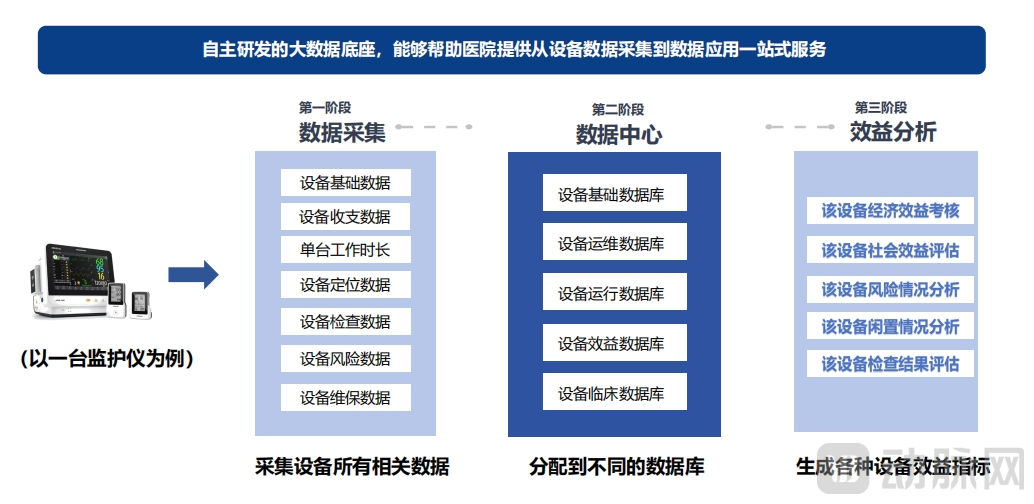
Specifically, the Keduan Suanjing platform can be regarded as a big data foundation that integrates financial accounting data with detailed operational data. By breaking down data silos across the entire hospital and leveraging real-time, granular, and multi-dimensional cost data, it generates analytical reports covering dimensions such as equipment economic benefit assessment, equipment risk analysis, and idle asset analysis. This provides hospital administrators and decision-makers with a more precise and diversified cost management and operational analysis framework, offering accurate, real-time, and comprehensive data support for their decision-making processes.
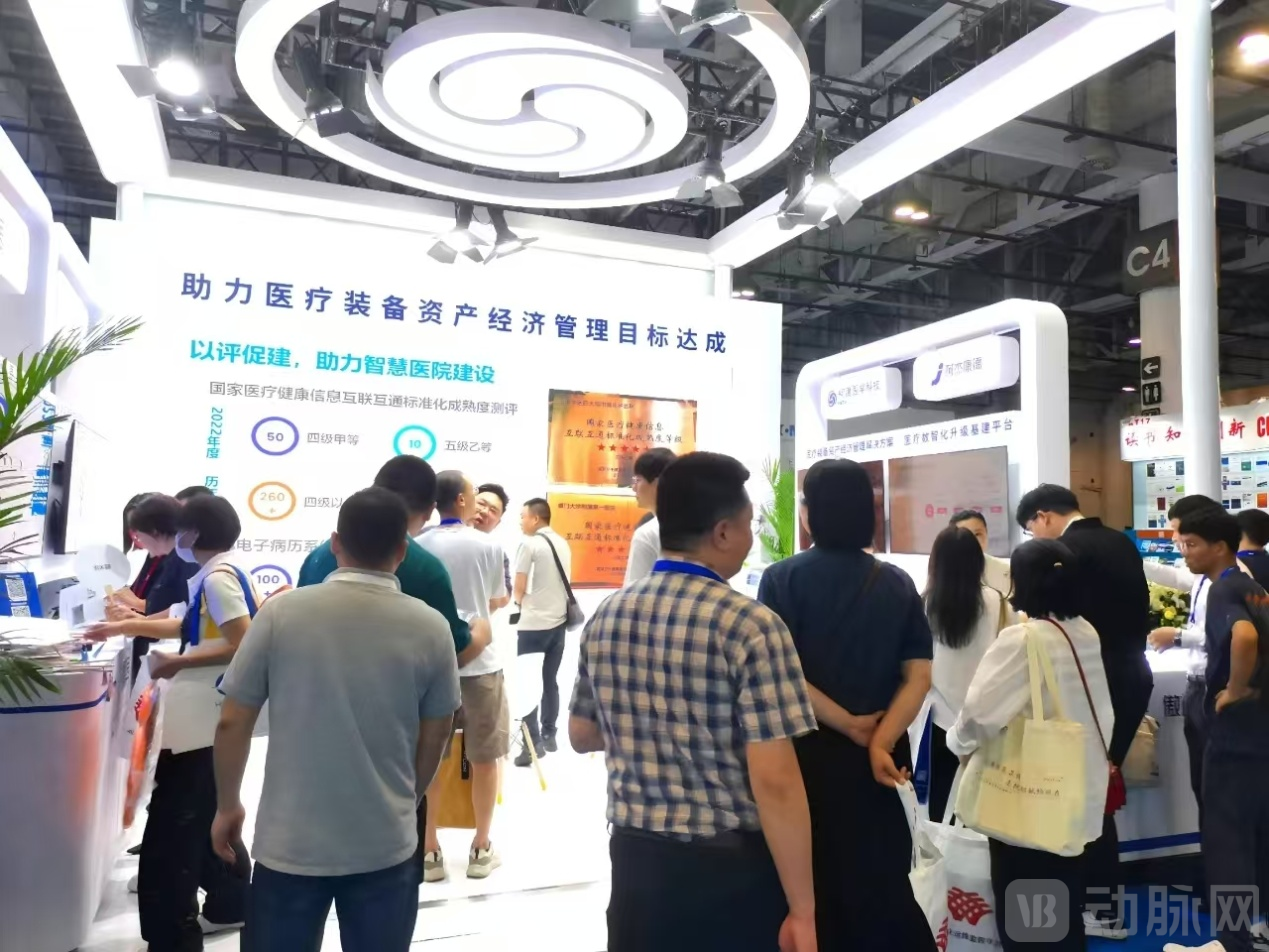
Moreover, the application of Kedou Suanjing can also enhance the operational efficiency of Kedou Hospital. According to Kedou Medical, in the past, data acquisition and analysis, as well as monitoring and analyzing the operational status of medical equipment, relied on the Internet of Things (IoT). However, due to the large variety of medical equipment in hospitals, IoT deployment faced certain efficiency challenges and relatively low data accuracy. In contrast, the implementation of Kedou Suanjing requires only a unified data interface to achieve simultaneous improvements in both efficiency and accuracy.
andThe current applications of the Pixiu Baijie Medical Engineering Large Model are primarily focused on providing Kedou medical engineers, hospital engineers, and physicians in hospital departments with reference support for various medical equipment and their maintenance technologies.The underlying reason is that a hospital’s medical equipment portfolio is not only vast in quantity and diverse in types but also likely sourced from multiple manufacturers. This poses a challenge even for professional engineers, let alone for physicians in hospital departments. Therefore, Kedou Medical has selected knowledge provision for maintenance as the primary application scenario for its Pixiu Baijie large language model. According to Ni Jun, the Pixiu Baijie large language model is currently deployed primarily within Kedou Medical; however, hospitals with relevant needs may also purchase it on demand.
Expansion of Commercial Footprint: Prioritizing Southeast Asia, Central Asia, and the Middle East in Overseas Markets
In addition to technological upgrades, Kedou Medical has also been seeking breakthroughs in commercialization in recent years.
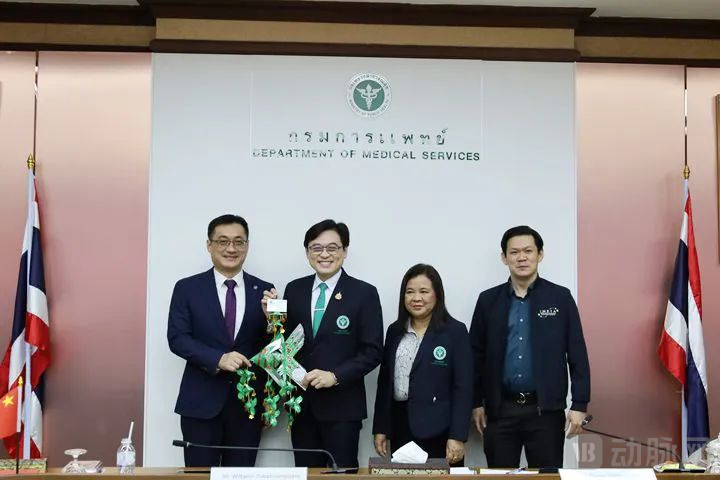
In recent years, expanding overseas has become the main theme in the development of domestically produced medical equipment, with many well-known Chinese medical institutions establishing global strategies. As an industry closely related to medical equipment, companies in the equipment management sector are also actively pursuing global expansion.
As a leading enterprise in medical equipment management in China, Kedou Medicine has also established an Overseas Business Department and formulated an international expansion plan based on on-site research. Specifically,Kedu Medical’s overseas business will primarily focus on two major segments: the first is naturally Kedu Medical’s core competency—digital and intelligent lifecycle management of medical equipment; the second is the remanufacturing of pre-owned medical equipment in China.To this end, Kedou Medicine has established the Hainan Mei’an Industrial Park, a large-scale comprehensive science and technology industrial park integrating medical device research and development, manufacturing, product exhibition, and skills training. This park will serve as Kedou Medicine’s base for medical equipment remanufacturing and will leverage the preferential policies and strategic geographic advantages of the Hainan Free Trade Port to export related medical equipment to overseas markets.

During the interview, VCBeat learned thatSoutheast Asia, Central Asia, and the Middle East will become Kedou Medical’s preferred destinations for international expansion.Currently, Kedou Medicine has engaged in in-depth exchanges and discussions with the relevant countries in these three regions. Ni Jun also stated that the expansion of Kedou Medicine’s overseas business requires support from local teams; interested institutions are welcome to contact the company for collaboration opportunities.
Regarding the future of the industry, Ni Jun emphasized that medical equipment management will inevitably evolve towards digitalization and intelligence. In line with this trend, Kedou Medical will continue to explore the application of cutting-edge technologies, such as big data and large language models, in the field of medical equipment management, consistently advancing the development of digital and intelligent lifecycle management for medical equipment.