

PainLove Health Files IPO to Address the Unmet Needs of Over 100 Million Migraine Sufferers with Innovative Digital and Non-Pharmacological Solutions
TengAI Doc
Chronic Pain Management Service Provider
Over 1 billion people worldwide are suffering from migraines. This neurological disorder deprives patients of healthy working hours and life enjoyment each year, causing suffering far beyond your imagination.
May 27 is "Migraine Care Day."However, care for migraine patients should not be limited to a single day. In fact, the entire month of May is designated as “Migraine Care Month.” This public science education and patient care initiative, focused on migraine awareness, was jointly launched by various sectors of society, including the Headache and Sensory Disorders Professional Committee of the Chinese Research Hospital Association, the China Population Welfare Foundation, China Women’s News, Charity Times, and patient communities.
At the end of last year, the China Population Welfare Foundation launched the “Healthy China Action—2025 Public Disease Awareness Education and Advocacy Project for Migraine,” inviting renowned actor Shen Teng to serve as the Healthy China Action Migraine Public Welfare Advocacy Ambassador to enhance public awareness of migraine.
Currently, societal attention to migraine is continuously increasing. Underpinning this series of initiatives are the severe disease burden represented by chronic pain conditions such as migraine, and the urgent need for disease intervention and treatment.
From the perspective of the current disease landscape, China currently has over 300 million patients suffering from chronic pain, with this number growing rapidly by 10 to 20 million annually.Headache is one of the most common symptoms and conditions among chronic pain disorders. As a type of primary headache, migraine affects approximately 130 million people in China, making it the country with the highest number of migraine sufferers worldwide.
Chronic pain, represented by migraine, imposes a substantial socioeconomic burden. Therefore, it is imperative to urgently enhance disease awareness, diagnosis and treatment, and prevention.
In terms of enhancing disease awareness, an increasing number of industry professionals and institutions are currently dedicated to this effort. However, in the realm of disease diagnosis and treatment, certain pain points still persist at this stage.
“Let There Be No Unbearable Pain in Life”, which represents the public’s high hopes and also embodies Tengteng Health’s mission and vision. As a company deeply engaged in chronic pain management, it is leveraging cutting-edge technologies to make high-quality, specialized chronic pain care services readily accessible. Addressing the current state of diagnosis and treatment in the industry, Luo Xiaoai, co-founder of Tengteng Health, pointed out, “Currently, there are still many missing ‘puzzle pieces’ across the entire continuum of chronic pain diagnosis, treatment, and management.”Important “puzzle pieces” such as the end-to-end digital and intelligent transformation of chronic pain management, meeting the essential demand for non-pharmacological therapies, and the provision of personalized treatment modalities remain lacking.“For instance, from the perspective of patient populations, migraine treatment in children and adolescents requires consideration of physiological and psychological differences compared with adults, whereas pregnant and postpartum women have specific medication contraindications. Furthermore, some patients with migraine may experience suboptimal response to pharmacotherapy or worsening headaches due to medication overuse. There is an urgent need for personalized, non-pharmacological treatment options to support these patients.”
On World Pain Day 2024, Professor Zhang Daying, Chairman of the Chinese Society of Pain Medicine, alsoEmphasized the importance of personalized treatmentHe stated, “Gender differences in pain require physicians to focus on individualized treatment, variations in drug effects, and the impact of multiple factors, including psychosocial aspects, on diagnostic and therapeutic outcomes.”
Standardized diagnosis and treatment protocols influence the efficacy of migraine management and patients' quality of life.Professor Yu Shengyuan, Chief Physician of the Department of Neurology at the Chinese PLA General Hospital, Council Member of the International Headache Society, and Chairman of the Headache and Sensory Disorders Committee of the Chinese Research Hospital Association, stated, “The establishment of headache prevention and control bases and systems in China is of great significance for the standardized diagnosis and treatment of migraine patients.”
Systematic solutions remain lacking.Professor Li Yansheng from the Cerebrovascular Disease Center at Renji Hospital, Shanghai Jiao Tong University School of Medicine, stated, “As clinicians, we strongly hope that the diagnosis and treatment of migraine in China can keep pace with international standards. We aim to integrate cognitive-behavioral therapy and psychological interventions via online platforms, consolidating pharmacological treatment, psychotherapy, electronic health records for chronic disease management, online care coordination, and neuromodulation into a single comprehensive platform.”
To address the pain points and challenges in the diagnosis and treatment of migraine, TengAI Health is building a digital-intelligence platform tailored for migraine patients, offering non-pharmacological therapies including neuromodulation.
Match doctors and patients to improve the accessibility, efficiency, and accuracy of diagnosis
First, regarding the diagnosis of migraine, the current correct diagnosis rate for migraine outside tertiary hospitals is only 13.8%. This low diagnosis rate has resulted in a large number of patients failing to receive timely and effective diagnosis and treatment.
Currently, due to the diverse nature of migraine pain (pulsating, distending, or stabbing), along with individual variations in pain intensity, location, and frequency, and the lack of specific laboratory or imaging biomarkers, diagnosis often relies on patient descriptions and clinical judgment by physicians.
For patients, access to specialists with extensive clinical experience in specific diseases is of paramount importance. As of May 2025, TengAI Doc has covered 31 provinces across China, encompassing 167 headache centers and 319 headache clinics through its digital-intelligence platform. Migraine patients can use the “TengAI Doc” mini-program to promptly and accurately locate nearby headache centers/clinics and physicians, thereby facilitating precise medical consultations. For physicians, enhancing outpatient efficiency and diagnostic accuracy is particularly critical. To this end, TengAI Doc leverages AI-powered preliminary headache consultations and professional assessment scales as auxiliary tools to assist physicians in achieving more accurate disease diagnoses.
Addressing Unmet Critical Needs, Enabling Non-Pharmacological and Personalized Therapies
Secondly, regarding the treatment of migraine, pharmacological therapy has been the predominant approach in the past. However, such treatment carries certain limitations.The brains and metabolic systems of children and adolescents are still developing, making them highly sensitive to drug side effects and at greater risk of adverse reactions. Side effects such as drowsiness, gastrointestinal discomfort, and mood changes can disrupt normal learning and daily life. For individuals who are planning pregnancy or are pregnant, certain medications are contraindicated due to concerns about fetal safety. Furthermore, a significant number of patients currently experience insufficient therapeutic efficacy, with some even suffering from worsened headaches due to medication overuse. In recent years, the industry has been exploring non-pharmacological interventions, such as lifestyle management and cognitive behavioral therapy, to better address the critical needs of migraine patients. TengAI Health has innovatively proposed its own non-pharmacological treatment solution—its primaryCovering the Nerivio wearable remote neuromodulation device for migraine treatment, MigreLief migraine nutritional supplements, digital therapeutics for migraine, and an intelligent digital platform for follow-up management of headache patients.
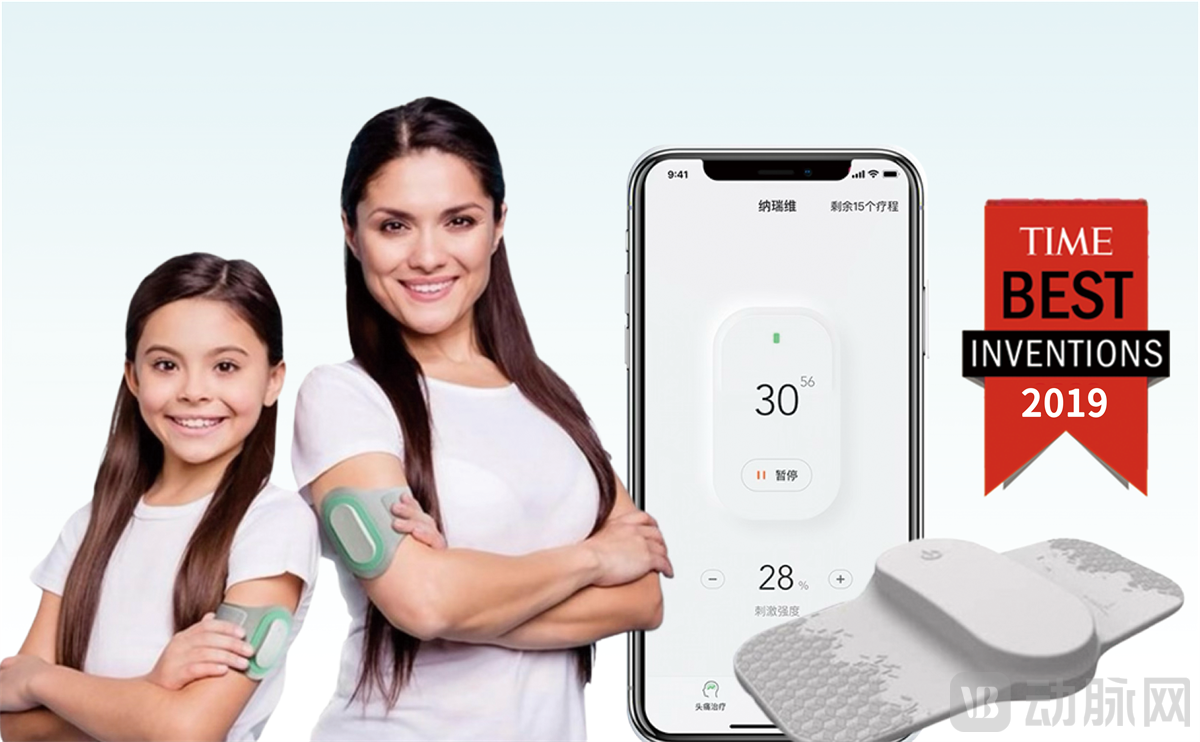
Among them, Nerivio is a remote electrical neuromodulation (REN) low-frequency electrical stimulator indicated for the acute and preventive treatment of migraine in both adults and adolescents.The product has currently obtained dual FDA and CE certifications and is indicated for acute and preventive treatment in children, adolescents, and adults aged 8 years and older; it has also been approved for use in the Hong Kong region. Nerivio holds an absolute dominant share in the non-invasive neuromodulation device category within the U.S. migraine market. Tengtai Health serves as Nerivio’s exclusive strategic partner in China, having achieved localization and commercialization of the product’s software and data.
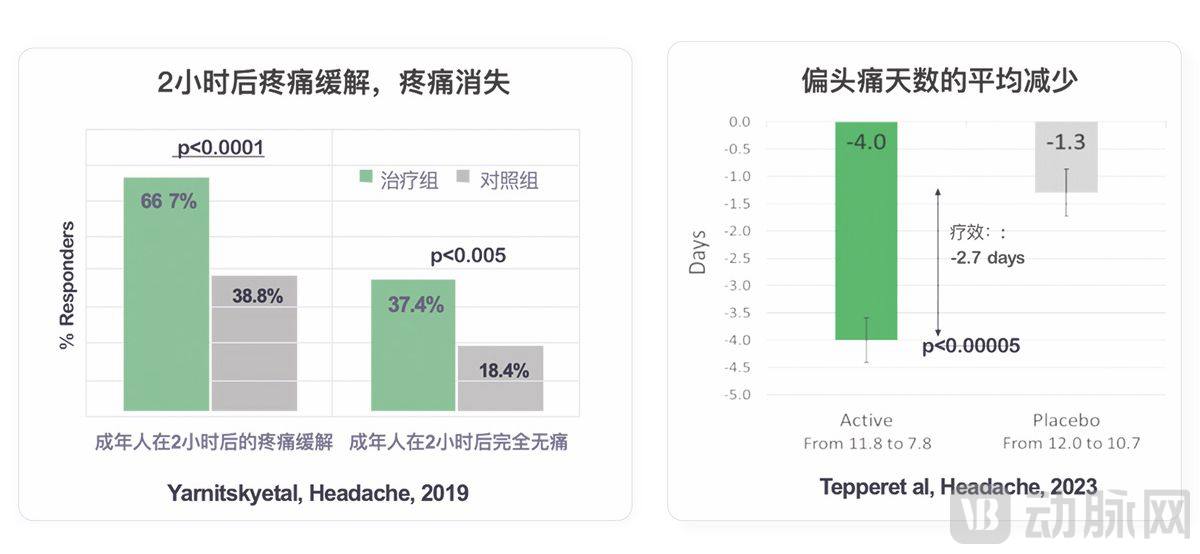
The primary reason for the high regard of Nerivio, a remote neuromodulation device, is its proven clinical efficacy and robust clinical data.From the perspective of acute migraine treatment, clinical data show that after using this device, the pain relief rate in adults at two hours was 66.7%, and the pain-free rate was 37.4%.1; In adolescents (aged 12–18 years), the pain relief rate at two hours was 71.8%, and the pain-free rate was 35.9%.2; in children (aged 6–11 years), 72.2% of patients reported pain relief (from severe/moderate to mild/no pain) in at least 50% of treatments, 36.0% achieved complete pain relief within 2 hours, and no device-related adverse events occurred3. In the treatment of migraine in pregnant women, it did not increase the risk of adverse pregnancy outcomes.4. From the perspective of migraine prophylaxis, it can significantly reduce the frequency of migraine attacks in patients. Clinical data show that the experimental group experienced a reduction of 3.97 days in migraine occurrence, with a treatment gain of -2.69 days.5。
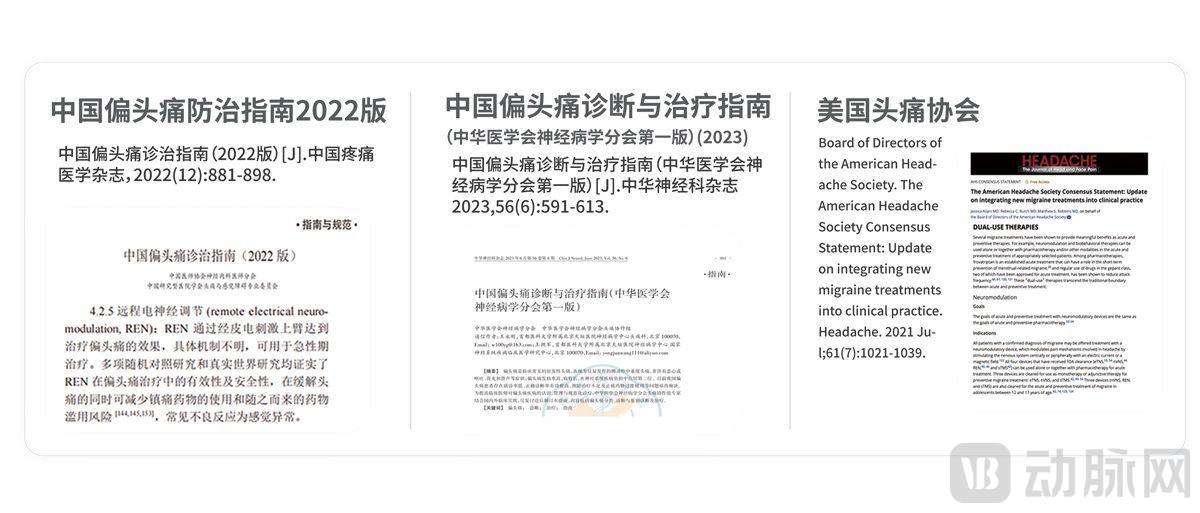
Undoubtedly, it is highly patient-friendly for those with a rigid demand for non-pharmacological treatments. Furthermore, real-world studies have demonstrated that it can be used either as monotherapy or in combination therapy6, thereby meeting the needs of diverse patient populations. As a treatment modality supported by extensive evidence-based medical literature, its therapeutic mechanism—Remote Electrical Neuromodulation (REN)—has been incorporated into clinical guidelines for the diagnosis and management of migraine.
Another key product in TengAI Doc’s innovative non-pharmacological treatment portfolio for pain management is MigreLief.It is a nutritional dietary supplement specifically developed for individuals with migraines, with its core ingredients, dosage, and extraction technology recognized by the International Headache Society and migraine diagnosis and treatment guidelines.Over the past 25 years, this nutritional supplement has been used by millions of migraine sufferers worldwide.Formulated with natural headache-relief nutrients primarily derived from minerals, vitamins, and plant extracts, it does not induce medication-overuse headache (MOH). Its non-pharmacological nature and absence of harmful side effects make it suitable for children and adolescents, as well as for patients who respond poorly to conventional medications or rely excessively on them. Tengai Health is the exclusive strategic partner for MigreLief in China. Reportedly, the company plans to implement localization measures to better serve users in need.
When used in conjunction with proprietary digital therapeutics and other interventions developed by TengAI Health, the aforementioned products can effectively reduce patients’ reliance on medications and address the challenge of treating migraines in patients with contraindications to pharmacotherapy. They particularly meet the unmet critical needs of migraine sufferers among special populations, such as children, adolescents, and pregnant or postpartum women.
Precision Patient Management to Enhance the Effectiveness of Migraine Diagnosis and Treatment
Finally, from the perspective of migraine disease management,Historically, the lack of digital tools and processes has meant that migraine diagnosis and treatment outcomes often lacked data support, making it difficult for physicians to assess therapeutic efficacy. Furthermore, the absence of robust clinical data has hindered subsequent research, preventing doctors from developing more optimized treatment plans for patients. Digitalization is therefore undeniably critical for the management of migraine patients.TengAI Doc is currently achieving full-process digital and intelligent transformation in the diagnosis, treatment, and management of migraine by developing and utilizing digital-intelligence platform tools. This approach enables refined patient management while further empowering physicians in both clinical practice and scientific research.
It is worth noting that TengAI Health is launching two major collaborations in the clinical and scientific research fields.
One is to support the national multicenter real-world study on migraine.TengAI Doc’s AI-powered headache management platform, developed by TengAI Health, serves as the collaborative headache follow-up management platform for the key special project “Establishment of Migraine-Specific Disease Cohorts, Clinical Research Platforms, and Quality Control Systems” under the National Key R&D Program “Research on Prevention and Treatment of Common and Frequently Occurring Diseases.” The project currently covers 28 regions and over 130 hospitals, significantly facilitating patient follow-up management and clinical research.
The second is to empower the Yangtze River Delta Smart Headache Management Project.TengAI Doc serves as the technical collaboration platform for the “Yangtze River Delta Smart Headache Management Project.” Covering Shanghai, Jiangsu, Zhejiang, and Anhui, the project currently engages headache specialists from over 80 hospitals. It aims to enhance multidisciplinary clinical diagnosis and treatment capabilities, share the latest advancements in headache epidemiology, therapeutic targets, preventive strategies, and smart management, thereby strengthening headache prevention, control, and treatment capacities in the Yangtze River Delta region and alleviating the burden on patients. As China’s first regional consultation platform dedicated to headache specialties, it bridges resource gaps in this field by integrating authoritative expert resources across the Yangtze River Delta.Notably, the establishment of this regional platform also signifies that the model is replicable in later stages, enabling the implementation of multidisciplinary collaborative services for specialized migraine diagnosis and treatment across China.
As the full-process digital-intelligence platform is further developed, and TengAI Health continues to strengthen its efforts in patient education, disease management, consultations, and data management, it will help improve the efficiency and quality of migraine diagnosis and treatment, further optimize the allocation of medical resources, reduce the burden on patients, and promote the development of smart healthcare through remote consultations and other means, truly “making life free from unbearable pain.”
“In the migraine treatment market, the needs of different stakeholders vary,” mentioned Luo Xiao’ai. “TengAI Health provides tailored solutions for different market entities, which together constitute TengAI Health’s business model.”
From the perspective of the in-hospital market, hospitals and physicians seek to better deliver patient diagnosis, treatment, and management.TengAI Doc empowers physicians through a full-process digital intelligence platform and, by facilitating the hospital adoption of neuromodulation therapy devices, provides a “service + product” solution tailored to medical institutions, thereby helping enhance their diagnostic and therapeutic capabilities.
From the post-discharge market perspective, pharmaceutical and medical device companies, as well as clinical research institutions, have demands for patient management and real-world studies.TengAI Doc leverages its digital and intelligent patient follow-up management platform to manage migraine patients through headache diaries, assessment scales, and rapidly customizable follow-up plans. In the process, it accumulates real-world study data, which better supports patient retention and drives the improvement, innovation, and R&D of pharmaceutical and medical device products.
Meanwhile,As patients’ health awareness continues to rise, demand for disease prevention and the corresponding market in consumer healthcare settings are experiencing rapid growth.Beyond conventional treatment, migraine patients can better achieve the dual benefits of “treatment and prevention” by combining neuromodulation devices, nutritional supplements, and digital therapeutics. Notably, the Nerivio remote neuromodulation device is designed to meet usage needs in various settings such as home, work, study, and travel, with its armband design significantly enhancing convenience. Meanwhile, MigreLief products are readily accessible through cross-border e-commerce platforms.
With further expansion into the domestic market and continuous improvement of the related service system, TengAI Health is able to replicate its migraine disease management model from the Chinese market, thereby extending its market reach to neighboring countries and other overseas regions to meet the needs of international patients.
However, TengAI Health’s ambitions extend far beyond this. Guided by its mission to “eliminate unbearable pain from life,” the company addresses not only migraine but also the substantial chronic pain management needs of patients with other conditions. Facing a population of over 300 million chronic pain sufferers in China, TengAI Health canLeveraging mature management expertise in the migraine field, rapidly replicate and expand into other chronic pain management domains through a closed-loop model combining “digital intelligence + neuromodulation wearable devices + nutritional supplements.”
Moreover, against the backdrop of an aging population, the number of patients with Alzheimer’s disease and Parkinson’s disease is rising rapidly, and neuromodulation devices hold broad application prospects in addressing neurological disorders. TengAI HealthIt is also possible to leverage the product foundation of neuromodulation devices to strategically position for the management of age-related degenerative diseases.
In summary, TengAI Doc has established a relatively mature business model capable of providing targeted solutions to meet the needs of diverse market participants. Furthermore, it is rapidly scaling and replicating this model to achieve accelerated growth.
This ability to identify pain points in chronic pain management and provide digital platforms and innovative treatment solutions for both doctors and patients is linked to the founding team of TengAI Health.
TengAI Doc’s co-founder, Luo Xiaoai, was previously a founding team member of higi, a U.S.-based chronic disease management company (which was subsequently acquired by Babylon Health and later by Modivcare). She also served in Microsoft’s Healthcare Information Solutions division, bringing extensive experience in digital chronic disease management. The company’s Chief Medical Advisor, Qian Xiang, is a Clinical Professor of Pain Medicine and doctoral supervisor at Stanford University Medical Center, as well as Director of the Head and Facial Pain Center. He has achieved significant accomplishments in clinical practice, scientific research, and interdisciplinary innovation integrating medicine and engineering. Co-founder Wei Gang is a Visiting Professor in the Department of Computer Science at the University of Illinois at Chicago. He formerly served as Senior Vice President and Chief Architect at HighGround and Echo Global Logistics in the United States, possessing a strong background in computer science and artificial intelligence.
A multidisciplinary team combining clinical medicine and cutting-edge technology has enabled TengAI Doc to maintain sensitivity to emerging technologies while rapidly achieving product application and development implementation.
Long before DeepSeek set social networks ablaze in early 2025 and spurred the widespread adoption of AI in healthcare, TengAI Health had already been exploring and strategically positioning itself in the research and development of AI agents for specialized disease management.
Currently, the field of chronic disease management is entering the era of AI agents. By integrating patient management records and authoritative expert consensus, numerous companies are combining the professional expertise of physicians, nutritionists, and counselors with AI technologies to build specialized datasets and knowledge bases for specific disease areas. These efforts aim to create AI agents that deliver customized management solutions for users.
Building on years of expertise in the field of migraine, including extensive clinical experience, patient management data, and proficiency in AI technology, TengAI Doc has developed an AI-powered specialized disease management agent for migraines. This solution aims to reduce physician burden and enable comprehensive, lifecycle-wide disease management for patients. Specifically, it allows users to customize a dedicated AI assistant that helps patients adhere to intervention plans through intelligent reminders and education, while also capturing changes in patients’ health status via smart monitoring systems to provide timely alerts. Reportedly, this AI agent for specialized disease management will be available to users in the near future.
Meanwhile,TengAI Doc is also accelerating the localization and iterative development of its existing technologies and products.Products such as Nerivio by TengAI Doc are poised to receive NMPA certification in China, further enabling localized production and use to deliver solutions better aligned with the usage habits of Chinese patients. Meanwhile, TengAI Doc is rapidly advancing the domestic market promotion of its MigreLief product to enhance the accessibility of nutritional supplements. Additionally, TengAI Doc provides complementary digital therapeutic interventions to meet patients’ personalized management needs.
“We aim to solve the ultimate challenge in chronic pain management on a global scale, making pain management simpler for patients and significantly improving their quality of life,” emphasized Luo Xiaoai. “Though the road is long, we will reach our destination. To fulfill our mission of ‘ensuring no unbearable pain in life,’ we remain steadfast in our exploration and progress.”
Source of Clinical Data in the Text:
1、Remote Electrical Neuromodulation (REN) Relieves Acute Migraine: A Randomized, Double-Blind, Placebo-Controlled, Multicenter Trial;Yarnitsky et al, 2019
2、Remote electrical neuromodulation for acute treatment of migraine in adolescents;Hershey et al, 2020
3、Acute Treatment of Migraine in Pre-Adolescents: Real-World Analysis of Remote Electrical Neuromodulation (REN)
4、Safety of remote electrical neuromodulation for acute migraine treatment in pregnant women: A retrospective controlled survey- study;Peretz et al,2023
5、Remote electrical neuromodulation for migraine prevention:A double-blind,randomized, placebo-controlled clinical trial;Tepper et al, 2023
6、Real-World Analysis of Remote Electrical Neuromodulation (REN) for the Acute Treatment of Migraine