

Multiple AI Innovations for Physicians Unveiled: A Multifaceted Revolution in Clinical Efficiency and Medical Education
On May 23, the Second Medical Large Model (LaMMS) Thematic Symposium on “Innovation and Practice,” guided by the Medical Artificial Intelligence Professional Committee of the Chinese Hospital Association and hosted by the School of Continuing Education in Medicine, Peking University (International Institute for Big Health, Peking University Health Science Center), was successfully held in Changzhou, Jiangsu Province.
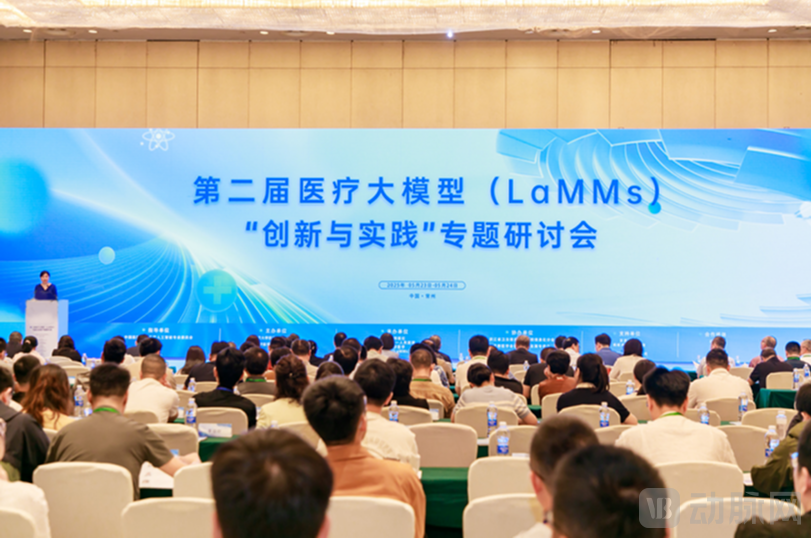
On-site at the 2nd Medical Large Model (LaMMS) “Innovation and Practice” Thematic Symposium
The conference invited representatives from hospitals such as Changzhou No. 1 People’s Hospital, Guang’anmen Hospital of the China Academy of Chinese Medical Sciences, and the Second Affiliated Hospital of Zhejiang University School of Medicine; research institutions including Peking University Health Science Center and the School of Computer Science at Fudan University; and enterprises such as Quanzhen Medicine, Baidu Intelligent Cloud, Ant Group, and SenseTime Healthcare. Participants engaged in in-depth exchanges and vibrant discussions on cutting-edge trends in large medical models both domestically and internationally, practical application experiences, and the AI-driven intelligent transformation of hospital services.
At the conference, multiple innovative AI healthcare achievements were showcased. Meanwhile,“Changzhou General Diagnosis Large Model Medical Artificial Intelligence Engineering Research Center,” jointly established by Changzhou No. 1 People’s Hospital, Changzhou University, and Quanzhen Medicine, has been officially inaugurated. The center focuses on the research, development, and application of medical artificial intelligence, aiming to enhance diagnostic and treatment efficiency, optimize healthcare resource allocation, integrate industry-academia-research resources, and promote the intelligent transformation of the healthcare sector.In the future, the three parties will jointly develop it into a key R&D base for medical AI technology in China.
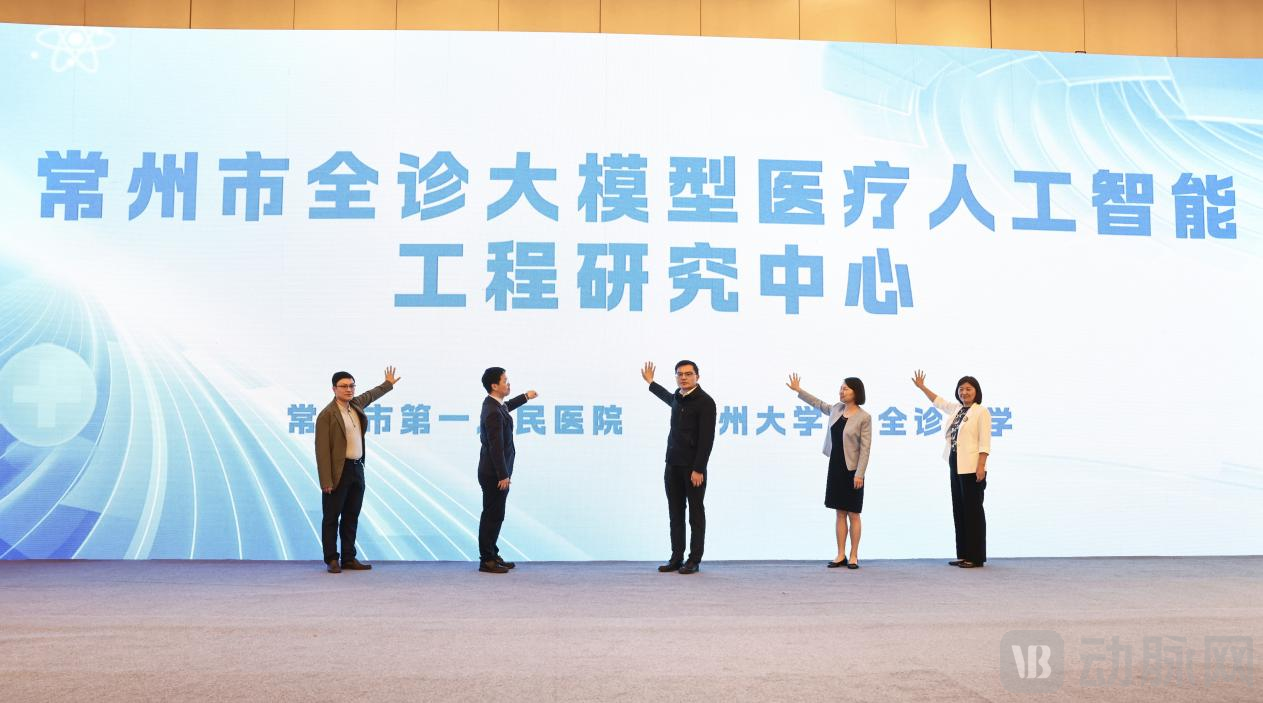 Inauguration Ceremony of the Changzhou Quanzhen Large Model Medical Artificial Intelligence Engineering Research Center
Serve Physicians, Empower Physicians, Address Physicians' Practical Needs
Holistic Medicine Enables Physicians to “Return to Clinical Diagnosis and Treatment”
After the conference, VCBeat interviewed Xue Chong, founder of Quanzhen Medicine and one of the initiators of the Changzhou Quanzhen Large Model Medical AI Engineering Research Center, which served as the organizer of the event.
For a long time, China’s healthcare industry has faced a shortage of high-quality physicians. The underlying causes may be related to the training system or the lengthy cultivation cycle, but Xue Chong, who comes from a medical background, offers a slightly different perspective on this issue.
In Xue Chong’s view, hospitals currently face the widespread pain point of insufficient physician supply, which is primarily reflected in the shortage of two groups: junior physicians and senior physicians.
During standardized residency training, medical school graduates are typically assigned to basic tasks such as writing medical records. This results in a weak cohort of junior physicians who are unable to effectively share the clinical workload, thereby limiting their potential for rapid professional growth. The shortage of junior physicians to handle these foundational tasks hinders the ability of senior physicians to maximize their efficiency.
The training of senior physicians (top-tier specialists) relies on extensive case-based training and the accumulation of clinical experience, characterized by prolonged training periods and high costs. There is a widespread global shortage of senior physicians.
The application of AI technology can effectively address the aforementioned challenges: on one hand, it significantly enhances the efficiency of medical record documentation and doctor-patient communication, enabling senior physicians to focus on clinical decision-making and core diagnostic and therapeutic responsibilities, while accelerating the professional development of junior physicians; on the other hand, AI tools have innovated paradigms in medical education, improving the efficiency of knowledge acquisition and substantially boosting the training efficiency of clinical competencies for residents and specialists through simulation systems and other means.
Accordingly,The core practices of Quanzhen Medicine in the field of AI healthcare are centered on serving physicians, empowering them, and addressing their practical needs.Quanzhen Medicine, established in 2016, is a national high-tech enterprise dedicated to providing medical AI products and information technology services. Its independently developed Quanzhen Medicine Large Model AI service platform and products have been implemented at Sir Run Run Shaw Hospital affiliated with Zhejiang University School of Medicine, Zhejiang Provincial People’s Hospital, Guang’anmen Hospital, and Changzhou No. 1 People’s Hospital, and have served 15,000 primary healthcare institutions.
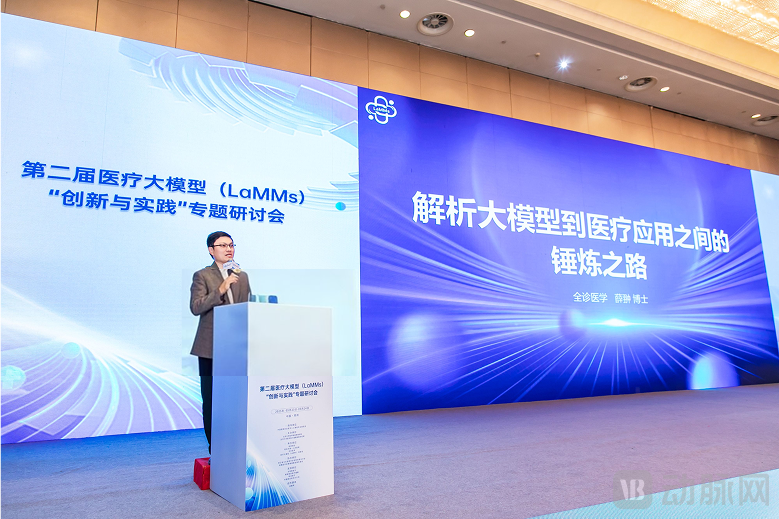 Xue Chong, Founder of Quanzhen Medicine, Delivers a Speech at the Second Symposium on Large Medical Models (LaMMs)
Launch of Intelligent Electronic Medical Records, Digital Humans, and Follow-up Robots
Enhance the Efficiency of Medical Record Documentation and Patient Management
If the ultimate goal of applying cutting-edge technologies such as large language models and generative AI in the healthcare sector is to enhance the efficiency of medical services, make high-quality medical resources universally accessible to the public, and further promote the high-quality development of China’s health undertakings, then Whole-Visit Medicine has undoubtedly identified the key player in this equation: physicians.
Let's first take a look atQuanzhen Medicine partners with Changzhou No. 1 People’s Hospital in leveraging AI to enhance physician efficiency, focusing on two key areas: medical record documentation and patient management (including pre-consultation inquiries, preliminary triage, and post-visit follow-up).
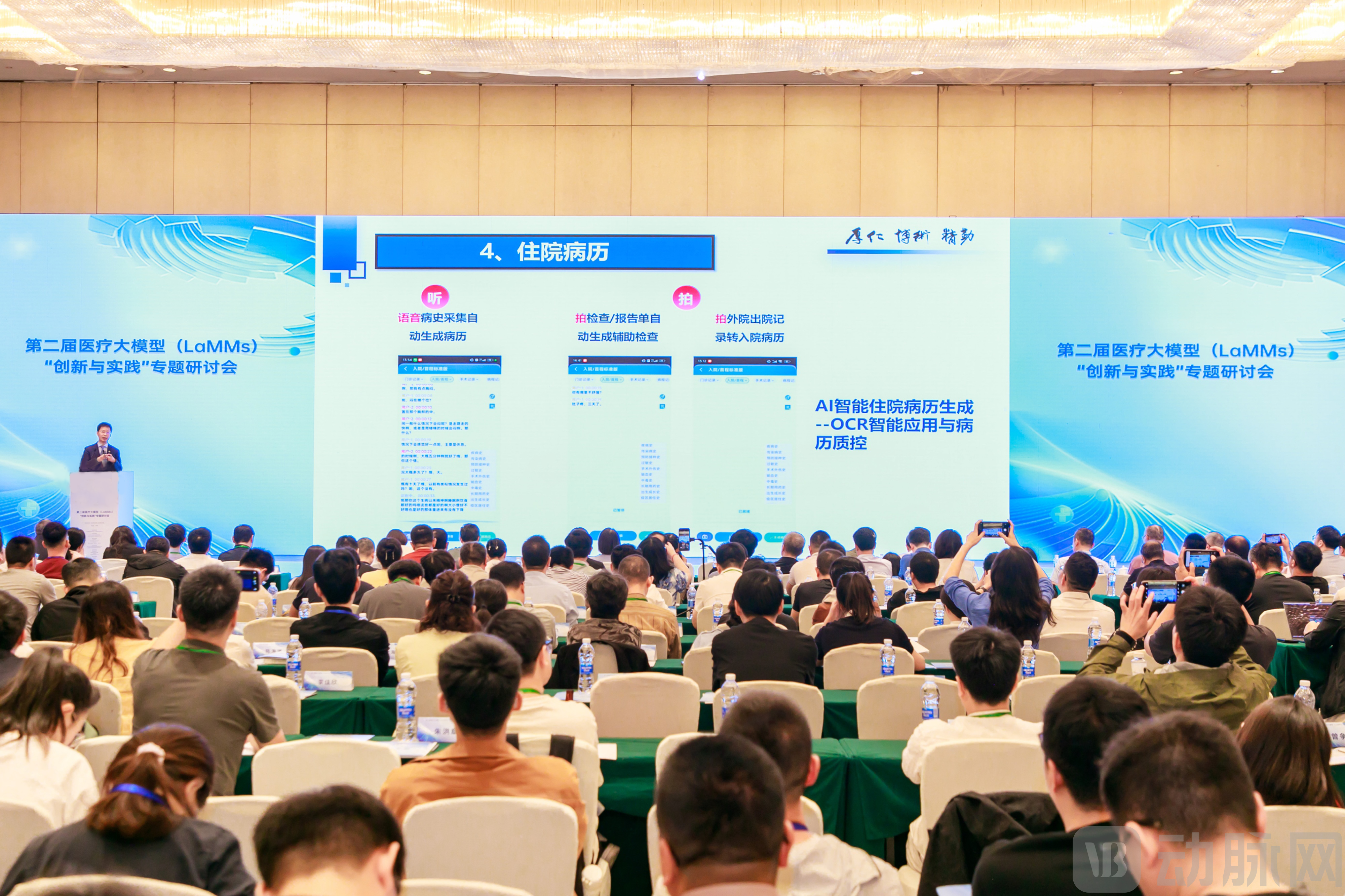
Specifically, medical record documentation is subdivided into two categories based on scenario requirements: outpatient medical records and inpatient medical records. In the realm of outpatient medical records, since June 2024, with the support of Quanzhen Medicine and through multiple iterations of voice models, Changzhou No. 1 People's Hospital has not only achieved intelligent documentation and voice-to-text transcription for outpatient records but also extended these intelligent documentation capabilities to internet healthcare scenarios. The generated content includes past medical history, personal history, diagnostic results, and treatment recommendations.
According to Zhou Jun, President of Changzhou First People's Hospital,Within the past month, smart electronic medical records (EMRs) have accounted for 25% of all medical records generated during this period, bringing the system close to achieving its 30% target. Furthermore, throughout practical implementation, Quanzhen Medicine has conducted multiple iterative upgrades based on feedback from Changzhou No. 1 People’s Hospital and the specific characteristics of medical record documentation in Jiangsu Province, thereby optimizing the user experience and ensuring a smooth workflow for physicians.
Zhou Jun, President of Changzhou First People's Hospital, Shares Practices in Smart Hospital Development
In terms of inpatient medical record documentation, Changzhou No. 1 People’s Hospital has established a standardized electronic medical record (EMR) system capable of collecting cross-departmental data, consolidating laboratory and imaging results as well as surgical outcomes, and ultimately generating a complete inpatient medical record. “Since its implementation within the hospital in October 2024, this system has become increasingly mature. This gives us hope for large-scale adoption,” said Zhou Jun at the conference.
In terms of patient management, Changzhou No. 1 People's Hospital, with the technical support of Quanzhen Medicine, has developed an AI digital human—"Changyi Wanshitong." This system provides patients with 24/7 medical consultation services, intelligent triage services, and follow-up management services to reduce the cost of doctor-patient communication and improve its efficiency.
It is important to clarify that the application of digital and intelligent follow-up management does not imply that physicians completely disengage from patient care. Rather, it enables them to leverage digital and intelligent tools to delegate repetitive tasks requiring no manual intervention to AI systems. Physicians remain actively involved whenever human intervention is necessary. This approach alleviates physicians’ workload and enhances their efficiency, while ensuring medical quality and improving patient adherence.
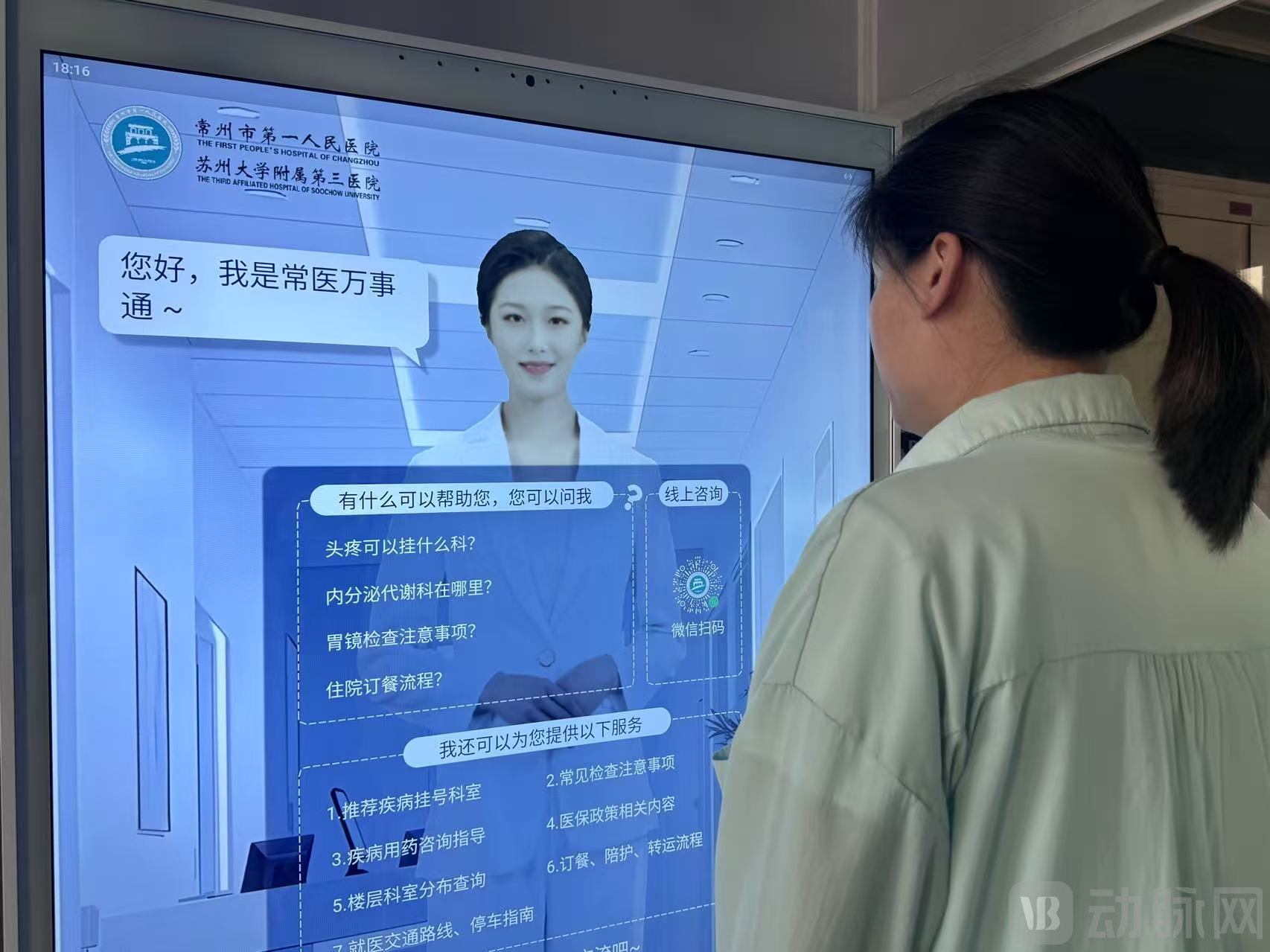 An “AI Digital Human” powered by a large medical language model is conversing with a patient.
Collaborative AI Tutoring, AI Virtual Patients
Strengthen Knowledge Acquisition to Enhance Diagnostic and Therapeutic Capabilities for Complex and Rare Diseases
The collaboration between Quanzhen Medicine and Peking University Health Science Center primarily focuses on medical education.
Memorizing vast amounts of medical knowledge is a painful burden for most physicians. Consequently, the pockets on doctors’ white coats are often oversized, designed to accommodate not only stethoscopes but also pocket-sized reference books for daily consultation. This reality has prompted reflection at Peking University Health Science Center, which has been actively promoting AI-driven innovation in medical education paradigms in recent years—Can AI make medical resources more portable than pocketbooks, improving the efficiency of searching and browsing while also helping to refresh knowledge retention?
On the other hand, QuanZhen Medicine, which has always been committed to serving physicians, empowering them, and addressing their practical needs, naturally assumes the responsibility of enhancing physicians’ capabilities and helping them efficiently master medical knowledge. Thus, sharing common goals, both parties immediately hit it off and jointly developed an AI-powered educational assistant product.
AI-Assisted Learning is a product that transforms authoritative medical textbooks into portable e-books. In addition to daily reading, it enables efficient retrieval of required knowledge and provides systematic answers to clarify physicians’ queries.This means that, with this product, physicians can not only engage in daily reading and learning but also pose text or voice queries to the AI learning assistant at any time. The AI assistant not only provides precise answers but also includes citations with exact locations in the original literature and books, enabling physicians to identify the source of the information alongside the answer, thereby enhancing their trust in AI tools.
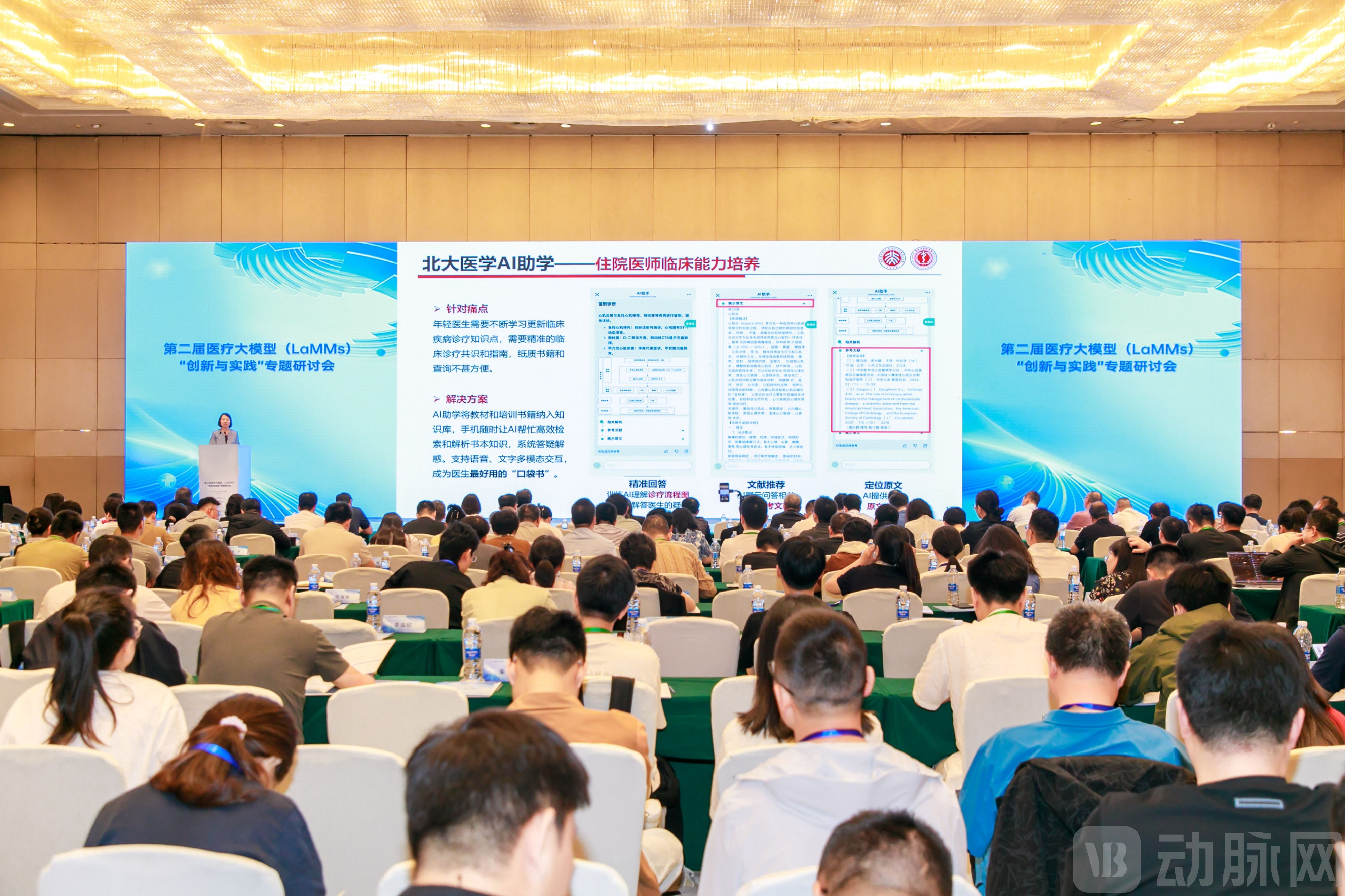 Duan Liping, Deputy Director of Peking University Health Science Center, Shares AI-Powered Educational Products
In addition to AI-assisted learning, Duan Liping, Deputy Director of Peking University Health Science Center, shared at the conference the AI virtual patient jointly developed with Quanzhen Medicine. Based on de-identified medical records of complex and rare diseases, and integrating technologies such as Prompt, RAG, and Workflow,Quanzhen Medicine and Peking University Health Science Center have jointly developed the initial version of an AI-powered virtual patient system for complex and rare diseases, which not only supports multimodal interactions such as voice and text but also incorporates dual modes for learning and assessment.
“In clinical practice, the unequal distribution of ‘case resources’ has always been an issue. Especially in recent years, as the country vigorously promotes the tiered diagnosis and treatment system, primary care physicians mainly focus on diagnosing and treating common diseases and rarely participate in the management of difficult and rare diseases. Consequently, their capacity to diagnose and treat such conditions is limited. Moreover, even physicians at large hospitals in first- and second-tier cities have relatively few opportunities to encounter patients with difficult and rare diseases due to the low incidence rates, making it challenging for them to accumulate extensive diagnostic and therapeutic experience,” said Duan Liping.AI virtual patients can significantly enhance the efficiency of clinical competency training for residents and specialists, while also promoting equitable access to medical education for complex and rare diseases.
Launching a Hands-On Workshop for Large Medical Language Models
Empowering Physicians to Master Model Training Skills
Beyond improving physicians’ work efficiency and enhancing their diagnostic and treatment capabilities, what other unmet needs do physicians have? One answer lies in the implementation of digital-intelligence technologies, such as large language models, in hospitals.
On one hand, the rise of a new wave of artificial intelligence, represented by large language models (LLMs), has offered the healthcare industry hope for addressing numerous challenges, prompting widespread proactive engagement and practical implementation. On the other hand, the high threshold for building LLM-based agents, coupled with a scarcity of multidisciplinary technical talent in hospitals, has left many medical institutions in a dilemma where they “dare not utilize their data” and “lack the expertise to leverage their computational resources.”
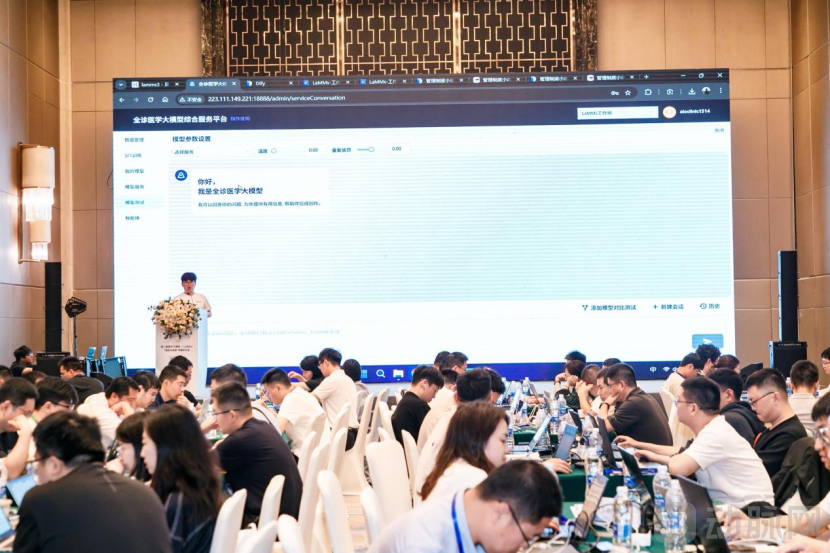
At the workshop, the instructor explained the principles of supervised fine-tuning to participants based on the Comprehensive Service Platform for the Whole-Diagnosis Medical Large Model.
Against this backdrop,Peking University Health Science Center’s School of Continuing Medical Education, in collaboration with Quanzhen Medicine’s product R&D and technical experts and Professor Zheng Xiaoqing’s team at Fudan University, has launched a workshop titled “Fine-Tuning Large Medical Models and Building AI Agents.” Through hands-on guidance and training, the workshop provides step-by-step instruction to participants on training large medical models.
Building on the foundational principles of large medical models, the workshop incorporated a hands-on group practice session, where each team, under the guidance of teaching assistants, completed tasks including supervised fine-tuning of models and agent construction.
The training of large models relies on the support of data and computing power. Therefore,To ensure that participants can fully master model training skills and enjoy the process through an immersive experience, QuanZhen Medicine provides comprehensive support for this workshop, ranging from de-identified datasets and ample computing power with AI chips to pre-configured platforms, in addition to offering expert instructors. Participants need only a computer to get started with hands-on practice.
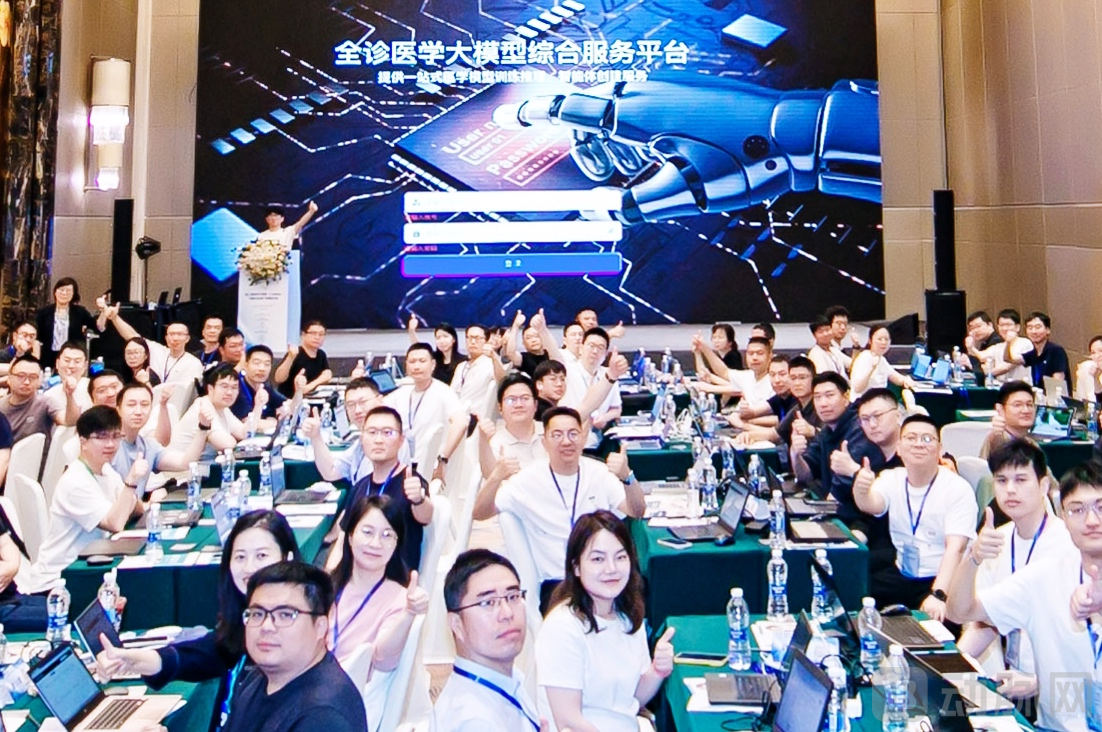
Group Photo of Workshop Participants
From partnering with hospitals to enhance physicians’ work efficiency, to collaborating with academic institutions to drive innovation in medical education, and further to participating in the establishment of workshops for hands-on training with large language models—what signals do Quan Zhen Medicine’s initiatives convey? In closing, we offer the following response from Xue Chong, founder of Quan Zhen Medicine:“Everything QuanZhen Medicine does is aimed at serving and empowering physicians, addressing their practical needs. This is the original mission that QuanZhen Medicine has adhered to in its current stage and will continue to uphold in the future. Moving forward, leveraging its technological advantages in full-process toolchains for model development, as well as its experience and first-mover advantage in the integrated application of medical AI, QuanZhen Medicine will continuously meet the diverse needs of physicians, thereby driving the high-quality development of the healthcare industry.”