

Plenful Files for IPO After Raising $76M to Revolutionize Healthcare Administrative Efficiency with AI

Plenful
Workflow Automation Platform Provider
The value of healthcare professionals should never be defined by the monotonous, repetitive labor of their daily routines.
Plenful, established in 2021, is a medical AI automation company dedicated to enhancing healthcare administrative efficiency. Its core product, the Plenful Platform, significantly improves compliance audit efficiency while reducing labor costs and error rates.
1Plenful Emerges Amidst the Healthcare System’s Burden of Compliance
Plenful was born out of the founding team’s firsthand experiences on the front lines of healthcare.
In 2021, Joy Liu and Joy Patel, who had long worked in large health systems, discovered that pharmacy operations were rife with repetitive tasks: audit documentation for the 340B Drug Pricing Program piled up, errors in contract rate verification were frequent, and inventory planning relied entirely on manual estimates...
These “invisible tasks” not only consume manpower but also result in millions of dollars in potential revenue loss annually. Furthermore, pharmacist graduation rates are declining year by year, while processes such as compliance audits, medication inventory management, and insurance claims processing are becoming increasingly complex. This exacerbates the strain on an already overburdened system. The U.S. healthcare system is陷入ing into an invisible “efficiency crisis.”
Taking the U.S. healthcare industry’s 340B Drug Pricing Program as an example, the 340B program was established by the U.S. federal government in 1992 to reduce operational costs for eligible healthcare institutions through drug discounts, enabling them to provide more uncompensated care services to low-income and uninsured patients.
The program allows eligible healthcare institutions to purchase drugs at discounted prices, but mandates rigorous tracking of drug procurement and usage flows to ensure that discounts are applied exclusively to eligible patients. However, healthcare institutions often lack sufficient data management capabilities, leading to compliance gaps exposed during audits and resulting in legal disputes or fines. Furthermore, repeated discussions in the U.S. Congress regarding reforms to the 340B Drug Pricing Program, coupled with intensifying lobbying efforts by pharmaceutical companies and healthcare providers, have heightened industry sensitivity to policy changes.
Under the traditional model, hospitals need to hire third-party professional audit teams for compliance audits. The audit team needs to manually verify tens of thousands of transaction records, which is costly and time-consuming for hospitals.
They decided to break through with technology. Plenful’s competitiveness lies in its precise dissection of these healthcare pain points.
2Real-Time Auditing to Risk Early Warning: A Fully Automated Compliance Expert
Plenful has developed a no-code AI automation platform, with core functionality centered on converting unstructured data in healthcare scenarios (such as handwritten prescriptions, PDF reports, and Excel spreadsheets) into structured information. The platform leverages machine learning models to automatically execute tasks including audits, inventory optimization, and compliance reviews.
When a hospital needs to process compliance reports for 340B drugs, it only needs to upload the documents to the Plenful platform. The AI will complete a comprehensive scan within minutes, flagging savings leakage (referring to the failure of healthcare institutions to fully capture the discounts entitled under the 340B Program due to compliance oversights or operational inefficiencies), and even predict inventory shortfalls for the next three months.Plenful uses AI automation technology to compress pharmacy operational processes that take days into “minutes.”
Plenful’s core operation is full-process automation.

Plenful Platform System (Source: Official Website Information)
First, real-time auditing with automatically generated visual reports.Taking the 340B Drug Pricing Program as an example, Plenful scans tens of thousands of pharmacy transaction records daily through its real-time audit function, automatically identifying transactions ineligible for discounts and generating visual reports. This transforms the traditional manual spot-check process from a “needle-in-a-haystack” challenge into precise targeting, enabling staff to quickly capture key information and avoid ineffective labor.
AI-Powered Predictive Inventory Management: Dynamically Adjusting Pharmaceutical Procurement Strategies.Plenful’s real-time dashboard provides access to all pharmaceutical inventory data, leveraging AI-driven predictive analytics to plan future inventory management. This module integrates historical sales data, seasonal epidemic trends, and even weather forecasts to dynamically adjust pharmaceutical procurement strategies, enabling accurate forecasting of future drug inventory levels and mitigating the risks of overstocking or shortages.
AI provides real-time analysis of regulatory policies and issues compliance risk alerts.The platform leverages natural language processing technology to analyze thousands of documents in real time, including FDA announcements and state legislative bills, providing alerts on compliance changes 3–6 months in advance. A large academic medical center once faced a $500,000 fine for failing to respond promptly to regulatory updates; Plenful’s early warnings enabled it to complete system adjustments before the policy took effect. The pharmacy director remarked, “It is like a compliance expert who never rests.”
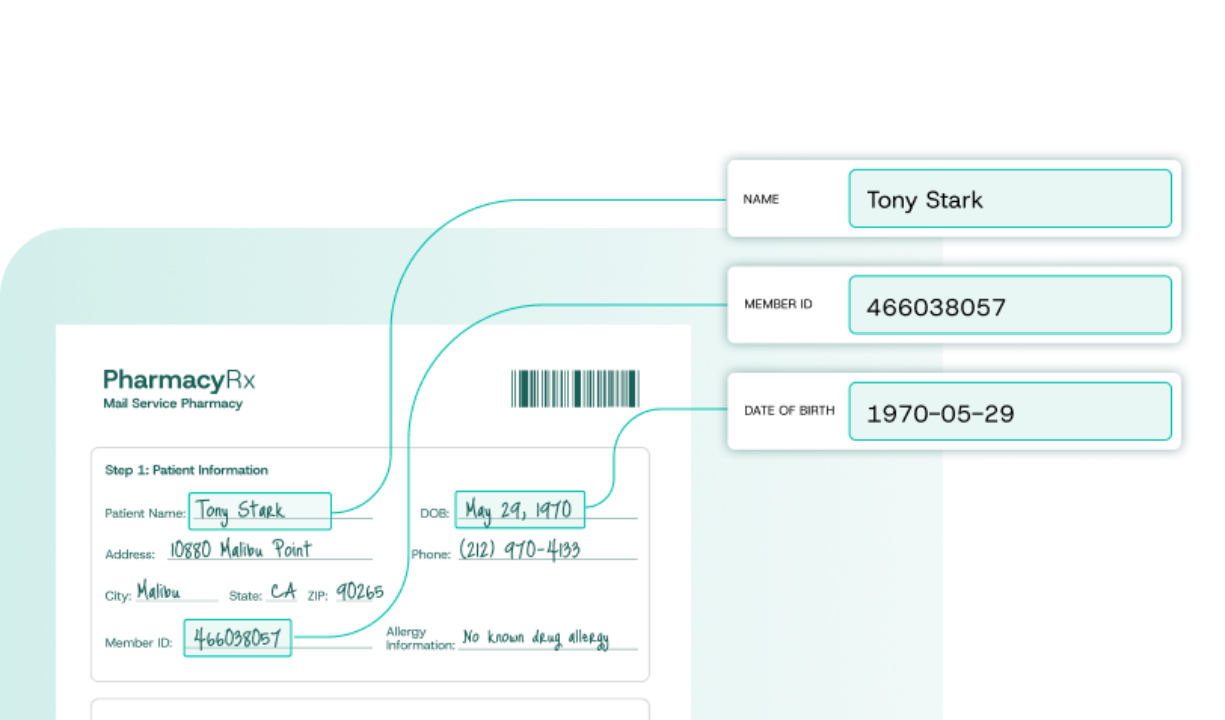
Unstructured Data Transformation (Source: Official Website Information)
Moreover, the Plenful platform is continuously being upgraded.
Plenful’s AI models can now process over 50 types of medical document formats and seamlessly integrate with various healthcare data protocols, including HL7 v2 and FHIR.
Plenful’s value lies not only in the numbers but also in its transformation of the nature of healthcare professionals’ work, enabling them to devote more time to medical decision-making rather than expending energy on massive data processing tasks.
A landmark case is that of Samaritan Health Service. This healthcare organization previously required several hours to process 340B compliance reports,After adopting the Plenful automation tool, the time was reduced to 15 minutes, with a 96% increase in efficiency.
This transformation is more pronounced in small and medium-sized medical institutions.
Salinas Valley Health’s pharmacy previously relied on Excel for manual inventory management, often resulting in medication expiration due to human error. After the implementation of Plenful’s inventory optimization module, the system automatically tracks medication expiration dates and forecasts procurement volumes, reducing the waste rate from 12% to 3%.
3From Pharmacy to Clinic: AI Intelligence Permeates the Entire Healthcare Chain
Plenful is doing more than just optimizing pharmacy administrative processes. In a recent interview, founder Joy Liu shared that the company is setting its sights on broader clinical applications, aiming to leverage AI technology to improve core aspects of healthcare services.
In the realm of pharmacy prior authorization automation, Plenful plans to leverage AI-driven data analytics to extract insights from patient medical histories. By rapidly processing vast amounts of healthcare data, the AI system can generate accurate insurance prior authorization reports in real time, compressing what was once a multi-day approval process into just minutes.
Personalized treatment recommendations are also a key area of exploration. The company is committed to integrating electronic health records with cutting-edge genomic data to build an intelligent analytics platform. By leveraging multi-source data fusion to empower precision therapy, the platform provides clinicians with real-time medication recommendations tailored to each patient’s individual characteristics, thereby facilitating the clinical implementation of precision medicine.
Meanwhile, Plenful is dedicated to building risk prediction models by repeatedly training algorithms with historical data, thereby enabling early identification of patients’ potential adverse drug reactions or hospitalization risks and gaining valuable time for medical intervention.
These forward-looking visions are not mere paper exercises.
In May 2025, Plenful partnered with Tampa General Hospital to launch a pilot project for the “Smart Prescription System.” By analyzing patients’ medication records, the system can keenly identify potential risks such as dosage errors or drug interactions and automatically issue alerts to healthcare providers.During the trial run, the prescription error rate dropped by a staggering 70%.
4Rapid Multiplication of Financing Amounts, Maintaining Partnerships with Multiple Leading Health Systems
Although Plenful is still in its startup phase, its development potential is evident to all.
April 2025,Series B funding surges to $50 million,Total funding reached $76 million.
Plenful, which has completed three rounds of financing, has secured a total funding amount of $76 million.The increase in financing from $17 million in 2024 to $50 million in 2025 reflects capital's confidence in its sustained development.
In addition, Plenful has established partnerships with leading health systems such as HCA Healthcare, Salinas Valley Health, and Blue Cross Blue Shield.Blue Cross Blue Shield’s operations team was once drained by the task of processing insurance claims, with employees complaining that “copying and pasting data alone took six hours a day.” After integrating Plenful, its intelligent document processing feature automatically extracted key information from claim forms, reducing error rates by 85% and allowing staff to redirect their time toward customer service and process optimization.
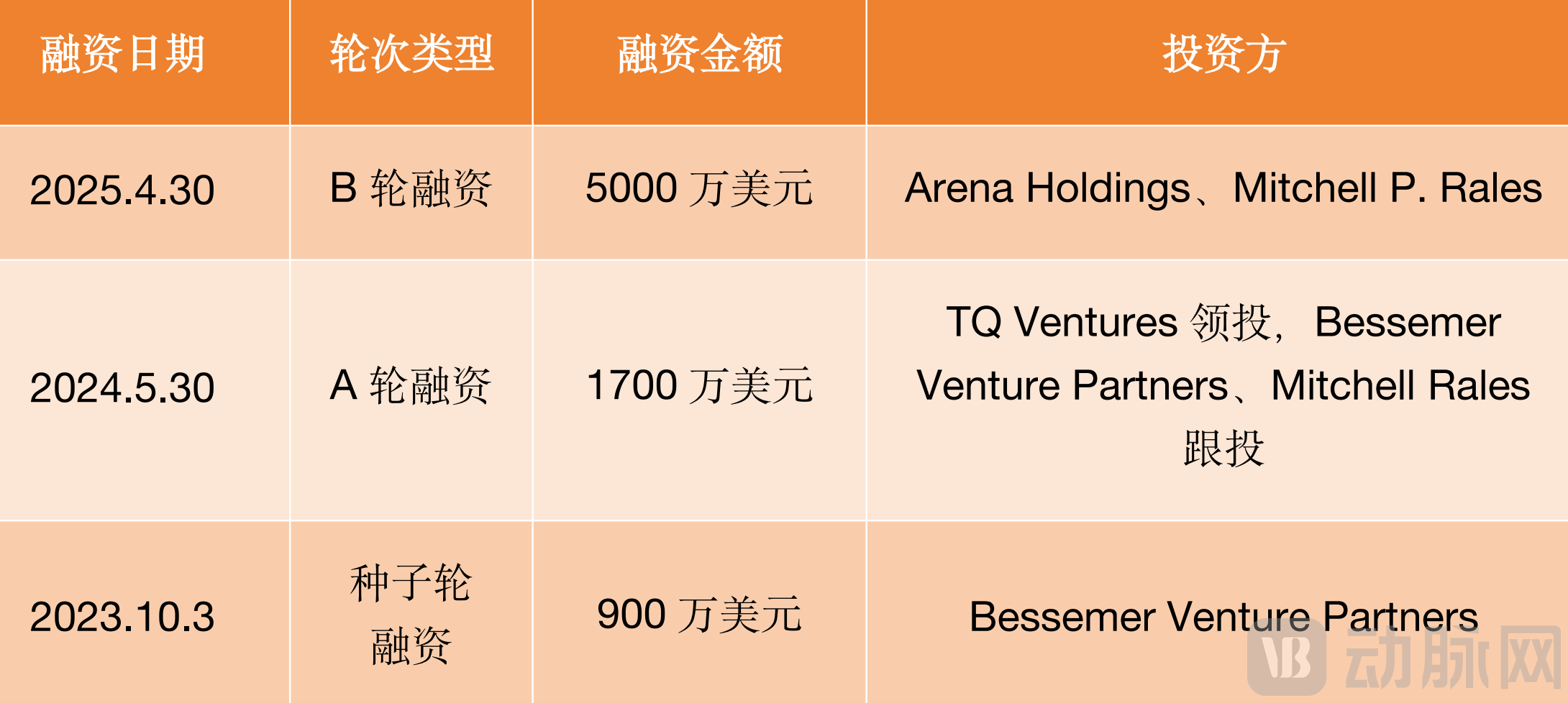
Historical Financing and Investment Profile (Source: Crunchbase)
Plenful’s rapid growth has drawn the attention of industry research firms. Analysts at Crunchbase believe that Plenful’s core strength lies in the continuous accumulation of data—the platform has processed over 2 million medical documents, covering scenarios such as pharmacy operations, insurance claims, and clinical trials. This data continuously feeds back into AI models, helping to establish Plenful’s unique competitive advantage.
In the healthcare industry, technological breakthroughs are often synonymous with “surgical robots” or “gene editing,” but Plenful has demonstrated that AI combined with administrative operations can also drive transformation. The true value of this efficiency revolution becomes evident when hospitals hire more nurses with the millions of dollars saved, and when pharmacists look up from their paperwork to engage in conversations with patients. As Mitchell Rales stated upon joining Plenful’s board of directors, “They are not merely optimizing processes; they are rebuilding the foundational pillars of the healthcare system.”
Currently, Plenful’s reach has extended from pharmacies to the entire healthcare value chain. Whether it involves complex data integration at academic medical centers or claims auditing for insurance companies, its platform has demonstrated remarkable adaptability. As Forbes noted, “While other companies are still talking about the potential of AI, Plenful has already proven the possibility of technology reshaping healthcare in tangible minutes and dollars.”