

Metsera Therapeutics Raises $840 Million in One Year, Advances Oral and Injectable Next-Gen Obesity Therapies

Metsera
Obesity Drug Developer
In January 2025, Metsera Therapeutics (NASDAQ: MTSR) successfully listed on the Nasdaq Stock Market in the United States, rapidly becoming the focal point of the global pharmaceutical capital market with an impressive performance that included $275 million in fundraising, a 47% surge in its stock price on the first day of trading, and a closing market capitalization of $2.78 billion. This IPO performance marks the onset of a new round of technological transformation in the field of obesity treatment.
Metsera’s rise comes at a critical juncture marked by a surge in global demand for obesity treatments. According to the World Obesity Atlas 2025, the global obese population is projected to exceed 1.1 billion by 2030. Furthermore, the market for weight-loss medications, represented by GLP-1 (Glucagon-Like Peptide-1) therapies, is expanding rapidly. Novo Nordisk’s semaglutide-based GLP-1 drugs achieved approximately $29 billion in global sales in 2024, while Eli Lilly’s tirzepatide generated around $16.5 billion in revenue.
In this highly competitive market environment, Metsera leverages its proprietary NuSH (Nutrient-Stimulated Hormones) peptide technology platform to build a product pipeline encompassing various formulations, including injectable and oral options, striving to provide more convenient and cost-effective new choices for weight-loss treatment.
Metsera has demonstrated robust “systemic innovation capabilities” across dimensions such as technological innovation, platform development, and capital integration, providing a new paradigm for innovation in metabolic disease therapeutics. Its differentiated strategy is driving weight-loss treatments from being merely “effective” to becoming “accessible.”
The “Golden Team” Behind Three Rounds of Funding in One Year: Scientists Join Forces with Industry Veterans
Metsera Therapeutics, founded in 2022 as a joint venture by Population Health Partners and ARCH Venture Partners, is headquartered in New York. Metsera’s core technology stems from its acquisition of the UK-based biotechnology company Zihipp, whose scientific achievements originated from the team led by Professor Steven Bloom, a metabolic disease expert at Imperial College London and a pioneer in gut hormone research. This foundation has established Metsera’s academic credibility in GLP-1 drug innovation.
Another pillar supporting Metsera’s rapid growth is its highly industrialized “golden team.” CEO Whit Bernard previously led global strategy and M&A integration at The Medicines Company and co-founded Population Health Partners, bringing both start-up experience from scratch to launch and strong capital execution capabilities. Chief Scientific Officer Brian Hubbard has extensive expertise in molecular R&D and translational science, having formerly served as CEO of Angi Pharmaceuticals. Head of Business Strategy Vicki Albrecht held global strategy and U.S. operations roles at Novartis, possessing deep insights into the operational and market strategies of global pharmaceutical companies.

Figure 1: Profile of Metsera’s Leadership Team (Source: Metsera Official Website)
The management team’s powerful alliance has laid a robust foundation for Metsera in academic, clinical, and industrial synergy. This cohesive leadership team demonstrates strong collaboration and high execution efficiency,Completed three rounds of financing in less than a year, with total funding reaching $840 million—In April 2024, Metsera secured $350 million in seed funding; in November of the same year, it completed a $215 million Series B financing round; on January 31, 2025, Metsera successfully listed on the Nasdaq, becoming one of the most closely watched IPOs in the global weight-loss sector at the start of the year.
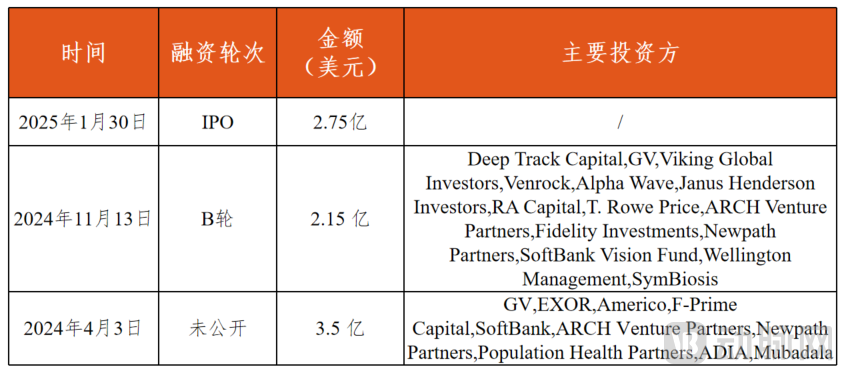
Table 1: Overview of Metsera’s Financing Rounds (Source: VCBeat Database)
Metsera’s rise is no accident; behind it lies aA Systematic and Forward-Looking Innovation Strategy for Metabolic DiseasesIn terms of product strategy, Metsera effectively avoids homogeneous competition in the GLP-1 market by precisely matching indications to the needs of different patient populations, thereby achieving a differentiated portfolio, enhancing clinical value, and filling unmet market demands. Regarding platform development, Metsera is committed to building an innovative metabolic disease platform that spans multiple indications and dosage forms, encompassing end-to-end capabilities from molecular screening and drug delivery to efficacy evaluation.
Overcoming Challenges of Poor Oral Bioavailability and Short Half-Life: Building a Modular Metabolic Drug R&D Platform
Metsera’s core competitiveness is built upon three technological platforms, which systematically address the key bottlenecks in metabolic drug development from the dimensions of pharmacodynamic durability, oral delivery, and molecular design.
1HALO: Enabling Peptide Therapeutics with Ultra-Long Half-Lives
HALO is an innovative peptide lipidation technology that significantly extends the half-life of drugs in vivo through covalent linkage of lipid molecules. This platform can be used to optimize a variety of NuSH analog peptide-based products. The core product, MET-097i, is built on this platform and features a half-life of approximately 380 hours.(2–3 times that of existing GLP-1 agonists), achieving an average weight loss of 7.5% over 36 days without the need for titration. Furthermore, leveraging this platform, Metsera has established a diverse pipeline, which is widely applied across other development programs to support flexible combination strategies for both R&D and therapeutic regimens.
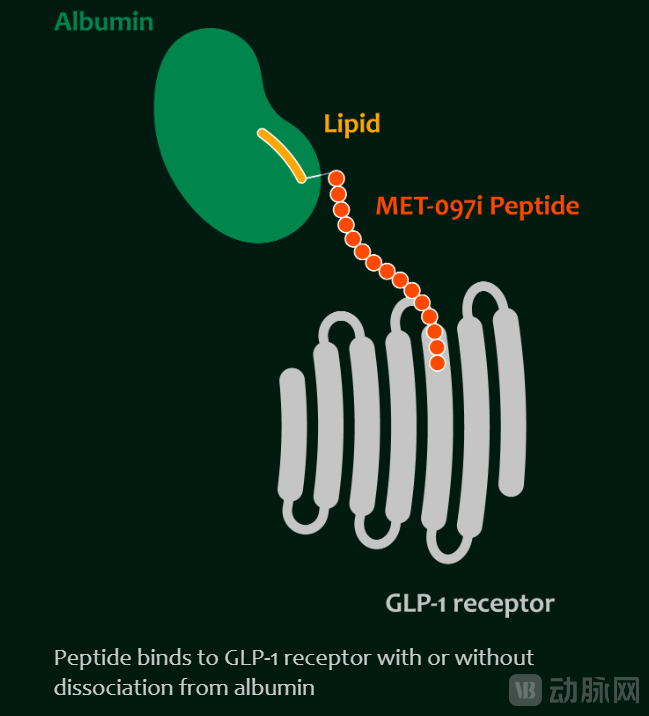
Figure 2: Schematic of MET-097i: Peptide Binding to the GLP-1 Receptor (Image source: Metsera official website)
2MOMENTUM Oral Platform: Breaking the Bottleneck of Oral Peptide Drug Delivery
Peptide therapeutics have traditionally faced challenges such as low oral absorption and poor bioavailability. MOMENTUM integrates multiple technologies, including enteric coating and permeation enhancers, to significantly improve the oral absorption and scalability of NuSH peptides. The oral candidates MET-002 and MET-224 are expected to be administered at lower dose levels than other orally available NuSH peptides currently in development, thereby enhancing scalability. In 2024, MET-002 received approval from Health Canada to initiate clinical trials for prescription optimization, marking a phased breakthrough for the company in the development of oral peptide drugs.
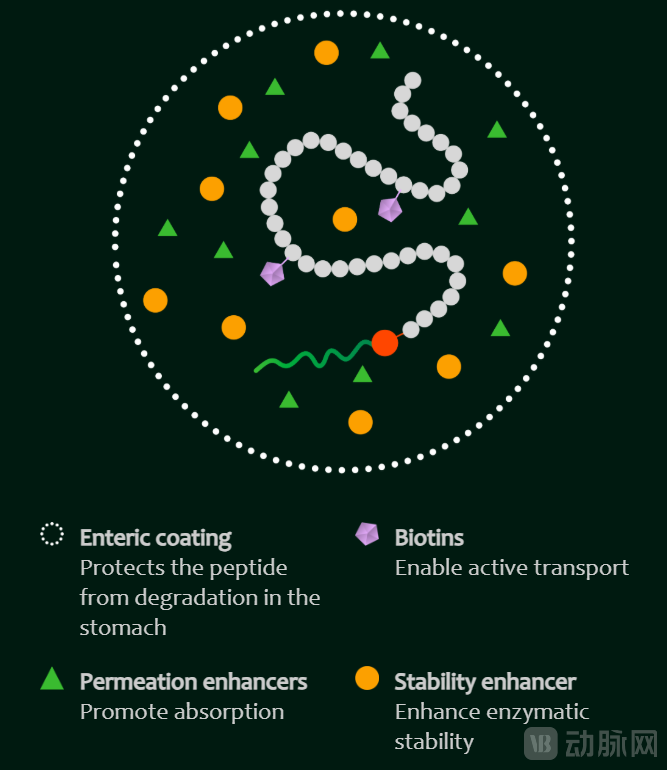
Figure 3: Schematic Diagram of MOMENTUM™ Technology Principle (Image Source: Metsera Official Website)
3MINT Screening Platform: Building a Highly Active, Combinatorial NuSH Peptide Drug Library
Leveraging Zihipp’s more than two decades of experience in peptide engineering, the MINT platform has constructed a library of over 20,000 high-activity NuSH peptide molecules. During the optimization process, the platform simultaneously focuses on four molecular properties: solubility, miscibility, in vivo half-life, and in vivo activity, to develop and produce drug pipelines that are durable, highly efficacious, and combinable for customized therapeutic regimens.
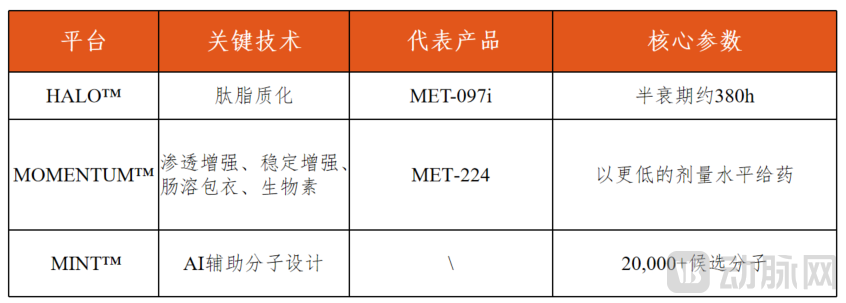
Table 2: Comparison of the Three Major Technology Platforms (Source: Metsera Official Website)
Metsera’s R&D philosophy extends beyond “breakthrough efficacy,” placing greater emphasis on the systematic evolution of drug “adaptability.”: Improve tolerability through biased structural design, optimize the matching of solubility and half-life for combination therapies to ensure the feasibility of the combination strategy; and through the parallel development of HALO and MOMENTUM, build customizable injectable plus oral treatment combinations, significantly enhancing patient adherence and treatment accessibility.
“Dosage Form Synergy + Modular Targeting” Strategy: Building a Next-Generation Matrix of Metabolic Drugs
Leveraging its three core platforms—HALO, MOMENTUM, and MINT—Metsera has proposed a “modular obesity treatment” R&D philosophy: by optimizing molecular structures and innovating dosage forms, it aims to build a customizable system of NuSH peptide-based therapeutics that can be combined as needed. This approach is designed to meet the precise therapeutic requirements of patients with different metabolic phenotypes, thereby overcoming the limitations of existing weight-loss drugs in terms of patient adherence, dosing frequency, and cost control. The specific pipeline layout is as follows:
1. Injectable Products:
(1) MET-097i: A once-monthly injectable GLP-1 agonist based on the HALO platform, featuring the longest half-life, no need for titration, and sustained efficacy for 8 weeks after discontinuation; currently advancing in late-stage clinical trials.
(2) MET-233i: An amylin analog peptide with a half-life matched to that of MET-097i, supporting the development of fixed-ratio combination formulations for advancement as monotherapy or in combination.
2. Oral Products:
(1) MET-224/MET-097: Oral GLP-1 agonists based on the MOMENTUM platform. Animal data demonstrate efficacy comparable to injectable formulations, with superior cost-effectiveness and scalability. Registration is planned via the Biologics License Application (BLA) pathway.
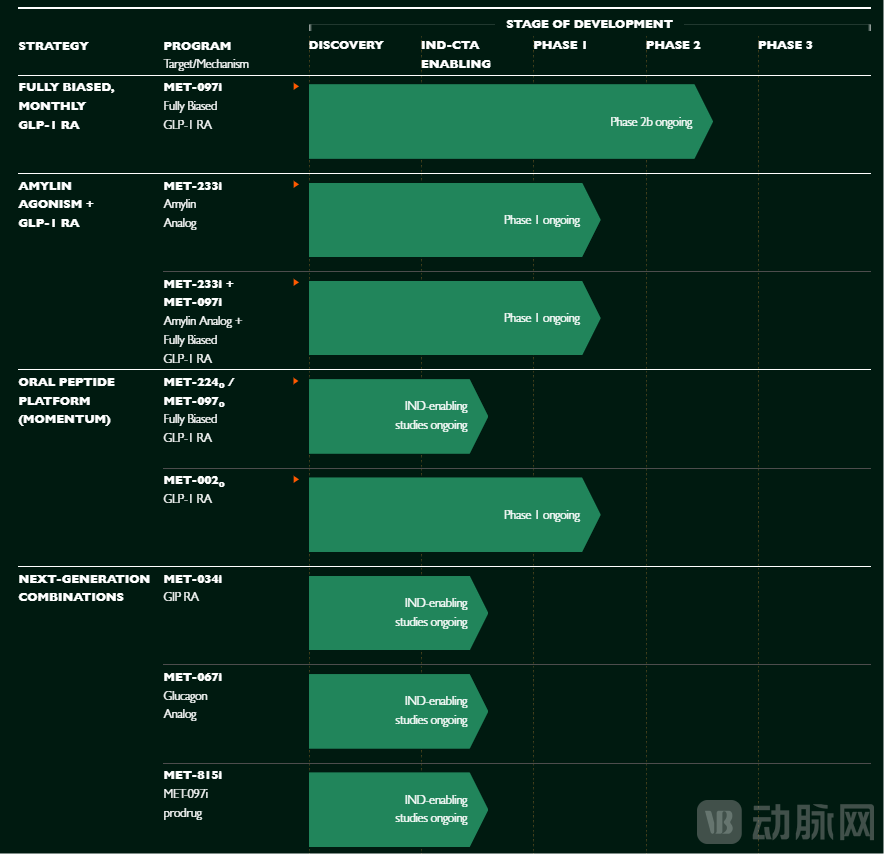
Figure 4: Pipeline Layout and Progress (Image source: Metsera official website)
This “dosage form synergy + modular target” R&D strategy not only enhances therapeutic flexibility and patient adherence, but also provides a technical foundation for multi-mechanism combination interventions. Metsera is gradually building a product portfolio that covers individuals with mild to severe obesity, includes both monotherapy and combination therapies, and utilizes diverse delivery routes.
Looking ahead, Metsera is poised to deliver more adaptable and accessible innovative solutions for the treatment of obesity and its associated metabolic complications—such as type 2 diabetes and cardiovascular disease—emerging as a key driving force in the global landscape of metabolic therapeutics.
Partnering with Generic Drug Giants, Establishing Production Lines in India, and Building a Global Supply Network
Metsera is actively advancing its global strategy, with a key focus on manufacturing capacity, supply chain, and the deployment of multi-center clinical trials.Metsera Has Entered into a Strategic Partnership with Amneal, the Third-Largest Player in the U.S. Generic Drug Market, is building a dedicated peptide synthesis and sterile filling production line in India, and plans to leverage its established manufacturing infrastructure in the United States to expand capacity, thereby creating a supply network covering Europe and the Americas, and even globally.
However, alongside its rapid expansion, Metsera also faces multiple challenges. First, sustaining its efficacy and safety advantages in a fiercely competitive GLP-1 market is key to its commercial success. Meanwhile, given the significant variations in drug approval processes and pricing policies across countries, it needs to develop localized market strategies.
Specifically, Metsera has not blindly followed the crowd in the highly homogenized GLP-1 sector. Instead, it has entered the market with a platform-based mindset and a systematic innovation strategy, advancing along two parallel tracks: “therapeutic breakthroughs” and “adaptability evolution.” By leveraging differentiated molecular design, optimized delivery systems, and expanded indications, Metsera is building competitive barriers. From pipeline design and platform development to its capital strategy, Metsera demonstrates mature strategic planning and execution capabilities.
Metsera is undoubtedly a transformative player among the few companies that pursue a complete R&D pathway, balancing both injectable and oral drug development while building a modular therapeutic portfolio. Its rapid growth demonstrates that obesity treatment is shifting from “simple weight loss” to “comprehensive management.”
Key Takeaways: How Emerging Biotechs Can Build Proprietary Competitiveness and Gain a Foothold in the Global Market
Notably, Chinese enterprises have also demonstrated unique advantages in the development of oral formulations for metabolic disease drugs and their international strategic layout. For instance, Xianweida Biopharma’s oral small-molecule GLP-1 agonist has entered Phase II clinical trials, while Mazdutide, developed through the collaboration between Innovent Biologics and Eli Lilly, has exhibited superior efficacy in weight reduction and glycemic control across multiple clinical studies. These advancements signify that innovative Chinese pharmaceutical companies now possess the capability to compete on a global scale.
Metsera’s experience suggests that:
1. Precise technological entry:Metsera chooses to start from "unmet needs" such as Half-Life Extension (HALO) and Oral Delivery Optimization (MOMENTUM), precisely addressing traditional GLP-1 treatment challenges like poor compliance, slow onset of action, and high side effects.
Several domestic companies are already conducting innovative explorations targeting GLP-1, such as Minwei Biopharma developing a GIP/GLP-1/FGF21 triple agonist and Xianweida advancing an oral formulation of a GLP-1 agonist. In the future, if Chinese pharmaceutical enterprises wish to secure a place in the global metabolic disease market, they must accelerate innovation in mechanism design and dosage forms to avoid falling into the "red ocean" of homogeneous competition.
2. Platform construction should be prioritized:Metsera’s platform matrix, built around NuSH, supports the combinatorial development of multi-target, multi-indication therapies. Chinese enterprises also need to shift from isolated innovation to a model that integrates mechanism-driven approaches with platform support, thereby achieving a better balance among efficacy, safety, and commercialization potential.
3. Accelerate the advancement of globalization:Metsera established a global manufacturing and supply network centered on Amneal during its early financing stages, significantly enhancing its international competitive advantage. Drawing from this example, Chinese enterprises should initiate FDA/EMA regulatory pathway planning and overseas business development (BD) system construction at an earlier stage to improve international registration efficiency and capital market recognition.
Overall, Metsera serves as a valuable benchmark for global biotech companies focused on metabolic disease therapeutics, offering profound lessons in strategic thinking, platform development, and international operations. As GLP-1 therapies evolve from competing solely on efficacy to building combination ecosystems and ensuring global accessibility, only those capable of integrating the entire value chain—from technology to market—will secure a firm foothold on the global stage. In the future, those who first transition from “me-too” approaches to a “platform- and scenario-driven” model will be better positioned to break through in the global metabolic disease drug landscape.