

Unlocking the Growth Code of China's Off-Hospital Healthcare Market: Insights from 2025 VBEF

JD Health
Internet Medical and Health Service Platform Provider
Leveraging its unique mechanistic advantages and innovative ecosystem, the out-of-hospital market is gradually becoming a value amplifier for high-quality assets in China’s healthcare and pharmaceutical sectors and is poised to enter a phase of breakthrough growth.
Building on this, VCBeat launched the Health Growth Community at the 2025 VBEF, focusing on connecting the most outstanding product providers in the pharmaceutical and healthcare industry with leading new-channel distributors. By streamlining the “production-to-sales” value chain, it aims to create China’s largest commercial growth and transaction ecosystem for the healthcare sector.
The New Product and New Channel Growth Conference for the Out-of-Hospital Market, held on May 10, is one of the platforms through which the Health Growth Society unleashes transaction value.
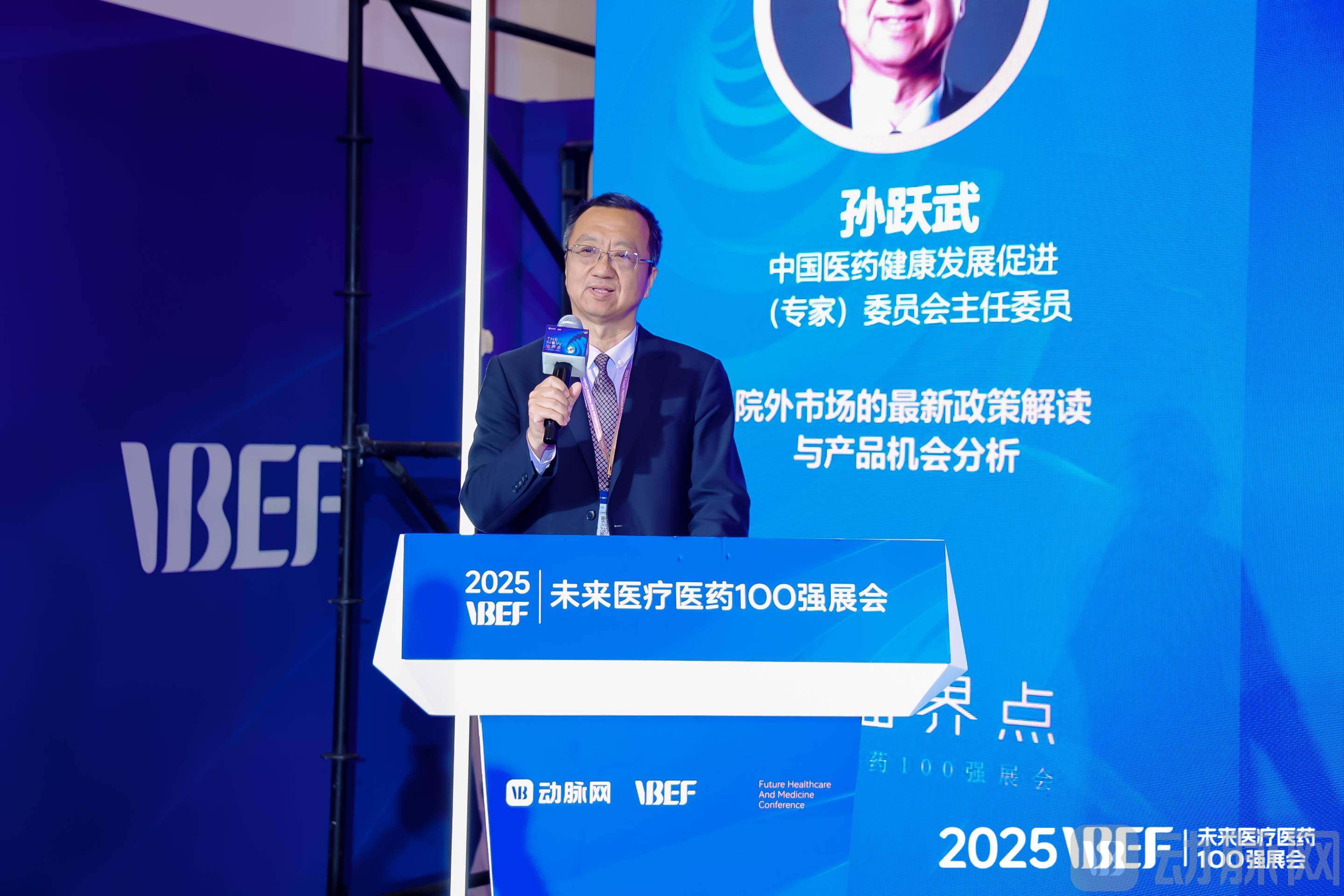
Sun Yuewu, Chairman of the Committee for the Promotion of Healthy Development of China’s Pharmaceutical Industry (Expert Committee)As a series of healthcare reform measures—including controls on the drug-to-revenue ratio, tiered diagnosis and treatment, generic drug consistency evaluation, health insurance cost containment, and volume-based procurement—have been implemented, alongside continuous innovation in the “Internet+” model, an integrated framework linking online healthcare, pharmaceuticals, and health insurance has gradually taken shape. This has significantly accelerated the separation of prescribing from dispensing and the outflow of hospital prescriptions, leading to sustained expansion of the out-of-hospital market. To cultivate a robust out-of-hospital market, it is essential not only to have high-quality products as a foundation but also to focus on building a comprehensive ecosystem. Key components of this ecosystem include policy guidance, product value, online distribution platforms, professional pharmacies, medication management, and health insurance payment mechanisms.
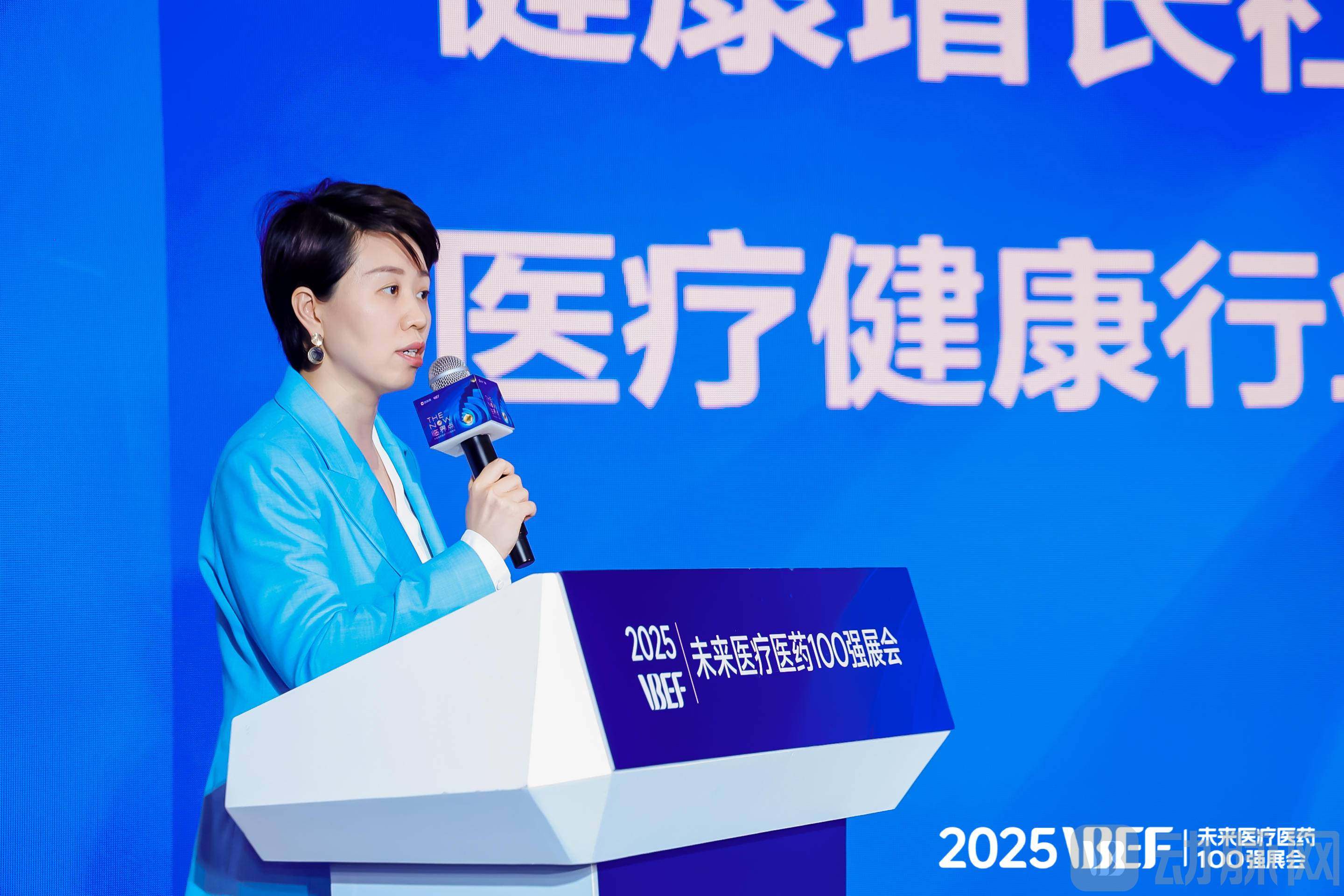
Wang Rui, Secretary-General of the Health Growth SocietyIt is noted that information asymmetry in the out-of-hospital market has resulted in a lack of effective screening criteria and promotional channels for many high-quality products, while fragmented channel resources make it difficult to effectively match supply with demand. To address these pain points, Health Growth Society empowers its corporate members through two core value systems: “Smart Chain” and “Symbiosis.” By leveraging platform resources, the society assists high-quality enterprises in opening up financing channels and achieving genuine growth in product sales. Furthermore, it organizes four flagship IP activities—themed forums, trade exhibitions, practical case workshops, and commercial growth training programs—to provide substantive empowerment and support for new products and new channels.
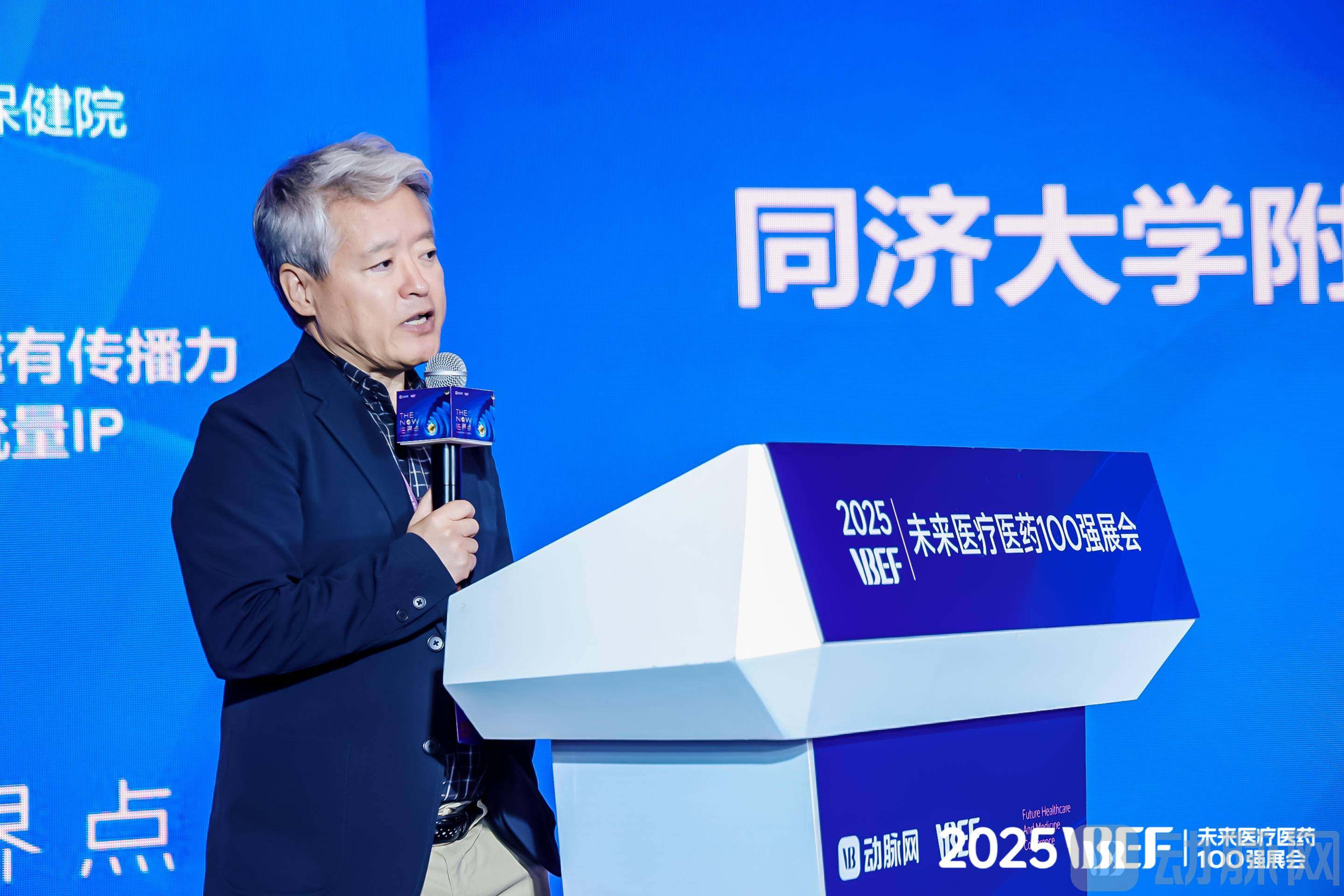
A “well-known influencer” with millions of followers,Professor Duan Tao, Shanghai First Maternity and Infant HospitalIt is noted that building a healthcare IP may seem simple but is challenging to execute. The process can be divided into five steps: Step 1, Tagging—highlight the IP’s differentiation and “uniqueness”; Step 2, Persona Building—amplify, but do not exaggerate, your distinctive traits; Step 3, Skill Enhancement—ensure clinical capabilities align with professional tags; Step 4, Content Creation—craft viral content by integrating key elements such as core messages, scenarios, lifestyle, relationships, emotions, and resonance; Step 5, Follower Growth—look beyond follower counts and traffic; the key metric is how precisely the content reaches target customers and drives conversions.
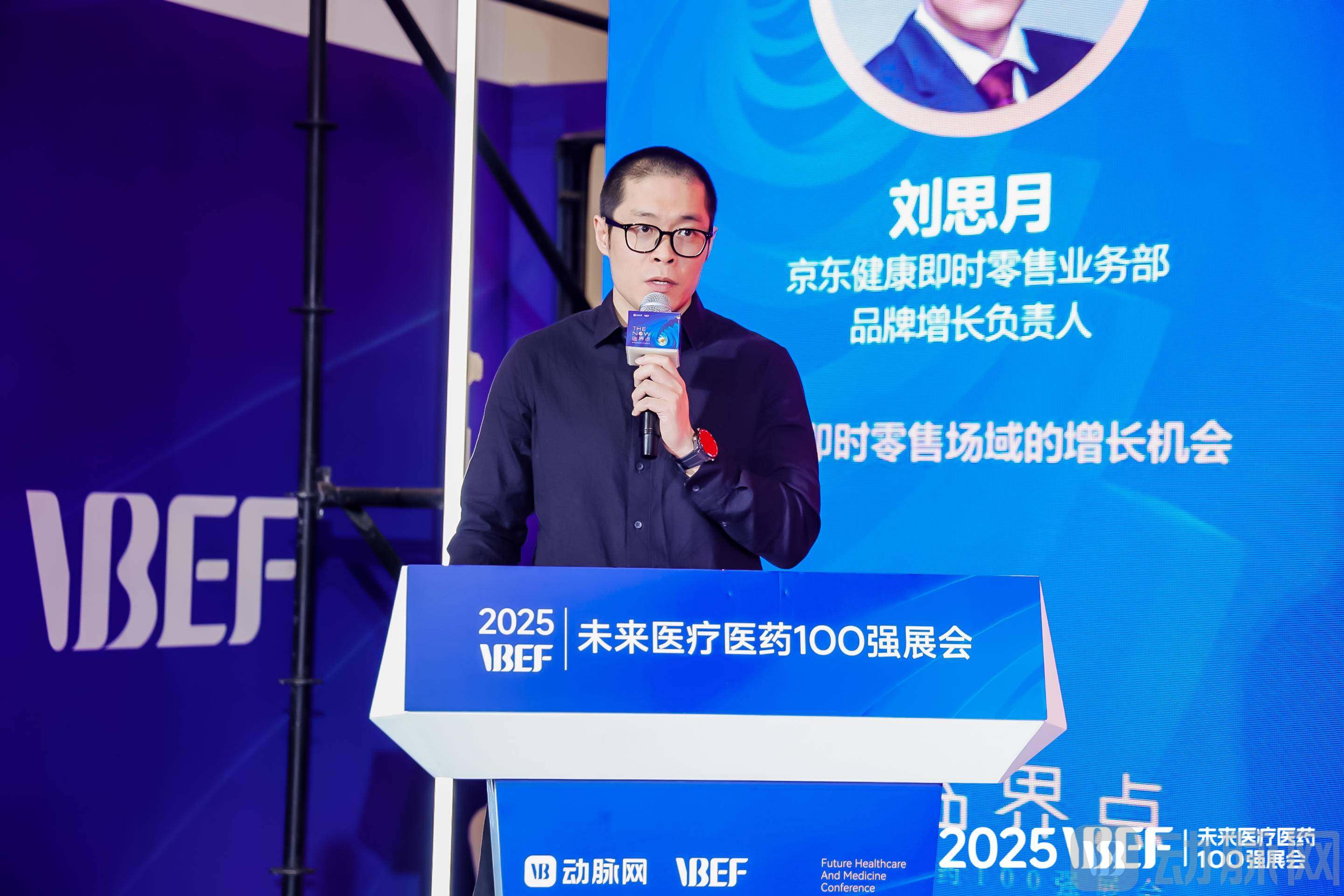
JD Health’s immediate pharmaceutical retail sector continues to unlock its potential in expanding the “spatiotemporal radius” of its business operations.Liu Siyue, Head of Brand Growth, Instant Retail Business Division, JD HealthAs shared, engaging in pharmaceutical O2O business on JD.com is not difficult; it only requires mastering four growth characteristics: Endogenous Growth, which necessitates having O2O-savvy talent within the team; Restorative Growth, where established partner brands can achieve growth by optimizing supply, enhancing price perception, and improving traffic operations; Investment-driven Growth, as the pharmaceutical O2O sector on JD.com remains a blue ocean with strong investment potential this year; and Collaborative Growth, through which we aim to meet growth targets together with our partner brands, leveraging platform dividends for rapid development.
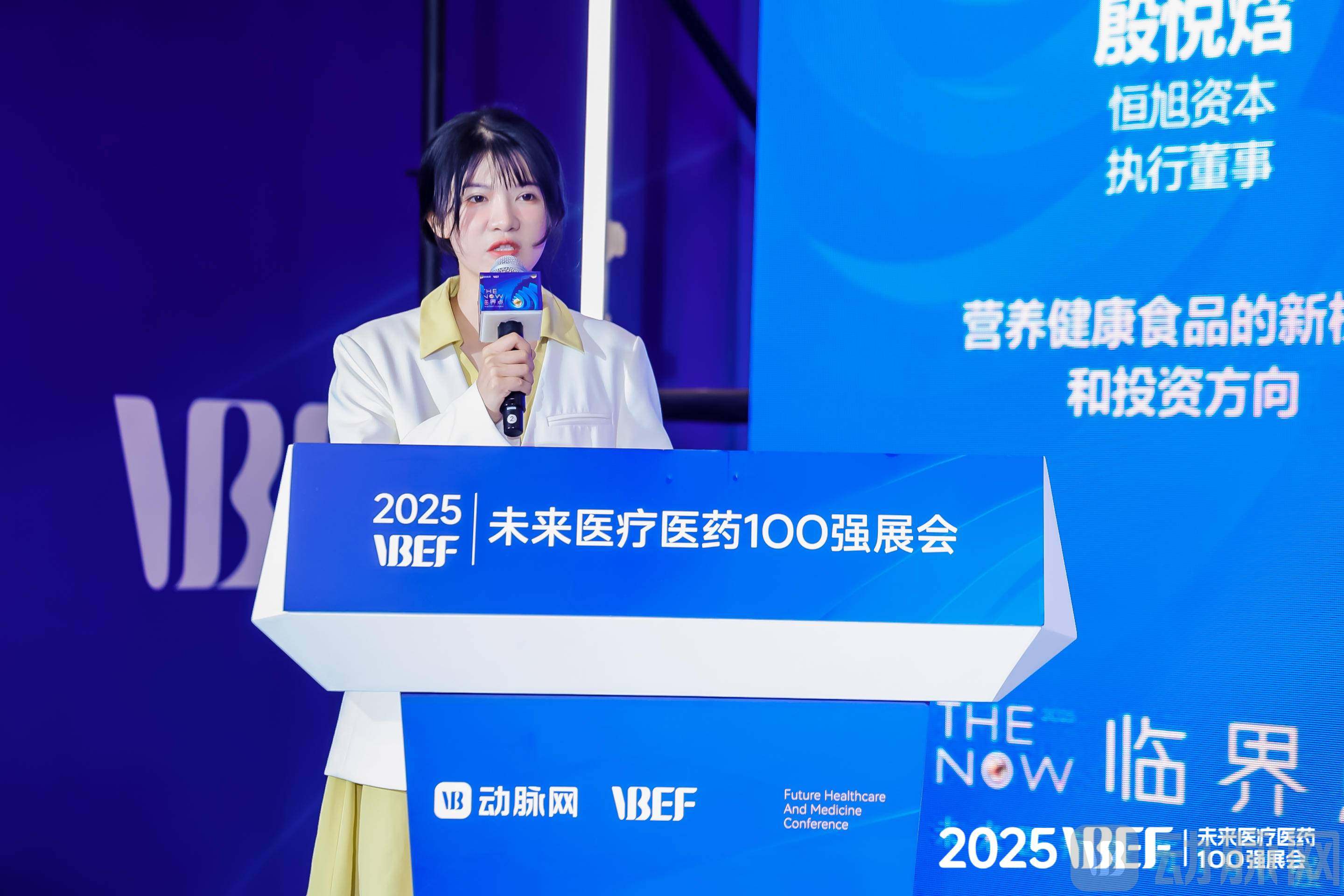
In the out-of-hospital market, foods for special medical purposes (FSMP) constitute a major category.Yin Yuehan, Executive Director at Hengxu CapitalIt is believed that the market penetration rate of foods for special medical purposes (FSMP) is continuously rising, driven by increasing disease prevalence among the population, enhanced awareness of nutritional therapy among physicians, and the growing trend of meticulous parenting. At present, this industry presents both opportunities and challenges. Challenges include longer registration cycles compared to ordinary foods, higher entry barriers, difficulties in launching new products through domestic channels, the need for strengthened market education, and hurdles in hospital access. Meanwhile, opportunities arise from supportive national policies, priority review for registration, and a substantial market size. In light of this, Hengxu Capital has established an investment strategy to identify high-quality targets in the out-of-hospital market by cross-validating three key barriers: market distribution channels, R&D and registration capabilities, and production processes.
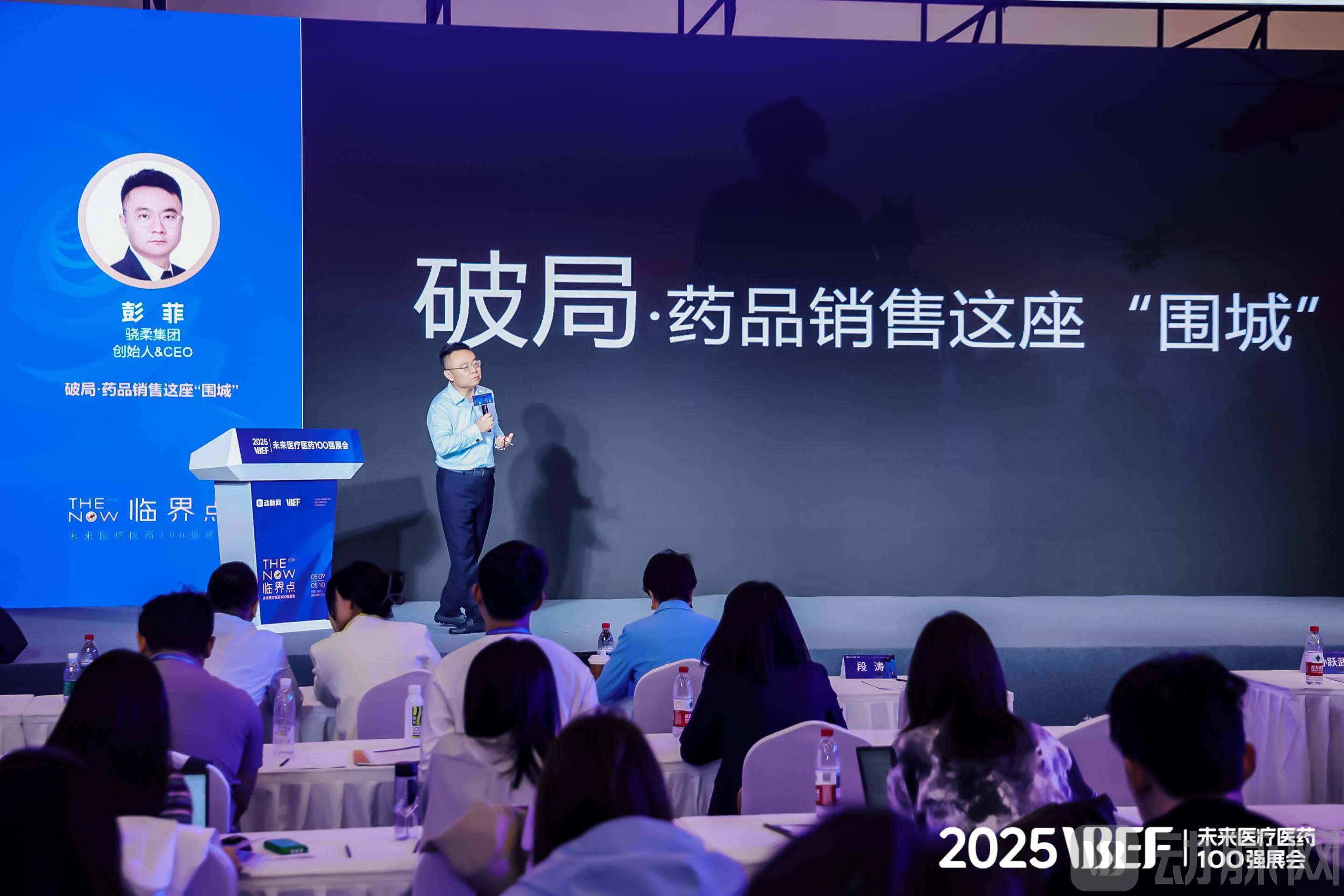
Peng Fei, Founder and CEO of Xiaorou GroupIt is believed that the pharmaceutical sales industry has entered a critical phase, characterized by increasing difficulties in volume growth, heightened compliance risks, and prominent transformation challenges. Meanwhile, the industry continues to face deep-seated issues requiring urgent resolution, such as inefficient sales channels, an underdeveloped business-to-consumer (B2C) model, and digitalization efforts that remain superficially confined to e-commerce. In light of this, Xiaorou Group proposes a new logic to drive out-of-hospital sales growth for pharmaceutical manufacturers: centering on B2C principles with a deep focus on consumer services; constructing a comprehensive pathway that fully covers all stages from in-hospital to out-of-hospital settings; achieving multi-point engagement with healthcare professionals (HCPs) to expand business reach; and creating flexible interfaces to adapt to the development needs of products at different stages.
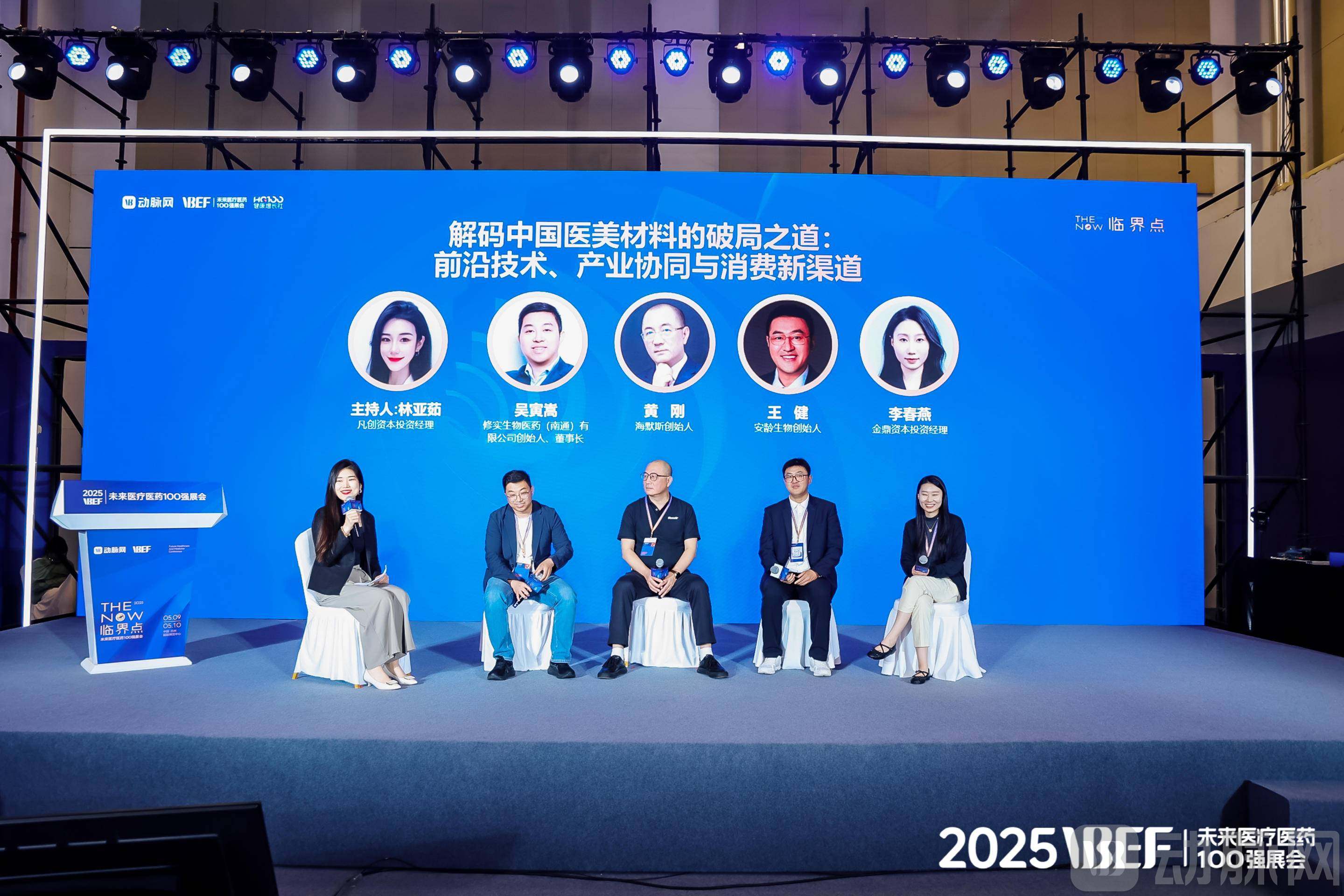
In the vast out-of-hospital market, the medical aesthetics industry continues to thrive. Among various driving factors, the continuous emergence of new materials has become a key force shaping the unique trajectory of the sector. What were the latest developments in the field of novel medical aesthetic materials in 2025? Lin Yaru, Investment Manager at Fanchuang Capital, moderated a dialogue between industry practitioners and investors.
Wu Yinsong, Founder and Chairman of Xiushi Biopharmaceutical (Nantong) Co., Ltd.It is pointed out that domestic peptide-based aesthetic medicine raw material enterprises are currently facing homogeneous competition, the root cause of which lies in the mismatch between the innovation capabilities of aesthetic materials and the explosively growing consumer market demand. In the short term, this issue can be gradually improved by accumulating innovation capabilities. In particular, the application of AI in the design of active biomolecules has entered a period of explosive outcomes. Leveraging AI’s deep understanding of the molecular structures and bioactivities of nucleic acids, polysaccharides, proteins, peptides, and other biomolecules will give rise to a large number of new intellectual properties (IPs), laying the foundation for changing the industry’s homogeneous landscape.
Haimers Founder & CEO Huang GangIt is noted that, compared with existing mature materials, recombinant humanized collagen targets the incremental market rather than the existing stock market. Recombinant humanized collagen has broad application scenarios in the fields of medical aesthetics, serious medical care, and consumer goods. Particularly in the field of medical aesthetics, leveraging its inherent bioactive properties, it can meet higher-level consumer demands, emerging as another significant growth opportunity in the industry.
Wang Jian, Founder and CEO of Anling BiotechIt points out that the current exosome industry is in an exploratory phase akin to “walking through a desert,” with most companies focusing on basic research or the IVD and raw material sectors, leading to significant homogenization. The key to breaking this deadlock lies in regulatory compliance and technological barriers. To this end, Anling Biotechnology has adopted a dual-track strategy of “innovative active pharmaceutical ingredients (APIs) + overseas cosmetic ingredient applications” to launch its global expansion. Meanwhile, it participates in the formulation of national standards for exosomes to promote the unification of quantitative quality systems, and draws on the concept of “biological traditional Chinese medicine (TCM)” to develop TCM-derived exosome products, thereby building a technological moat by integrating the logic of TCM modernization.
Li Chunyan, Investment Manager at Jinding CapitalIt was shared that in recent years, domestic enterprises have achieved remarkable results in the field of new medical aesthetics materials. This is primarily driven by two factors: first, rising living standards have accelerated the penetration of medical aesthetics into lower-tier markets; second, technological advancements have created new possibilities, with innovations such as synthetic biology enriching the selection of medical aesthetic materials and making products more affordable. In the face of intense market competition, companies can break through by leveraging product strength. Only by securing approved, unique products and capturing consumer mindshare can they stand out. From an investment perspective, while past medical aesthetics investments prioritized “first-to-market approval,” the diversification of solutions and product choices has introduced additional evaluation criteria. Moreover, the continuous emergence of new materials has shortened exclusivity periods and diminished their premium value, prompting institutions to seek more robust underlying investment logics.
In the afternoon session, we focused on new channels in the out-of-hospital market. The scale of China’s digital pharmaceutical marketing market is projected to reach hundreds of billions of yuan in 2024. E-commerce platforms have demonstrated the explosive potential of out-of-hospital channels by precisely reaching patients and shortening the time-to-market for innovative drugs. Meanwhile, the rise of new channels such as instant retail, O2O (Online-to-Offline), and MCN (Multi-Channel Network) platforms is further reshaping the distribution network for medical devices and pharmaceuticals.
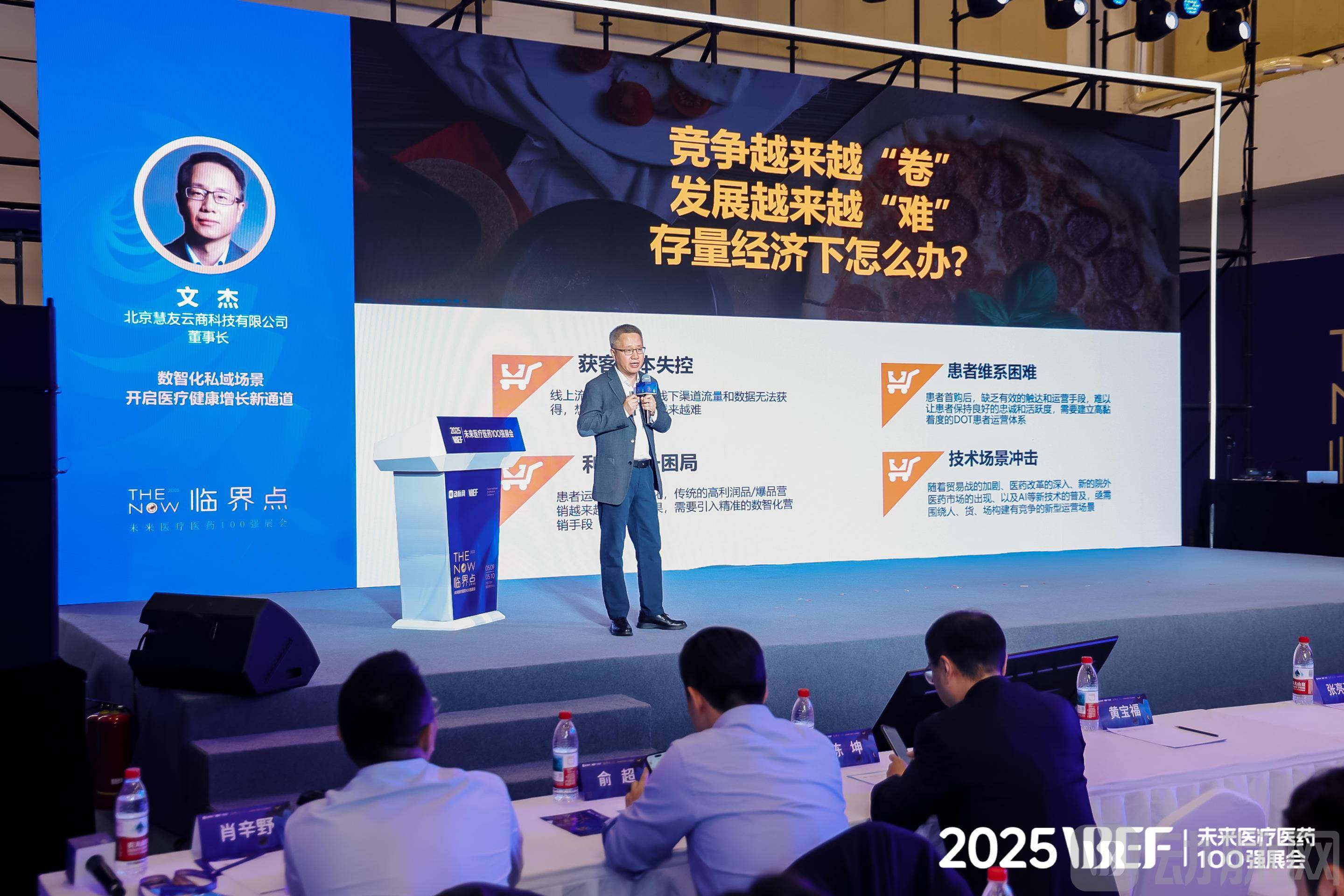
Wen Jie, Chairman of Beijing Huiyou Yunshang Technology Co., Ltd.Four Key Insights on Rapidly Expanding the Out-of-Hospital Market: First, the core of internet evolution lies in the interplay among data, information, and traffic. Companies must keep pace with the times and focus on digital-intelligent operations to achieve leapfrog growth. In particular, under the stock economy paradigm, private-domain traffic operations are crucial for traditional enterprises; companies should build their own private-domain traffic pools to maintain constant customer engagement. Furthermore, effective private-domain conversion requires establishing robust touchpoints, bridging the scenario-based connection between people and products through three approaches: “people promoting products,” “products finding people,” and “venues engaging people.” Finally, amid intensifying competition, the out-of-hospital market should adopt a “pull-based” business model, emphasizing market insights and traffic analytics.
In the current pharmaceutical market landscape, the intersection of new products and new channels has become a focal point for the industry. Four industry experts engaged in a profound and insightful discussion on the theme “When New Products Meet New Channels: Reconstructing the User Reach Formula for Billion-Yuan Blockbuster Drugs.”
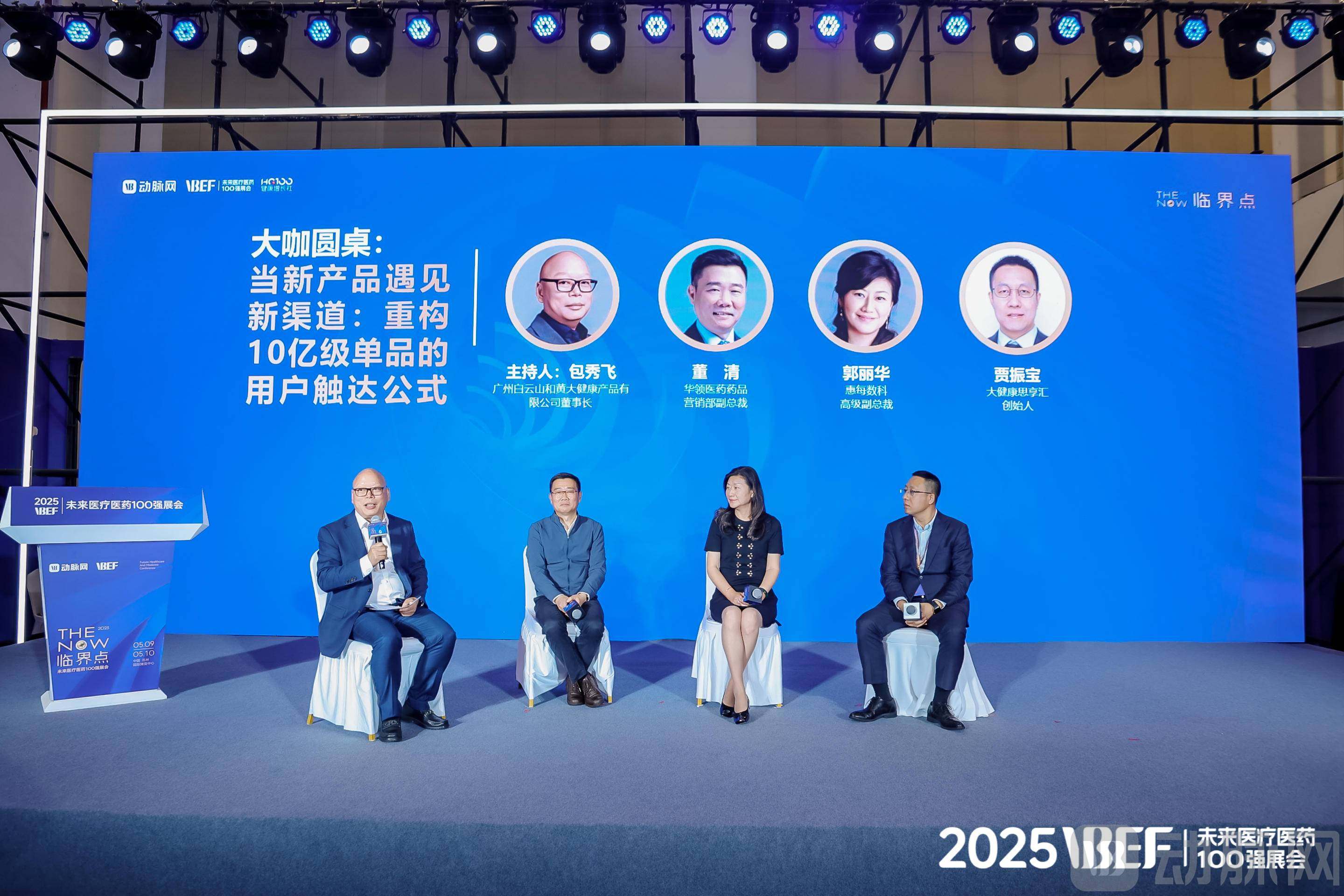
Bao Xiufei, Chairman of Guangzhou Baiyunshan Hehuang Big Health Products Co., Ltd.The opening remarks highlighted that product promotion has become significantly more challenging in the current landscape. In the past, products could easily penetrate the market by leveraging their inherent advantages. However, today, hospital-based marketing is constrained by regulatory policies, competition outside hospitals is intense, and patient acquisition strategies are gradually losing effectiveness. Against the backdrop of diversified sales channels—including instant e-commerce platforms (such as JD Daojia and Meituan), traditional B2C models, the out-of-hospital market, and community-based marketing—the integration of these complex channels to achieve successful product promotion has emerged as a critical issue.
Dong Qing, Vice President of the Marketing Department at Hua MedicineTaking Hua Medicine’s diabetes drug Dorzagliatin (Huatangning) as an example, it was shared that after its inclusion in the National Reimbursement Drug List (NRDL), the primary market shifted back to hospitals, as patients currently obtain 80% of their medications from hospital settings. However, with policy changes, the out-of-hospital market is also rapidly expanding, and the introduction of policies supporting online retail sales of prescription drugs has created new opportunities. Therefore, new products must simultaneously expand through both in-hospital and out-of-hospital channels, as well as online and offline platforms. Product competitiveness is key, encompassing factors such as proven clinical efficacy, differentiation from other products, strong patient perceived value, and ease of use with a favorable safety profile. These factors determine whether a product can achieve sustainable long-term development.
Guo Lihua, Senior Vice President of Huimei Digital TechnologyIt is noted that successful chronic disease products largely rely on the in-hospital market and offline chain pharmacies, while specialty drugs depend on a combination of the in-hospital market and Direct-to-Patient (DTP) pharmacies. Meanwhile, out-of-hospital markets driven by e-commerce platforms and innovative commercial insurance payment models are continuously emerging. In this context, maintaining a robust pricing system is crucial, as is focusing on converting out-of-hospital patient data into actionable insights to empower physicians in patient management through digital innovation. This value closed-loop is also one of the solutions offered by Huimei Digital Technology.
Jia Zhenbao, Founder of Big Health Think TankIt is pointed out that, against the backdrop of centralized volume-based procurement (VBP), the consumerization of prescription drugs has become a significant pain point for pharmaceutical companies. Some pharmaceutical enterprises have already begun to explore the development of private-domain traffic among doctors and patients. For instance, a physician at a Grade 3A hospital in Beijing successfully advanced his professional career and enhanced the hospital’s business performance by leveraging private-domain traffic channels such as WeChat groups. Amid the evolving landscape of the current pharmaceutical market, doctors are returning to their core mission of treating diseases and saving lives. Private-domain traffic has emerged as an effective tool for patient management, aligning with internet users’ habits and reducing physicians’ workload.
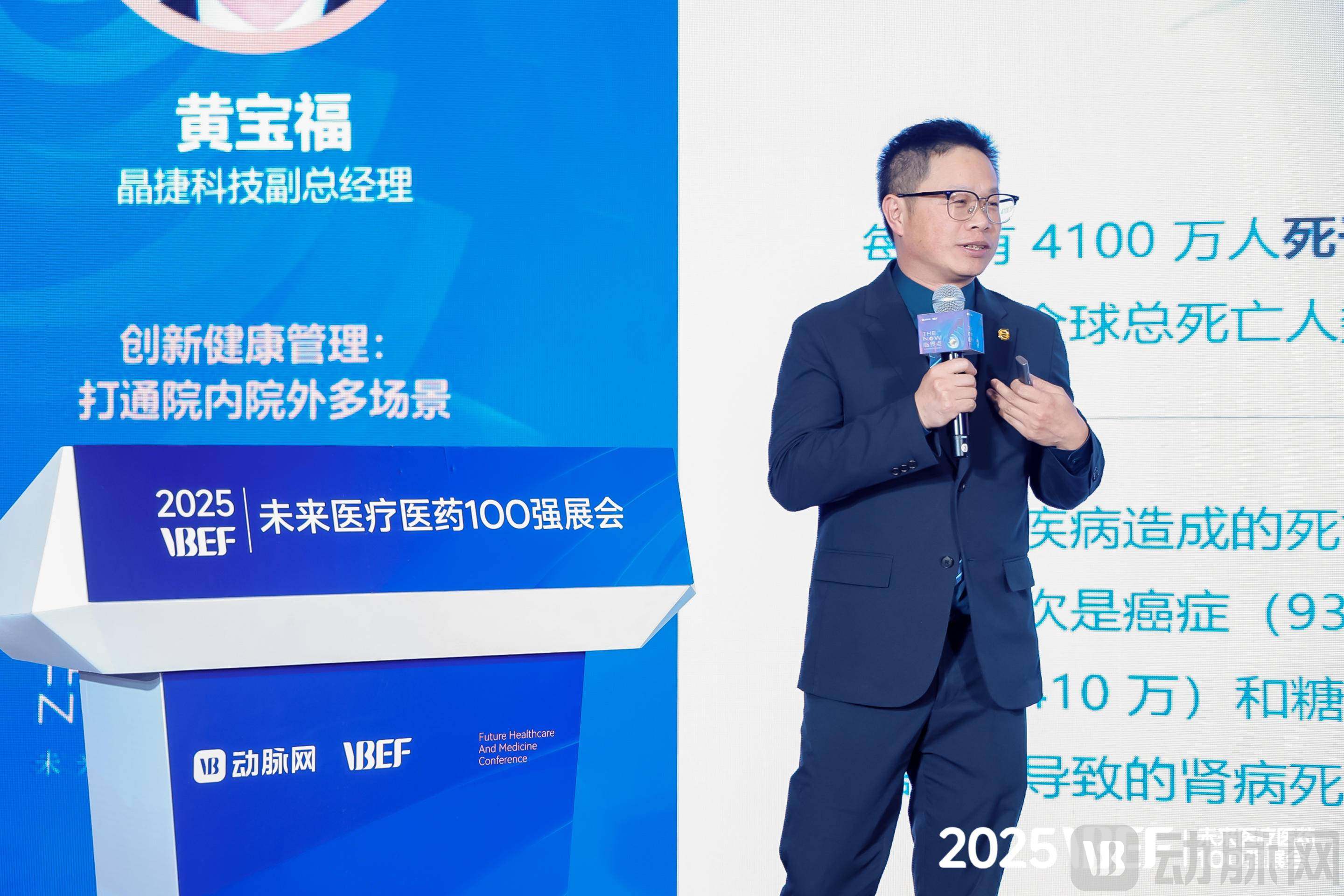
JingHuang Baofu, Deputy General Manager of Jie TechnologyIt is emphasized that chronic disease management should prioritize prevention rather than relying solely on pharmacological treatment; however, there is currently a scarcity of home-based medical testing products, and many individuals lack adequate attention to their personal health. Jingjie Technology is dedicated to developing products for chronic disease management, leveraging electrochemical sensing technology. Its key advantage lies in its affordability, making these solutions accessible to the general public. The company’s platform technology enables the detection of various human biological samples. With independent research and development covering everything from raw materials to equipment, Jingjie Technology has established a comprehensive product ecosystem spanning multiple scenarios, including personal health, hospital settings, and home care.
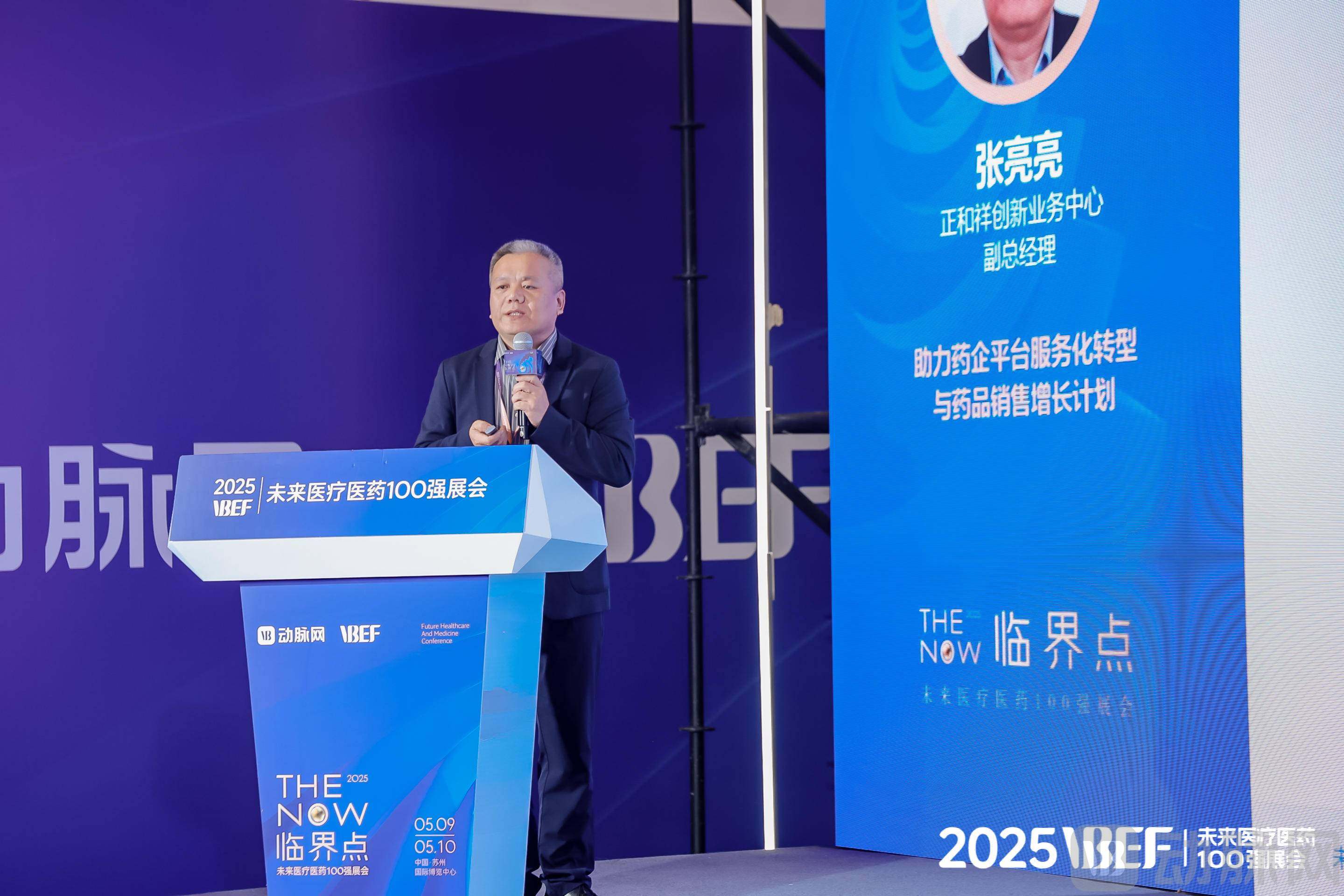
Zhang Liangliang, Deputy General Manager of the Innovation Business Center at ZhenghexiangIt is noted that chain pharmacies can no longer survive by engaging in homogeneous competition, expanding outlet networks, and waging price wars; instead, they must pursue transformation. To transform, chain pharmacies must first identify their core strengths and leverage them effectively. First, chain pharmacies should consolidate their outlet networks, which are primarily located in close proximity to residential communities. Second, they offer a wider variety of pharmaceutical products than medical institutions. Third, chain pharmacies are naturally aligned with the national policy of separating prescribing from dispensing, allowing customers to purchase medicines covered by the pooled basic medical insurance fund with reimbursement rates equivalent to those at medical institutions. Fourth, as direct-to-consumer entities, chain pharmacies are well-positioned to collaborate with pharmaceutical manufacturers and third-party big health companies, creating scenarios that directly engage customers through an integrated model encompassing “medical care, pharmaceuticals, testing, management, insurance, cloud computing, and AI.” Transformation strategies should be planned based on these advantages.
Amid the wave of transformation toward “in-hospital and out-of-hospital collaboration” in the healthcare and wellness industry, six industry guests shared profound insights into the synergy between in-hospital and out-of-hospital markets from diverse perspectives.
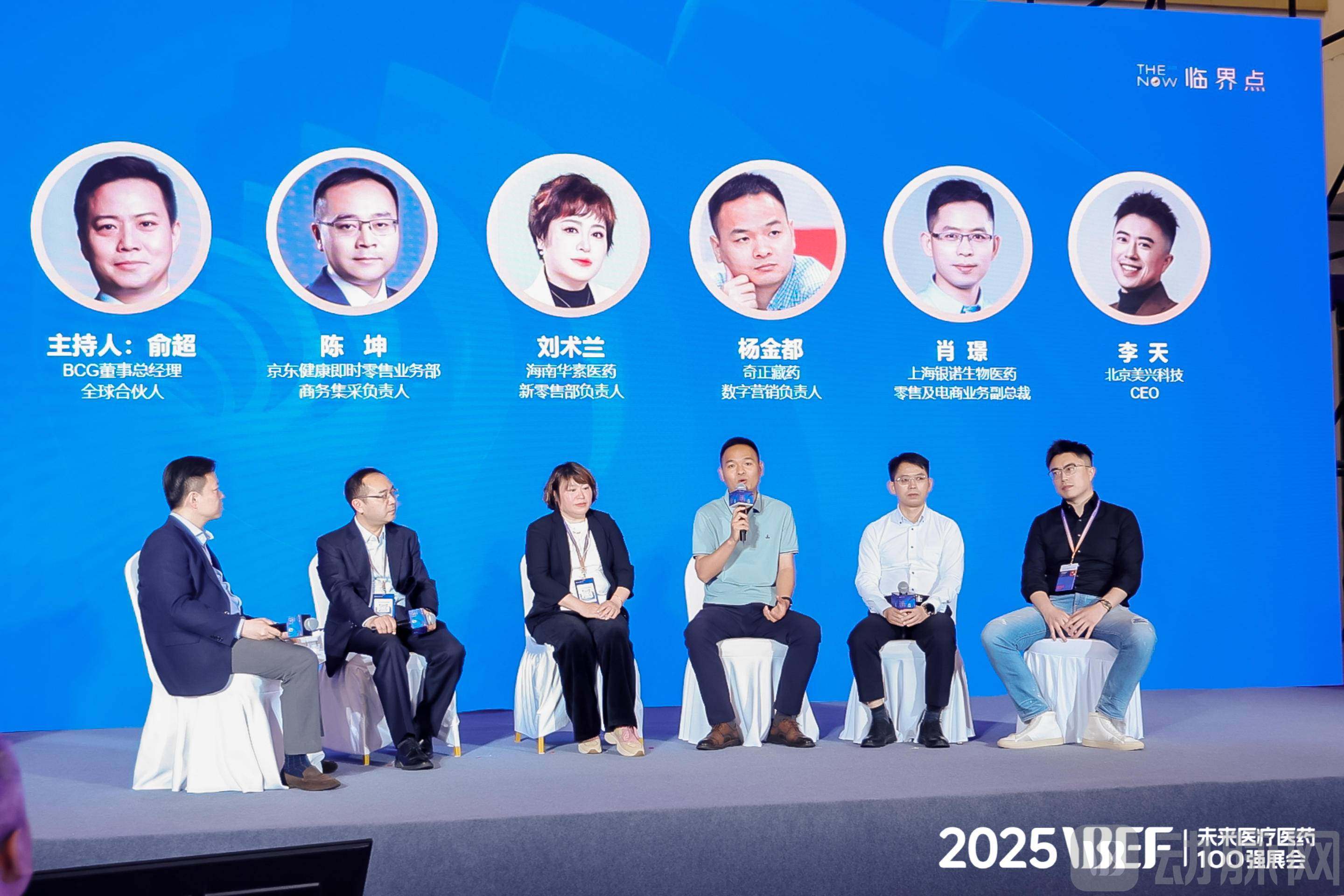
Yu Chao, Managing Director and Global Partner at BCGHe pointed out that over the past three years, even the most conservative healthcare companies have begun to expand into the out-of-hospital market, which has become an inevitable trend in industry development. He raised a core question: How can synergy be achieved between in-hospital and out-of-hospital channels? In his view, the traditional pharmaceutical model of siloing channels into in-hospital, retail, and e-commerce segments urgently needs to change. The key to synergy lies in breaking down information asymmetries and resource barriers between channels, creating a closed loop that integrates in-hospital prescription flows and physician education with out-of-hospital patient services and convenient medication access. Ultimately, this “1+1>2” combined approach will enhance overall market efficiency.
Chen Kun, Head of Business Centralized Procurement, JD Health Instant Retail DivisionIt is noted that in the out-of-hospital market, there is no single best channel choice, only the optimal channel mix. Through its integrated online-to-offline ecosystem combining self-operated and platform-based models, JD Health can provide pharmaceutical companies with the most efficient supply network, precise user traffic, and integrated online-to-offline marketing tools.
Liu Shulan, Head of the New Retail Department at Hainan Huasu Pharmaceutical Marketing Co., Ltd.Taking the transformation of traditional pharmaceutical companies as an example, this analysis reveals practical challenges in coordinating in-hospital and out-of-hospital operations, including channel competition, interdepartmental gaming, and price control. The key to breaking through these bottlenecks lies in: internally, having senior management oversee resource allocation, unify policies, and establish cross-departmental control mechanisms; externally, exploring an “outcome-based partnership model” with third-party service providers, which not only reduces the costs of building in-house teams but also enhances efficiency through professional operational management.
Yang Jindu, Head of Digital Marketing at Qizheng Tibetan MedicineUsing the transformation of a Tibetan medicine enterprise as a case study, this article outlines a three-stage pathway spanning “retail, in-hospital, and out-of-hospital” markets: early-stage product popularization through retail channels, mid-term penetration of the in-hospital market driven by clinical evidence-based data, and recent intensified investment in the out-of-hospital market in response to shifts in consumer diagnosis and treatment pathways. He emphasized that digitalization is the key link between in-hospital and out-of-hospital sectors: it enables user engagement through content marketing and conversion via instant retail, while ensuring consistency in product information and target audience positioning across both in-hospital and out-of-hospital channels.
Xiao Jing, Vice President of Retail and E-commerce Business at Shanghai Yinnuo Biopharmaceutical Engineering Co., Ltd.He argues that the core of out-of-hospital collaboration lies in demonstrating three key values: for physicians, it enables patient education and personal brand building; for patients, it addresses drug shortages within hospitals; and for pharmaceutical companies, it provides feedback and support to in-hospital operations. He particularly emphasizes that out-of-hospital channels are not merely ancillary to in-hospital ones but serve as independent “demand fulfillment endpoints” with their own intrinsic value. For products with strong consumer attributes, out-of-hospital channels may even be the primary engine of growth.
Li Tian, General Manager of Beijing Meixing Technology Co., Ltd.Starting from the underlying logic of industry transformation, he pointed out that traditional pharmaceutical companies have mostly used metrics such as “shipment volume” and “promotional intensity” to measure channel value. However, in the context of the new era, this logic needs to break through the inherent model of “reporting, promoting, driving, inspecting, and delivering” associated with traditional offline channels, shifting instead toward a model characterized by “chain integration, intelligence, convergence, and ecosystem building.” Using Huasu Fengdu Tablets as an example, he illustrated that the growth of its O2O business relies not merely on the efficiency advantage of “instant demand, instant fulfillment,” but more critically on the precise capture of consumer scenarios, achieving a closed loop of “scenario–demand–conversion” through deep collaboration with platform traffic.