

Over 30 Medical AI Large Models Accelerate Real-World Deployment Across Key Healthcare Scenarios – Highlights from 2025 VBEF

JD Health
Internet Medical and Health Service Platform Provider
With the emergence of DeepSeek technology and the development of domestic large language models, China’s AI foundation model capabilities are gradually strengthening, significantly increasing the likelihood of practical application deployment. This shift means that investment opportunities in AI applications will no longer be confined to short-term hype, but will instead focus on identifying projects with genuine implementation capabilities.
At the 2025 VBEF “Medical AI Large Model Application Innovation Forum,” more than 30 guests from medical large-model enterprises, AI investors, multinational pharmaceutical companies, and themed industrial parks attended, sharing their practical achievements in leveraging AI to improve quality, reduce costs, and enhance efficiency in the healthcare sector. The event was moderated by Yan Jingjing, Founding Partner of Probes Capital, and Wei Qun, Vice President of Gerui Technology.
VCBeat has curated some of the forum’s highlights for our readers.
Deploying a large language model into business scenarios involves a longer implementation path and higher technical requirements than traditional informatization, necessitating collaboration among professional teams from scenario design to performance tuning. In this context, the value and strategic importance of ecosystems are becoming increasingly prominent. Leveraging advantages such as data resources and ecosystem integration, major tech companies have become the dominant forces in ecosystem building.
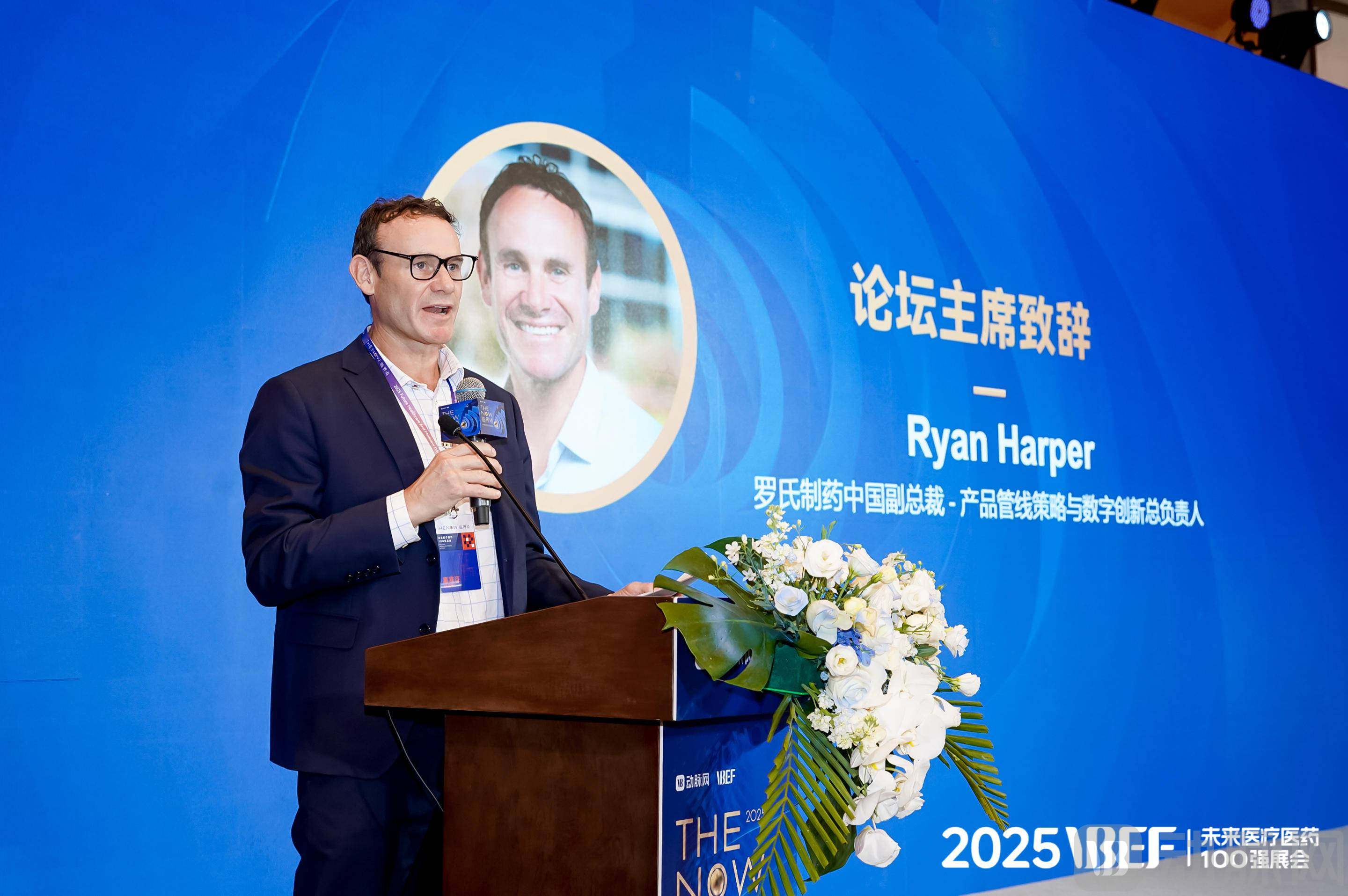
Ryan Harper, Vice President of Roche China and Head of Product Pipeline Strategy and Digital Innovation, stated in his address that artificial intelligence is currently reshaping the value system of the healthcare industry.Roche Pharmaceuticals China will drive the deep integration of AI in drug R&D, clinical services, and patient management through ecosystem co-creation and end-to-end collaboration, enabling more systematic and sustainable healthcare innovation.
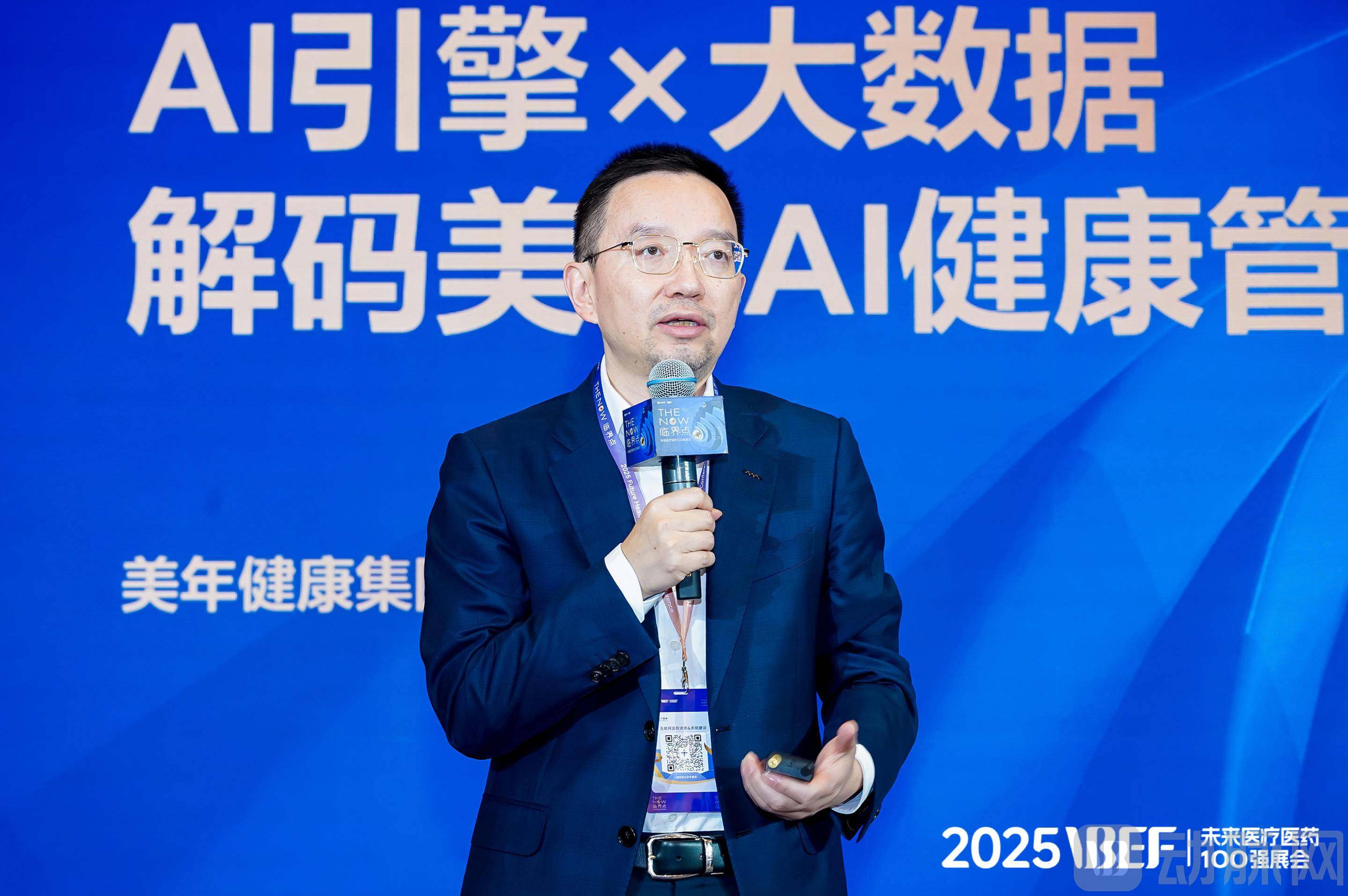
As a leading enterprise in China’s preventive medicine sector, Meinian Onehealth upgraded its “All-in Digitalization” strategy to “All-in AI” in 2024. Yu Rong, Chairman of Meinian Onehealth Group, stated in his speech that this strategic layout is reflected in two aspects: First, technological innovation, with the continuous launch of high-quality, specialized, and innovative products—such as pulmonary disease management, precise screening for brain health, and personalized interventions for chronic diseases—to achieve a full-loop closed system of “early screening, early diagnosis, and early intervention.” Second, the creation of Health Xiaomei, an intelligent digital health management platform powered by large language model technology, which provides users with end-to-end intelligent health services spanning pre-examination, during-examination, and post-examination stages. This enables personalized health management tailored to individual needs and promotes inclusive healthcare access.
Yu Rong pointed out,Meinian Health is leveraging AI as a strategic cornerstone to systematically build a digital health platform covering the entire population across their full life cycles, with the aim of collaborating with ecosystem partners—including government agencies, medical institutions, and technology enterprises—to co-create a closed-loop health management ecosystem.This strategy propels Meinian Onehealth from a leading enterprise in preventive medicine to a pioneer in the era of digital and intelligent health management, committed to building a new healthcare ecosystem characterized by mutual empowerment and collaborative progress, thereby injecting strong momentum into the implementation of the "Healthy China" strategy.
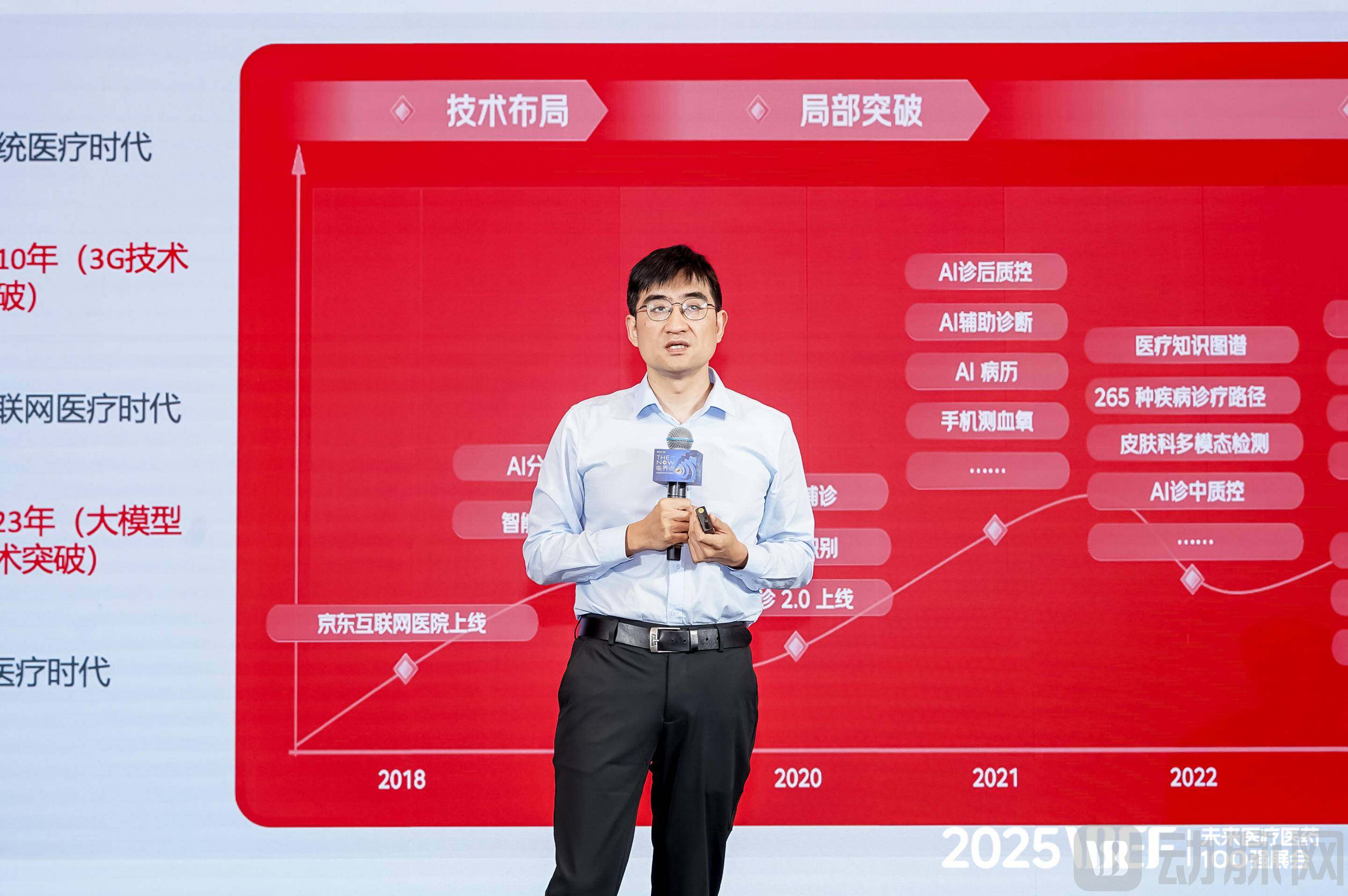
Wang Guoxin, Chief Scientist at JD Health’s Exploration Research Institute, shared insights from a technical perspective, emphasizing that medical reasoning models should not merely pursue comprehensive diagnoses but must also achieve differential diagnosis and rule-out diagnoses with high probability. Guided by clinical practicality and adhering to a “seven-step framework,” JD Health’s medical reasoning model progresses from symptom analysis to conclusion, avoiding excessive listing of possibilities and focusing on achieving differential diagnosis and rule-out diagnoses with high probability. This model design offers new approaches and standards for the development and evaluation of medical AI.JD Health plans to release the second version of its model around June 18, and will fully open-source the paper, code, and part of the training data, inviting all sectors to reproduce and challenge it, thereby promoting technological progress, establishing a trust mechanism in the medical field, and fostering industry development.
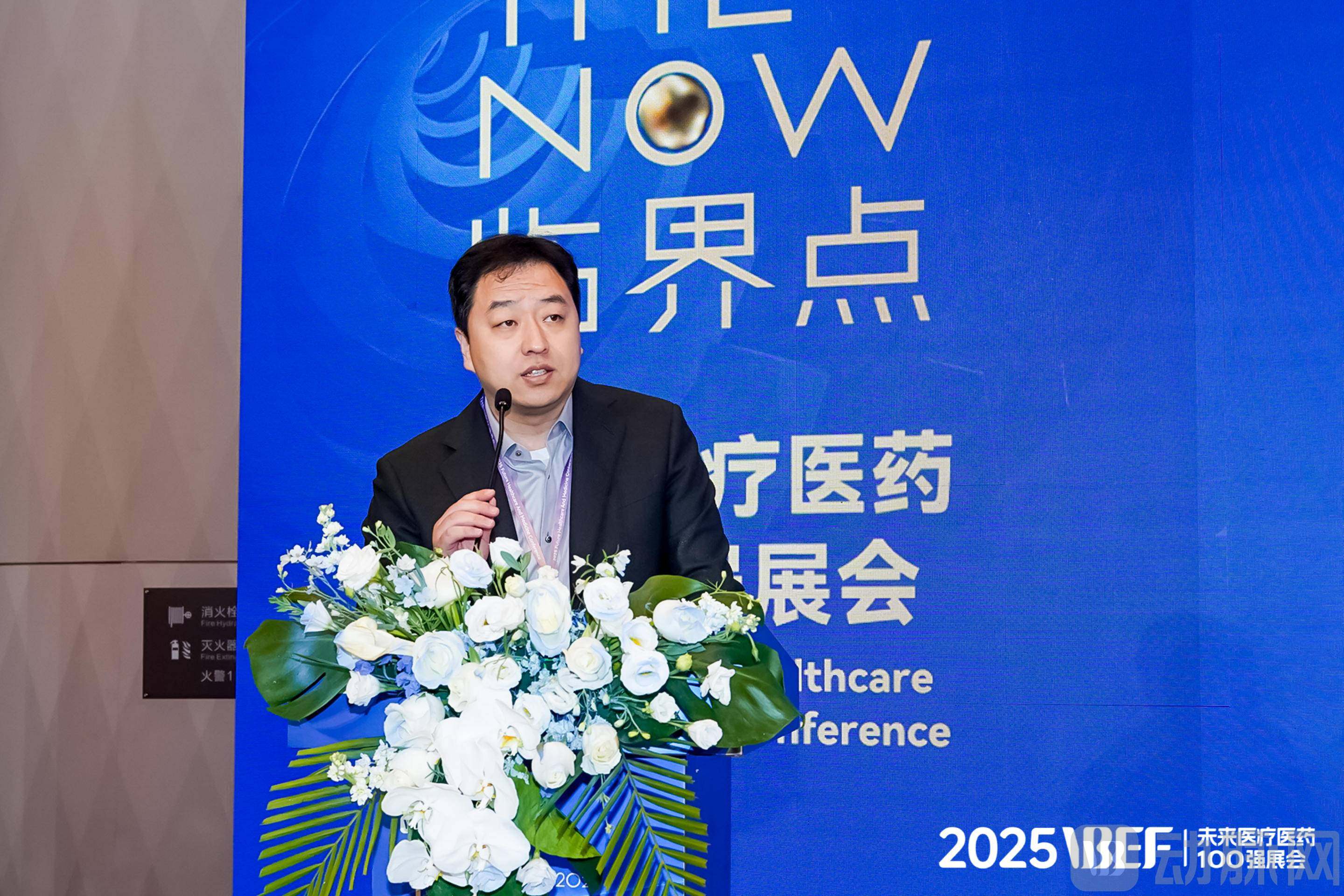
Feng Zhangping, Vice President of Neusoft Medical, shared insights on the data foundation of AI technology, pointing out that the development of AI relies on massive amounts of medical data.Leveraging its hospital information systems, a global installed base of 60,000 devices, and a full-cycle health ecosystem spanning insurance, elderly care, hospitals, and finance, Neusoft has accumulated multi-dimensional data including medical imaging and clinical records. In compliance with regulations, the company collaborates with industry partners and has achieved significant results in AI-assisted imaging diagnosis, surgical simulation, and navigation.As a state-owned enterprise under the control of the State-owned Assets Supervision and Administration Commission (SASAC), Neusoft will integrate resources across industry, academia, research, and healthcare; incubate enterprises throughout the upstream and downstream supply chain; expand medical cooperation along the Belt and Road Initiative; and commit to empowering industry partners, medical institutions, and patients with data and technology, thereby promoting the development of a full-cycle health ecosystem.
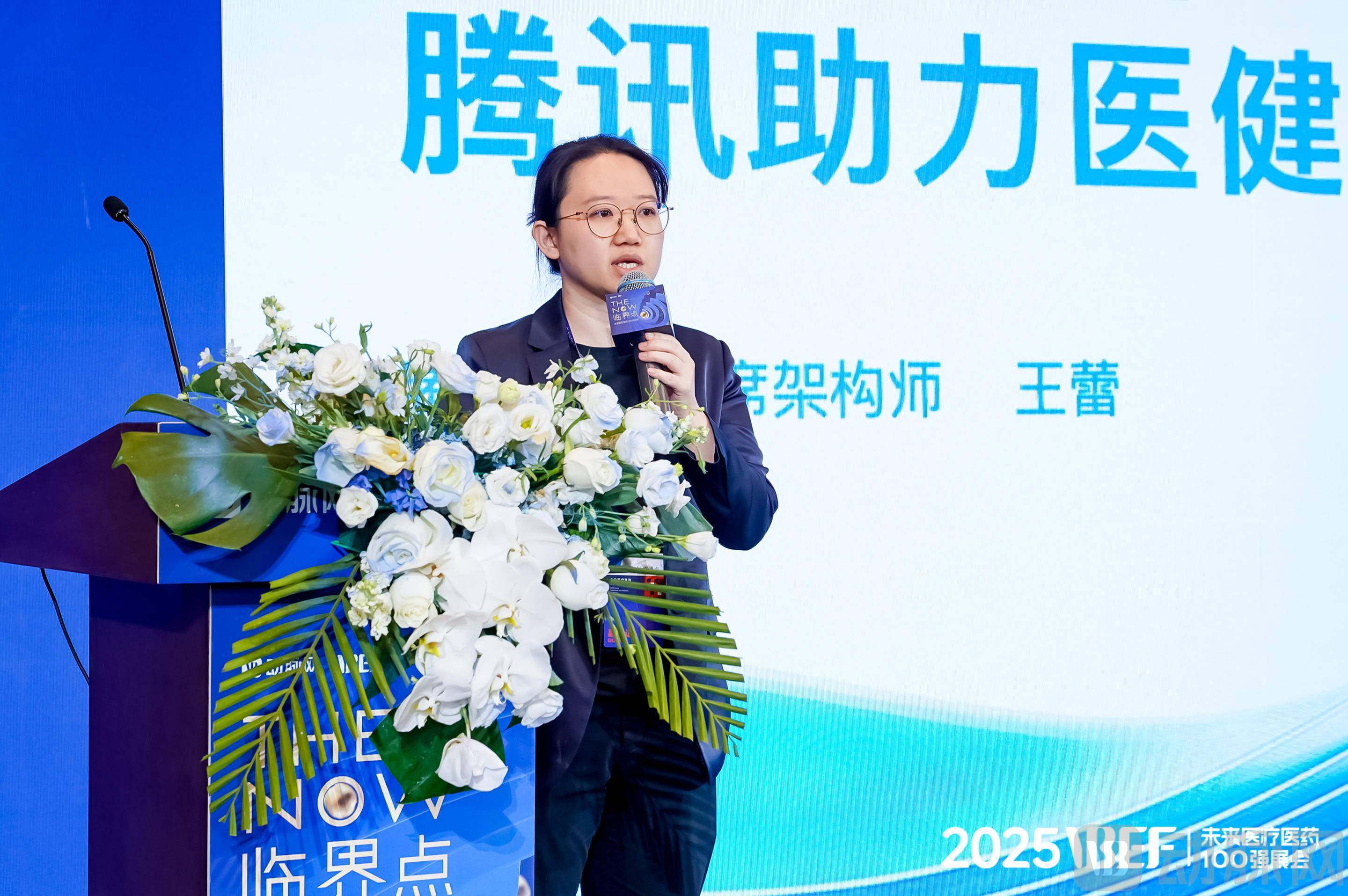
Wang Lei, Chief Architect at Tencent Health, stated that Tencent has adopted a “dual-model drive” strategy, centered on its Hunyuan large language model and healthcare-specific large models, while integrating external technologies such as DeepSeek. By leveraging Tencent Cloud to provide computational power and other infrastructure support, the company has built an agent development platform to help enterprises rapidly deploy AI applications and reduce redundant development costs.In enterprise-level AI application scenarios, Tencent is achieving basic efficiency gains by developing lightweight tools such as marketing assistants and contract review systems. Meanwhile, it is deepening its layout in vertical sectors by providing pharmaceutical companies with assistance in drafting clinical trial protocols and conducting drug repurposing analyses, while also leveraging multilingual agents to help medical device manufacturers expand into global markets.In the future, Tencent will integrate technologies and resources through an open ecosystem, focusing on building practical and user-friendly AI tools to lower the barrier for enterprise AI adoption. This initiative aims to drive the healthcare industry’s transition from digitalization to intelligentization, while continuously investing in AI research and development within the medical and health verticals to advance frontier exploration of “unsolved problems” such as new drug discovery and life sciences.
VBInsight’s “2025 Research Report on Large Medical Models” notes that as of May 1, 2025, 133 large medical models had been released, far exceeding the 94 released in all of 2024 and the 61 released in all of 2023. Among the 288 large medical models, 90% covered application scenarios aligned with policy guidelines. At the conference, we also observed numerous enterprises’ achievements in scenario implementation.
As one of the long-explored application scenarios for AI, health management has ushered in rapid development in the era of large language models.
In his speech, Wang Ye from the Guangdong Provincial Center for Disease Control and Prevention pointed out that, against the backdrop of the “Healthy China Action (2019–2030)” and the “Year of Weight Management,” and in accordance with policy guidelines, there is a contradiction between the substantial and urgent demand for health management among residents, particularly those with chronic diseases, and the limited and weak diagnostic and treatment capabilities at the primary care level.Artificial intelligence technology can play a key role in the entire process of prevention, screening, diagnosis, treatment, management, and rehabilitation in diabetes and obesity management., such as implementing personalized proactive health education through stratified management based on personal health profiles, needs, and health assessments; early diagnosis; clinical decision support; personalized lifestyle and psychological support; and facilitating real-time monitoring and evaluation of treatment outcomes. Particularly in obesity management, it provides personalized lifestyle and emotional support, as well as etiology-based subtyping and stratified management. It also addresses the shortage of technical capabilities and human resources for chronic disease management at the primary care level, thereby improving management effectiveness and ensuring the effective implementation of obesity and chronic disease management in primary care settings.
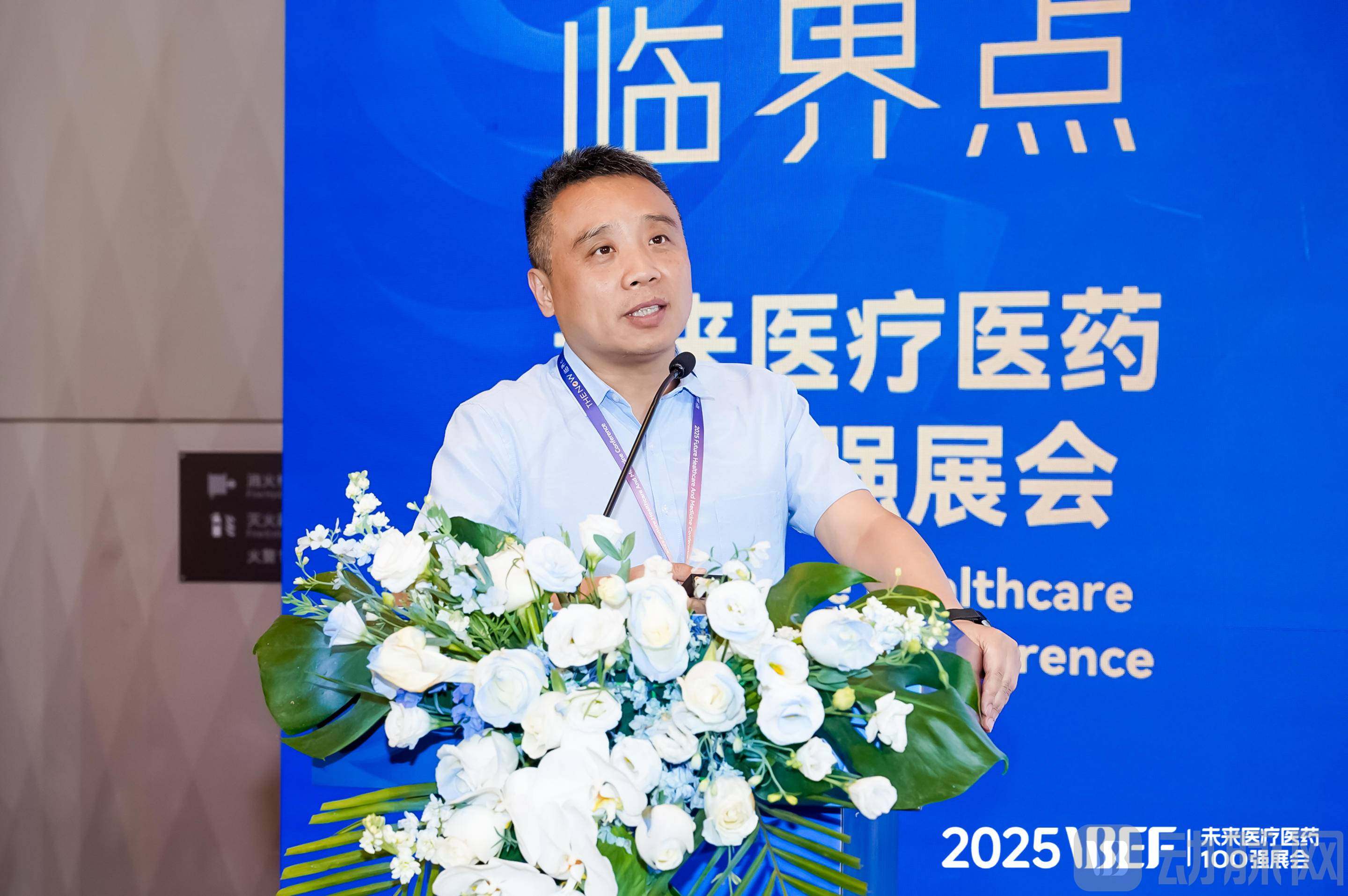
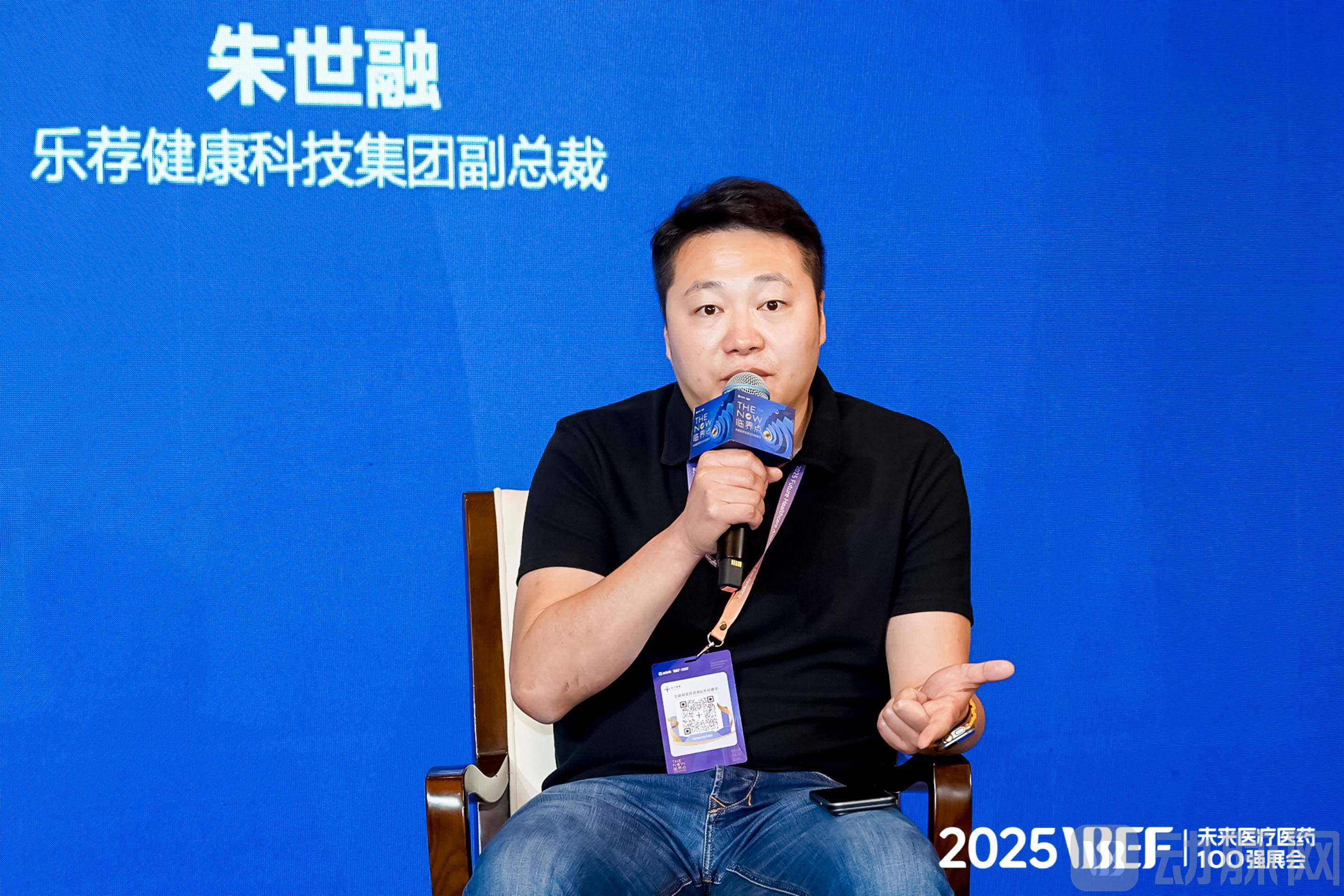
Zhu Shirong, Vice President of Lejian Health Technology Group, conceptualizes health management into two categories: one is healthcare and prevention, which falls under “light management”; the other is treatment and rehabilitation, known as “heavy management.”Since “heavy management” involves medical qualifications, collaboration with hospitals is essential. In short, Lejian leverages AI and internet information technology to integrate resources and supply chains, partnering with various stakeholders to deliver comprehensive, full-cycle health management services to enterprises, hospitals, and family clients.
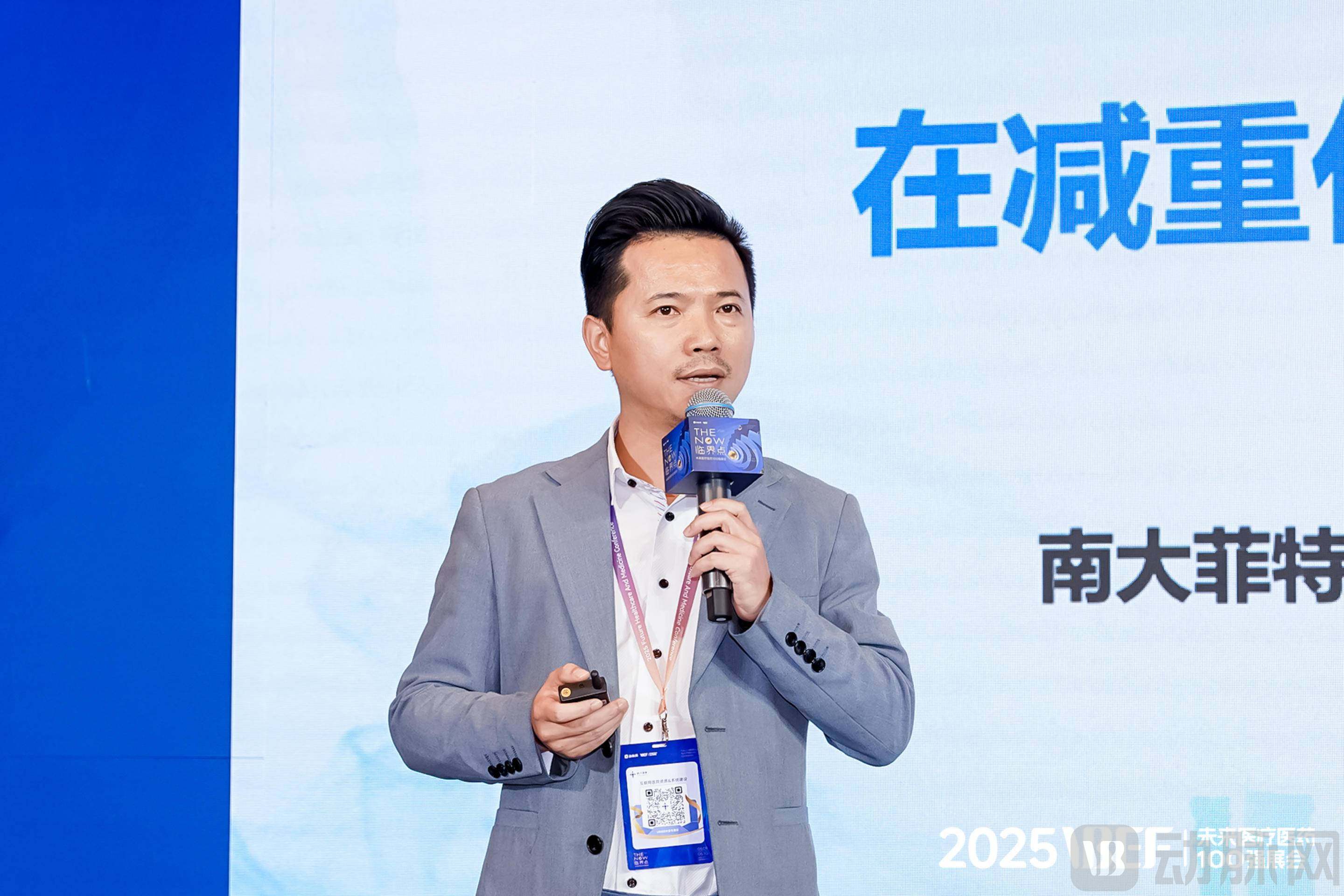
Yin Hui, Founder and CEO of Nanda Feite, stated that the company has been deeply engaged in the fields of weight management and metabolic diseases for ten years. Actively responding to the national “Year of Weight Management” initiative, Nanda Feite is vigorously promoting the application of artificial intelligence technologies in weight management.Nanda Feite’s AI agents support multilingual communication, provide emotional value, and offer patients a rich conversational companionship mechanism that is more patient and professional than human services.. Meanwhile, it can handle repetitive tasks, allowing dietitians to devote more time to in-depth consultations, thereby enabling collaboration between AI and dietitians to enhance the overall quality and efficiency of services.
Shen Ye, Founder and CEO of Langye Medical, proposed three core elements for building specialty-specific AI agents: knowledge graphs, clinical closed loops, and operational integration.Building on this foundation, Langye Medical focuses on specialized fields such as respiratory health. By leveraging intelligent management pathways, structured clinical data, and improved billing and claims efficiency, the company has developed AI tools that can be seamlessly embedded into existing workflows, including an asthma diagnosis agent, an acute exacerbation early warning system for chronic obstructive pulmonary disease (COPD), and an early screening system for pulmonary nodules. Currently, Langye Medical’s services cover more than 300 healthcare institutions in China and the United States. The company builds its evidence-based medicine foundation on academic authority and achieves rapid technological iteration through a lean team structure.
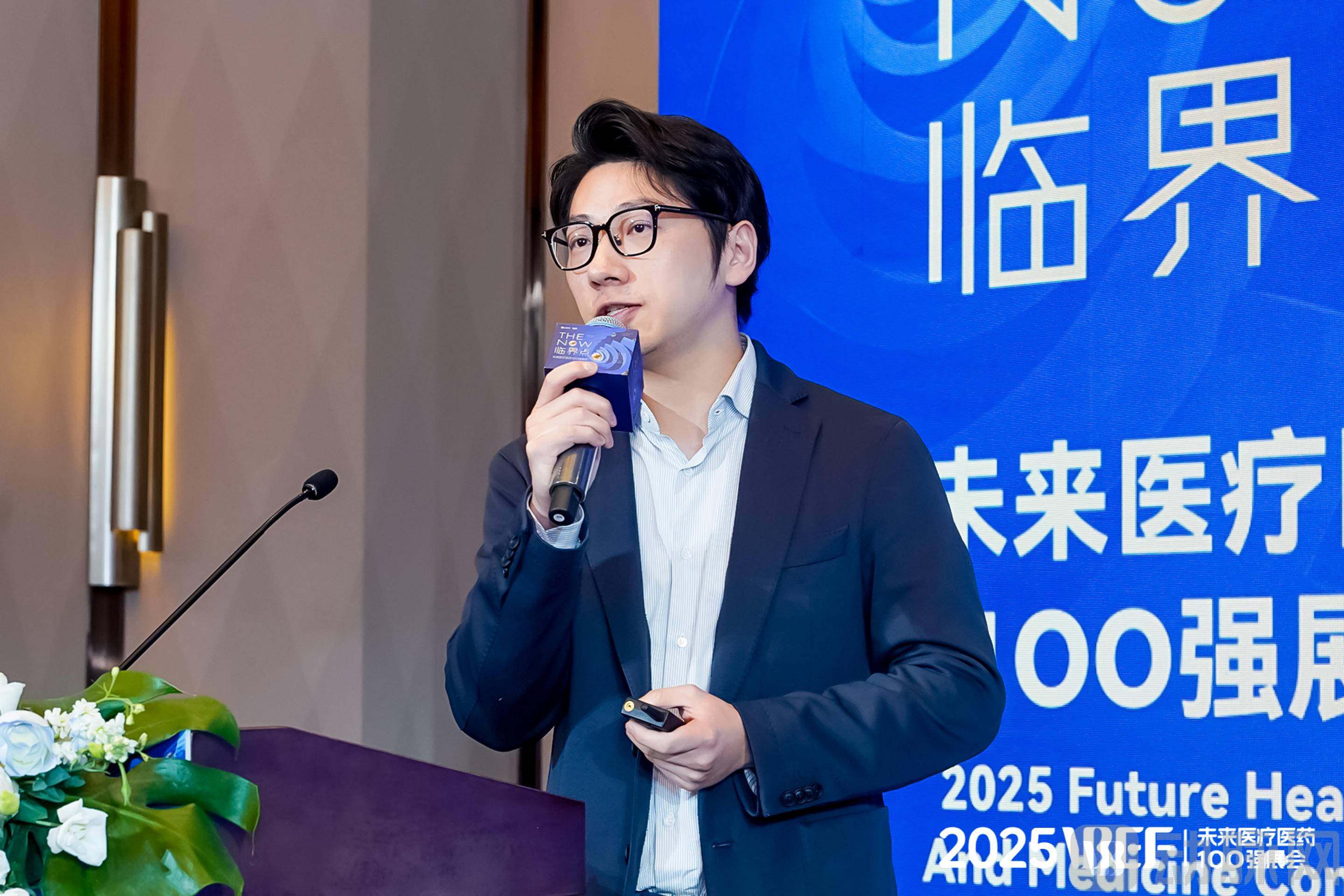
Primary healthcare, which has an urgent need to improve the efficiency and quality of diagnosis and treatment, has also become a key service target for large language models.
Zhang Zhoubin, Party Secretary of the Guangzhou Municipal Center for Disease Control and Prevention, pointed out in his sharing that primary-level chronic disease management faces challenges such as insufficient manpower, data silos, and the need to enhance patient trust, whileGuangzhou is actively exploring solutions through policy support and technological innovation, pioneering a new model of AI-enabled primary care chronic disease management encompassing “screening, treatment, management, and rehabilitation.”During the screening phase, high-risk populations are identified through the AI module of the “Guangzhou Health Pass” and intelligent imaging diagnostics. In the treatment and management phase, diagnostic and therapeutic efficiency is enhanced by leveraging AI-assisted diagnosis and treatment systems, Traditional Chinese Medicine (TCM) constitution identification devices, and cloud pharmacies, while full-cycle tracking is achieved through intelligent outbound calls and performance evaluation systems. In the rehabilitation support and health promotion phase, AI psychologists and AI-driven health science popularization provide residents with mental health support and intelligently pushed health-themed content. In the future, Guangzhou will strive to break the limitations of single-disease management, focusing on “joint prevention and control” for multiple diseases. It will build a smart middle platform to integrate data and optimize health management, collaborate with enterprises to refine multi-disease management tools through major national science and technology projects, and promote the standardization and nationwide adoption of AI in primary care for chronic disease management.
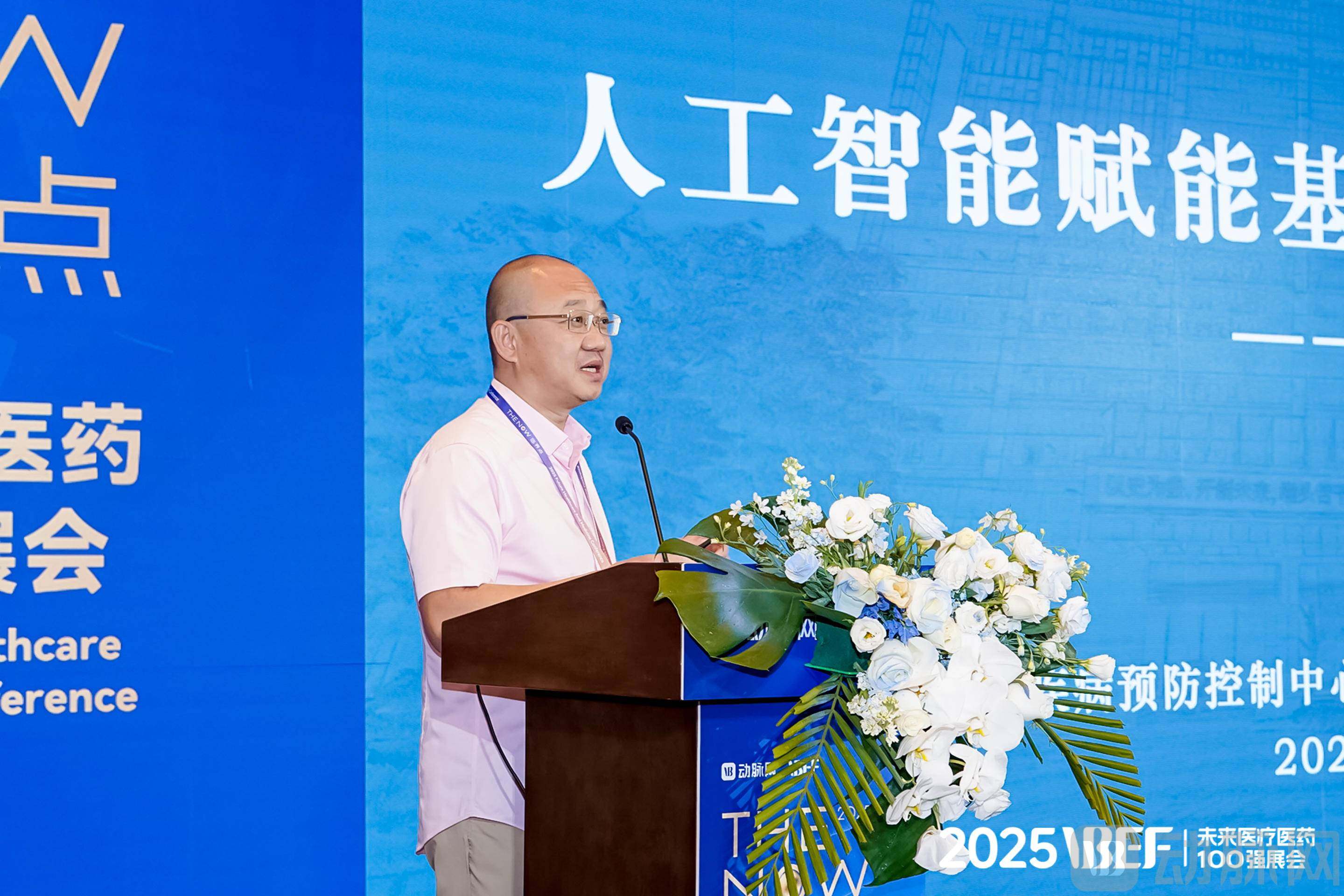
Xu Bingyu, Founder and CEO of Huamei Haolian, noted that community hospitals play a significant role in China’s healthcare system but face numerous challenges, including shortages of talent, equipment, and data; insufficient efficiency and service capacity; and difficulties in achieving technological and ecosystem synergy.Huamei Haolian keenly identifies these issues, leveraging AI-enabled community hospitals as an entry point to achieve healthcare equity through model and technological innovation, extending the benefits of medical resources to a broader population, and contributing to the construction of a fairer and more efficient healthcare system., leading the healthcare industry toward higher quality and greater accessibility.
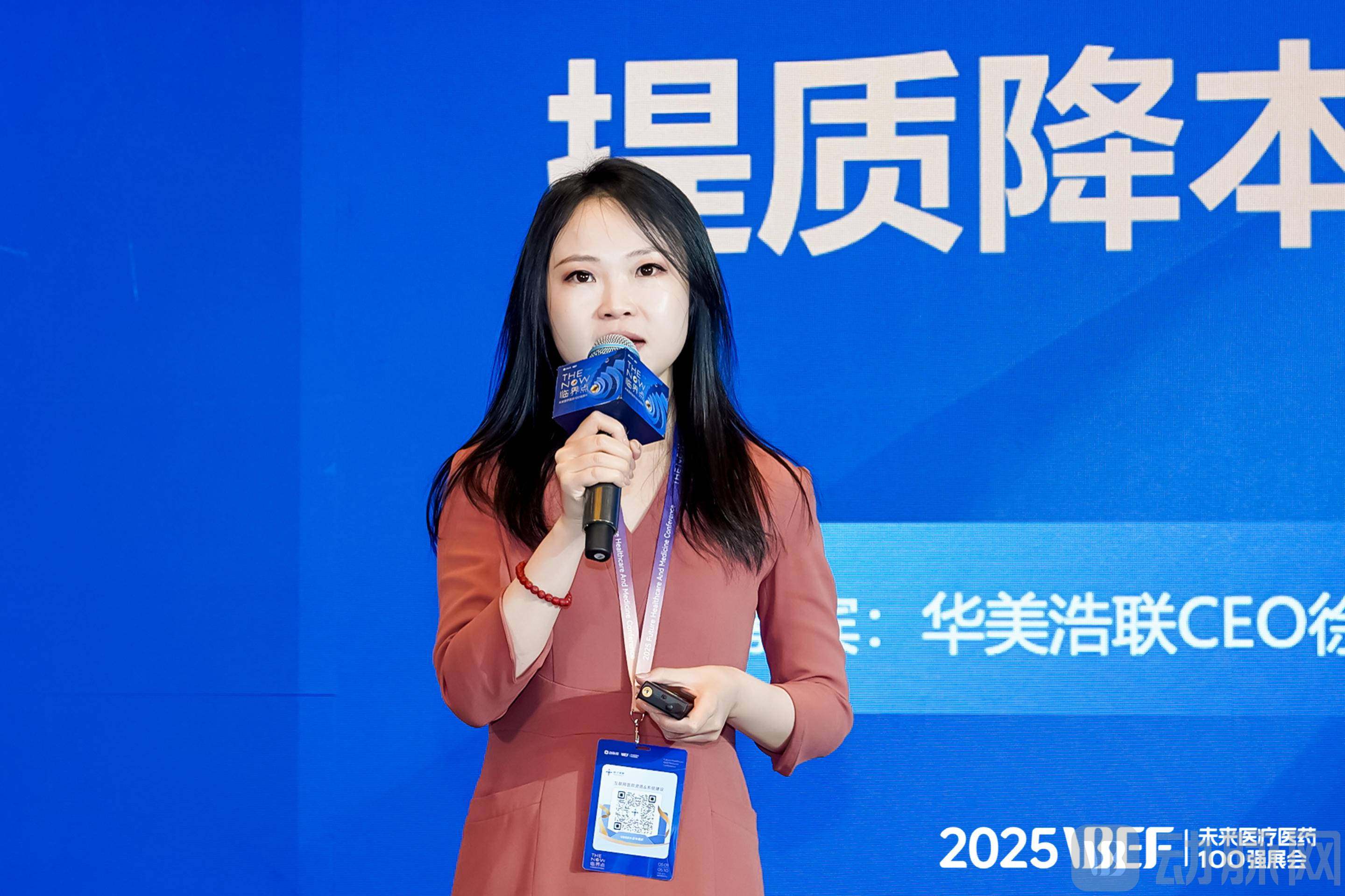
As one of the fields with the most in-depth AI applications, artificial intelligence models for medical imaging have demonstrated broad application prospects.
Song Ning, Founder, Chairman, and General Manager of Desheng Bio, believes that the interpretation of medical images relies heavily on specialized physicians; however, the training cycle for such professionals is lengthy, and the turnaround time for issuing imaging reports is prolonged.。Deshi precisely targets this industry pain point, leveraging AI technology to significantly enhance the efficiency and accuracy of image interpretation. This brings higher precision to medical imaging diagnosis, enabling more timely and accurate disease detection. With its advanced technology, Deshi has become a powerful driver of intelligent transformation in the healthcare industry.
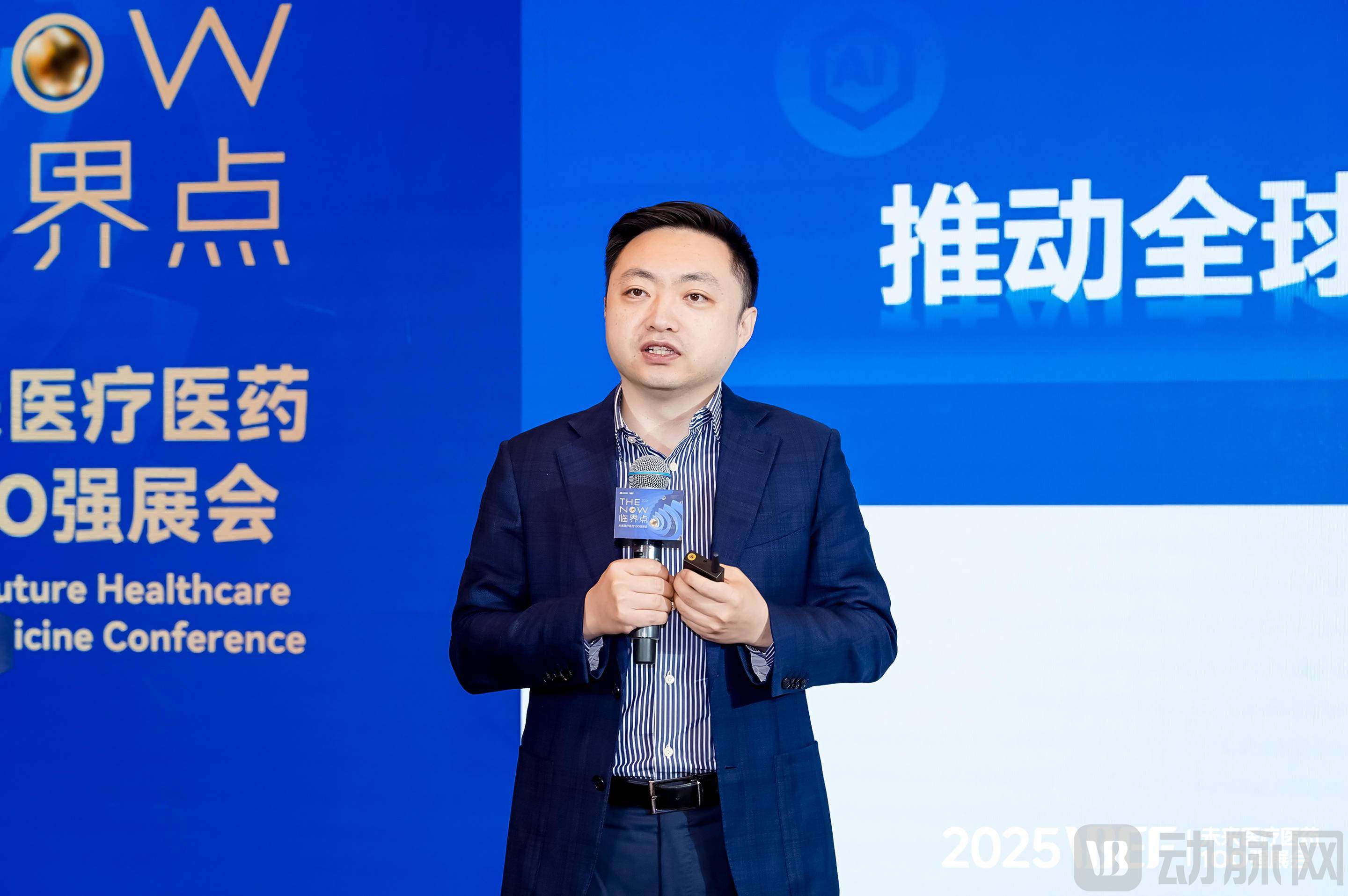
Mou Lichao, Executive Dean of the Maide Intelligence Research Institute, shared that while specialized models have played a significant role in the development of medical image analysis, they exhibit limitations in ultrasound scenarios. Maide Intelligence keenly identified this issue and took the lead in introducing large model technology.Maide IntelligenceThe self-developed large language model features strong generalizability and can handle a variety of tasks,It effectively resolves the challenges of model coordination and hardware resource constraints faced by dedicated models in multi-organ and multi-disease diagnosis, paving a new path for the development of medical imaging AI.
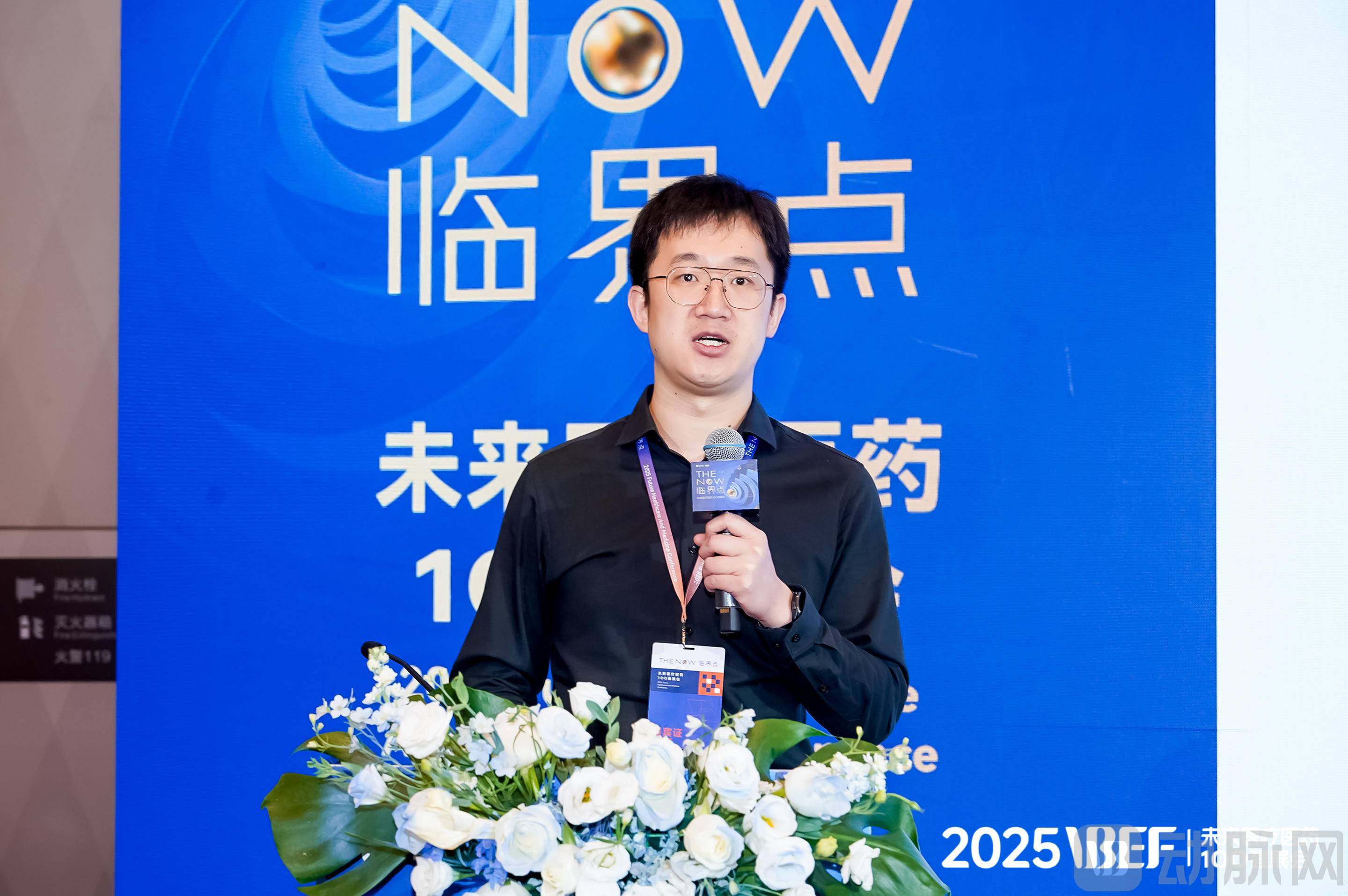
Amid the rapid advancement of large language model technologies, the deep integration of ITBT is reshaping the landscape of disease diagnosis and innovative drug R&D at an unprecedented pace.
Le Xiaotong, General Manager of Bohe Innovation Center, stated that the center focuses on the interdisciplinary convergence of information technology (IT) and biotechnology (BT). In establishing this innovation hub, Bohe carefully examined the key elements required to achieve cross-sector integrated innovation. First, a physical infrastructure is indispensable; akin to “building a nest to attract phoenixes,” it is essential to provide entrepreneurs with a tangible base where they can take root and establish their operations. Second, given the numerous challenges inherent in the IT-BT convergence field, Bohe Innovation Center is actively collaborating with ecosystem partners to offer comprehensive support to resident projects and teams. This support includes computational power resources, facilitation of access to clinical resources, and lowering barriers for various types of trials. To date,Bohe Innovation Center has attracted nearly 60 startup projects and ecosystem partners to settle in.
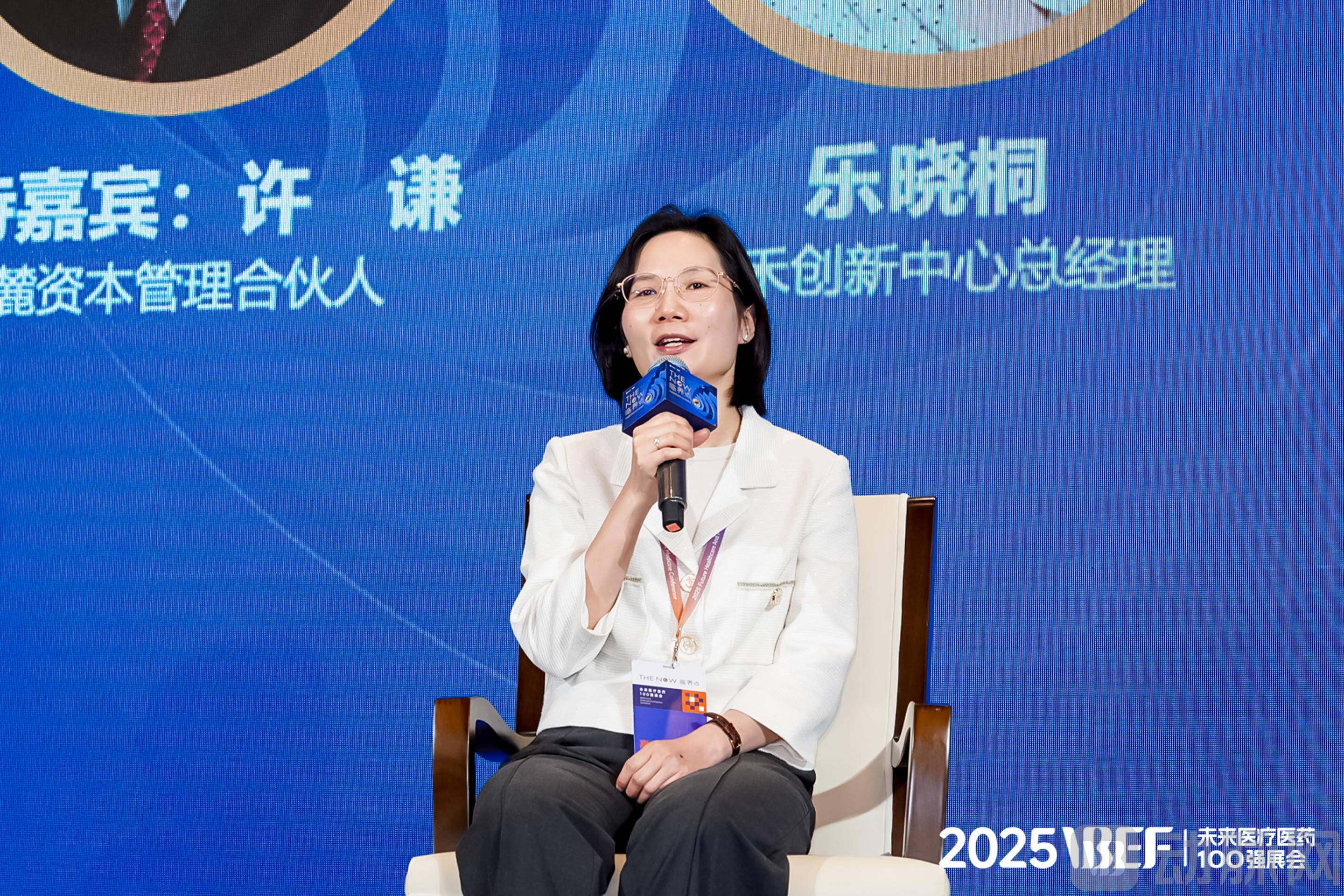
Innovators’ approaches to implementing large language models vary, but they share one commonality: in the healthcare sector, AI primarily serves a supportive role rather than fully replacing human physicians. While AI can efficiently process vast amounts of data and provide precise analyses, core clinical judgments in medical decision-making still rely on the experience and wisdom of human doctors. This characteristic mirrors the historical trajectory of many medical technological innovations, which were often initially met with misunderstanding and skepticism but eventually achieved widespread adoption and benefited humanity as the technology matured and became more prevalent.