

BMS Subsidiary RayzeBio Inks $1.35B Deal for Global Rights to OncoACP3, a Novel Radioligand Therapy Targeting Prostate Cancer
RayzeBio
Targeted Drug Developer

Philochem
Compound and New Drug Developer
On June 11, RayzeBio, a wholly owned subsidiary of Bristol Myers Squibb (BMS), entered into a definitive agreement with Philochem AG, a wholly owned subsidiary of the Philogen Group, under which Philochem will grant RayzeBio exclusive global rights to develop, manufacture, and commercialize OncoACP3, a clinical-stage therapeutic and diagnostic agent targeting cancer.
Under the terms of the agreement, Philochem will receive a $350 million upfront payment, as well as up to $1 billion in development, regulatory, and commercial milestones, for a potential total value of $1.35 billion (approximately RMB 9.7 billion).Philochem will also receive mid-single-digit to low-double-digit royalties on global net sales of OncoACP3 therapeutic and diagnostic agents. The parties expect the transaction to close in the third quarter of 2025.
1OncoACP3: ACP3, a Novel Target in Prostate Cancer, with a Pipeline of Four Small-Molecule RDCs for Therapy and Diagnosis
OncoACP3 is a small-molecule ligand of a radionuclide targeting a novel prostate cancer targetAcid Phosphatase 3 (ACP3)It exhibits high affinity and specificity. This target is highly expressed in cancerous prostate tissue but is undetectable in the vast majority of normal organs, being visible only in healthy prostate tissue. Compared with PSMA, the current mainstream target, ACP3 demonstrates superior tumor specificity and lower background signal in normal organs, outperforming PSMA in both “cleanliness” and expression level.
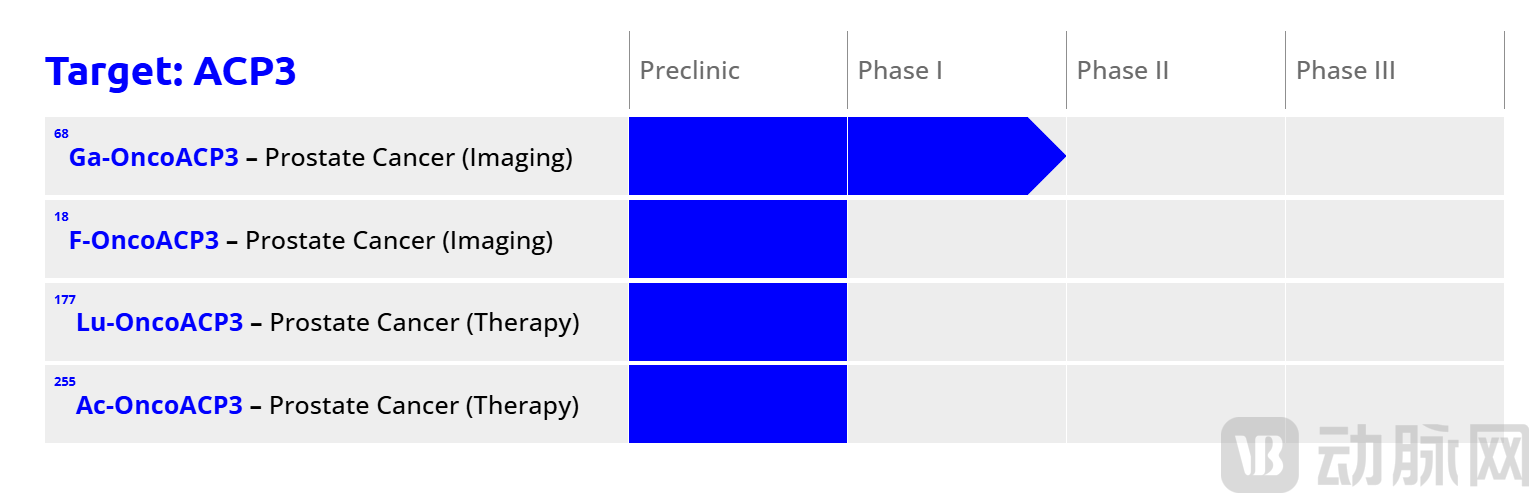
OncoACP3 Pipeline in Development
Philochem’s official website shows that the first-in-class pipeline (diagnostic) of OncoACP3 is68Ga-OncoACP3 is currently in Phase I clinical trials (NCT06840535). Publicly available data indicate that preliminary results from the first cohort of patients evaluated using OncoACP3 for diagnostic imaging are promising, demonstrating robust tumor-selective uptake (referring to the preferential accumulation of radionuclides in specific tissues or lesions), prolonged retention within tumors, and minimal uptake in healthy tissues, thereby exhibiting excellent imaging target specificity.
In preclinical models of cancer,68Ga-OncoACP3 demonstrates rapid and selective accumulation in tumors, with minimal uptake in normal organs, including the kidneys and salivary glands. This pipeline will serve as a therapeutic candidate.177Lu-OncoACP3 and225Companion Diagnostics for Ac-OncoACP3.
Even more promising is its potential in the treatment of metastatic prostate cancer. In preclinical models, OncoACP3 conjugated with either ¹⁷⁷Lu or ²²⁵Ac demonstrated superior antitumor activity. ¹⁷⁷Lu-OncoACP3 exhibited potent monotherapy antitumor efficacy in tumor-bearing mice at low and very low doses (5 and 20 MBq/mouse). IND-enabling studies to support the Investigational New Drug application for the Phase I clinical trial of ²²⁵Ac-OncoACP3 are currently underway.
2Philochem: Developing Various Small-Molecule Ligand Therapies Based on DEL and Chemical Proteomics Technologies
Philogen Group is a clinical-stage biotechnology company listed on the Italian Stock Exchange, headquartered in Siena, Italy, primarily engaged in the discovery and development of novel pharmaceuticals and biopharmaceutical products. Philogen’s strategy involves using antibodies or small-molecule ligands to selectively target the delivery of bioactive agents (such as radionuclides, cytokines, or drugs) to disease sites while sparing healthy tissues.
Philochem, a wholly owned Swiss subsidiary of the Philogen Group established in 2006, is a discovery center dedicated to chemical pharmaceutical products and technologies. Its mission is to drive innovation in target discovery, ligand discovery, and small-molecule therapeutics. Built upon years of R&D accumulation, Philochem possesses multiple foundational development platforms that support pipeline development across antibodies, cyclic peptides, and small-molecule compounds. Taking small-molecule compounds as an example, the involved technical platforms include:
DNA-Encoded Library (DEL):
In 2004, Philochem pioneered the construction of DNA-encoded combinatorial libraries of organic molecules. This technology enables the rapid selection of specific binders (“phenotypes”) that are physically linked to unique DNA tags (“genotypes”), which serve as amplifiable identification barcodes. Since then, Philochem has synthesized several DNA-encoded chemical libraries with diverse designs, yielding high-affinity and selective binders against various drug target proteins.
Discovery and Validation of Drug Targets:
In collaboration with ETH Zurich, Philochem pioneered chemical proteomics approaches for characterizing accessible pathological markers, identifying druggable targets, and elucidating mechanisms of action. These markers can be targeted using antibodies and small-molecule ligands.
Small Molecule Therapies:
Leveraging technological advancements in the field of DNA-encoded chemical libraries, Philochem is able to generate small-molecule ligands with antibody-like properties, characterized by ultra-high affinity for their target antigens and prolonged retention at tumor sites. Philochem utilizes these small ligands, which exhibit excellent targeting capabilities, to selectively deliver radionuclides, cytotoxic agents, immunomodulators, or linkers for universal CAR-T cell therapies.
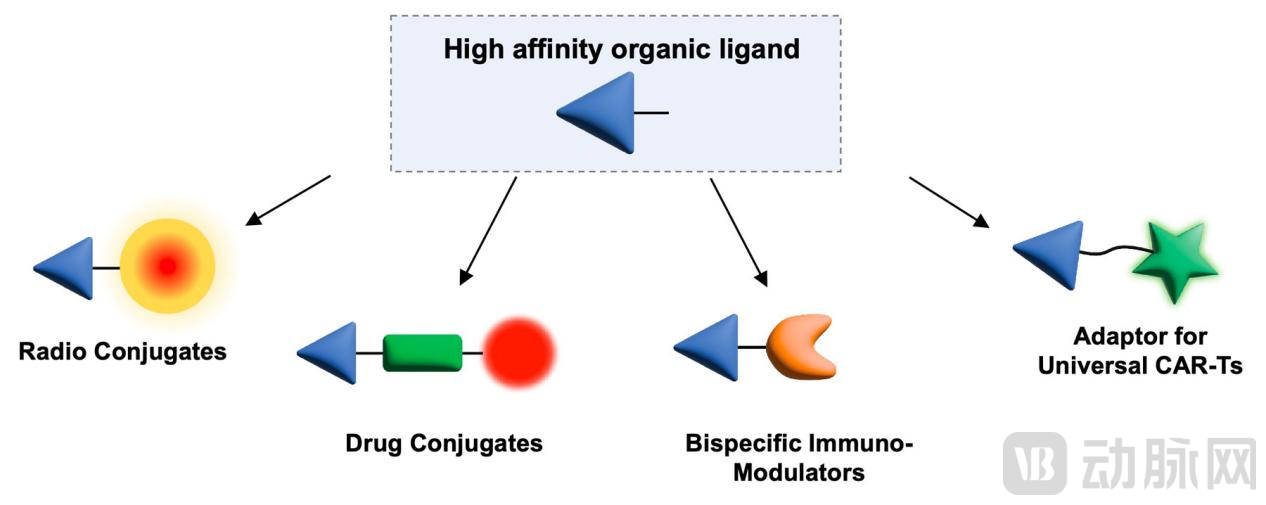
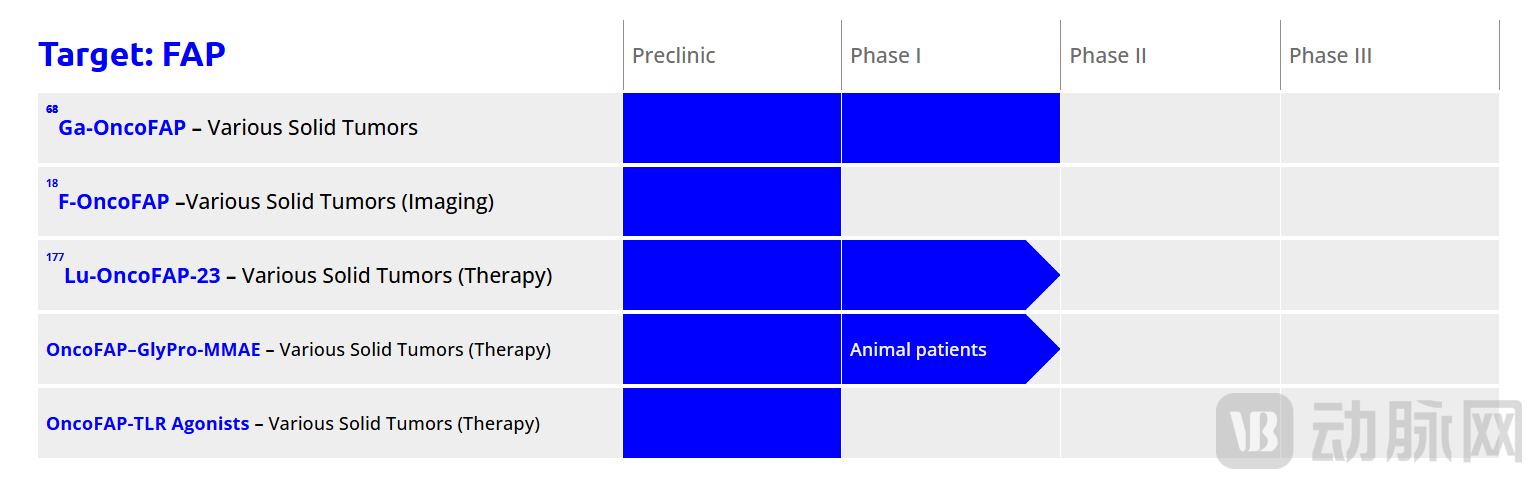
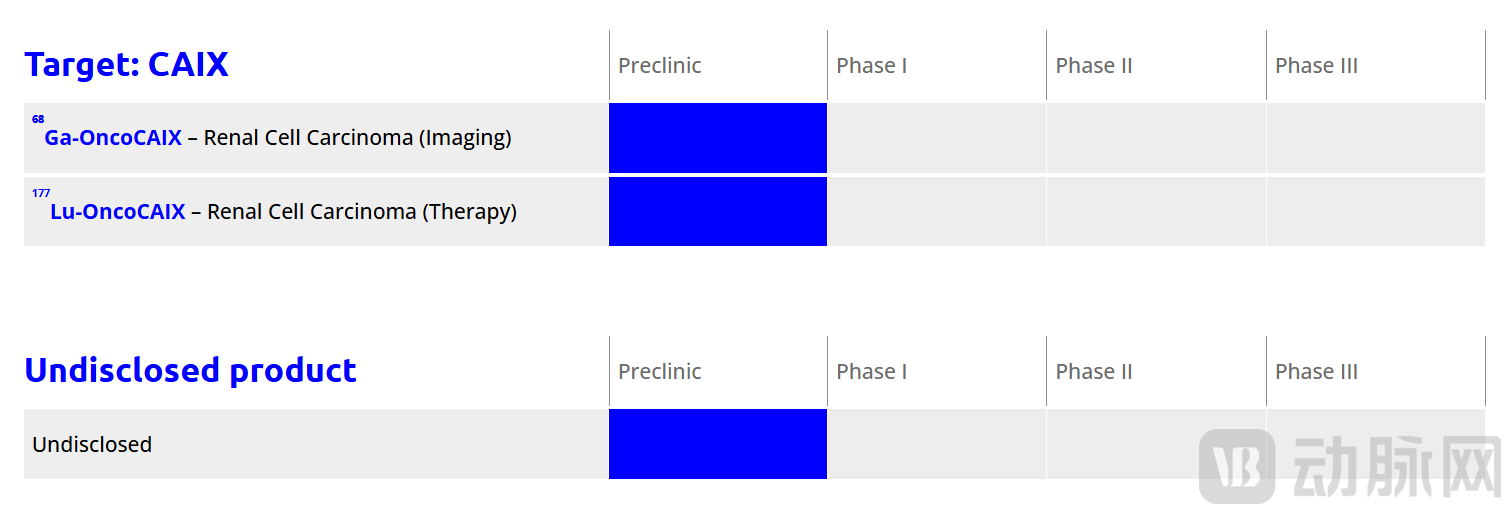
In addition to the pipeline involved in this transaction, Philochem has multiple investigational radioligand pipelines targeting star solid tumor targets such as FAP (for which it entered into a diagnostic molecular development collaboration with UK-based molecular imaging company Bracco Imaging Diagnostics in 2022), CAIX (carbonic anhydrase IX), a target highly expressed in hypoxic solid tumors, and undisclosed targets.
3RayzeBio: GMP-compliant drug manufacturing facility with existing Ac-225 production capabilities, poised to launch the first Ac-225 radiopharmaceutical
On December 26, 2023, BMS announced that it would acquire RayzeBio, an emerging radiopharmaceutical company with products just three years from market launch, at a cash price of $62.50 per share, representing a total equity value of approximately $4.1 billion. RayzeBio possesses a differentiated alpha-emitting radionuclide drug technology platform and multiple innovative products in development, including novel targeted radiopharmaceuticals such as RYZ101 and RYZ801. These candidates address various solid tumors, including gastroenteropancreatic neuroendocrine tumors, small cell lung cancer, hepatocellular carcinoma, and other cancers.
BMS’s major acquisition of RayzeBio marks its formal entry into the radiopharmaceutical sector, significantly expanding its oncology platform. Indeed, since the completion of the RayzeBio merger, BMS has made continuous moves in the field of radiopharmaceuticals. In December 2024, BMS repurchased the exclusive rights to develop and commercialize the GPC3-targeted radioligand therapy ABZ-706 (RYZ801) in the Greater China region from the Chinese pharmaceutical company Abbisko Therapeutics for an undisclosed amount (the original developer was RayzeBio).
The repurchase of Greater China rights for a single pipeline demonstrates BMS’s recognition of RayzeBio’s pipeline and technology platform. Through this pipeline transaction with Philochem, BMS has further expanded its radiopharmaceutical indications—entering the highly sought-after prostate cancer field—and established a robust portfolio of radiopharmaceutical assets alongside RayzeBio’s existing pipeline.
RayzeBio has multiple targeted radiopharmaceutical development pipelines. Its lead candidate, RYZ101, is the most advanced, currently undergoing Phase III clinical trials for the treatment of patients with SSTR-positive gastroenteropancreatic neuroendocrine tumors (GEP-NETs), while its indication for extensive-stage small cell lung cancer (ES-SCLC) has also entered Phase I clinical trials.RYZ101 is an RDC targeting somatostatin receptor 2 (SSTR2), which is overexpressed in GEP-NETs and ES-SCLC, and is poised to become the first approved Ac-225 radiopharmaceutical therapy.
The critical issue lies in the fact that radioligand therapy is heavily dependent on the production of upstream radioisotope raw materials, which directly impacts downstream research and development, clinical applications, and commercialization. Radioisotopes face a global shortage, with current production primarily relying on reactors and accelerators; a significant number of these reactors are concentrated in Europe and North America. It is projected that by 2030, the shutdown of multiple operational reactors worldwide will lead to continued supply constraints for medical isotopes.
In June 2024, the Phase III trial of RayzeBio’s lead radiopharmaceutical, RYZ101, was forced to pause due to a shortage of Ac-225. Patient enrollment resumed in July, and as a result, the readout of the trial results has been delayed from 2025 to 2026.
This shortage may occur at RayzeBio’s Indianapolis facilityGMP Pharmaceutical Manufacturing Facilityalleviated after being put into use. Prior to the completion of the acquisition, RayzeBio had already begun constructing a facility with an area of approximately 63,000 square feet,Manufacturing Plant Equipped with Ac-225 Production Facilities, thereby supporting a series of manufacturing activities following the approval of subsequent candidate drugs.
Additionally, constrained by the half-life of radioactive isotopes, drug potency diminishes within a specific timeframe, necessitating timely delivery and administration to patients. Due to the limited window for administration, these drugs are typically manufactured as single-patient doses, with drug delivery logistics taking into account transportation distance and duration.Indianapolis is home to the world’s second-largest FedEx hub, which specializes in transporting radiopharmaceuticals and can deliver them to various clinical centers within the 101-hour shelf life of the drugs.
Notably, the therapeutic pipeline of OncoACP3, acquired in this transaction, includes ²²⁵Ac-OncoACP3, which is currently in the IND-enabling stage to support an Investigational New Drug application for Phase I clinical trials.
Leveraging its therapeutic and diagnostic pipeline across multiple indications, BMS will directly compete with radiopharmaceutical leaders Novartis and Eli Lilly in the near future, once the two key barriers of manufacturing capacity and distribution are resolved.