

BabyForce Redefines Infertility Management with Integrative Medicine and Digital Chronic Care Model
The 2021 Lancet Major Commission on Women’s Reproductive, Maternal, Newborn, Child, and Adolescent Health in China revealed that the infertility rate in China rose from 12% in 2007 to 18% in 2020. According to data from the Survey Report on the Current Status of Infertility in China, the infertility rate reached approximately 18.2% in 2023. This means that in China, one out of every six couples attempting to conceive faces infertility challenges.
Infertility is not merely a gynecological disorder, but rather the result of various chronic diseases and suboptimal health states. Clinical practice has revealed that traditional diagnosis and treatment of infertility have overly focused on the reproductive system itself, while neglecting the regulation of overall systemic health. Furthermore, the highly specialized nature of modern medical disciplines means that although gynecological surgeries and assisted reproductive technologies can address certain issues, they are less effective for individuals preparing for pregnancy who harbor systemic health risks.Monotherapeutic approaches often yield limited efficacy.
A deeper analysis of the health status of individuals experiencing difficulty in conceiving reveals several key common issues: endocrine and metabolic disorders (such as insulin resistance and thyroid dysfunction), immune dysregulation, chronic low-grade inflammation, and gut microbiota imbalance. These systemic problems, which may appear unrelated to reproduction, are in fact significant underlying factors affecting conception; however, they remain a gap in current clinical treatment. By systematically addressing these foundational health issues, a substantial proportion of those struggling to conceive can achieve natural pregnancy without the need for assisted reproductive technologies. Thus,Shifting from treating diseases to caring for patients, and expanding from gynecology to general practice, providing individualized precision medical services through the lens of “integrative medicine” has become a breakthrough in overcoming conventional infertility treatments.
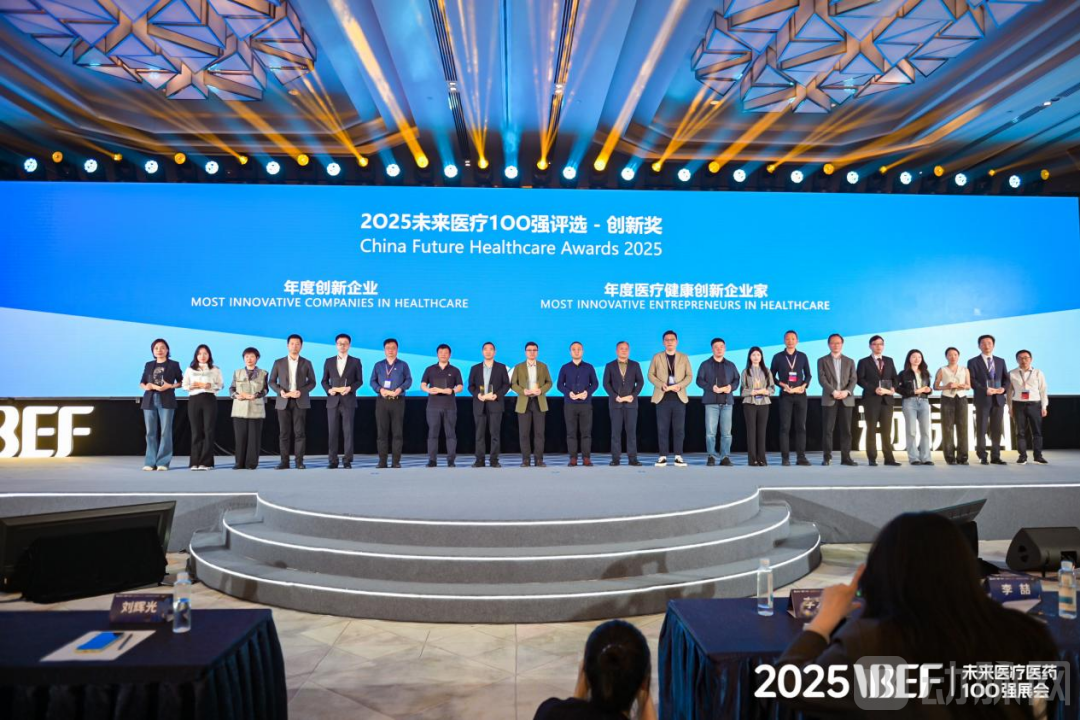
In the 2025 VB100 Future Healthcare Top 100 selection, a company named “Zhu Yun Xia” (Fertility Hero) stood out with its innovative “Digital Full-Course Management Platform for Infertility,” winning the Annual Innovative Enterprise Award. How does this enterprise, which has built a novel internet-based model, apply integrative medicine thinking to conduct in-depth chronic disease management for infertility patients, thereby effectively improving fertility levels, natural conception rates, and the success rates of IVF treatment? To answer this, VCBeat interviewed Shi Qiong, founder of Zhu Yun Xia, to uncover how the company deconstructed the “impossible triangle” of infertility management over eight years—Personalization, Systematicity, and Accessibility.
Breaking Through Pain Points: From Self-Media Matrix to Private Physician
“Infertility is an outcome, but there may be 100 different etiologies leading to this result.”“Shi Qiong, founder of Zhuyunxia, captured the core pain point of the industry with this statement. The former IBM Global Consulting Director entered the reproductive health field driven by her own medical journey.”
She recalled her experience undergoing in vitro fertilization (IVF) treatment at a large fertility center in Japan in 2013: The Japanese doctors used 24G ultra-fine oocyte retrieval needles, which caused less trauma compared to the 18G needles commonly used in China. However, what impressed her more at the time was the hospital’s holistic approach to diagnosis and treatment—rather than simply focusing on the IVF cycle, they systematically evaluated the patient’s overall health status. This experience laid the groundwork for her subsequent entrepreneurial venture.
In the traditional healthcare system, patients often find themselves trapped in multiple dilemmas: consulting seven different doctors over three years and receiving five disparate treatment plans; experiencing repeated IVF failures while no one addresses their underlying insulin resistance; and resorting to various folk remedies during IVF intervals, resulting in liver damage. These cases reflect systemic gaps in care. Yet what surprised Shi Qiong even more was the cognitive misalignment among domestic patients—those aged 25 rushing into IVF, while those aged 45 hope to “get lucky naturally.”
Behind this lies the grim reality of the industry. First, patients shuffle between different departments—such as Traditional Chinese Medicine (TCM) conditioning, hysteroscopic surgery, and ovarian stimulation for IVF—lacking a holistic treatment plan, which results in fragmented care. Second, patients who have experienced IVF failure often present with intervenable metabolic issues, including insulin resistance, vitamin D deficiency, and elevated homocysteine levels; however, traditional clinical pathways lack the capacity to address these factors, thereby introducing risks into treatment decision-making. Furthermore, given that IVF cycles are typically spaced 2–3 months apart, this out-of-hospital period becomes a veritable vacuum in care.
In an attempt to break through the pain points, Shi Qiong chose to start with media platforms.
In 2018, the ZhuYunXia brand was officially established and promptly built a matrix of short-form video science popularization and self-media channels. Through high-frequency, high-quality short-form video and live streaming content, ZhuYunXia has conducted patient education while promoting health management concepts, achieving comprehensive coverage across mainstream short-video platforms. By deeply rooting itself in this vertical niche, with its follower base consisting primarily of individuals facing complex fertility challenges and undergoing IVF treatment, ZhuYunXia has achieved precise audience reach and high engagement, gradually building a targeted private-domain traffic pool.
With the establishment of private-domain traffic, around 2020, the reproductive consulting team received extensive feedback from followers regarding needs for private physicians, health management, and precision nutrition. This time, user demands became more specific, and the solution emerged clearly. In response, Zhuyunxia launched a systematic health management program—Private Physician Services—translating the concept of integrative medicine into a concrete service model: breaking down specialty barriers to provide patients with whole-course management from preconception to rehabilitation.
Digital Infrastructure Builds Specialized Disease Internet Hospitals
The core of private physician services lies in having professional doctors provide end-to-end medical planning from a neutral standpoint, without directly participating in specific treatment procedures such as surgeries. For instance, for patients with polycystic ovary syndrome (PCOS), the emphasis is on lifestyle management as the first-line treatment rather than immediately opting for in vitro fertilization (IVF) technology; whereas for patients with premature ovarian insufficiency, who are at the last chance stage for fertility, timely therapeutic interventions are required.
What truly makes private physician services operational is the infrastructure built by Zhuyunxia.“Private Physician + Multidisciplinary Collaboration” Model.As the platform’s fertility support specialist, it integrates experts in gynecology, reproductive medicine, nutrition, exercise, and functional medicine to develop personalized care pathways for patients through online multidisciplinary team (MDT) consultations, thereby providing a comprehensive disease management solution that covers the entire journey from preconception preparation through treatment to recovery.
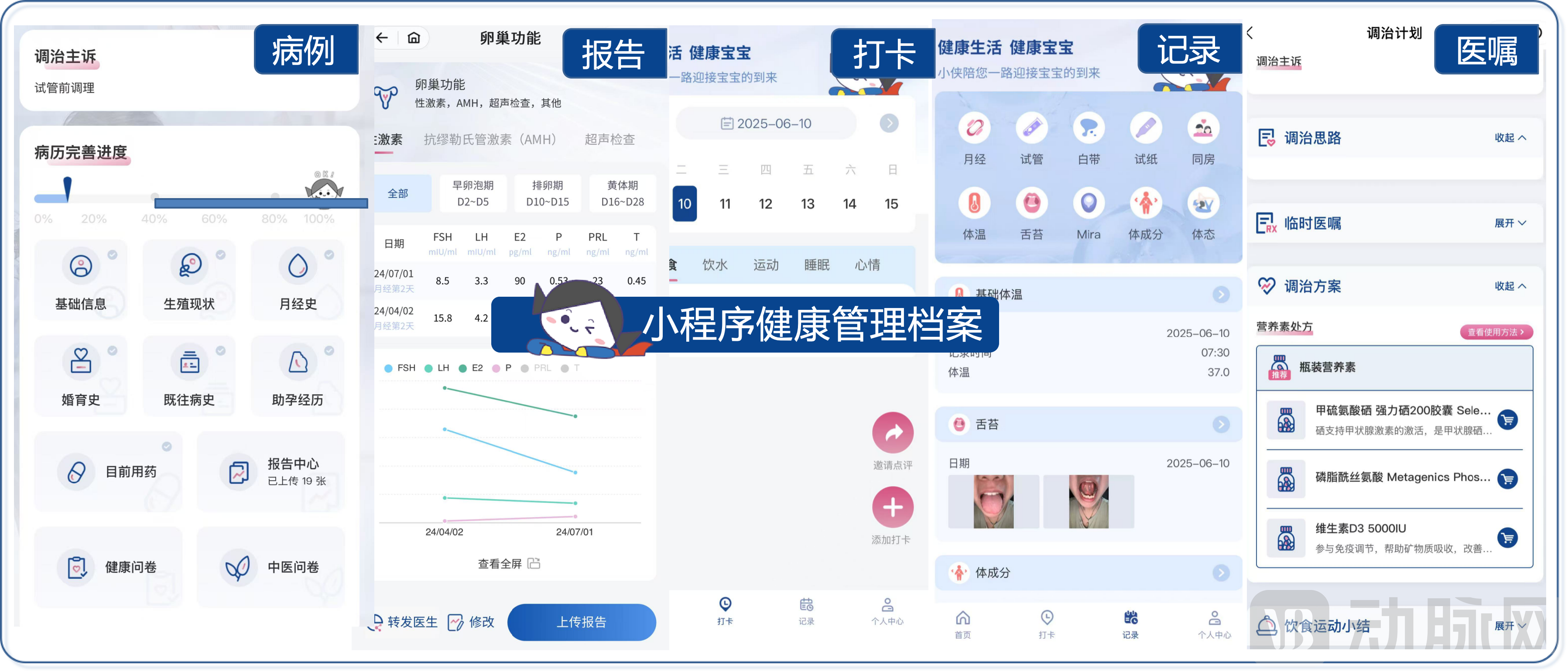
Based on the mini-program, customers can conduct consultations and receive treatment prescriptions (including medications, nutritional supplements, traditional Chinese medicine packs, dietary plans, and exercise regimens) via their mobile devices, with certain tests available for home use.
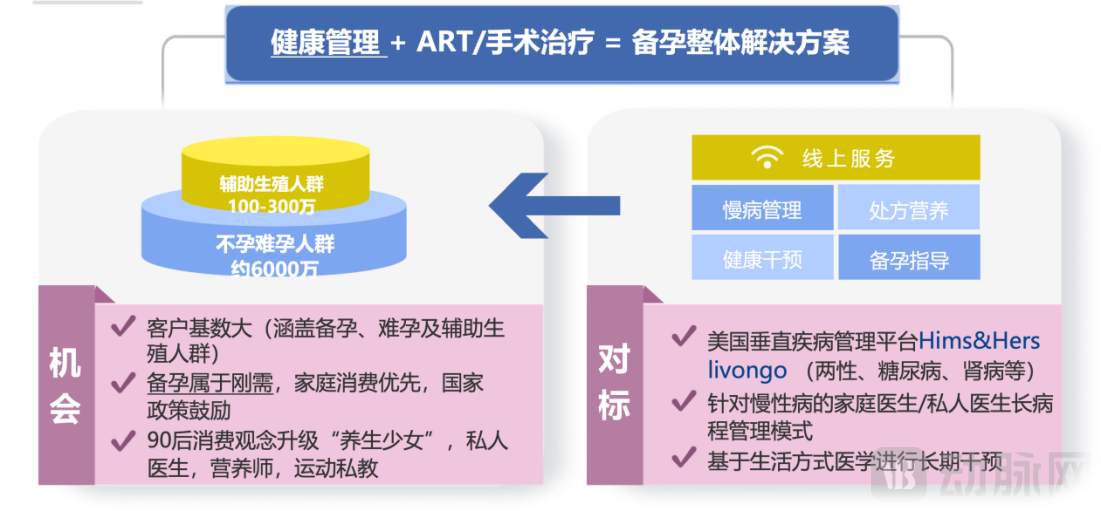
Benchmarking U.S. Specialty Disease | Chronic Disease Management Platform
Fully leverage the advantages of internet-based healthcare in chronic disease management, long-term condition management, and health management
The operation of this model not only addresses the issue of information asymmetry faced by patients during treatment but also enhances patient adherence and overall health management outcomes through personalized health management plans. From the user’s perspective, the “Personal Physician + Multidisciplinary Collaboration” model features the following characteristics—
Private Physician System:Require private physicians to maintain a neutral stance, provide patients with end-to-end medical planning, and prioritize care based on the urgency and severity of their conditions.
Health Management Needs:Covers the improvement of metabolic diseases, daily nutritional support, exercise guidance, menstrual management, and marital life.
Precision Nutrition:Emphasize precision nutrition by providing personalized regimens tailored to individual differences, rather than pursuing a single "miracle drug."
The Cornerstones of Health Management:Help patients maintain an optimal lifestyle before and after natural conception attempts or IVF treatment, with targeted nutritional supplementation and pharmacological support provided on this basis.
Effectiveness Measurement:Evaluate the effectiveness of health interventions through health questionnaires and clinical indicators, using these metrics to assess the performance of physicians and health managers, and iteratively optimize service protocols based on the results.
What ensures the sustainable operation of the “private physician + multidisciplinary collaboration” model is the comprehensive digital infrastructure simultaneously established by Zhuyunxia. “The biggest misconception in internet healthcare is attempting to deliver medical services using a traffic-driven logic,” emphasized Shi Qiong. Therefore, Zhuyunxia has chosen a path focused on “heavy infrastructure investment.”
First is the standardization of health management. The Zhuyunxia platform has independently developed a Hospital Information System (HIS) and a mini-program, decomposing patient data into multi-dimensional tags such as “inflammation index” and “metabolic score,” and matching them with corresponding dietary plans (e.g., anti-inflammatory, blood sugar balance, detoxification) and home-based exercise courses. For instance, patients with insufficient pelvic blood supply receive customized exercise course packages.
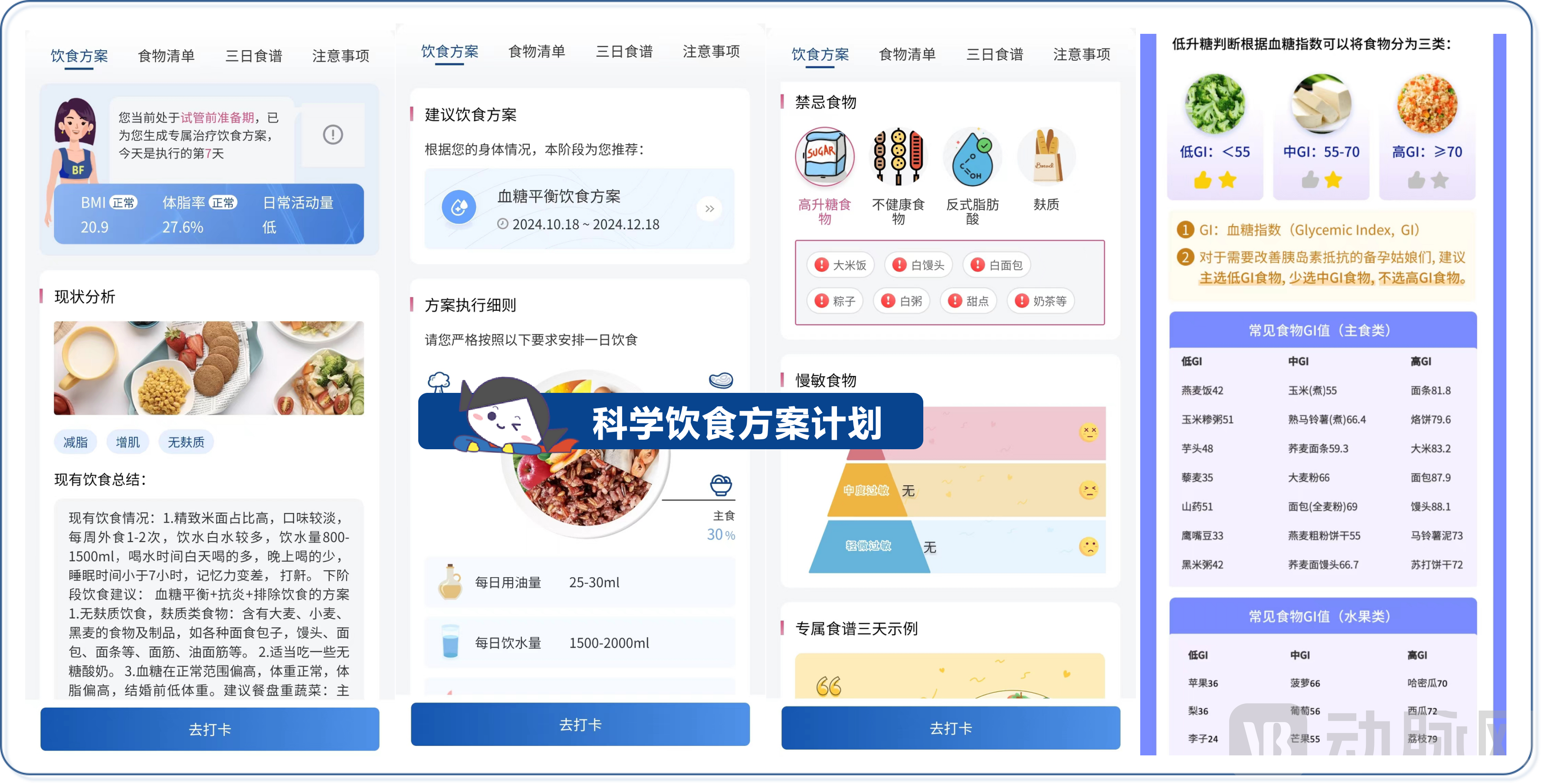
For patients consulting on dietary supplements, Zhuyunxia has introduced a range of at-home tests (such as gut microbiota and environmental toxin screenings) and constructed a nutritional decision-making model by integrating large-scale clinical reports, thereby precisely addressing the unique needs of each user. For instance, individuals with elevated homocysteine levels require supplementation with active folate rather than conventional folic acid.
It is worth noting that Zhuyunxia is also exploring the platform’s future direction following the integration of large AI models. It is reported that Zhuyunxia’s IT team has deconstructed the clinical consultation scenario into three steps: “condition tagging, data structuring, and outcome metricization.” They have currently developed an AI large-model tool to assist health managers, featuring capabilities such as continuous updates to a private knowledge base, execution of SOP task workflows, and information-based decision-making and support. However, Shi Qiong emphasized that Zhuyunxia strictly adheres to its boundaries, ensuring that final decision-making authority always remains with physicians.
Reshaping the Reproductive Health Industry Ecosystem After Achieving a Single-Point Breakthrough
Currently, Zhuyunxia acquires C-end customers through its independent brand and has signed up nearly 5,000 members for conditioning and treatment, helping nearly a thousand families with infertility achieve pregnancy either naturally or through IVF. Meanwhile, the platform is recruiting 50–200 clinical reproductive specialists to join, providing them with platform tools, shared health management resources, conditioning expertise, two-way referral services, and brand endorsement.
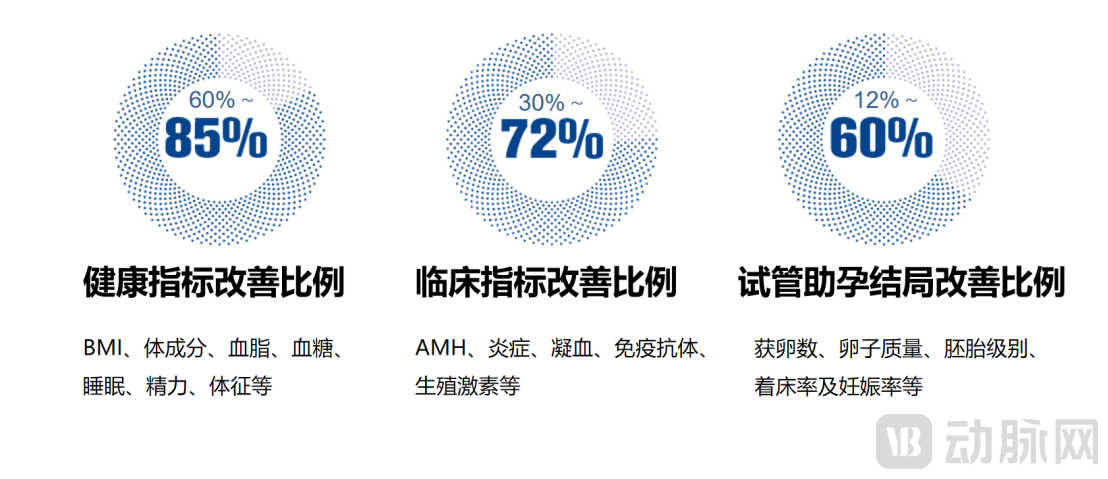
Improvement in Indicators Associated with Successful Pregnancy Among 5,000 Members Treated by Zhuyunxia
However, Zhuyunxia’s business scope extends beyond serving patients. It is reported that in 2025, Zhuyunxia will continue to consolidate its consumer-facing (C-end) services while expanding into the business-to-business (B-end) sector, forging close ties with hospitals and physicians through co-branding initiatives, patient referrals, and collaborative research projects. Currently, Zhuyunxia is a member unit of the China Association for Maternal and Child Health Studies and serves as a vice-presidential unit of the Shenzhen Health Industry Promotion Association, continuing to play a significant role in advancing reproductive health management. Additionally, Zhuyunxia is launching joint outpatient clinics with traditional reproductive centers. While these reproductive centers focus on IVF cycles, Zhuyunxia manages and adjusts key overall health indicators for patients during the critical pre-cycle and post-embryo transfer stages. This integrated model, combining conditioning with treatment, is expected to improve the clinical pregnancy rates of existing assisted reproductive technologies.
“We are not here to replace hospitals, but to do what hospitals cannot,” explained Shi Qiong. “The two- to three-month ‘vacuum period’ between IVF cycles is precisely the window when out-of-hospital management and health management can deliver the greatest value.” Platform data shows that patients undergoing systematic management saw a 25% average increase in high-quality embryo rates and an 18% improvement in transplantation success rates during their second IVF cycle.
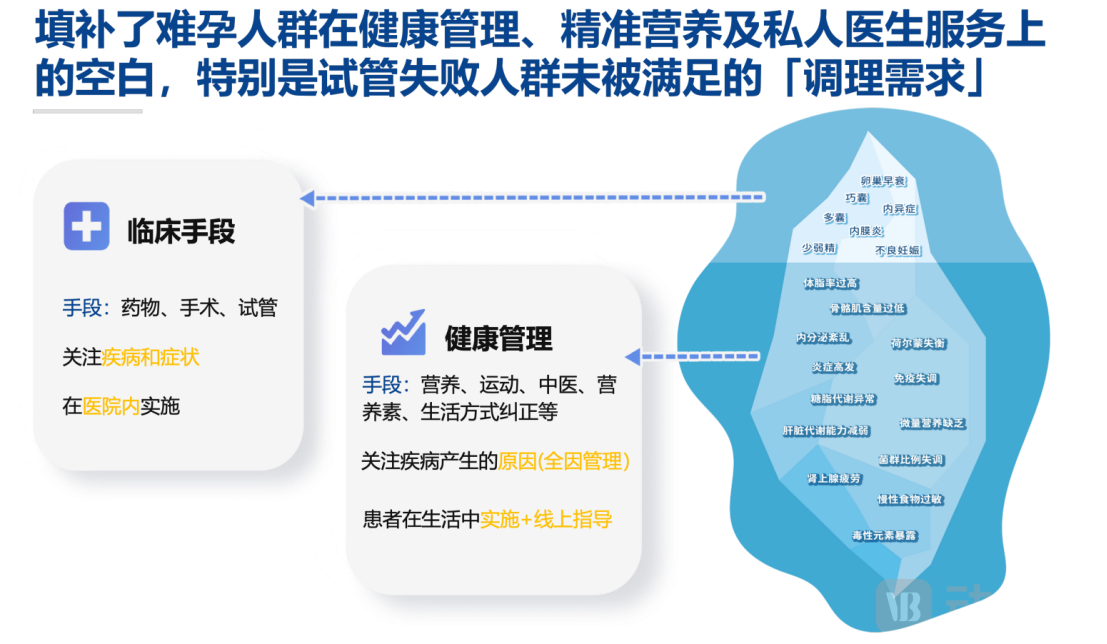
With the proven success of disease-specific management, greater potential lies in expanding this model across different disease categories.Currently, the Zhuyunxia platform has extended its infertility management expertise to other areas such as menopause and endometriosis, achieving a user satisfaction rate of 92%.Given the intrinsic interconnectedness of these health issues, the digital tools developed by Zhuyunxia possess inherent scalability.
This ecosystem-driven development validates Shi Qiong’s assertion: “Medical innovation must respect two ‘slows’—the chronic nature of chronic diseases and the moat built by slow-growth companies.” Over eight years, Zhuyunxia has demonstrated that achieving a depth of 300 meters in a vertical niche holds greater vitality than the mere “one-meter depth” typical of broad-traffic platforms. As the Chinese government incorporates the standardization of infertility diagnosis and treatment services into the performance indicators of the 14th Five-Year Plan, this once “non-standardized” sector is experiencing explosive growth. Zhuyunxia’s explorations are providing a new paradigm for the digital upgrading of specialized disease management.