

Breaking the Integration Barrier: How Health Management and Health Insurance Are Forging a New Path Forward – Insights from 2025 VBEF
According to data from the National Financial Regulatory Administration, although China’s premium income growth rate was less than 1% in the first quarter of this year, the growth rate of health insurance premium income reached 4.85%. This not only surpassed the overall premium income growth rate but also dispelled the gloom of sluggish premium growth in recent years, injecting confidence into the development of the health insurance industry.
However, it must also be acknowledged that the development of health insurance continues to face challenges. As a relatively specialized type of insurance, health insurance places greater emphasis on service provision, serving as one of the avenues for improving medical care conditions and achieving health management. Nevertheless, the integration of health insurance with health management in China remains in its early stages, and innovation in services (products) needs to be strengthened.
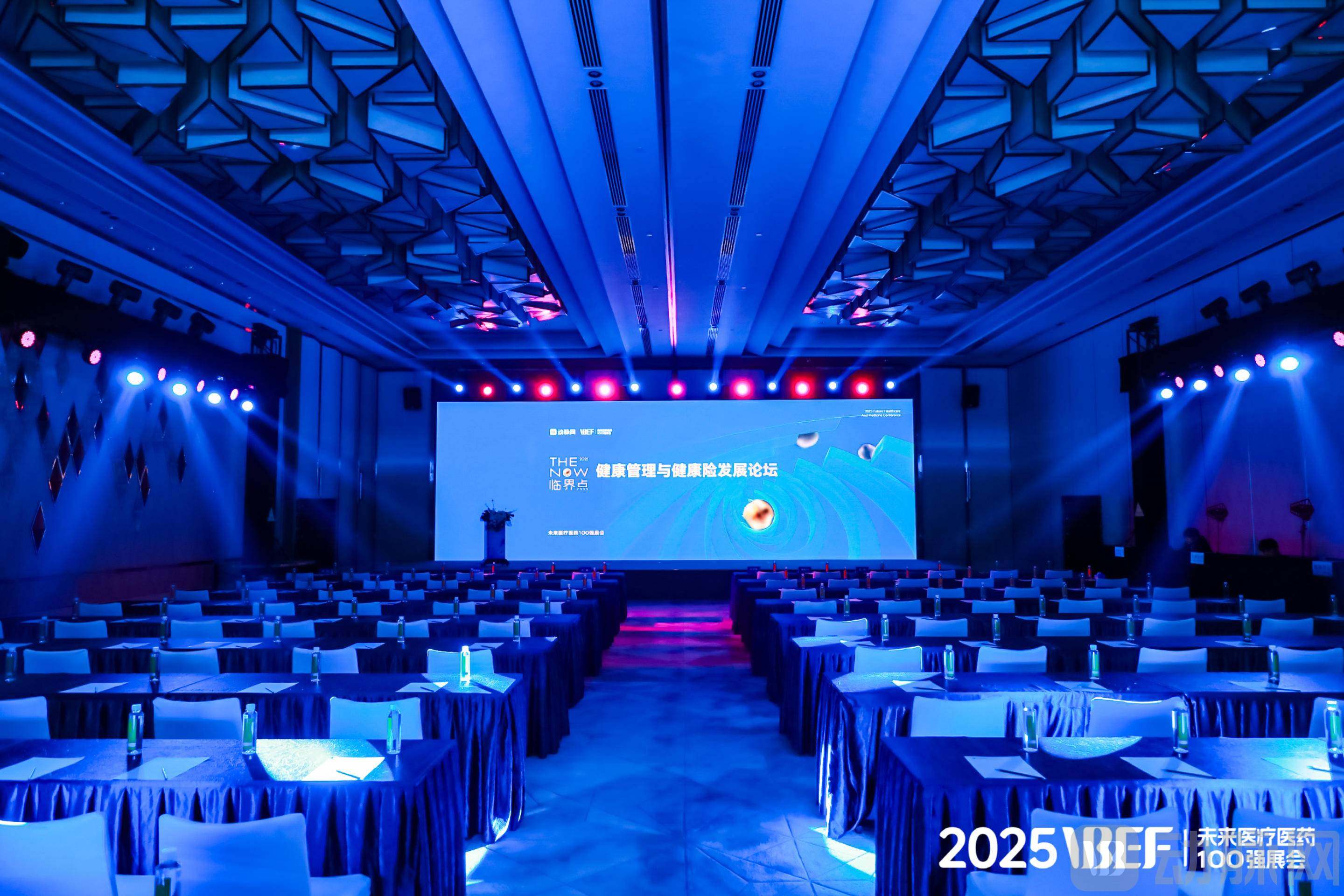
Against this backdrop, the Health Management and Health Insurance Development Forum, part of the 2025 Top 100 Future Healthcare and Pharmaceuticals Exhibition, invited Huang Yanli, Director of the Science and Information Department at the Wuhou District Hospital Management Service Center in Chengdu; Cai Zhuo, Head of ZhongAn Internet Hospital; Xing Jing, Founder of Shangyong Technology; Liu Wengui, Founder and Chairman of Mijian; Huang Lidan, CEO of Mid-Insurance; and Liang Gang, Founder of Chengdu Shangyi Future Medical Technology Co., Ltd. Focusing on key issues in the development of health management and health insurance, they jointly explored independent innovation and industrial synergy in China’s health management and health insurance sectors.
Promoting the Development of a Managed Care Health Service System: The Wuhou District HMO Pilot Project Shows Promising Prospects
At the outset of the forum, Huang Yanli, Director of the Science and Information Department at the Wuhou District Hospital Management Service Center in Chengdu, shared design insights and practical experiences from Wuhou District’s evolution—from establishing people-centered health management services to piloting an HMO project that expanded into a comprehensive health security plan integrating health management services with medical cost coverage.

Huang Yanli, Director of the Science and Information Department, Hospital Management Service Center of Wuhou District, Chengdu
According to Huang Yanli, Wuhou District has launched a pilot HMO project by starting with family doctor contract services, aiming to fully leverage the gatekeeping role of family doctors in managing regional medical resources and healthcare costs, drawing on both international HMO case studies and local experience in Wuhou District.
Wuhou District has selected the 0–17 age group as its target population and, by integrating evidence-based needs, real-world service demands, and coverage requirements, has redefined the product and service value proposition of its new health security plan. The first objective is to alleviate parental anxiety regarding their children’s health; the second is to enable early screening, detection, and intervention through various measures; and the third is to provide systematic medical service resources, supply chain resources, and cost coverage that seamlessly integrates with basic medical insurance.
Meanwhile, Huang Yanli emphasized that the most significant difference between this product and traditional commercial insurance products in terms of health management services is the assignment of a dedicated family doctor team to each client. This team proactively identifies and screens for high-risk populations through active management, while also possessing the capability to act as a “gatekeeper” for medical resources and healthcare costs. The transformation of the primary healthcare service model in Wuhou District, initiated in 2013, has laid the foundation for the implementation of this project.
Over the past decade, Wuhou District has been committed to strengthening family doctor contract services. The substantial increase in both the proactive appointment rate and the fixed consultation rate indicates that service recipients have established strong trust and interactive relationships with their family doctor teams. Furthermore, through effective management, the glycemic control rate among diabetic patients has exceeded 60%, while the comprehensive control rate for blood pressure, blood lipids, and blood glucose has surpassed 20%. These figures significantly outperform those reported in other large-scale sample studies both domestically and internationally.
These data indirectly corroborate the target population’s recognition of the product’s value and directly demonstrate its clinical value. In the future, Wuhou District will collaborate with various stakeholders to jointly develop commercial health insurance products tailored to individuals with chronic diseases, the elderly, and women.
Building an Ecosystem of Health Insurance + Internet Hospitals: ZhongAn Actively Explores the Deep Integration of Health Insurance and Health Management
In addition to regional experience, numerous Chinese enterprises are also actively exploring innovative pathways for the integrated development of health management and health insurance. For instance, at the forum, Cai Zhuo, Head of ZhongAn Internet Hospital, shared ZhongAn’s practical explorations in health management and internet hospital services.
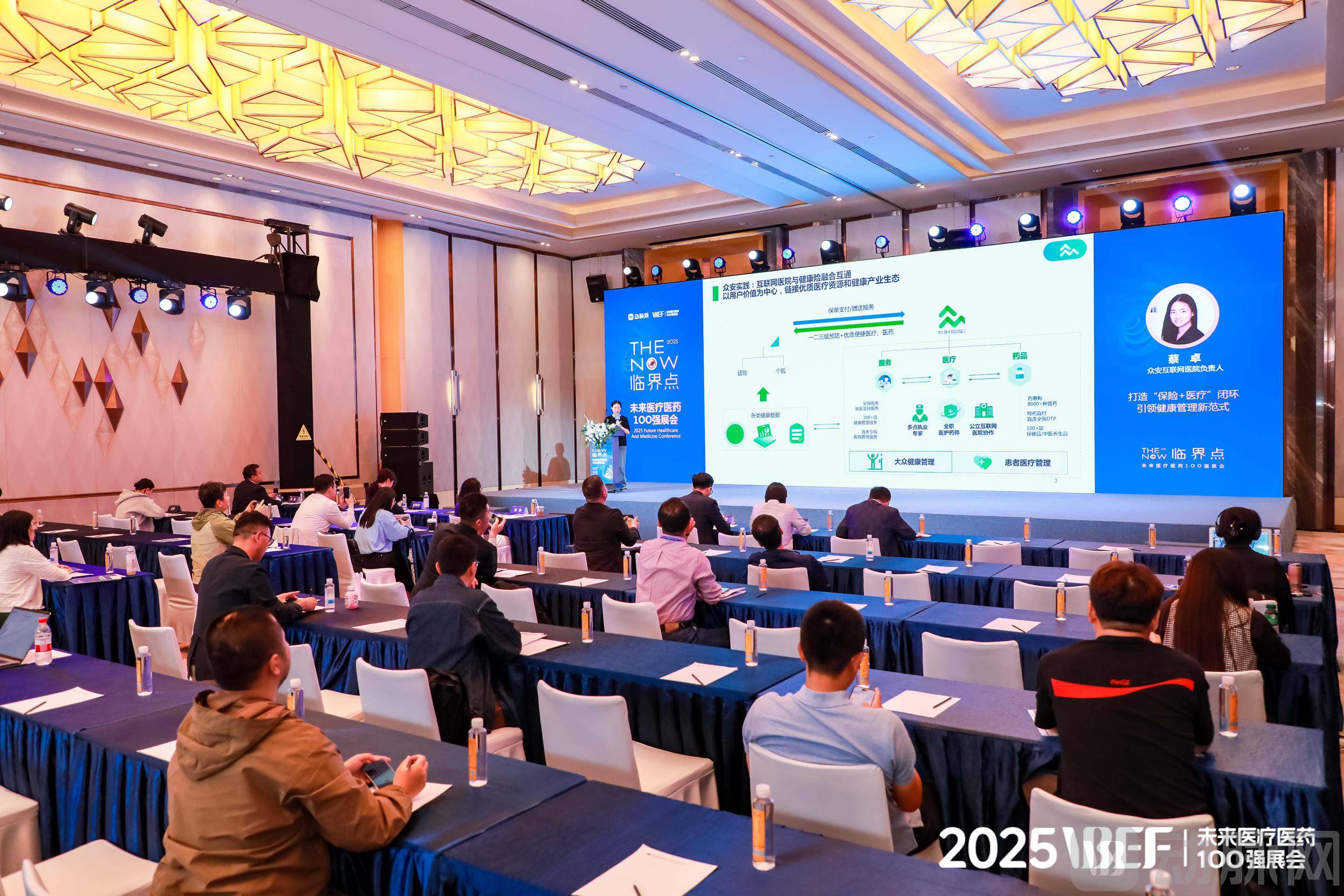
Cai Zhuo, Head of ZhongAn Internet Hospital
Cai Zhuo stated that as a leading internet insurance company in China, ZhongAn not only provides health insurance products to users but is also committed to delivering comprehensive health solutions. To this end, ZhongAn has built an ecosystem integrating health insurance and health management services, encompassing both health insurance offerings and an internet hospital.
Among them, ZhongAn’s Internet Hospital boasts abundant resources, having not only established its own in-house medical and nursing team but also integrated over 200 health insurance services and pharmaceutical supply chain resources, including those for generic and specialty drugs. Meanwhile, ZhongAn Internet Hospital collaborates with multi-site practicing experts within the medical system and public internet hospitals, thereby addressing the more diverse medical and healthcare needs of a broader population.
In its health management services, ZhongAn adheres to the logic of disease prevention, dividing its offerings into general public health and patient medical care segments. For general public health management, it has established a three-tier prevention service framework: primary prevention currently focuses on innovations in weight management; secondary prevention emphasizes cancer screening and awareness; and tertiary prevention actively explores health management for individuals with pre-existing conditions.
In the patient care segment, ZhongAn Internet Hospital provides 7×24 online consultation services and post-consultation medication discounts for patients with basic inquiry needs. For patients with major diseases, ZhongAn focuses on lung cancer and colorectal cancer, offering users one-on-one online consultations with specialists, expedited appointment registration, and follow-up services. These measures help alleviate patients’ anxiety prior to diagnosis, assist them in identifying evidence-based treatment plans, and reduce medical expenses.
Payment Gateway + Process Optimization: Shangyong Tech Solves the Integration Challenge of Health Management and Health Insurance
Xing Jing, founder of Shangyong Technology, approached the topic primarily from the payment perspective, sharing insights into the converging development trends of health management and health insurance.
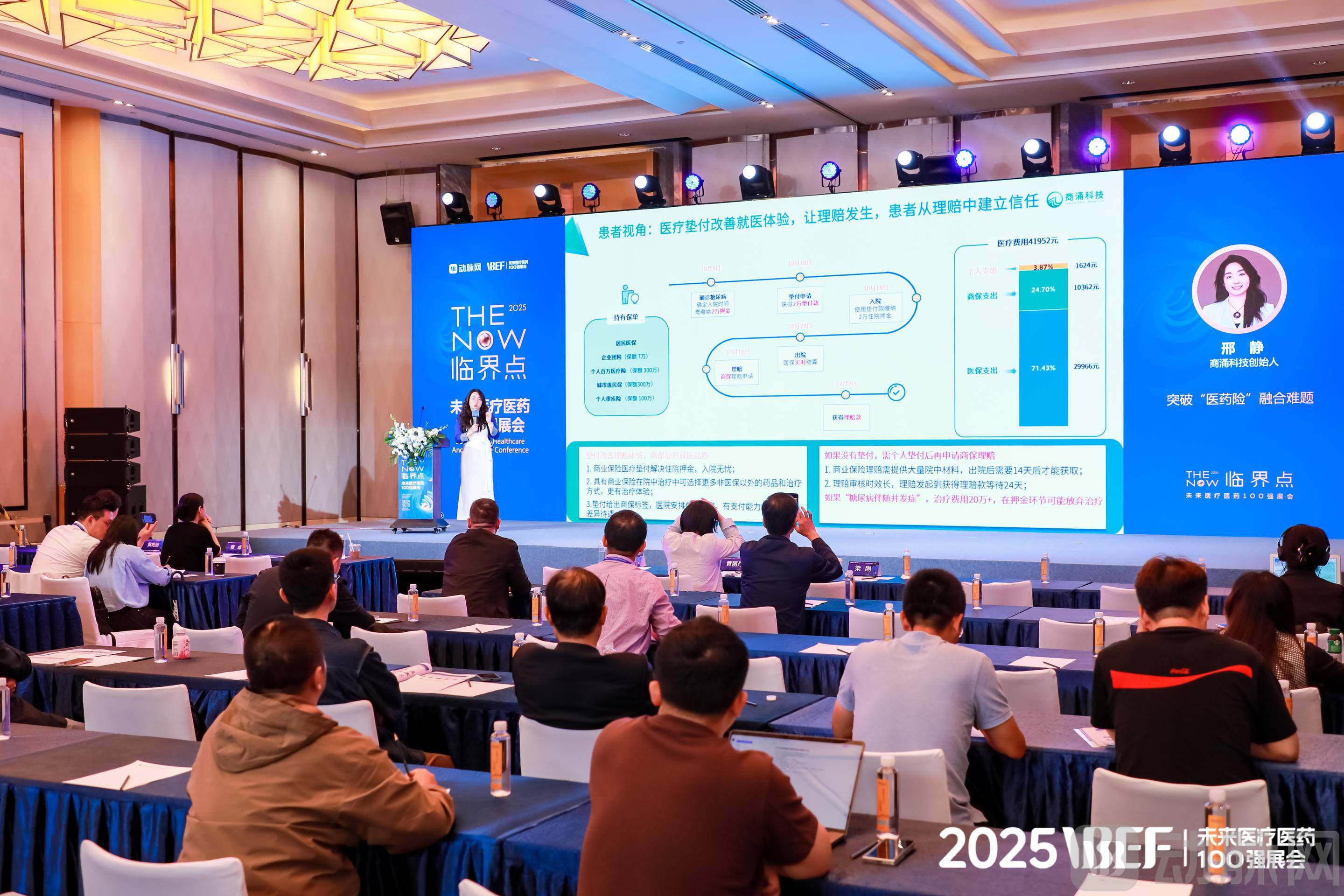
Xing Jing, Founder of Shangyong Technology
Xing Jing believes that the key to breaking the deadlock in the integrated development of health management and health insurance lies in patient-centered payment restructuring, which addresses patients' core pain points through upfront payment mechanisms and process optimization.
In this way, for patients, zero-deposit hospitalization and advance payment services not only enhance their medical experience but also help alleviate the dilemma of “having health insurance yet being unable to afford care,” thereby further boosting patients’ trust in health insurance and creating a virtuous cycle. For healthcare institutions, commercial insurance advance payments enable precise identification of commercially insured patients and their payment capacity, allowing for the provision of differentiated services and improvement of doctor-patient relationships. For insurance companies, monitoring patients’ medical and cost data throughout the entire journey—from admission and discharge to post-discharge rehabilitation—through claim payments facilitates cost control and risk management, establishing a sustainable framework for risk and cost management.
Shangyong Technology has been deeply engaged in this field, actively exploring the use of advance payment services to streamline the entire patient treatment process. By accumulating patient medical data and healthcare journey records, the company provides risk pricing bases for insurance institutions, offers references for hospitals to optimize treatment plans, and delivers a higher-quality, more convenient, and more reassuring healthcare experience for patients.
Meanwhile, Xing Jing also stated that exploring health insurance for individuals with pre-existing conditions, leveraging AI and large language models to optimize claims processing, enhancing risk control precision, and reducing labor costs are all key directions for the industry’s future development.
AI-Powered: Mijian Officially Enters the Era of Digital Intelligence in Full-Course Cancer Management
Following closely, Liu Wengui, Founder and Chairman of Mijian, shared in detail the company’s practical experience in leveraging AI for whole-course cancer management.
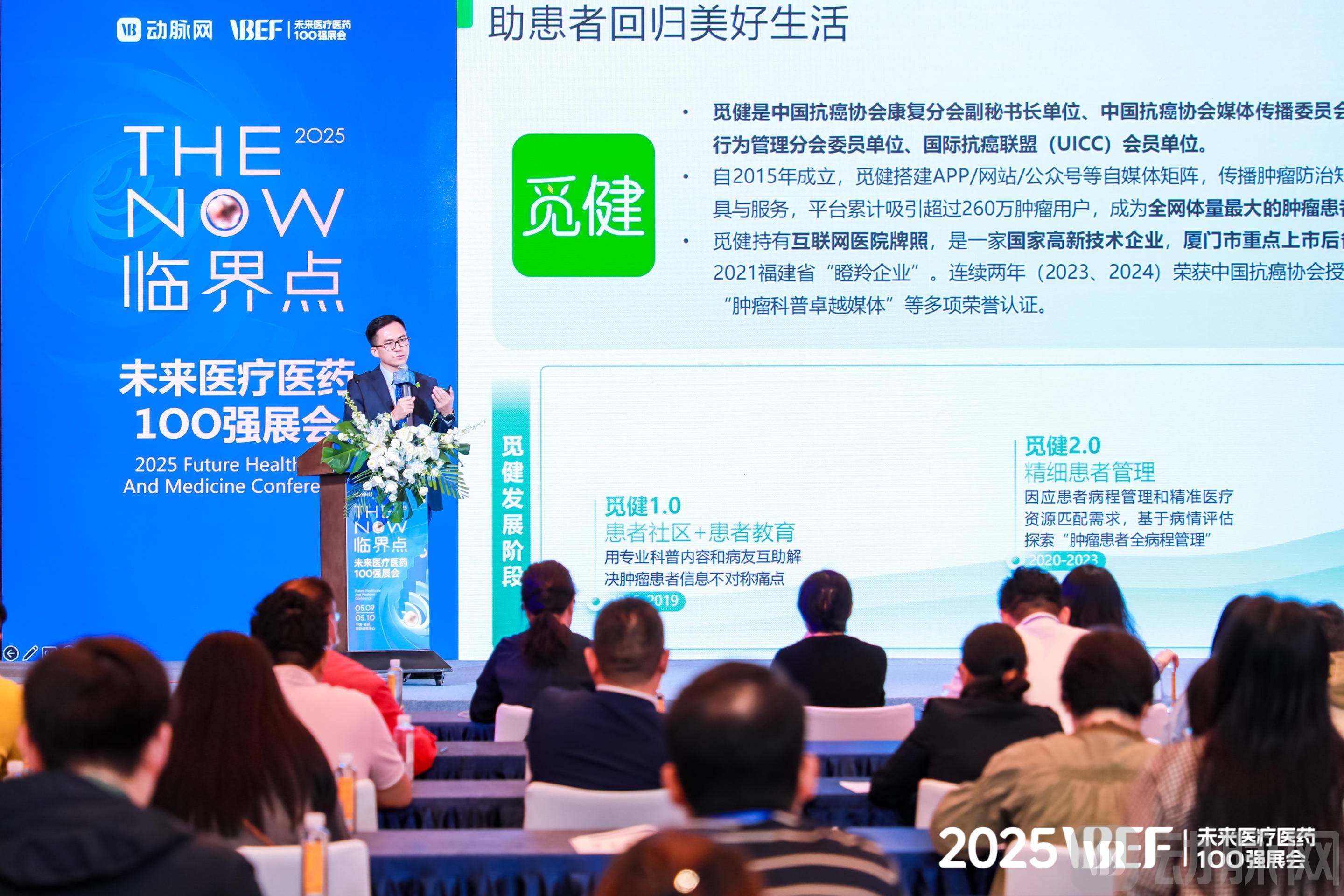 Liu Wengui, Founder and Chairman of Mijian
Mijian is the leading oncology patient platform in China by scale. Since its establishment in 2015, it has undergone three phases of development: From 2015 to 2019, the first phase primarily addressed information asymmetry among cancer patients; from 2020 to 2023, the second phase focused on expanding medical, pharmaceutical, and health insurance resources, advancing the construction of a closed-loop ecosystem integrating oncology care, pharmaceuticals, and insurance.
Today, MiJian has officially entered the 3.0 phase of AI-empowered whole-course patient management. Internally, MiJian has deployed the PMAS Intelligent Patient Management Assistance System, the AIGC Intelligent Content Production System, and the AI Patient Insights System. On the consumer-facing side, MiJian launched the AI Rehabilitation Assistant in January this year. This tool is designed for tumor patients to provide answers to questions during cancer treatment, manage their disease course, and offer rehabilitation guidance. It primarily includes three core features: an AI assistant, rehabilitation records, and peer support. Among these, the AI assistant provides four services: report interpretation, diagnosis and treatment Q&A, guideline lookup, and medication inquiry.
Meanwhile, at the forum, Liu Wengui shared the five major challenges in implementing AI in health management: technical capabilities, liability boundaries, patient trust, service experience, and commercial viability. Furthermore, Liu Wengui believes that the integration of out-of-hospital scenarios with vertical ecosystems will become a key growth driver for the industry. He emphasized that only by achieving excellence in niche scenarios can companies deliver superior experiences and establish more sustainable business models.
Optimistic about the Development of Mid-to-High-End Healthcare; Zhongjiandai Enhances Medical Service Quality and Experience
Zhongjiandai, established in 2005, offers a different perspective—mid-to-high-end healthcare may become one of the future development trends in the industry.
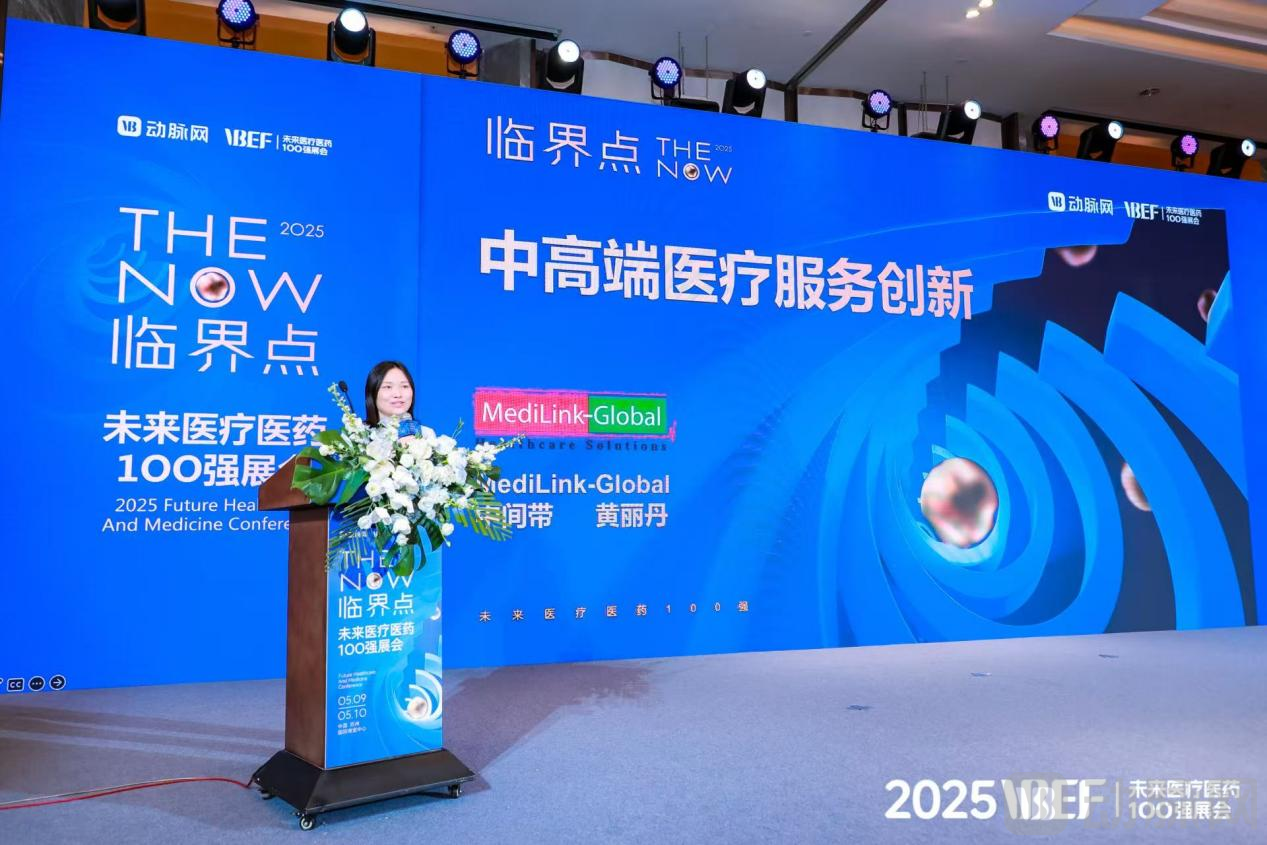 Huang Lidan, CEO of Zhongjian Dai
On one hand, basic medical insurance offers limited coverage for imported drugs and advanced therapies, failing to meet the middle class’s demand for mid-to-high-end healthcare services; on the other hand, the expansion of private hospitals and the optimization of multi-site practice policies for physicians have improved supply-side resources, creating room for the development of mid-to-high-end healthcare.
In this context, Huang Lidan, CEO of Zhongjiandai, stated that the company’s products are primarily designed to address three key needs of mid-to-high-end medical customers: comfortable medical care, precision treatment, and health management services. Among these, health management services mainly cover payment and settlement, second medical opinions, green-channel access for medical consultations, as well as preventive services such as health check-ups and vaccinations.
In terms of physician resource integration, Middleshot launched a new brand in 2024—Hongyu Physician Group. This platform brings together specialists from top-tier (Grade 3A) hospitals, focusing on patient needs to provide customized medical solutions. By selecting high-quality partner healthcare institutions, it delivers more professional, comfortable, and cost-effective treatment plans for clients. Furthermore, it controls costs through standardized processes and enhances efficiency via personalized services. Additionally, Middleshot has established two outpatient clinics in Shanghai and acquired two clinics in Shenzhen and Chengdu, aiming to set a benchmark for private healthcare services and provide customers with higher-quality private medical care.
“Whether it is an intermediary platform, an insurance company, or a health management service provider, the most critical point is for all parties to work together to deliver high-quality services, thereby ensuring a smoother and more satisfying customer experience,” emphasized Huang Lidan. “Customer word-of-mouth is what matters most.”
AI+Health Insurance Has Yet to Achieve Deep Application; Shangyi Future Breaks Through with 3D Code Technology
At the conclusion of the forum, Liang Gang, founder of Shangyi Future, shared insights on the implementation challenges in the AI-driven health insurance sector and Shangyi Future’s practical experiences.
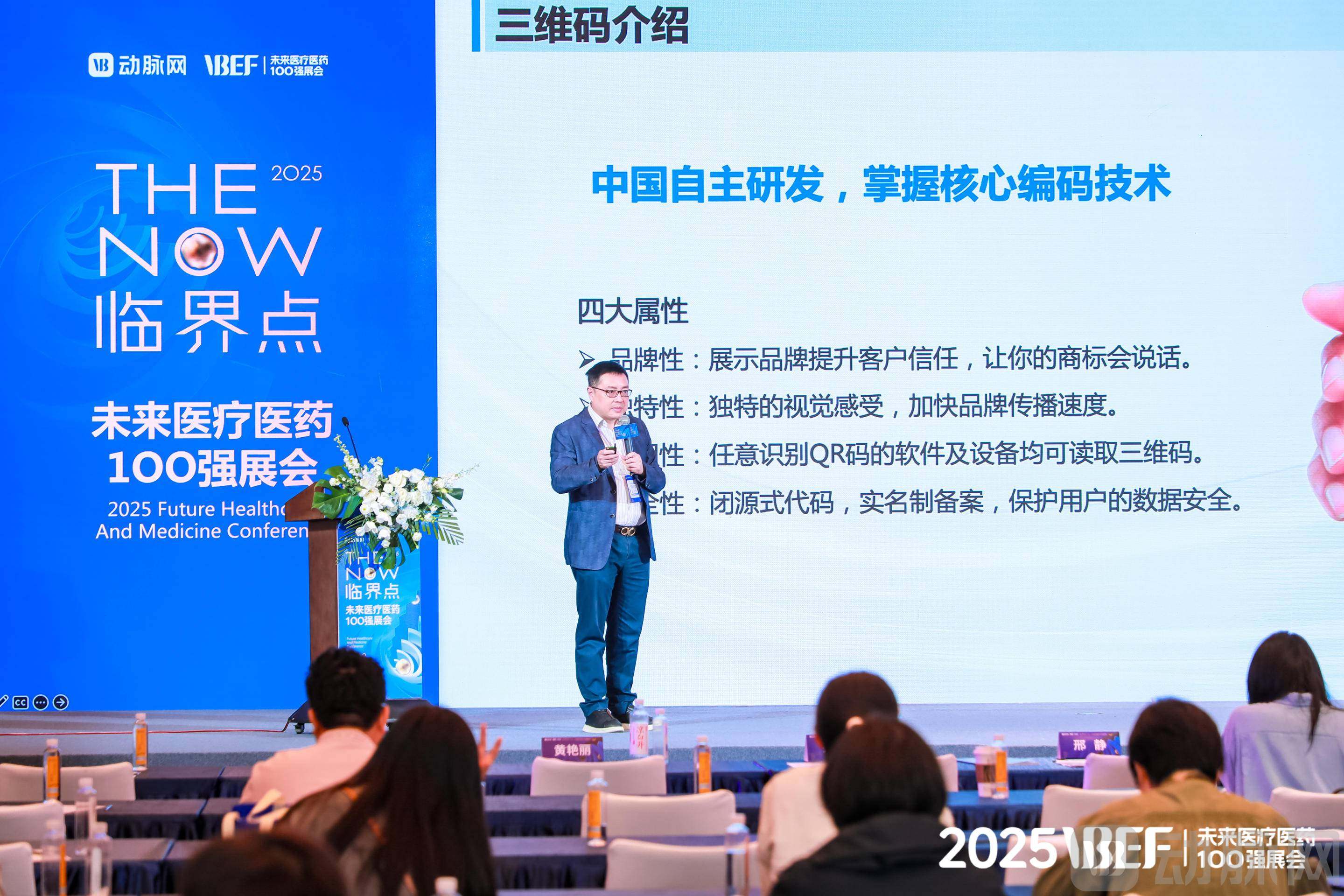 Liang Gang, Founder of Shangyi Future
In his view, the current exploration of AI in the health insurance industry is still in its early stages, with neither domestic nor international companies having achieved deep-level application. Leading Chinese insurance institutions are primarily focused on process management and claims settlement. The underlying reason for this is the lack of clear implementation pathways and budgetary support. Meanwhile, there is a consensus within the industry that the integrated innovation of health insurance and AI must be based on the integration of medical data, enabling underwriting and service optimization through risk analysis.
In response, Shangyi Future focuses on empowering B-side clients by providing technical support to partners through algorithms, vertical models, AI agents, and integrated hardware-software solutions. For instance, in the health insurance sector, addressing the issues of low efficiency and high error rates associated with traditional manual underwriting, Shangyi Future can accurately predict disease probability using health record data analysis algorithms, thereby enhancing underwriting efficiency and accuracy; while in customer management,
Shangyi Future can also provide algorithmic support for long-term health management to insurance institutions, assisting insurers in building precise customer profiles and addressing the lack of professionalism in outsourced services. In terms of medical database construction, Shangyi Future primarily leverages 3D code and AI technologies to create standardized “raw material” for comprehensive medical databases, covering the entire process from health examination reports to clinical visit data.
Regarding future industry trends, Liang Gang stated outright that data interoperability will inevitably become the prevailing trend, and precise analytics built upon this foundation will also emerge as a key driver of development. Achieving all this requires collaborative efforts and in-depth cooperation among all stakeholders in the industry!