

What Is the New Paradigm of Future Drug Discovery? Insights from 2025 VBEF
With the rapid advancement of AI and large language model technologies, the deep integration of information technology (IT) and biotechnology (BT) is reshaping the landscape of disease diagnosis and innovative drug development at an unprecedented pace, effectively enhancing the translation efficiency of precision medicine. Particularly in the field of drug R&D, this deep IT-BT integration has accelerated key stages such as drug target discovery, drug design, and clinical trials, significantly shortening development cycles and reducing costs. This not only brings more innovative therapies to patients but also fosters new models of collaboration and business.
However, despite the widespread optimism surrounding the integration of ITBT (Information Technology, Biotechnology), practical applications face urgent challenges that need to be addressed, including inconsistent data quality, insufficient model interpretability, uncharted commercialization pathways, and a shortage of multidisciplinary talent. Meanwhile, balancing innovation with ethics in technological applications and ensuring the privacy and security of patient data are also critical issues that industry explorers must confront.
On the afternoon of May 9, the “ITBT & AI Drug R&D Forum,” organized by the 2025 VBEF Future Healthcare and Pharma Top 100 Exhibition and supported by ATLATL Innovation Center, convened to explore three key perspectives: industry empowerment, clinical insights, and ecosystem building. The forum delved into hot topics and application cases in AI-driven drug discovery and its interdisciplinary fields, ranging from the iteration of AI tools and paradigm shifts in drug development to innovative explorations across the upstream and downstream segments of the industrial chain. By bringing together leading experts in research and clinical practice, top-tier enterprises, and seasoned investors for dialogue, the event facilitated an exchange of practical experiences in technology translation, thereby outlining a clearer roadmap for the development of the ITBT industry.
AI is driving a paradigm shift in information technology (IT), fostering its deep and organic integration with biotechnology (BT) and significantly enhancing the translational efficiency of precision medicine. On one hand, the surge in data from research and clinical settings aligns with the rise of large language models, increased computing power, and iterative algorithm advancements. On the other hand, AI-enabled IT-BT convergence has given rise to entirely new business models and collaborative paradigms.
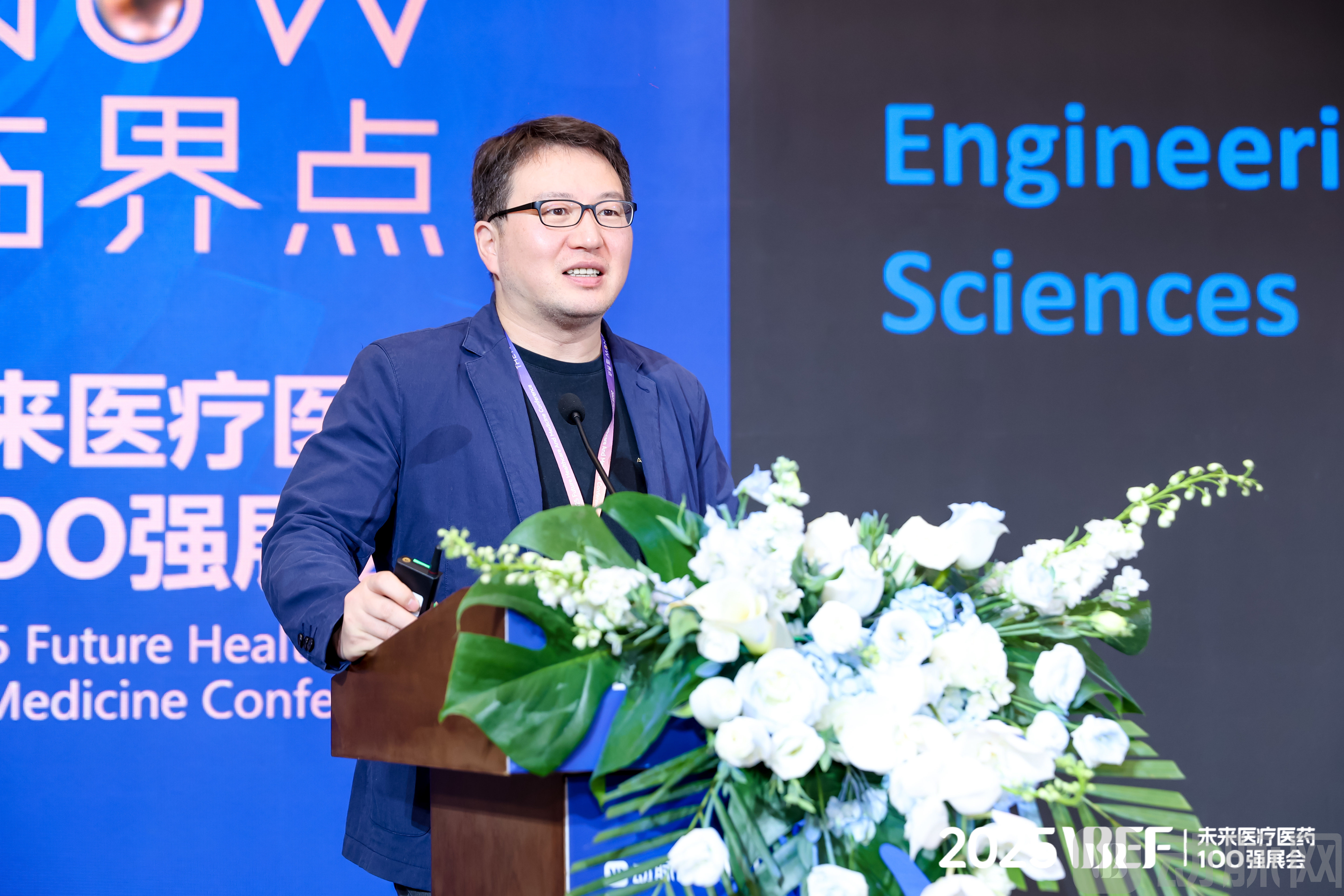
Zhu Pengcheng, Founder and CEO of ATLATL Dart Innovation CenterIt was noted that innovation in biomedicine should not be burdened by heavy assets; the key lies in advancing the engineering of life sciences, enabling startups to operate more lightly and flexibly, and allowing scientists to return to the core essence of design and innovation. ATLATL aims to achieve geometric amplification of industry innovation through standardization and modularization, ensuring that research outcomes mutually reinforce one another. The innovation platform established by the center integrates laboratory space, operational management, specialized R&D platforms, and AI systems, helping biotech companies revert to their fundamental identity as design firms and achieve asset-light operations.
Zhu Pengcheng pointed out that AI should evolve from a high-threshold tool accessible only to a select few into one that is widely available to both industry practitioners and the general public. ATLATL aims to become an engine driving the evolution of life sciences, unlocking the unique technologies of numerous biotech companies to empower the entire industry in jointly creating new value and reaching new heights. This goal will be achieved in three steps: first, engineering life sciences; second, designing biotech companies; and third, institutionalizing innovation incubation.
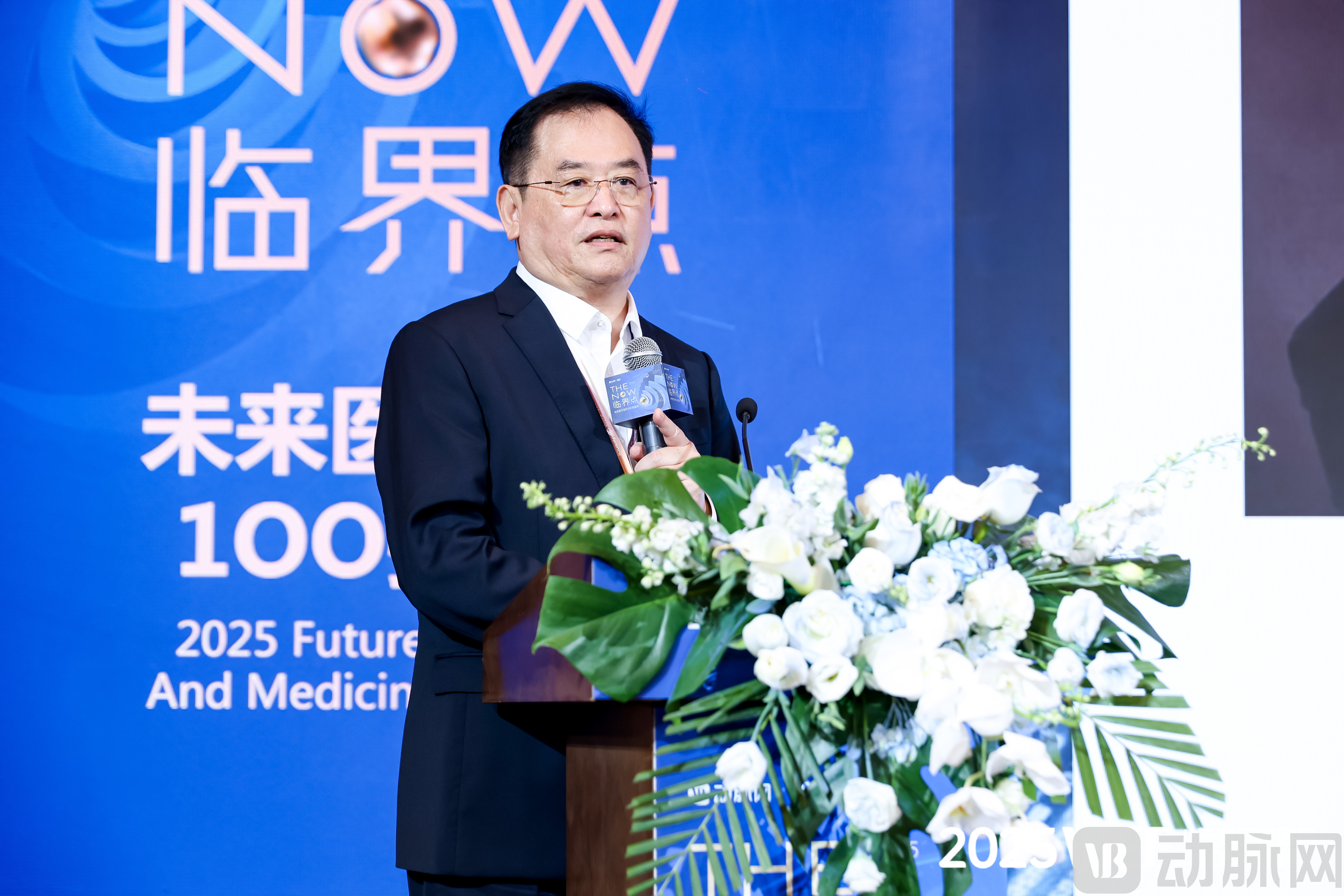
Former Senior FDA Review Officer, Founder and Chairman of Eglin Pharma, Dr. Tao DuIt is pointed out that AI has now become an officially recognized tool by the FDA, and open-source frameworks have significantly reduced the cost of using AI tools. After addressing the issue of tool accessibility, the key for AI to further reduce the R&D costs of innovative drugs lies in the clinical phase, which accounts for 80% of R&D expenditures. Data shows that since 2021, the number of clinical trials utilizing AI-aided design among the Investigational New Drug (IND) applications approved annually by the FDA has exceeded 100, nearing 200 in 2023.
Du Tao stated that in the clinical domain, AI integrated with large-scale clinical data can empower three core areas: precisely determining drug indications, optimizing clinical endpoint selection, and intelligently screening enrolled patients. This approach significantly enhances the efficiency and success rate of clinical development while substantially reducing R&D costs.
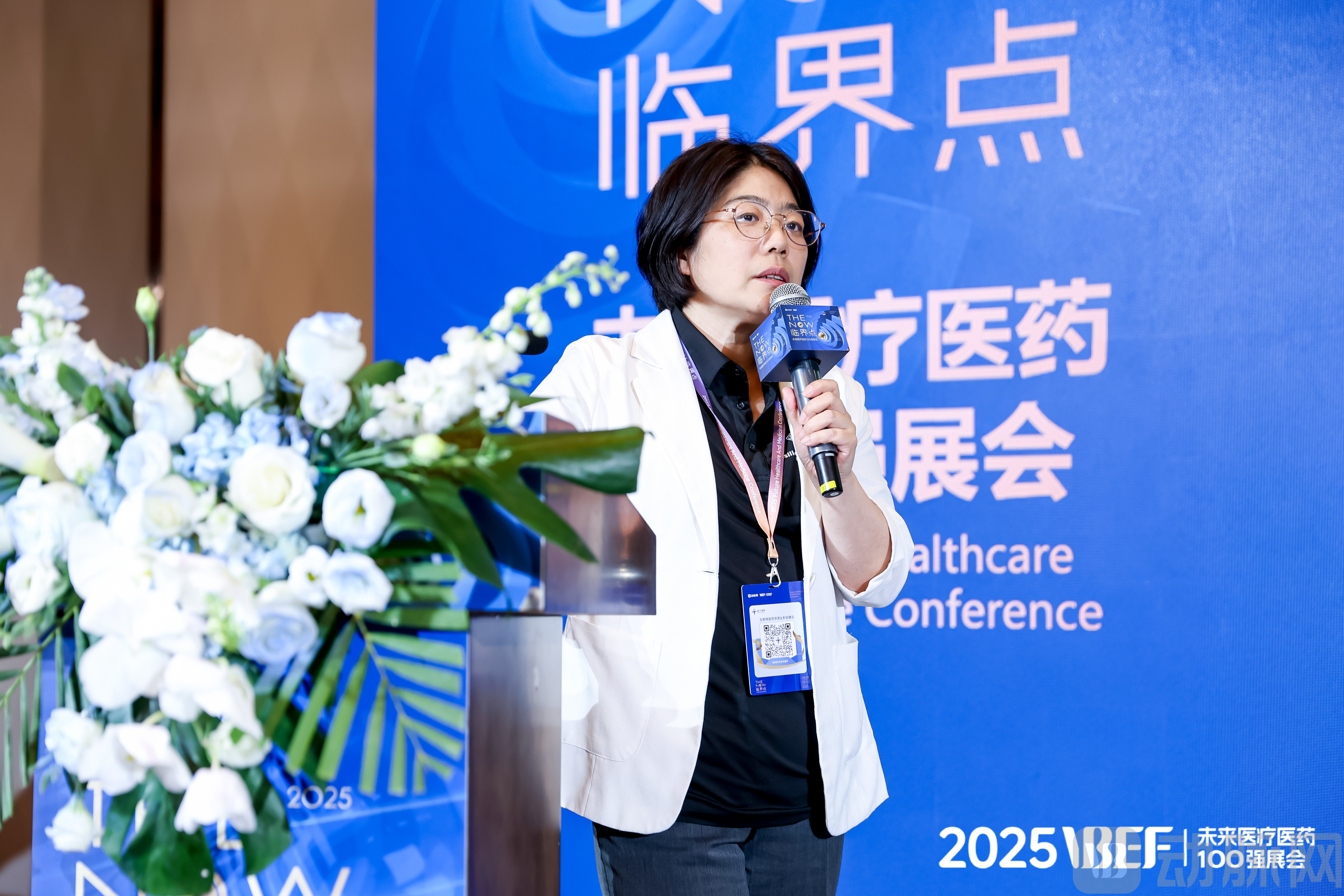
Zhang Man, Senior Vice President of Insilico MedicineThrough specific case studies, the practical pathways by which generative AI accelerates drug discovery and enhances efficiency are elucidated. She pointed out that within the drug development pipeline, the complexity of data analysis, model building, and validation increases in a stepwise manner across various stages—from target selection, molecular discovery, and druggability design to patient population screening during clinical trials. This process not only tests the scientific rigor of R&D but also drives AI teams to deepen their understanding of disease mechanisms. As human knowledge of diseases expands, the learning and comprehension capabilities of AI continue to iterate and evolve, thereby empowering more efficient translation of drug development from preclinical to clinical stages.
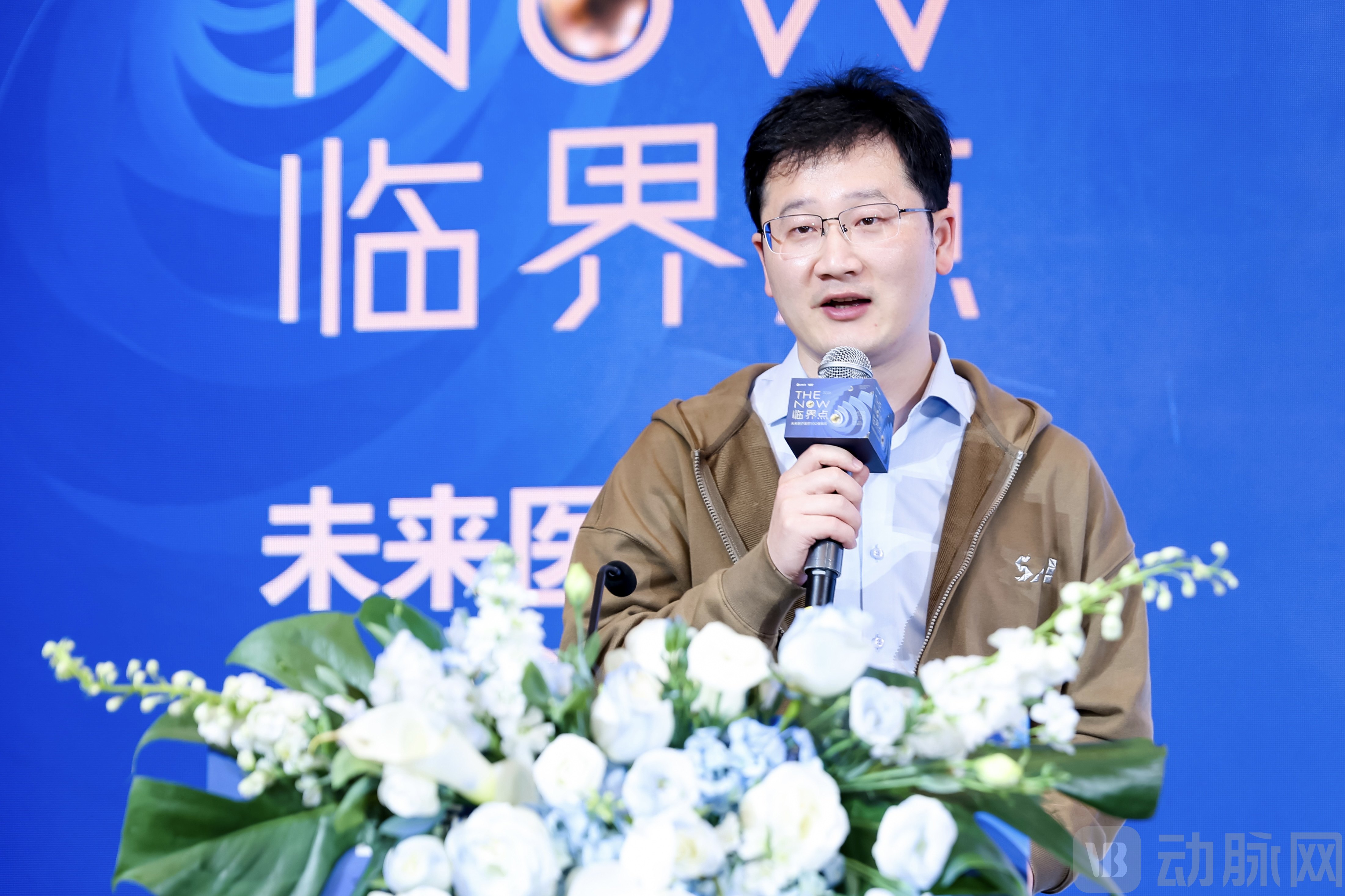
Professor at Shanghai Jiao Tong University and AI Consultant at DeepShenhe, Xie WeidiHe shared insights on general-purpose diagnostic models based on AI and computer vision, pointing out that vast knowledge graphs, evidence-based medical data, and drug discovery knowledge can be integrated into the training of universal healthcare models. This approach leverages “knowledge enhancement” techniques to build future-oriented multimodal models. He emphasized that the key lies in injecting knowledge into large models through technologies such as multimodal data fusion and self-supervised learning, while aligning these models with visual architectures to improve performance.
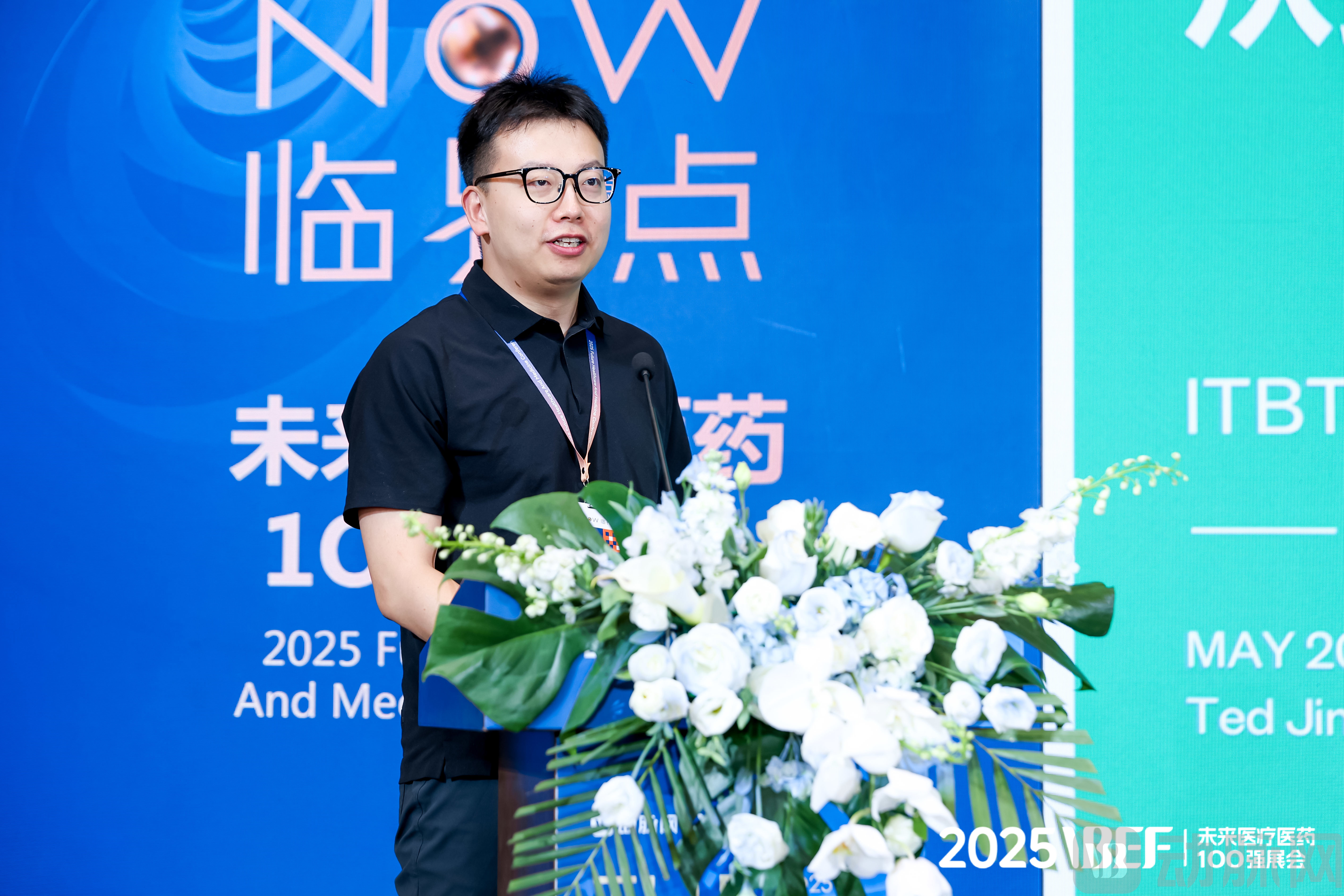
Jing Xutian, Managing Director at Wuyuan CapitalShared insights indicate that over the past two years, the fields of ITBT (Information Technology, Biotechnology) and AI-driven drug discovery have witnessed dual breakthroughs in both technology and commercialization. At the level of technological transformation, AI has achieved digital decoding across all layers of bioinformatics in the healthcare sector, laying a core foundation for the informatization of biopharmaceuticals—endowing biological data with the characteristics of being transmissible, computable, learnable, and generative. Meanwhile, large language models’ enhanced capabilities in understanding, processing, and predicting protein-related information have directly enabled practical commercial application scenarios.
The investment market is particularly focused on the changes in innovation efficiency and transformations in production relations driven by AI. Jing Xutian pointed out that AI will directly empower the commercialization of drugs by shortening R&D cycles, reducing R&D costs, and increasing R&D success rates, for example, by extending the effective sales period within the patent protection term and improving return on investment. In the long run, with AI support, future Biotech companies will build stronger competitiveness and productivity, promising to achieve higher levels of innovation efficiency and commercial value.
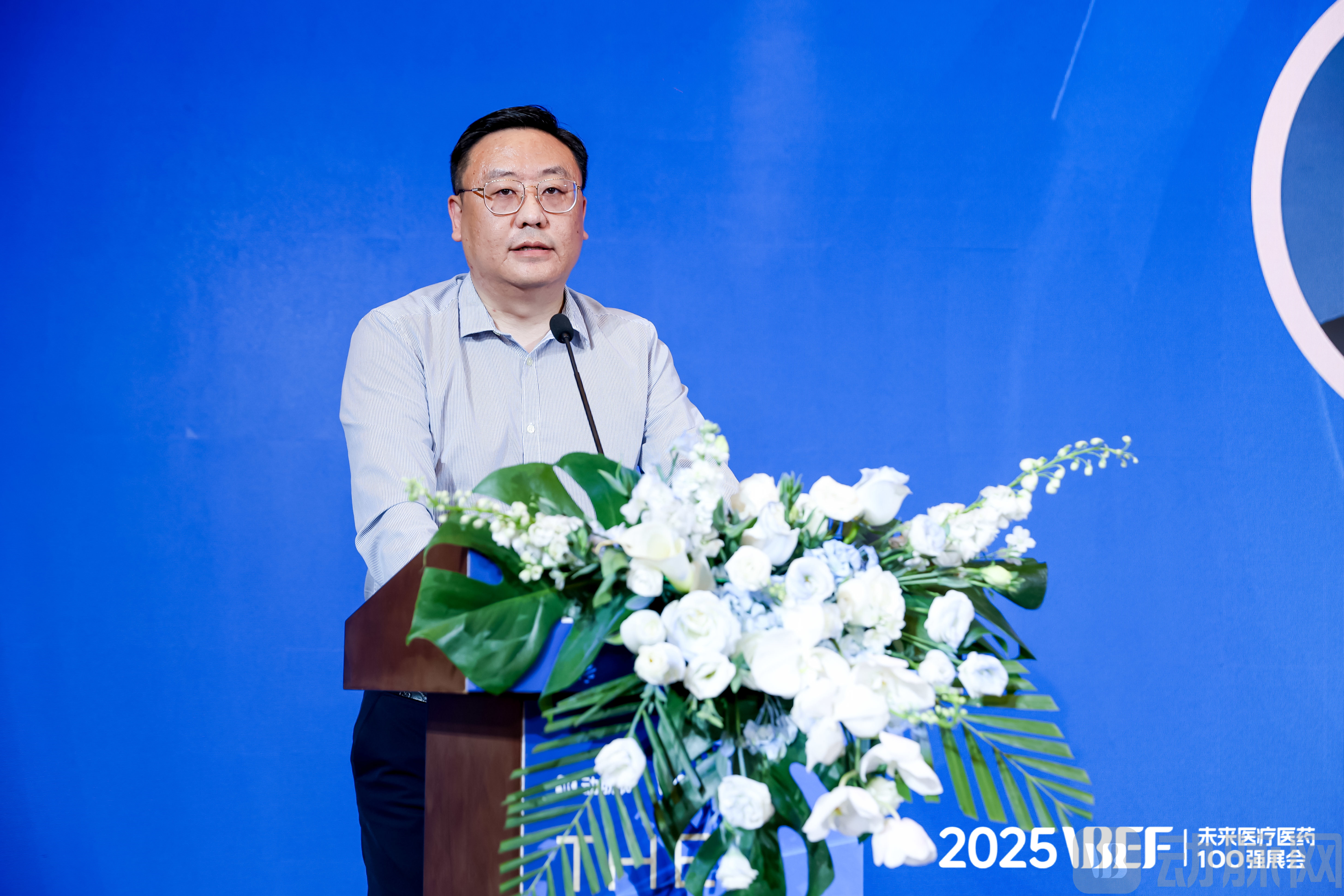
Sun Haobo, Business Director of Suanzhi FutureDescribing ITBT as the “highway of biopharmaceuticals,” he pointed out that AI serves as the engine driving this highway, big data forms the solid roadbed, and high-performance computing power acts as the fuel for accelerated progress. He emphasized that the rapid development of AI-driven drug discovery imposes threefold upgrade requirements on AI infrastructure: enhanced system stability, higher computational performance, and improved resource utilization efficiency.
In 2025, ATLATL and Suanzhi Future jointly launched MassAI, an innovative bioinformatics platform. At its core, the platform leverages ultra-large-scale computing clusters, integrated workflow orchestration technology, and intelligent agents to drive the practical application of genomic analysis and protein design. Sun Haobo stated that as a computing power service provider in the IT sector, Suanzhi Future has deeply integrated into the AI-driven drug discovery ecosystem through its collaboration with ATLATL. The company is committed to addressing enterprises’ core needs in computing power, data, and technical workflows, helping startups reduce R&D trial-and-error costs and enabling innovation resources to flow more efficiently toward scientific breakthroughs.
IT-BT convergence has entered a critical phase, while AI-driven drug discovery is continuously expanding its application boundaries and exploring diverse implementation scenarios. To promote the industry’s sustained development, it is not only necessary to enhance technological capabilities and innovation but, more importantly, to strengthen collaboration across the upstream and downstream segments of the industrial chain, thereby fostering dynamic innovation.
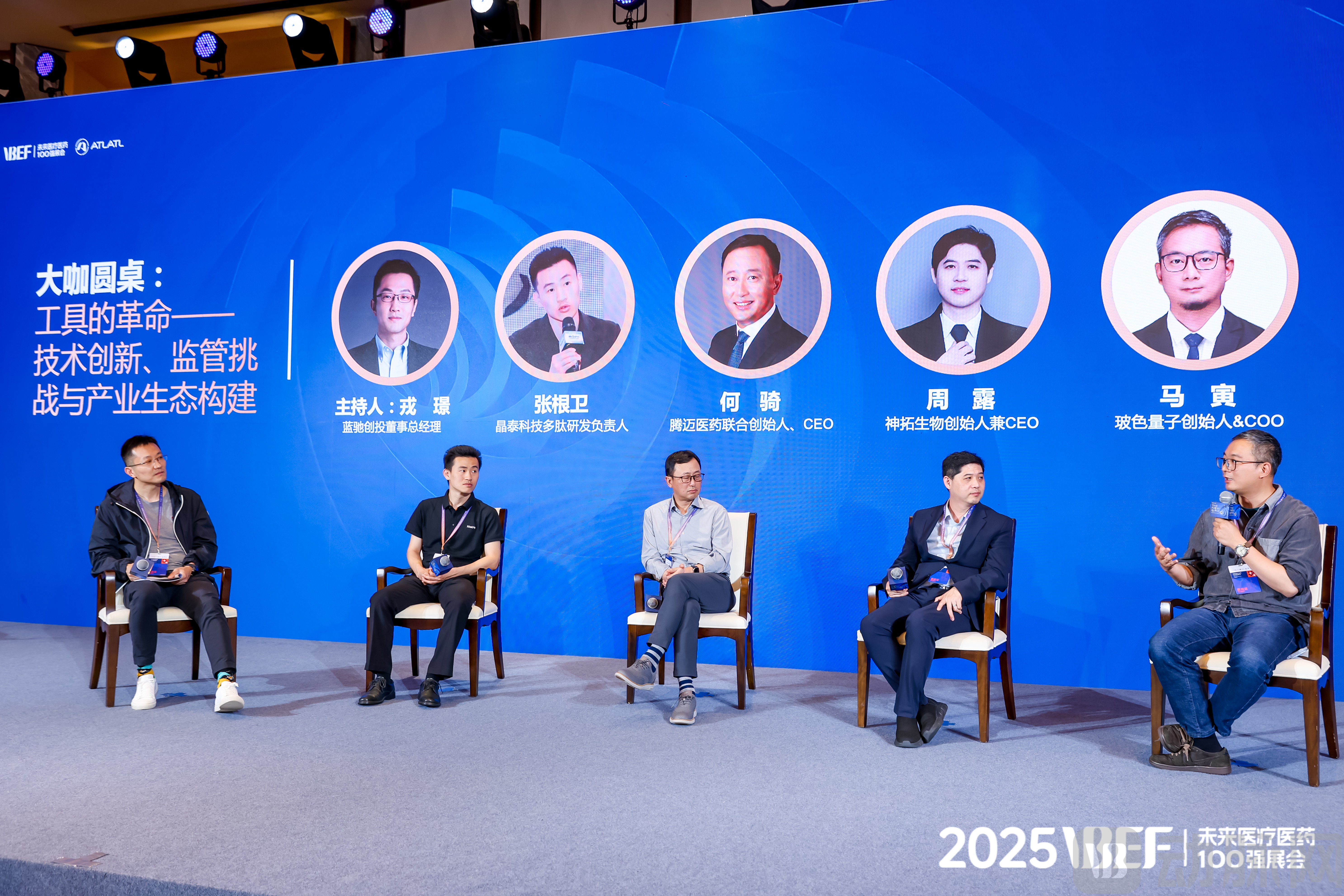
Moderated by Rong Jing, Managing Director at BlueRun Ventures, the panel featured an engaging discussion with Zhang Genwei, Senior Director of Peptide Business at XtalPi; He Qi, Co-founder & CEO of Tenmile Therapeutics; Zhou Lu, Founder & CEO of Shentuo Bio; and Ma Yin, Founder & COO of Bose Quantum.
Zhang Genwei, Senior Director of Peptide Business at XtalPiHe emphasized that data occupies a central position in AI and large language models; however, the volume of data currently available for biological applications remains relatively limited, and data silos are widespread. He stressed that acquiring large-scale, high-quality data, breaking down data barriers to achieve integration, and fully unleashing the value of data are key to realizing a paradigm shift in AI-driven drug discovery in the future.
XtalPi’s core value growth focuses on two synergistic directions: in the short term, it aims to reduce costs and enhance efficiency—for example, by actively collaborating with governments, research institutes, and enterprises to co-establish laboratories and launch joint projects in infrastructure development. This shared co-construction model lowers cost burdens for individual entities while enabling broader interoperability of data resources, thereby achieving mutual benefits for all partners. In the long term, the company emphasizes investment and incubation, leveraging its technological expertise to identify and nurture promising innovative technologies and growth drivers within the industry.
He Qi, Co-founder and CEO of Tengmai PharmaceuticalsIt was pointed out that the company is committed to lowering the barrier to entry for advanced AI and computational chemistry tools, significantly reducing the number of compounds that need to be synthesized in drug development. By leveraging a one-stop “dry-wet lab closed-loop” platform—which integrates high-performance computing with large-scale wet laboratories—the company helps clients shorten R&D cycles and reduce costs. He further emphasized that future breakthroughs in AI-driven drug discovery will shift from protein-level modeling to higher-dimensional dynamic simulations at the cellular level, and even at the tissue and organ levels. By introducing more advanced AI models, physics-based modeling methods, and greater computational power, it is expected that drug effects on the human body can be designed and predicted with greater precision, thereby enabling the development of more personalized and efficient therapeutics.
Zhou Lu, Founder and CEO of Shentuo BioIt was noted that the sequences and coding elements involved in gene therapy share inherent commonalities with computer languages, offering unique advantages for integration within the field of AI-driven drug discovery. Building on this, Shentuo Biologics is developing a multi-agent vector design platform that leverages generative AI to design viral vectors in a programmed, code-based manner, thereby enhancing design efficiency and accuracy. Zhou Lu believes that breakthroughs in AI-driven drug discovery require attention to three key aspects: First, AI must comprehend the complexity of healthcare, recognizing that medicine is fundamentally about treating “people” rather than just “diseases,” necessitating a comprehensive consideration of diverse factors such as economics and individual variability. Second, AI technology must achieve innovative breakthroughs to further disrupt traditional pharmaceutical models. Third, regulatory frameworks for AI-driven drug discovery should be established when the sector reaches a critical tipping point.
Ma Yin, Founder and COO of Bose QuantumIt was noted that as a quantum computer hardware manufacturer originating from Tsinghua University and Stanford University, Bose Quantum has established its foundation on domestic independent innovation, completing the research, development, and production of specialized quantum computers in just four years. This quantum computer demonstrates advantages of “large scale, high speed, high quality, and cost efficiency” in practical applications—featuring powerful computing capabilities, fast operation speeds, precise computational results, and low energy consumption, enabling it to complete large-scale computational tasks within a short period. He pointed out that once quantum computers achieve effective application in the field of AI-driven drug discovery, they will fundamentally transform the existing landscape of algorithms and computing power.
We are still awaiting the moment when the first AI-discovered drug comes into being. Returning to first principles, the application of AI in the pharmaceutical industry hinges on three indispensable pillars: algorithms, computing power, and data. Innovators have pursued diverse trajectories centered around these core elements. Through the challenges and setbacks along these paths, humanity and AI have gradually identified more efficient and compatible approaches, ultimately ushering in disruptive innovations that benefit humankind.