

BFC Founder David Chen: BD Has Not Yet Reached Its Boom Phase—Only 1% of Chinese Innovations Truly Go Global

Keymed Biosciences
Innovative Biopharmaceutical Developer
Earlier this year, a landmark business development (BD) deal drew widespread attention from the industry.
In January 2025, Kelun-Biotech announced that it had entered into an exclusive license agreement with Timberlyne Therapeutics for CM313, a potential best-in-class humanized monoclonal antibody targeting CD38. Under the agreement, Timberlyne Therapeutics will be responsible for the development, manufacturing, and commercialization of CM313 globally (excluding mainland China, Hong Kong, Macau, and Taiwan). The total value of the transaction exceeds USD 360 million, comprising a USD 30 million upfront and near-term payment, up to USD 337.5 million in additional payments contingent upon future sales and development milestones, plus tiered royalties on net sales.
In fact,This marks the fourth Newco transaction for Keymed Biosciences in the past six months., the total transaction value has now reached nearly $2 billion, which has significantly boosted Conmed’s revenue, with a year-on-year increase of 20.91% in 2024. Behind its large-scale and rapid transactions, BFC Group (hereinafter referred to as “BFC”) has played an indispensable role.
It is reported that BFC has been deeply engaged in the healthcare industry, with four core business lines: financing, mergers and acquisitions (M&A), business development (BD), and consulting. Its footprint spans China, the United States, and Europe.In recent years, it has facilitated over 100 pharmaceutical transactions, with a cumulative transaction value reaching $10 billion.. As a global boutique investment bank, BFC has long been deeply rooted in the Chinese and overseas pharmaceutical markets, thereby accumulating extensive practical experience in cross-border pharmaceutical transactions. Amid the current boom in China’s innovative drug business development (BD) transaction market, BFC’s value proposition is set to be further amplified.
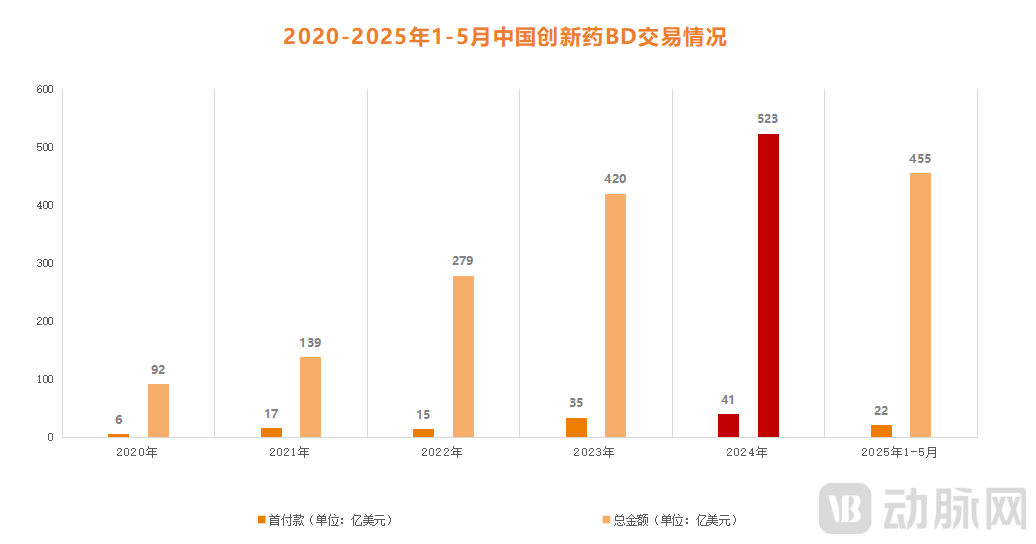
BD Transaction Data for Innovative Drugs in China, January–May 2020–2025 (Data Source: PharmaCube; Chart by VCBeat)
From the perspective of multiple authoritative institutions,2025 Will Be the Most Active Year for Asset Transactions in China’s Innovative Drug SectorOn the one hand, in terms of project quality, by 2024, China’s share of emerging pipelines—including antibody-drug conjugates (ADCs), cell therapies, bispecific antibodies, and oncolytic viruses—has risen to rank first globally. Notably, China has become the leading country for outbound licensing deals in ADCs, with domestically developed ADC novel drugs accounting for over 40% of the global pipeline. On the other hand, from the perspective of the global market environment, intense industry competition, increasing pressure from patent expirations, and a series of recent policy impacts—such as U.S. tariffs and drug price reductions—are continuously driving major global pharmaceutical companies to strategically focus on innovative drugs from China.
This was further validated at the JPM Conference, which concluded earlier this year. Reportedly, there were dozens of events similar to “China Night,” all of which were packed to capacity, with many attendees even standing throughout the entire sessions. Moreover, the topic of “innovative drugs from China” was repeatedly highlighted at major core forums, with at least 10 multinational corporations (MNCs) emphasizing the significance of Chinese innovative drugs and the Chinese market in their keynote speeches.
It is not difficult to see that,A New Wave of Global Acquisitions of Chinese Innovative Drug Assets Is IntensifyingWhat subtle shifts are emerging? Which Chinese innovative drug assets will global pharmaceutical giants prioritize? Furthermore, how should transaction models such as licensing-out and NewCo structures further evolve to maximize value? On the other hand, how can the industry mitigate negative consequences—such as large-scale deal terminations and waste of core resources—stemming from the overheating of business development (BD) transactions?
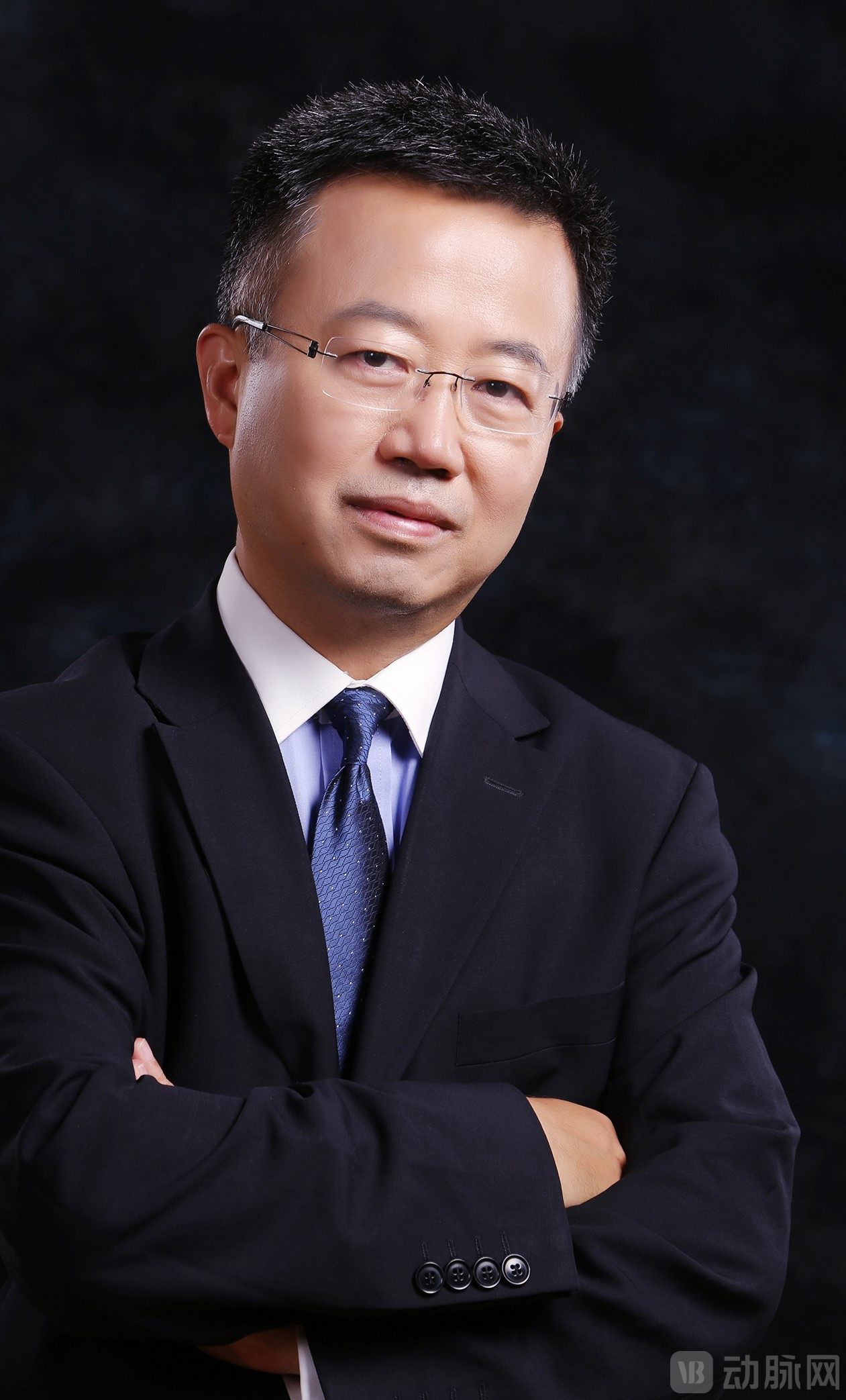
David Chen, Founder and Managing Director of BFC Group
In response to these critical issues, at this juncture“2025 BFC Summer International Business Cooperation and Investment Seminar on Healthcare”On the occasion of the event, VCBeat specially collaborated withDavid Chen, Founder and Managing Director of BFCWe engaged in an in-depth dialogue, aiming to provide fresh perspectives and insights on the currently booming BD transactions.
For the convenience of readers, the following is an edited conversation between VCBeat and David Chen, Founder and Managing Director of BFC.
Who Ignited the Frenzy in BD Deals for Chinese Innovative Drugs?
VCBeat: How do you view the current trend of heated BD transactions?
David Chen: We once saw a set of figures at a conference,Over the past six to eight years, China has invested nearly $500 billion in the entire biopharmaceutical industry. However, the current upfront payments from overseas licensing deals and proceeds from mergers and acquisitions amount to only about $15 billion. Therefore, from a return-on-investment perspective, we have not yet recouped this capital.“A booming market” should mean that you are actually making significant profits, but clearly, that is not the case yet; it is merely a drop in the bucket.
Additionally, in terms of proportion,Currently, only about 1% of domestically developed innovative drugs are capable of going global., this figure is actually quite low, given our extensive portfolio of clinical and preclinical pipelines, yet only a very small fraction ultimately result in completed business development (BD) deals. Therefore, from both perspectives, we are still some distance away from a truly robust BD deal market.
VCBeat: Transaction data shows that in the first five months of this year, the total value of overseas business development (BD) deals for China’s innovative drugs reached $45.5 billion, surpassing the full-year transaction volume of 2023. What do you consider to be the key driving factors behind this trend?
David Chen: First, as previously mentioned, China’s innovative drug industry has attracted nearly $500 billion in investment over the past 6–8 years. Following substantial investments in resources and talent, a cohort of competitive innovative drugs has emerged. Meanwhile, this investment has fostered a highly mature ecosystem in the CRO and CMO sectors in China, characterized by exceptional efficiency. For instance, R&D platforms for monoclonal and bispecific antibodies demonstrate rapid development cycles. The diverse innovations currently seen in China’s innovative drug sector are indeed highly attractive to multinational corporations (MNCs).
Secondly, China has excellent clinical resources, for example, in the field of CAR-T.A few top-tier (Grade 3A) hospitals in China can collectively enroll several thousand patients in investigator-initiated trials (IITs) per year, a figure that exceeds the total number of patients treated across Europe in a year.Therefore, for MNCs, license-in of innovative Chinese drugs is undoubtedly a good option when they want to quickly seize a certain market. Coupled with the advantages of China's supply chain, the overall R&D costs will also be significantly reduced.
The final critical factor lies in talent. Over the past decade, many top-tier professionals who had worked at global large pharmaceutical companies have returned to China in succession. They bring international experience and corresponding resources, which can effectively facilitate the successful global expansion of innovative Chinese drugs. In fact, I believe that after ten years of accumulation, China’s innovative drug sector now boasts numerous differentiated targets or pipelines with global competitiveness, which has attracted significant attention from multinational corporations (MNCs).
VCBeat: It is reported that BFC has currently completed nearly 100 transaction cases. In its early stages, the firm primarily focused on investments, but in recent years, it has clearly shifted greater attention toward business development (BD) transactions and mergers and acquisitions (M&A). What industry changes underlie this strategic shift?
David Chen: Investment and financing have always been a sector we prioritize. However, since 2022, investment in China’s innovative drug industry has indeed encountered numerous challenges, particularly significant hurdles in exit strategies. The Hong Kong stock market experienced considerable difficulty and has only recently shown slight signs of recovery, while the STAR Market remains largely closed. In this context,This has created a critical, high-demand need: to help domestic biotech and pharmaceutical companies exit or raise capital through non-IPO channels., so we have devoted more energy to business development (BD), and have already seen significant results.
Actually,BD is a consideration throughout the entire lifecycle of innovative drugs., from the very first day of a new company’s establishment or the initiation of a pipeline project, our Business Development (BD) team can step in. This is because BD collaborations can take various forms, including pipeline partnerships, platform collaborations, commercialization agreements for late-stage products, and combination therapy initiatives involving multiple pipelines. The entire process involves long transaction cycles and high risks, necessitating early planning and strategic design. Therefore, we will place increasing emphasis on BD activities in the future, dedicating more resources to helping innovative Chinese pharmaceuticals truly expand into overseas markets. Meanwhile, our BD operations will synergize with investment, financing, and M&A activities, assisting companies in forming a closed loop throughout their lifecycle.
Current Trends and Hidden Pitfalls in BD Transactions
VCBeat: What do you consider to be the primary challenges facing current business development (BD) transactions? In light of these challenges, how does BFC assist domestic pharmaceutical companies in addressing them?
David Chen: First, we have been emphasizing to the enterprise that, prior to our intervention and collaboration,Where exactly does the differentiation in your pipeline lie? What is the overall competitive landscape? Is this sector overly crowded?I believe the first step is to help companies clarify their strategic thinking. In recent years, most efforts have been focused on domestic IPOs, resulting in limited familiarity with overseas markets. Therefore, prior to project initiation, we aim to conduct thorough research to address these knowledge gaps and strengthen companies’ capabilities in this area.
Second, we will engage comprehensively to ensure thorough preparation.For instance, with a Pitch Deck, we craft the content in authentic English to better present key clinical data. This approach enhances visual appeal and ensures formal standardization, thereby enabling multinational corporations (MNCs) to gain a clearer understanding.
The third point is coordination.When major pharmaceutical companies show sufficient interest in a project, they typically request that the Chinese enterprise provide a Material Transfer Agreement (MTA) after signing a non-disclosure agreement. In this process, we assist domestic pharmaceutical companies in refining the MTA to secure acceptance by multinational corporations (MNCs). Additionally, during subsequent communications, we provide training to these enterprises to prevent any misunderstandings and maintain an effective communication rhythm. We also participate throughout the entire process, including the finalization of agreements, tax arrangements, and drafting of press releases, striving our utmost to facilitate successful transactions.
VCBeat: While these steps may sound straightforward in theory, their practical execution is far from simple, requiring substantial professional support. In this context, how has BFC mastered the key capabilities essential for navigating business development transactions?
David Chen: First, from my personal perspective, I began working in business development (BD) in 2005, which marks exactly 20 years this year. Therefore, throughout this process,We have effectively established a vast global ecosystem for innovative drug development. We engage in diverse transactions with nearly every major pharmaceutical company, and through these collaborations, we have built a strong foundation of trust.。
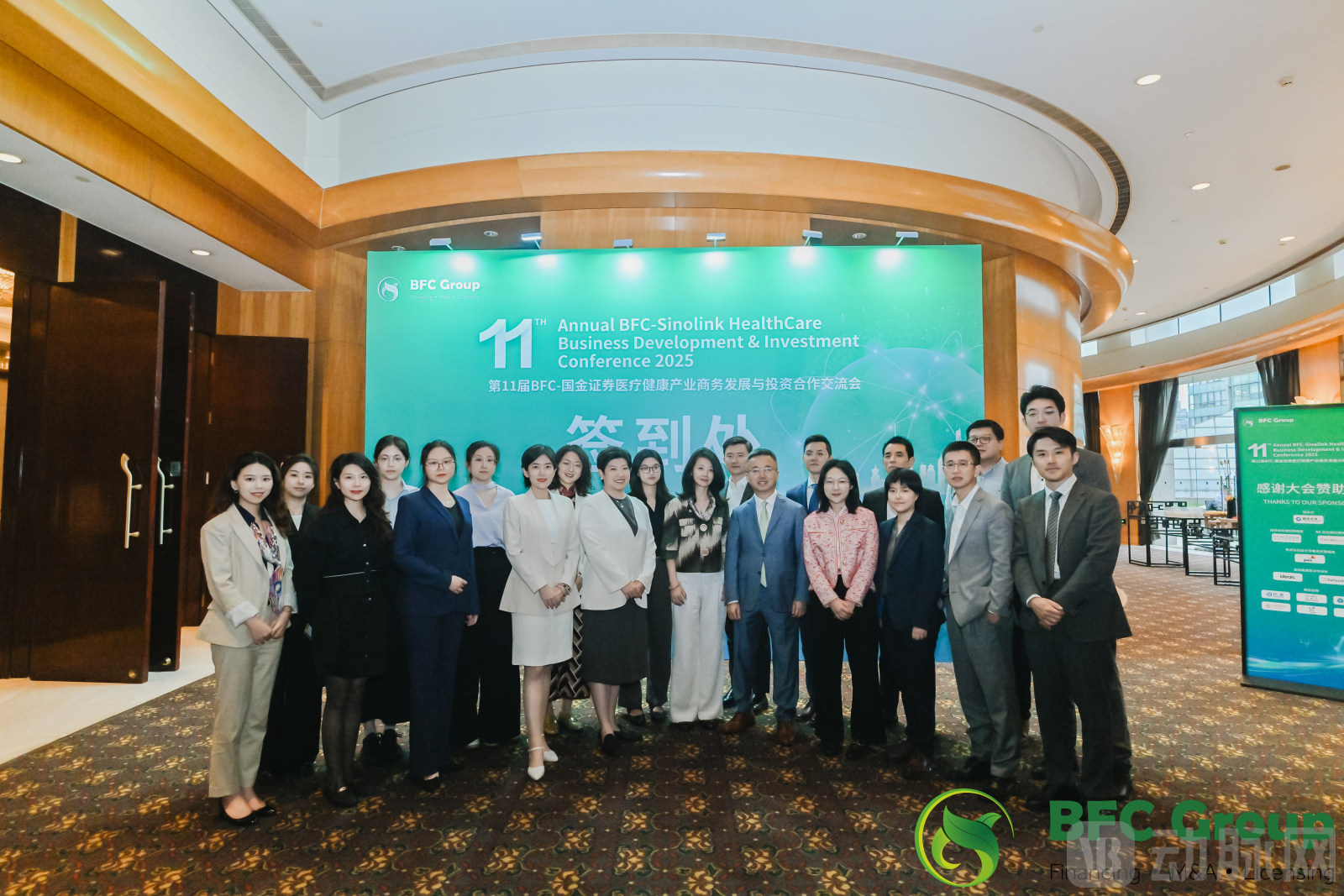 BFC Group Team Photo
Furthermore, we place great emphasis on building our internal team. We have structured our teams according to specific disease areas, with dedicated groups focusing on oncology, autoimmune and neurological disorders, and dermatology. This more granular specialization has significantly enhanced the overall professionalism of our team, enabling us to better serve companies across these diverse therapeutic fields.
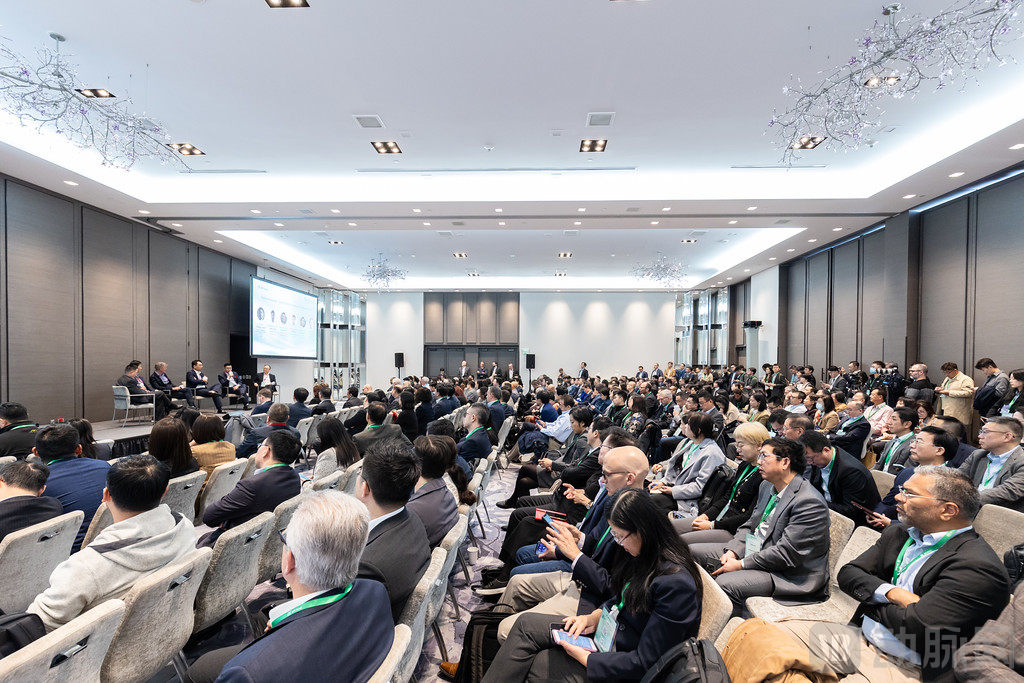 BFC’s Concurrent Event at the JMP Conference in January 2025
In addition, we are actively organizing industry events focused on business development (BD) transactions on a global scale. These initiatives serve to continuously foster an engaging industry atmosphere while also establishing a sustained communication bridge between domestic enterprises and overseas large pharmaceutical companies. A case in point is the “2025 BFC Healthcare Summer International Business Cooperation and Investment Seminar” held in Boston, USA.We have invited seven of the global top 10 pharmaceutical companies, with AstraZeneca, Eli Lilly, Novartis, Johnson & Johnson, as well as Japan’s Takeda and Daiichi Sankyo, deeply involved.。
In fact, we have been conducting these activities for 11 years, persisting regardless of whether market conditions are favorable or not. Because we have always believed that,BD transactions are long-cycle endeavors that require continuous industry dialogue to spark demand and foster collaboration. These offline events enable more efficient communication, allowing buyers and sellers to rapidly finalize partnerships. This has always been our core motivation for dedicating significant resources to organizing such activities.。
VCBeat: While business development (BD) is booming, some major partnerships are also being terminated, with some even involving legal disputes. In your opinion, how can risks in BD transactions be avoided?
David Chen: This is actually unavoidable, as most terminations of BD deals are related to the clinical progress of pipelines,However, innovative drug development is inherently a high-risk endeavor with slim odds of success. This reality dictates that 90% of innovative drugs are destined to fail. It is a process of natural selection and survival of the fittest, which is difficult to avoid. Such is the reality: not all innovative drugs can succeed, and failure is the more likely outcome.。
What we can do is, on the one hand, strive to select high-quality targets with relatively well-understood biology and a defined patient population in need; on the other hand, ensure comprehensive disclosure, including preclinical pharmacology, toxicology, process development, CMC (Chemistry, Manufacturing, and Controls) processes, and subsequent clinical data. Full and transparent disclosure to multinational corporations (MNCs) will significantly reduce disputes in later-stage transactions.
How to Maximize Benefits in BD Deals
VCBeat: Many authoritative institutions regard 2025 as the inaugural year of business development (BD) transactions, with full-year transaction volumes expected to reach new highs. From your perspective, what changes are anticipated in focused niche sectors? How should Chinese pharmaceutical companies respond?
David Chen:We still strongly encourage enterprises to pursue differentiated strategies., for instance, in the critical selection of therapeutic targets, competition for certain popular targets has become increasingly intense. Take KRAS as an example: dozens of companies in China are currently developing therapies against this target. If everyone crowds into this space, first, the success rate of deals will drop significantly, and second, the overall valuation of such transactions will be driven down.
Therefore, we encourage stakeholders to avoid herd-like chasing of hot trends and instead leverage their respective strengths to focus on emerging therapeutic areas—such as neurology, psychiatry, cardiovascular disease, dermatology, ophthalmology, pain management, and genetic disorders. These fields also exhibit substantial market demand and hold significant potential for future business development (BD) transactions.
VCBeat: Having discussed the therapeutic areas, let’s now turn to the structures of business development (BD) deals. Currently, the NewCo model is undoubtedly gaining significant traction, with several successful cases already emerging. How do you view this trend? What types of innovative pharmaceutical companies are better suited for the NewCo approach?
David Chen: The NewCo model has long existed abroad, but I personally believe it will never become mainstream. First, it is constrained by team capabilities; professional teams with the requisite management experience and expertise are scarce. Second, at the fund level, major therapeutic areas such as weight loss, diabetes, and cardiovascular diseases require backing from large funds. Small funds lack the necessary ecosystem to support NewCos, making their success unfeasible. Finally, there is the issue of time cost. The NewCo pathway is inherently protracted and demands substantial capital investment. Many pharmaceutical companies cannot afford the wait or bear such significant financial burdens.
We believe that entities truly suitable for establishing a NewCo must meet two key criteria:First, it focuses on niche sectors and holds promising early-stage assets; second, it has access to highly internationalized teams capable of addressing the challenges Chinese pharmaceutical companies face in R&D and clinical trial approval processes.Only in this way can a strong alliance be formed, thereby increasing the likelihood of successful future collaboration.
VCBeat: What advice would you offer to domestic pharmaceutical companies that are currently at a critical stage of BD transactions or are about to embark on this journey?
David Chen:First, it is still essential to prepare a strong business plan (BP)., it is essential to thoroughly design the product profile before trading to ensure its competitiveness;The second point is the issue of patents., after the product profile is established, it is necessary to conduct a Freedom to Operate (FTO) analysis to ensure that the patent will be accepted by major pharmaceutical companies.
Third, a long-term strategy for business development (BD) is essential; you cannot wait until the company is nearly out of cash to consider BD, as it will certainly be too late.. In fact, a typical business development (BD) deal generally takes one to two years. During this period, you must continuously refine your approach, engage with large pharmaceutical companies, incorporate their feedback, and make adjustments, ultimately presenting the highest-quality clinical data to support the transaction. Therefore, this is inevitably a lengthy process, requiring companies to plan ahead rather than resorting to last-minute efforts.
The final point is to leverage strengths and mitigate weaknesses.For instance, some companies exhibit excellent preclinical profiles but lack a robust Development and Medical Organization (DMO) during clinical development. In such cases, they need to engage an external professional team to organize clinical data and formulate a comprehensive protocol. This is precisely what BFC does on a daily basis: analyzing a company’s strengths and weaknesses, amplifying its strengths while mitigating its weaknesses to the greatest extent possible.
VCBeat: In terms of BD transactions, what are BFC's future plans and main strategies?
David Chen: Business development (BD) will undoubtedly remain a perennial topic. At present, our primary objective is to further expand our team, thereby enabling us to engage with a greater number of domestic innovative pharmaceutical companies. Secondly, we aim to host more international events similar to the “2025 BFC Healthcare Summer International Business Cooperation and Investment Symposium” in the future, connecting more overseas large pharmaceutical companies and enhancing exchanges with domestic enterprises. Finally, we seek to access more overseas clinical trial approval resources and build a stronger international team, striving to maximize the benefits of BD transactions while minimizing associated risks. This has been our ongoing endeavor and will continue to be the focus of our future efforts.

“2025 BFC Healthcare Summer International Business Cooperation and Investment Seminar” Agenda