CSGCT Campus Tour Shenzhen Station Successfully Concludes, Showcasing CGT Industry Collaboration and Innovation
On May 30, the Shenzhen stop of the “Go Further Without the Rat Race” CSGCT Series Park Tour was successfully held at Guangming Bay Gravity (Guangming Biomedical Innovation Center) in Shenzhen. The event was hosted by the Chinese Society for Gene and Cell Therapy (CSGCT) Alliance, the Healthcare Innovation Ecosystem Alliance (HIEA), and Bay Gravity (Guangming Biomedical Innovation Center); co-hosted by Xingcheng Bio and VectorBuilder; and organized by VCBeat.
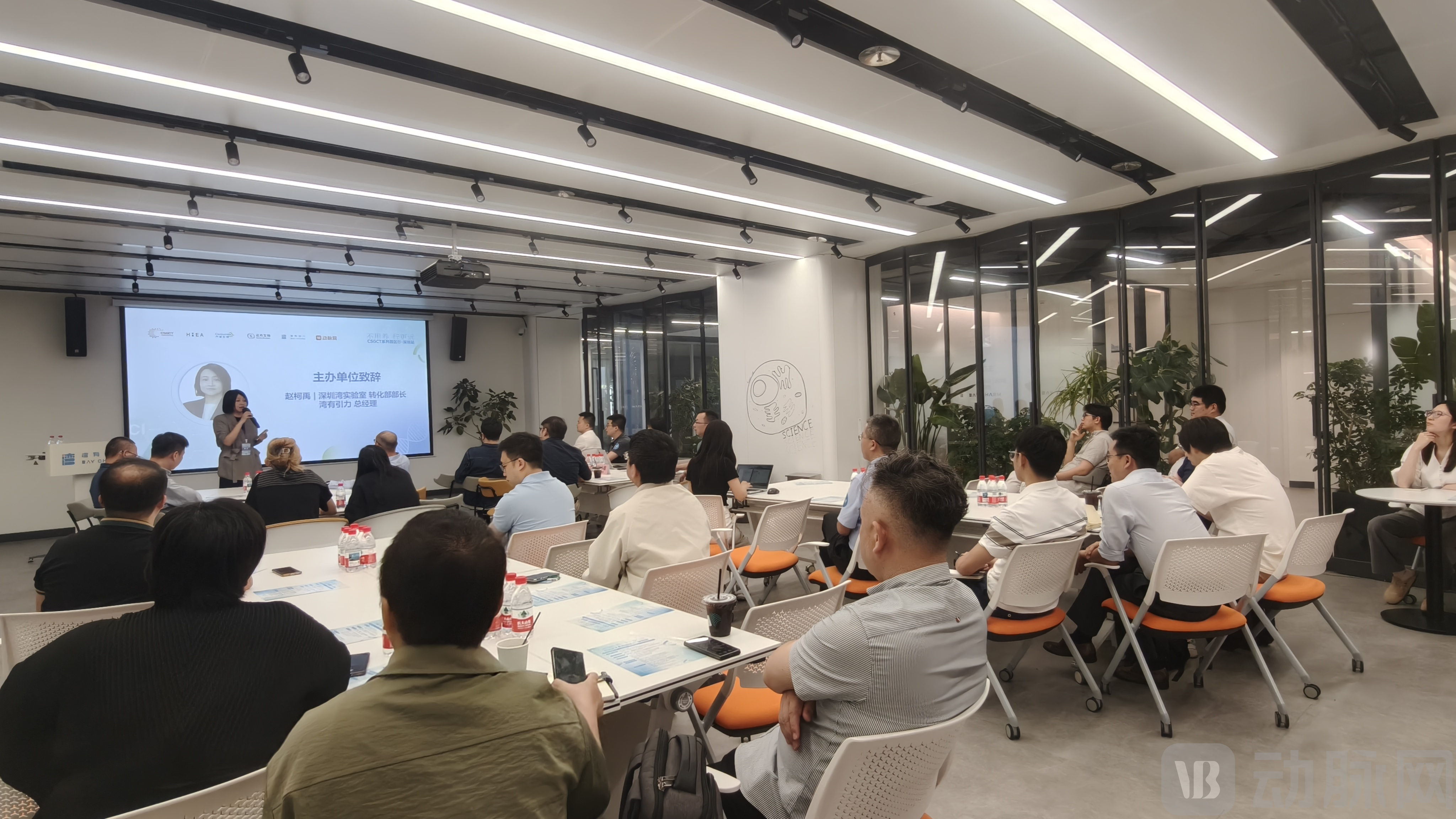
Event Venue
Liu Xiao, Vice President of Business and Marketing at Xingcheng BioHe served as the moderator and delivered the opening remarks. He reviewed the series of CSGCT Campus Tour events and expressed his hope that the exchange in Shenzhen would ignite a spark in everyone’s heart, allowing the fledgling CGT industry to grow from a single spark into a prairie fire.
Zhao Keyu, Director of the Technology Transfer Department at Shenzhen Bay Laboratory and General Manager of Wan You YinliAs a representative of the organizer, she delivered opening remarks and extended a warm welcome to the attending guests. Zhao Keyu mentioned that “Bay Gravity” (Guangming Biomedical Innovation Center) is jointly established by the Guangming District Government and Shenzhen Bay Laboratory, with Cell and Gene Therapy (CGT) being one of its key focus areas for development. “Bay Gravity” has prioritized the creation of a “Cellular Drug Manufacturing Process R&D Platform” that complies with Good Manufacturing Practice (GMP) standards. She emphasized that CGT represents a crucial direction for the future development of biomedicine, and that “Bay Gravity” will continue to integrate policy, capital, technological, and industrial resources, expressing strong confidence in the long-term growth of the CGT industry.
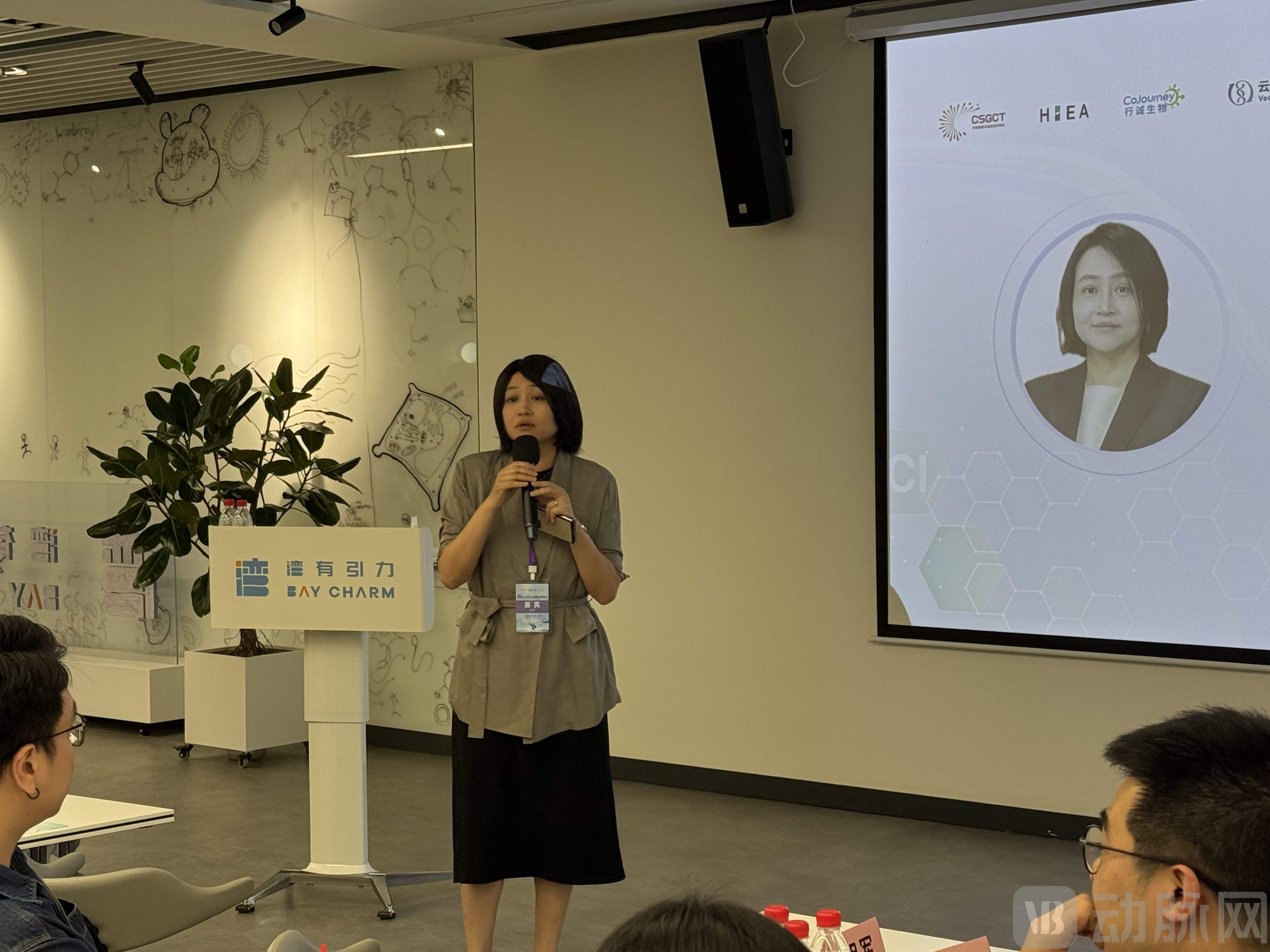
Zhao Keyu, Minister of the Technology Transfer Department at Shenzhen Bay Laboratory and General Manager of Wan You Yin Li
Dr. Kaile Zheng, Application Scientist at Geneseed BiotechDelivered a presentation titled “Trends in Large-Scale Production of Viral Vectors: End-to-End Pipeline Development Support.” Zheng Kaile stated that the journey from laboratory to commercialization involves crossing multiple hurdles. During R&D, challenges such as flawed vector design, immature processes leading to cost overruns, and complexities associated with large-scale manufacturing are common. For companies themselves, a lack of resources and experience can also easily lead to project stagnation. He emphasized that relying solely on internal capabilities is insufficient to meet diverse demands, and advocated for building collaborative networks by leveraging domestic and international resources to address pain points in CGT development and drive cost reduction and efficiency improvements in the CGT industry.
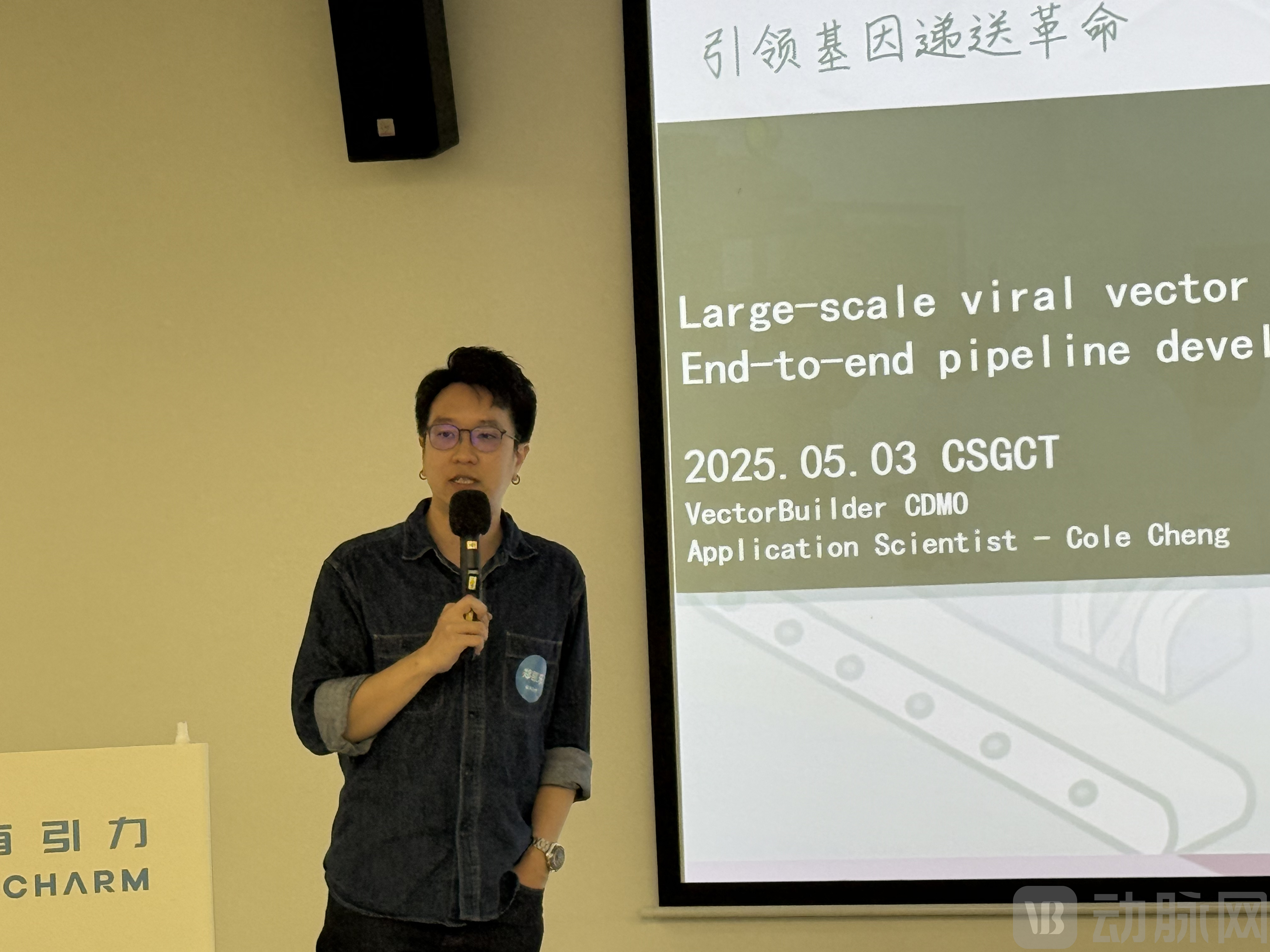
Dr. Kaile Zheng, Application Scientist at Geneseed Biotech
Liu Xiao, Vice President of Business and Marketing at Xingcheng BiotechIn the presentation titled “The Rise of the East and the Decline of the West: The Why, What, and How of Chinese Innovative Drugs Going Global,” it was stated that China is becoming a global hub for innovation. In terms of drug pipelines, after substantial accumulation, China now ranks second worldwide in the number of pipeline candidates. Regarding regulatory approvals, the approval timelines in China and the United States are gradually converging, with stem cell therapy approvals already aligned with those in the U.S. In certain therapeutic indications, China is even taking a global lead. Looking ahead, China has the opportunity to surpass competitors by leveraging its abundant clinical resources, supply chain advantages derived from a comprehensive industrial ecosystem, and cost and efficiency benefits enabled by advanced CMC (Chemistry, Manufacturing, and Controls) processes.
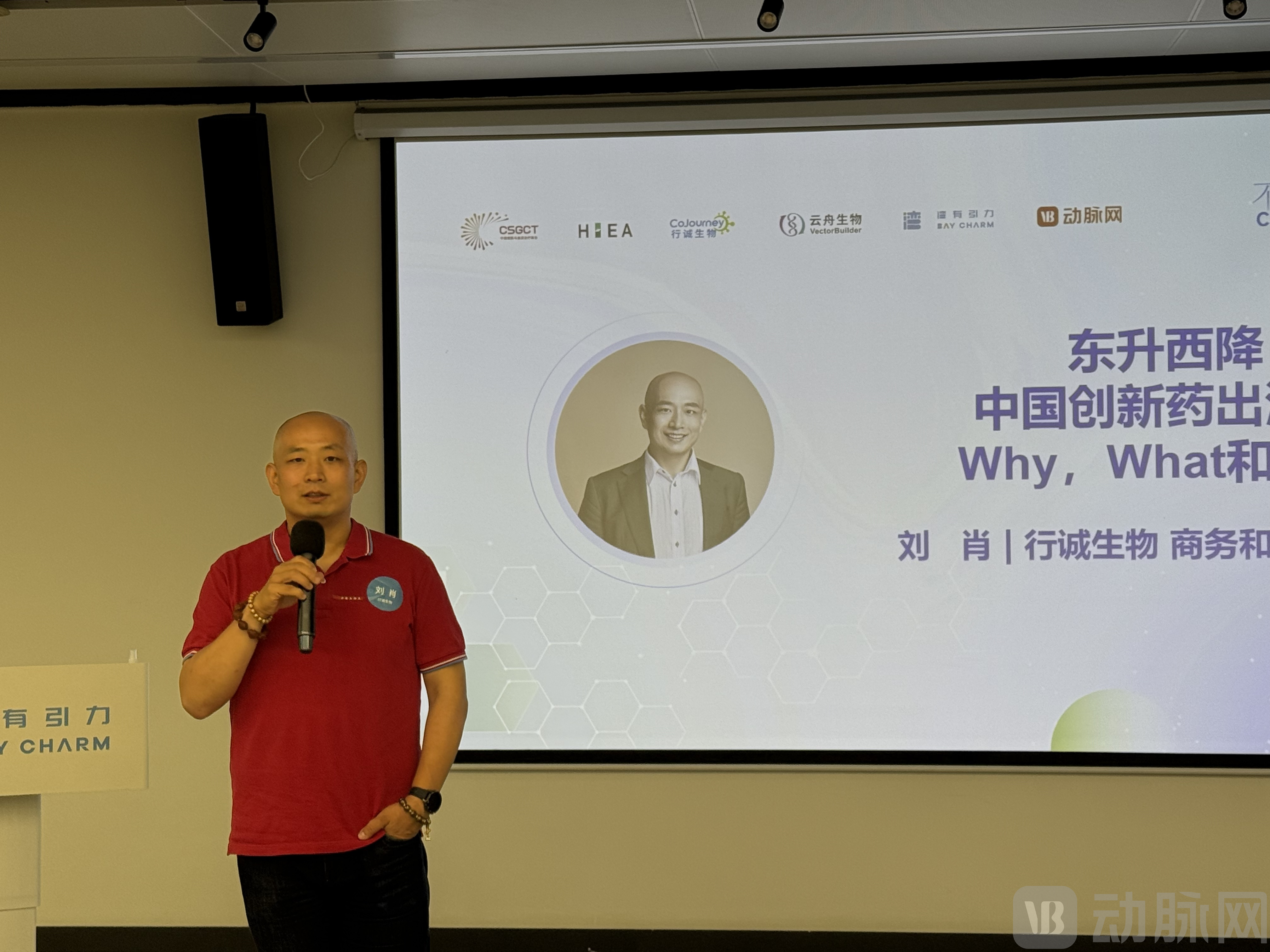
Liu Xiao, Vice President of Business and Marketing at Xingcheng Biotech
This event'sPanel 1: “How Can Upstream and Downstream Players in the Industry Chain Co-Build the CGT Ecosystem?”as the theme,Liu XiaoServing as the moderator,Wei Shucheng, Plasmid Process R&D Scientist at Origin Gene; Zheng Kaile, Application Scientist at VectorBuilder; Ji Xu, Laboratory Director at Bay Gravity LabThe three panelists shared their perspectives and insights. Ji Xu, speaking from the perspective of an operational platform, noted that the highly personalized nature of the CGT industry has left domestic supply chain and CDMO companies grappling with the dilemma of “fragmented innovation.” Furthermore, new technologies developed to address these scattered demands require substantial validation costs, a situation in which the impact of tariff policies is further amplified. Zheng Kaile stated that for companies with significant overseas operations, the impact of tariffs cannot be overlooked. He recommended gaining a deeper understanding of global demand differences, moving beyond a single-market perspective, and diversifying risks to achieve incremental breakthroughs. Wei Shucheng remarked that bearing the full risk of independent investment across the entire chain from R&D to production is relatively high. A more optimal path is to partner with mature market players for non-core activities, accelerate product iteration through open innovation, and expand into overseas markets with differentiated competitiveness, thereby avoiding homogeneous domestic competition.
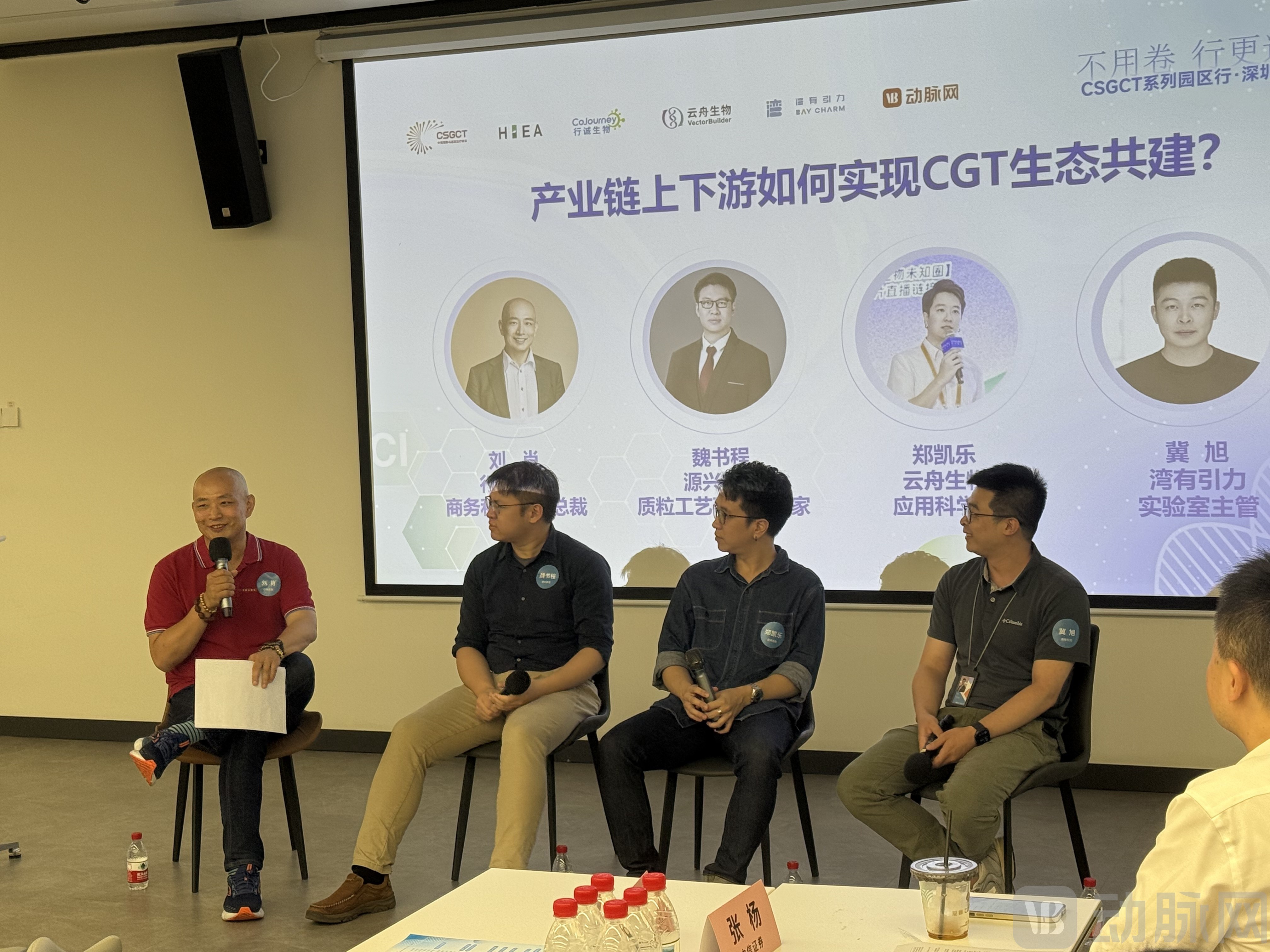
Panel 1-How can the upstream and downstream segments of the industrial chain collaborate to build a CGT ecosystem together?
Panel 2: “In 2025, Are Clients’ Demands Still Centered on Stability, Speed, and Cost-Efficiency?”,Liu XiaoServing as the moderator,Zhang Xi, Co-founder and Chief Scientific Officer of Baiji Biology; Yang Jiayin, Co-founder & CTO of Sanqi Biology; Liang Xiaoyu, Co-founder & CTO of Aidibeike Biology; Pang Yuxuan, Assistant to the President of Shenzhen Medical AcademyFour panelists shared their perspectives on this topic. Zhang Xi stated that there are currently few enterprises in China engaged in true source innovation; however, Chinese companies should focus on leveraging their advantages and abundant clinical resources to reduce costs and improve efficiency, thereby advancing products in a fast, cost-effective, and stable manner. Yang Jiayin discussed that the ability to open business development (BD) windows depends on a company’s differentiated innovation, noting that the essence of BD or pipeline licensing is “borrowing a ship to go to sea.” Liang Xiaoyu believed that domestic innovative drugs demonstrate strong capabilities in chemistry, manufacturing, and controls (CMC) and basic research and development, but companies still need to explore how to balance long-term innovation with commercialization. Pang Yuxuan analyzed, from the perspective of a translational center, how to accelerate clinical translation through low-cost collaboration models and explore the balance between social value and commercial value.
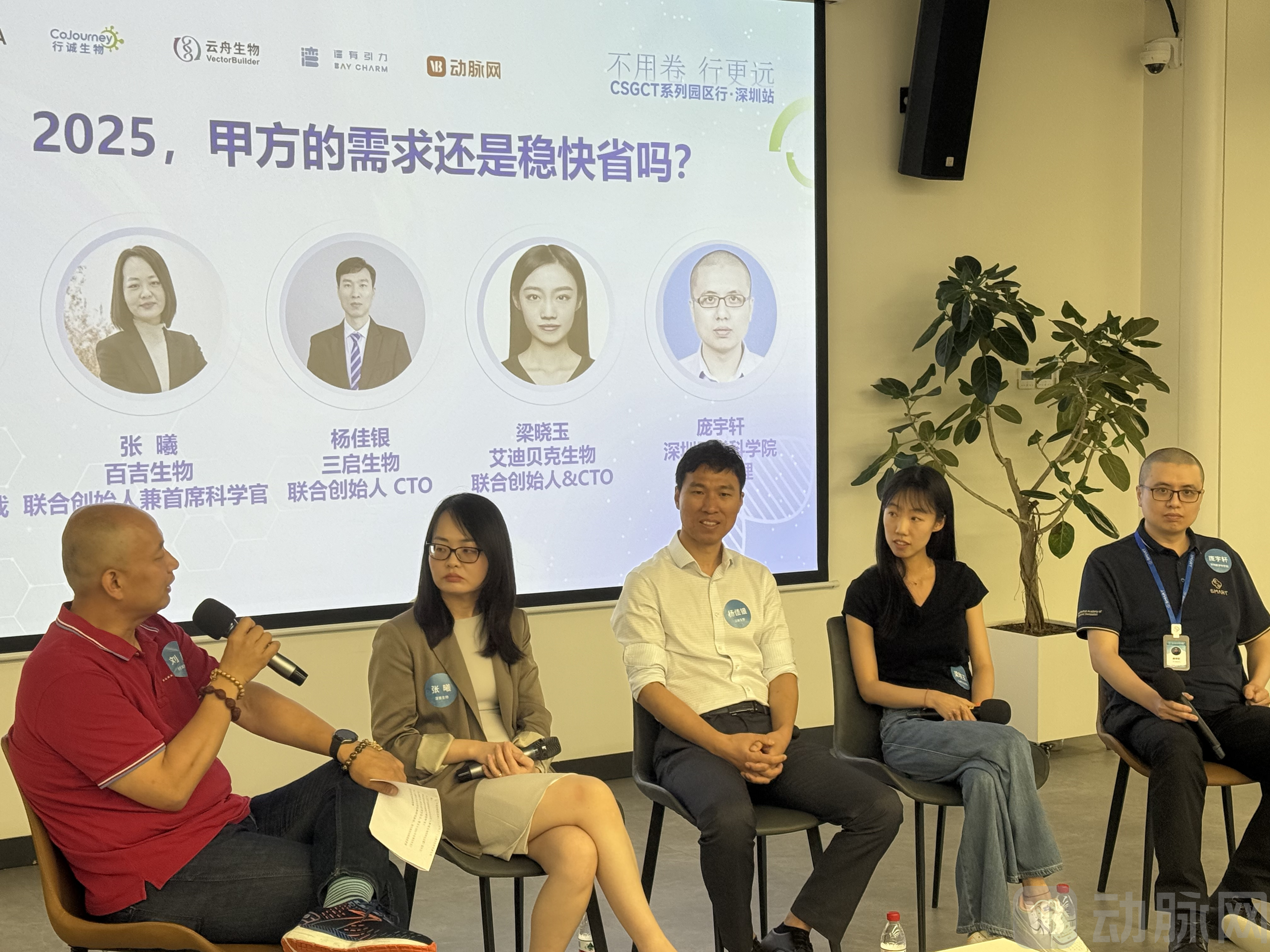
Panel 2-2025: Are the Client’s Demands Still Stability, Speed, and Cost-Efficiency?
Panel 3 of this event is themed “How Can Investors Empower High-Quality Corporate Development?”,Zhang Yang, Director of the Healthcare Industry Group at CITIC SecuritiesServing as the moderator,Assistant General Manager and Vice President of Investment at Yanghe Investment, Fu Chao; Chairman of Huayuan Regenerative Medicine, Zheng Lixin; CEO of Inno Immune, Wang Mingjun; Zhao Xuxiang from Shuimu Xingchen BiopharmaceuticalsFour panelists shared their insightful perspectives on the topic, drawing from their institutions’ own investment cases. Fu Chao stated that while the future is bright, the path ahead will be winding; as the pharmaceutical industry operates on a long-term cycle, both investors and industry practitioners need to maintain patience. Zheng Lixin noted that the Phase III clinical trials of VX-880, the world’s first stem cell therapy developed for Type 1 Diabetes (T1D), are progressing smoothly, and the number of domestic iPSC pipelines is expanding rapidly. He expressed optimism about the future development of the stem cell therapy industry. Wang Mingjun used actual financing and investment cases to demonstrate how professional investors can help startup teams address their weaknesses and enhance their visibility within the industry. Zhao Xuxiang expressed his hope that investors would gain a thorough understanding of the industry and engage with companies through multiple channels and perspectives. In concluding the roundtable discussion, moderator Zhang Yang summarized that although the CGT capital market has cooled down, it continues to show overall positive performance. Modern investors need to possess four-dimensional capabilities—“capital + resources + expertise + patience”—to provide in-depth support and help companies navigate through cycles, while accurately seizing policy and market windows.
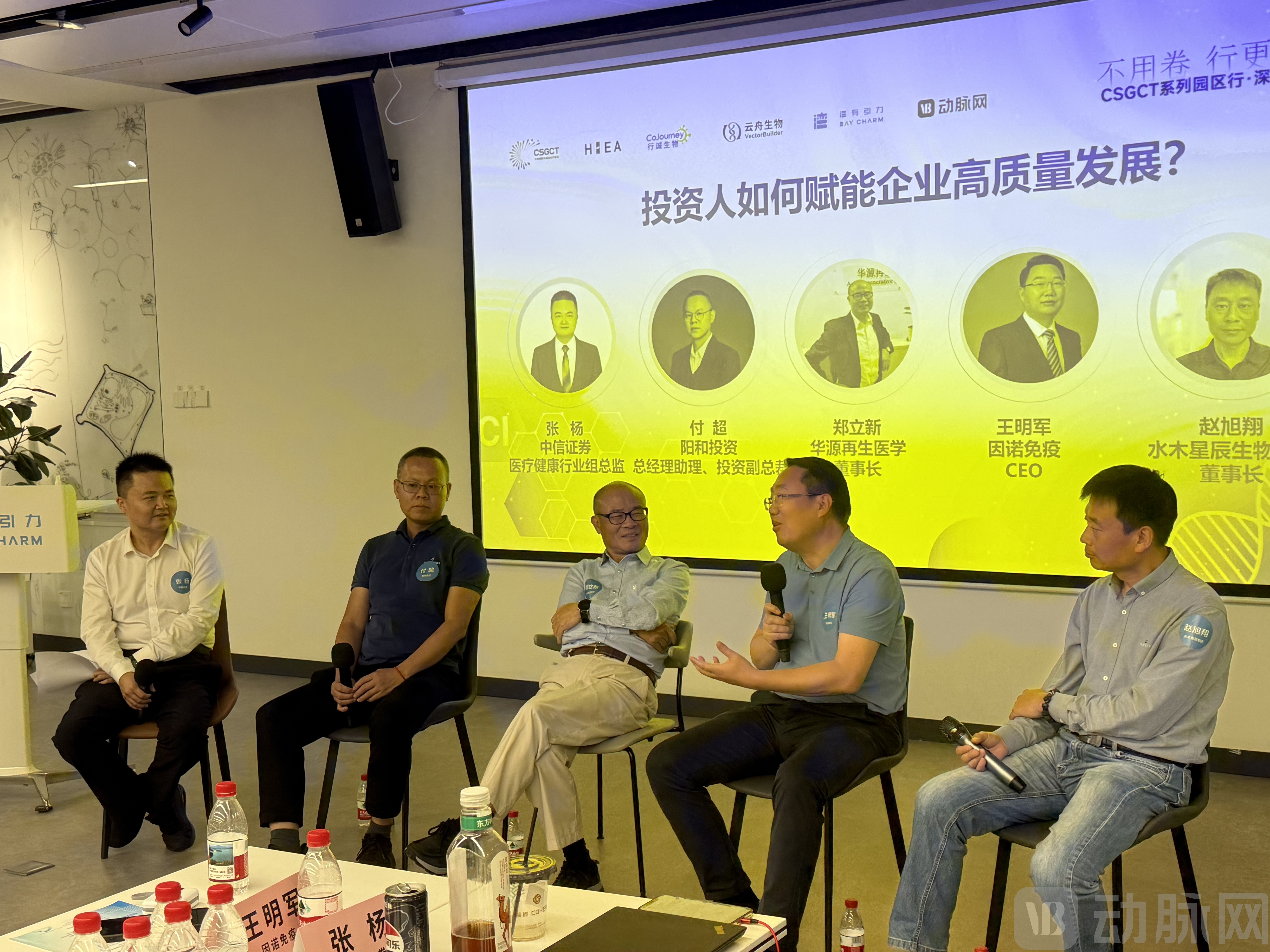
Panel 3: How Can Investors Empower High-Quality Corporate Development?
Amidst a commemorative group photo with the keynote speakers, the Shenzhen stop of the CSGCT “No Need to Compete in the Rat Race, Go Further” Campus Tour series was successfully concluded. Building on the in-depth discussions from the Guangzhou stop, the event focused on Shenzhen’s industrial characteristics and invited industry pioneers—including supply chain enterprises, CGT sponsor companies, CXO firms, and seasoned investors—to address core pain points such as quality assurance challenges, ecosystem co-construction, and capital empowerment through practical experience.
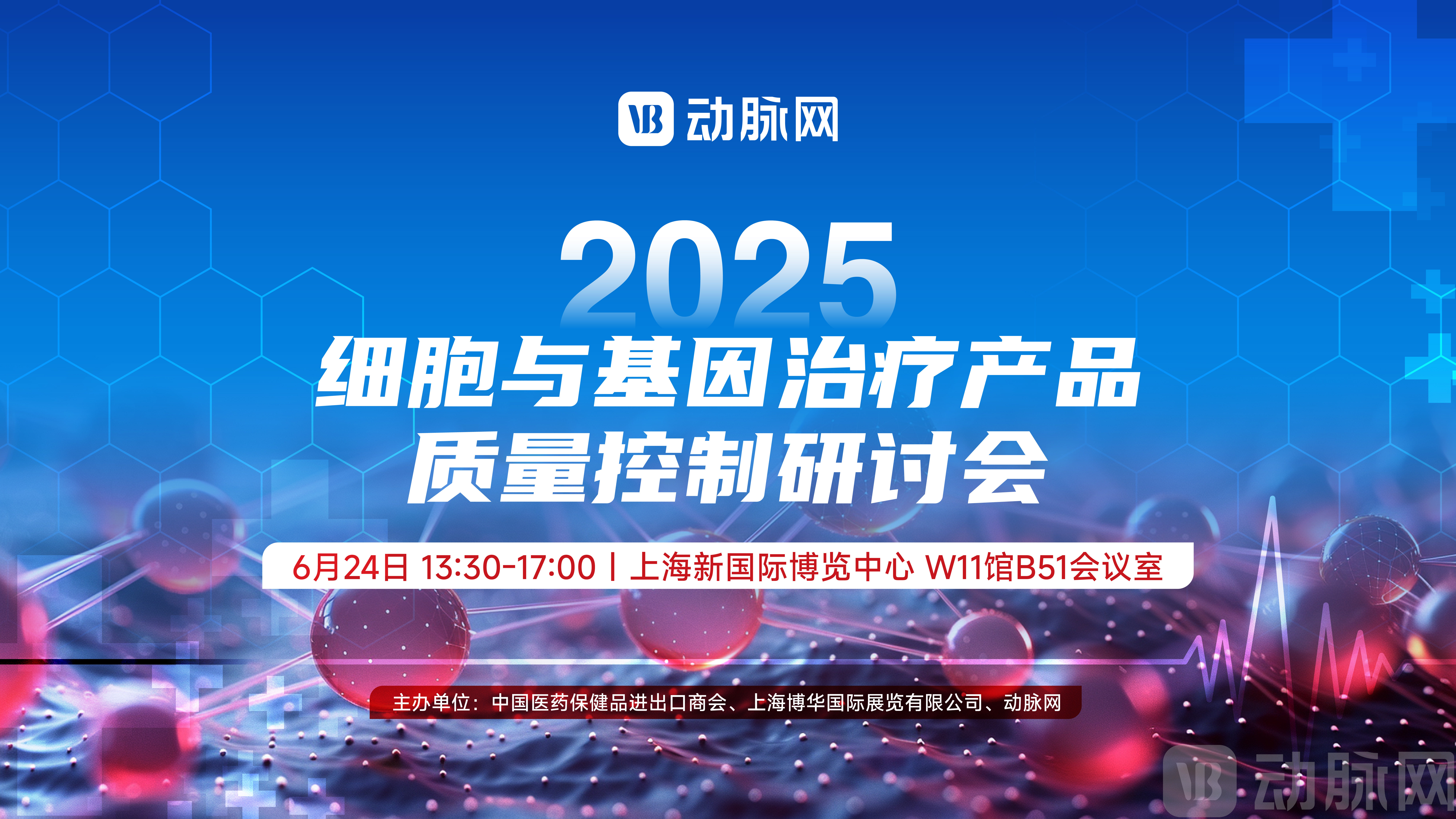
On the occasion of the 23rd CPHI China (CPHI China 2025), VCBeat has specially curatedSeminar on Quality Control of Cell and Gene Therapy Products, aiming to bring together CGT drug R&D companies, clinical trial enterprises, third-party testing service providers, and academic and research institutions to jointly address technical challenges in the development of cell and gene therapy drugs through academic and technical exchanges.
Professor Rao Chunming, Former Director of the Recombinant Drug Division at the Institute for Biological Product Control, National Institutes for Food and Drug Control (NIFDC), and Senior Researcher (Grade II)will bring"Quality Control Research and Related Regulatory Requirements for Biotechnology Drugs"related sharing.Professor Cai Rong, Former Senior Engineer at the Shanghai Institute for Testing of Food and Drug Packaging Materialswill bring"Testing Methods and Standards for Packaging Materials and Excipients Related to Laboratory-Stage Pharmaceuticals"'s relevant sharing.
Event Duration:June 24, 13:30–17:00 (Afternoon of Day 1 of CPHI)
Venue:Meeting Room B51, Hall W11, Shanghai New International Expo Center
Limited-Time Registration: Unlock Exclusive VIP Privileges!
Direct Access to the Conference!Claim your complimentary two-day business pass (valued at RMB 1,600 and including lunch for both days) to the CSGCT Conference (September 12–13, Beijing);
Limited Seats!Win a VIP seat at the CSGCT Welcome Dinner or Exclusive Cocktail Reception (valued at RMB 1,800 per person); limited spots available;
Global Insights!Join the CSGCT International Elite Community to stay ahead with cutting-edge insights;
VBInsight Experience!Get a free 7-day premium trial of VBInsight.