

Japan Showcases 'Beating Heart' Exhibit, Powered by Chinese Biotech Rewriting Heart Failure Treatment History
On June 12, renowned pharmaceutical company China Resources Sanjiu announced a strategic partnership with Nanjing Alpu Regenerative Medicine to jointly develop HiCM-188, a next-generation innovative cell therapy independently developed by the latter. Notably, this isThe First Stem Cell Drug Joint Development and Commercialization Collaboration Project Led by a Central State-Owned Enterprise。
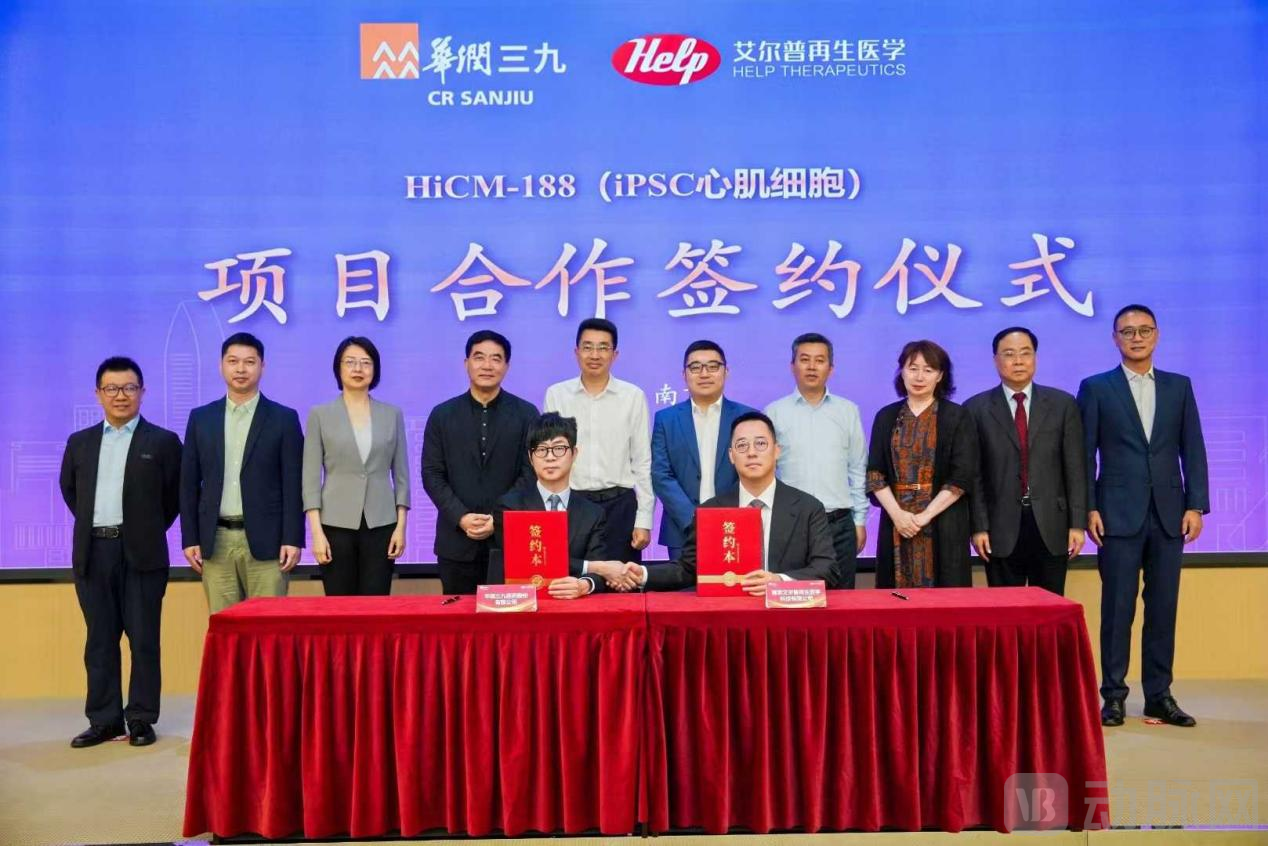
Signing Representatives: Wang Yong (left), General Manager of the R&D Center at China Resources Sanjiu; Zhou Yuan (right), Senior Vice President of Aierpu Regenerative Medicine
Academician of the Chinese Academy of Sciences Ge Junbo, Qiu Huawei, Chairman of China Resources Sanjiu, and Wang Jiaxian, Founder and CEO of Alpu Regenerative Medicine, were among those attending the ceremony.
An in-depth analysis of the stem cell new drug sector reveals that this collaboration holds significant strategic value for China Resources Sanjiu: HiCM-188, asThe world’s first innovative drug derived from human induced pluripotent stem cell (iPSC)-sourced cardiomyocytes for the treatment of heart failure to simultaneously receive clinical trial approvals in both China and the United States, featuring the largest global clinical dataset and the longest follow-up observation period.。
Regenerative medicine is currently entering a phase of clinical technological breakthroughs—the artificial "miniature heart" exhibited at the recent Osaka Expo marks a critical advancement in the translation of iPSC technology from the laboratory to clinical practice.
01
Revolutionary Therapies Emerge for Heart Failure Treatment
Heart failure is widely recognized as the "cancer" of the cardiovascular field. According to data from the World Health Organization, there are over 64 million heart failure patients worldwide, including approximately 3.2 million with end-stage disease. The five-year survival rate after a diagnosis of heart failure is less than 50%, comparable to that of malignant tumors.
In recent years, the situation regarding heart failure has become increasingly severe: there are 7 million patients in the United States, with over 500,000 new cases annually; among individuals aged 35 and above in China, approximately 13.7 million suffer from heart failure, with 2.97 million new cases each year, showing a trend toward younger onset.
Despite the unmet clinical needs on a scale of hundreds of billions, current treatments for heart failure remain suboptimal. Mainstream clinical approaches, including pharmacotherapy, interventional therapy, and coronary artery bypass grafting (CABG), may partially alleviate symptoms but fail to halt the continuous apoptosis of cardiomyocytes.
As the definitive treatment for end-stage heart failure, heart transplantation is limited in application due to an extreme scarcity of donors. The “2024 Chinese Guidelines for the Diagnosis and Treatment of Heart Failure” indicate that fewer than 1,000 heart transplant procedures are performed annually in China, accounting for only one per thousand patients with end-stage disease.
In this context, cardiomyocyte replacement therapy has emerged as a highly promising treatment approach. By replenishing fresh, functional cardiomyocytes to reverse cardiac remodeling and fundamentally restore heart function, this therapy injects a dose of “renewable fuel” into the therapeutic impasse of heart failure.
Cardiomyocyte replacement therapy is enabled by induced pluripotent stem cell (iPSC) technology, which allows for the efficient differentiation of iPSCs into high-purity cardiomyocytes in vitro, providing an ideal cell source for repairing damaged or necrotic myocardium.
In 2025, the field of heart failure treatment witnessed significant advancements. In April, Japanese cell therapy company Cuorips Inc. formally submitted to the Ministry of Health, Labour and Welfare the world’s first marketing application for an iPSC-derived myocardial sheet therapy, based on clinical trial data from only eight patients. Nevertheless, cardiomyocyte replacement therapy holds promise as a revolutionary approach poised to transform the landscape of heart failure management.
02
The Power of China in the Wave of Regenerative Medicine
iPSC technology has undergone 20 years of development from the laboratory to clinical application.
In 2006, Shinya Yamanaka’s team at Kyoto University in Japan published a landmark study in *Cell*, reporting the first generation of induced pluripotent stem cells (iPSCs) through somatic cell reprogramming. This breakthrough achievement was awarded the Nobel Prize in Physiology or Medicine in 2012.
Over the subsequent two decades, despite technological and ethical challenges, iPSC differentiation and preparation technologies have achieved significant breakthroughs in the treatment of multiple diseases.
As of 2024, global regulatory authorities have approved more than 110 clinical trials involving 83 human pluripotent stem cell (hPSC) products, covering 34 indications including cardiovascular diseases, ophthalmic disorders, central nervous system diseases, and tumors. Cumulatively, over 1,200 subjects have received treatment, with no systemic safety issues reported to date.
Focusing on the field of heart failure, clinical trials of cell therapy have undergone a key transformation in recent years: shifting from non-cardiomyocyte therapies to the development of functional cardiomyocytes.
Between 2019 and 2023, countries including China, Japan, the United States, and Germany accelerated the advancement of clinical trials for cardiomyocyte therapies. According to a review published in Cell Stem Cell (Kirkeby, A. et al., Cell Stem Cell, 2025), by the end of 2024, a total of six iPSC-derived products had entered clinical stages globally for heart failure treatment. The most advanced candidates include those from Japan’s Cuorips Inc. and Heartseed Inc., as well as China’s Alpha Regenerative Medicine.
In terms of clinical data completeness, Alpu leads with a cumulative total of 20 treated cases (accounting for more than 50% of the global volume of iPSC-derived cardiomyocyte therapy data), followed by Heartseed Inc. with 10 cases, and Cuorips Inc. in third place with 8 cases. Although Cuorips Inc.’s therapy in Japan has entered the marketing application stage (while Alpu’s HiCM-188 is in Phase II clinical trials in China and has initiated Phase I clinical trials in the United States), this disparity in progress actually stems from China’s pioneering contributions at key milestones.
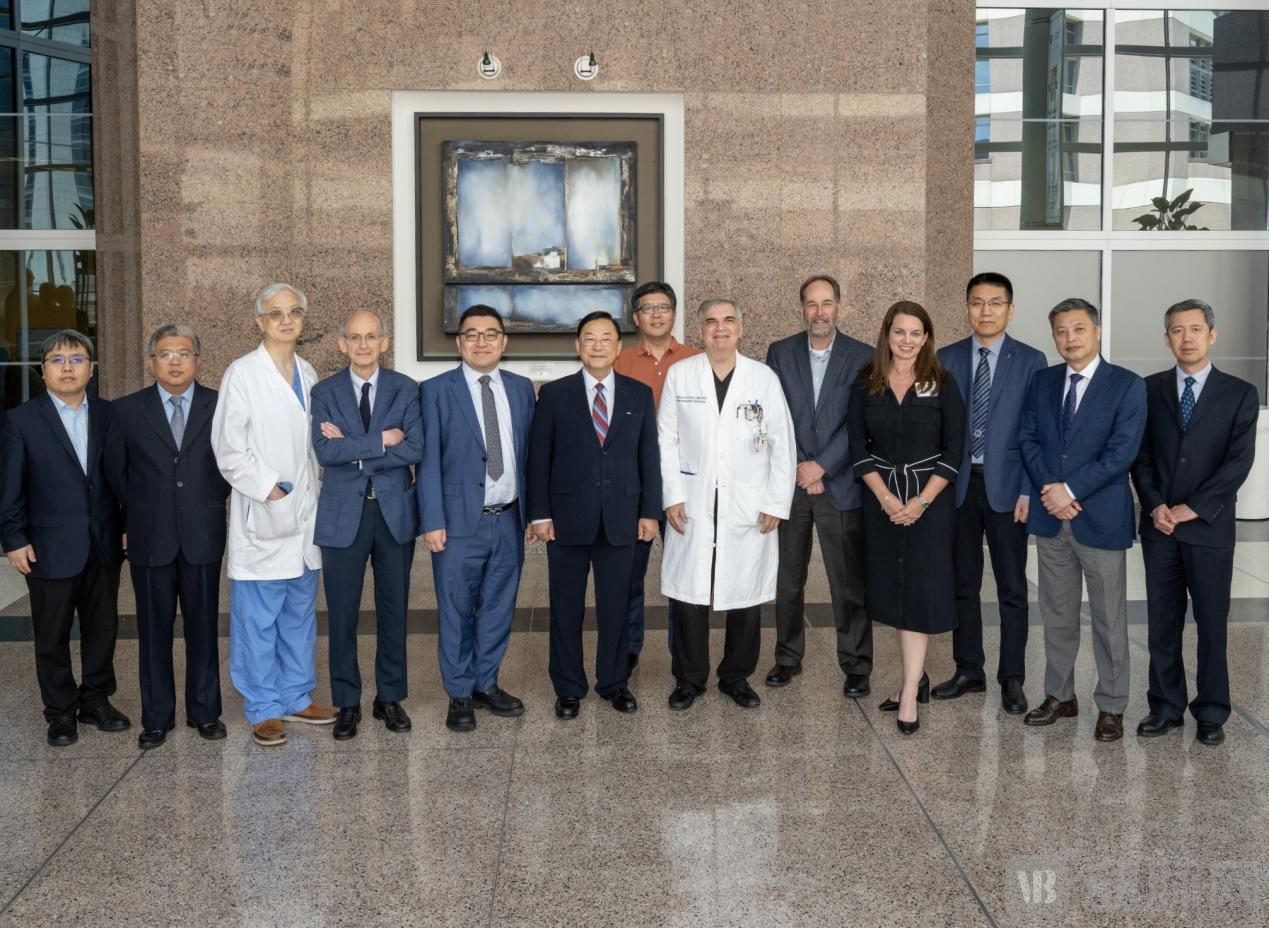
Figure: Elp Regenerative Medicine’s iPSC Heart Failure Pipeline Principal Investigators in China and the United States. Liu Xiaocheng, Director of Tianjin TEDA International Cardiovascular Hospital (sixth from left), and Emerson Perin of the Texas Heart Institute (sixth from right)
In 2020, Nature published the world’s first one-year follow-up case of a heart failure patient treated using iPSC technology, a milestone achieved through a collaboration between Nanjing Drum Tower Hospital and Alpha Regenerative Medicine. This achievement marked a paradigm shift in heart failure therapy, transitioning from “passive repair” to an era of “active regeneration.”
In 2025, the four-year follow-up data for the world’s first induced pluripotent stem cell (iPSC)-derived cardiomyocyte therapy (HiCM-188) for end-stage heart failure was once again published in a JACC subsidiary journal. These findings not only provide the longest-term safety validation in the field of cardiac regenerative therapy but also demonstrate significant improvement in cardiac function. Notably, there was a significant spatial correlation between regions of enhanced myocardial contraction and the cell transplantation sites, with no serious adverse events related to transplantation observed.
This study, published in a top-tier academic journal, has garnered widespread attention in the field of cardiac regenerative medicine. As the world’s first “off-the-shelf” cell therapy drug for heart failure to simultaneously receive Investigational New Drug (IND) approval from both China and the United States, HiCM-188 is currently undergoing clinical trials at multiple centers across China, offering a breakthrough treatment option for patients with heart failure.
Furthermore, current clinical trials of cell therapy for heart failure are exploring diverse delivery strategies, including innovative implantation routes (such as transcatheter endocardial injection), novel cell products (such as epicardial myocardial patches), and cell-free therapies (such as exosome vesicles/secretome).
The technological wave of regenerative medicine continues to surge forward.
03
Global Regulatory Divergence in iPSC Technology
Global iPSC Technology Development Exhibits Significant Regulatory Divergence:
United States FDA Openness to Innovative Therapies: The Center for Biologics Evaluation and Research (CBER) established the Office of Tissues and Advanced Therapies to accelerate the review and approval of stem cell products; the 21st Century Cures Act of 2016 created a dedicated Regenerative Medicine Advanced Therapy (RMAT) designation pathway to shorten the approval cycle.
European UnionAdopting a more conservative overarching regulatory framework: iPSC products are classified as Advanced Therapy Medicinal Products (ATMPs) and undergo centralized review by the EMA’s Committee for Advanced Therapies. This risk-stratification system requires comprehensive data spanning the entire chain from cell sourcing to manufacturing processes; while it ensures safety, the average approval cycle extends to two years.
JapanGaining a first-mover advantage through its flexible regulatory framework: Achieving efficient translation via a dual-track policy—opening clinical research in medical institutions under the Framework Act on Regenerative Medicine, while implementing stringent approval processes for commercialized products such as new stem cell drugs under the Pharmaceuticals and Medical Devices Act. This “deregulation of technology + strict control of products” model has significantly accelerated the approval process. More critically, Japanese regulators have innovatively established a “conditional and time-limited approval” mechanism. For therapies addressing unmet clinical needs in serious disease areas (such as end-stage heart failure), conditional marketing authorization is granted based on early positive data, with post-marketing requirements to continuously verify efficacy and safety. This strategy has effectively shortened the time-to-market for innovative therapies, explaining why Japanese companies like Cuorips, despite initiating clinical trials later, have been able to rapidly advance to the marketing application stage.
ChinaAdopting a Regulatory Pathway of "Prudent Innovation": Prior to 2008, the state strongly supported clinical research and applications of stem cells, leading to widespread irregularities under a lax regulatory environment. In 2009, the former Ministry of Health issued the Administrative Measures for the Clinical Application of Medical Technologies, classifying cell therapy as a "Category III medical technology," which caused the registration and approval of cell-based drugs (primarily mesenchymal stem cells) to hit a low point. In 2017, the development pathway for stem cell pharmaceuticals was clarified, beginning to align with international standards, and China’s cell therapy industry genuinely began to adopt drug-development approaches in its R&D efforts. In 2019, the National Health Commission implemented a dual filing system for both stem cell clinical research institutions and projects, establishing a dual-track regulatory framework similar to that of Japan. Although the approval cycle remains longer than in Japan, cell therapies have since continued to emerge, and the industry has entered a stage of standardized, rapid development.
According to Frost & Sullivan data, China accounts for 23% of the more than 100 iPSC clinical trials approved globally, establishing a significant leading advantage in fields such as cardiovascular and cerebrovascular diseases. As a domestic leader in iPSC cell therapy, Aierpu Regenerative Medicine has achieved global leadership with its iPSC cardiomyocyte therapy, which features the first dual IND approval in China and the U.S., the largest-scale clinical validation, and the longest observation period, thereby attracting substantial attention from both the academic and investment communities. Notably, the company is building a "Super Cell Factory" and independently developing fully automated cell manufacturing and quality control production lines. This initiative drives the industry's transition from "workshop-style" manual preparation to intelligent, AI-enabled large-scale production, significantly reducing costs and improving patient accessibility while enhancing capacity and ensuring quality. This fully intelligent production line was successfully selected for display at the National "13th Five-Year Plan" Scientific and Technological Innovation Achievements Exhibition in 2021.
Technological Advancement Driven by Policy and Capital: Since 2020, the Center for Drug Evaluation (CDE) of the National Medical Products Administration has successively issued documents such as the "Technical Guidelines for Pharmaceutical Research and Evaluation of Human-Derived Stem Cell Products (Trial)" and the "Technical Guidelines for Clinical Trials of Human-Derived Stem Cells and Their Derivative Cell Therapy Products (Trial)." These guidelines have established systematic standards for the research, development, and clinical evaluation of induced pluripotent stem cell (iPSC) products, significantly accelerating their clinical application and commercialization. Under policy guidance, the industry has formed a virtuous cycle, with capital investment becoming a core driving force. Multinational pharmaceutical companies—including Bristol Myers Squibb (BMS), Johnson & Johnson, Novo Nordisk, and Bayer—have strengthened their strategic layouts through collaborations or mergers and acquisitions. Meanwhile, domestic innovative enterprises represented by Alpha Regenerative Medicine have secured significant financing rounds, jointly promoting the technological upgrade and accelerated industrialization of iPSC research and development.
It is foreseeable that the technological breakthroughs led by Elp Regenerative Medicine have transcended the scope of traditional cell transplantation, marking the first time in human history that true cardiac regeneration has been achieved. This represents not only a scientific advancement but also a core initiative by China Resources Sanjiu (CR Sanjiu) to implement the national strategy for independent technological innovation. As a representative central state-owned enterprise, CR Sanjiu has collaborated closely with Elp Regenerative Medicine to fully accelerate the market launch of the first innovative cell therapy for heart failure with full independent intellectual property rights in China.
This not only signifies a strategic leap for China from technological catch-up to independent leadership in the frontier of global biomedicine, but also highlights the strength of “Pharma Made in China”: innovative cell therapies carry not only the hope of life for countless patients, but also embody the national responsibility of state-owned enterprises and innovative companies working in synergy to advance “self-reliance and self-strengthening in science and technology.”