

Industry-Academia-Research-Investment Leaders Converge: The Next Wave of Opportunities in Precision Medicine Unveiled at 2025 VBEF
Currently, precision medicine has evolved from a conceptual blueprint into a tangible force transforming clinical practice. Focusing on the Chinese market, the molecular diagnostics industry is experiencing rapid growth: since its nascent stage, it has developed into a trillion-yuan industrial cluster, with technological innovations in specialized sectors ranking among the global forefront. Despite this positive trajectory, the development of molecular diagnostics faces several challenges, including high costs, insufficient standardization, excessive specialization, low rates of clinical translation, and issues related to data interpretation and privacy protection.
To help industry practitioners better understand the industrial development ecosystem and facilitate high-quality exchanges on corporate pain points and potential solutions, VCBeat hosted the “Forum on the Development of Precision Medicine and Molecular Diagnostics Industry” at the 9th VBEF Conference and Top 100 Future Healthcare and Pharmaceutical Exhibition in 2025. The forum invited experts, scholars, innovative enterprises, and investment institutions from the industry to engage in in-depth discussions on cutting-edge technologies, technology transfer, and industrial investment in the fields of precision medicine and molecular diagnostics. The event aimed to promote collaboration and exchange among industry, academia, research, and investment sectors, jointly driving the development of the precision medicine and molecular diagnostics industries.
The forum was moderated by You Jianling, Investment Director at Fosun Diagnostics. Distinguished guests who attended and delivered speeches included Huang Yihua, Tenured Researcher at the Institute of Biophysics, Chinese Academy of Sciences, recipient of the National Science Fund for Distinguished Young Scholars, and leading talent under the National High-Level Personnel Special Support Program; Geng Jia, Deputy Director of the Clinical Laboratory Medicine Research Center at West China Hospital, Sichuan University; Guo Xin, Director at the Shanghai Institute for Scientific Intelligence; Zeng Xianqiu, Product Director at Dayuanqi Bio; Yang Min, Senior Program Officer at the Bill & Melinda Gates Foundation; Chen Hao, Partner at Guoqian Venture Capital; Jin Ge, CEO of Rendong Medical; Chang Tingting, Partner at Qiushi Capital and CEO of Fenghuanggu Medical; Zhao Weifang, Ecosystem Director at Fapon Biotech; Wang Dalei, Operations Director at Shanghai 3D Medicines Clinical Laboratory; and Liu Xiaowei, CEO of Jiangsu Deneng Medical.
VCBeat has curated selected content from the forum for our readers.
Keynote Speech: Titans from Industry, Academia, Research, and Investment Convene
A Multidimensional Analysis of Precision Medicine from the Perspectives of Technology, Practice, and Application
In the rapidly evolving field of precision medicine and molecular diagnostics, attendees shared in-depth insights on current technological advancements and industry demands from multiple perspectives, including “industry, academia, research, and investment.”
Dr. Yihua Huang, Tenured Principal Investigator at the Institute of Biophysics, Chinese Academy of Sciences; Recipient of the National Science Fund for Distinguished Young Scholars; Leading Talent under the National Special Support Program for High-Level Personnel, beginning with the historical development of gene sequencing technology, it provides an in-depth account of the opportunities and challenges associated with nanopore sequencing technology, revealing the underlying logic and development trends of sequencing technologies and instruments.
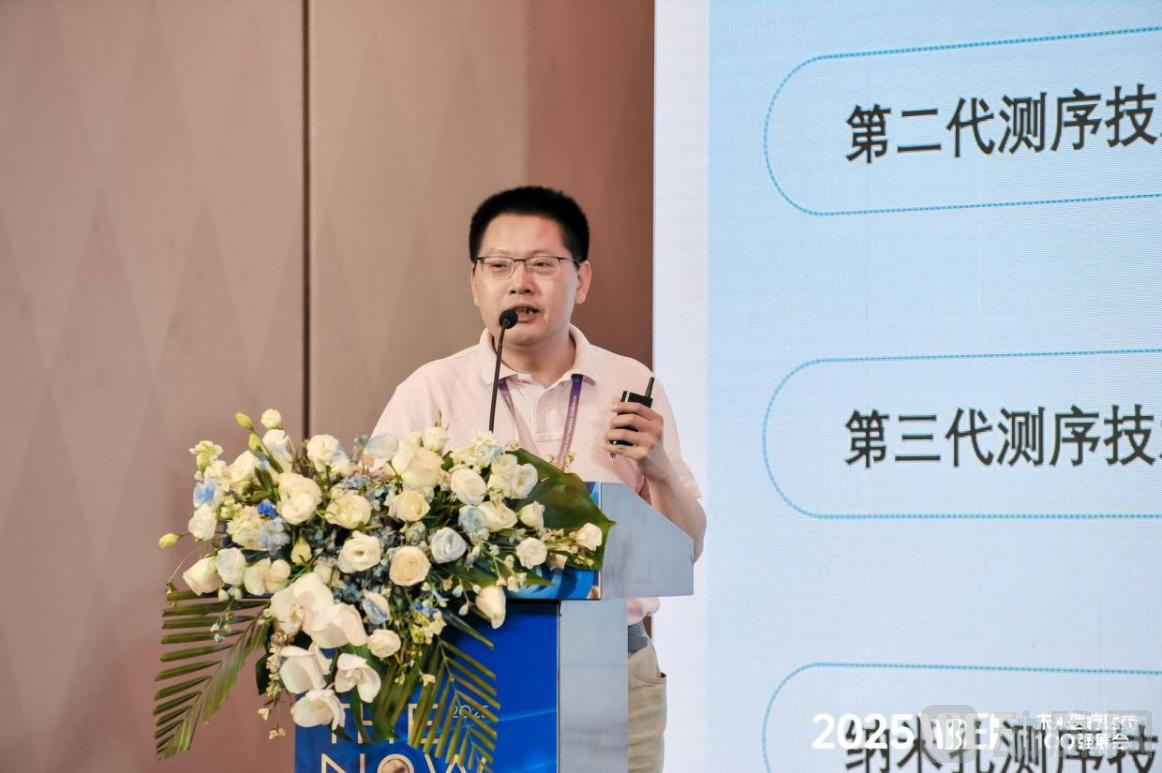
Tenured Researcher at the Institute of Biophysics, Chinese Academy of Sciences; Recipient of the National "Distinguished Young Scholars Fund";
Researcher Huang Yihua, a Leading Talent under the National Special Support Program for High-Level Personnel
Huang Yihua stated that the principles of nanopore sequencing technology confer differentiated advantages not found in other sequencing technologies.
First, nanopore sequencing technology has overcome the limitations of sequencing read length, enabling the detection of entire nucleic acid sequences as they pass through the nanopore. The sequencing length is constrained only by the length of the single-stranded DNA being sequenced; therefore, in theory, the read length can be infinitely long. In practical applications, nanopore sequencers have already achieved read lengths ranging from tens to millions of bases.
Secondly, compared with traditional RNA sequencing methods that rely on reverse transcribing RNA into DNA, nanopore direct RNA sequencing technology eliminates the need for reverse transcription, enabling direct sequencing of various native RNAs and their epigenetic modifications. This technique fully preserves original sequence information and modification characteristics, avoids biases introduced by PCR amplification, and thereby provides a more authentic profile of gene expression.
Furthermore, nanopore sequencing technology offers the advantage of rapid sequencing. Using this technique, DNA can pass through nanopores at a rate of hundreds of bases per second. Nanopore sequencing is currently the only sequencing method that does not require labeling of the substrate. It features lower costs compared to third-generation sequencing technologies, portable instrumentation, and minimal environmental dependence, enabling sequencing in laboratories, field settings, and even in space capsules or marine vessels.
Professor Geng Jia, Deputy Director of the Clinical Laboratory Medicine Research Center, West China Hospital, Sichuan University,Grounded in real-world clinical pain points and needs, the team presented its recent research and achievements to the audience, highlighting the substantial clinical opportunities offered by single-molecule biosensing technologies, exemplified by nanopore sequencing.
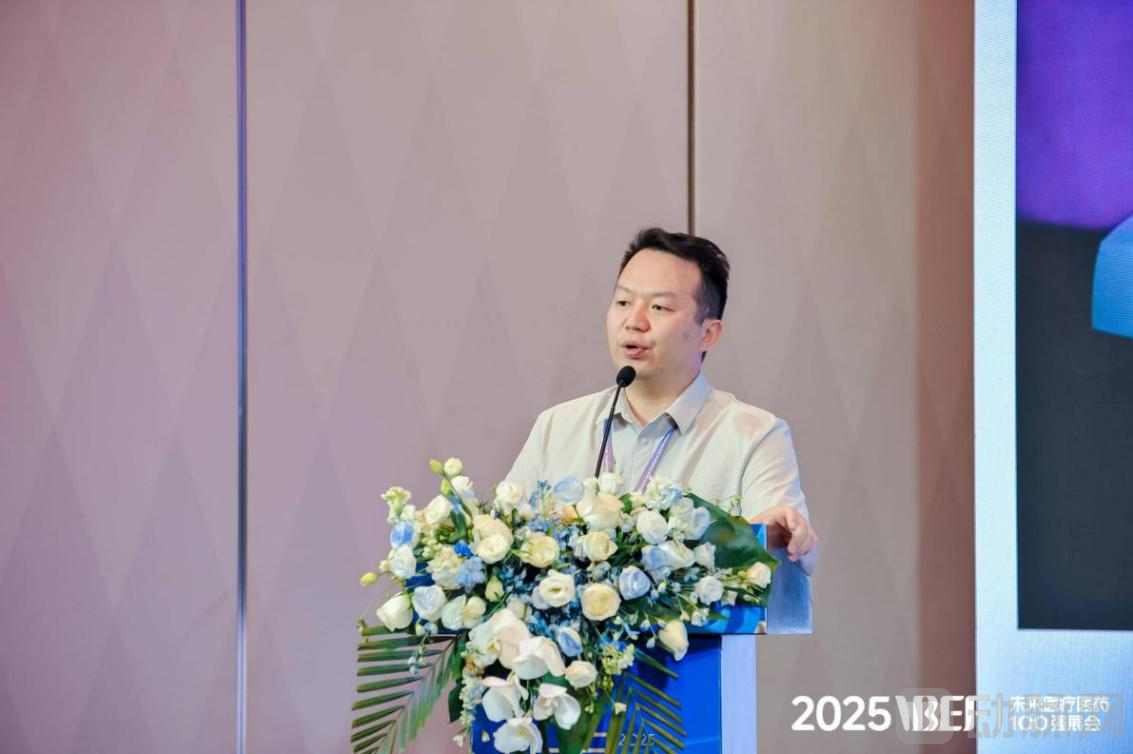
Geng Jia, Deputy Director of the Clinical Laboratory Medicine Research Center, West China Hospital, Sichuan University
Geng Jia stated that nanopore gene sequencing technology currently provides a convenient tool for genomics and precision medicine. However, the detailed structures and functions of most of the more than one million proteins in the human body, which are closely linked to health and disease, remain unknown, creating an urgent need for new technologies for de novo single-molecule protein sequencing. The structural complexity of proteins is far greater than that of DNA; the signal complexity generated by combinations of 20 amino acids is significantly higher than that of the four deoxyribonucleotides, posing substantial technical challenges. Therefore, if individual amino acid molecules produced by peptide hydrolysis can be detected, the difficulty of signal recognition would be greatly reduced.
To achieve highly accurate single-molecule detection of the 20 proteinogenic amino acids, Professor Geng Jia and Professor Chen Lu’s team jointly proposed and validated a nanopore exopeptidase-based method for real-time polypeptide sequencing. This approach enables high-sensitivity, label-free, real-time detection of all 20 natural amino acids, providing a viable pathway toward single-molecule protein sequencing. Assisted by machine learning algorithms, the signal recognition accuracy reaches 99.1%. The related findings were published as a cover article in Nature Methods in 2024. Additionally, the team has developed a technology for real-time in vivo monitoring of single-molecule drug concentrations based on nanopore sensors.
Guo Xin, Principal Researcher at the Shanghai Institute for Scientific Intelligence,It provides an in-depth account of how the Nüwa Life Science series of large models brings new possibilities to life science research and drug development.
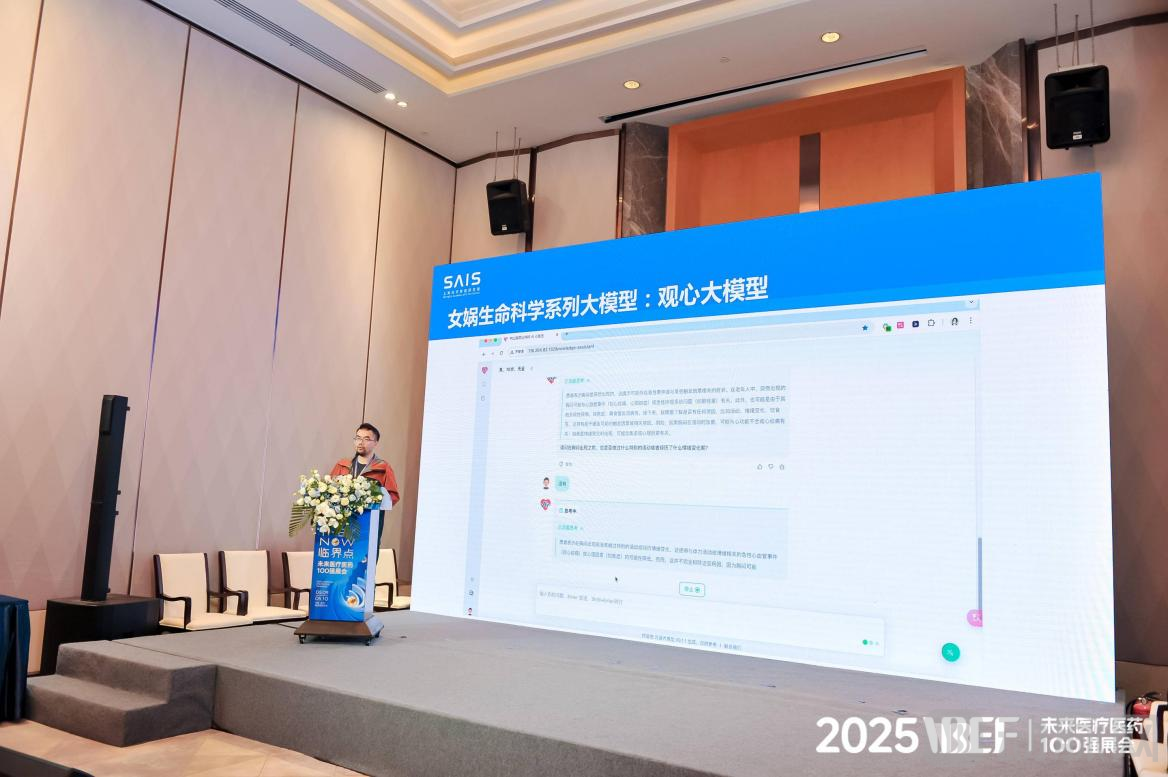
Guo Xin, Principal Investigator at the Shanghai Institute of Scientific Intelligence
Guo Xin stated that the Nüwa Life Science series of large models is grounded in the cross-scale, multi-omics, and dynamic complex system nature of life sciences. By focusing on two foundational scenarios—microscopic biomolecules and macroscopic phenotypes—the series aims to provide foundational model capabilities for product platforms such as innovative gene-based drug R&D, dynamic protein structure resolution, and digital twin diagnostics and treatment, thereby offering new perspectives and methodologies for life science research. Based on the Nüwa Life Science series of large models, researchers can achieve de novo design of multi-omic biomolecules by combining large-scale unsupervised pretraining with generative artificial intelligence; they can also perform efficient and precise physical field simulations by integrating physical principles with advanced computational architectures.
At the microscopic level, “Nuwa” provides an in-depth analysis of the origins and key processes of life by modeling gene sequences and gene expression. Through the design and optimization of gene sequences, nucleic acid therapeutics can be developed, offering new possibilities for treating rare genetic disorders, hepatitis B, HIV, and other diseases. Furthermore, modeling gene expression enables the characterization of gene activity profiles across different disease states, providing critical support for elucidating disease mechanisms and identifying novel therapeutic targets. This approach holds promise for uncovering new targets for major diseases with previously unclear pathogenesis, such as Parkinson’s disease, thereby addressing key bottlenecks in innovative drug development.
At the macro level, “Nuwa” achieves a comprehensive analysis of human disease phenotypes by modeling human CT-PET imaging data in conjunction with molecular-level modeling results. For instance, associative modeling of pathological images and spatial transcriptomics results, along with correlational studies linking MRI-CT imaging from large biobanks to patient proteomic and genomic sequencing data, can provide new perspectives and methodologies for disease diagnosis and treatment.
Zeng Xianqiu, Product Director at Dayuanqi Biotech,From an industry perspective, it outlines the current status of high-throughput sequencing in pathogen diagnosis, as well as the advantages and pain points of related products.
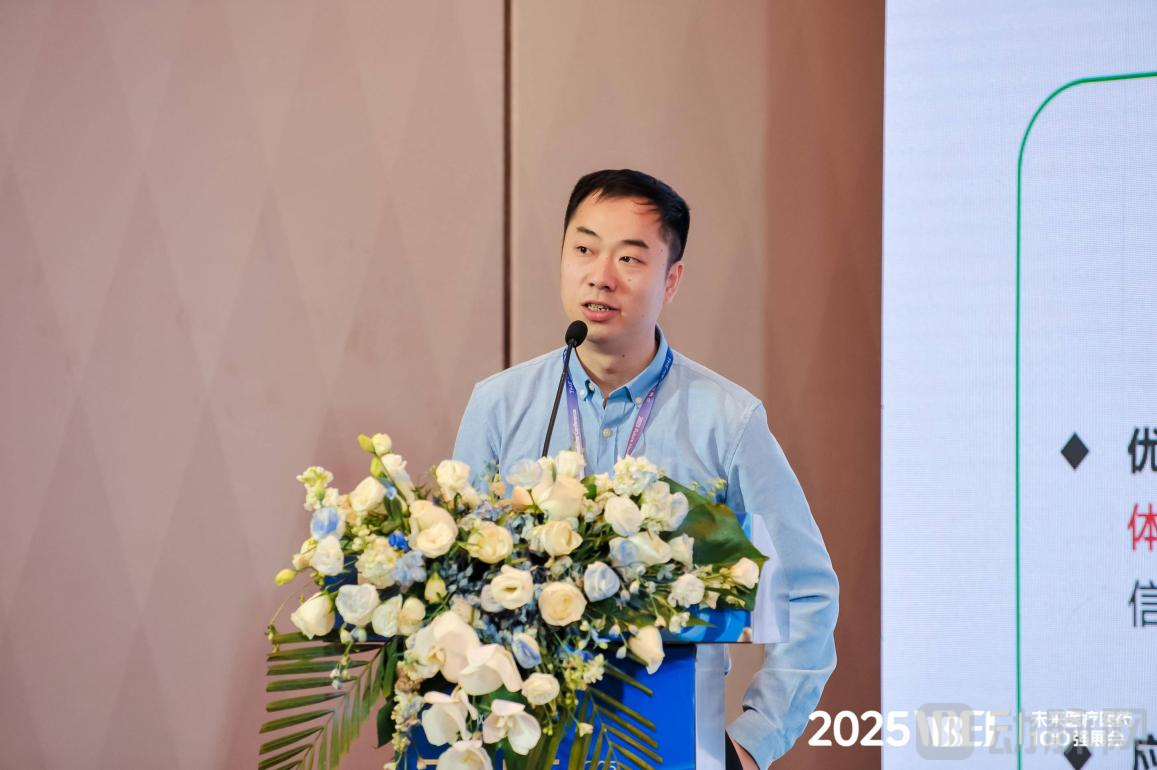
Zeng Xianqiu, Product Director at Dayuanqi Bio
Zeng Xianqiu stated that the rapid development of targeted next-generation sequencing (tNGS) has led to significant product heterogeneity. Evaluation data from the National Institutes for Food and Drug Control (NIFDC), in collaboration with 11 institutions, revealed substantial variations among tNGS kits from different manufacturers in key performance indicators such as sensitivity, specificity, and reproducibility. For instance, only two institutions achieved a 100% positive agreement rate in high-concentration reference material testing, while some reagents exhibited false-positive rates as high as 30%, with coefficients of variation for reproducibility approaching 70%. This highlights to clinicians that test results may fluctuate depending on the reagent selected, necessitating cautious interpretation in conjunction with laboratory quality control capabilities.
This underscores the importance of industry standardization. Currently, there are differing perspectives and standards within the industry regarding the application of tNGS and mNGS. However, all differentiated testing technologies and products that emerge in the early stages tend to gradually move toward standardization and industrialization over time. In this context, the industry chain must work collaboratively to jointly establish standards and address key industry pain points, thereby accelerating industry standardization as well as product optimization and iteration.
Yang Min, Senior Program Officer at the Bill & Melinda Gates Foundation,From multiple dimensions, including innovation and demand, it outlines the challenges and key considerations on the path to global expansion.
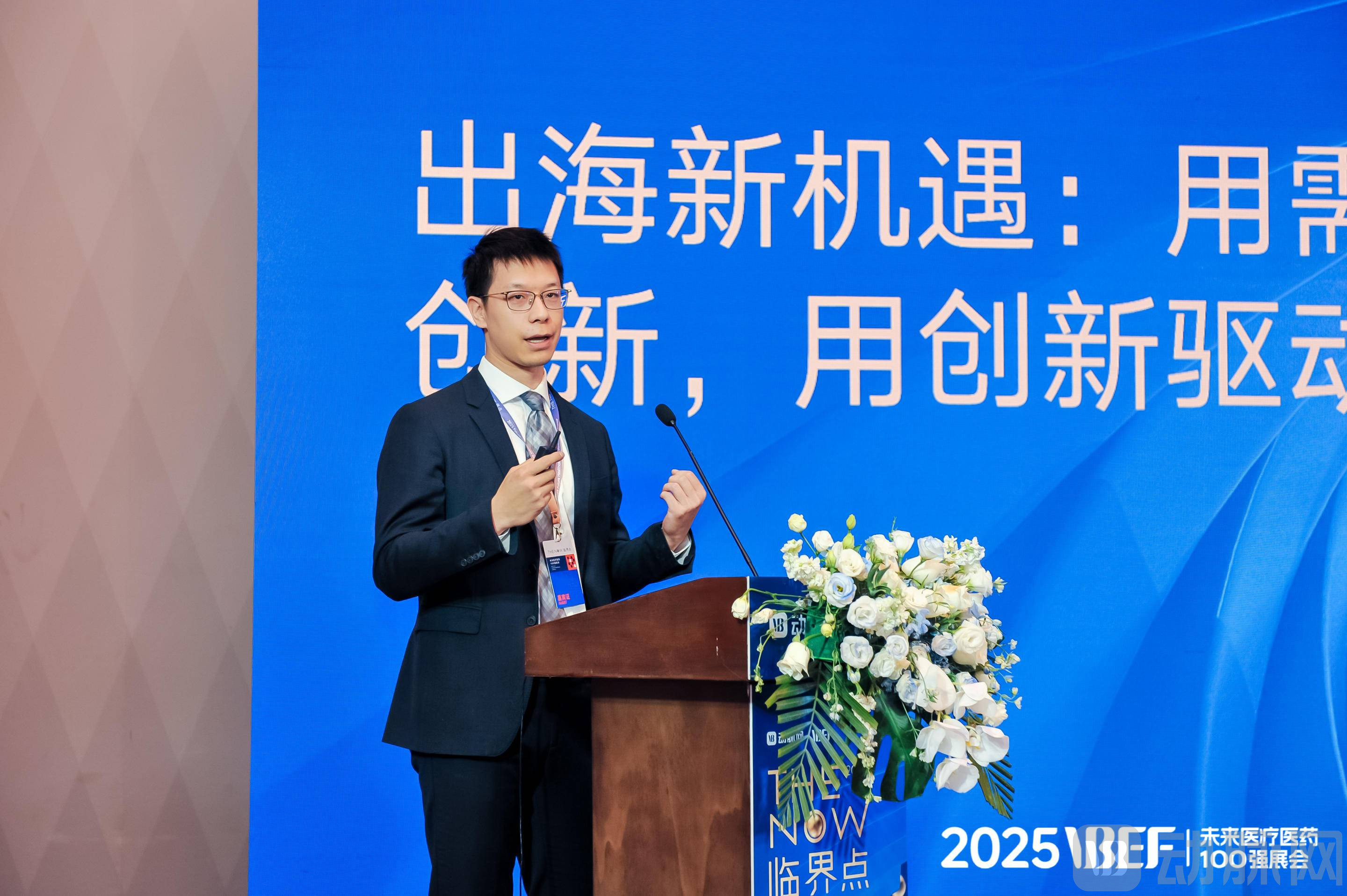
Yang Min, Senior Program Officer at the Bill & Melinda Gates Foundation
Yang Min pointed out that challenges may arise at every stage of the global expansion journey, and he shared four key points for going global with the audience.
The first point is "demand-oriented": although the direction of innovation can span any dimension, industry resources are limited; therefore, we need to optimize molecular diagnostic products in terms of cost, price, size, and other aspects based on actual needs.
The second point is “Innovation as an Entry Point”: Micro-innovations are equally important as disruptive innovations. For instance, a change or innovation in sample type can significantly alter diagnostic and treatment approaches and outcomes. Taking tuberculosis (TB) testing as an example, approximately 50% of TB patients have subclinical infections, meaning they do not produce sputum or exhibit obvious clinical symptoms. However, the current gold standard for TB diagnosis relies on sputum samples. In this context, if companies develop diagnostic instruments for TB using non-sputum samples, they would address a genuine pain point in the industry.
The third point is that “the public sector market is crucial, and international aid cannot be overlooked.” In reality, when many Chinese companies speak of “going global,” they are not referring to expansion into Europe and the United States, but rather into low- and middle-income countries. In these low-income nations, international aid accounts for up to 30% of local healthcare expenditures. International aid not only lays the foundation for diagnostic and treatment practices in these countries but also facilitates the adoption of internationally standardized clinical protocols within their local healthcare industries.
The fourth point is “seeking collaboration with international organizations, academic institutions, and local government agencies.” Of course, external assistance is limited, as international organizations and healthcare institutions have constrained resources and may prioritize projects focused on infectious diseases or maternal and child health. Therefore, when advancing their initiatives, such enterprises should consider partnering with international organizations and academic institutions. Collaborating with international development funds, non-profit NGOs, and other entities can provide access to relevant financial and technical support, thereby accelerating the delivery of accessible products to patients.
Chen Hao, Partner at Guoqian Venture Capital,He delivered a presentation titled “Navigating Cycles: The ‘Recession-Resistant’ Logic and Innovation Dividends of Genetic Testing Investments,” providing an in-depth analysis of his insights into current investment opportunities in genetic testing and his outlook on future development trends.
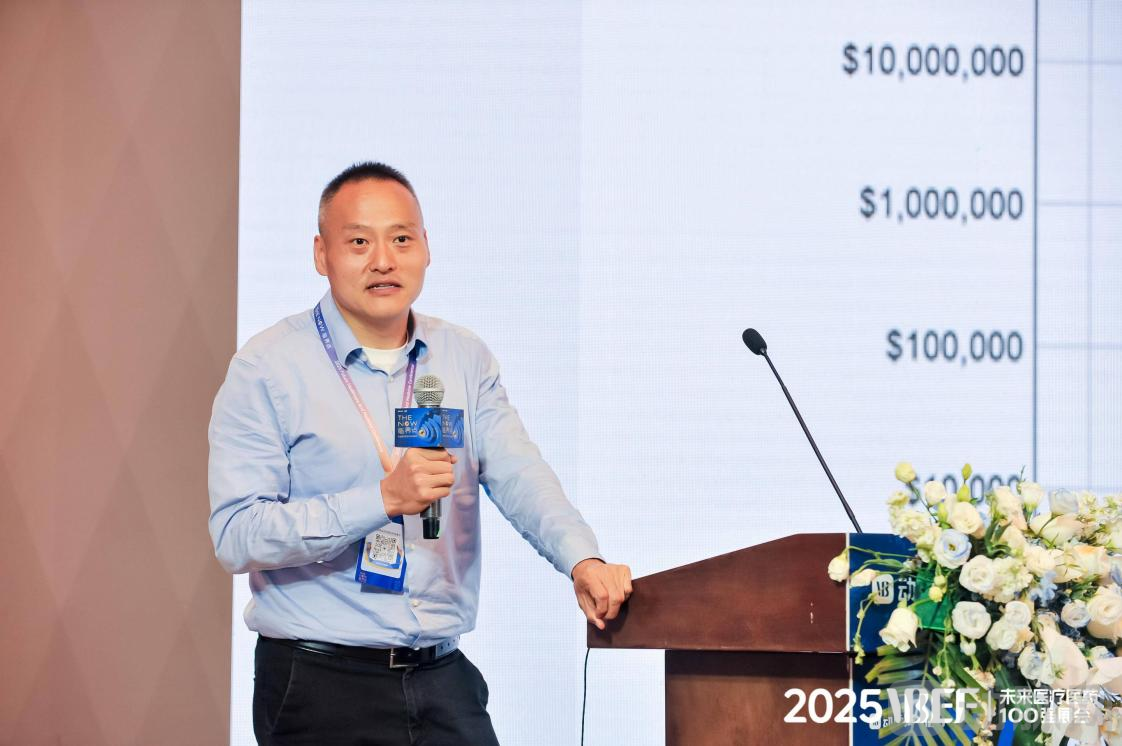
Chen Hao, Partner at Guoqian Venture Capital
Chen Hao pointed out that the market overheating in previous years led to a massive influx of capital, creating significant bubbles. Recently, market sentiment has softened, and companies are seeking new directions for development. However, this is not necessarily detrimental to the industry overall. Following the previous wave of substantial investment and production, costs in the genetic testing sector have continued to decline, while increased automation and the integration of AI technologies have improved testing efficiency and accuracy. Furthermore, raw material prices have dropped significantly in the post-pandemic era, and the strong performance of China’s manufacturing capabilities has spurred the emergence of automated platforms. Genetic testing has gradually evolved from an inaccessible technology into one that is widely accessible.
Furthermore, the improvement of policy and regulatory frameworks has provided safeguards for the healthy development of the industry. In recent years, national policy and regulation have continuously advanced. From the initial difficulties in approving PCR test kits to the current certification of innovative NGS products, this regulatory breakthrough has opened up new opportunities for industry growth. The approval and market launch of numerous innovative products have accelerated the industry’s progress toward commercialization.
Overall, in the course of the globalization of precision medicine, the genetic testing industry is facing dual opportunities and challenges: as the core support of precision medicine, its application fields are continuously expanding, and market demand is becoming increasingly diversified; while intensified industry competition, accelerated technological iteration, and stricter policy supervision have jointly exacerbated cyclical fluctuations in the market. How to navigate through the fog of cycles and anchor long-term value has become the key to industrial breakthroughs.
Jin Ge, CEO of Rendong Medicine,Centered on the theme “Practice of Precision Medicine in Urology,” we discussed technological advances and application prospects in the precise diagnosis and treatment of urological diseases.
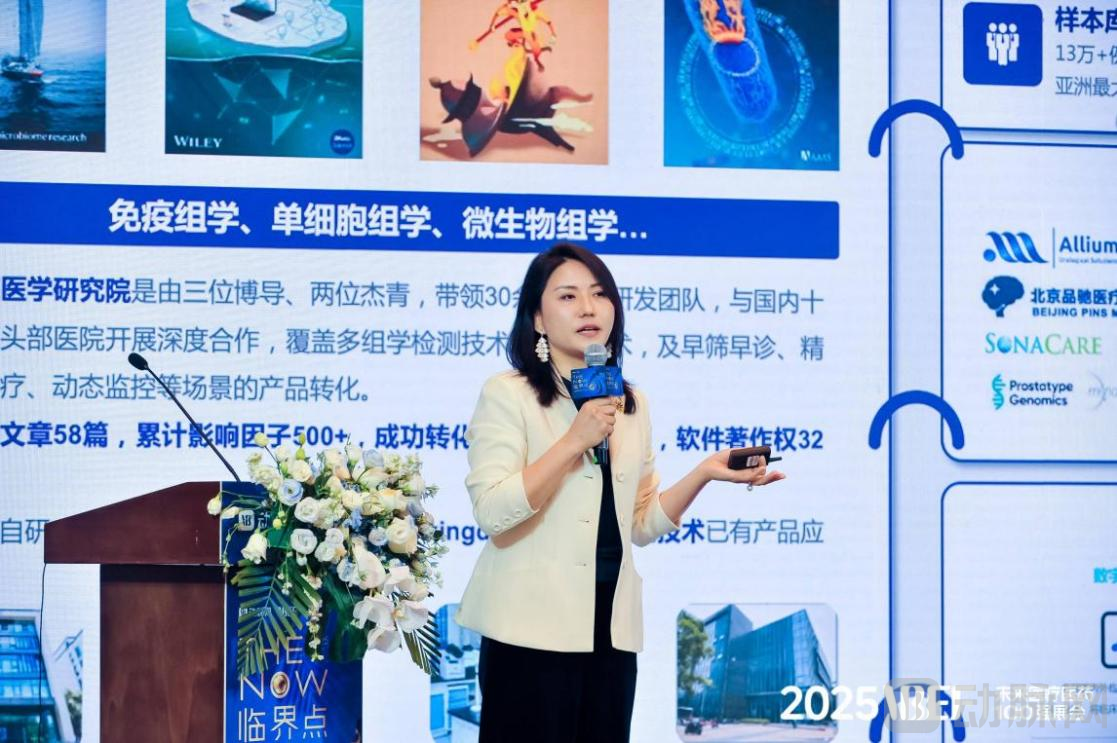
Jin Ge, CEO of Rendong Medicine
Jin Ge pointed out that through years of practice, RenDong Medicine has accumulated a vast amount of omics data, including genomics, transcriptomics, proteomics, and metabolomics. These data provide a solid foundation for the precise diagnosis of urological diseases. For instance, in the diagnosis of prostate cancer, RenDong Medicine conducted genomic studies on Asian populations and identified CDK12, a high-frequency mutation specific to Asian prostate cancer patients. The company further validated the concordance rate of this mutation between late-stage prostate cancer tissue and blood samples at 91.7%. This discovery not only provides a new biomarker for the precise diagnosis of prostate cancer but also offers an important basis for subsequent personalized treatment plans. More importantly, leveraging data accumulated over the past decade, RenDong Medicine has established the largest prostate cancer database and urothelial carcinoma database in Asia, laying a robust foundation for future research and development in precision medicine.
In the specialized field of urology, Rendo Medicine’s competitive edge is further demonstrated by its status as a research-driven enterprise advancing toward integrated diagnosis and therapy. By integrating diagnostic, therapeutic, and management services, the company not only enhances the efficiency and quality of healthcare delivery but also provides patients with a more convenient medical experience. To achieve this objective, Rendo Medicine has established a complete industrial chain comprising a research institute, a clinical laboratory, an in vitro diagnostic (IVD) kit manufacturing company, and a medical device sales company. Through the synergistic development of this industrial chain, Rendo Medicine is able to offer one-stop medical services to patients with urological diseases.
Roundtable Discussion: From an Ecological Perspective,
Confronting the Opportunities and Challenges in Precision Medicine and Molecular Diagnostics
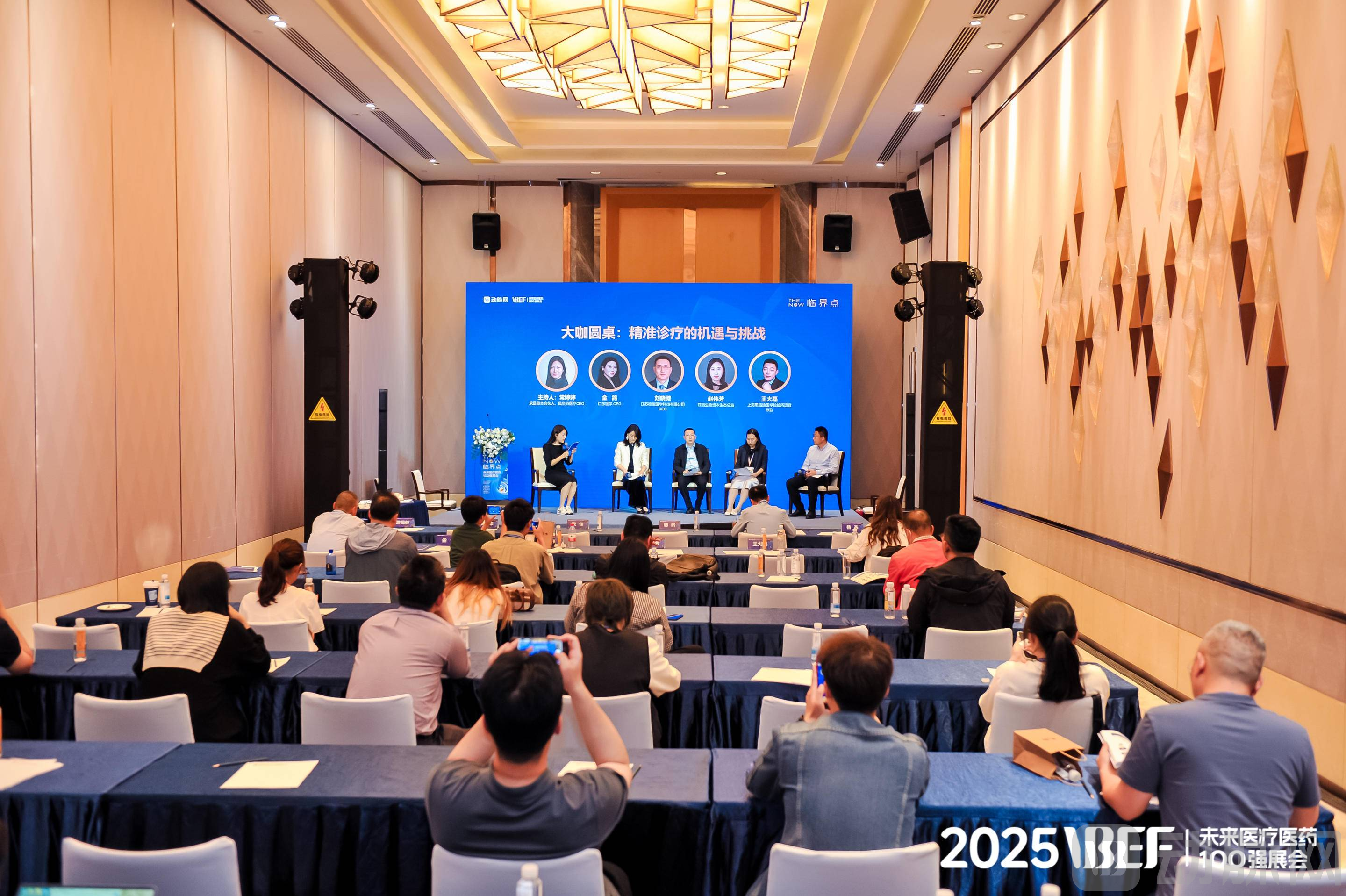
The forum featured a roundtable discussion moderated by Chang Tingting, Partner at Qiushi Capital and CEO of Fenghuang Valley Medical. The panelists included Jin Ge, CEO of Rendong Medicine; Zhao Weifang, Director of Capital Ecosystem at Fapon Biotech; Wang Dalei, Operations Director at Shanghai 3DMed Clinical Laboratory; and Liu Xiaowei, CEO of Jiangsu Deneng Medical Technology Co., Ltd. The guests shared their insights on “Opportunities and Challenges in Precision Diagnosis and Treatment.”
Jin Ge, CEO of Rendong MedicineIt stated that for new products, there is significant uncertainty regarding their inclusion in the national medical insurance scheme within a short timeframe, successful expansion into overseas markets, or extensive coverage by commercial insurance. In such circumstances, we must plan and strategize based on our industry insights during the early stages and throughout the development process, making continuous adjustments to launch products that can establish a self-sustaining commercial loop. Only in this way can we maintain forward momentum amidst the current capital winter.
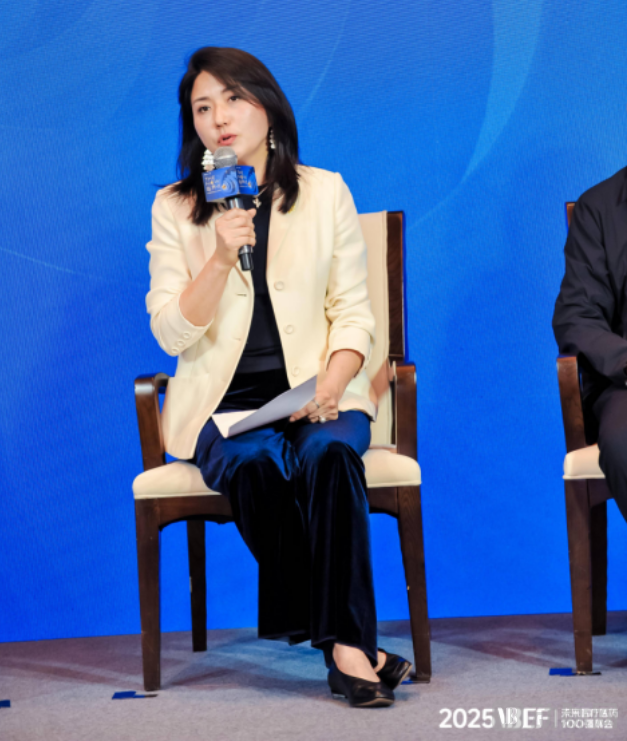
RenDong Medical CEO Jin Ge
Zhao Weifang, Director of Capital Ecosystem at Fapon BiotechIt was stated that in the domestic NGS sector, attention should be focused on the substitution of imported products with domestically produced alternatives in the short term. In the medium term, the focus should shift to reducing product costs and improving usage efficiency. At the current stage, although the market space for Chinese NGS instruments is limited, there are numerous industry participants; therefore, companies need to continuously innovate and optimize their products to achieve cost reduction and efficiency enhancement. In the long run, within the field of precision diagnostics, the intersection and innovation of genomics and other multi-omics can theoretically transform static data into dynamic data, bringing unlimited potential to the development of precision medicine.
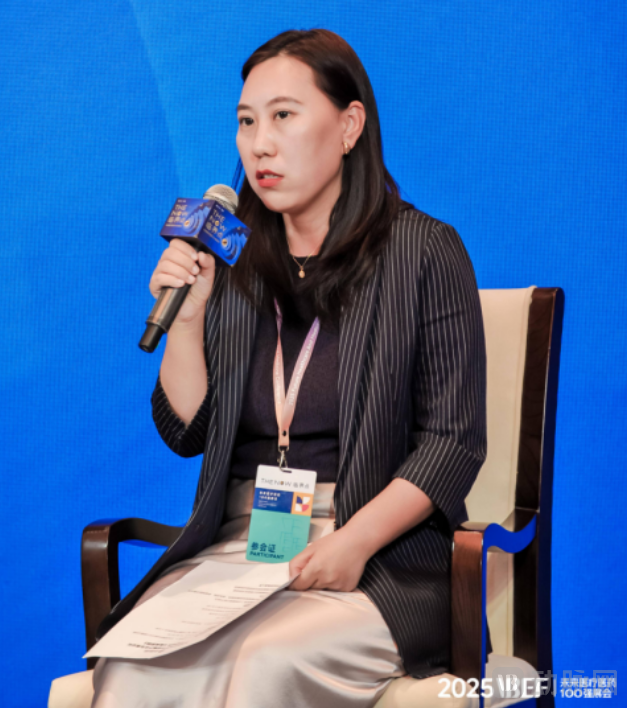
Zhao Weifang, Director of Capital Ecosystem at Fapon Biotech
Wang Dalei, Operations Director of Shanghai 3D Medicines Clinical LaboratoryIt was stated that, for enterprises, we should avoid evaluating product performance solely based on the single dimension of technology during the early stages of product development. Instead, it is essential to comprehensively consider whether the technology and product can practically address problems encountered in clinical testing. At present, the reluctance of clinical institutions to pay for certain high-cost items essentially reflects their unwillingness to pay for uncertain processes. If a new technology or product can effectively resolve pain points in clinical monitoring, clinicians will be willing to pay for such clear and definitive outcomes.

Wang Dalei, Operations Director of Shanghai 3D Medicines Clinical Laboratory
Liu Xiaowei, CEO of Jiangsu Deneng Medical Technology Co., Ltd., stated that in the realm of serious medical care, AI can be materialized as products or accelerators to provide auxiliary support for medical decision-making. However, it also faces challenges related to patient data privacy and ethical issues. As a variable, AI can serve as an auxiliary decision-making tool to promote medical development, yet its capability to support diagnosis and treatment in serious medical care remains controversial. This contradiction will persist unless changes are made to prevailing perceptions, policy barriers, and ethical requirements.
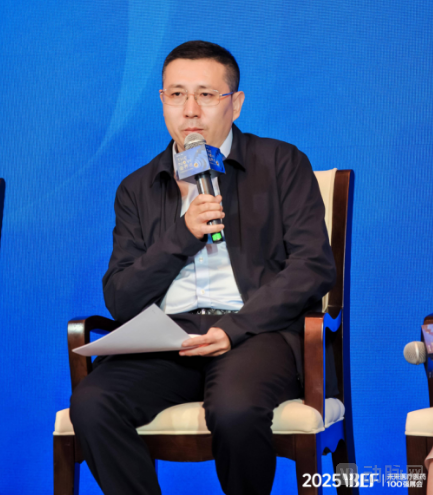
Liu Xiaowei, CEO of Jiangsu Deneng Medical Technology Co., Ltd.