

Immunome Advances Dual ADC and RLT Pipeline with Nearly $600M Raised Ahead of IPO

Immunome
Antibody Therapy Development and Biopharmaceutical Manufacturing
In January 2025, Immunome Completed a $150 Million Financing RoundThis round of financing will accelerate the clinical translation of its core pipeline. In March, Immunome announced that IM-1021, an antibody-drug conjugate (ADC) targeting ROR1, had administered the first dose to a patient in its Phase I clinical trial. Enrollment for the Phase III RINGSIDE trial of its core product candidate, varegacestat (AL102), has also been completed, with top-line data expected to be released in the second half of 2025.
Immunome’s core competencies lie in rapid antibody screening and precise delivery technologies. Its therapeutic advantages—high efficiency, precision, and safety—overcome the industry bottlenecks of “off-target toxicity” and protracted R&D cycles inherent in traditional cancer treatments.
This clinical-stage targeted oncology company has raised a cumulative $598.9 million across 21 rounds of financing—what makes Immunome, after 17 years in operation, continue to win investor confidence?
1Leveraging Natural Antibodies to Address the Precision Challenge of Off-Target Toxicity
The limitations of conventional chemotherapy and radiotherapy lie in their lack of specificity in mechanism of action. While targeting cancer cells, these treatments indiscriminately damage rapidly dividing healthy cells (such as those in the bone marrow and gastrointestinal tract), leading to severe side effects including immunosuppression and hair loss. Such therapies cause damage to healthy human tissues at a rate as high as 60%. Taking pancreatic cancer as an example, although conventional radiotherapy can shrink tumors, patients are prone to serious complications such as gastrointestinal ulcers.
According to data from the Tufts Center for the Study of Drug Development, developing a new drug takes an average of 10 years and costs approximately $2.6 billion, with over 90% of candidate drugs failing in clinical trials due to off-target effects or toxicity issues. Traditional antibody screening requires finding a “needle in a haystack” among tens of thousands of compounds, and oncology drug development generally faces challenges of long cycles and high costs.
Immunome’s strength lies in its unique approach to ADC R&D pipeline development. By pairing the novel topoisomerase inhibitor HC74 payload with differentiated target selection, it addresses unmet needs in both solid tumors and hematologic malignancies. Meanwhile, Immunome’s pipeline strategy demonstrates both balance and forward-thinking vision. Its dual-pronged approach, combining antibody-drug conjugates (ADCs) with radioligand therapy (RLT), mitigates the risk of target failure and enhances commercial viability.
Before delving into the core pipeline, we must first clarify its core technologies, which rest on two technological pillars ranging from antibody screening to precise delivery: the MemoryB platform and the Targeted Effector platform.
Memory B Cell Technology: An Antibody Discovery Platform That “Leverages” Patients’ Own Immune Systems
Memory B Cell Hybridoma Technology Platform: The platform operates through three processes: sample extraction, cell fusion, and antibody screening. First, memory B cells are isolated from patient blood or tumor tissues; these cells naturally carry anti-tumor antibody information due to prior exposure to tumor antigens. Next, the memory B cells are fused with myeloma cells to form hybridoma cells, thereby conferring unlimited proliferative capacity. Finally, high-throughput screening technologies are employed to identify highly effective antibodies targeting specific tumor antigens from the hybridoma cells.
Compared with conventional therapies, this breakthrough enhances antibody affinity and specificity.
In drug-resistant patients, the efficacy of drug delivery gradually diminishes. Drug-resistant tumors often generate neoantigens through genetic mutations or epigenetic alterations, which are difficult to target with conventional therapies.Immunome’s Memory B Cell Hybridoma Technology directly isolates memory B cells from patients, which naturally carry antibody information targeting tumor-specific antigens. Therefore, it is particularly suitable for drug-resistant tumors and rare targets.
Targeted Effector: The “Guidance System” That Boosts Radiotherapy Dose by Fivefold
Immunome’s Targeted Effector platform addresses the core challenge in oncology therapy—maximizing drug potency while avoiding off-target toxicity—through its modular design. The platform enables the adaptation of optimal effector molecules and delivery strategies based on the specific characteristics of each target.
For targets requiring potent cytotoxicity, the platform can deploy toxin payloads such as the topoisomerase inhibitor HC74 and achieve a controlled drug-to-antibody ratio (DAR) while maintaining stability through site-specific cysteine conjugation technology. In complex scenarios such as the solid tumor microenvironment, it switches to a radionuclide strategy, leveraging an iodophenyl albumin-binding domain to prolong drug circulation time and significantly enhance tumor tissue exposure.
Traditional ADCs are limited by targets with low internalization efficiency, making them difficult to develop into drugs.Meanwhile, Targeted Effector covers surrounding cells through the radiation bystander effect, converting the originally undruggable stromal target FAP into an effective target.
Next is linker technology: protease-cleavable linkers ensure that the toxin is released only within tumor cells, while pH-sensitive linkers are activated in the acidic tumor microenvironment. For instance, the protease-sensitive linker of IM-1021 releases the toxin exclusively within tumor cells, thereby reducing off-target toxicity. These features are key reasons why IM-3050 achieved tumor regression with a single dose in glioma models.
In terms of R&D efficiency, the team can directly call upon validated effector modules for assembly after completing the screening of antibodies against new targets. The pipeline development from the FAP ligand to IM-3050 took only 11 weeks, whereas traditional radiopharmaceutical development requires an average of 9 months.
In addition to the improvement in R&D efficiency,The platform achieves precision therapy through “ligand-effector molecule” complexes,Achieving antibody-level targeting with small-molecule ligands for precise delivery of radioisotopes or cytotoxins, increasing the tumor radiation dose of 177Lu-FAP fivefold compared to conventional radiotherapy while reducing damage to healthy tissues.
The platform also boasts robust scalability. Following the validation of a single target (e.g., FAP-RLT), it can rapidly pivot to similar targets. Furthermore, the platform’s advantage of running parallel ADC and RLT pathways ensures that even if clinical development fails for one class of targets, the underlying technology can swiftly redirect toward other therapeutic avenues.
2ADCs Lead the Way, with Multi-Target Pipelines Developing Synergistically
Immunome currently has three product pipelines in the clinical stage. The core pipeline project is varegacestat (formerly AL102), a gamma-secretase inhibitor, along with IM-1021 (ROR1 ADC) and IM-3050 (RLT).
Varegacestat (AL102): An Oral Targeted Therapy for Rare Sarcomas
Desmoid tumors are a rare sarcoma, with approximately 5,500 to 7,500 patients in the United States facing the dilemma of having no effective systemic treatment options. Immunome’s AL102 (varegacestat) is an oral γ-secretase inhibitor that suppresses tumor growth by blocking the NOTCH pathway. Its core mechanism involves inhibiting the cleavage of Notch receptors by γ-secretase, thereby preventing the release and nuclear translocation of the oncogenic Notch intracellular domain (NICD), which in turn abrogates the activation of downstream pro-survival genes such as HES1 and MYC.
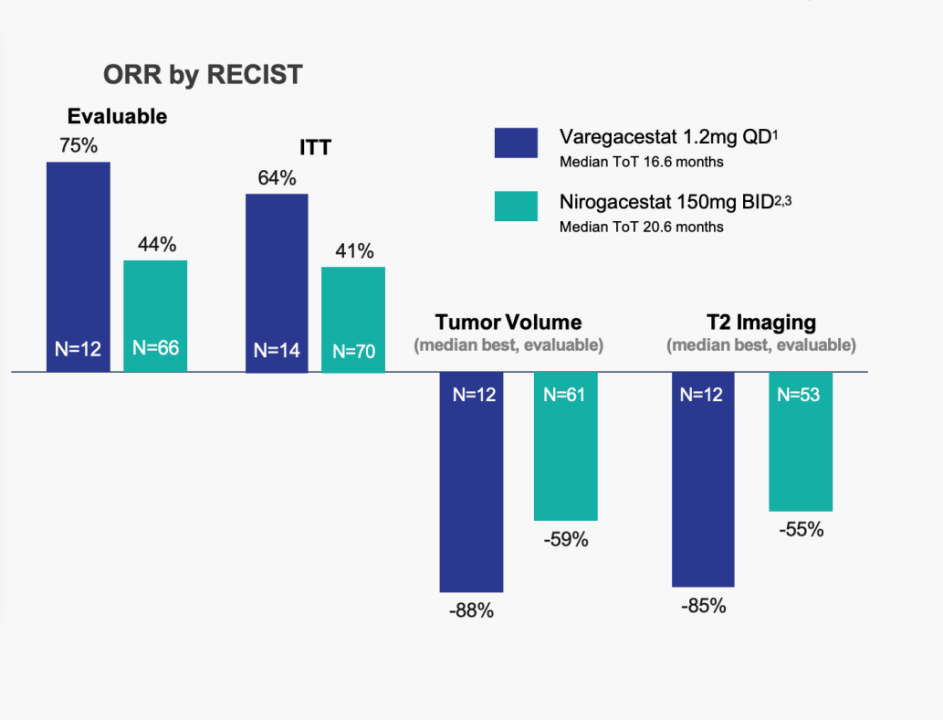
For desmoid tumors that are difficult to eradicate surgically and are refractory to chemotherapy,Phase II trials demonstrated an objective response rate (ORR) of 64% in the 1.2 mg daily dose group, significantly superior to historical controls (chemotherapy ORR <10%).Furthermore, by optimizing γ-secretase subtype selectivity, the risk of ovarian dysfunction was reduced to 55.6% (compared with 75% for the同类 drug nirogacestat), thereby avoiding the gastrointestinal toxicity commonly associated with traditional Notch inhibitors.
IM-1021 (ROR1 ADC): Double Drug Loading to Overcome Resistance in Solid Tumors
Drug resistance in solid tumors is essentially a process by which tumor cells evade drug-induced cytotoxicity through multiple mechanisms, driven by genomic instability. Targeting ROR1 (receptor tyrosine kinase), which is highly expressed in cancer types such as non-small cell lung cancer (NSCLC) and triple-negative breast cancer (TNBC), Immunome has developed IM-1021, an antibody-drug conjugate (ADC) targeting ROR1.
This drug employs a DAR8 design (achieving a balance between “high drug loading” and “stability” by stably conjugating eight toxin molecules to the antibody, with a drug-to-antibody ratio twice that of conventional ADCs),Loaded with the TOP1 inhibitor HC74 payload, it features both a bystander effect and optimized antibody affinity.
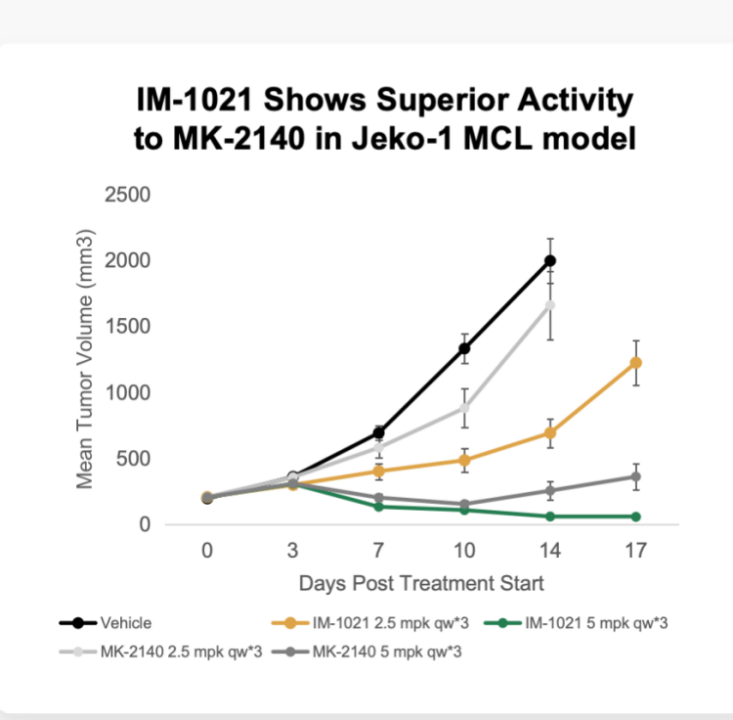
This drug completed the first-patient dosing in its Phase I trial in the first quarter of 2025, with a starting dose of 2 mg/kg. Preclinical data demonstrated complete response (CR) in TNBC (MDA-MB-468) and NSCLC PDX (patient-derived xenograft) models, and it exhibited better tolerability compared to Merck’s comparable candidate, MK-2140.Future plans include expansion into indications such as diffuse large B-cell lymphoma (DLBCL).
In addition to the clinical-stage product, IM-1617, IM-1335, and IM-1340 are all preclinical ADCs targeting undisclosed antigens expressed in various solid tumors.
IM-1617: A Bifunctional ADC That Activates Immune Responses in “Cold Tumors”
IM-1617 is designed for “cold tumors” that are refractory to conventional immunotherapies. Cold tumors refer to tumor types in which immune cells, particularly cytotoxic T cells, fail to infiltrate or become activated. The tumor microenvironment in these cases is characterized by a lack of immune cell infiltration and an abundance of inhibitory cells (such as regulatory T cells [Tregs] and M2 macrophages) and inhibitory factors (such as TGF-β and IL-38).
Traditional immunotherapies fail because drugs such as PD-1 antibodies rely on pre-existing T cells to exert their effects; however, in “cold” tumors, T cells either cannot infiltrate the tumor microenvironment or, if they do, are impaired by immunosuppressive factors.
The ingenuity of IM-1617 lies in its innovative integration of a TLR7/8 agonist payload.This ADC precisely delivers immune-stimulating agents into gastric and pancreatic cancer lesions by targeting the tumor-specific antigen CLDN18.2, thereby disrupting the immunosuppressive microenvironment. Preclinical data show thatWhile inducing apoptosis in tumor cells, the drug activates tumor-infiltrating T cells and dendritic cells, converting “cold tumors” into “hot tumors” that are sensitive to PD-1 inhibitors.
IM-1335: DLL3, Cracking the Code of Drug Resistance in Small Cell Lung Cancer
Targeting the challenge of rapid recurrence in patients with small cell lung cancer (SCLC) after treatment, IM-1335 employs a dual-epitope antibody to target the membrane-proximal domain of DLL3, a cell surface protein specifically expressed in various malignant tumors and playing a key role in neuroendocrine tumors. This design effectively blocks the feedback activation of Notch signaling—a mechanism that is a key factor leading to resistance to chemotherapy and tarlatamab. Its payload, the novel topoisomerase inhibitor HC74, has been engineered for enhanced brain enrichment, increasing its ability to penetrate the blood-brain barrier by fivefold and demonstrating potent clearance of brain metastases. In circulating tumor cell models, a single dose cleared 99% of DLL3-positive cancer stem cells.
IM-1340: An Intelligent Antibody Drug Overcoming the Spectrum of HER2 Resistance
To address secondary resistance in HER2-positive breast cancer, IM-1340 overcomes the limitations of traditional antibody-drug conjugates (ADCs) through a triple mechanism. Its antibody simultaneously binds to domains II and IV of the HER2 receptor, effectively blocking the formation of HER2-HER3 heterodimers that are not inhibited by trastuzumab. The linker is designed to be pH-sensitive within the tumor microenvironment, ensuring the release of the potent payload AS269 exclusively in acidic tumor tissues.
The innovative “bystander effect enhancer” further promotes drug diffusion into cells with low HER2 expression. In models harboring the HER2 L755S/T798I double resistance mutations, IM-1340 induced gradual tumor regression with no recurrence within six months. This broad-spectrum coverage of resistant mutation profiles offers new hope for long-term survival in patients with advanced breast cancer.
3RLT Empowers Overcoming the Challenges of Tumor Microenvironment Barriers
In addition to ADC drugs, RLT (Radioligand Therapy) is also a key R&D focus for Immunome. Its core pipeline candidate is IM-3050.
In the treatment of solid tumors, the tumor microenvironment barrier represents a major core challenge. This barrier, composed of cancer-associated fibroblasts (CAFs), immunosuppressive factors, and tumor cell heterogeneity, is often difficult for conventional drugs to penetrate. The response rate to common chemotherapy agents in solid tumors is frequently below 20%, while antibody drugs struggle to penetrate the stromal layer due to their large molecular weight. Immunome’s RLT therapy achieves precise destruction of this barrier through a three-step mechanism: precise targeting, prolonged circulation, and radiation synergy.
Taking IM-3050 as an example, it overcomes the limitation of low internalization rates associated with traditional FAP-targeting ADCs by combining the 177Lu isotope with an albumin-binding domain.
First is precision targeting.They targeted the fibroblast activation protein (FAP), which is specifically and highly expressed on the surface of cancer-associated fibroblasts (CAFs)—a target significantly enriched in 75% of solid tumors. The lead compound developed by the team, IM-3050, demonstrates ultra-high binding affinity (Kd < 1 pM), enabling the drug to bind with magnetic precision to the core architects of the tumor microenvironment.
Then there is the issue of sustained drug circulation.By leveraging a novel iodophenyl albumin-binding domain engineering technology, researchers successfully increased the drug’s plasma exposure (AUC) to 20 times that of the competitor (70,531 vs. 3,862 h·ng/mL), while extending the half-life to 6 hours. This modification enables more active ingredients to penetrate barriers and achieve sustained accumulation in tumor tissues.
Finally, the radiation synergy mechanism.Equipped with the 177Lu radionuclide, it continuously emits high-energy beta rays. While precisely eliminating FAP-positive cancer-associated fibroblasts (CAFs), its 2 mm radiation radius generates a potent “crossfire effect” that simultaneously destroys surrounding tumor cells, thereby dismantling the tumor-supportive microenvironment.
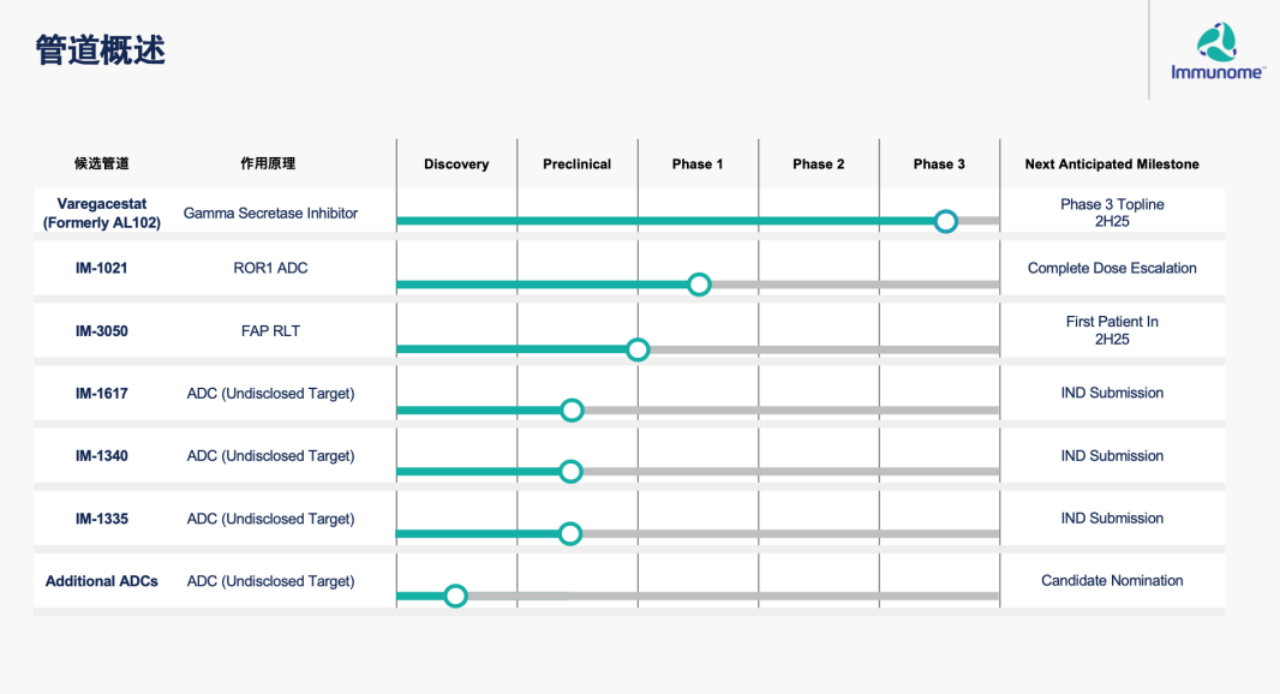
In the first quarter of 2025, Immunome submitted an Investigational New Drug (IND) application for IM-3050, with plans to initiate Phase I clinical trials in the second half of the year. Preclinical studies demonstrated that single-dose treatment induced tumor regression in the U87MG glioma model, with no serious adverse events observed and a favorable safety profile.
4ADC Veteran Takes the Helm, Poised for the “Daring Leap” from Lab to Market
Immunome’s competitiveness also stems from its team of multidisciplinary talent. The appointment of Dr. Clay Siegall as the new CEO in 2024 marked a strategic transformation for Immunome, with plans to advance at least two pipeline candidates into Phase II clinical trials by 2026 and expand global market coverage through technology licensing collaborations. He has previously led the commercialization of multiple antibody-drug conjugate (ADC) therapies and possesses extensive experience spanning from technical validation to clinical translation.
Dr. Jack Higgins, Chief Scientific Officer, has deep expertise in antibody engineering, compressing the antibody screening cycle of the Memory B cell platform to one-third of that required by traditional methods and significantly accelerating pipeline iteration. Phil Tsai, Chief Technology Officer, leverages his technical operations background at Moderna to drive the commercialization of the Targeted Effector platform.
The commercial value of Immunome’s R&D efforts is widely recognized. To date, Immunome has raised a total of $598.9 million across 21 funding rounds. Details are provided in the table below:
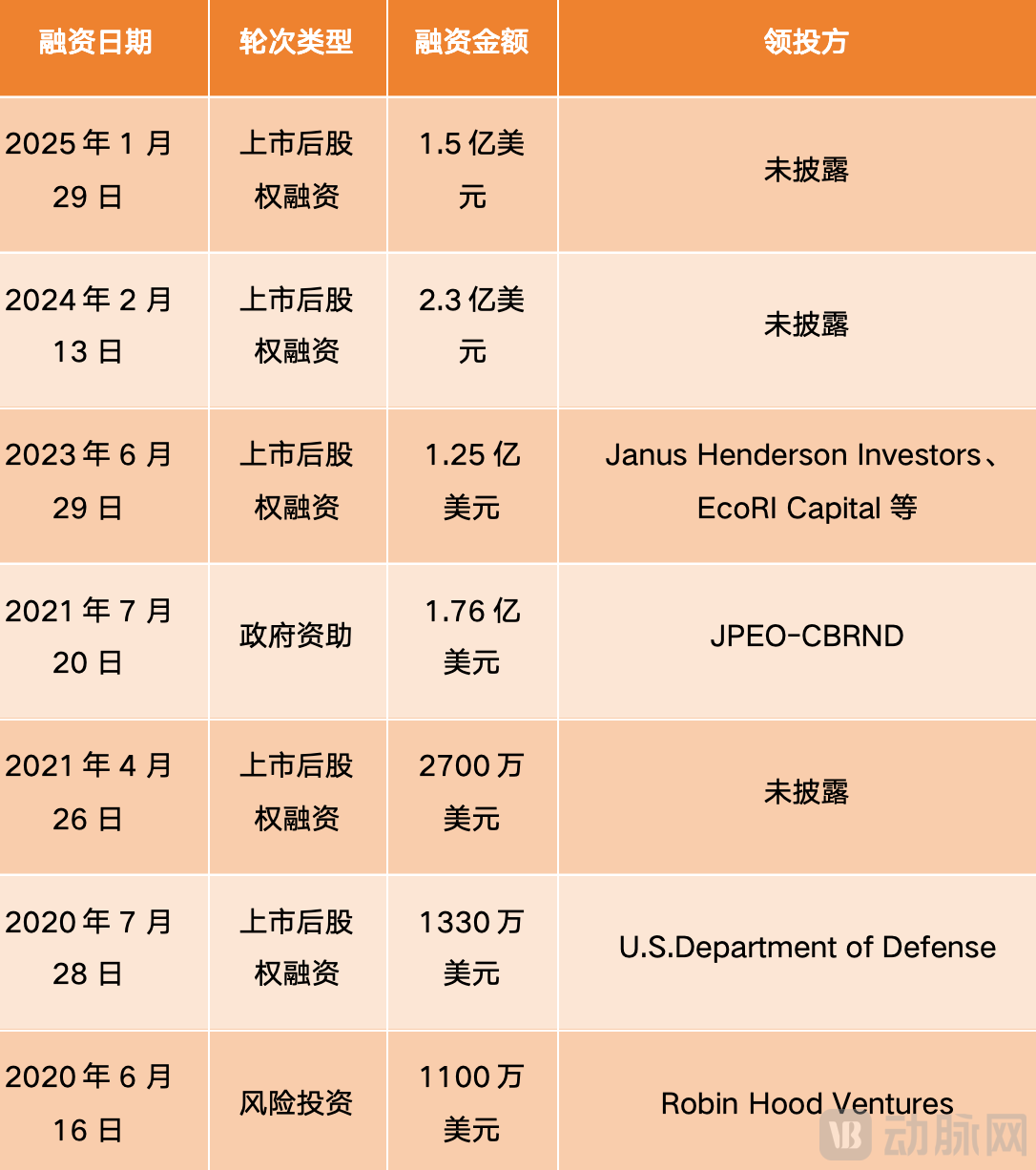
However, Immunome’s financing structure is unbalanced, with post-IPO financing accounting for over 70%. The issuance of new shares reduces the ownership stakes of existing shareholders, exposing their equity interests to the risk of dilution.
The long development cycles and high capital requirements characteristic of the biopharmaceutical innovation sector have placed many small and mid-sized biotech companies in a precarious survival position. According to Crunchbase data, Immunome generated $9.04 million in revenue in 2024. Although the company’s revenue continued its downward trend (a year-over-year decline of 35.5%), its losses narrowed compared with 2023.