

Surgify Medical Secures €7M Funding to Advance Surgify Halo, an Intelligent Bone-Drilling System with Soft Tissue Protection for Precision Orthopedic Surgery

Surgify Medical
Orthopedic Surgical Technology Developer
In May 2025, Finnish medical technology startup Surgify Medical announced the completion of a new round of financing amounting to €7 million (approximately RMB 58 million).Led by ZEISS Ventures, with participation from the European Innovation Council Fund (EIC Fund). This round of financing will accelerate the international market expansion of its core product, the novel orthopedic drill device Surgify Halo, propelling Surgify Medical into the broader global arena of orthopedic surgical instruments.
Orthopedic surgery is a test of “dancing with steel blades on a tightrope”: surgeons must precisely resect hard bone tissue using high-speed drills, electric saws, and other tools, while meticulously avoiding fragile soft-tissue structures such as nerves and blood vessels within millimeter-level margins. However,Traditional orthopedic drill tools are designed with a greater emphasis on efficiency, lacking the capability to identify and protect soft tissues., which can easily lead to intraoperative accidental injury, postoperative complications, or even permanent functional impairment in high-risk surgeries.
According to Grand View Research, the global orthopedic devices market was valued at USD 60.4 billion in 2023 and is projected to grow at a compound annual growth rate (CAGR) of 4.3% from 2024 to 2030.“Minimally Invasive” and “Precision Safety” are becoming the key technical keywords for next-generation orthopedic tools. Especially in surgical scenarios with complex anatomical structures and extremely low tolerance for error, such as neurosurgery and spinal surgery, bone cutting equipment with “judgment capabilities” better meets clinical needs compared to traditional tools that are “fast and aggressive.”
Surgify Medical has seized this clinical opportunity and developedNovel Orthopedic Drill Equipment with Selective Cutting Mechanism: Efficient Hard Bone Processing and Automatic Soft Tissue Avoidance, while improving surgical efficiency, minimize risks to the lowest level.
A Surgeon’s Entrepreneurial Journey: Addressing Pain Points in Orthopedic Surgery by Developing an Automatic Obstacle-Avoiding Bone Drill
Surgify Medical’s story began with the real-world dilemmas faced by a young physician. Founder Visa Sippola, through frequent participation in spinal and neurosurgical procedures, witnessed firsthand the safety hazards associated with traditional high-speed drills: dural tears, nerve root injuries, postoperative functional impairments, and more.These issues do not stem from a lack of technical proficiency on the part of physicians, but rather are constrained by the inherent limitations of “tools that cannot recognize individuals.”Sippola couldn’t help but wonder: Why can’t orthopedic surgical tools “automatically identify obstacles and precisely avoid them”?
This clinical pain point ultimately resonated with the engineering community. Sippola collaborated with an engineering team from Aalto University in Finland to transform the medical concept of an “automatic obstacle-avoiding bone drill” into a functional prototype. In 2017, Surgify Medical was officially incorporated in Helsinki, focusing on the development of a tissue-selective bone cutting system designed to reduce the risk of accidental soft tissue injury through automatic identification mechanisms in high-risk surgical scenarios such as neurosurgery and spinal surgery.
As a medical technology company focused on innovation in orthopedic surgery,Since its establishment in 2017, Surgify Medical has steadily secured capital support, completing its financing rounds from Seed to Series A.See Table 1 for details.
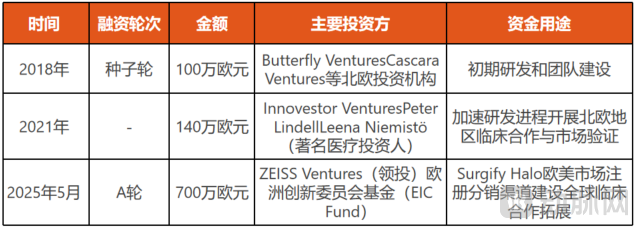
Table 1: Overview of Surgify Medical’s Financing History
Precision Bone Cutting Without Soft Tissue Damage, Enhancing Intraoperative Safety
To address the longstanding challenge of traditional surgical tools being “fast but inaccurate,” Surgify Medical has launched a soft-tissue-protective bone cutting system. Built around its core product, the Surgify Halo, the system integrates the Halo Sense soft-tissue sensing mechanism, the High Surg30 power system, and a high-speed handpiece, achieving comprehensive optimization from the burr to the platform.
Next, we will analyze how they jointly enhance both the safety and efficiency of surgical procedures.
1Surgify Halo: An Automatic Bone Drill Capable of “Avoiding Soft Tissue”
Surgify Halo is an innovative orthopedic drill featuring tissue-selective recognition technology. Leveraging its proprietary HaloSense sensing mechanism, it selectively cuts hard tissue while forming a natural protective barrier for soft tissues such as blood vessels and nerves. The drill bit design ensures stable bone-cutting force output during high-speed rotation, minimizes intraoperative tool chatter, and enhances the safety, operational precision, and surgical efficiency of cranial and spinal procedures.

Figure 1: Schematic Diagram of SurgifyHalo
In a preclinical study jointly conducted by three university hospitals in Finland, eight neurosurgeons and spine surgeons performed 77 drilling procedures on various human and animal bone specimens. The results (Figure 2) showed that no soft tissue injuries (0%) occurred with the use of Surgify Halo, whereas traditional burrs caused penetrating injuries in 10 cases (29%), a statistically significant difference.
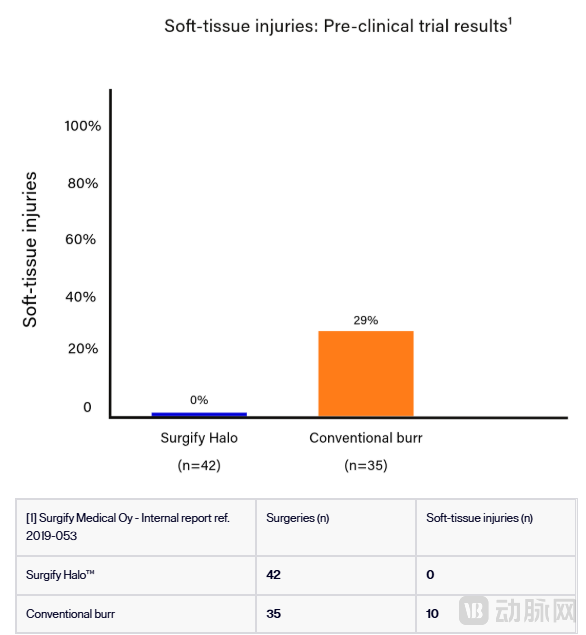
Figure 2: Preclinical Test Results
2HaloSense: Tissue-Sensing Ring Constructs a Dynamic Protection Mechanism to Enhance Surgical Safety
HaloSense is a key component of the Surgify Halo, consisting of a pressure-control ring with a diameter larger than that of the drill tip. When the drill contacts hard bone, the ring automatically retracts to a level below the cutting edges, fully exposing them for efficient drilling. Upon contact with soft tissue, the metal ring rapidly extends, forming a “safety cap” structure that protrudes beyond the cutting edges at the drill tip, thereby preventing accidental injury to soft tissues.
Multiple clinical operators have reported that the Halo Sense mechanism enables “proactive avoidance of at-risk tissues with virtually no manual intervention” during procedures, significantly enhancing operational safety and physician confidence in surgeries involving complex anatomical regions.
3HighSurg30: Console Supporting the Soft Tissue Protection System
As the exclusive drive platform for Surgify Halo, HighSurg30 delivers motor speeds of up to 80,000 rpm and a smooth, jitter-free operation, making it particularly suitable for high-precision surgeries such as neurosurgery and otolaryngology.
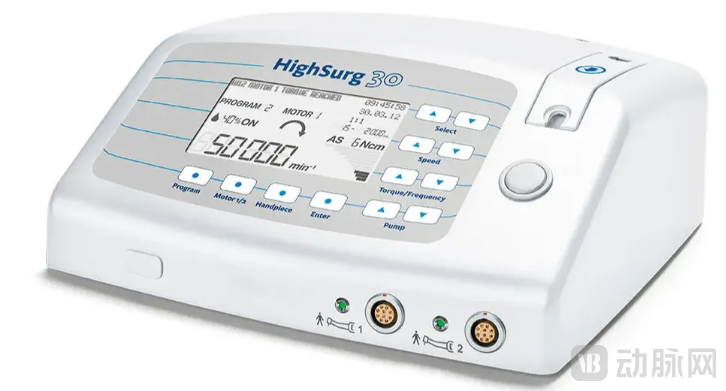
Figure 3: Schematic diagram of HighSurg30
The system is equipped with two motor interfaces and a multifunctional foot pedal, allowing for the configuration of 3 to 10 automatic programs. It features a built-in precision peristaltic pump for intraoperative cooling, preventing tissue carbonization caused by localized temperature rise. The compact design is compatible with both straight and angled high-speed handpieces, meeting the requirements of various surgical procedures.
4High-Speed Handpiece: Micromechanical Tools Optimized for Precision Osteotomy
Surgify’s self-developed high-speed handpiece is crafted from high-strength stainless steel and is available in multiple sizes, as well as straight and contra-angle versions. It features a maximum speed of 80,000 rpm and a 2.35 mm bur interface, allowing compatibility with various conventional cutting burs and diamond burs.
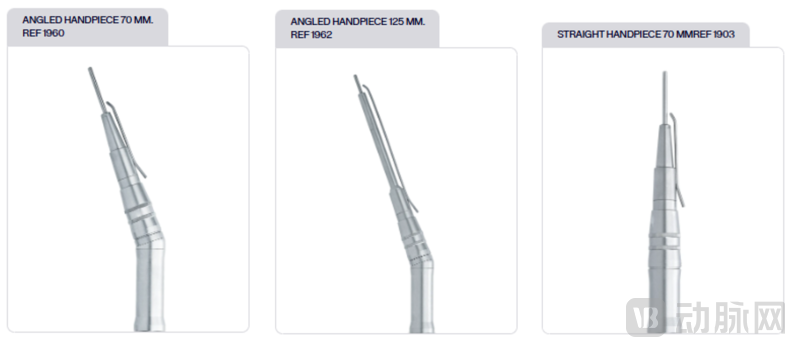
Figure 4: Schematic diagram of a high-speed handpiece
The handpiece features a quick-connect structure and external cooling channels, and is fully compatible with the Surgify Halo system, enabling reduced vibration and extended continuous operation time. Its ergonomic design helps surgeons alleviate fatigue during prolonged procedures, thereby enhancing intraoperative precision and stability. The handpiece is currently bundled with Halo products for sale in multiple EU countries.
5CE Certified in the EU, Actively Expanding into European and American Markets
The Surgify Halo system and its accompanying accessories have been implemented in clinical practice at multiple tertiary hospitals, including Helsinki University Hospital (HUS) and Kuopio University Hospital (KUH) in Finland, playing a significant role particularly in neurosurgical and spinal surgery training. Actual surgical procedures and simulated operations have demonstrated that the system significantly expands the safety margins of surgery, reduces the probability of accidental soft tissue injury, and has gained high recognition from frontline physicians.
Furthermore, the Surgify Halo and its accompanying system have obtained EU CE certification, qualifying them for entry into the European market. The company is currently accelerating the deployment of sales networks in Germany, France, and Northern Europe, while simultaneously initiating the U.S. FDA approval process, with expectations to achieve simultaneous market launches in both Europe and the United States within the next year.
Insight: Addressing Clinical Pain Points, Small Devices Can Drive Major Change
In recent years, as orthopedic surgery in China transitions toward greater precision, intraoperative safety has become a core metric of concern for surgeons, patients, and healthcare administrators alike. Particularly in high-risk procedures involving the spine, nerves, and cranium, there remains an urgent clinical need to mitigate the risk of soft tissue injury and expand the margin for operational error through innovative surgical tools.
In this context, Surgify’s practical approach offers valuable lessons for Chinese companies: even “peripheral” devices such as traditional surgical drills can achieve a systemic upgrade in surgical safety by redesigning the cutting structure, incorporating soft-tissue identification mechanisms, and providing dedicated drive platforms and operating handpieces. This“Leveraging Small-Scale Initiatives to Drive Overall Safety Enhancement”design philosophy, providing a replicable R&D paradigm for domestic enterprises.
In addition, Surgify is also known for its“Clinical Demand-Driven + Engineer Technical Implementation”dual-wheel innovation model, which has enabled an efficient translation pathway for products from prototype to deployment in Grade 3A hospitals. This also corroborates the growing R&D trend among domestic medical device companies—focusing on genuine clinical pain points, collaborating with physicians and engineers in product design, and conducting iterative validation in intraoperative settings.
The Future Is Here. In the era of precision medicine, those who can continuously listen to the real needs in the operating room will gain a competitive edge in the race for orthopedic innovation.