Fang Guangshu of Wecare Bio: 'I Only Want to Earn One Cent Through Technology, So 100 Million Chinese Can Afford a 2-Yuan Probiotic'
Editor’s Note: The Top 100 in China’s Biomanufacturing Sector, Witnessing the “Power of 100” in China’s Biomanufacturing Industry
At this moment, biomanufacturing is ushering in a wave that is profoundly reshaping the global industrial landscape. China, leveraging its robust innovation momentum and strategic ambition, is striving to take the lead in this future-oriented competition. To clearly document this historic process, we have specially curated the “100 Figures in China’s Biomanufacturing” series of reports.
The “100 Individuals” we focus on represent the core driving force behind the development of China’s biomanufacturing sector: they are scientists and pioneers at the forefront, illuminating key technologies such as synthetic biology and gene editing with their expertise; they are entrepreneurs and managers who courageously explore new frontiers, translating laboratory breakthroughs into industrial transformation; and they include investors and policymakers with keen insights into emerging trends, injecting critical resources and strategic direction into the industrial ecosystem. They are the backbone of technological innovation, the catalysts for industrial implementation, and the architects of a thriving ecosystem.
This series aims to provide an in-depth portrayal of the vision, breakthroughs, and practices of these key figures, analyzing the trajectory of China’s biomanufacturing sector as it transitions from technological catch-up to innovation leadership. It reveals the immense potential of this sector to drive industrial upgrading, safeguard public health, and promote green development. We believe that the stories and insights of these “100 Individuals” not only pay tribute to current achievements but also serve as important coordinates for understanding the future landscape of China’s bioeconomy. Stay tuned. (Zhu Ping)
“We focus on one thing only: microbial strains!”
“VACURE is ‘micro’ as in microbe, not ‘vi’ as in vitamin!”
“My dream is to ensure that at least 100 million people in China can access high-efficacy probiotics priced at just 2 yuan.”
“At VACURE, our business model is simple: I aim to generate revenue through knowledge and technology, earning just one cent per pack of probiotic products!”
……
This is how Fang Shuguang, Chairman of VACURE l Biotechnology, positions himself and the company, clearly defining VACURE l Biotechnology as a probiotic strain bio-manufacturing enterprise rather than a food and beverage company focused on consumer-end products.
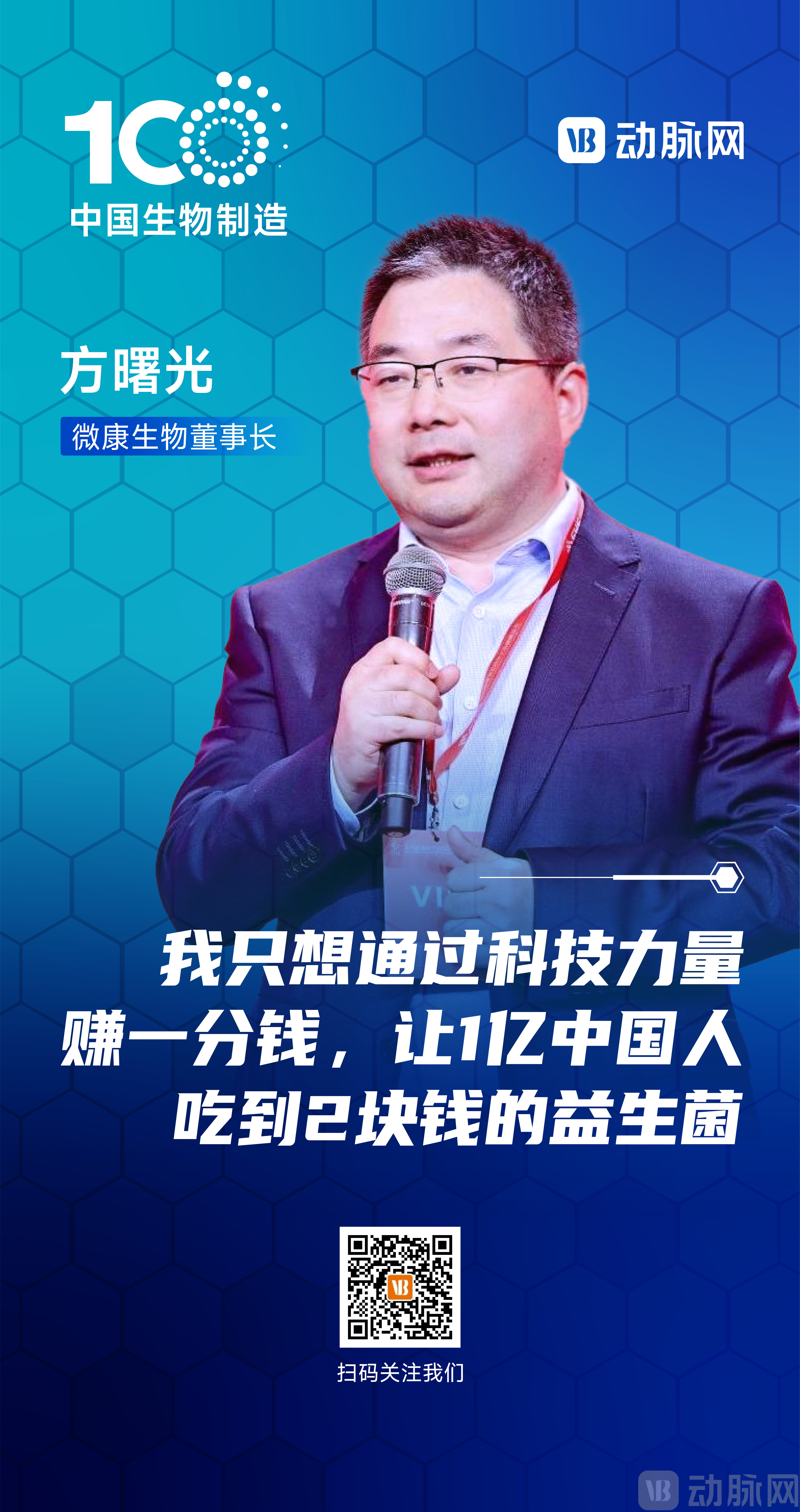
Leveraging his profound expertise in microbiology and fermentation engineering, Dr. Fang is committed to developing indigenous probiotics tailored to the Chinese gut, thereby reducing reliance on foreign strains and safeguarding national biosafety. Thus, he has remained steadfastly dedicated to the path of strain development.
Amid the surging global probiotics industry, VACORE Probiotics is emerging as an industry leader, driven by its outstanding achievements in strain research and development and production. According to the "Report on the Current Status of the Probiotics Market and Analysis and Forecast of Supply and Demand Patterns from 2025 to 2030" released by Zhongyan Puhua Industry Research Institute, China’s probiotics market size is projected to reach RMB 150 billion in 2025, representing a year-on-year growth of 18.7%, with the compound annual growth rate (CAGR) expected to exceed 15% over the next five years. This substantial market scale is primarily attributable to consumers’ growing health demands and the continuous expansion of probiotic application scenarios.
However, core technologies such as high-quality strain resources, industrialization techniques for probiotic strains, and research on strain functionality have long been controlled by foreign enterprises, subjecting China’s domestic probiotic industry to the dual pressures of technological bottlenecks and market monopoly. In the global probiotic market, DuPont (USA) and Chr. Hansen (Denmark) hold 50% and 35% of the market share, respectively. While VACURE Biotechnology holds nearly 10% of the Chinese probiotic market—a figure that still lags behind international giants—it has secured a leading position within the domestic market. Leveraging its robust R&D capabilities, focused business model, and clear market positioning, VACURE Biotechnology has successfully broken the foreign technological monopoly, achieved independent strain development, and made breakthrough progress in key areas of the probiotic industry.
The future development of the probiotics industry will focus on technological innovation, product diversification, and market expansion. On one hand, with continuous advancements in synthetic biology and gene editing technologies, probiotic research and development will become more precise and efficient, paving the way for the creation of more probiotic products with specific functionalities. On the other hand, application scenarios for probiotics will continue to expand, gradually extending from the food and dietary supplement sectors into pharmaceuticals, agriculture, daily chemical products, and other fields. VACURE Biotechnology has already made strategic layouts in these emerging areas; for instance, it utilizes probiotics in agriculture to improve soil conditions for planting and breeding environments, and develops probiotic drugs in the pharmaceutical sector for treating diseases such as cancer.
Meanwhile, VACURE Probiotics is actively engaged in international exchange and cooperation. Through deep collaborations with renowned global enterprises such as GEA and Siemens from Germany, and Lesaffre from France, the company has achieved large-scale intelligent manufacturing, enhancing its processes, production capacity, and efficiency to provide more high-quality products to the global probiotics market. According to research data from MarketsandMarkets, the global probiotics industry output value will exceed $77 billion in 2025, with China’s market share surpassing 25%, demonstrating significant growth potential. Leveraging its advantages in strain R&D, production technology, and market expansion, VACURE Probiotics is poised to secure a more prominent position in this market.
Dr. Fang Shuguang, the founder of VACURE l Probiotics, embarked on his entrepreneurial journey driven by a profound understanding of microbiology and microecological health, as well as a precise strategic positioning within the probiotic strain industry.
It is understood that Fang Shuguang has a professional background in microbiology and fermentation engineering. More than a decade ago, upon observing that the research, development, and industry of probiotics were monopolized by foreign giants, while China’s foundation for strain development and industrialization was weak, he sold his only property in Shanghai to raise startup capital. He was determined to establish a highly specialized domestic probiotic strain company capable of replacing imported products.
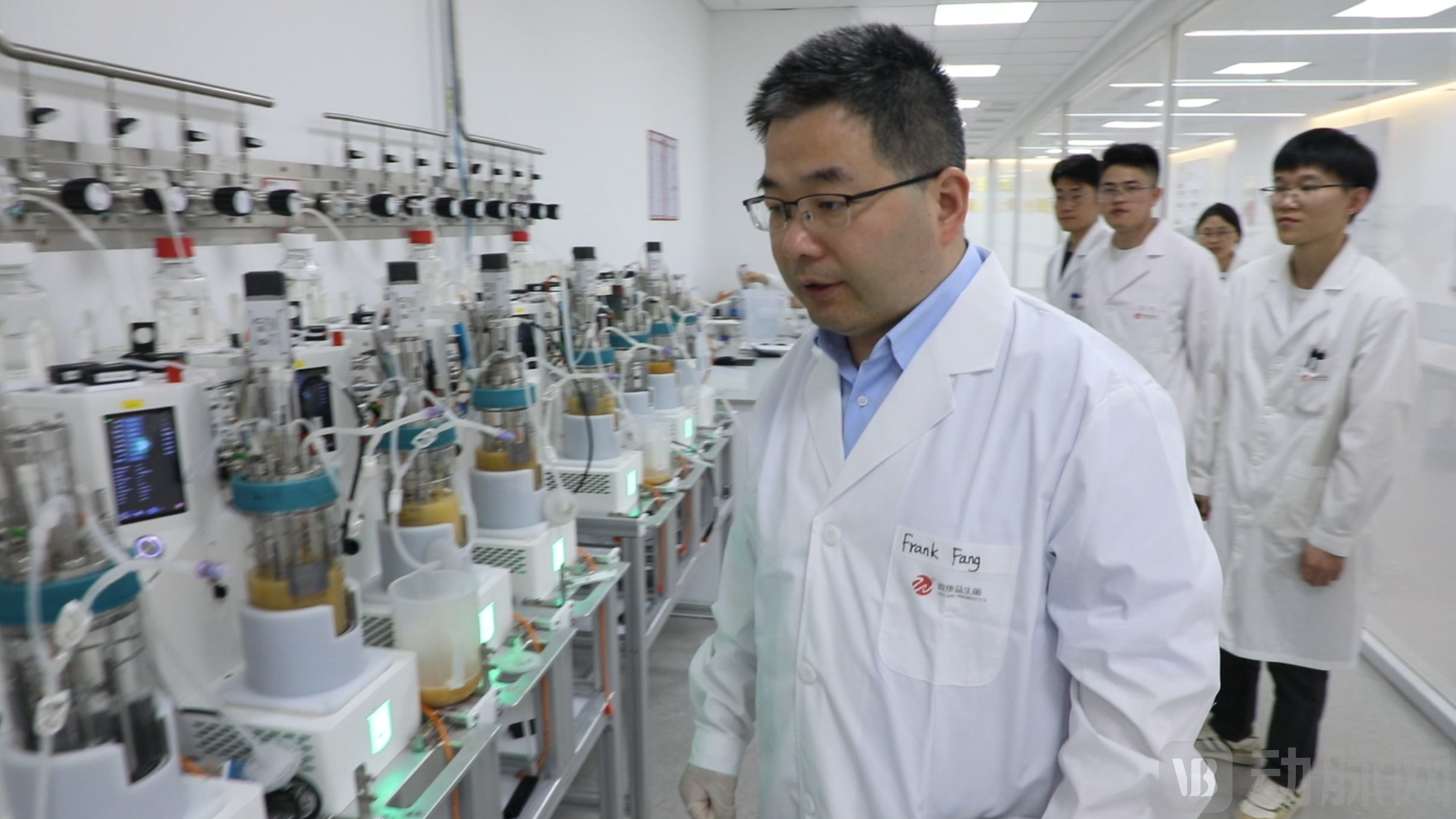
Fang Shuguang introduced that probiotics are a class of live microorganisms that confer health benefits to the host when administered in adequate amounts, with their efficacy highly dependent on strain specificity and sufficient dosage. In biological classification, species is a taxonomic rank higher than strain but lower than genus, while strains refer to different variants or subtypes derived from the same bacterial species. In the probiotics industry, species and strain research and development constitute a core technical barrier; possessing safe and efficient probiotic species and strains is key for companies to establish a market presence. Fully aware of this, Fang Shuguang has positioned VACURE Biotechnology to focus on the R&D and production of probiotic strains, striving to become a “chip” supplier for the probiotics industry.
Fang Shuguang’s original motivation for entrepreneurship stemmed from his profound insight into the current state of China’s probiotic industry. He observed that although the domestic probiotic market was experiencing rapid growth, core technologies had long been monopolized by foreign companies. Insufficient investment in strain research and development by Chinese enterprises has resulted in 95% of yogurt fermentation strains on the market relying on imports, while probiotic strains consumed by infants and toddlers aged 0–3 years are 100% import-dependent. This technological reliance not only constrains the development of China’s probiotic industry but also poses potential threats to national biosafety. Therefore, Fang Shuguang is committed to breaking the foreign technological monopoly through independent research and development, providing localized strain solutions for China’s probiotic industry.
Since its establishment, VACURE Biotechnology has been dedicated to microbiome research, focusing on the R&D, production, and application of probiotic strains, fermented food cultures, and beneficial microbial communities, as well as their interactions with the health of hosts—including humans, animals, and plants—and the environment. Fang Shuguang believes that probiotic strains are the foundation of the probiotic industry; only by mastering core strain resources can a company secure a proactive position in market competition. Therefore, VACURE Biotechnology has channelled all its resources into strain selection and breeding, process optimization, and industrial-scale upscaling. By concentrating exclusively on the B2B strain sector and firmly refraining from producing end-user probiotic products, this focused business model has earned VACURE Biotechnology a distinctive industry standing in the field of probiotic strains.
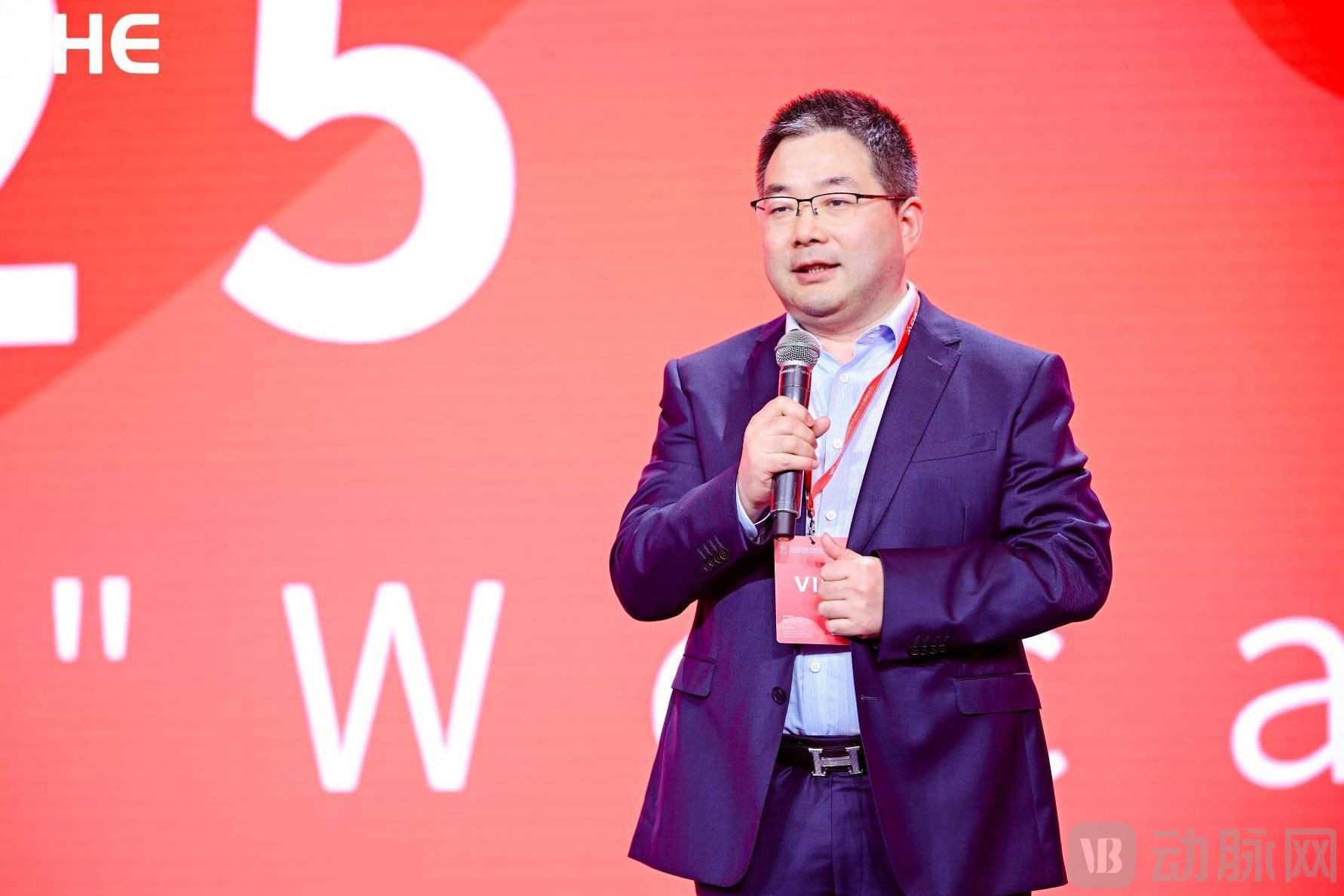
Through years of dedicated effort, VACURE’s R&D team has continuously collected natural strains from regions such as Inner Mongolia, Tibet, and Yunnan, carefully selecting 30,000 superior strains to establish the “China Strain” resource bank. This resource bank not only provides abundant strain resources for VACURE’s product development but also lays a solid foundation for the development of the entire industry. Furthermore, VACURE has established three specialized probiotic research institutes in Suzhou, Wuhan, and Luohe, featuring three core centers: the Probiotic Strain R&D Center, the Engineering Technology Center, and the Testing Center. This infrastructure has enabled a comprehensive process engineering support system that facilitates the stepwise scale-up from basic strain and functional research to industrial production.
Fang Shuguang clearly defined VACURE Probiotics’ positioning at the outset of its entrepreneurial journey—focusing on strain research and development (R&D) and production. He stated, “VACURE is a company dedicated exclusively to probiotic strains, covering everything from strain R&D to large-scale intelligent manufacturing of strains. This is our company’s positioning.” This focus has enabled VACURE Probiotics to delve deeply into strain R&D, achieving continuous technological breakthroughs.
For example, VACURE’s independently developed *Bifidobacterium animalis* subsp. *lactis* BLa80 is supported by evidence from more than 20 clinical studies and over 10 patented inventions. It is the first strain in mainland China to obtain dual GRAS certification (from Self-affirmed GRAS to FDA-GRAS), achieving a high viable count of up to 1 trillion CFU/g through biomanufacturing—more than twice that of industry peers. Additionally, VACURE’s independently developed *Weizmannia coagulans* BC99 is the first industrially produced spore-forming probiotic strain in mainland China capable of withstanding temperatures up to 100°C. Validated through 11 clinical trials, it has been successfully incorporated into products such as probiotic yogurt (Yili Anmuxi), probiotic protein powder, probiotic infant formula, probiotic lozenges, probiotic gummies, and probiotic solid beverages, fully meeting the stringent requirements for probiotic activity and stability across diverse consumer scenarios.
The independently developed Lacticaseibacillus rhamnosus LRa05, supported by evidence from 20 clinical studies, features a scaled-up viable count exceeding 100 billion CFU/g. It is primarily used to regulate gut microbiota, alleviate diarrhea and constipation, and eradicate Helicobacter pylori, and has been widely adopted across the industry. The novel second-generation probiotic, Akkermansia muciniphila Akk11, is designed to improve body fat, metabolic profiles, and emotional well-being in overweight populations. Mainly exported to the U.S. market, it has garnered significant acclaim. The successful development of these strains not only demonstrates VACURE l Biotechnology’s technical prowess but also provides downstream enterprises with diverse solutions.
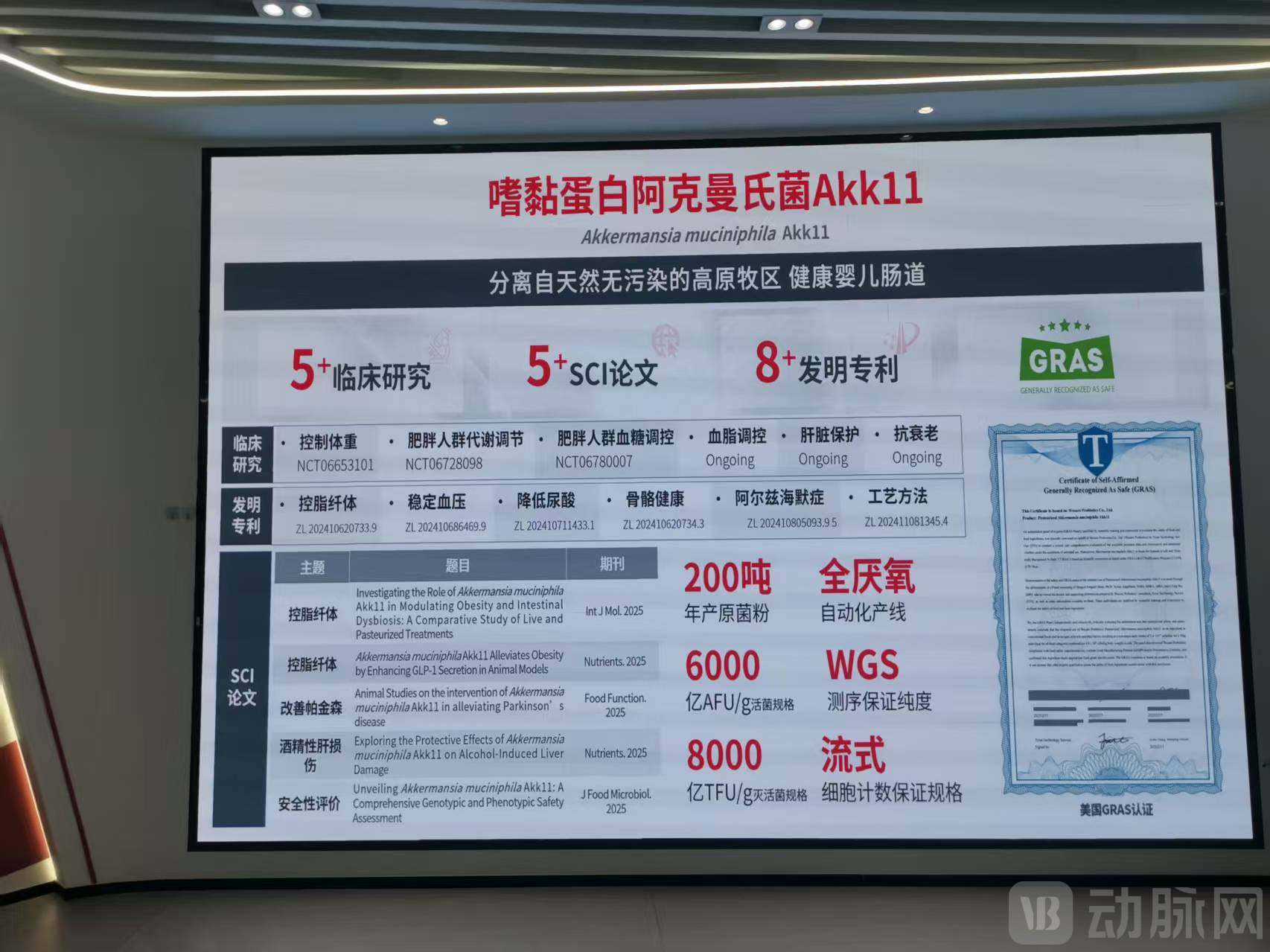
Source: Photo by VCBeat
In fact, the development of probiotic strains is a complex and lengthy process that involves multiple stages, including strain screening, functional validation, clinical evidence-based evaluation, and large-scale production. VACURE l Biotechnology has established four major research and development platforms centered on functional strains and industrialization, covering strain screening, functional validation, clinical evidence-based evaluation, and large-scale production, thereby forming a complete chain from scientific research to industrial application. This system has driven technological advancements in the probiotic industry, providing global consumers with safer and more effective functional probiotic products. Fang Shuguang emphasized, “Our goal is to make effective probiotics affordable for Chinese people. This is my original aspiration and mission.”
VACURE’s success in strain R&D is inseparable from its emphasis on talent development. Fang Shuguang introduced that VACURE primarily focuses on internal cultivation, supplemented by the external recruitment of high-level talents, to build a high-caliber R&D team. “Currently, VACURE has more than 20 PhDs and nearly 200 master’s degree holders, with R&D personnel accounting for one-third of the company’s total workforce. Talent is VACURE’s core asset, and our people and teams are the sole driving force behind the company’s growth. By establishing robust talent development and incentive mechanisms, VACURE provides extensive opportunities for professional growth, thereby stimulating the innovative enthusiasm of its R&D staff.”
VACURE Probiotics emphasizes collaboration with domestic and international research institutions and universities during strain development. By integrating industry, academia, and research, the company not only stays abreast of cutting-edge international technological advancements but also fully leverages external scientific resources to accelerate the strain R&D process. For instance, VACURE Probiotics maintains close partnerships with renowned hospitals and institutions both in China and abroad, including Jiangnan University, Huashan Hospital, Suzhou Ninth People’s Hospital, Shandong Qilu Hospital, and APC Europe. Together, they conduct fundamental and clinical research on probiotic strains, covering six major health areas such as metabolism and gastrointestinal health, encompassing more than 20 functional directions and over 100 clinical studies. This rigorous approach ensures the scientific validity and efficacy of strain functions, providing strong support for the market promotion of probiotic products.
Fang Shuguang remarked on the R&D of probiotic strains, stating, “The research and production of probiotics involve highly specialized technologies and equipment. In the early stages of our venture, we faced technical bottlenecks and a shortage of talent. Coupled with fierce competition in the domestic probiotic market and the dominant position of foreign brands, we also endured significant pressure in brand promotion and market expansion.” Yet it was precisely under this pressure that VACURE l Biotechnology continuously explored innovation, gradually overcame technical challenges, cultivated a high-caliber R&D team, and established a comprehensive R&D system, laying a solid foundation for the company’s sustainable development.
VACURE’s success in probiotic strain R&D also stems from its emphasis on intellectual property (IP) protection. The company actively files patents to safeguard its independently developed strains and technological achievements. To date, VACURE has filed more than 300 invention patent applications, with over 200 patents granted. These patents not only establish technical barriers for the company but also provide strong support for its market competitiveness. Fang Shuguang stated, “IP protection is a crucial pillar of corporate innovation. Only by effectively protecting our own intellectual property can we secure a competitive advantage in the marketplace.”
After years of development, VACORE Probiotics has achieved remarkable success in the field of probiotic strains. The company has grown into the world’s third-largest and Asia’s largest production base for probiotic strains, with 90% of the market share for domestically produced strains in China coming from VACORE Probiotics. This achievement is inseparable from Fang Shuguang’s original entrepreneurial vision and his persistent dedication to strain research and development. Leveraging his profound understanding of the probiotic industry, he has led VACORE Probiotics to achieve continuous breakthroughs in technological innovation, product quality, and market expansion, making significant contributions to the development of China’s domestic probiotic industry. Meanwhile, the success of VACORE Probiotics has provided valuable experience for other domestic enterprises, inspiring more companies to engage in the research and development of probiotic strains and jointly promoting the prosperous development of China’s probiotic industry.
Regarding VACURE’s development, Fang Shuguang is well aware of the current gap between China’s probiotic industry and its international counterparts. Therefore, he has positioned VACURE to catch up with global leaders and gradually break through existing monopolies.
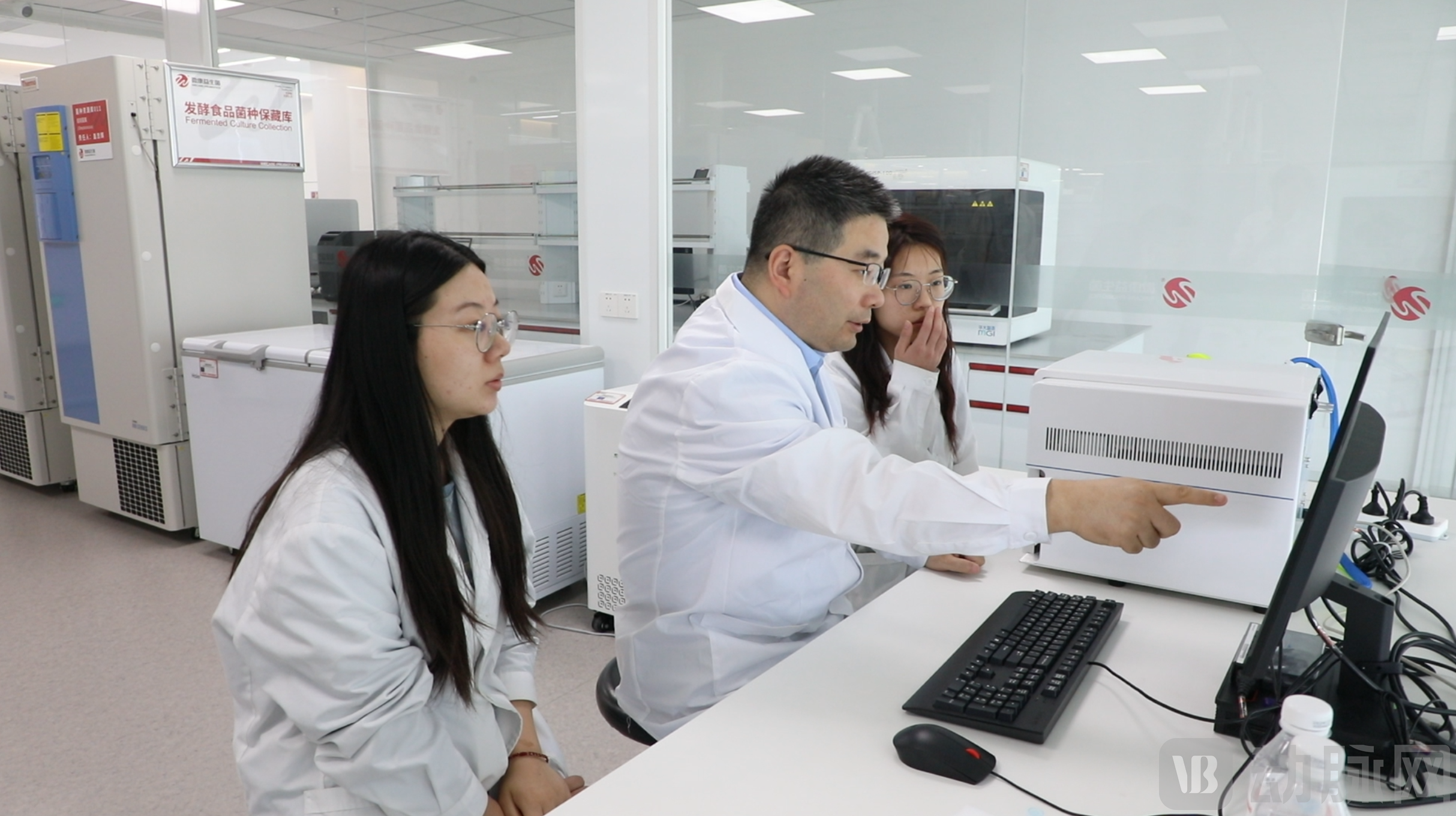
The global probiotics industry is experiencing rapid growth, yet it is characterized by intense market competition and significant technological monopolies. As industry leaders, DuPont (USA) and Chr. Hansen (Denmark) hold 50% and 35% of the global probiotics market share, respectively. These two companies possess distinct advantages in strain research and development, production technology, and marketing. Through long-term technological accumulation and brand building, DuPont and Chr. Hansen have established strong market barriers, with their products leading the industry in stability, efficacy, and market recognition. For instance, DuPont’s probiotic products are widely used across various sectors, including food and dietary supplements, earning considerable consumer trust. Meanwhile, Chr. Hansen boasts profound technical expertise in fermentation cultures, providing high-quality yogurt starter cultures to numerous food enterprises worldwide.
China’s probiotics industry started relatively late and has a comparatively weak technological foundation, resulting in 95% of yogurt starter cultures on the market being reliant on imports, while probiotic strains used for infants aged 0–3 years are 100% import-dependent. However, with the rapid development of China’s economy and growing consumer health awareness, the domestic probiotics market has expanded rapidly, creating favorable opportunities for local enterprises. Chinese companies such as VACURE l Biotechnology Co., Ltd. have seized this opportunity by increasing R&D investment and introducing advanced technologies and equipment, thereby gradually enhancing their technical capabilities and market competitiveness, and emerging as notable players in the domestic market.
It is reported that VACURE Probiotics holds a market share of nearly 10% in China’s domestic probiotic market, establishing itself as a leading enterprise for domestically produced probiotic strains. Through technological innovation and large-scale production, the company has not only secured a position in the domestic market but also emerged prominently in the international arena. In 2024, VACURE Probiotics’ international business accounted for over 50% of its total operations, with products exported to more than 80 countries and regions across the Americas, Europe, and Australia. This achievement is attributed to VACURE Probiotics’ continuous investment and technological innovation in strain research and development. The company has established an extensive strain library containing 40,000 strains, providing abundant resources for the development of novel probiotic strains. Meanwhile, VACURE Probiotics has introduced globally advanced intelligent manufacturing production lines, achieving large-scale production of probiotic strain raw materials characterized by high density, high viability, and high stability.
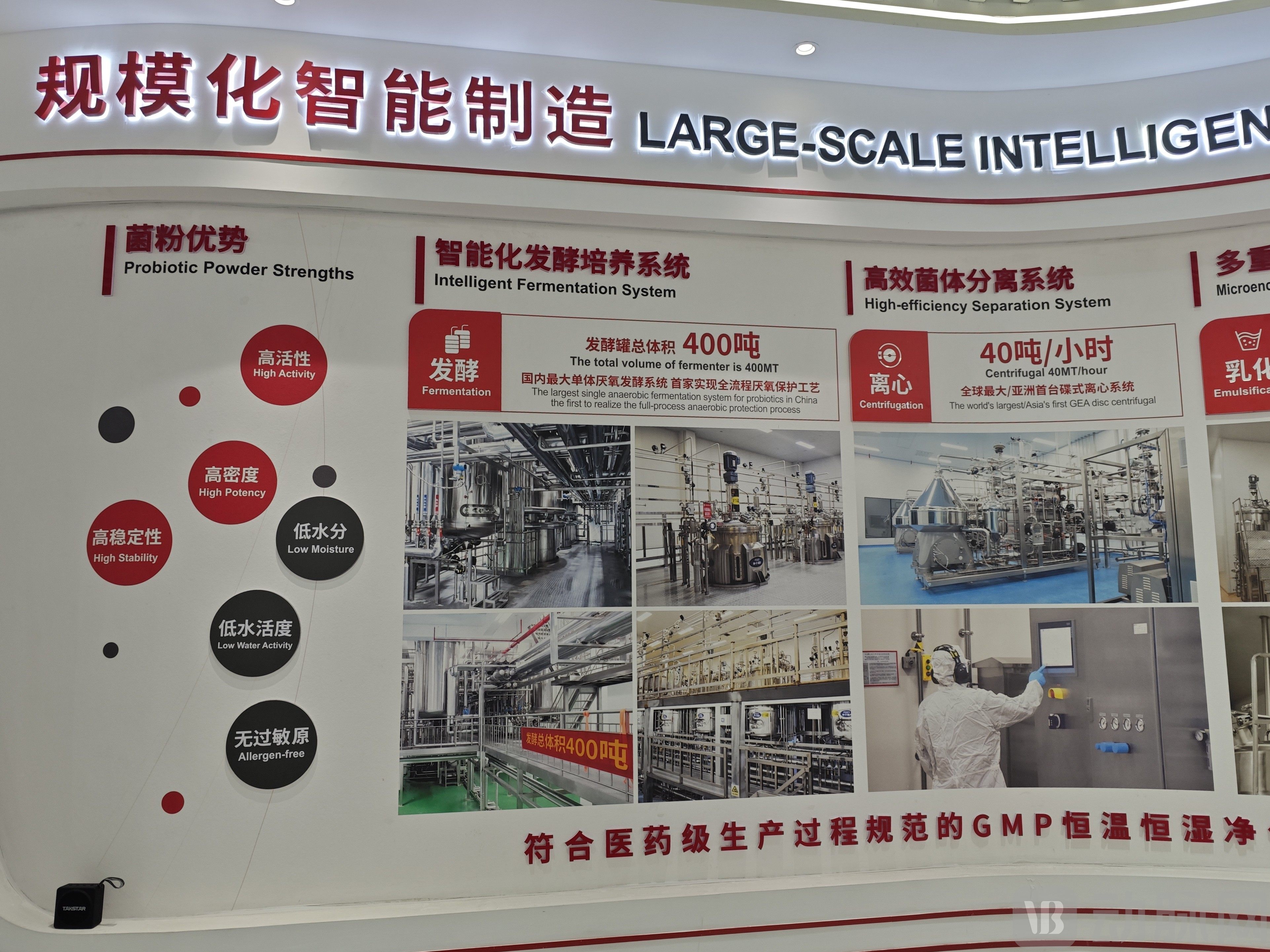
Source: VCBeat on-site photography
The competitive landscape of the domestic probiotic market in China is gradually evolving. In addition to VACURE Biotechnology, other companies such as BlueBio and Runying Biology have secured a certain share of the market. BlueBio holds over 4% of the Chinese market share, while Runying Biology accounts for more than 2%. These enterprises have established their own development positions within the probiotic industry by leveraging their respective technical advantages and market strategies. For instance, BlueBio possesses strong technical capabilities in the field of animal microbial ecological preparations, with its products widely used in the breeding industry, making positive contributions to the development of China’s ecological aquaculture and livestock sectors. Meanwhile, Runying Biology continues to expand its business in the food and health supplement sectors, providing customers with diversified probiotic solutions.
In the competitive market, VACURE Probiotics has successfully broken the high-price monopoly of foreign brands by leveraging its cost advantages and technological innovations. In 2024, the price of domestic high-activity probiotic powder dropped from over RMB 10,000 per kilogram to RMB 700 per kilogram, with VACURE Probiotics playing a pivotal role in this significant price reduction. This decline not only made probiotic products more affordable and accessible but also spurred rapid growth in the probiotic market. By optimizing production processes and enhancing efficiency, VACURE Probiotics reduced product costs while ensuring quality and stability, thereby distinguishing itself in market competition.
“Once we increased the dosage to over 100 billion CFU, the probiotics industry began to take off. As consumers recognized its efficacy, repeat purchases followed, and the industry gradually gained momentum. My dream is to ensure that at least 100 million people in China have access to highly active, effective probiotics priced at just RMB 2. VACURE’s business model is straightforward: I only aim to earn one cent from every RMB 2 through technological innovation,” said Fang Shuguang.
According to Fang Shuguang, the competitive landscape of the probiotics industry is also influenced by policies and regulations. With the rapid development of the probiotics market, governments around the world have strengthened supervision over probiotic products, introducing a series of policies and regulations to standardize market order and protect consumer rights. VACURE l Probiotics actively responds to national policies, strictly adheres to relevant regulatory standards, and strengthens product quality control and safety management. The company has established a comprehensive quality management system, implementing strict quality monitoring at every stage—from strain selection and cultivation to product manufacturing, packaging, and transportation—to ensure that its products meet both national and international standards, thereby providing strong support for the company’s competitiveness in the market.
In the competitive market, VACURE l Biotechnology Co., Ltd. continuously expands its application fields and taps into market potential. Beyond traditional sectors such as food and health supplements, VACURE l has established a presence in pharmaceuticals, agriculture, and daily chemical products. For instance, in the pharmaceutical sector, VACURE l collaborates with multiple research institutions and pharmaceutical companies to conduct research on the use of probiotics for disease prevention and treatment, developing probiotic-based drugs for conditions such as cancer. In agriculture, the company utilizes probiotics to improve soil quality and breeding environments, thereby enhancing crop yield and quality while reducing the use of chemical pesticides and fertilizers, providing technical support for the sustainable development of China’s agriculture.
VACURE’s successful experience offers valuable insights for domestic probiotic companies. In the face of competitive pressure from foreign brands, Chinese enterprises should increase R&D investment, strengthen technological innovation, and improve product quality and performance to gradually break the foreign monopoly on technology. Meanwhile, domestic companies should also focus on brand building and marketing to enhance brand awareness and reputation, thereby boosting their market competitiveness. Furthermore, Chinese enterprises can strengthen collaboration to achieve resource sharing and complementary advantages, jointly promoting the development and growth of China’s probiotic industry.
Planner: Zhu Ping
Written by: Zhu Ping
Poster Design: Li Jingtao
Produced by VCBeat
Welcome to communicate with the author: Zhu Ping, wsmercury
—END—
Training on Registration and Market Access for Biomanufacturing Products
Major Launch
On July 26–27, 2025, the “Training on Registration and Market Access for Biomanufacturing Products” was grandly launched at the Beijing Yizhuang International Biopharmaceutical Park.
Co-hosted by VCBeat and Dr. Fang, this event focuses for the first time on six golden tracks (pharmaceuticals, cosmetics, food, animal health, agriculture, and materials), providing you with a practical guide to breaking through from the laboratory to the market.
Highlight 1: A Lineup of Top-Tier Experts
Bringing together over ten industry-leading experts and practical instructors from the fields of pharmaceuticals, veterinary drugs, and food, including Yu Li (former expert at the Beijing Institute for Drug Control), Dong Yichun (Secretary-General of the China Veterinary Drug Association), and Si Rong (international leader in food regulations). They will provide in-depth analysis of global regulatory standards (such as those of the FDA and NMPA) to help you precisely select registration pathways and build compliant submission dossiers.
Highlight 2: Practice-Oriented Purpose
Addressing Corporate Pain Points: Bridging the Pilot-Scale “Valley of Death” and Navigating Registration and Market Access Hurdles. Through case studies, master strategies for pharmaceutical IND/NDA submissions, new cosmetic ingredient filings, and veterinary drug approvals, while formulating winning approaches to pricing and volume-based procurement responses. Enhance market competitiveness through efficient cross-domain collaboration.
The specific schedule is as follows:
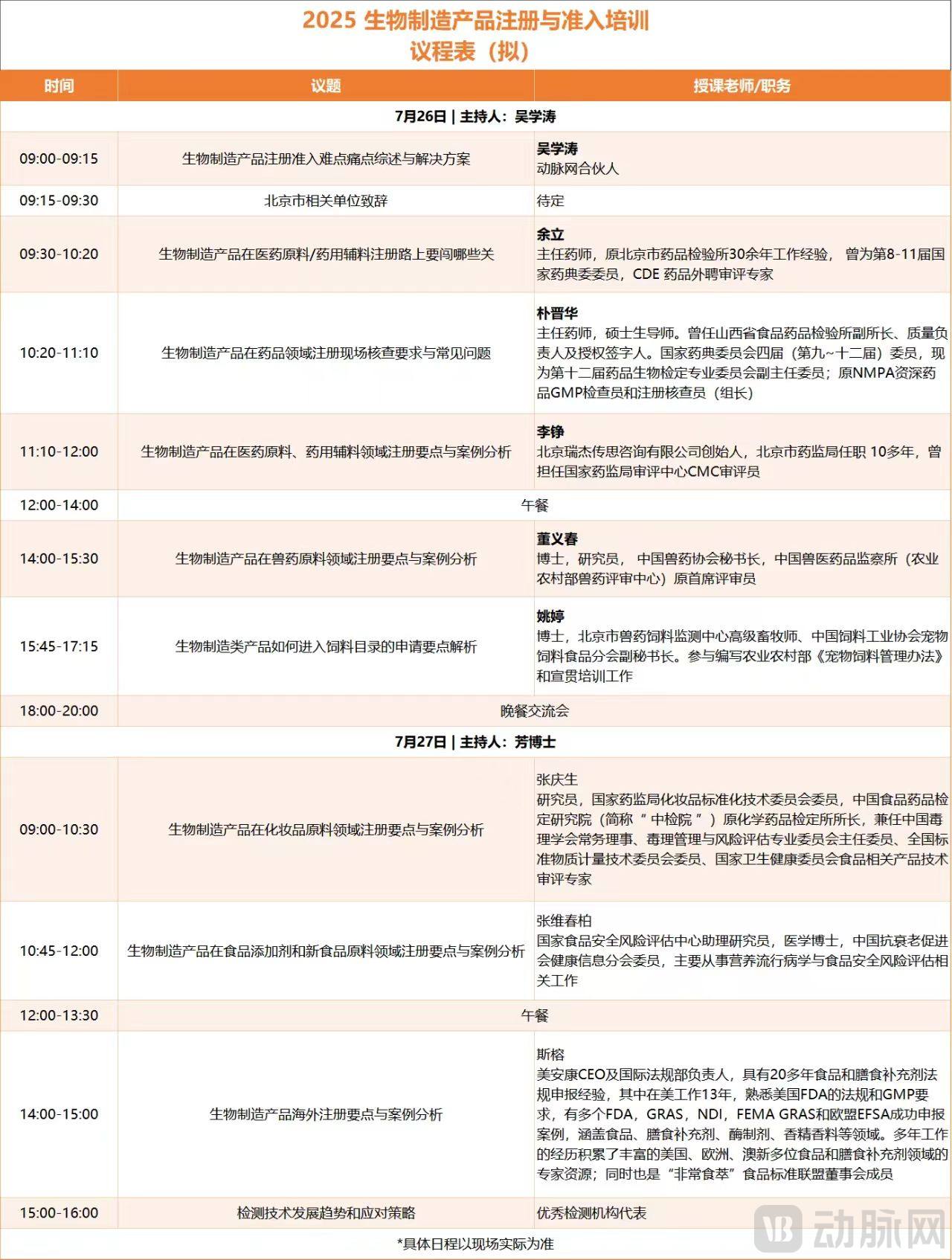
Limited to 80 seats, first come, first served. Engage face-to-face with experts to help your product leap from “biomanufacturing” to “market success”!
Scan the QR code below to register and secure your seat, embarking on a journey toward compliance breakthroughs!