

Shukun Technology Unveils Medical Foundation Model 3.0 on Its 8th Anniversary, Pioneering the Next Era of Intelligent Healthcare
Amid the dazzling constellation of medical technology, a profound transformation driven by artificial intelligence is reshaping the industry’s future landscape with unprecedented force. From the precision and efficiency of AI-assisted diagnosis to the customization of personalized treatment, and from the nuanced insights of medical image analysis to the intelligent empowerment of data management, AI’s reach has extended into every facet of healthcare services, accelerating the industry’s advance toward greater efficiency, enhanced precision and reliability, and smarter collaboration.
Amidst this sweeping tide, the rise of large language models (LLMs) specialized in healthcare is quietly reshaping the foundational landscape of China’s medical and health sector, with Shukun Technology emerging as a shining star. Over eight years of relentless advancement, Shukun Technology has consistently stood at the forefront of medical technology. From its pioneering ambition to create the “Digital Heart,” to crafting the blueprint for the “Digital Human,” and now leading the wave of “medical large models,” Shukun Technology has used innovation as its brush and technology as its ink to paint a series of remarkable development portraits, single-handedly establishing one milestone after another.
In June 2025, marking the company’s eighth anniversary, Shukun Technology grandly unveiled version 3.0 of its “Shukun Kun” large language model, signaling a major breakthrough in the field of medical vertical-specific large models and opening up broader prospects for the future of smart healthcare.
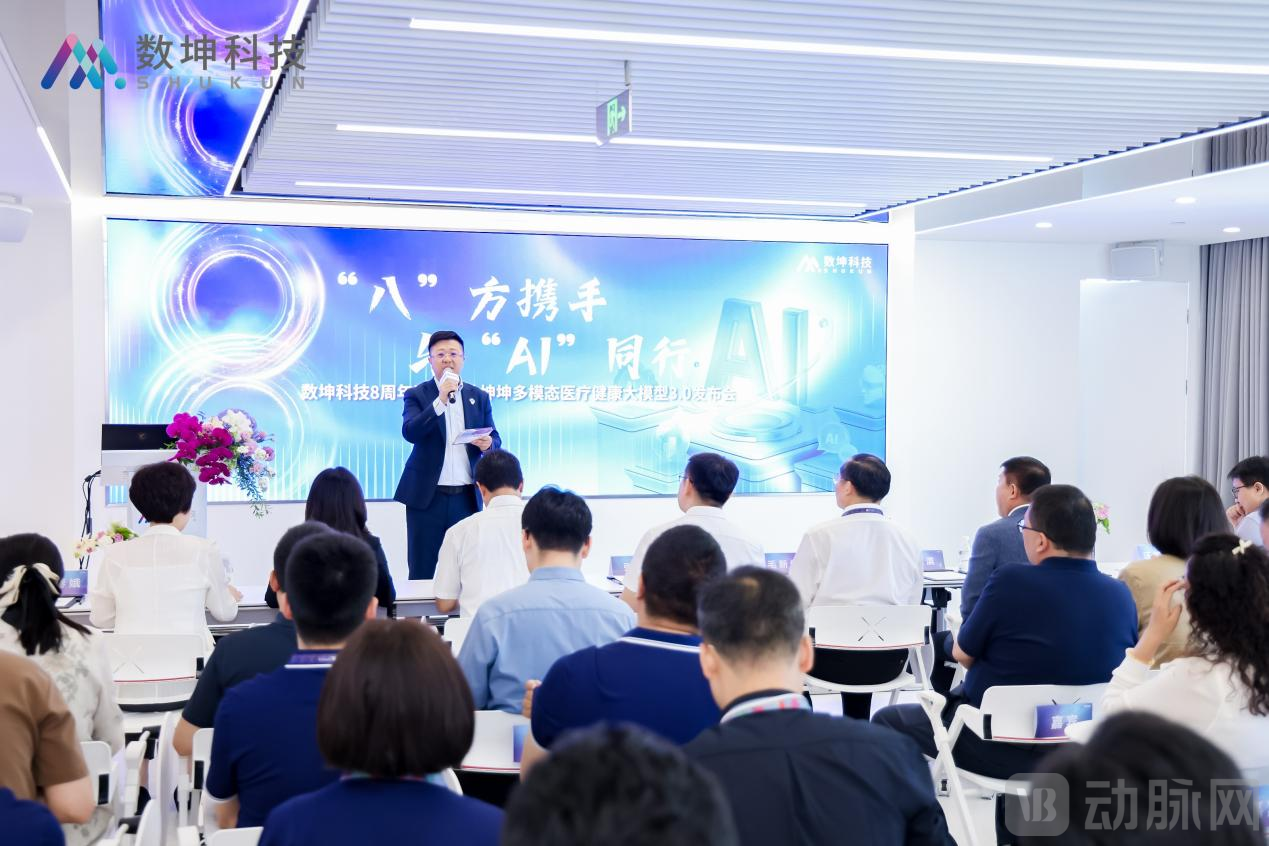
Enhanced Core Capabilities: Shukun Large Model Is the “Digital Doctor That Understands You Best”
Driven by deep insights into the cutting-edge trends of AI technology, Shukun Technology embarked on its exploration of large models well before the emergence of ChatGPT. As its imaging AI comprehensively evolved into medical large models, Shukun Technology’s original mission has remained unchanged: to create a “Digital Doctor” for the healthcare industry that best understands both physicians and patients.
However, the specialized and serious nature of the healthcare industry has caused countless large language models on the market to fail. In the view of Zheng Chao, CTO of Shukun Technology, for medical large models to truly achieve clinical usability, they must possess at least several key capabilities: precise mastery of medical language, cross-modal understanding of multimodal data, and reasoning akin to that of clinical experts. All these capabilities have been upgraded in the “Shukun Kun” Multimodal Healthcare Large Model 3.0.
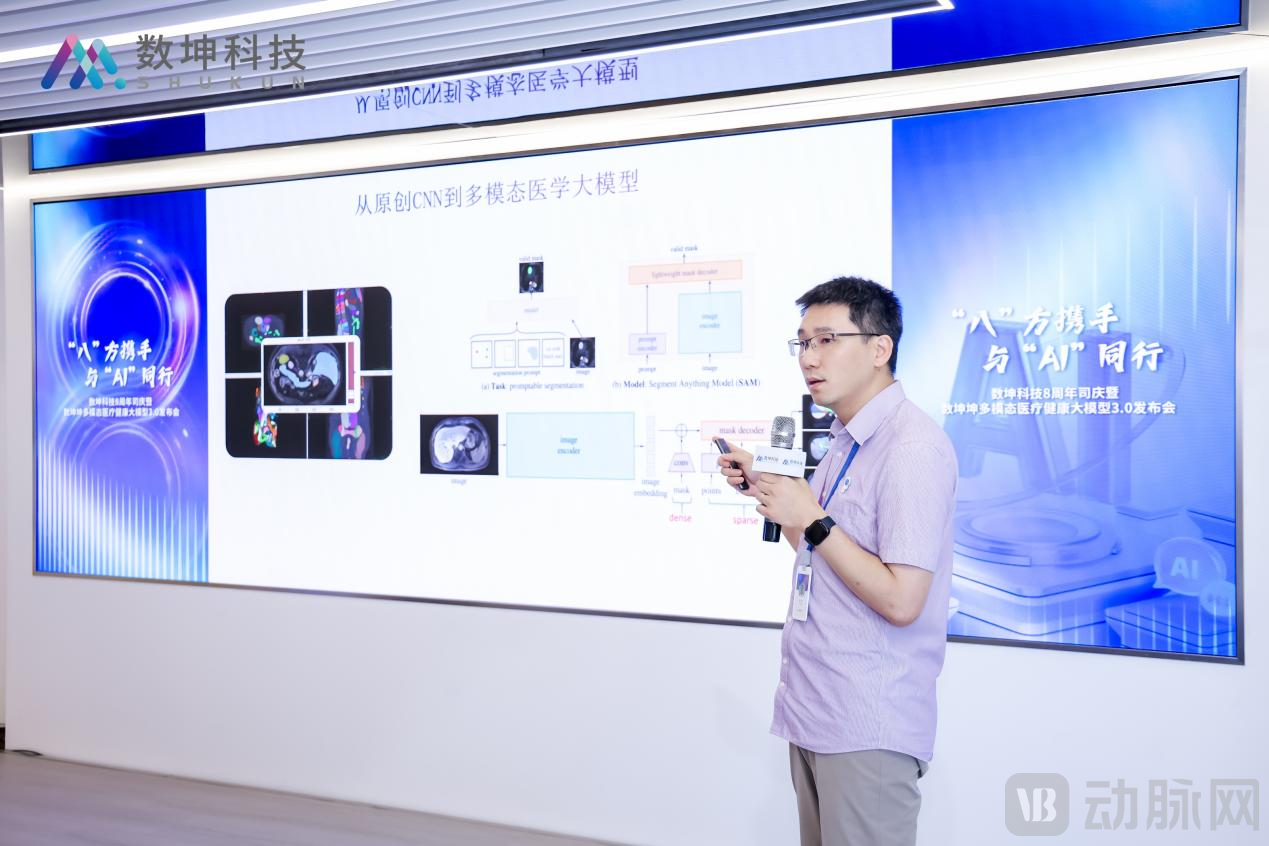
Mastering medical language is the first hurdle for large models to transition from general-purpose to healthcare-specialized applications.Because medical corpora differ significantly from general-purpose corpora, and the scale of medical training data is far smaller than that of general-purpose data, models are prone to generating ambiguous outputs and hallucinations (i.e., factual errors or fabrications).
During the training of Shukun Large Model 3.0, Shukun Technology leveraged its partnerships with over 5,000 medical institutions worldwide and its eight years of accumulated expertise to incorporate extensive private-domain medical knowledge and real-world case data. This enabled the construction of a more comprehensive dataset and the thorough integration of medical corpora, achieving one-to-one correspondence in medical coding. As a result, version 3.0 demonstrates exceptional performance in minimizing hallucinations, exhibits greater precision in understanding medical language, and delivers more reliable and trustworthy outputs. These advancements significantly enhance physicians’ trust and reliance on the model in clinical practice, allowing it to provide high-value assistance in complex case discussions and diagnostic pathway planning.
Secondly, Shukun Large Language ModelThe multimodal understanding capabilities of 3.0 have been further upgraded.Currently, most large language models on the market remain heavily text-centric, lacking multimodal comprehension capabilities. They struggle to directly interpret information from images and find it even more challenging to achieve cross-modal understanding among text, images, video, and other data types. Leveraging its profound expertise in computer vision (CV) specialized models and continuous iterative optimization, the Shukun Large Model has achieved true parity between text and visual media (images and video), establishing exceptionally powerful multimodal understanding capabilities.
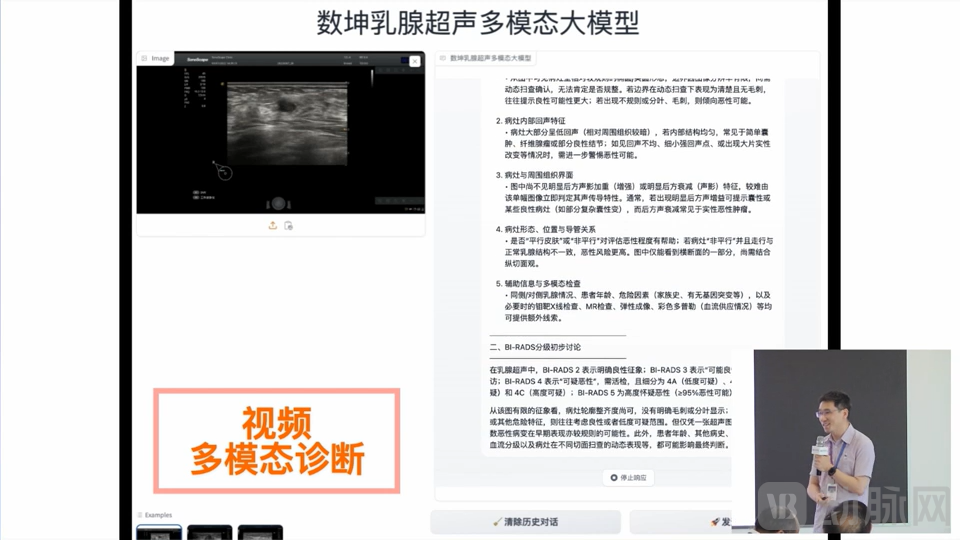
Taking high-complexity breast ultrasound diagnosis as an example, physicians can upload raw diagnostic data in formats such as single frames, multi-frames, and videos. The Shukun Large Model directly performs preliminary image observation and analysis of conventional features, along with an initial discussion of BI-RADS categorization. The large model also automatically assesses image correlations and prompts whether additional information is needed to derive more precise auxiliary diagnostic conclusions.
By deeply integrating the Shukun Large Language Model with the leading DeepSeek model, Shukun Technology has established robust foundation models across four modalities: text, image, video, and audio. This means that the large language model can not only interpret textual data such as electronic medical records and medical literature, precisely analyze imaging studies including X-rays, CT scans, and MRIs, and understand dynamic ultrasound videos, but also process audio data such as doctor-patient dialogues, thereby enabling comprehensive handling of various heterogeneous information.
Shukun Large Language ModelThe third major upgrade of 3.0 has strengthenedA Systematic and Logical Diagnostic-Therapeutic Reasoning Chain Closer to That of Human Clinical Experts。
On the one hand, this signifies a further enhancement in large models’ ability to integrate and reason across multimodal information, enabling them to consider issues systematically and comprehensively, akin to physicians; meanwhile, each additional module of data contributes to more precise results. On the other hand, any conclusion or recommendation provided by the Shukun Large Model is accompanied by detailed sources and an analytical process, ensuring that the output aligns more closely with the requirements of evidence-based medicine and offers greater interpretability.
This is also the key to enabling large medical models to handle real-world tasks, such as differential diagnosis and personalized treatment. After upgrading to version 3.0, the Shukun Large Model has acquired multidisciplinary team (MDT) consultation capabilities and can even provide targeted recommendations for the co-management of comorbidities. This marks the transition of large models from being merely “usable” to reaching a practical level of being “useful and user-friendly,” effectively augmenting physicians’ cognitive decision-making capacity and becoming their true “super assistants.”
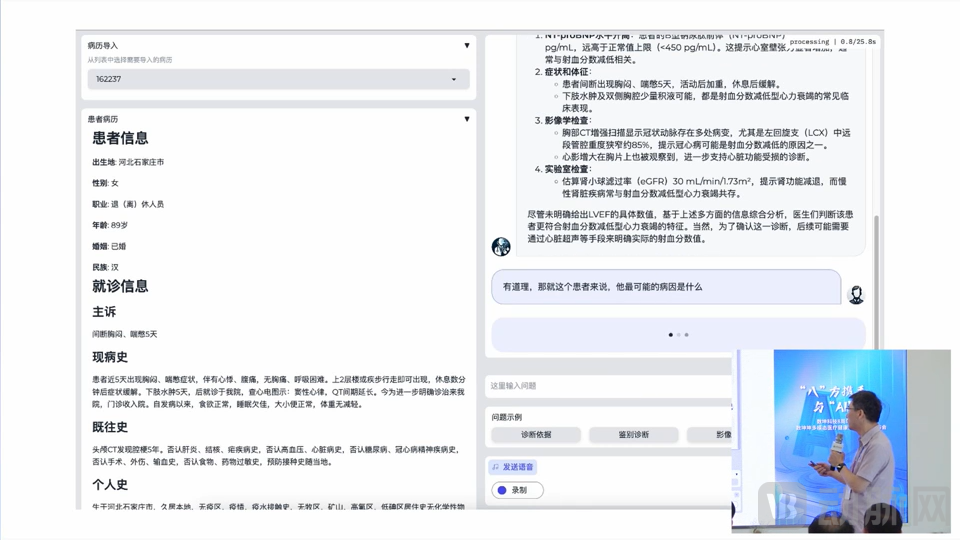
Taking an 89-year-old patient with chief complaints of “intermittent chest tightness and dyspnea” as an example, after reviewing the medical records, the Shukun Large Language Model correctly determined that the patient’s presentation was more consistent with “heart failure with reduced ejection fraction (HFrEF),” despite the absence of direct evidence in the records indicating an ejection fraction below 40%. Based on a comprehensive analysis of indirect evidence—including elevated NT-proBNP levels, symptoms and signs, imaging studies, and laboratory tests—the model provided potential etiologies and personalized treatment recommendations through multi-turn inquiries.
Currently, the development of large medical models has entered a “deep-water zone”—directly confronting complex clinical challenges in specialized disciplines and specific diseases. This represents not only the pinnacle of technical difficulty but also the true “touchstone” for evaluating a large model’s professional capabilities. Shukun Large Model 3.0 demonstrates expert-level medical question-answering abilities in key specialized areas such as heart disease and liver disease. The model has reached new heights in its understanding of complex medical knowledge and its grasp of key points in differential diagnosis.
Expanded Application Scenarios: Anchoring High-Quality Development of Public Hospitals and Bridging the “Last Mile” in Grassroots County-Level Healthcare
Shukun’s Large Model 3.0 does not exist in isolation; it not only empowers and reconstructs Shukun Technology’s original core product lines but is also deeply integrated into the “Agent Team” launched by Shukun Technology.This marks healthcareThe role of AI is undergoing a fundamental shift—evolving from a tool that enhances efficiency in individual steps to an “intelligent partner” that covers the entire diagnosis and treatment workflow and collaborates closely with physicians, thereby driving the transformation of healthcare service models toward intelligence, collaboration, and platform-based operations.
This year marks the conclusion of the Action Plan for Promoting High-Quality Development of Public Hospitals (2021–2025). Centered on its Shukun Large Language Model, Shukun Technology is building a “Digital Intelligence Brain” for hospitals. This initiative goes beyond merely intelligentizing individual departments or systems; instead, it aims to construct a new digital-intelligent healthcare ecosystem that spans multiple domains and full scenarios, including clinical operations (intelligent auxiliary diagnosis, treatment plan recommendation, and medical record quality control), patient services (intelligent triage, personalized health management, and follow-up reminders), and hospital administration (optimized resource scheduling, performance management, cost control, and research data mining). This comprehensive approach injects robust AI momentum into the high-quality development of public hospitals.
This model has yielded fruitful results in many regions across China. In Nanning, a city selected for the National Demonstration Project on Public Hospital Reform and High-Quality Development, the Ninth People’s Hospital of Nanning has leveraged Shukun’s large language models and its Digital Human Platform to empower the entire care continuum—screening, diagnosis, treatment, and follow-up—for common major diseases, ushering in a new era of smart healthcare. Since deployment, the hospital has significantly enhanced its screening and diagnostic capabilities for conditions such as coronary heart disease, stroke, breast cancer, pulmonary lesions, and fractures. This has substantially strengthened regional capacity for the prevention and control of major diseases, facilitated the implementation of “early diagnosis and early treatment,” and established a virtuous cycle of “local screening, local treatment, and local management” for residents. The case has been featured by media outlets including Xinhua Net, Nanning Daily, and Nanning Radio and Television Station.
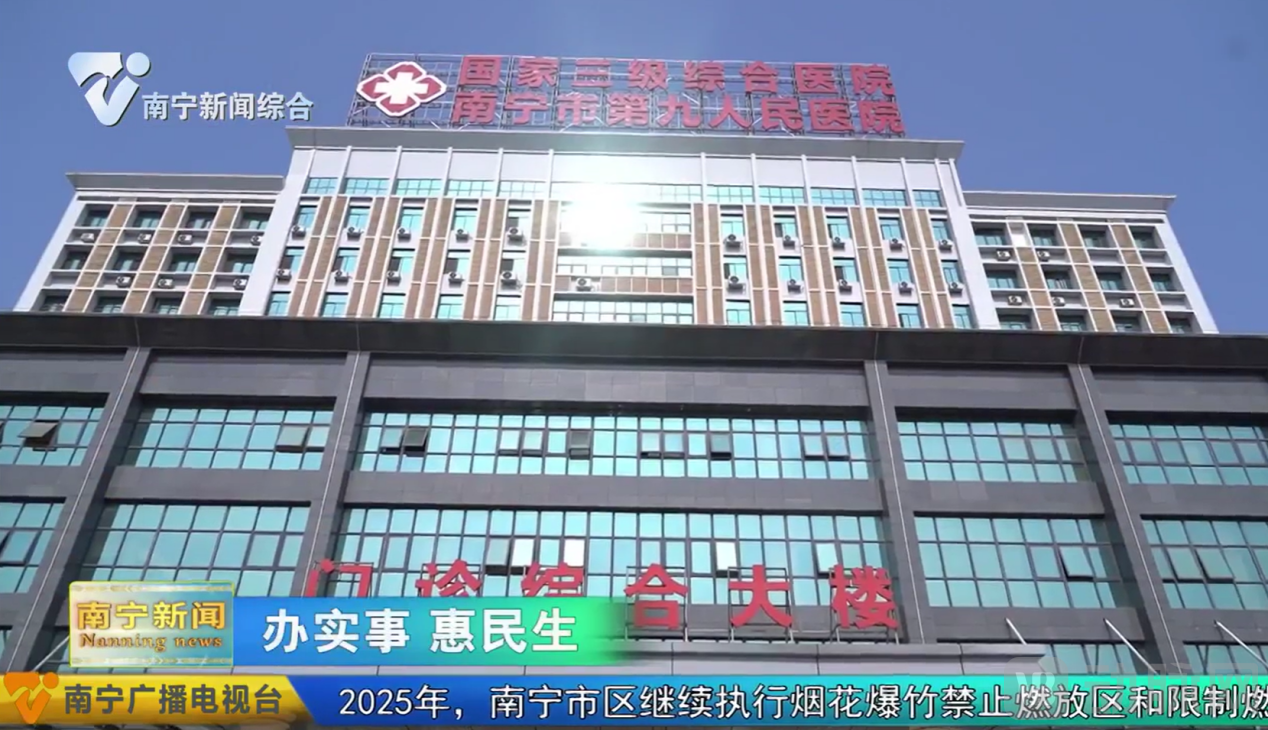
Beyond this, leading hospitals such as Beijing Geriatric Hospital and Shenzhen People’s Hospital have also successfully achieved digital and intelligent transformation with the support of Shukun’s large language model, resulting in significant improvements in medical efficiency and service quality. This fully validates the feasibility and immense potential of large language models in empowering high-quality hospital development.
In vast grassroots county-level regions, Shukun’s large language model has even broader application potential.
The National Health Commission has explicitly set forth the strategic goal of “managing serious illnesses within the province, treating common diseases at the city and county levels, and addressing everyday ailments at the primary care level,” while vigorously promoting the model of “distributed imaging acquisition with centralized diagnosis” to strengthen the integration and optimized allocation of medical resources within counties. Leveraging its robust capabilities and flexible deployment solutions, Shukun Large Model 3.0 is aligning closely with national policies, emerging as a key force in addressing the weaknesses in primary healthcare capacity.
To effectively address the challenges faced by grassroots medical institutionsTo address the pain points of weak IT infrastructure and a shortage of specialized talent, Shukun Technology has joined forces with tech giant Huawei to launchLarge Language ModelAll-in-One Solution.This solution deeply integrates the core capabilities of Shukun’s large language model with powerful hardware computing power, achieving a “plug-and-play” experience that significantly lowers the barriers to technical deployment and operations and maintenance. Meanwhile, tailored to the usage habits and practical needs of primary-care users, version 3.0 has undergone specialized, in-depth optimization in model lightweighting and interaction simplicity, ensuring that primary-care physicians can easily adopt the system and rapidly realize its benefits.
In Nanpi County, Cangzhou City, Hebei Province, Shukun’s large language model and all-in-one systems have been deployed ahead of others, helping Cangzhou Fourth Hospital (Nanpi County People’s Hospital) build China’s first “digital-intelligent county-level medical consortium” model.
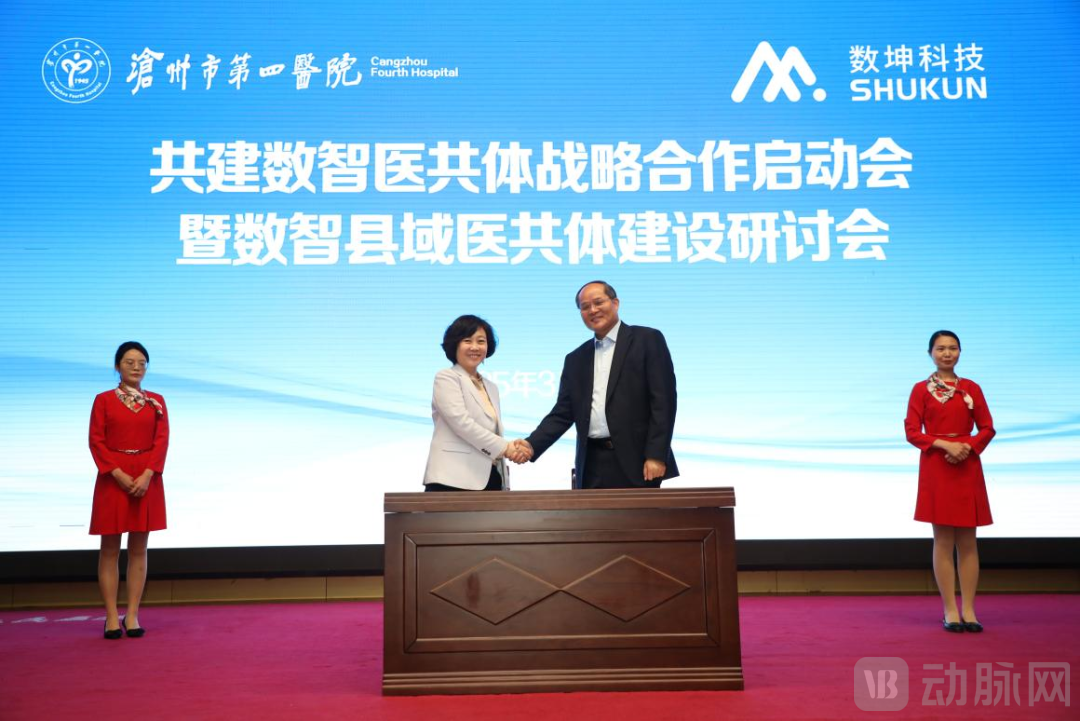
At the county hospital level, AI technology has significantly enhanced the “leading” role and service capabilities of county-level hospitals. When patients initially present for care, intelligent triage and smart triage agents can analyze their condition based on chief complaints, accurately recommend the appropriate specialty, and provide personalized advice. During outpatient visits, intelligent models can automatically generate and enter medical records while performing standardized quality control, thereby reducing the burdensome manual documentation process and freeing healthcare professionals to focus more on patient care. In diagnostic procedures such as imaging and ultrasound, large language models can assist physicians in real-time decision-making, providing strong momentum for precision medicine. In the diagnosis and treatment decision-making for complex diseases, AI agents can aid physicians in comprehensively analyzing multimodal information, facilitating differential diagnosis and recommending treatment plans, while flagging potential disease risks and medication contraindications, thus improving diagnostic and therapeutic efficiency and accuracy. Furthermore, chronic disease management centers and health management centers empowered by large models can deliver end-to-end services encompassing “health monitoring, precision diagnosis and treatment, and intelligent follow-up.”
Meanwhile, primary care screening capabilities have also achieved a significant leap forward with the support of Shukun’s large language model. By establishing interconnectivity with nine township health centers within the medical consortium, patients can receive initial consultations at their local health centers; those identified as high-risk are then referred upward to Nanpi County People’s Hospital for further diagnosis and treatment. The county-level medical big data center and digital dashboard enable hospitals and health authorities to gain comprehensive visibility into region-wide chronic disease screening outcomes and health management records. A new pattern of tiered diagnosis and treatment—characterized by initial consultation at the primary level, two-way referrals, separate management of acute and chronic conditions, and coordinated efforts between upper- and lower-level institutions—has been preliminarily established.
The value of the Shukun Large Model extends beyond hospitals and clinical settings; its robust data analysis and insight capabilities are equally applicable to health administration departments. By aggregating and analyzing regional healthcare data, the large model can assist in strengthening early warning systems for the regional prevention and control of major diseases (such as infectious and chronic diseases). It provides data-driven decision support for government regulatory assessments, health policy formulation, and optimized resource allocation, while also helping to improve the precision and efficiency of health insurance fund utilization.
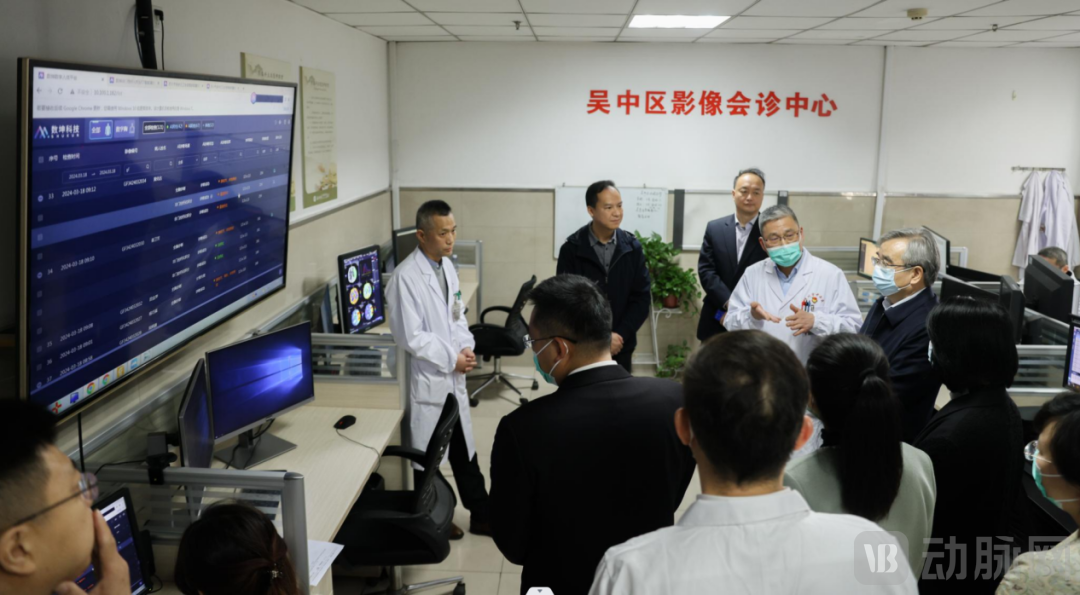
Currently, Shukun’s AI-driven digital intelligence solutions for primary healthcare, powered by the Shukun large language model, have been widely deployed and applied in regions such as Wuzhong (Suzhou), Changping (Beijing), Baoding (Hebei), Wenzhou (Zhejiang), and Zhongwei (Ningxia), providing technological support for the modernization of regional health governance systems and capabilities.
Expanding the Digital-Intelligence Ecosystem: Harnessing Synergy for Win-Win Outcomes and Co-Creating a New Blueprint for Smart Healthcare
Looking back on the eight-year journey since its establishment in 2017, Shukun Technology has charted a clear path of evolution: driven by the spirit of original Chinese innovation and global leadership, it has continued to deepen its expertise and achieve breakthroughs in the journey of AI-empowered healthcare. The newly upgraded Shukun Large Model 3.0 once again sets a benchmark for the industry in terms of both technology and application.
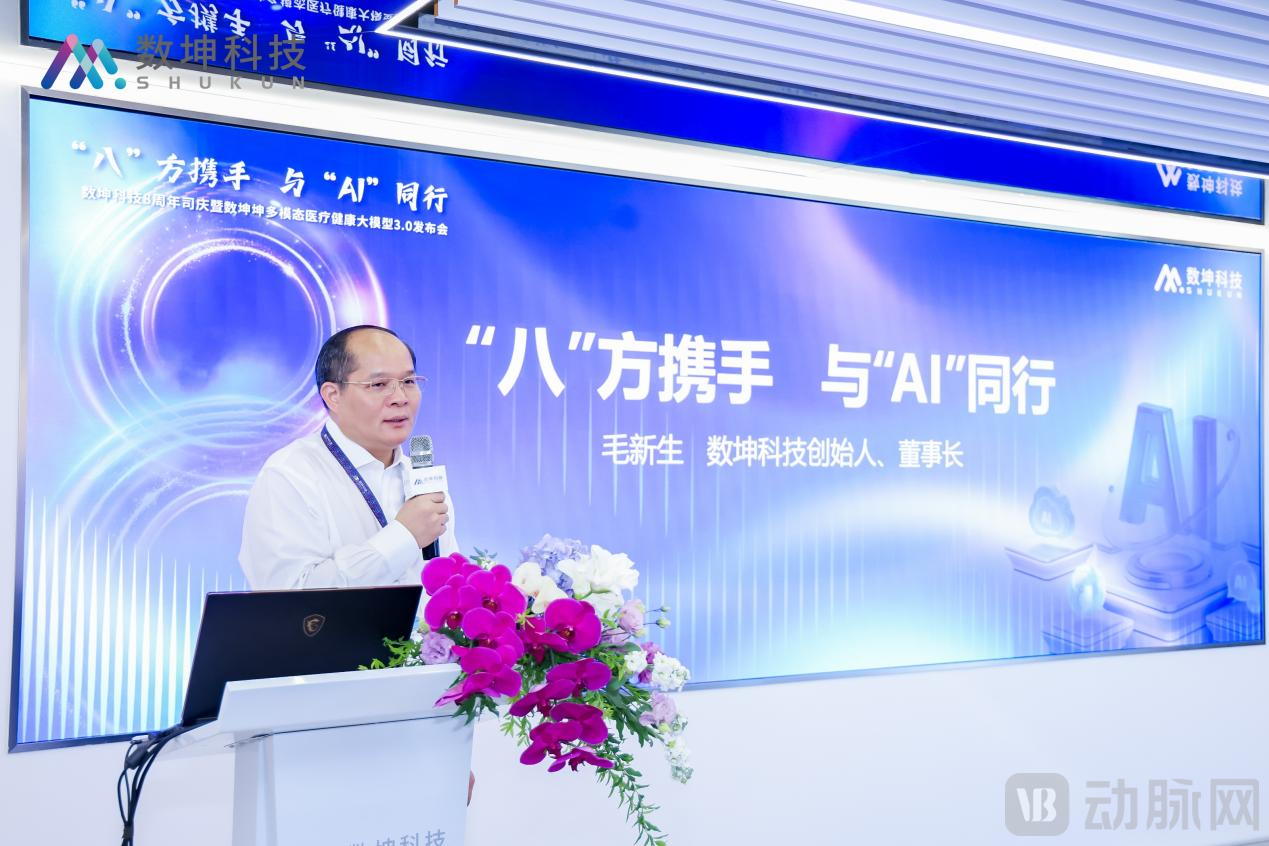
Mao Xinsheng, Founder and Chairman of Shukun Technology, stated that the past eight years have been defined by Shukun’s adherence to its original mission, relentless innovation, and value creation. Today, the Shukun Large Model has been deployed across various scenarios. With the continued efforts of the Shukun team and collaborative ecosystem development, we believe that in the future, every individual will have their own “Digital Human,” hospitals at all levels will be equipped with digital physician teams to empower clinical practice and research, and primary public health services will achieve more effective digital and intelligent management. As medical technologies and equipment continue to evolve and innovate, we will ultimately realize our vision of “enabling ubiquitous access to smart healthcare services for all.”
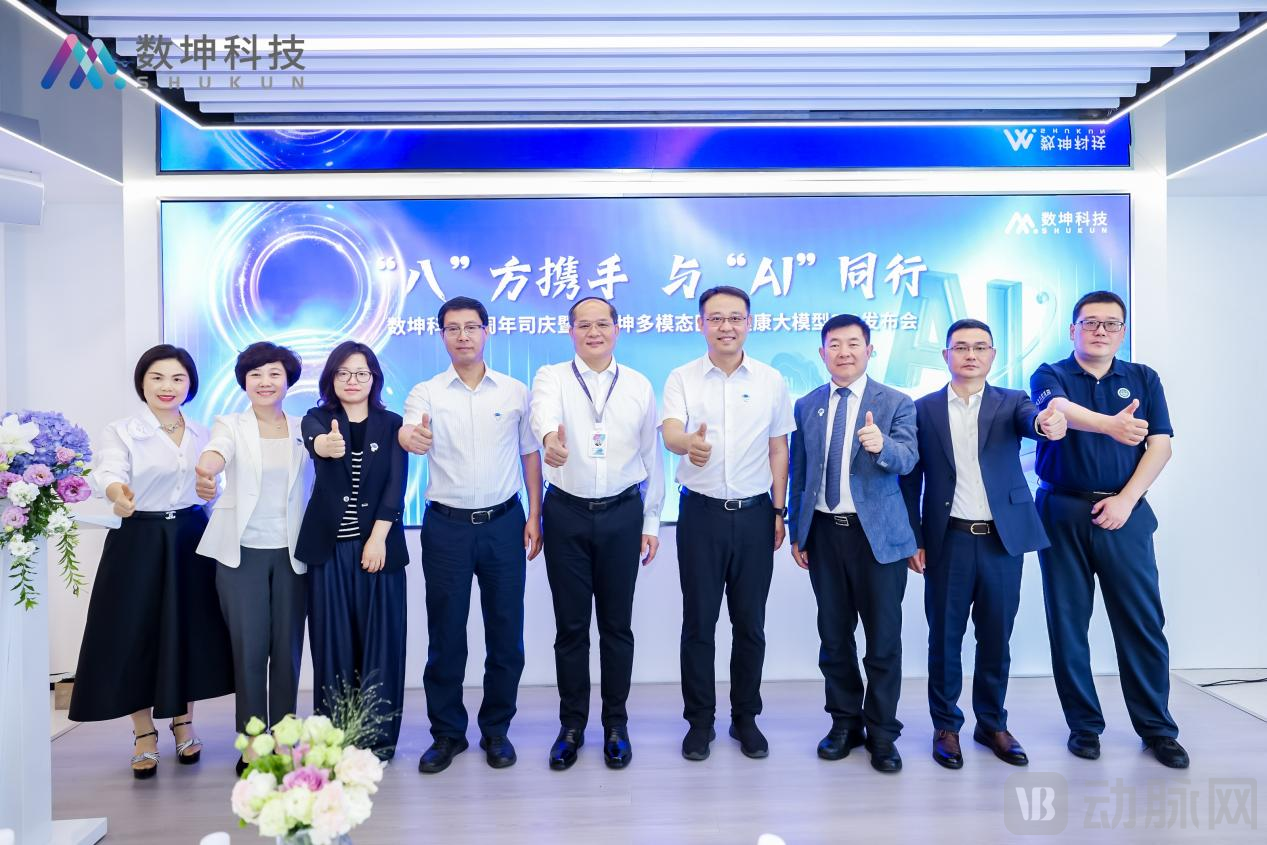
As Shukun Technology continues to grow, its digital-intelligence healthcare ecosystem has further expanded. At the event celebrating Shukun Technology’s 8th anniversary and the launch of Shukun Kun Multimodal Healthcare Large Model 3.0, distinguished guests from the Changping District People’s Government, Changping District Health Commission, Beijing Geriatric Hospital, Fuwai Hospital of the Chinese Academy of Medical Sciences, Nanpi County People’s Hospital, Huawei, and the Healthy County Communication Platform—both old and new friends—gathered to witness this remarkable milestone and jointly chart a new course for future development on the canvas of our time.
Yu Zhen, President of Beijing Geriatric Hospital, stated that Shukun Technology has undergone an arduous yet illustrious journey over the past eight years, achieving remarkable and outstanding accomplishments. In the face of the challenges posed by population aging, it is highly significant to leverage AI to replicate digital physicians that offer greater efficiency, lower costs, better service, and superior quality. Large language models hold substantial potential in empowering digital geriatricians, integrating medical care with elderly care, and supporting home-based elderly care. We believe that Shukun Technology’s future will be even brighter.
Professor Lü Bin, Director of the Center for Medical Imaging, Fuwai Hospital, Chinese Academy of Medical SciencesHe stated that Shukun’s product portfolio is comprehensive, extending beyond a single focal point to encompass multimodal, multi-organ, and whole-body digitalization, thereby firmly establishing itself at the global forefront. While expressing pride in Shukun’s achievements, he encouraged everyone to continue striving for new breakthroughs and excellence in the healthcare sector.
“As a representative of primary-care hospitals, Liu Ling, President of Nanpi County People’s Hospital in Cangzhou City, stated that the successful application of Shukun Technology’s solutions at Nanpi County People’s Hospital is a vivid illustration of smart healthcare extending to the grassroots level and benefiting the general public. It demonstrates that advanced artificial intelligence technologies can take root and flourish even in county-level hospitals with relatively limited resources, tangibly enhancing primary-care service capacity and enabling residents to access more precise and efficient medical services close to home.”
Guo Zhongguang, Head of the Education and Healthcare Systems Department at Huawei China Enterprise Business Group, stated that since its inception, Shukun Technology has remained dedicated to the research and development of original technologies and the innovative implementation of AI in the healthcare sector, much like Huawei’s own entrepreneurial journey in its early days. This commitment has advanced the broader adoption of AI across the industry. He expressed confidence that the collaboration between Huawei and Shukun will play a leading role in multiple AI application scenarios within healthcare, creating greater value.
Wang Yan’an, Editor-in-Chief of the Healthy County Communication Platform, stated that while advancing primary healthcare requires enhancing professional expertise, it must also leverage the power of artificial intelligence. He expressed hope that counties across China will have greater access to Shukun Technology’s high-quality AI services in the future. Under the national initiative to strengthen grassroots infrastructure, the path ahead is sure to become increasingly promising.
The 8th Anniversary: A Significant Milestone in Shukun Technology’s History and a New Starting Point for the FutureAs we stand at the forefront of the booming development of large medical models, Shukun Technology recognizes that the grand blueprint for smart healthcare must be jointly crafted through the power of ecosystem collaboration. In the future, Shukun Technology will uphold an open and cooperative attitude, engaging in deeper and broader strategic partnerships with like-minded entities, including medical institutions, research institutes, technology partners, and industrial capital. By pooling collective strengths, we aim to facilitate the widespread adoption and success of advanced digital-intelligent healthcare solutions, accelerate the optimized allocation of medical resources and the extension of high-quality services to grassroots levels, and jointly expedite the realization of the vision for “Digital-Intelligent Healthcare.” We are committed to contributing robust technological support to the “Healthy China” initiative, ultimately benefiting every doctor, patient, and citizen, and ensuring that the benefits of smart healthcare are accessible to all.