

Azafaros Secures €132 Million Series B Financing to Advance CNS-Penetrant Oral Small Molecule Nizubaglustat into Global Phase III Trials for Lysosomal Storage Disorders

Azafaros
Developer of Therapeutic Drugs for Genetic Metabolic Disorders
In May 2025, Azafaros, a European biotechnology company focused on rare genetic metabolic disorders, became the focus of the industry: the companyAnnounces Completion of €132 Million Series B Financing, led by Jeito Capital, with Forbion Growth as co-lead investor, and participation from Seroba, Pictet Group, and other existing investors. This round of financing will primarily be used to advance its core candidate drug, nizubaglustat (AZ-3102), into global Phase III clinical trials, bringing hope for treatment to patients with lysosomal storage disorders (LSDs).
Although rare, LSDs affect 1 in every 2,315–7,000 newborns.[1], most of these pediatric patients develop irreversible neurological damage during childhood. Why do traditional therapies repeatedly fail to address this medical challenge? And how will Azafaros’s innovative drugs break the deadlock?
Led by Scientists, Guided by Industry Veterans: Azafaros Illuminates the Beacon of LSDs Treatment
Founded in 2018, Azafaros is dedicated to translating basic research findings into clinically accessible novel therapies, leveraging years of scientific accumulation by Leiden University and Amsterdam University Medical Centers in the field of rare genetic metabolic disorders.
Azafaros is headquartered in Leiden, the Netherlands.Focus on the development of orally administered small-molecule drugs with central nervous system (CNS) activity, targeting three lysosomal storage diseases (LSDs) that are highly disabling and lethal.: GM1 gangliosidosis, GM2 gangliosidosis, and Niemann-Pick disease type C (NPC).
The company name “Azafaros” carries profound meaning: “Aza” represents the core structure of its drug candidates—the azacycle—while “faro,” meaning “lighthouse” in Greek, symbolizes hope and direction. As articulated in Azafaros’s vision, the company aspires to be a “lighthouse for patients with severe rare metabolic disorders,” illuminating new pathways in rare disease treatment and uncovering novel therapeutic possibilities for patients.
Team-wise,Azafaros is composed of a management team with both profound scientific research backgrounds and industrialization capabilities.Dr. Carlo Incerti, the current CEO, brings over 30 years of experience in the biopharmaceutical industry, having served as an executive at Genzyme Corporation, a leader in rare diseases, where he contributed extensive global commercialization expertise. Dr. Kyle Landskroner, Chief Scientific Officer, is a seasoned expert in early-stage drug discovery and development, enriching Azafaros with profound knowledge in drug development. With clinical translation guided by veterans of the healthcare industry and scientific innovation driving industrial advancement, Azafaros has carved out a unique path in the rare disease sector—one that is clinically viable, capital-endorsed, and technologically distinctive.
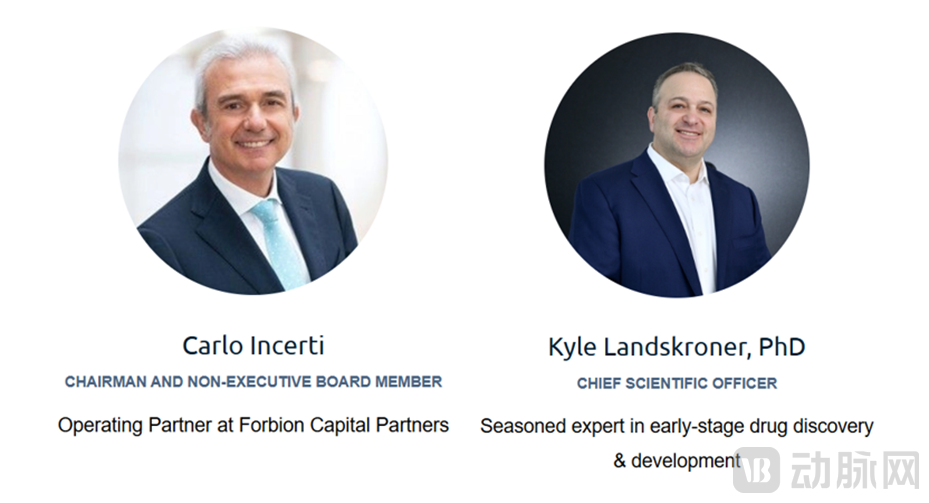
Figure 1: Profile of Azafaros’ Current CEO and Chief Scientist
Oral Small-Molecule Pipeline with Blood-Brain Barrier Penetration and Dual Mechanism of Action
In the field of LSDs treatment,The blood-brain barrier has long been a formidable "fortress" that is difficult to breach.Taking GM1 and GM2 gangliosidoses and Niemann-Pick disease type C (NPC) as examples, although peripheral symptoms can be partially alleviated through enzyme replacement therapy (ERT), central nervous system (CNS) lesions remain difficult to control because exogenous enzymes cannot cross the blood-brain barrier. Furthermore, ERT typically requires frequent intravenous infusions, is costly, and suffers from poor patient compliance, deterring most patients. Although substrate reduction therapy (SRT) offers an oral alternative, most drugs in this class have single targets and limited efficacy, making it difficult to fundamentally alter the disease progression.
Against this backdrop, nizubaglustat, a small-molecule drug with central nervous system penetration developed by Azafaros, has opened up new therapeutic avenues. It features“Dual Mechanism”: On one hand, it inhibits glucosylceramide synthase (GCS); on the other hand, it targets non-lysosomal glucocerebrosidase.(GBA2), dual-pronged regulation of ganglioside (GSLs) metabolism to reduce the accumulation of pathological lipids in brain tissue and peripheral systems.
More importantly,Nizubaglustat is an oral formulation., can be taken daily at home, significantly improving adherence, and is particularly suitable for pediatric patients requiring long-term care.
At the clinical level, data from Azafaros’ Phase II RAINBOW study indicate thatNizubaglustat demonstrated a favorable safety profile and was well tolerated by participants in the study.. At the regulatory level, nizubaglustatHas obtained orphan drug designation from the FDA and EMA for GM1, GM2, and NPC, and has received FDA Fast Track designation。
AsA Candidate Drug Featuring Brain Penetration, Oral Bioavailability, and a Dual-Target Mechanism, nizubaglustat is poised to break through current treatment bottlenecks and usher in a new paradigm for the treatment of lysosomal storage diseases (LSDs).
From Understanding the Disease to Validating Efficacy: The Full-Cycle Clinical Development Strategy of Nizubaglustat
Centered on its core candidate small-molecule drug, nizubaglustat,Azafaros has established a “stepwise” clinical pathway that begins with elucidating disease mechanisms and progressively advances to the validation of safety and efficacy., successively advancing the PRONTO, Phase II RAINBOW, and NAVIGATE studies, thereby laying a solid clinical foundation for the treatment of pediatric patients with rare neurological diseases.
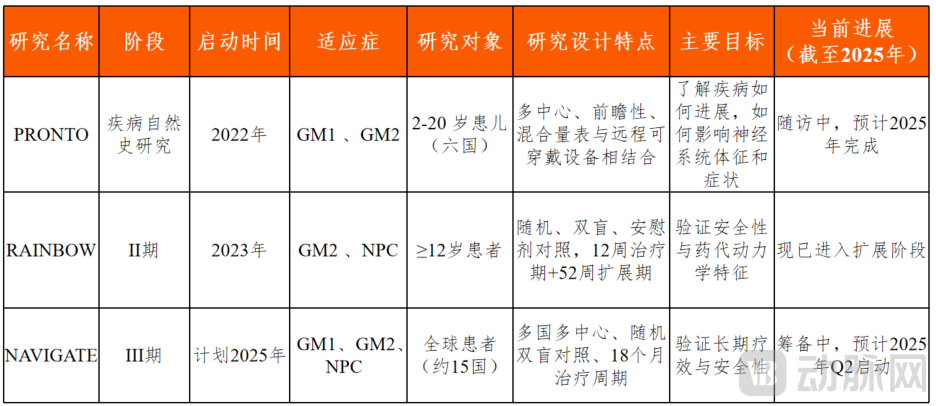
Table 1: Specific Information on the Three Studies Conducted by Azafaros
1PRONTO: Natural History Study of Disease Establishes Baseline for Efficacy Assessment
As the starting point for clinical development, the PRONTO study focuses on patients with GM1 and GM2 gangliosidosis with late-infantile and juvenile onset, systematically evaluating the natural progression of the disease in the nervous system.
The study enrolled genetically confirmed patients aged 2 to 20 years, employing a multidimensional assessment protocol: clinicians conducted professional evaluations using rating scales; caregivers provided daily observations via questionnaires, complemented by monitoring with medical devices to achieve comprehensive data collection. The study aims to identify quantifiable clinical endpoints, characterize disease heterogeneity, and provide natural history controls for subsequent registration trials. Initiated in 2022, the study is expected to complete its primary follow-up in 2025.
2RAINBOW: A Phase II Short-Term Study for Preliminary Validation of Dosing, Safety, and Efficacy
Subsequently, Azafaros initiated the RAINBOW study in 2023. This 12-week, randomized, double-blind, placebo-controlled trial enrolled patients with late-onset disease aged ≥12 years, who received either high- or low-dose treatment. All participants subsequently entered a 52-week open-label extension phase. The study demonstrated that nizubaglustat effectively crosses the blood-brain barrier and shows preliminary potential to reduce glycolipid levels in the cerebrospinal fluid. No serious adverse events were observed, providing evidence to inform dose selection and long-term treatment strategies.
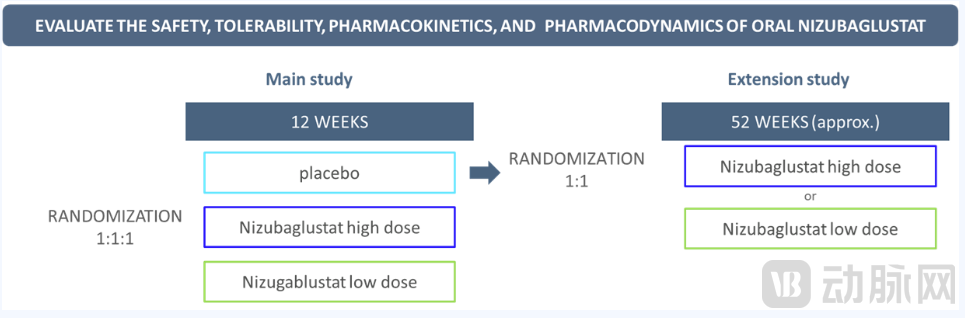
Figure 2: RAINBOW Study Design Framework
3NAVIGATE: Upcoming Phase III Registration Study to Validate Long-Term Efficacy
As a critical component of the overall development pathway, Azafaros will soon establish 35 centers across approximately 15 countries worldwide and concurrently initiate research activities. NAVIGATE is a Phase III, double-blind, randomized controlled trial targeting late-infantile and juvenile-onset GM1, GM2, and NPC. The study focuses on the efficacy of nizubaglustat in improving ataxia and other neurological manifestations after 18 months of continuous treatment, while also systematically evaluating its pharmacokinetics, pharmacodynamics, safety, and tolerability.
Although the three studies were initiated at different times and served distinct purposes, they formed a clinical relay from disease understanding to long-term efficacy assessment, reflecting Azafaros’ step-by-step, risk-controlled development strategy in the field of rare central nervous system diseases.
From Research Incubation to the Phase III Sprint: A Comprehensive Chronicle of Azafaros’ Growth
Azafaros’ growth trajectory exemplifies a typical paradigm of integrated translation from “early-stage R&D to clinical application and capital.”
In 2018, Azafaros secured exclusive global development rights to a key small-molecule compound—nizubaglustat, which later emerged as a star drug candidate. Leveraging the molecule’s broad potential in lysosomal storage diseases (LSDs), Azafaros attracted early-stage venture capital interest and rapidly completed its seed financing round, officially launching its drug development journey.
In 2020, Azafaros secured a €25 million Series A financing round led by Forbion, accelerating the preclinical development and initial human studies of nizubaglustat. In 2021, the drug entered Phase I clinical trials, focusing on dose tolerance and safety assessment.
In 2023, Azafaros officially launched the Phase II RAINBOW study. In 2024, data from the study demonstrated that the drug exhibits favorable central nervous system penetration.
In May 2025, Azafaros announced the completion of a €132 million Series B financing round, which will be directly used to advance its global Phase III registration trials, marking Azafaros’ formal entry into the late-stage clinical development phase.
Starting from an academic compound, Azafaros completed the “triple jump” from early exploration and clinical validation to capital amplification.This process not only validates the clinical feasibility of its technological approach but also further advances its innovative drugs toward the practical stage of truly serving patients.
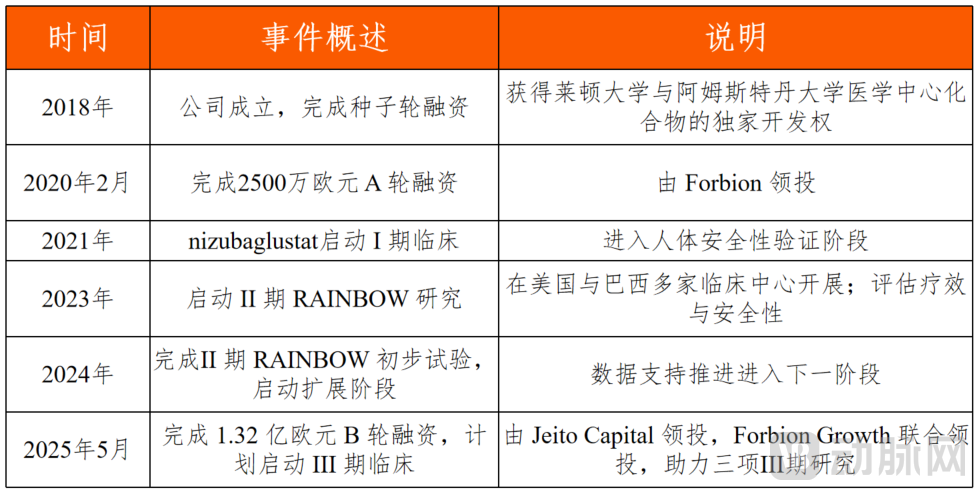
Table 2: From the Lab to Global Clinical Practice: Azafaros Development Milestones (Source: Azafaros Official Website)
From Technological Innovation to Ecosystem Synergy: A Replicable Path for Biotech Advancement
On one hand, Azafaros has keenly identified the technical bottleneck whereby large-molecule drugs struggle to penetrate the blood-brain barrier, and has adopted an oral small-molecule strategy to enter the field of rare central nervous system (CNS) diseases, thereby providing patients with more accessible treatment options. For Chinese pharmaceutical companies, this suggests that we shouldWhen strategizing new drug development, avoid blindly pursuing an overly ambitious “comprehensive and all-encompassing” approach; instead, ground your efforts in patients’ real-world needs., seeking a breakthrough between target accessibility and dosing convenience.
On the other hand, by leveraging the “dual-wheel drive” of capital and clinical expertise, Azafaros has built synergistic benefits through ecosystem co-creation. Its collaboration with Leiden University goes beyond mere outcome alignment; through joint development and resource sharing, they have established a mechanism for continuous iterative innovation. Meanwhile, by introducing international venture capital and clinical experts at an early stage, Azafaros is able to efficiently advance the entire value chain, from clinical trials to regulatory communications.
The core of drug innovation lies not in “doing more,” but in “doing the right things.”For Chinese pharmaceutical companies, true “benchmarking” is not about replicating models, but rather discerning the underlying logic from their choices and distilling actionable pathways from their successes.
Azafaros’s story marks an evolution from “high-cost, injection-dependent, and limited-access” therapies toward those that are “oral, capable of crossing the blood-brain barrier, and more universally applicable.” In the future, the true drivers reshaping the landscape of rare disease treatment may not be the massive, conservatively routed platforms, but rather “Azafaros-style” companies that precisely address unmet needs while leveraging cross-disciplinary integration capabilities—small yet sharp, deep yet specialized, standing like lighthouses in the dark realms of unresolved clinical challenges.
References:
[1] Paquet Luzy, Cecile et al. “First-in-human single-dose study of nizubaglustat, a dual inhibitor of ceramide glucosyltransferase and non-lysosomal glucosylceramidase: Safety, tolerability, pharmacokinetics, and pharmacodynamics of single ascending and multiple doses in healthy adults.” Molecular genetics and metabolism vol. 141,1 (2024): 108113. doi:10.1016/j.ymgme.2023.108113