

Exploring Life, Co-Creating the Future: The 42nd National Pharmaceutical Industry Information Annual Conference and 2025 Beijing Changping Life Science Forum Successfully Convened
On July 6, the 42nd National Pharmaceutical Industry Information Annual Conference and the 2025 Beijing Changping Life Science Forum opened in Changping, Beijing. The event was jointly hosted by the Beijing Municipal Bureau of Economy and Information Technology, the Beijing Municipal Science & Technology Commission and Administrative Commission of Zhongguancun Science Park, the Beijing Medical Products Administration, the Beijing Association for Science and Technology, and the People’s Government of Changping District, Beijing; and organized by the China Pharmaceutical Industry Information Center and the Administrative Committee of Beijing Future Science City. Centered on the theme “Exploring Life, Co-creating the Future,” the event integrated high-quality resources from government, industry, academia, research, healthcare, and finance to build a collaborative innovation cluster, jointly promote the high-quality development of China’s pharmaceutical industry, and shape an industrial landmark with global influence.
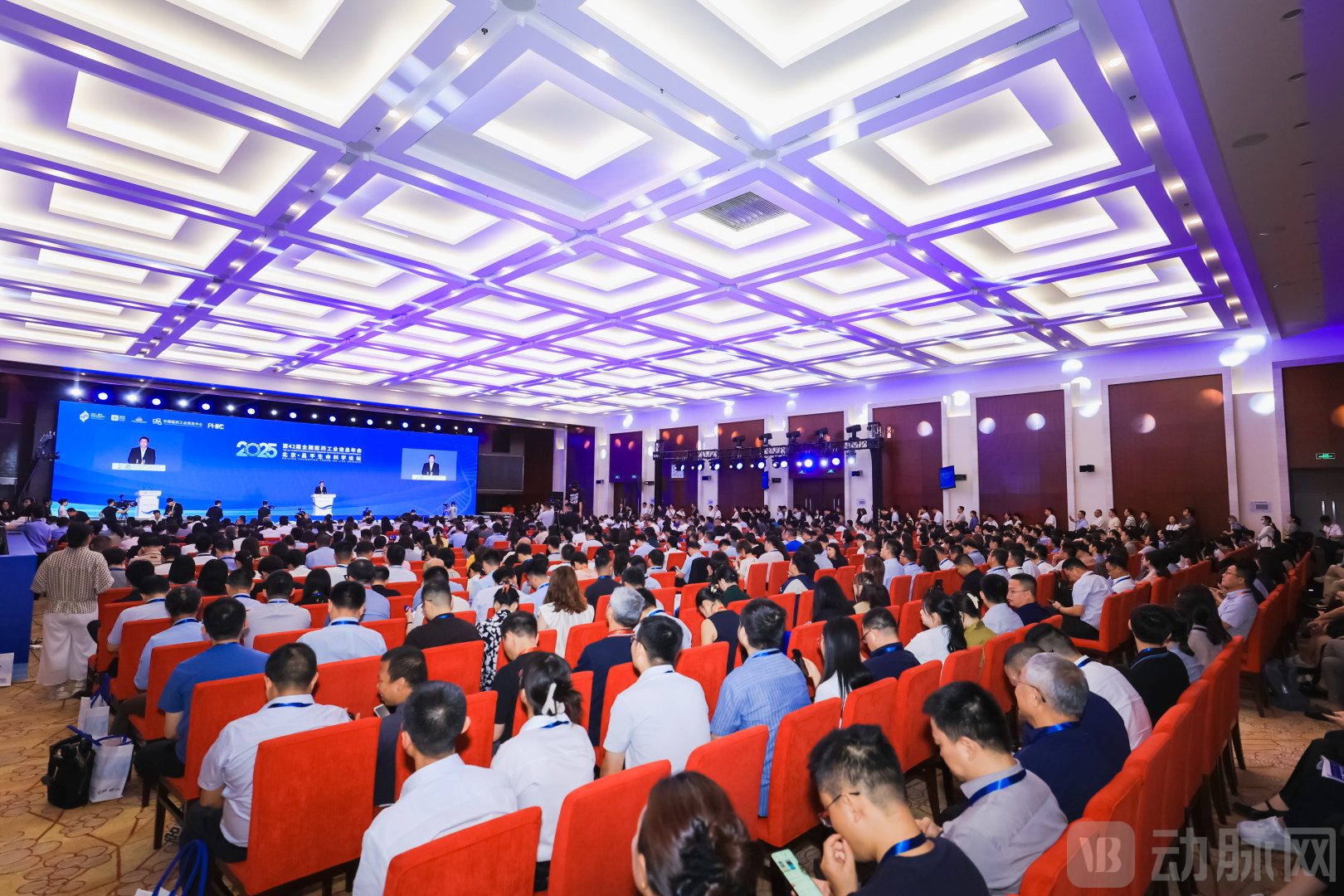
The event adopts a “1+6+1+N” model, comprising one opening ceremony and main forum, six parallel forums, one thematic promotion session, and multiple closed-door seminars, industry investment promotion activities, and investment site visits. It will be held in person with simultaneous online live streaming.
1. Opening Ceremony and Main Forum: Bringing Together Diverse Stakeholders to Discuss Industry Development
The event brought together key officials from national pharmaceutical regulatory authorities, relevant departments of Beijing Municipality and Changping District, renowned domestic and international experts and scholars, leaders from the top 100 pharmaceutical companies by main business revenue and innovative enterprises, as well as industry representatives. The opening ceremony was moderated by Jin Wei, Member of the Standing Committee of the Beijing Municipal Committee of the Communist Party of China and Vice Mayor of Beijing. Speeches were delivered by Yin Yong, Deputy Secretary of the Beijing Municipal Committee of the Communist Party of China and Mayor of Beijing; Xie Yuansheng, Member of the Leading Party Members Group of the Ministry of Industry and Information Technology; Huang Guo, Member of the Leading Party Members Group and Deputy Director of the National Medical Products Administration; and Gan Jingzhong, Secretary of the Changping District Committee of the Communist Party of China in Beijing. Their participation fully demonstrated the high level of attention and strong support given by national industry regulators and the Beijing municipal government to the development of the pharmaceutical and health industry.
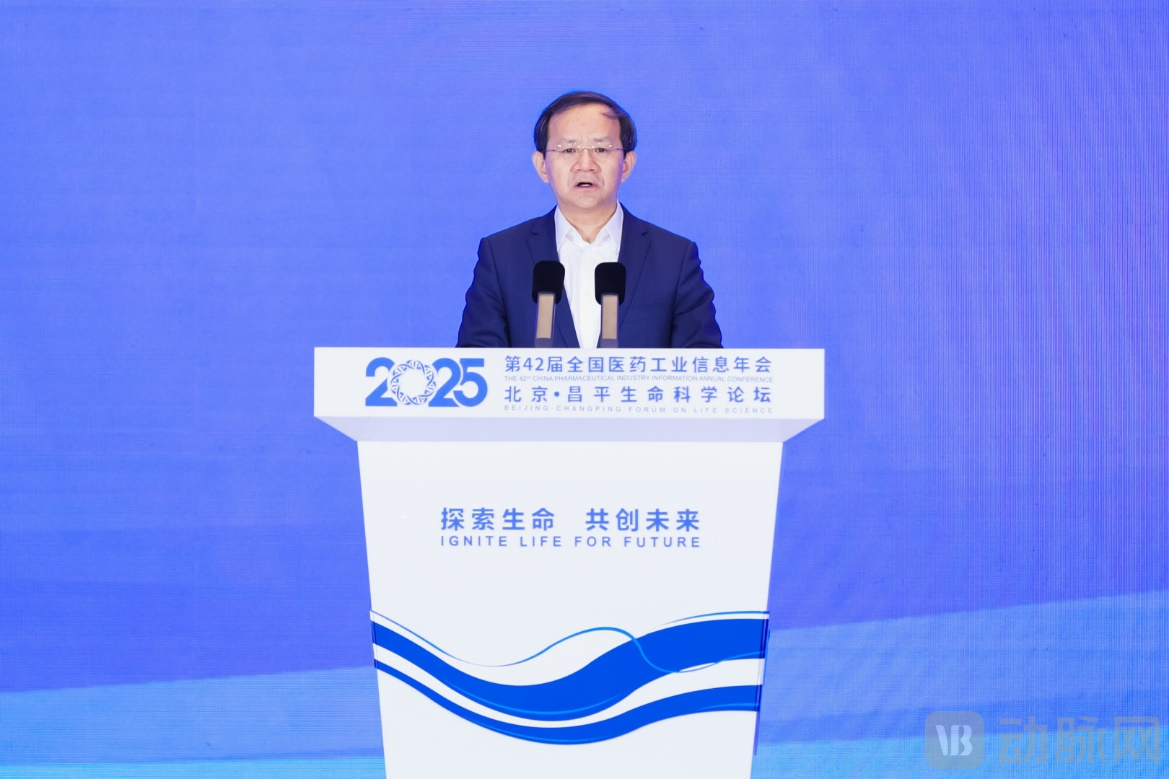
In his opening remarks, Yin Yong, Deputy Secretary of the Beijing Municipal Committee of the Communist Party of China and Mayor of Beijing, emphasized that the pharmaceutical and health industry is a key sector for developing new quality productive forces. Beijing boasts robust medical and scientific research foundations, possessing the most abundant basic scientific research resources in China: it is home to one-quarter of the national key laboratories in the pharmaceutical field; it has 23 National Clinical Medical Centers and 13 National Medical Centers, ranking first nationwide in both categories; and it hosts the most advanced clinical medical institutions in China, with 77 Grade A tertiary hospitals, 150 tertiary hospitals, and 190 secondary hospitals among its 12,000 healthcare institutions. In 2024, the total number of patient visits exceeded 300 million, with out-of-province patients accounting for over 23% of outpatient and emergency visits and over 31% of hospitalizations at secondary and tertiary hospitals. Beijing also possesses the top-tier talent pool in China, with academicians from the Chinese Academy of Sciences and the Chinese Academy of Engineering in the fields of life sciences and medicine comprising 40% of the national total, a physician workforce exceeding 135,000, and 25 individuals selected for the inaugural list of 100 National Distinguished Physicians. Looking ahead, Beijing will continue to optimize its business environment and introduce a new batch of supportive policies in areas such as AI-plus-pharmaceuticals and healthcare, pharmaceuticals and medical devices, and healthcare institution development, accelerating the creation of a modern pharmaceutical and health industrial cluster with global influence.
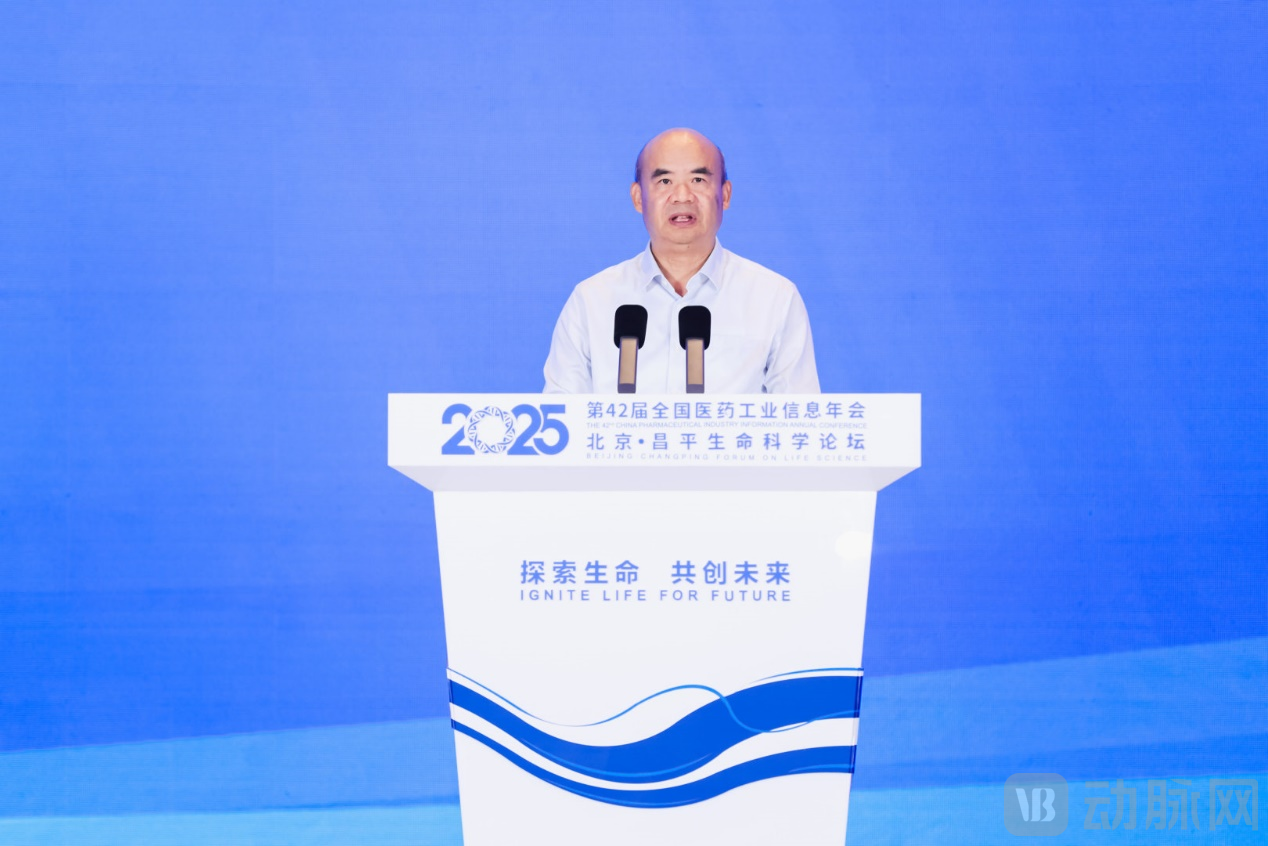
Xie Yuansheng, a member of the Party Leadership Group of the Ministry of Industry and Information Technology (MIIT), stated in his address that China’s pharmaceutical industry is accelerating innovative development, with its scale continuously expanding. In 2024, the industry accounted for 3.7% of the total industrial output. Thirty-one pharmaceutical enterprises reported annual revenues exceeding RMB 20 billion. The number of innovative achievements has grown rapidly, with 48 innovative drugs and 65 innovative medical devices approved for market launch, while high-level international cooperation continues to deepen. The MIIT will thoroughly study and implement the spirit of General Secretary Xi Jinping’s instructions, fully carry out the decisions of the Third Plenary Session of the 20th Central Committee of the Communist Party of China, accelerate the development of new quality productive forces, and continuously promote the high-quality development of the pharmaceutical industry. Specifically, it will: first, comprehensively enhance the development level of the pharmaceutical industry to better meet the needs of the general public; second, strengthen enterprise competitiveness and drive industrial transformation and upgrading; and third, demonstrate the responsibility and strength of a major country by actively supporting the internationalization of Chinese pharmaceutical enterprises.
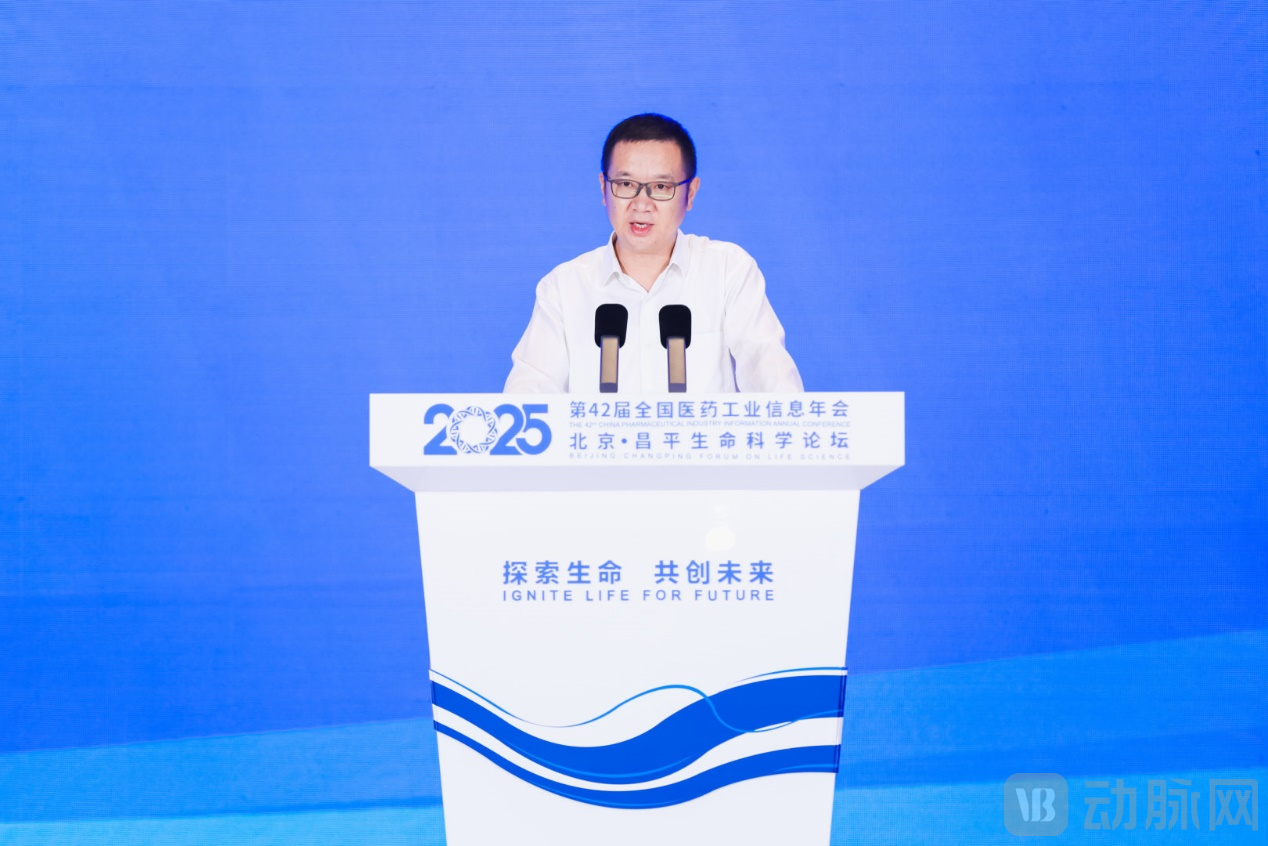
Huang Guo, Deputy Director of the National Medical Products Administration (NMPA), stated that in the first half of 2025, the NMPA approved 43 innovative drugs for marketing, of which 40 were developed and manufactured by Chinese enterprises, and three were imported and developed by multinational corporations. In January this year, the nation’s first stem cell drug, developed by a Beijing-based enterprise, received marketing approval. Meanwhile, numerous multinational corporations have announced plans to establish innovation R&D centers in Beijing. These landmark achievements fully demonstrate the strength and vitality of Beijing’s pharmaceutical innovation, promising a bright future. The drug regulatory authorities will strive to balance development with safety, efficiency with fairness, and regulation with service. They will promote high-quality development through deepened reforms, expand institutional opening-up, optimize the development environment, stimulate innovation vitality, encourage both “bringing in” and “going global,” and safeguard high-quality development with a high level of safety.
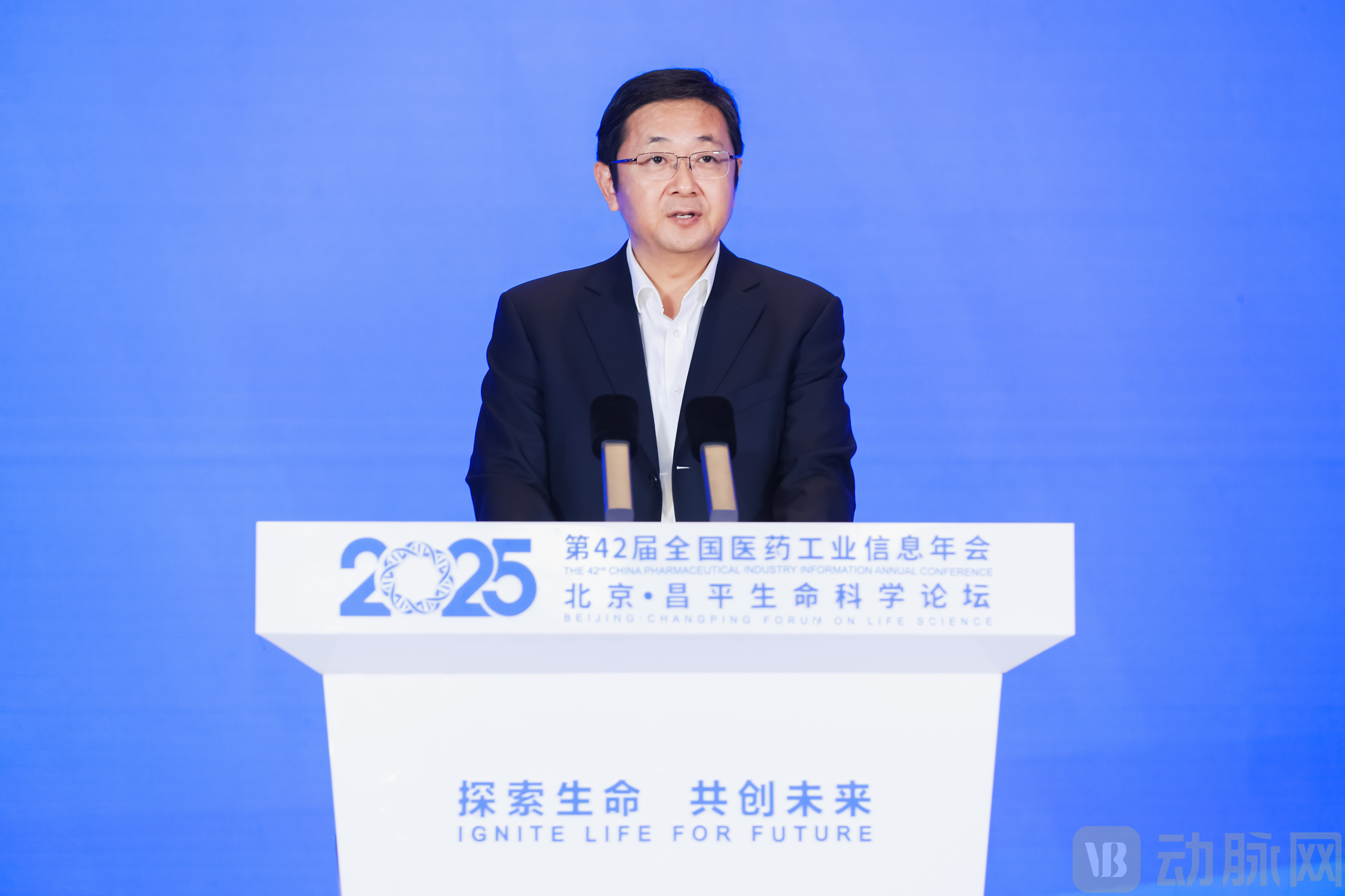
In his address, Gan Jingzhong, Secretary of the Changping District Committee of the Communist Party of China, noted that in recent years, Changping District has focused on building “Life Valley,” a globally leading hub for life sciences. Centered on the Life Science Park, the district has laid out and constructed an innovation corridor for life sciences, continuously developing a pharmaceutical and health industry ecosystem integrating “investment, clinical practice, incubation, and industrial parks,” and establishing 57 shared technology and public service platforms. Innovations have continued to emerge, with four key technologies selected among the Ten Major Scientific and Technological Achievements at the 2025 Zhongguancun Forum; 27 cell and gene therapy pipelines have entered clinical stages, accounting for 5% of the national total. Strategic sectors are being accelerated: the Zhongguancun Synthetic Biology Manufacturing Industry Cluster has attracted 121 innovative enterprises; the “Future Beauty City” initiative is forming a RMB 10 billion cluster in the beauty and health industry within three years; Phase I of the International Medical Device City has been put into operation, hosting the Beijing Service Station for National Medical Device Innovation, with cumulatively approved innovative products accounting for nearly 10% of the national total. The industry scale has continued to expand, with the district’s pharmaceutical and health industry revenue growing at an average annual rate of 9.3% over the past three years, forming a RMB 100 billion industrial cluster and maintaining strong, sustained growth momentum.
At the main forum, heads of key regulatory bodies in the pharmaceutical sector, including the National Healthcare Security Administration and the National Medical Products Administration, delivered keynote addresses on pharmaceutical policies and industrial development, providing policy guidance for the industry’s growth. Experts from top universities and research institutes presented keynote reports on frontier fields such as artificial intelligence and extreme manufacturing, immunology and life health, and novel drug delivery systems, offering valuable recommendations for innovative development. Leaders from leading pharmaceutical companies shared practical experiences, highlighting the pivotal role enterprises play in advancing the pharmaceutical industry. Additionally, multiple roundtable discussions were held on-site, conducting in-depth deliberations on topics such as pharmaceutical innovation and supply chain collaboration, thereby providing new perspectives and insights for the high-quality development of the pharmaceutical industry.
2. Theme Promotion: Showcasing Industrial Achievements and Facilitating Exchange and Cooperation
The thematic promotion closely aligns with the core theme of “Innovation-Driven, Smartly Linking the Future,” showcasing the practices and achievements of China’s pharmaceutical industry in enhancing quality and efficiency from dimensions such as policy guidance, innovation-driven development, platform empowerment, digital-intelligent transformation, and open cooperation. Beijing has clearly identified the pharmaceutical and health industry as one of the “dual engines” for innovative development, adhering to high-level coordination and systematic promotion, thereby becoming the first city in China where the scale of the pharmaceutical and health industry has exceeded RMB 1 trillion. During the 14th Five-Year Plan period, Beijing launched 12 innovative drugs, including four blockbuster varieties added in the first half of 2025; it approved 54 national innovative medical devices, accounting for nearly one-quarter of the national total, with seven national innovative medical devices approved in the first half of this year alone, demonstrating a surge in industrial innovation achievements.
As a key carrier of Beijing’s International Science and Technology Innovation Center and the main hub for the pharmaceutical and health industry, Changping District provides end-to-end services to support enterprise development. The district has established 57 industrial service platforms, including benchmark incubators such as NeoNest and Feibiao, as well as CDMO platforms for cell and gene therapy, achieving seamless integration from incubation and R&D to pilot-scale production and commercialization. China’s first international research hospital has commenced operations, conducting 182 clinical trials to accelerate the market launch of new drugs. Additionally, the country’s first national-level medical device innovation service station has been established in Changping. By leveraging innovative services such as the “Changsheng Yizhan” smart government service scenario and international talent activity centers, the district has shifted regulatory review processes upstream, facilitating the rapid growth of over 110 scientist-founded enterprises.
3. Parallel Forums and Supporting Activities: Focusing on Core Tracks to Discuss Frontier Industry Developments
Six parallel forums—the Forum on Innovation and Translation in Pharmaceutical R&D, the Forum on Digital Intelligence and Med-Eng Integration Innovation in Medical Devices, the Forum on Technological Innovation in Synthetic Biology Manufacturing, the Bio-link-Pharma Pharma Climbers Roundtable, the 2025 Changping Pharmaceutical and Health Financial Investment Innovation Forum, and the Forum on Global Development and Overseas Expansion of Innovative Drugs—focused on core sectors such as innovative drugs, medical devices, and synthetic biology. These forums facilitated discussions on frontier topics including collaborative innovation among industry, academia, research, and clinical practice, new directions in biotechnology, and all-factor innovation in medical devices, jointly exploring industry trends and development potential.
In recent years, Changping District has coordinated industrial space resources across the entire district, centering on the spatial layout of “One Core, One Belt, and Three Zones.” Meanwhile, it has concentrated the development of key industrial clusters, including the International Medical Device City and the Shahe Pharmaceutical and Health Industrial Park. In alignment with this development blueprint, Changping District has introduced industrial policies such as the *Action Plan for Doubling the Scale of the Pharmaceutical and Health Industry in Changping District* and the *Support Measures for Promoting the Development of the Pharmaceutical and Health Industry in the Changping Cluster of the Science and Technology Innovation Area of the China (Beijing) Pilot Free Trade Zone*. These policies focus on key sectors—including cell and gene therapy, next-generation antibodies, innovative chemical drugs, digital healthcare, high-end diagnostic and treatment equipment, beauty and health, and synthetic biology manufacturing—providing enterprises with full-chain support ranging from clinical research to market approval, and from industrialization to global market expansion.
The series of exciting activities includes multiple seminars, industry-finance matchmaking sessions, Changping investment promotion presentations, and investment tours organized during, before, and after the event. Policy seminars provide in-depth interpretation and discussion of policies supporting the development of the pharmaceutical industry; foreign trade symposiums and biopharmaceutical park forums establish platforms for government-enterprise dialogue; targeted investment promotion and industry-finance matchmaking activities facilitate efficient collaboration across the upstream and downstream segments of the industrial chain. The arrangement of more than ten thematic forums and featured events reflects the well-developed industrial ecosystem and professional industrial service models of Beijing Municipality and Changping District, which support and safeguard theoretical innovation and scientific discoveries in frontier life sciences technologies.
Huang Xinyu, Director of the Department of Pharmaceutical Services Management under the National Healthcare Security Administration (NHSA), delivered an interpretation of the “Document on Several Measures to Support the High-Quality Development of Innovative Drugs.” He stated that the document proposes 16 specific measures across five major areas, aiming to support the research and development (R&D) of innovative drugs, their inclusion in the National Reimbursement Drug List (NRDL), clinical application, and enhancement of diversified payment capabilities. He conveyed three key signals: first, it fully demonstrates the NHSA’s clear stance in supporting the development of innovative drugs; second, it clearly elucidates the direction of innovative drug development supported by the NHSA; and third, it explicitly establishes a policy orientation promoting the coordinated development of basic medical insurance and commercial health insurance. He emphasized that innovative drugs supported by the NHSA should possess genuine innovation and differentiation, focusing on clinical outcomes and patient benefits while avoiding involutionary competition. Meanwhile, the NHSA will explore opening up medical insurance data to support corporate R&D, establish a recommended directory for commercially insured innovative drugs, improve the medical insurance payment mechanism, and incentivize medical institutions to actively utilize innovative drugs. The NHSA will strengthen communication with policy-making departments and the industry to build consensus on value.
Lan Gongtao, Deputy Director of the Department of Drug Registration Administration at the National Medical Products Administration (NMPA), pointed out in his keynote speech titled “Continuously Deepening the Reform of the Drug Review and Approval System to Promote High-Quality Development of the Pharmaceutical Industry” that, in recent years, China has continuously deepened reforms, leading to an increasingly comprehensive system of laws, regulations, and technical guidelines for drug registration that supports innovative research and development. We have continuously optimized the review and approval process for drug marketing applications, established mechanisms to accelerate market entry, and expedited the approval of drugs urgently needed for clinical use with a focus on clinical value. We have launched pilot reforms for the review of supplemental drug applications, organizing provincial medical products administrations with mature conditions to provide upfront guidance services, thereby reducing the review timeline for supplemental applications requiring inspection and testing from 200 days to 60 days. We have optimized the review and approval of investigational new drug (IND) applications while strengthening regulatory oversight; for innovative drug clinical trials meeting specified requirements, we are piloting a reduction in the review and approval timeline from 60 days to 30 days. We adhere to the internationalization of technical standards, support global simultaneous R&D and marketing, and promote international recognition of drugs developed in China. These measures have effectively accelerated the R&D and market launch of innovative drugs, promoted high-quality development of the pharmaceutical industry, and better served the public’s medication needs.
Academician Qian Xuhong presented the research progress and application prospects of “Transboundary Manufacturing and AI-Integrated Microfluidic Chemistry.” He pointed out that drug research and development (R&D) and production in China face challenges such as long cycles, high investment, and high risks, while continuous microfluidic technology offers a significant opportunity for drug discovery and manufacturing. By integrating processes onto chips, microfluidic chemistry is poised to address many difficulties in traditional industry and drive transformation in the pharmaceutical sector. He emphasized that microfluidic chemistry utilizes femtosecond laser technology for the design and fabrication of micro-nano channel chips, enabling higher selectivity and efficiency. The concept was proposed by East China University of Science and Technology in 2018, with related major special projects completed between 2019 and 2023. Currently, his team has developed various micro-nano channel chips, achieving miniaturized and integrated production of anti-HIV drugs, anti-tumor drugs, and others, significantly reducing spatial and temporal costs. Furthermore, microfluidic chemistry technology can be applied to fields such as biosynthetic pharmaceuticals, cosmetics manufacturing, and organ-on-a-chip systems, improving efficiency and lowering cleanliness requirements. Looking ahead, Professor Qian proposed integrating AI with microfluidic chemistry platforms to achieve automation and intelligence in smart drug manufacturing.
Academician Shao Feng delivered a report titled “Immunity, Disease, and Life Health: From Original Scientific Discoveries to Innovative Drug Development.” He emphasized the critical importance of immunological research in the development of innovative drugs, pointing out that cancer treatment has evolved from traditional surgery, radiotherapy, and chemotherapy into the era of immunotherapy. The success of PD-1 antibody drugs has ushered in a new epoch for tumor immunotherapy. The development of innovative drugs must address unmet clinical needs, involving the integration of science, technology, and clinical scenarios. Although China has made progress in basic scientific research and therapeutic technologies, there remains a gap compared with international advanced standards. He proposed that the disconnect among industry, academia, and research constitutes a weak link in current innovative drug development, particularly in the realm of translational medicine, which requires joint efforts by research institutions and pharmaceutical companies to bridge. He introduced his team’s research achievements in the fields of immune receptors and inflammasomes, which have provided new targets for drug development. Through basic research and translational medicine initiatives, the team has established multiple R&D pipelines covering disease areas such as tumor immunology, sepsis, and asthma. He called for strengthening the integration of basic science with clinical applications to propel China’s innovative drug development to the international forefront.
Academician Zhang Qiang shared insights on “Development and Challenges of Novel Drug Delivery Systems.” Drug delivery systems can precisely regulate the distribution and release of drugs within the body, offering advantages such as improved drug developability, therapeutic efficacy, safety, and clinical compliance. They serve as a key indicator of a nation’s proficiency in pharmaceutical formulation. While China has witnessed rapid development in drug delivery systems, it faces challenges including an imbalance between innovation and generic production, a disconnect between basic and applied research, and a developmental gap compared to international standards. Currently, the development of drug delivery systems will focus on functionalization, controlled release, intelligent design, safety, high efficiency, patient compliance, quality control, as well as smart manufacturing and continuous manufacturing. Professor Zhang Qiang’s team has conducted extensive research in areas such as nano-formulations, molecular pharmaceutics, and targeted delivery systems. He emphasized that the importance of pharmaceutical formulations is self-evident, and drug delivery systems hold immense potential for future growth in China. Looking ahead, he called for enhancing clinical value, encouraging independent innovation, balancing innovativeness with feasibility, and expressed expectations for supportive national regulatory policies, along with increased guidance, communication, and collaboration.
Dong Zenghe, Deputy General Manager of Sinopharm Group, stated that the pharmaceutical industry, as a strategic emerging industry, serves as a crucial pillar for advancing the "Healthy China" strategy and represents a frontline arena for technological competition among nations. Sinopharm Group has implemented a series of significant measures to promote high-quality development in the pharmaceutical sector. From 2021 to 2024, the group’s cumulative R&D investment reached RMB 27.5 billion. It established 24 national-level scientific and technological innovation platforms, undertook 62 national-level research projects, and built innovative facilities such as Biosafety Level 3 (P3) laboratories. These efforts have facilitated the successive approval and market launch of vaccines utilizing novel processes and new dosage forms, providing new tools for combating major infectious diseases.Focusing on its “1+4+X” strategic layout, which covers biopharmaceuticals, chemical pharmaceuticals, modern traditional Chinese medicine, and medical devices, Sinopharm is accelerating the transformation and upgrading of traditional industries while actively deploying resources in strategic emerging sectors. Meanwhile, the group is driving the transformation of its pharmaceutical commerce segment by building China’s largest supply chain network and specialized retail pharmacies, thereby enhancing its capacity for strategic security assurance. Looking ahead, Sinopharm Group will be guided by the public’s health needs, construct a modern pharmaceutical industrial system, cultivate new quality productive forces, and comprehensively support the "Healthy China" strategy.
Peng Yang, Global Vice President of Danaher, shared insights on the practice of the “Dual Innovation Acceleration Engine.” As an innovation pioneer in the life sciences and medical diagnostics sectors, Danaher has undergone a gradual transformation through mergers and acquisitions, with its business portfolio spanning medical diagnostics, life sciences, and biotechnology. In recent years, the Group has divested non-core businesses to focus on the healthcare industry, achieving revenue of $24 billion in 2023. Danaher’s “Innovate & Elevate China” strategy aims to enhance localization capabilities by building a local innovation ecosystem through five regional centers. At the core is the Cytiva China Science and Innovation Center, which offers nine major functions, including a biopharmaceutical incubator, an intelligent manufacturing demonstration platform, and a single-use technology R&D center. It supports more than 20 R&D and production projects annually, provides training for over 2,000 participants, and drives the development of biopharmaceuticals. Furthermore, Danaher has engaged in deep collaboration with government bodies, hospitals, and universities, establishing the Beijing Changping Synthetic Biology Manufacturing Acceleration Center to promote the application of organoid technologies, co-build a cell therapy ecosystem, and enhance the level of precision medicine. Meanwhile, through mergers and acquisitions as well as technological innovation, Danaher continuously optimizes its products, creating unique group synergies that support the research, development, and manufacturing of innovative therapies, thereby boosting the competitiveness of China’s biopharmaceutical industry.
To implement the Action Plan for High-Quality Development of the Pharmaceutical Industry (2023–2025), promote innovation-driven transformation in the pharmaceutical industry, and build a globally competitive pharmaceutical industrial chain, He Yaqiong, Director of the Consumer Goods Industry Department of the Ministry of Industry and Information Technology (MIIT); Jiang Guangzhi, Director of the Beijing Municipal Bureau of Economy and Information Technology; Wang Xuegong, Vice President of the China Pharmaceutical Enterprise Management Association; and Liu Xiaodong, District Mayor of Changping District, jointly participated in the unveiling ceremony of the Beijing Future Pharmaceutical Industrial Chain Research Institute (in preparation). Guided by the MIIT, supported by the Beijing Municipal Bureau of Economy and Information Technology and the Changping District People’s Government, and established in collaboration with more than 20 domestic industry associations, leading enterprises, and research institutions, the Institute will conduct research on the development of the pharmaceutical industrial chain, support collaborative breakthroughs in key technologies, facilitate cooperation among government, industry, academia, research, healthcare, and finance, promote the internationalization of the pharmaceutical industry, serve the coordinated regional development of the pharmaceutical sector, and establish a high-level think tank and industrial service platform for China’s pharmaceutical field.
The main forum announced the Top 100 Chinese Pharmaceutical Industry Enterprises by Main Business Revenue for 2024 (hereinafter referred to as the “Top 100 Enterprises”). This ranking is derived from objective data in the 2024 Annual Statistical Report on China’s Pharmaceutical Industry and comprises the top 100 enterprises ranked by main business revenue in the comprehensive volume. In 2024, Beijing had 12 enterprises selected for the Top 100, second only to Jiangsu Province with 16, and tied with Zhejiang Province for second place nationwide. The main business revenue of these Beijing-based enterprises reached RMB 214.95 billion, a year-on-year increase of 4.4%. Their main business revenue and total profits accounted for 21.4% and 23.6% of the national totals, respectively, both ranking first in China. Their total assets amounted to RMB 972.37 billion, representing 35.7% of the national total, firmly securing the top position in China.
The conference featured a “Showcase of Innovative Achievements in the Biopharmaceutical Sector,” presenting 20 innovative drugs and 15 innovative medical devices. Among these, Beijing contributed seven innovative drugs and ten innovative medical devices. By focusing on dimensions such as clinical value and technological frontiers, this initiative openly solicited representative achievements that met specified criteria from industry enterprises through self-nomination, culminating in a centralized exhibition designed to provide a comprehensive overview of the innovation ecosystem established since the onset of the 14th Five-Year Plan.
The “Launch Ceremony for the Joint University-Local Government Initiative on Major Life Sciences Projects” was jointly unveiled by Jiang Peixue, Vice President of Tsinghua University; Pu Shilong, Vice President of Peking University; Lin Wanlong, Vice President of China Agricultural University; Su Haijia, Vice President of Beijing University of Chemical Technology; Gan Jingzhong, Secretary of the Changping District Committee of the Communist Party of China; and Liu Xiaodong, Head of the Changping District People’s Government. This ceremony marks a critical step in translating the foundational innovation potential of universities into industrial applications. By joining forces, the four universities aim to achieve “zero-to-one” breakthroughs in frontier fields such as biopharmaceuticals, synthetic biology, and high-end instrumentation and equipment. This collaboration will strengthen the foundation of China’s national strategic scientific and technological capabilities, ignite the engine of innovation origination, and drive the Chinese pharmaceutical and health industry to leap from “following” to “leading” at the core of the global value chain.
Zhao Shiwei, Deputy Director of the Beijing Future Science City Management Committee and Deputy District Mayor of Changping District, released the “Support Measures for Promoting the Development of the Pharmaceutical and Health Industry in the Changping Cluster of the Science and Technology Innovation Zone of the China (Beijing) Pilot Free Trade Zone.” This policy is a key initiative by Changping District to respond to the Central Committee of the Communist Party of China’s requirement to “improve the development mechanism for innovative drugs and medical devices” and to implement Beijing’s “32 Measures for Innovative Pharmaceuticals.” Leveraging institutional opening-up in the Pilot Free Trade Zone as a breakthrough, the policy aims to promote cross-border R&D collaboration and alignment with international standards, accelerate the filling of technological gaps in frontier fields such as brain-computer interfaces, AI-driven drug discovery, and cell and gene therapy, and provide a “Beijing Solution” to addressing challenges in China’s pharmaceutical sector.
“Major Project Signing Ceremony” was held at the conference. Changping District focused on the layout of pharmaceutical R&D and the transformation of original achievements. The 14 major projects covered industrial investment projects such as Mindray Medical, Dayi Group, Yourui Biology, BaiRen Medical, Shenji Pharmaceutical, Xiuzheng Pharmaceutical, Hanhe Biology, and Jingchengli Synthetic Biological Food, as well as innovative cooperation projects including Anda Biology, Glacee, National Institute of High-Performance Medical Devices, Shantou University, and Chunfeng Huayu Medical. The implementation of these major projects not only injected new vitality into the development of Changping District’s pharmaceutical and health industry, effectively promoting the optimization, upgrading, and high-quality development of the regional industrial structure, but also provided solid support and strong momentum for the innovation and upgrading of China’s pharmaceutical industry, further consolidating and enhancing Changping’s “Life Valley” as an innovation leader in the national pharmaceutical and health sector.
Since its inception in 2022, the Beijing Changping Life Science Forum has been successfully held for three sessions, establishing itself as a premier brand event in life sciences and pharmaceutical healthcare meticulously curated by Changping District. The National Pharmaceutical Industry Information Annual Conference, hosted by the China Pharmaceutical Industrial Information Center, has been successfully convened for 41 sessions since 1959. As a bellwether for the development of the pharmaceutical industry, it annually brings together policy interpretation, collaboration among ecosystem partners, and frontier discussions with leading experts. The concurrent holding of these two conferences is characterized primarily by the following four features:
First, dual-association collaboration to build a high-end platform.Pioneering a new collaborative model of “Academic Summit + Industry Event,” we are building a pharmaceutical and healthcare innovation cluster integrating government, industry, academia, research, medical practice, and finance. This initiative establishes a high-level discussion platform for key stakeholders—including officials from industry regulatory authorities, leading domestic and international experts and scholars, and senior executives from renowned pharmaceutical companies—to foster industry consensus.
Second, focus on the frontier and lead innovative development.Focusing on key sectors such as cell and gene therapy, brain science and brain-computer interfaces, high-end medical devices, synthetic biology, beauty and health, and AI-enabled biopharmaceuticals, this thematic promotion highlights innovative achievements in medicine and showcases exemplary corporate cases, driving industrial innovation and development through the dual engines of technological foresight and industry benchmarking.
Third, resource empowerment to facilitate industrial upgrading.Bringing together the top 100 pharmaceutical companies, high-end talent, core capital, and cutting-edge technology to achieve “full-chain resource integration,” thereby providing robust resource support for industrial development. Through precise investment promotion and matchmaking, combined with industry-finance cooperation forums and project roadshows, we enhance the matching accuracy and implementation success rate between projects, capital, and partners, facilitating a significant leap in industrial competitiveness.
Fourth, foster open cooperation to jointly build a global ecosystem.Leverage event platforms to promote enterprises, expand international cooperation channels, and build bridges for connecting with global markets, thereby facilitating the transition from “leveraging external platforms to go global” to “building independent capabilities for long-term international expansion,” and enhancing the global resource allocation capacity and international competitiveness of the pharmaceutical and healthcare industry.
Beijing Strengthens “North-South Coordination”In the north, leveraging the Life Science Park in Zhongguancun to connect Haidian District and Changping District, Beijing is deepening its development of the International Medical Device City, the Synthetic Biology Manufacturing Cluster, and the Beauty and Health Industrial Park. These efforts aim to accelerate the translation of scientists’ original achievements into practical applications, establishing a “source” for foundational innovation and future industries.In the south, the Beijing Economic-Technological Development Area has newly launched the International Pharmaceutical Innovation Park (BioPark), positioning it as the premier destination for global pharmaceutical talent launching startups in China. Together with Daxing District, it is building a “new engine” for the pharmaceutical industry.Looking ahead, Beijing will accelerate the deep integration of technological and industrial innovation within the pharmaceutical manufacturing sector. The city aims to continuously enhance the intelligence and sustainability levels across the entire pharmaceutical industry chain. By focusing on key sectors such as biologics and medical devices, Beijing will speed up the industrialization and scaling of innovative outcomes, cultivate and strengthen the competitive advantages of emerging industries, proactively layout directions for future industry development, and achieve high-quality growth in the pharmaceutical manufacturing sector.
Leveraging its regional resource endowments and industrial foundation, Changping District has established an industrial layout characterized by “one core, one belt, and three zones.” By continuously strengthening its efforts in the pharmaceutical and health sector, the district has formed a complete industrial chain spanning from basic research to terminal medical services. Over the past three years, the annual average growth rate of the district’s pharmaceutical and health industry revenue reached 9.3%, hitting RMB 104 billion in 2024, a year-on-year increase of 14.3%. It has become an innovation engine for the development of the pharmaceutical and health industry in Beijing and across China. Looking ahead, Changping District will focus on serving major national strategies in the life sciences, promoting frontier technological innovation, improving the ecosystem of industrial factors, enhancing the quality of supporting services, and reforming and optimizing the institutional mechanisms of industrial parks, with the aim of building the Life Science Park into a globally competitive highland for the development of the pharmaceutical and health industry.
The National Pharmaceutical Industry Information Annual Conference precisely aligns with the critical junctures in the current development of the pharmaceutical industry, providing cutting-edge information and decision-making references to empower the high-quality development of the pharmaceutical sector in a comprehensive and multi-dimensional manner. The deep integration of the 42nd National Pharmaceutical Industry Information Annual Conference with the 2025 Beijing·Changping Life Science Forum has fully leveraged the synergistic empowerment effect of both platforms. This collaboration supports Changping District in continuously enhancing the industrial development capacity of the Zhongguancun Life Science Park, offers a “Beijing Model” for the high-quality development of China’s national pharmaceutical industry during the 15th Five-Year Plan period, helps advance China’s pharmaceutical industry to higher levels, and contributes Chinese wisdom and strength to the global development of the pharmaceutical industry.