

YinGuan's WG103 Stem Cell Therapy for Acute Ischemic Stroke Shows Promising Phase I Results at Tiantan Conference

WINGOR
Cellular Biotechnology Innovation R&D Developer
In recent years, stem cell therapy has witnessed breakthrough advancements in the field of stroke. From elucidating mechanisms of neural regeneration to implementing clinical studies, research worldwide continues to push beyond the boundaries of traditional treatments. In this process, Chinese scholars have demonstrated particularly remarkable progress in the development of stem cell-based therapeutics for ischemic stroke, contributing significantly to global stroke prevention and treatment through a series of original achievements.
On the morning of July 6, 2025, at the “Innovative Forum on Stem Cell Clinical Research for Stroke,” a special session held during the 11th Academic Annual Meeting of the Chinese Stroke Association and the Tiantan International Stroke Conference 2025 (CSA&TISC 2025, hereinafter referred to as the Tiantan Conference)—a prestigious academic conference in the field of cerebrovascular disease in China—Dr. Li Shuya, Director of the Clinical Trial Center at Beijing Tiantan Hospital and lead investigator from the core institution for the WG103 project, delivered a thematic report on behalf of the clinical research team."Registration Clinical Trial of WG103 for the Treatment of Acute Ischemic Stroke: Interim Results and Future Perspectives", for the first time disclosed the latest clinical trial progress and Phase I interim results (blinded) of “Human Umbilical Cord Mesenchymal Stem Cell Injection (Development Code: WG103)” developed by Shenzhen Wingor Biotechnology Co., Ltd. for the treatment of acute ischemic stroke (AIS).
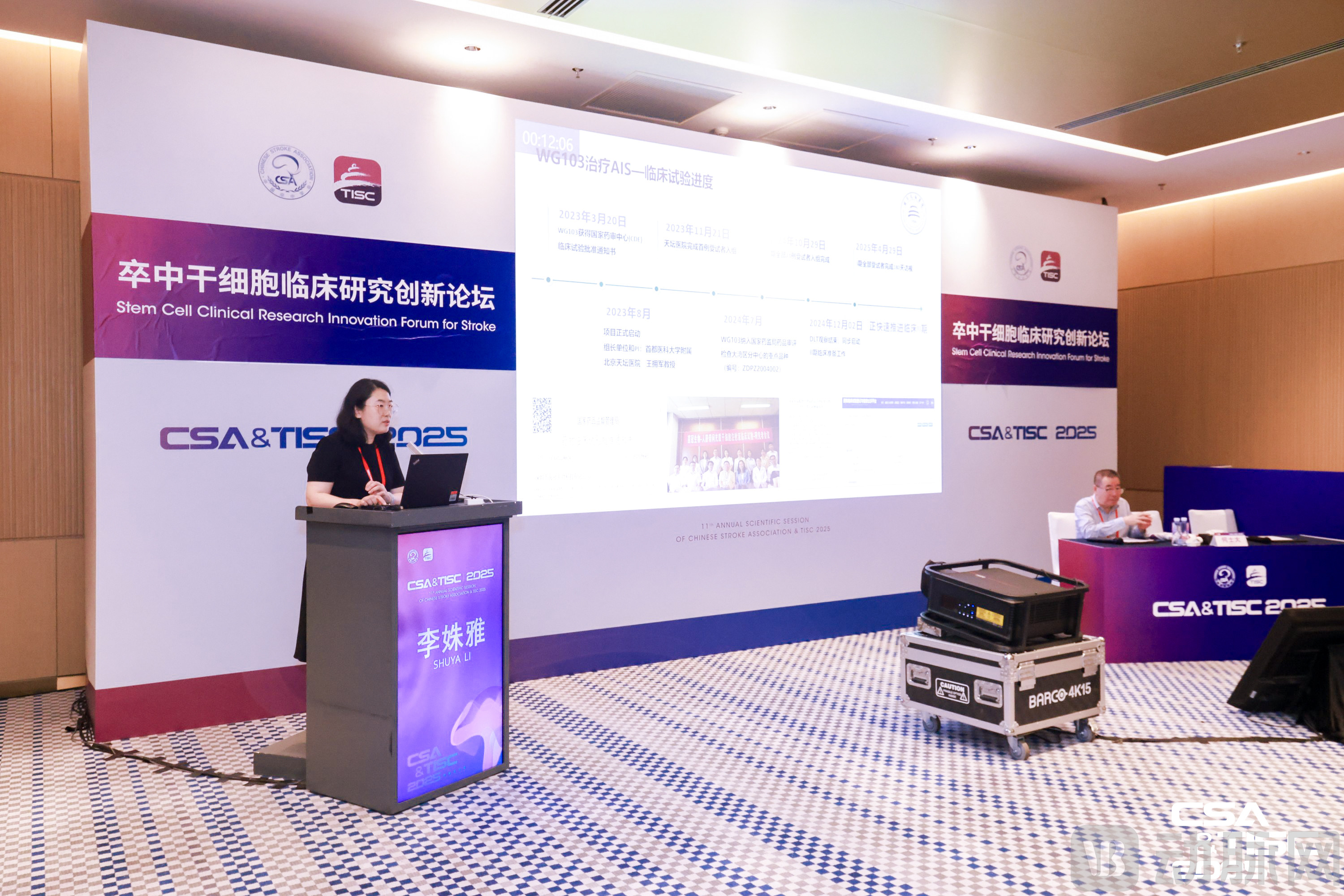
WG103 Stem Cell Injection is a neurorestorative stem cell drug independently developed by Wingor. As the first stem cell drug from Shenzhen to enter registered clinical trials, its Phase II study for acute ischemic stroke is rapidly advancing at 10 top-tier tertiary hospitals across China, including Beijing Tiantan Hospital, Capital Medical University, and Shenzhen Second People's Hospital. Professor Wang Yongjun, a leading authority in the field of cerebrovascular disease in China, serves as the Principal Investigator (PI), drawing significant attention from both the industry and the medical community.
Breaking the Impasse in Stroke Treatment: Stem Cell Therapy Opens a New Frontier
Cerebrovascular disease, particularly ischemic stroke, is the leading cause of death and disability in China, with a large existing patient population and a continuously rising number of new annual cases. Data show that the number of prevalent ischemic stroke patients in China has exceeded 28 million, with over 3.3 million new cases each year.
However, conventional therapeutic approaches for stroke, such as thrombolysis and mechanical thrombectomy, have significant limitations. Currently, only 2.4% of stroke patients benefit from these treatments, primarily due to the narrow therapeutic time window of traditional interventions and the single-mechanism action of existing neuroprotective agents, which are insufficient to address the complex pathophysiological processes of stroke. There is an urgent need in the industry to explore safer and more effective novel therapies to break through current treatment bottlenecks and improve therapeutic outcomes and quality of life for stroke patients.
In this context, stem cell therapy, particularly mesenchymal stem cells (MSCs) with their multipotent differentiation potential, robust immunomodulatory capabilities, and tissue regeneration and repair functions, offers new hope for the prevention and treatment of stroke. MSCs achieve holistic regulation of the complex pathological processes following stroke by modulating the immune microenvironment to suppress inflammatory storms, promoting angiogenesis to improve cerebral perfusion, and secreting neurotrophic factors to support neuronal survival. More importantly, this multi-target repair mechanism possesses platform extensibility; the same technological pathway can be applied to neurodegenerative diseases such as Alzheimer’s disease and Parkinson’s disease, holding immense market potential.
WG103 Stem Cell Injection is a Class 1 novel therapeutic biological product independently developed by Wingor Biotechnology to address this significant clinical need. Derived from neonatal umbilical cord tissue, preclinical efficacy studies indicate that its core mechanism involves comprehensive repair and protection of damaged brain tissue through multiple targets, including immunomodulation of the inflammatory microenvironment in injured brain regions, promotion of angiogenesis, and neuroprotection. This approach holds promise for covering the entire disease course of stroke. In animal studies, the inhibition rate of cerebral infarction volume reached 50% (P<0.0001), motor coordination deficits were significantly improved (P<0.05) and sustained over time, and neurological deficits and memory impairments were significantly ameliorated compared to the model control group (P≤0.05).
With its remarkable potential in the field of neural repair, WG103 not only demonstrates significant advantages in current stroke treatment but also holds promise for expanding its indications to neurodegenerative diseases such as Alzheimer’s disease and Parkinson’s disease, bringing new hope to patients in these areas.
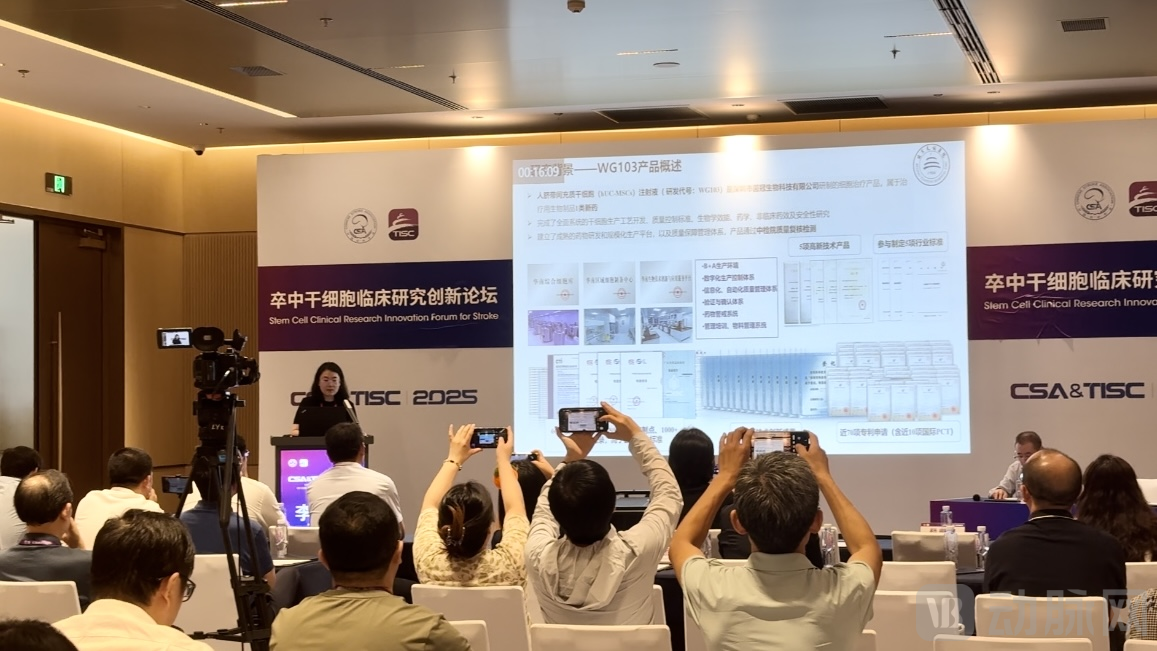
Phase I clinical data show: favorable safety and tolerability, with early positive signals of efficacy
In the thematic report at this conference, Director Li Shuya provided a detailed introduction to the overall study design of the WG103 project, the progress of its clinical trials, and, most importantly, the interim clinical results at Day 180 (blinded).
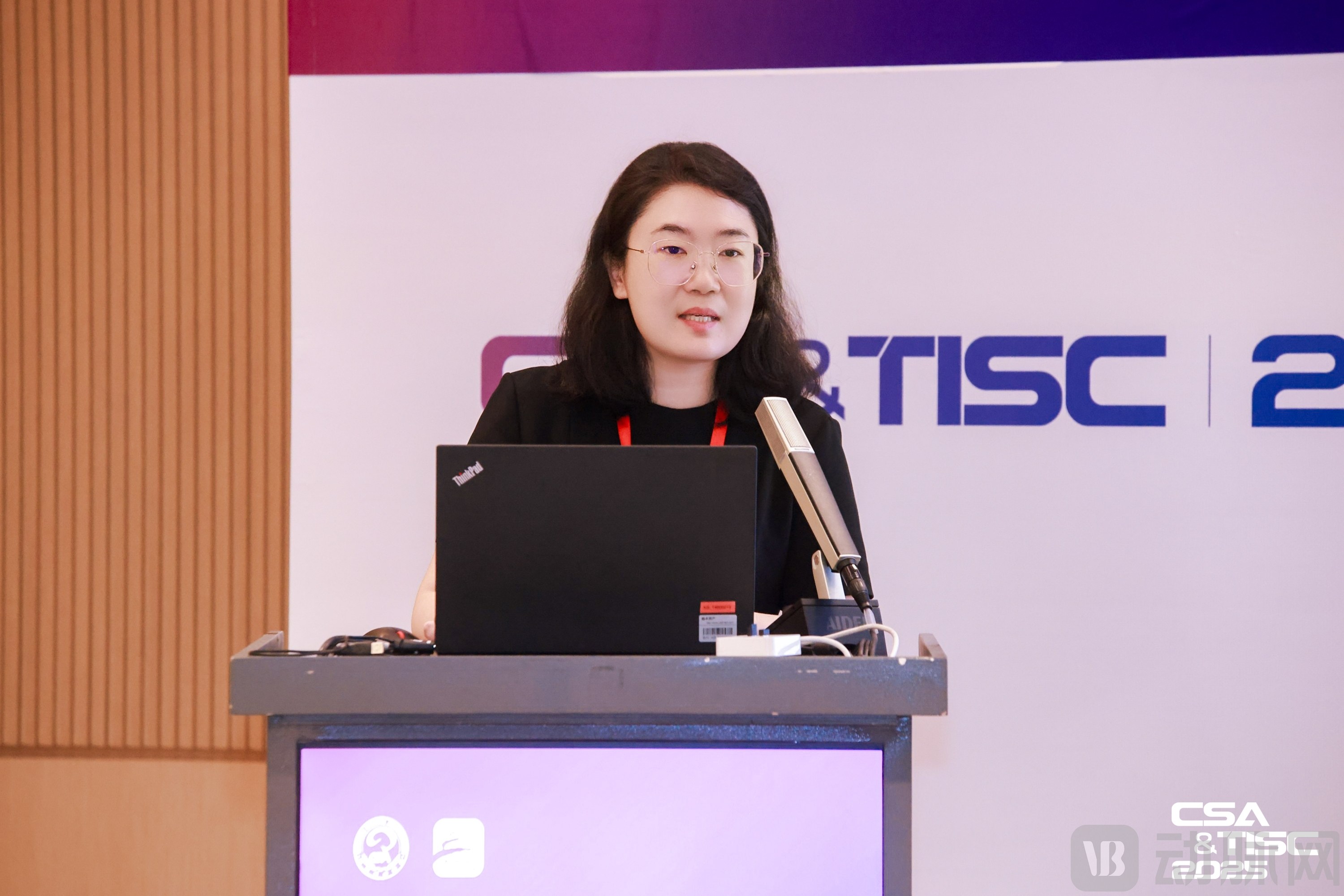
The Phase I clinical trial of WG103 adopted a “multicenter, randomized, double-blind, placebo-controlled, dose-escalation” study design. A total of 24 subjects with moderate to severe acute ischemic stroke (AIS) were enrolled (onset within 72 hours, National Institutes of Health Stroke Scale [NIHSS] score of 8–20, not receiving thrombolysis or thrombectomy). The subjects were divided into three dose groups (low, medium, and high), with 8 subjects in each group (including 2 sentinel subjects per group). The aim was to evaluate the safety and tolerability of intravenous WG103 injection for the treatment of AIS patients, and to preliminarily observe its clinical efficacy.
As of April 2025, all 24 subjects in the Phase I trial have completed the Day 180 visit. Baseline data showed that 79% were male; the mean age was 61 years, 75% experienced their first stroke, and the mean NIHSS score was 11.
Safety results indicate that WG103 demonstrates favorable safety and tolerability in the treatment of AIS.No adverse events or dose-limiting toxicities (DLTs) related to the investigational medicinal product occurred in the low-, medium-, and high-dose groups during the DLT observation period. During the visits, no Grade ≥3 adverse reactions, serious adverse reactions, adverse reactions leading to death, or adverse reactions resulting in permanent discontinuation of treatment were reported. None of the six sentinel subjects experienced adverse events (AEs) or serious adverse events (SAEs) related to the investigational drug, and the safety profile was consistent with expectations.
The efficacy results of WG103 administered as a single intravenous dose in patients with moderate to severe acute ischemic stroke (AIS) (NIHSS score 8–20, not receiving thrombolysis or thrombectomy, within 72 hours of onset) showed:The proportion of sentinel cases with an improvement of ≥4 points in the NIHSS score after treatment was 100%, and the mean reduction in NIHSS score from baseline was 6.5 points. The subjects showed varying degrees of improvement in functional independence (mRS) and activities of daily living (BI).
Director Li Shuya stated that the interim analysis results have laid a solid foundation for the rapid advancement of subsequent clinical trials of WG103, providing critical data support. Future work will continue to follow up and observe the long-term benefits of WG103 treatment in patients with acute ischemic stroke (AIS), while expanding the sample size to further explore the efficacy and safety of different dosing frequencies and regimens for AIS treatment.
Phase II Clinical Trial Recruitment Launched: Multi-Center Study Accelerates Efficacy Validation
Based on the positive results demonstrated by WG103 in Phase I clinical trials, the Phase II clinical trial of WG103 is currently advancing rapidly. Beijing Tiantan Hospital, Capital Medical University, serves as the lead site, with President Wang Yongjun acting as the principal investigator (PI). The study is being conducted jointly with 8–10 Grade A tertiary hospitals qualified as National Advanced Stroke Centers, including Shenzhen Second People’s Hospital and Xianyang Hospital of Yan’an University. This randomized, blinded, placebo-controlled Phase II clinical trial aims to evaluate the efficacy, safety, and tolerability of intravenous administration of human umbilical cord mesenchymal stem cell (hUC-MSC) injection for the treatment of acute ischemic stroke (AIS).
This study plans to enroll 60 patients with acute ischemic stroke (AIS) in the anterior circulation who present within ≤72 hours of symptom onset, to further evaluate the clinical efficacy, safety, and tolerability of intravenous infusion of human umbilical cord-derived mesenchymal stem cells (hUC-MSCs) in AIS patients, while exploring the pharmacokinetic and pharmacodynamic differences of hUC-MSC injection in these patients.
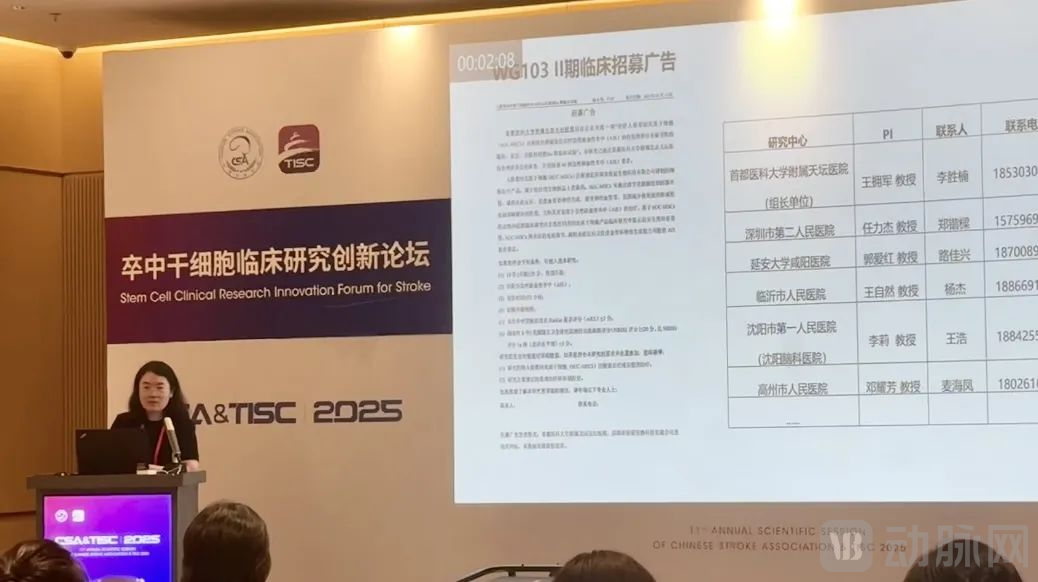
Building an Industrial Closed Loop to Accelerate the Clinical Translation of Stem Cells
The rapid advancement of WG103 is a comprehensive reflection of Wingor’s systematic R&D and industrialization capabilities. Currently, China’s stem cell industry is undergoing a critical transition from basic research to clinical translation. This process requires not only technological breakthroughs but also deep integration among industry, academia, and research institutions to build a complete, closed-loop industrial ecosystem.
As a practitioner in this field, Wingor has established three core technological platforms: the winSC™ stem cell platform, the winEx™ exosome platform, and the “winGep™ Genetic Engineering+” platform. Leveraging ten production and R&D bases compliant with cGMP standards, along with a clinical collaboration network covering more than 60 top-tier Grade A tertiary hospitals across China, Wingor has innovatively constructed a dual-track synergistic industrialization model integrating “innovative drug IND applications” and “filed therapy IIT studies.”
This model not only accelerates the drug development process, including that of the core pipeline candidate WG103, but also accumulates valuable early clinical data (real-world evidence) and a basis for strategic optimization through extensive scientific research collaborations and active participation in investigator-initiated trials (IITs). This creates a virtuous cycle of “from the clinic, back to the clinic,” effectively promoting the translation of stem cell technologies into clinical applications. For example, as a supplier of cell preparations, Wingor participated in the National Key R&D Program project during the 14th Five-Year Plan period, titled “Stem Cell Therapy for Acute-on-Chronic Liver Failure,” led by Academician Wang Fusheng’s team.
Based on this closed-loop ecosystem, Wingor Biologics’ pipeline has demonstrated tangible progress. Currently, the company maintains a portfolio of more than ten drug candidates at various stages of development. In addition to its lead product, WG103, its second stem cell therapy, WG107, for ulcerative colitis has entered clinical trials. Four additional stem cell therapies have received Investigational New Drug (IND) application acceptance, and in collaboration with hospitals, the company has successfully initiated four cell therapy clinical research projects that have obtained regulatory filing approval and commenced patient recruitment.
Meanwhile, the company is actively expanding into emerging fields: the first exosome-conjugated small nucleic acid drug from its exosome platform has completed PCC selection; through technological collaboration with the Massachusetts Institute of Technology (MIT) in the United States, its gene engineering+ platform is actively exploring pathways for cross-platform technology integration.
The phased progress of WG103 will provide new evidence for the clinical treatment of ischemic stroke. The exploration of WG103’s application in cerebrovascular diseases is continuously deepening, and its multi-target repair mechanism highlights broad market prospects for potential applications in neurodegenerative diseases. With the advanced progression of Phase II clinical trials and the continuous deepening of industry-academia-research integration and accelerated technology translation by innovative enterprises such as Wingor, China’s stem cell industry is entering a critical development period, transitioning from “following” to “running alongside” and even “leading” in certain areas. It is poised to contribute more “Chinese wisdom” and “Chinese solutions” to the global life and health industry.
Recruitment Notice for the Phase II Clinical Trial of WG103
Beijing Tiantan Hospital, Capital Medical University is currently conducting a randomized, blinded, placebo-controlled Phase II clinical trial to evaluate the efficacy, safety, and tolerability of intravenous human umbilical cord mesenchymal stem cell (hUC-MSC) injection for the treatment of acute ischemic stroke (AIS). This study has been reviewed and approved by the Ethics Committee of Beijing Tiantan Hospital, Capital Medical University, and plans to enroll 60 patients with acute ischemic stroke (AIS).
Human Umbilical Cord Mesenchymal Stem Cell (hUC-MSCs) Injection is a cell therapy product developed by Shenzhen Wingor Biotechnology Co., Ltd. and classified as a Class 1 new drug among therapeutic biological products. hUC-MSCs can modulate the microenvironment of damaged brain tissue, alleviate inflammatory responses, promote angiogenesis and neurogenesis, and repair neurovascular units, thereby reducing infarct volume and mitigating blood-brain barrier disruption. These mechanisms support its development for the treatment of acute ischemic stroke (AIS). Based on preclinical and early-phase clinical studies of hUC-MSCs, as well as the safety and efficacy demonstrated in previous clinical trials of similar mesenchymal stem cell products, the immunomodulatory, anti-inflammatory, and pro-angiogenic/neurogenic properties of hUC-MSCs may benefit patients with AIS.
You may be eligible for this study if you meet the following criteria:
(1) 18 years ≤ age ≤ 75 years, regardless of gender;
(2) Diagnosed with acute ischemic stroke (AIS);
(3) Onset time ≤72 hours;
(4) Anterior circulation cerebral infarction;
(5) Modified Rankin Scale (mRS) score ≤1 before the onset of the first stroke or the current stroke;
(6) At screening, the National Institutes of Health Stroke Scale (NIHSS) score must be ≥8 and ≤20, with a score of ≤1 on item 1a (level of consciousness).
The study physician will conduct a detailed examination. If you meet the eligibility criteria for this study and voluntarily agree to participate, you will receive:
(1) Treatment with the investigational drug human umbilical cord mesenchymal stem cell (hUC-MSCs) injection or placebo;
(2) Routine treatments and various examinations specified in the study protocol;
For more detailed information about this study, please consult the following professionals:
① Beijing Tiantan Hospital, Capital Medical University (Lead Institution) Contact: Li Shengnan Phone: 18530305713
② Shenzhen Second People's Hospital Contact: Zheng Kailiang Phone: 15759697810
③ Xianyang Hospital of Yan'an University Contact: Lu Jiaxing Contact Number: 18700895281
④ Linyi People's Hospital Contact: Yang Jie Phone: 18866916484
⑤ Shenyang No. 1 People's Hospital (Shenyang Brain Hospital) Contact Person: Wang Hao Contact Number: 18842556401
⑥ Gaozhou People's Hospital Contact: Mai Haifeng Contact Number: 18026166857