

GlycoEra Secures $179M in Total Funding to Advance Extracellular Protein Degraders with >95% Clearance of Pathogenic Antibodies

GlycoEra
Novel Biologics Developer
On May 27, 2025, GlycoEra announced the completion of a $130 million Series B financing round, bringing its total fundraising to $179 million. The proceeds will be used to advance the research and development of its pipeline of extracellular protein degraders.
This trend reflects three major limitations in the practical application of autoimmune disease treatments: insufficient depth of efficacy, significant risk of immunosuppression, and slow onset of action.
First, the depth of therapeutic efficacy is insufficient; traditional drugs can only achieve functional blockade of target proteins without completely clearing pathogenic proteins, making it difficult to cure the disease. Second, there is a high risk of immunosuppression; the mechanism of broadly suppressing the immune system significantly increases patients’ risk of infection. Finally, the onset of action is slow, requiring patients to take medication long-term to maintain therapeutic effects.
To address these critical challenges, GlycoEra leverages its bifunctional degrader technology to precisely target and completely eliminate pathogenic proteins (such as autoantibodies) in the bloodstream.
Bifunctional Glyco-Engineering Degrader: A Molecular-Level "Smart Recycling System"
Autoimmune diseases, represented by rheumatoid arthritis and systemic lupus erythematosus, are fundamentally driven by the attack of self-tissues by abnormal antibodies and other proteins. Although traditional monoclonal antibody therapies (such as anti-TNFα agents) can bind to target proteins during treatment, this mechanism acts more like placing a “seal” on the pathogenic proteins, temporarily blocking their function without achieving their actual clearance.
According to GlycoEra’s official website, conventional therapies achieve clinical remission in only 30%–50% of patients, while 40% of patients are forced to discontinue treatment due to drug resistance or adverse effects. Furthermore, systemic immunosuppression increases the risk of infection by two- to three-fold.
GlycoEra’s core product is the Bifunctional Glyco Degrader, which primarily consists of three components: the Target Protein-Binding Domain, the Glycan-Sensing Domain, and the Linker.
The target protein-binding domain acts as a “smart clamp,” capable of specifically capturing pathogenic proteins; the glycan signaling domain functions like a “zip code,” displaying specific glycans for binding to endocytic receptors (ASGPR); while the linker serves as an “adjustable joint arm,” optimizing spatial conformation to ensure synergistic operation of the bifunctional molecule.
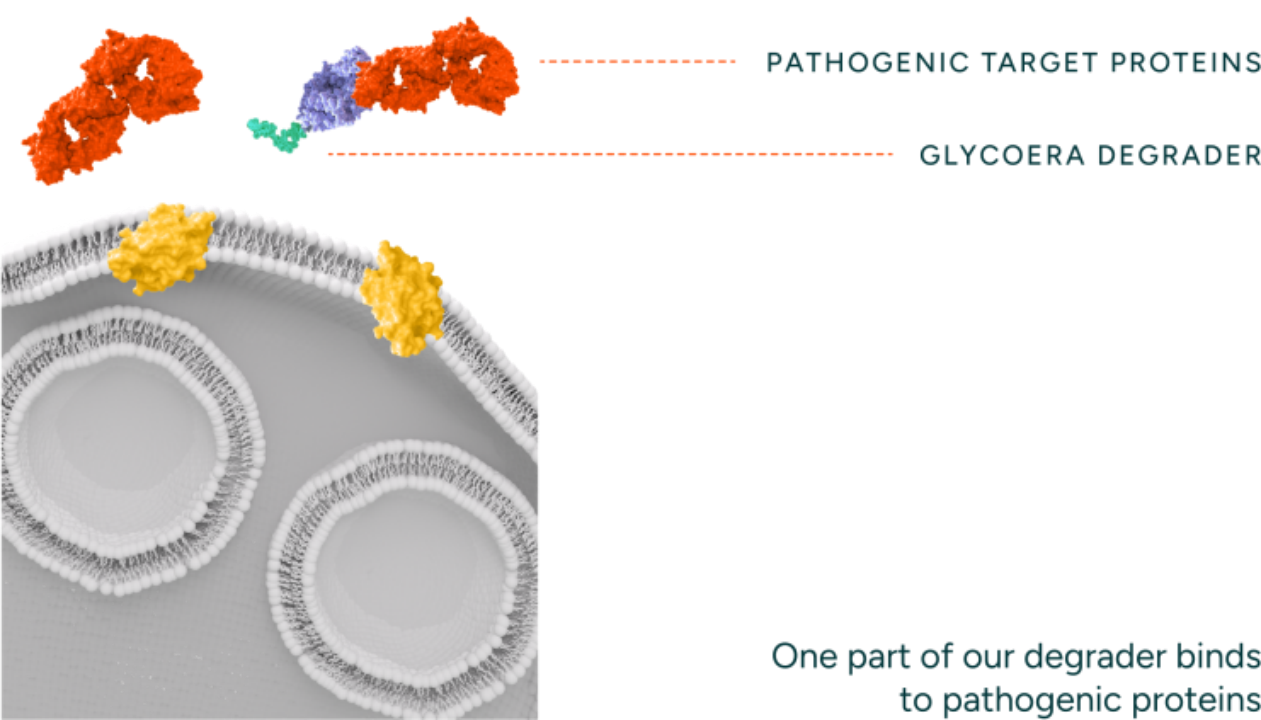
The “workflow” of bifunctional glyco-engineering degraders mainly consists of four steps: first, precise anchoring, where the degrader locks onto disease-causing proteins in the bloodstream via antibody-like domains (Fab/scFv).
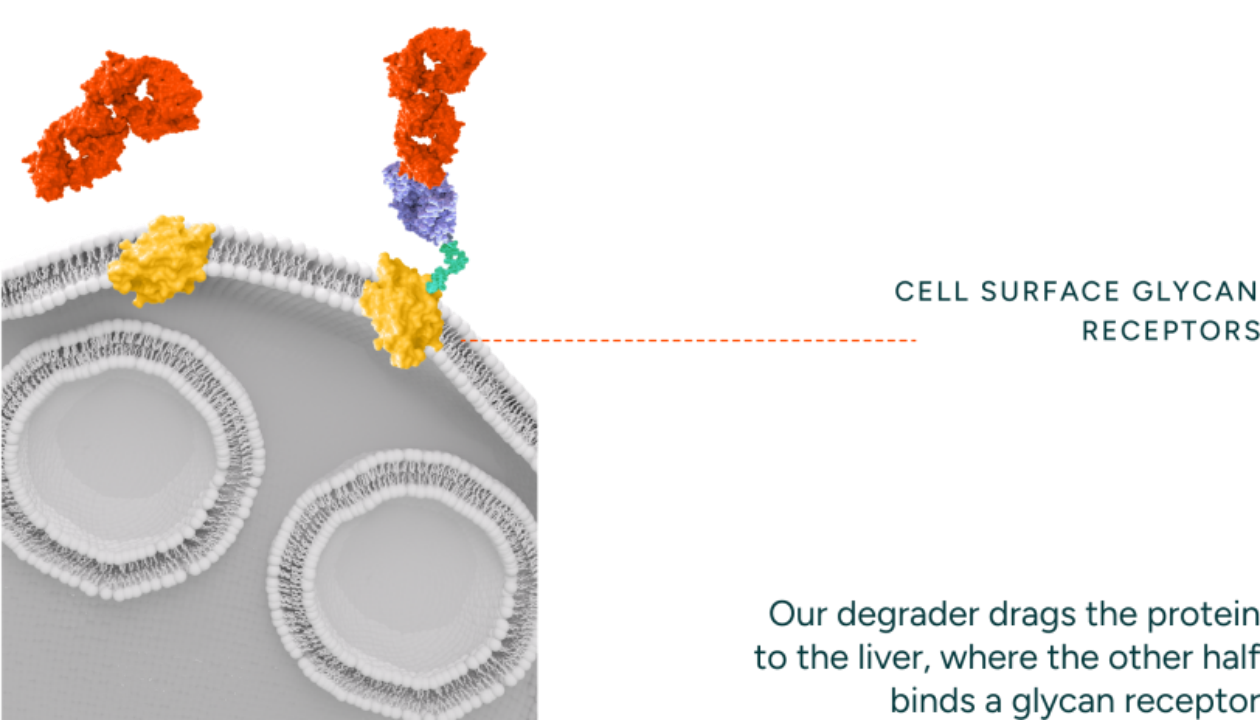
Subsequently, receptor recruitment occurs, wherein the modified specific glycan chains (such as galactose-N-acetylgalactosamine) are recognized with high affinity by ASGPR on the surface of hepatocytes.
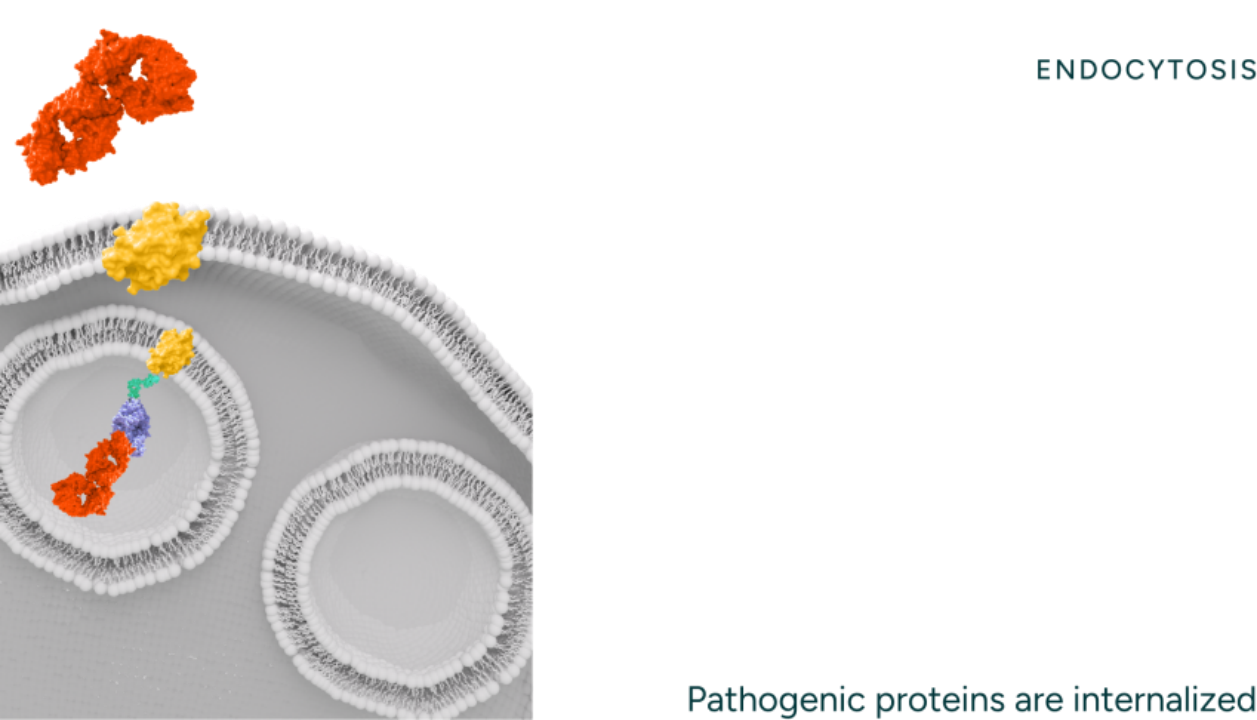
Subsequently, the lysosomal clearance phase is initiated; after endocytosis, the complex is transported to the lysosome, where the target protein is enzymatically degraded into amino acids.
Finally, receptor regeneration occurs as ASGPR returns to the cell membrane, with each monomeric receptor capable of undergoing more than 200 cycles of degradation and recycling.
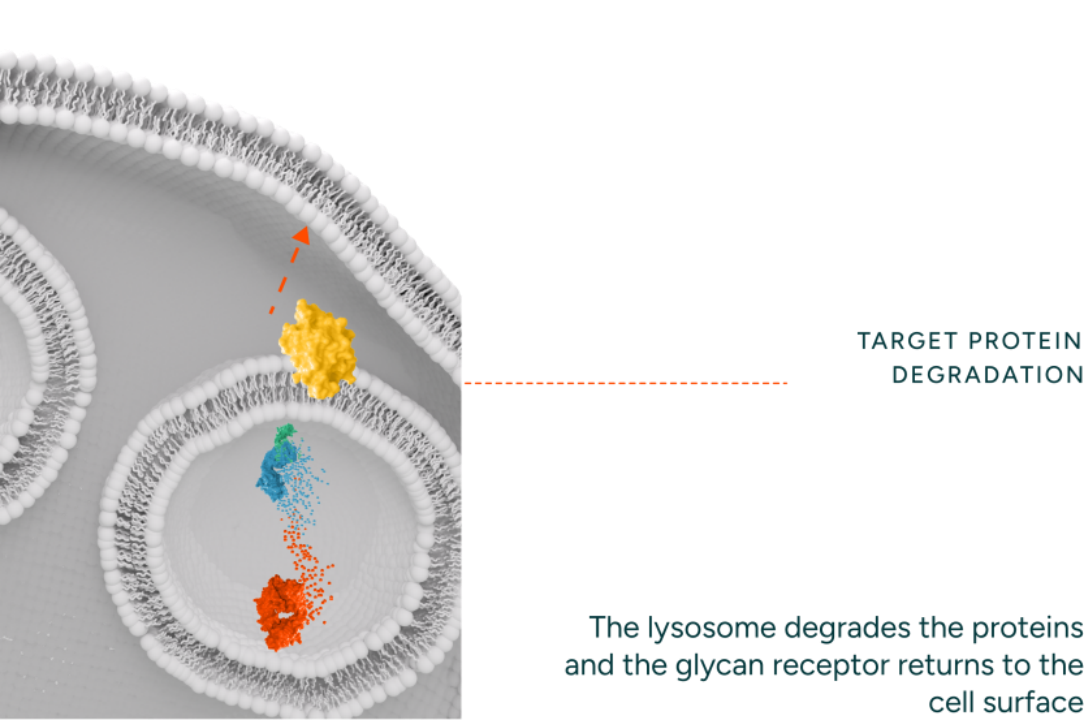
Taking the clearance of IgG autoantibodies in rheumatoid arthritis as an example, traditional monoclonal antibodies can only block the binding of IgG to Fc receptors, but free antibodies still accumulate in the bloodstream. In contrast, GlycoEra degraders “escort” IgG antibodies to hepatocyte lysosomes, achieving a clearance rate of over 95% within 30 minutes.
CustomGlycan Platform: A Four-Step Approach to Overcoming the Challenge of Glycosylation Heterogeneity
GlycoEra’s proprietary CustomGlycan platform enables “glycan programming” through synthetic biology, successfully addressing a historical challenge in glycoprotein drug development—glycosylation heterogeneity. This breakthrough is attributed to optimizations in the following four areas.
1Cell Factory Engineering
CustomGlycan eliminates random glycosylation by knocking out wild-type glycosyltransferase genes, while simultaneously introducing a customized glycoengineering toolbox. Using CHO-K1 host cells as an example, the β-1,4-galactosyltransferase gene is inserted, and an α-2,6-sialyltransferase inhibitor gene is introduced, thereby expressing homogeneous galactosylated N-glycans. The glycan homogeneity of the resulting degrader can reach 99.7%.
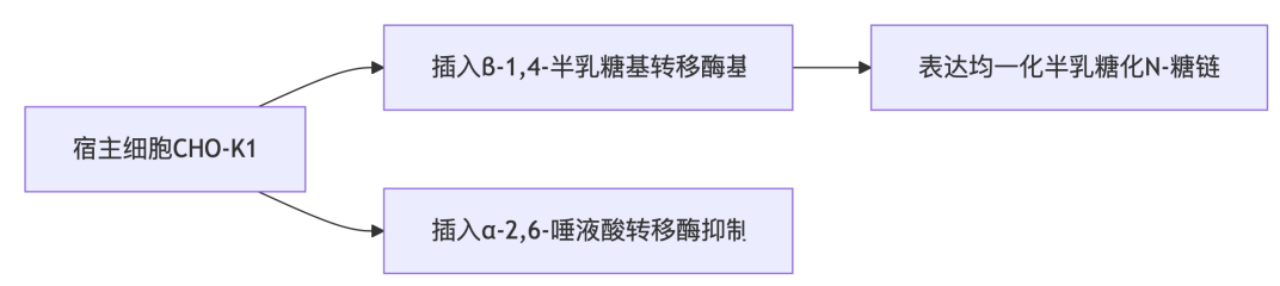
Work Logic Diagram
2One-Step Recombinant Production
Traditional antibody production requires six purification steps to remove incorrect glycoforms, whereas GlycoEra utilizes engineered cells to directly express the complete degrader in bioreactors. Post-harvest, only a single-step affinity chromatography purification is needed, which not only reduces production costs by 60% but also ensures batch-to-batch variability of less than 5%.
3Modular Molecular Design
The platform supports “plug-and-play” development, with a structure of [target protein-binding domain]-[linker]-[glycan signaling domain]. The binding domain can be selected from nanobodies, Fab fragments, or scFvs; the glycan signaling domain can be selected from ASGPR ligands or mannose receptor ligands; and the linker length is adjustable to optimize steric hindrance.
In terms of application scenarios, high-affinity Fab fragments can be selected to bind autoantibodies for autoimmune diseases; nanobodies targeting Aβ oligomers can be employed for Alzheimer’s disease; and bispecific degraders can be designed to simultaneously clear PD-L1 and CTLA-4 for cancer treatment.
4Optimization of Endocytic Dynamics
The platform’s proprietary glycan–receptor affinity prediction model addresses the “endocytosis efficiency bottleneck.” CustomGlycan leverages quantum mechanical calculations to simulate glycan–receptor binding energies and screen for optimal glycan structures (e.g., triantennary N-glycans vs. biantennary N-glycans), enabling the degradation agent–ASGPR complex to achieve a dissociation constant (Kd) in the 10 nM range.
The initial pipeline focuses on autoimmune diseases, while the scalable platform will gradually expand into additional disease areas.
GlycoEra’s pipeline development adheres to a rigorous triple-filtering logic: First, the target protein must be a core driver of the disease, such as autoantibodies in autoimmune disorders. Second, it must address clinical pain points associated with existing therapies, specifically low clearance rates or safety deficiencies. Finally, the target must be a circulating or membrane protein to be compatible with its extracellular protein degradation technology platform.
Following this screening strategy, GlycoEra has currently developed multiple autoimmune disease pipelines centered on GDE-101 and GDE-201:
1GDE-101: Rheumatoid Arthritis (RA)
GDE-101, which targets IgG autoantibodies, is currently in the preclinical stage. Its core advantage lies in its ability to clear over 95% of pathogenic antibodies within 30 minutes (according to data disclosed by GlycoEra), representing a fundamental breakthrough compared to the limitations of traditional anti-CD20 monoclonal antibodies, which can only block antibody function without clearing them.
In the first quarter of 2025, the project completed GLP toxicology studies in primates. The data showed that after a single dose in cynomolgus monkeys, serum IgG levels decreased by 98% (compared to an average decrease of 45% with traditional anti-CD20 monoclonal antibodies), and joint inflammation scores improved by 90% (compared to an average improvement of 50% with conventional therapies).
2GDE-201: Severe Asthma
GDE-201 targets IgE for the treatment of severe asthma and is currently in the lead optimization phase. As the first degrader capable of clearing IgE, its breakthrough lies in the specific degradation of free IgE without directly eliminating B cells expressing membrane-bound IgE, thereby avoiding interference with normal immune function. Mouse model data from the fourth quarter of 2024 demonstrated an 80% improvement in lung function, offering a novel therapeutic approach for patients with severe asthma.
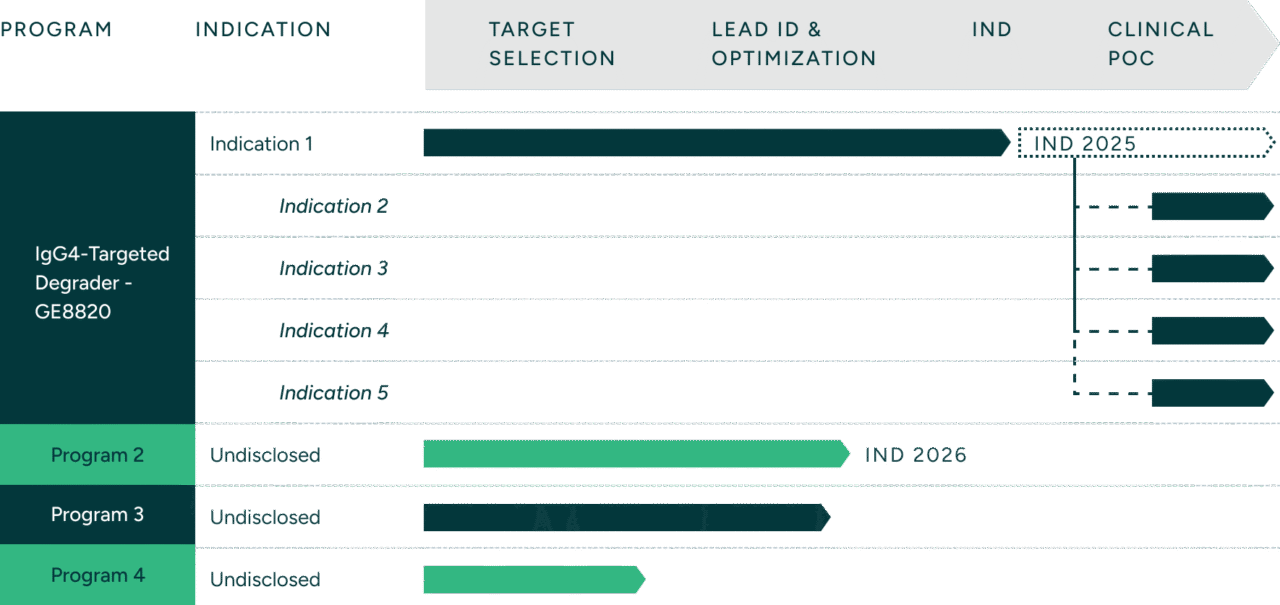
GlycoEra’s Pipeline Layout (Source: Company Website)
It is worth noting that GlycoEra’s proprietary technology platform, CustomGlycan, offers extensive scalability, enabling the design of degraders for any circulating protein. This means its applications are not limited to autoimmune diseases but extend to broader medical fields, such as the clearance of tumor drivers and the removal of toxic proteins in neurodegenerative diseases.
Veteran Pharmaceutical Team with Over 20 Years of Experience Raises $179 Million
GlycoEra, established just five years ago, has demonstrated strong appeal in the capital market. The company has undergone three rounds of financing, raising a cumulative total of $179.3 million. Its fundraising pace has been closely aligned with key corporate milestones, with each round precisely supporting technological R&D and pipeline advancement.
GlycoEra’s high valuation stems from the strong scalability of its platform, where a single technical validation can spawn multiple R&D pipelines. This capability significantly reduces the marginal cost of development, allowing investors to recognize the substantial commercial value and growth potential embedded in its technology.
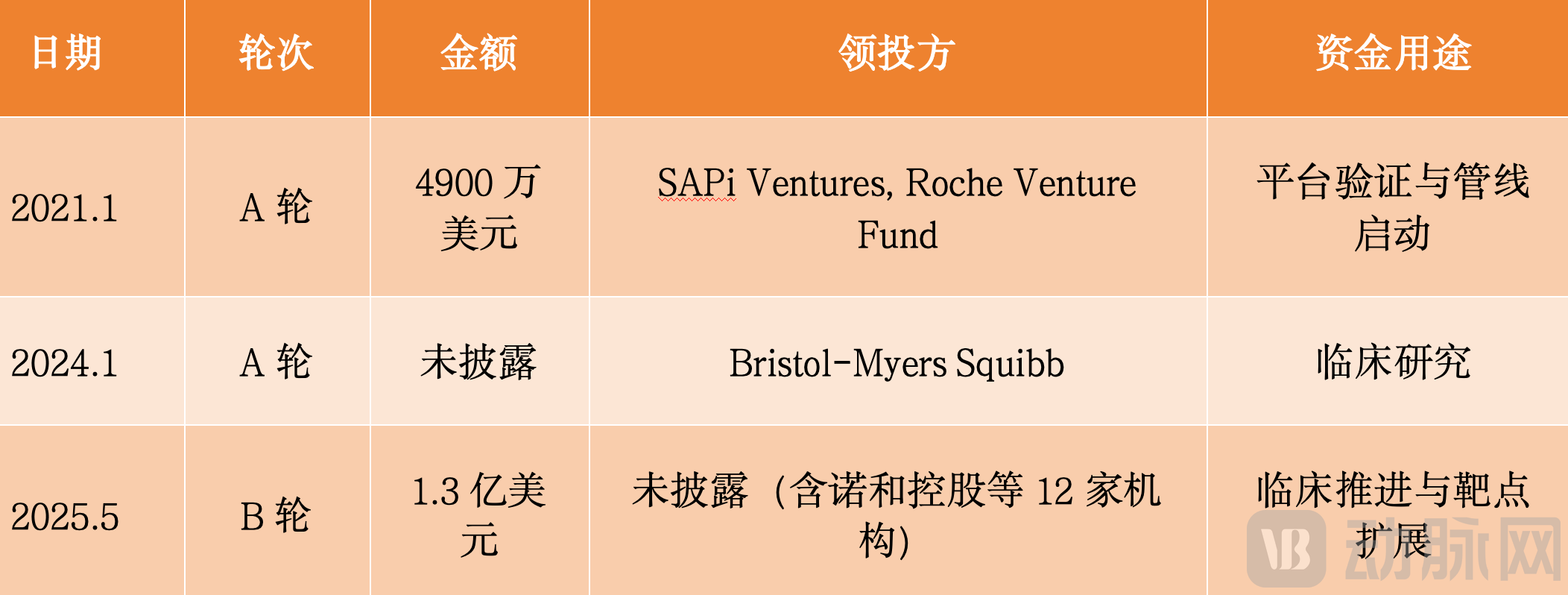
GlycoEra’s Historical Funding Rounds (Source: Crunchbase)
GlycoEra’s competitiveness lies not only in its technological innovation but also in its team of pharmaceutical industry veterans, who boast an average of over 20 years of industry experience.
Dr. Ganesh Kaundinya, CEO, previously served as Chief Scientific Officer at Momenta Pharmaceuticals, where he led the FDA approval of the first biosimilar; he holds a Ph.D. in Chemical Engineering from the Massachusetts Institute of Technology. Greg Fralish, CBO, is the former Vice President of Oncology Business Development at bluebird bio, having spearheaded collaborations valued at over $1 billion; he holds a Ph.D. in Biochemistry from the University of Georgia and brings extensive experience in business development and strategic partnerships.
Dr. Tanmoy Ganguly, CSO, formerly served as Head of Research at BD Biosciences and brings 25 years of experience in immunotherapy R&D, having spearheaded the entire process of degrader technology from concept to animal validation. Furthermore, the company boasts a robust Scientific Advisory Board, including glycobiology experts led by a Nobel Laureate, providing solid academic and technical support for the platform’s foundational innovations.
From Blockade to Eradication: Platform Technology Extends into Multiple Fields
GlycoEra still needs to overcome two key challenges in the future: first, the risk of clinical translation. Although this technology has achieved a >95% clearance rate of pathogenic proteins in animal models, whether this effect can be successfully replicated in humans remains unknown; second, the issue of scaling up production. The batch consistency of the one-step manufacturing process requires industrial validation to ensure the stability and quality controllability of drug production.
To address these challenges, GlycoEra has formulated a clear strategic response: its short-term goal is to advance its first degrader targeting IgG autoantibodies into Phase I clinical trials by 2026, thereby initiating human studies; its mid-term plan involves collaborating to develop targets outside the autoimmune space, such as beta-amyloid in Alzheimer’s disease, to expand the application scenarios of its technology and achieve diversified realization of platform value.
GlycoEra’s therapeutic philosophy marks a shift from merely “coexisting” with disease-associated proteins to actively “eradicating” them. As Dr. Ganesh Kaundinya, the company’s CEO, emphasized, “This is not just about developing new drugs; it represents a paradigm shift in treatment—moving from traditional ‘blockade’-based therapies to a ‘clearance’-oriented model.”
As its platform technology extends into more fields such as neuroscience and oncology, humans may no longer need to endure the negative effects of traditional therapies like broad-spectrum immunosuppression, replaced instead by precise targeted clearance of pathogenic proteins.