

Changping Future Investment Alliance Launches Life Valley Financial Service Station at 2025 Medical & Health Finance & Investment Innovation Forum
To promote the vigorous development of China’s pharmaceutical and health industry and to empower Changping District’s position as an innovation hub in this sector, the 2025 Changping Pharmaceutical and Health Financial Investment Innovation Forum was successfully held in Changping on July 7. The forum was hosted by the People’s Government of Changping District, Beijing, and Beijing State-owned Capital Operation and Management Co., Ltd. It was co-organized by the Future Science City Management Committee (Life Science Park Management Committee), the Development and Reform Commission of Changping District, Beijing, the Changping Future Venture Capital Alliance, the Management Committee of Zhongguancun Science Park Changping Park, Beijing Changping Science and Technology Park Development Group Co., Ltd., Beijing Changke Jin Investment Co., Ltd., and Chongqing Dongmaicheng Technology Co., Ltd. (VCBeat).
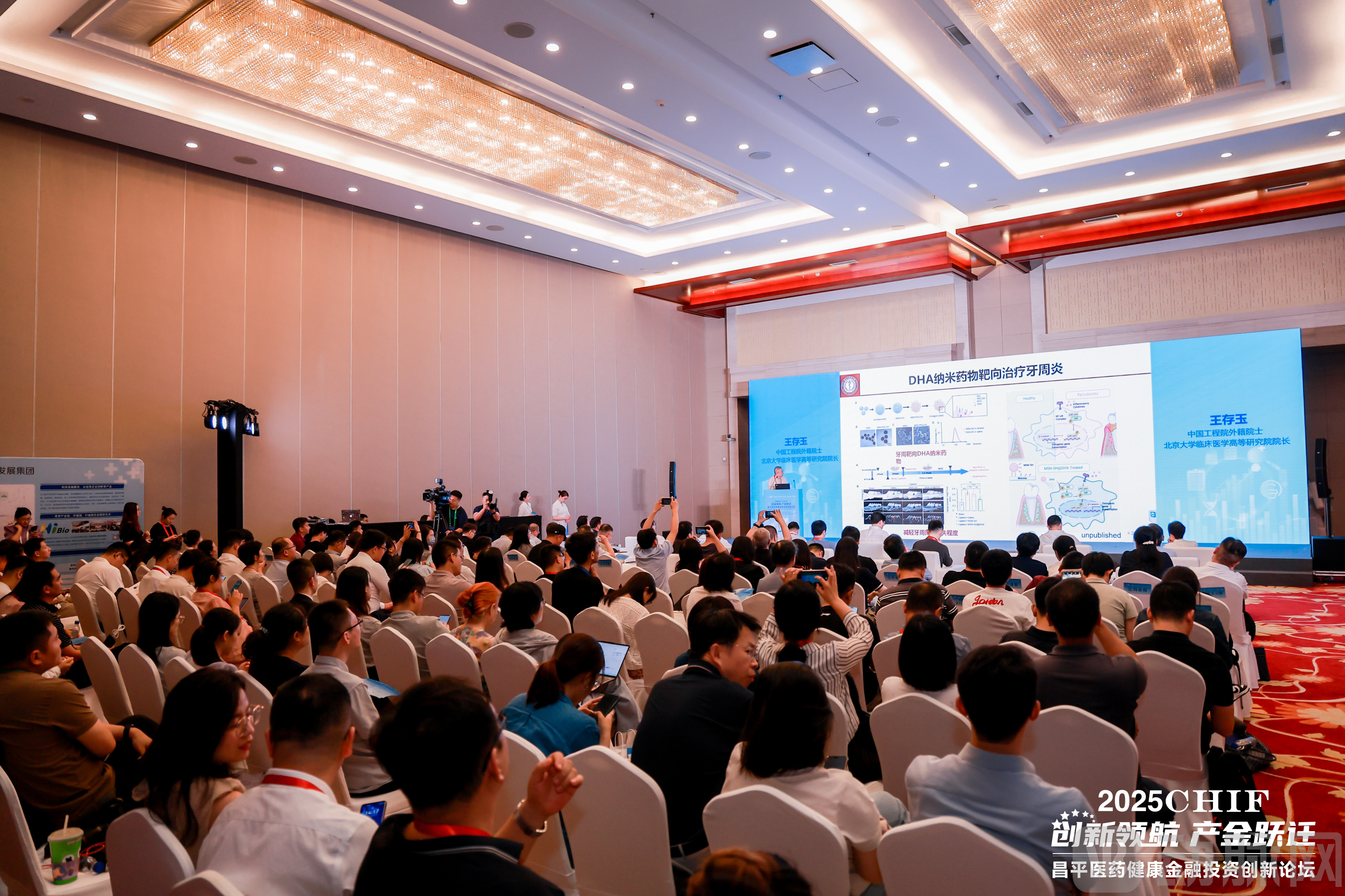
Themed “Innovation-Led Navigation, Industrial and Financial Leapfrogging,” the forum was attended by 18 distinguished guests—including Guo Chuan, Deputy Secretary of the Party Committee, Director, and General Manager of Beijing State-owned Capital Operation and Management Co., Ltd.; Liu Xiaodong, Deputy Secretary of the Changping District Party Committee, District Mayor, and Director of the Future Science City Management Committee; Liu Qiang, Member of the Standing Committee of the Changping District Party Committee and Deputy District Mayor; Wang Cunyu, Foreign Member of the Chinese Academy of Engineering and Dean of the Institute for Advanced Clinical Medicine at Peking University; Feng Yan, Distinguished Professor at Shanghai Jiao Tong University and former Dean of the School of Life Sciences and Biotechnology; Xiao Shen, former Senior Clinical Review Officer at the U.S. FDA and Chief Scientific Officer of Shanghai Libang Pharmaceutical; Ren Feng, Co-CEO and Chief Scientific Officer of Insilico Medicine; Peng Shuangqing, Chief Scientific Officer of Medicilon Pharma; and He Wenbin, Co-Chief Pharmaceutical Analyst at Guotai Haitong Research Institute—along with nearly 200 ecosystem partners from academia, industry, healthcare, and investment sectors. Participants engaged in in-depth discussions on industrial development and capital empowerment, injecting new momentum into the industry’s innovative growth.
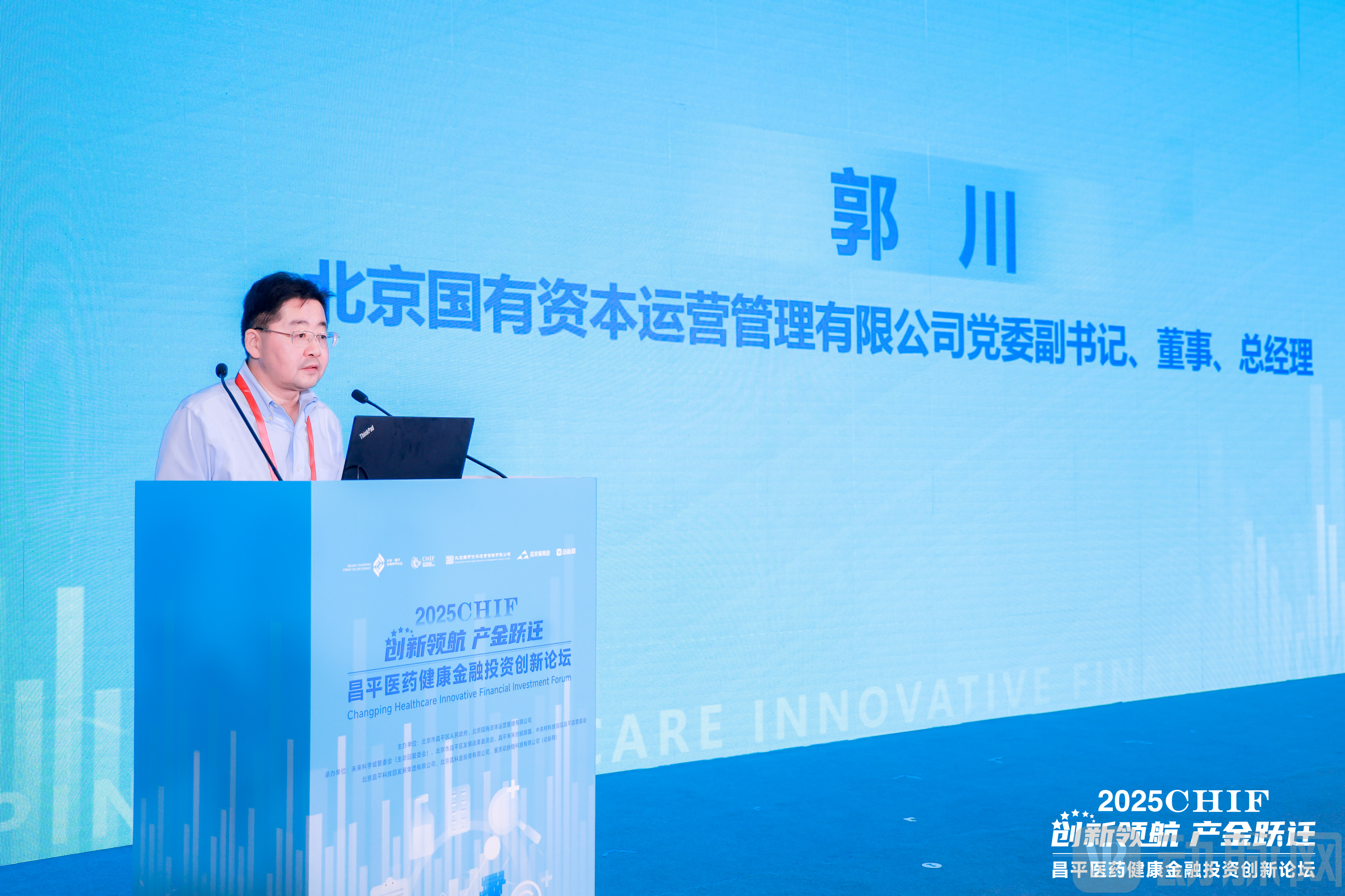
Guo Chuan attended the forum and delivered a speech. He stated, “Beijing State-owned Capital Operation Management Co., Ltd. (hereinafter referred to as ‘Beijing Guoguan’) is actively responding to national policies by optimizing capital allocation and promoting industrial upgrading and transformation, thereby supporting the development of the pharmaceutical and healthcare industry and accelerating the cultivation and expansion of new quality productive forces. Beijing Guoguan is leveraging the guiding role of long-term and patient capital, aligning with national key strategic layouts, and has established and operates a municipal government investment fund with a scale of hundreds of billions of yuan. In the pharmaceutical and healthcare sector, Beijing Guoguan adheres to an innovation-driven strategy for industrial development, providing support for innovative advancements in the industry. The Beijing Pharmaceutical and Healthcare Industry Investment Fund, with a size of RMB 20 billion, was established in Changping in 2024, focusing on areas such as innovative drugs and innovative medical devices. As of the first half of 2025, the fund had cumulatively invested over RMB 4 billion, mobilizing more than RMB 5 billion in social investment. Beijing Guoguan is continuously injecting financial vitality into the development of the pharmaceutical and healthcare industry.”
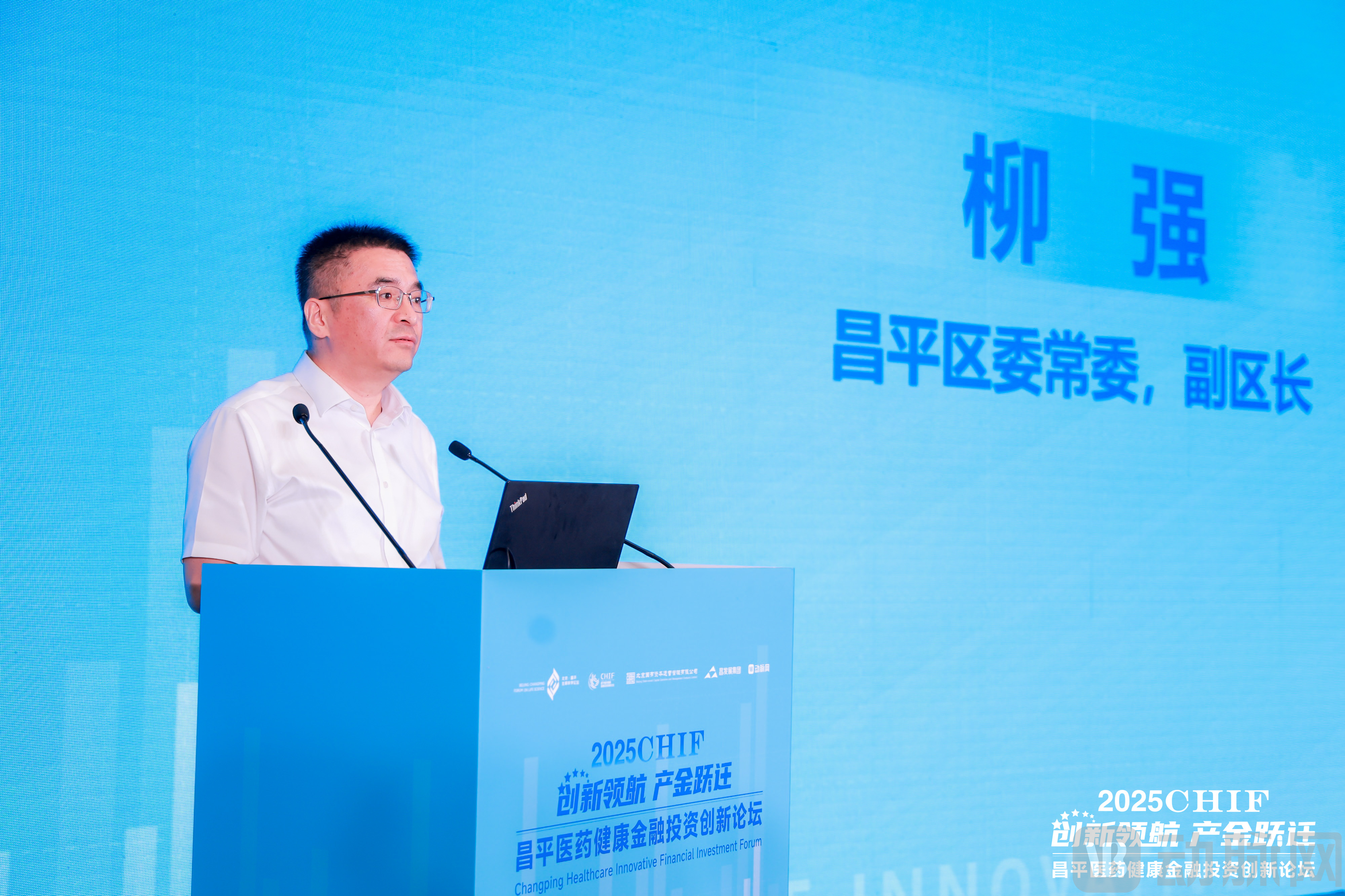
Liu Qiang stated in his address, “Changping District remains committed to positioning sci-tech finance as a key pillar for industrial development. Focusing on the construction of a sci-tech finance demonstration zone, we have introduced Beijing’s first sci-tech finance policy, established the city’s inaugural warrant fund, and successfully launched the Beijing Stock Exchange Changping Service Base. We took the lead in establishing a government-guided investment fund management system, attracted high-quality capital from firms such as Sequoia Capital, Hillhouse Capital, and Kangqiao Capital, continuously expanded our network of partners, and achieved full coverage of leading industries. By leveraging the guiding role of the government, we have built a multi-tiered, full-lifecycle fund matrix; innovated targeted financial products to construct an integrated and coordinated investment-loan system; and cultivated a top-tier financial ecosystem by providing end-to-end, one-stop financing services. Moving forward, Changping District will continue to optimize its financial service environment, striving to build a sci-tech finance ecosystem characterized by efficient factor mobility, precise matching of supply and demand, and fully unleashed vitality, thereby accelerating the development of ‘Life Valley’ into a globally leading hub.”
Amid the advancing tide of the Healthy China Strategy, the deep integration of technology and medicine is reshaping the future landscape of human health. As one of the most dynamic and promising frontiers in global medicine today, regenerative medicine is ushering in a new “medical revolution,” with innovative technologies such as artificial intelligence (AI) accelerating its development. Professor Wang Cunyu, Foreign Member of the Chinese Academy of Engineering and Dean of the Institute for Advanced Clinical Medicine at Peking University, delivered a keynote address titled “Technology Empowering Healthy China: The Integration and Future of AI and Regenerative Medicine.”
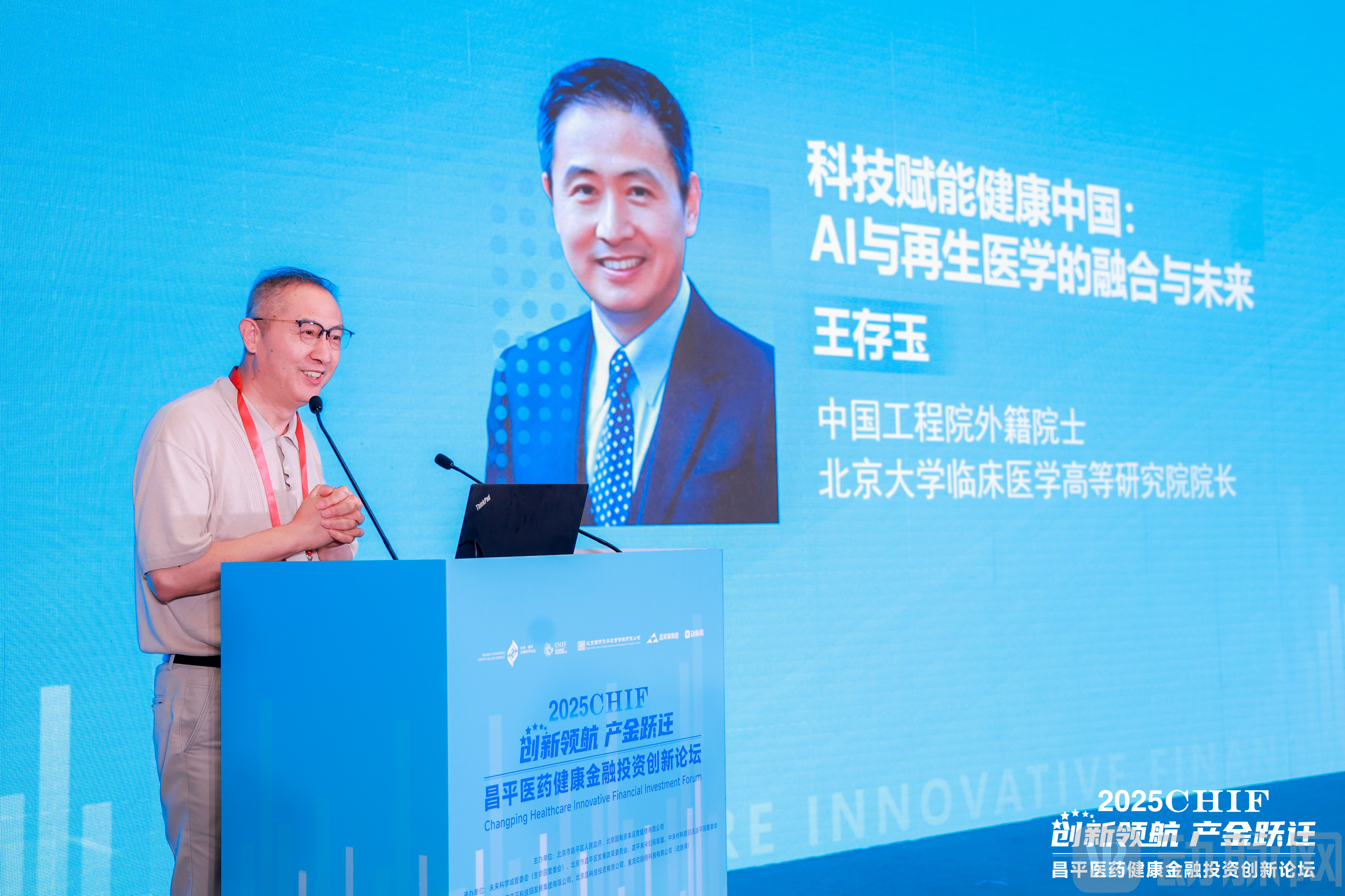
Academician Wang Cunyu pointed out, “AI technology is becoming a key force driving the clinical translation of regenerative medicine. AI is continuously demonstrating its efficacy in driving biomaterial design, predicting drug targets, and optimizing clinical workflows. Regenerative medicine currently faces numerous critical challenges in clinical practice, including significant individual variability and difficulty in predicting therapeutic efficacy; complex tissue engineering with limited controllability; and a lack of precise monitoring and dynamic assessment tools. AI can provide innovative solutions to further drive personalized treatment decisions, optimize construction processes and microenvironment regulation, and enable precise tracking and evaluation. For instance, in addressing the issue where tissue aging impairs tissue regeneration and repair capabilities, the integration of big data and AI technologies facilitated the functional analysis and screening of the extracellular matrix protein Periostin, which was shown to promote tendon regeneration. Additionally, deep learning algorithms predicted that the small-molecule drug DHA, which can modulate stem cell stemness, promotes stem cell function for the treatment of osteoporosis.”
Industrial development is inseparable from the further synergy between capital and ecosystem. To stimulate regional investment and financing vitality, Changping District has seized the opportunity presented by the construction of the Zhongguancun Science and Technology Finance Reform Pilot Zone, creating the “Changping·Golden Cube” brand for its financial business environment. In March this year, under the guidance of the Changping District Government and led by the District Development and Reform Commission, the “Changping Future Venture Capital Alliance (CFIA)” was established to further unleash the vital role of venture capital in supporting technological innovation. The alliance aggregates key elements such as finance, technology, industry, and talent, constructing a seven-in-one innovative ecosystem model integrating “government, industry, academia, research, finance, services, and applications,” with the aim of building a demonstration zone for patient capital. By integrating resource elements, streamlining matchmaking channels, and enhancing service efficiency, the initiative supports the high-quality development of technology-based enterprises, continuously polishing the Changping-specific brand of financial business environment, and creating the “Changping Model” for empowering the development of new quality productive forces with financial capabilities in the capital. It is reported that, relying on the Changping Future Venture Capital Alliance, more than 90 investment and financing roadshow events have been organized this year, serving over 260 companies.
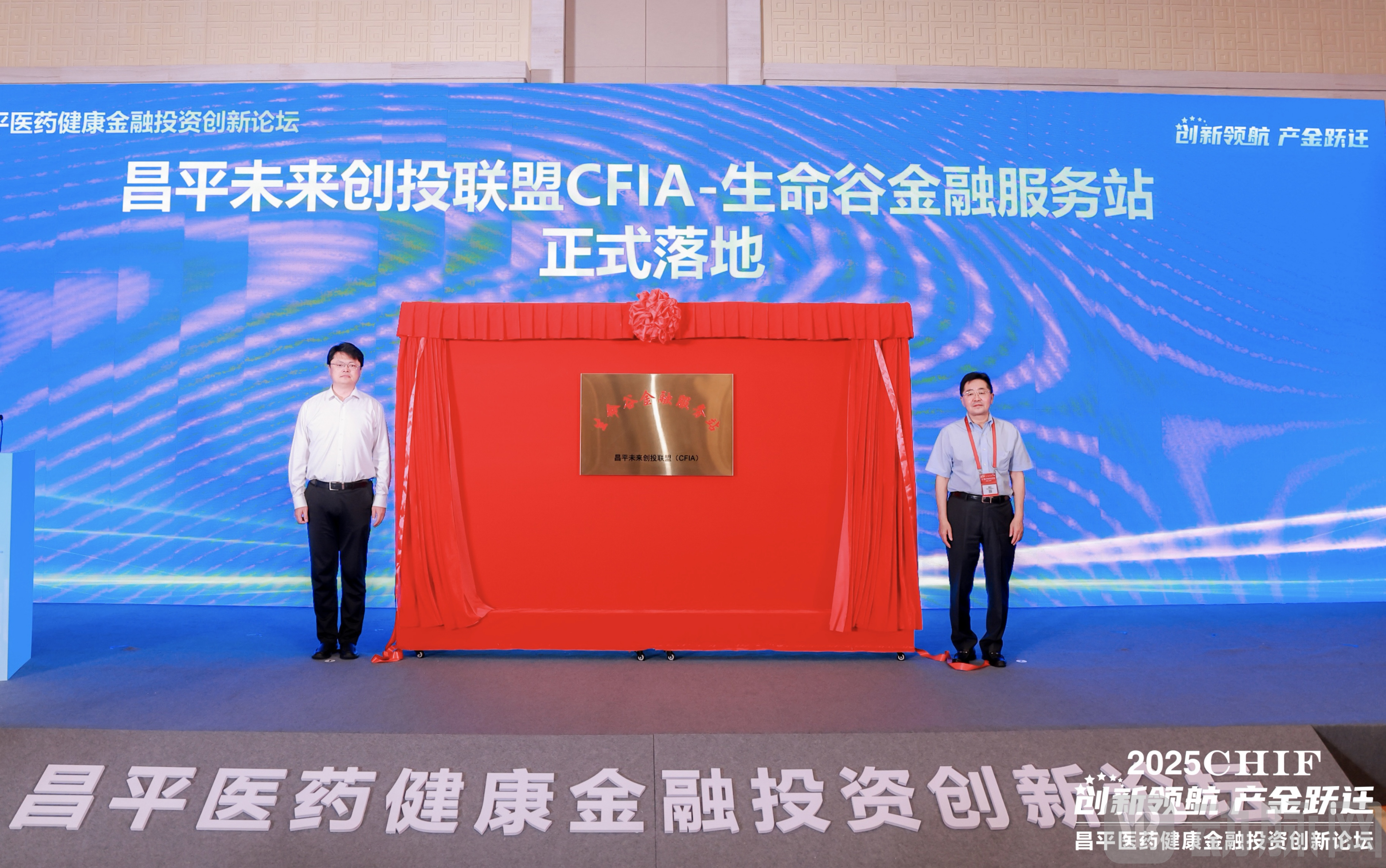
At the forum, a key strategic initiative to advance the ecosystem of the “Changping Future Venture Capital Alliance”—the Life Valley Financial Service Station—was officially established. Guo Chuan, Deputy Secretary of the Party Committee, Director, and General Manager of Beijing State-owned Capital Operation Management Co., Ltd., and Liu Xiaodong, Deputy Secretary of the Changping District Party Committee, District Mayor, and Director of the Future Science City Management Committee, attended the unveiling ceremony. In the future, the Life Valley Financial Service Station will leverage the resource advantages of the Changping Future Venture Capital Alliance to actively connect with diverse financial resources, including banks, investment institutions, and securities firms, thereby creating a cluster effect in financial services. By organizing various ecosystem activities such as roadshow salons, industry forums, and thematic seminars, the station aims to achieve deep integration and coordinated development among financial institutions, ecosystem enterprises, and industrial services. It will continuously optimize its service reach, accelerate the transformation of scientific and technological achievements, and promote a virtuous cycle of “technology–industry–finance.”
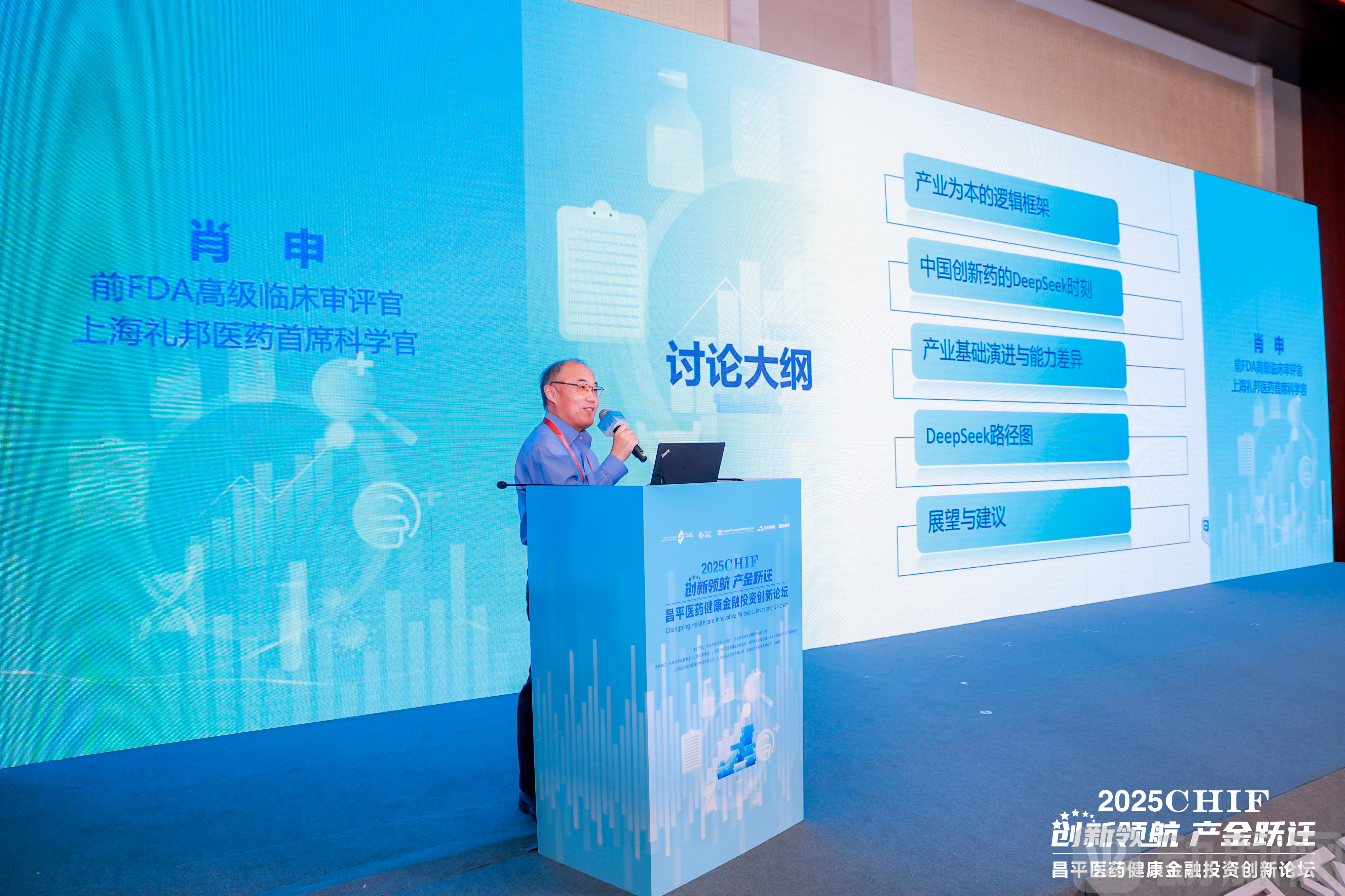
The transformation in the healthcare sector is accelerating, with innovative technologies and models playing a pivotal role. AI technology, synthetic biology, and innovative CRO (Contract Research Organization) models are reshaping the entire industry. Dr. Xiao Shen, former Senior Clinical Reviewer at the FDA and current Chief Scientific Officer at Shanghai Libang Pharmaceutical, delivered a speech titled “Industry-Centric: The ‘DeepSeek Moment’ for China’s Innovative Drugs.” He pointed out that “China’s pharmaceutical industry is currently transitioning from policy-driven growth to capability-driven development, gradually establishing a closed loop of ‘policy–R&D–returns.’ Chinese biotech companies are also experiencing a ‘DeepSeek moment,’ shifting from follow-on imitation to original, in-depth exploration.” Data from PharmaCube shows that R&D of innovative drugs in China has grown significantly over the past five years, with the number of new drug approvals in 2024 second only to that of the United States. China has entered the first tier of global debut launches for innovative drugs and is becoming an important source of global First-in-Class (FIC) innovations. According to forecasts by the Qianzhan Industry Research Institute, the market size of China’s innovative drugs is expected to exceed $300 billion by 2030, with its global share continuing to rise. To better promote industrial development, China needs to further explore improvements in overseas expansion efficiency and capability structure. It is essential to strengthen target insight and collaborative R&D, coordinate global clinical trial design and regulatory registration, and co-build commercial pathways with aligned interests. In the future, China is poised to become a decision-making hub for the global innovative pharmaceutical industry, and Chinese innovative drugs are expected to leapfrog from “New in China” to “New Globally.”
From target discovery and molecular screening to clinical trial design and manufacturing optimization, artificial intelligence is profoundly reshaping every stage of pharmaceutical R&D. Addressing the profound impact of AI technologies, Dr. Feng Ren, Co-CEO and Chief Scientific Officer of Insilico Medicine, delivered a keynote speech titled “From Algorithms to the Clinic: Applications of Generative AI in Drug Discovery.”
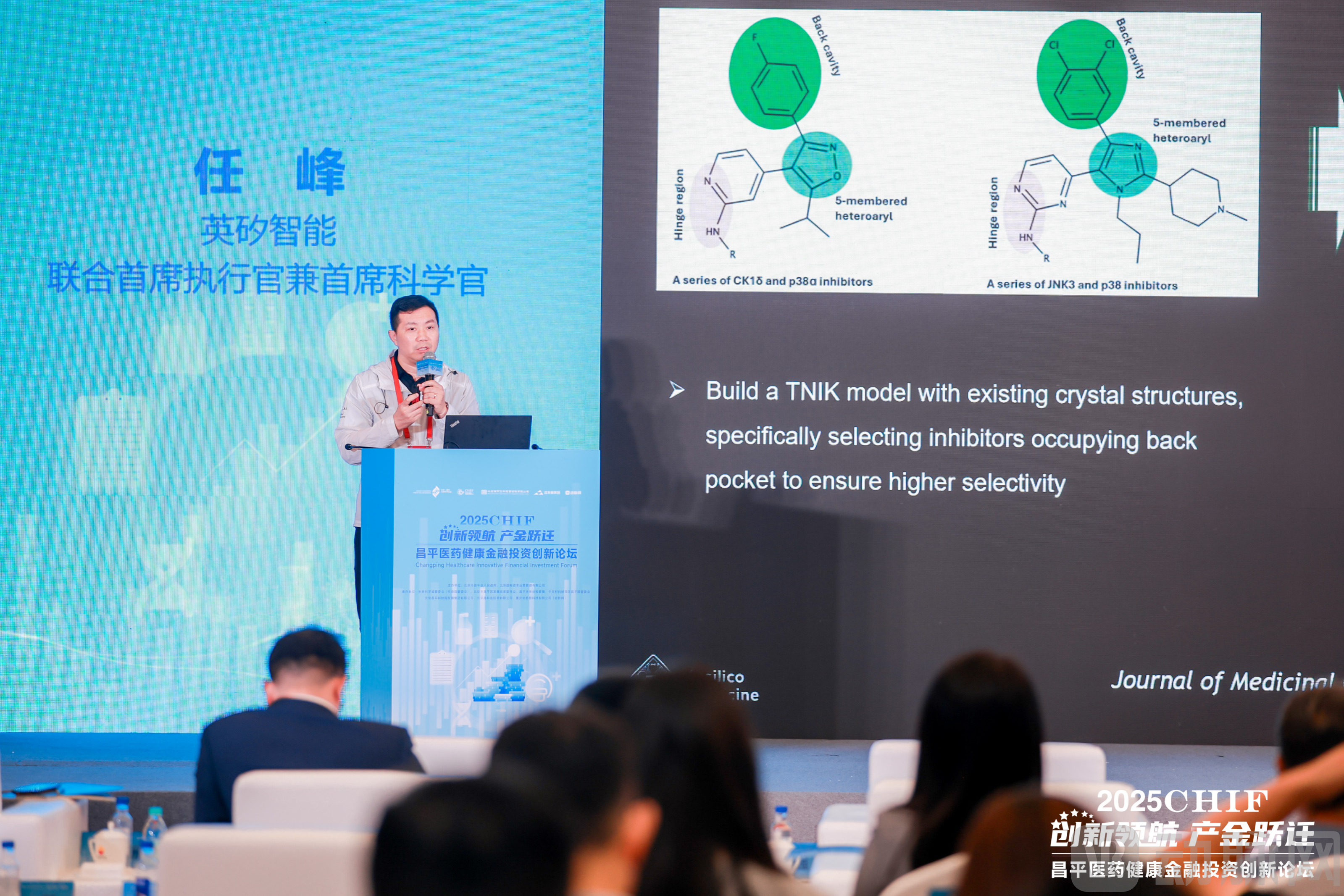
Dr. Ren Feng pointed out that traditional drug development is plagued by bottlenecks such as low efficiency, long cycles, and significant challenges in target and molecular screening. Addressing these industry pain points, Insilico Medicine has built Pharma.AI, an innovative platform powered by generative artificial intelligence, to drive a comprehensive upgrade of the drug discovery process. Taking the PandaOmics platform as an example, this software leverages patient multi-omics data to help identify novel targets or discover drug repurposing opportunities. Another representative tool, Chemistry42, utilizes generative AI algorithms to efficiently screen or perform de novo design of molecules with ideal physicochemical properties. In practical applications, using idiopathic pulmonary fibrosis (IPF) as a case study, Insilico Medicine systematically identified TNIK as a potential target through PandaOmics. Subsequently, the team used the Chemistry42 platform to de novo design Rentosertib (ISM001-055), a small molecule with favorable druggability and potential first-in-class status. This entire process saved two-thirds of the time compared to traditional methods. Beyond Rentosertib, leveraging the advantages of its AI platforms, Insilico Medicine has established a diversified pipeline of innovative drug candidates spanning multiple therapeutic areas, including fibrosis, oncology, immunology, pain, obesity, and metabolic disorders. Looking ahead, Insilico Medicine aims to collaborate with more partners in the pharmaceutical industry to jointly explore a new era of AI-enabled drug discovery.
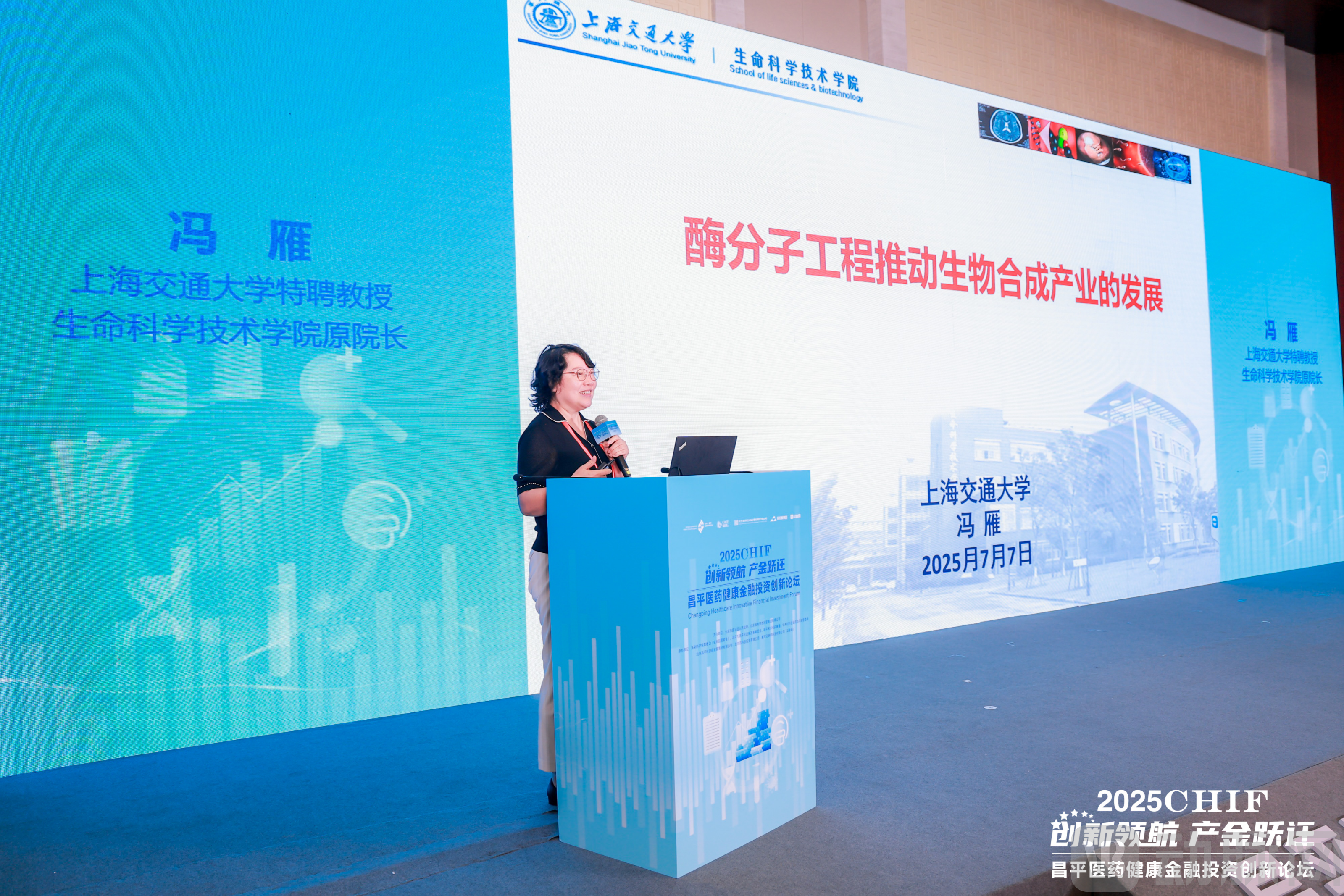
As a strategic emerging industry, synthetic biology has become a key growth engine for new quality productive forces. Professor Feng Yan, a Distinguished Professor at Shanghai Jiao Tong University and former Dean of the School of Life Sciences and Biotechnology, delivered a speech titled “Enzyme Molecular Engineering Driving the Development of the Biosynthesis Industry.” She pointed out that “synthetic science is achieving new breakthroughs, progressing from the synthesis of bioactive molecules to the synthesis of life. Synthetic biology adopts engineering principles to purposefully design, modify, and even reconstruct organisms. Based on this, more affordable drugs, energy sources, and other products will become accessible in the future. Currently, governments in developed countries attach great importance to synthetic biology, while China is seizing opportunities to strengthen innovation across the entire chain—from basic research to applications—aiming to establish regional hubs for high-end biological industries. High-value compounds are a focal point and foundation for these high-end biological industries. Low production efficiency of high-value compounds is a bottleneck restricting industrial upgrading. The effective mining and design of enzymatic catalytic components represent an urgent challenge to be addressed. Integrating rational molecular design across multiple structural dimensions with AI-driven ‘de novo’ enzyme design will accelerate the construction of libraries of novel functional enzymes, providing support and assurance for the development of the synthetic biology industry.”
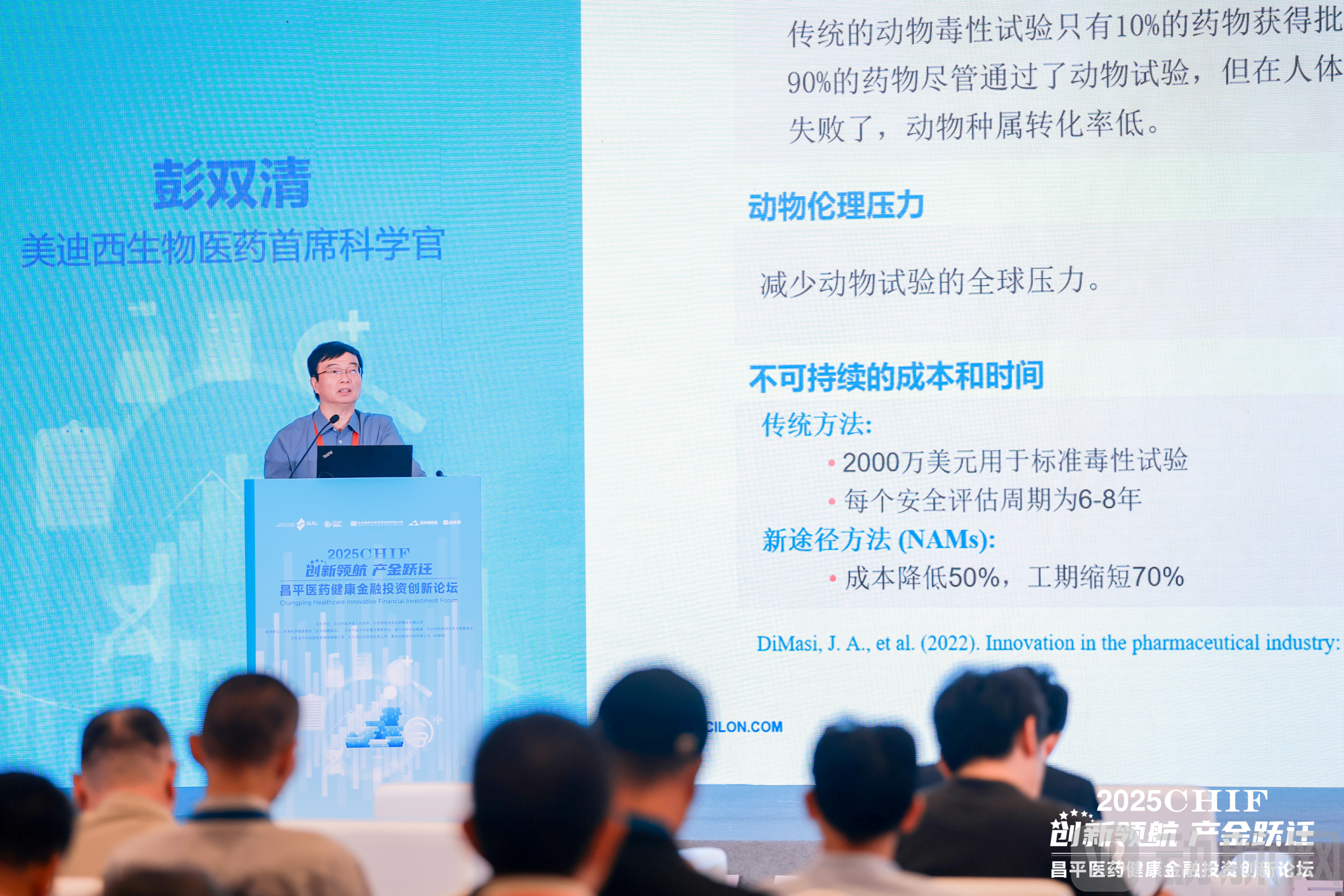
Over the past 15 years, the proportion of biotechnology licenses acquired by large pharmaceutical companies from China has risen year by year, reaching 31% in 2024. China’s biotechnology sector is gradually moving from obscurity to the forefront of the industry. Peng Shuangqing, Chief Scientific Officer at Medicilon, delivered a speech titled “Reshaping R&D Paradigms: How CROs Drive a Leap in Innovative Drug Development Efficiency.” He pointed out that “new drug development is integral to the Healthy China initiative. The development of innovative drugs is characterized by high costs, long cycles, and significant risks. It involves multidisciplinary integration, with key success factors including the right targets, the right molecules, and the right patients. CROs can support pharmaceutical companies’ R&D efforts through new technologies, methods, and models. As the time and financial costs of new drug development continue to rise while R&D returns decline, higher demands are being placed on the CRO industry. This requires CROs to possess international drug development experience, comprehensive preclinical research capabilities, and high-quality research standards. Medicilon has established a one-stop technical service platform, assisting domestic and international clients in securing over 500 Investigational New Drug (IND) approvals. Currently, preclinical drug development is entering a critical period of paradigm shift. In response to these challenges, Medicilon has also built an AI-powered platform to assist drug R&D, an enzyme assay-based drug screening platform, and a cell-based assay drug screening platform, providing global, high-quality services to pharmaceutical companies.”
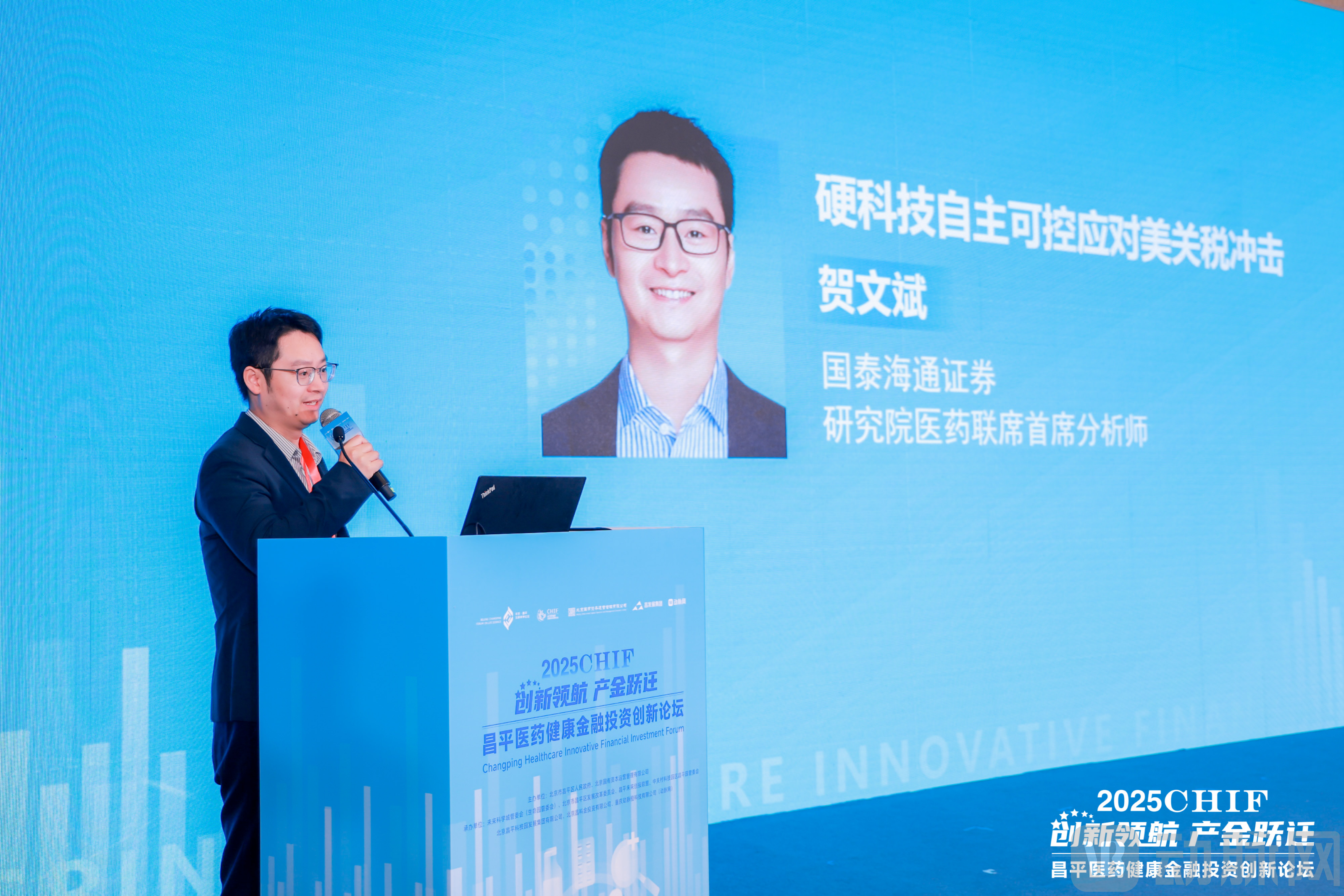
Amid the current complex and volatile international economic and trade environment, measures such as U.S. tariff hikes are impacting global industrial chains. He Wenbin, Co-Chief Healthcare Analyst at Guotai Haitong Securities Research Institute, analyzed the current situation and pointed out that “driven by policy support and corporate efforts, the localization rate has significantly increased in recent years. Among the six major subsectors, the market share of segments with autonomous and controllable pharmaceutical capabilities has risen markedly. In the field of imaging equipment, the performance of domestic products has improved; for instance, the MR products of companies like United Imaging Health are now comparable to those of the ‘GPS’ group (GE Healthcare, Philips, and Siemens Healthineers). Key components are increasingly being produced domestically, reducing reliance on countries such as the United States. In the endoscopy sector, advancements in foundational technologies are driving the rise of Chinese players. Although the current market share of domestic endoscopes remains relatively low, a large number of enterprises are beginning to emerge. In the gene sequencer segment, MGI Tech’s domestic installed base and NMPA approvals have surpassed those of Illumina. In the mass spectrometry field, domestic progress has been relatively slower, but companies like FPI are starting to fill domestic gaps. In the upstream pharmaceutical and scientific research reagents sector, the localization rate for equipment and consumables is low, indicating substantial room for substitution. Regarding biological research reagents, the pandemic has accelerated the process of domestic substitution, with product performance beginning to rival that of imported alternatives.”
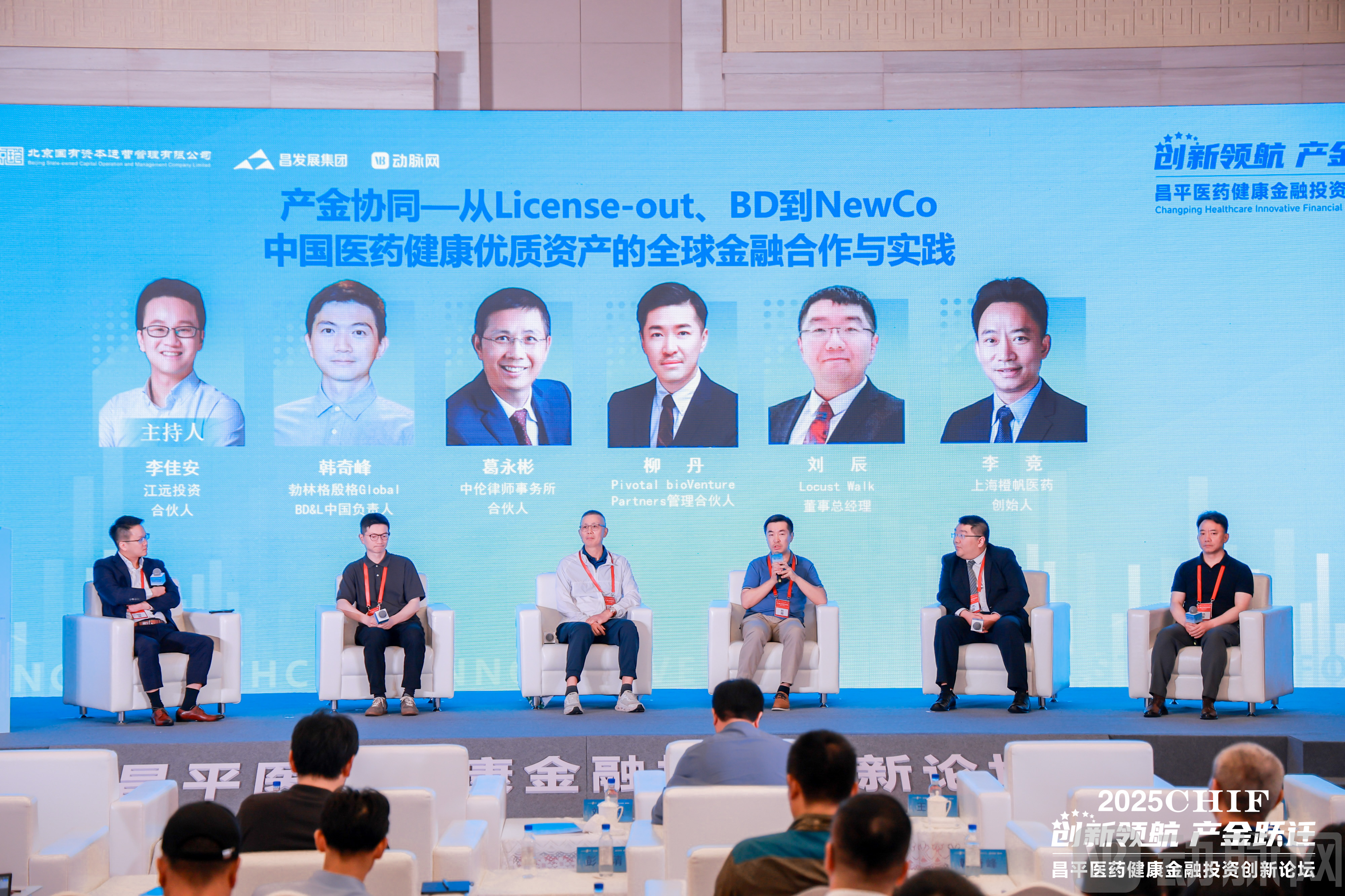
Amid the wave of transformation in the global pharmaceutical industry, Chinese pharmaceutical and healthcare companies are expanding into international markets through diverse models. From license-out deals to business development (BD) and the emergence of NewCos, the globalization pathway for high-quality assets in China’s pharmaceutical and healthcare sector is undergoing profound iteration. Chinese innovative drugs are transitioning from “local R&D” to “global collaboration.” During the “Roundtable Dialogue,” moderated by Li Jiaan, Partner at Jiangyuan Investment, Han Qifeng, Head of Global BD&L China at Boehringer Ingelheim; Ge Yongbin, Partner at Zhong Lun Law Firm; Liu Dan, Managing Partner at Pivotal bioVenture Partners; Liu Chen, Managing Director at Locust Walk; and Li Jing, Founder of OrangeSail Pharma, engaged in a discussion on “Global Financial Cooperation and Practices for High-Quality Assets in China’s Pharmaceutical and Healthcare Sector: From License-out and BD to NewCo.” The panelists shared their perspectives on global financial cooperation for high-quality Chinese pharmaceutical and healthcare assets, noting that BD transactions in China are shifting from later-stage to earlier-stage clinical trials and expanding from oncology to other therapeutic areas. The participants also provided in-depth insights into practical implementation strategies.
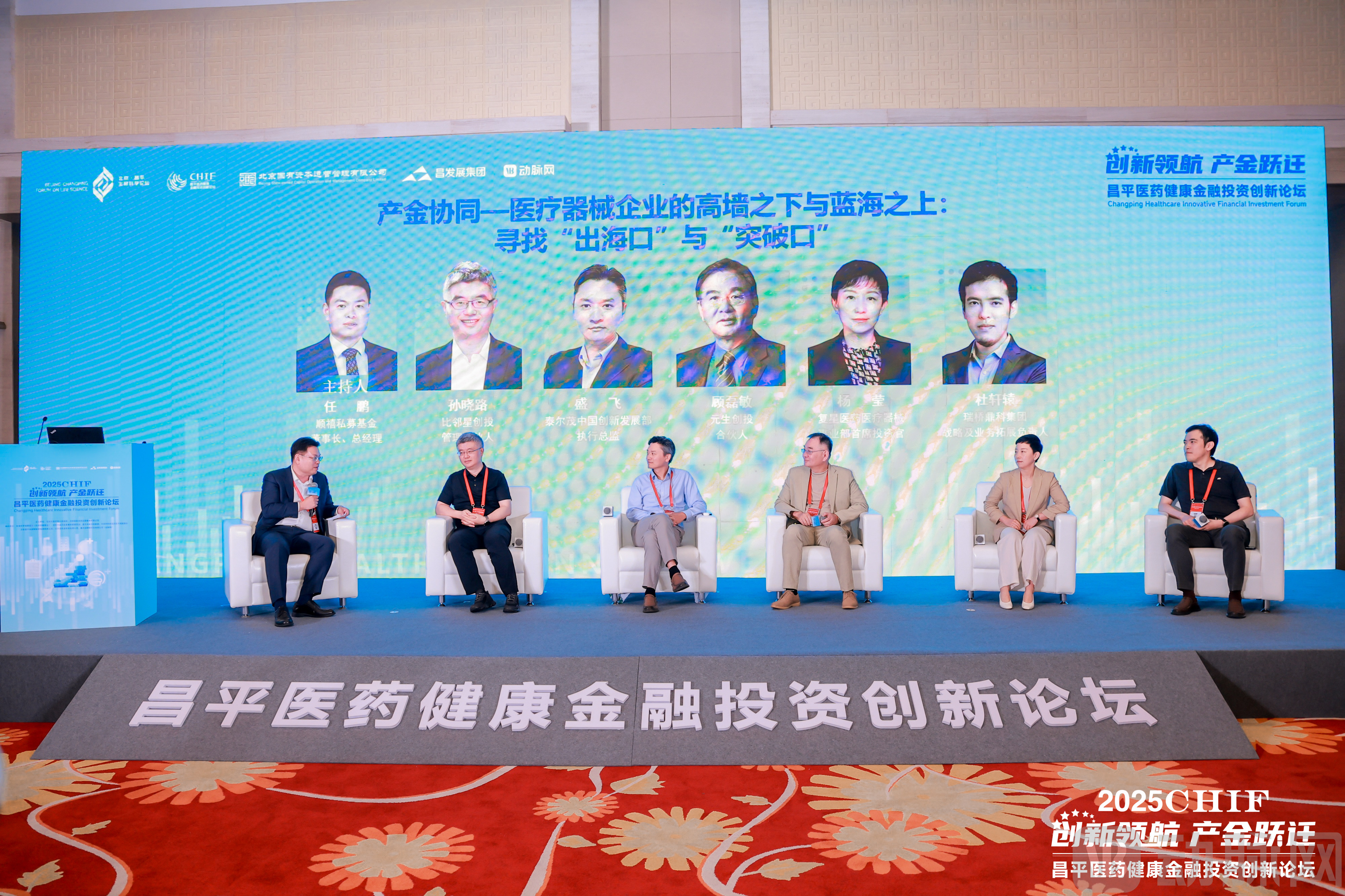
The overseas expansion of high-end medical devices made in China is accelerating. However, geopolitical influences have introduced uncertainties into this global push. How should medical device companies better plan their future development? During the “Roundtable Dialogue” session, moderated by Ren Peng, Chairman and General Manager of Beijing Shunxi Private Equity Fund Management Co., Ltd., panelists including Sun Xiaolu, Managing Partner at Binxing Capital; Sheng Fei, Executive Director of the Innovation Development Department at Terumo China; Gu Leimin, Partner at Yuansheng Venture Capital; Yang Ying, Senior Vice President and Chief Investment Officer of the Medical Device Division at Fosun Pharma; and Du Xuanyuan, Head of Strategy and Business Development at Ruiqiao Dingke Group, engaged in a discussion themed “Beneath the High Walls and Above the Blue Oceans: Seeking ‘Export Channels’ and ‘Breakthroughs’ for Medical Device Companies.” The participants pointed out that the National Medical Products Administration (NMPA) is continuously optimizing processes and improving approval efficiency, accelerating the localization of high-end equipment, while AI empowerment is driving industrial upgrading. Nevertheless, changes in foreign national policies have introduced variables for Chinese companies going global. The guests held intense discussions on whether enterprises should expand overseas and how to select target destinations.
Changping District is achieving new breakthroughs in building a highland for innovation in the pharmaceutical and health industries. By coordinating multiple stakeholders, including government, industry, academia, research institutions, and healthcare providers, it is aggregating industrial advantages and focusing on the comprehensive upgrading of the entire pharmaceutical industry chain. This effort aims to facilitate an industrial leap and contribute new momentum to the high-quality development of the health industry.