

PolyVista Medical Announces First Patient Enrolled in Global Pivotal RCT of PoliaValve™, the First High-Polymer Surgical Aortic Valve
Following the completion of the early first-in-human (FIM) clinical trial for PoliaValve™, China’s first and the world’s second surgical polymeric heart aortic valve, Suzhou Xinling Maide Medical Technology Co., Ltd. (Xinling Maide) has recently officially launched the world’s first randomized controlled study comparing polymeric surgical aortic valves with biological surgical valves. This study is jointly led by Professor Lu Fanglin from Shanghai General Hospital and Professor Pan Xiangbin from Beijing Fuwai Hospital, involving more than ten cardiac centers across China. July 8, 2025,Professor Lu Fanglin of Shanghai General Hospital Leads Team in Completing First Patient EnrollmentThis head-to-head clinical trial is the world’s first multicenter non-inferiority study comparing a polymer-based surgical aortic valve with the latest generation of bioprosthetic surgical valves. Results from in vitro testing, animal studies, and the First-in-Human (FIM) clinical study initiated last September have demonstrated the superior performance of this polymer-based aortic valve across multiple dimensions. The launch of this randomized controlled trial further underscores Xinling Maide’s confidence in the safety and efficacy of its self-developed polymer valve product.
The implanted device was the PoliaValve™ size 23 surgical aortic valve. Postoperative echocardiographic assessment revealed a peak transvalvular flow velocity of only 1.15 m/s, with no significant central regurgitation, demonstrating the product’s excellent immediate post-implantation performance.
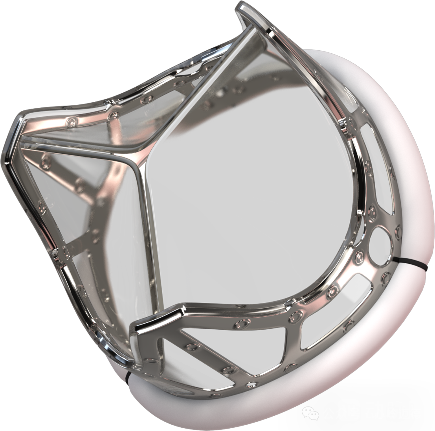
PoliaValve™ Synthetic Polymer Surgical Aortic Heart Valve
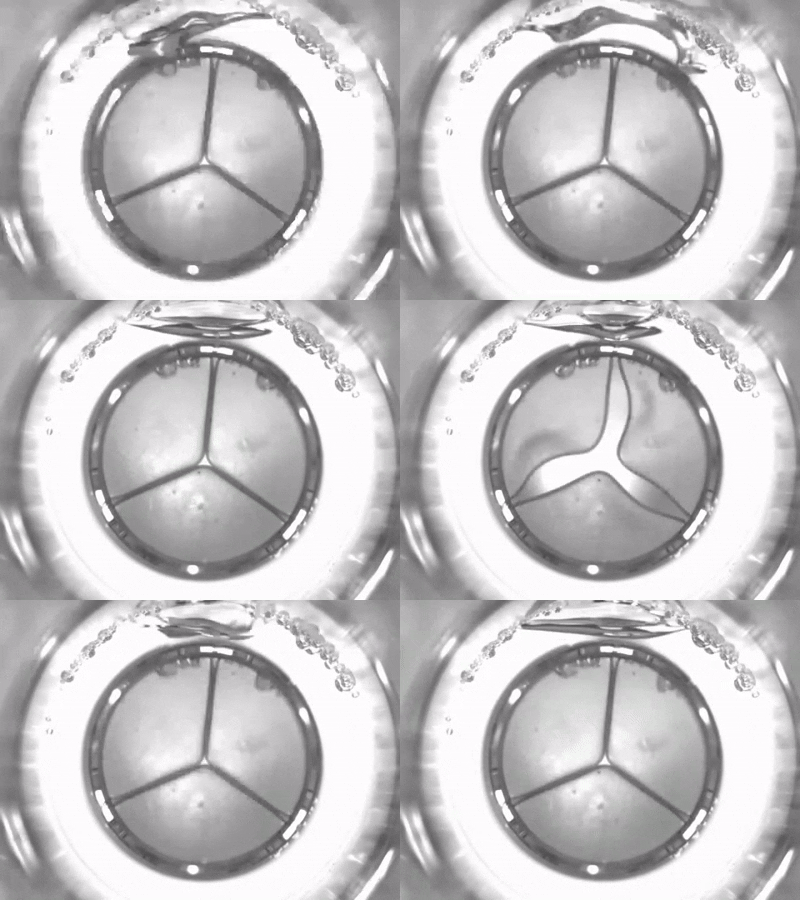
The PoliaValve™ synthetic polymer aortic valve, developed by Xinling Maide, has demonstrated excellent fatigue resistance, good hemocompatibility, and outstanding anti-calcification properties through in vitro testing as well as animal and early-phase human studies. Theoretically, this type of polymer valve eliminates the need for lifelong anticoagulation therapy and offers a longer service life, representing unique clinical value. Furthermore, due to the material’s special compliance, the polymer valve can provide a larger effective orifice area.
Postoperative follow-up in the early-phase FIM clinical trial showed that the implanted synthetic polymer aortic valve exhibited good morphology, with normal leaflet opening and closing. The mean peak flow velocity was 2.18 m/s, and the aortic valve orifice area was >1.5 cm².2, with no significant intravalvular regurgitation or paravalvular leak, and stable hemodynamics. No complications such as infection, thrombosis, or calcification occurred, preliminarily demonstrating the safety and efficacy of the PoliaValve™ synthetic polymer heart valve following implantation in humans.
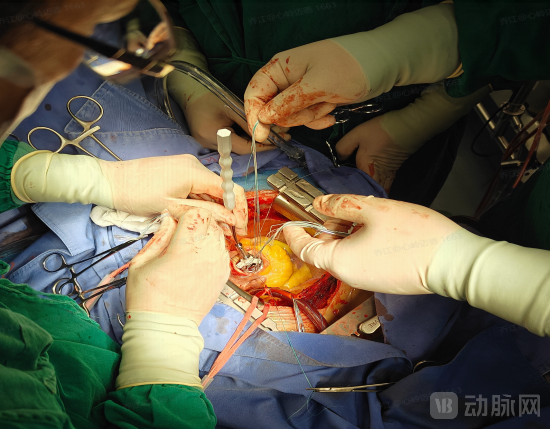
Surgical Implantation of the PoliaValve™ Synthetic Polymer Aortic Heart Valve

In Vivo Ultrasound Imaging of the PoliaValve™ Synthetic Polymer Aortic Heart Valve
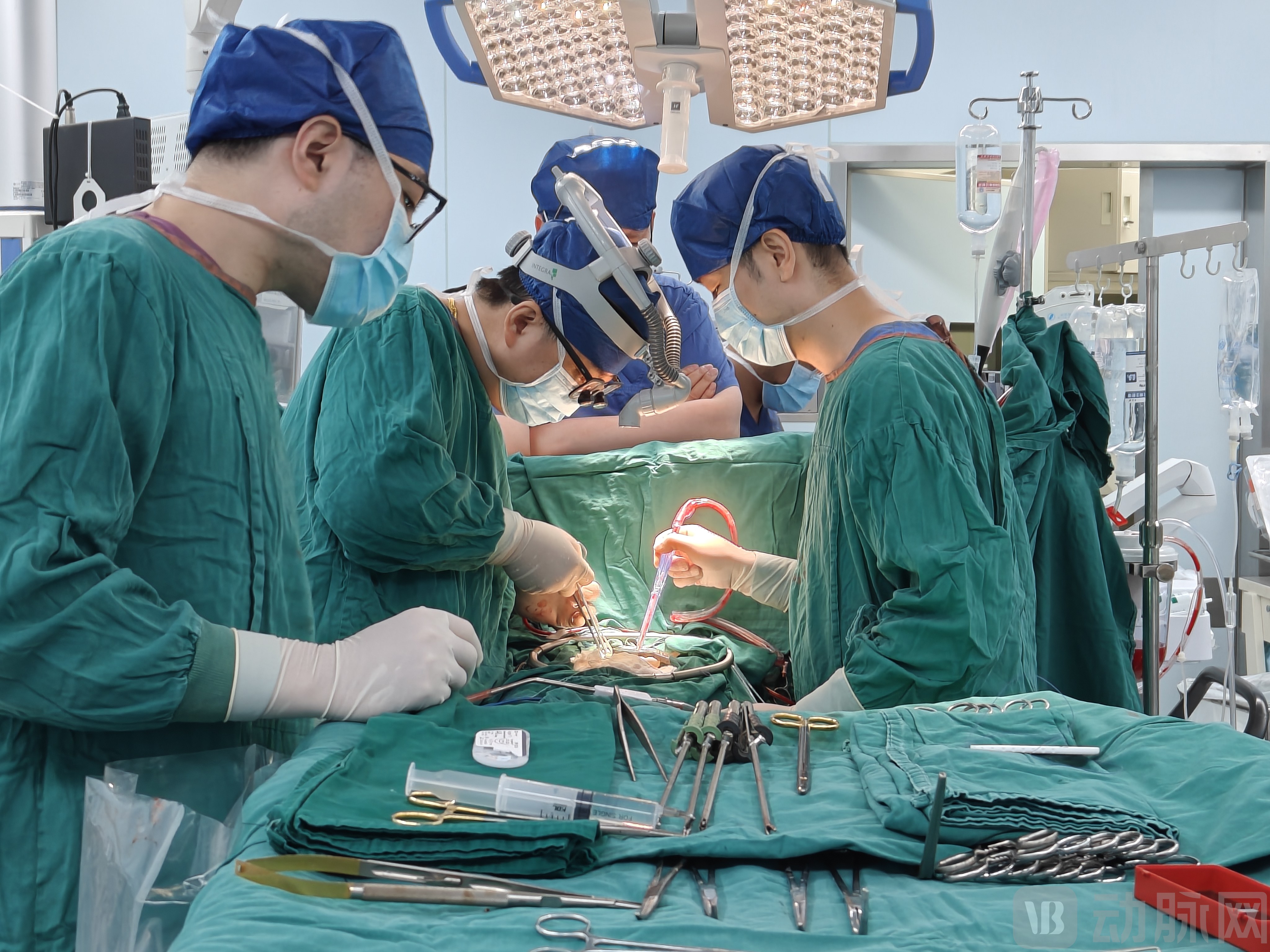

Professor Lu Fanglin’s Team at Shanghai General Hospital Completes First Patient Enrollment in RCT of PoliaValve™ Synthetic Polymer Aortic Valve
Patients undergoing traditional mechanical valve replacement face an increased risk of bleeding due to anticoagulation, whereas those receiving bioprosthetic valve replacement are at a higher risk of reoperation due to valve degeneration. The core advantage of polymer valves lies in theirCombines the potential long-term durability of mechanical valves with the low thrombogenicity and reduced anticoagulation requirements of bioprosthetic valves,and throughThe anti-calcification properties of the material itselfIt holds promise for addressing the limitations of long-term bioprosthetic valve degeneration, offering an alternative to meet clinical needs.
Polymeric heart valves also offer unique advantages in manufacturing. They are suitable forLarge-scale, High-precision, and Consistent Industrialized Production, the production process is not limited by animal sources, and between batchesHigh homogeneity and reproducibility,More stable quality control. Its production process avoids the complex steps of decellularization, cross-linking, and sterilization involved in biological valve processing, effectively reducing production costs and simplifying the manufacturing workflow.
Professor Lu Fanglin, Shanghai General HospitalIt is widely acknowledged that prosthetic heart valves are effective devices for treating valvular heart disease. Over the past six to seven decades since the 1950s, they have brought substantial health benefits to a vast number of patients with valvular disorders worldwide. As is well known, the two types of prosthetic heart valves currently widely used in clinical practice—mechanical valves and bioprosthetic valves—cannot yet be considered ideal due to limitations in durability and postoperative management. With advances in materials science, recent studies have demonstrated that polymer-based heart valves possess excellent biological properties. The initiation of patient enrollment in the PoliaValve™ randomized controlled trial marks China’s entry into a fast-track phase in the research and development of prosthetic heart valves. It is understood that multiple institutions in China are developing related products. As research progresses, it is believed that synthetic materials will ultimately surpass biological materials, and the successful development of superior products holds promise for providing better treatment options for numerous patients with valvular heart disease.
Mr. Yan Xiaoshen, Founder of Xinling MaideIt was stated that, through specialized synthetic design and manufacturing processes, the polymer material itself can be ensured to lack calcium-binding sites (such as phospholipids found in biological tissues). Its chemical structure confers inherent anti-calcification properties, which represents a core advantage for bioprosthetic heart valve leaflet materials. Theoretically, polymeric materials are expected to have a longer service life, making them particularly suitable for younger patients and those with renal insufficiency. Driven by urgent clinical needs, the medical-engineering team has developed a novel synthetic polymer heart valve (PoliaValve™). By integrating technologies for synthetic polymer material synthesis and industrial-scale production, batch manufacturing can be achieved through process improvements. This approach simplifies manufacturing and production procedures, reduces production costs, minimizes resource waste through precise control of production workflow details, and enhances product quality. Consequently, it alleviates the financial burden on patients and healthcare insurance systems, demonstrating significant health economic value.
Mr. Yan Xiaoshen also emphasized that, with the review and approval of national regulatory authorities and medical institutions, Xinling Maide has launched a nationwide, multicenter product registration clinical trial for the PoliaValve™ synthetic polymer transcatheter aortic valve and completed enrollment of the first patient, marking a new phase in the clinical validation of this polymer valve product. Within this year, Xinling Maide will collaborate with overseas institutions, including those in India, to initiate clinical studies for PoliaValve™ aimed at market entry in India and registration with the U.S. FDA. The Xinling Maide team looks forward to advancing in-depth research on China’s first and the world’s second surgical synthetic polymer aortic valve under the guidance of cardiovascular experts across China and around the globe, thereby benefiting patients as soon as possible.
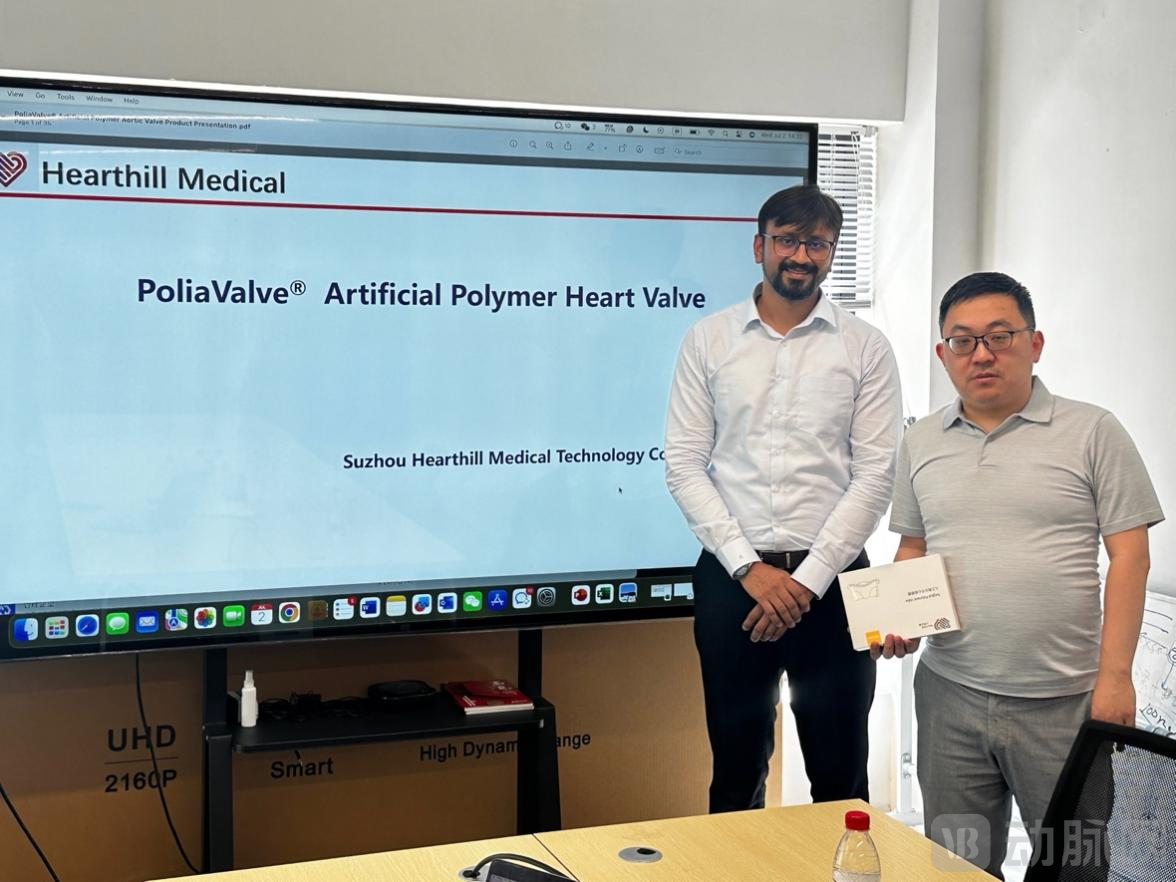
Indian CRO Team Visits Xinling Maide to Discuss Clinical Research Collaboration
Xinling Maide is a leading medical device enterprise in the field of cardiovascular disease in China, dedicated to developing innovative medical devices that improve human health and enhance quality of life. The company focuses particularly on independent research and development of medical devices and is the first in China to adopt industrial robot automation for the production of heart valves. Through intelligent and high-precision manufacturing processes, it has improved the stability of product quality while reducing costs. Xinling Maide’s breakthroughs in polymer heart valve technology are poised to help China achieve leapfrog development in the field of structural heart disease.
Xinling Maide is actively laying out international frontier technologies in the field of heart disease, continuing to strengthen the breakthrough and accumulation of core technologies, and striving to build multiple comprehensive technology platforms. Multiple products in its cardiovascular field have entered or are about to enter stages such as type testing and clinical trials according to the planned schedule, and are expected to achieve commercial application in the coming years.