

Nobel-Prize-Winning Optical and Optoelectronic Tweezers Go Domestic: Reshaping Antibody Discovery and Assisted Reproduction
Humanity has never ceased its quest to explore “light.”
In 2018, the Nobel Prize in Physics was awarded to three scientists in the field of laser physics. Among them, Arthur Ashkin, then 96 years old, received the prize for “optical tweezers and their application to biological systems,” becoming the oldest-ever Nobel Laureate in Physics.
“Optical Tweezers” (OT), commonly referred to as optical tweezers, are, as the name suggests, tweezers made of light. Light constitutes their medium, while tweezing defines their function. Although the term “tweezers” is included in their name, unlike traditional tweezers that require physical contact to grasp objects, optical tweezers represent a non-mechanical, contactless manipulation technique. By harnessing the forces generated by highly focused laser beams, they act as invisible tweezers to precisely manipulate microscopic entities such as cells, viruses, and DNA.
The operating principle of optical tweezers lies in the gradient force and scattering force generated by laser beams. The gradient force, akin to a magnet attracting iron filings, pulls microscopic objects toward the central region of the beam where light intensity is highest; meanwhile, the scattering force, much like water currents pushing duckweed, gently propels objects along the direction of beam propagation. It is the precise interplay between these two forces that enables optical tweezers to “grasp” and manipulate target objects without physical contact.
Breakthroughs in optical tweezers have inspired further innovations. In 2005, Professor Ming Wu’s team at the University of California, Berkeley, drew inspiration from optical tweezers to introduce optoelectronic field control into particle manipulation, thereby inventing optoelectronic tweezers (OET). In 2011, they founded Berkeley Lights to commercialize OET technology. The company went public on the NASDAQ in July 2020 and was later acquired by the instrumentation giant Bruker Corporation.
“Optical Tweezers” and “Optoelectronic Tweezers,” though differing by only a single character in Chinese, represent fundamentally distinct technological pathways. Optical tweezers rely on the mechanical effects of light to achieve micro- and nanoscale manipulation, whereas optoelectronic tweezers constitute a novel manipulation system based on light-induced electric fields. The former manipulates micro- and nanoparticles through optical gradient forces and scattering forces, while the latter employs projection equipment to generate dynamic optical virtual electrodes, creating non-uniform electric fields that drive micro- and nanoscale objects. These two complementary technologies demonstrate broad application prospects in the biomedical field.
With their significant advantages of "non-mechanical contact, low damage, and high precision," optical tweezers and optoelectronic tweezers have become important research tools in fields such as life sciences and physical chemistry. Particularly in the biomedical and healthcare sectors, they are breaking through the bottlenecks of traditional technologies in terms of precision, damage, and invasiveness, revolutionizing operational methods in various medical scenarios, including assisted reproduction and drug delivery.
Given the distinct technical approaches and differing application focuses of optical tweezers and optoelectronic tweezers, as well as the ease with which their names can be confused, this article will be presented in two parts to provide a detailed analysis of each.
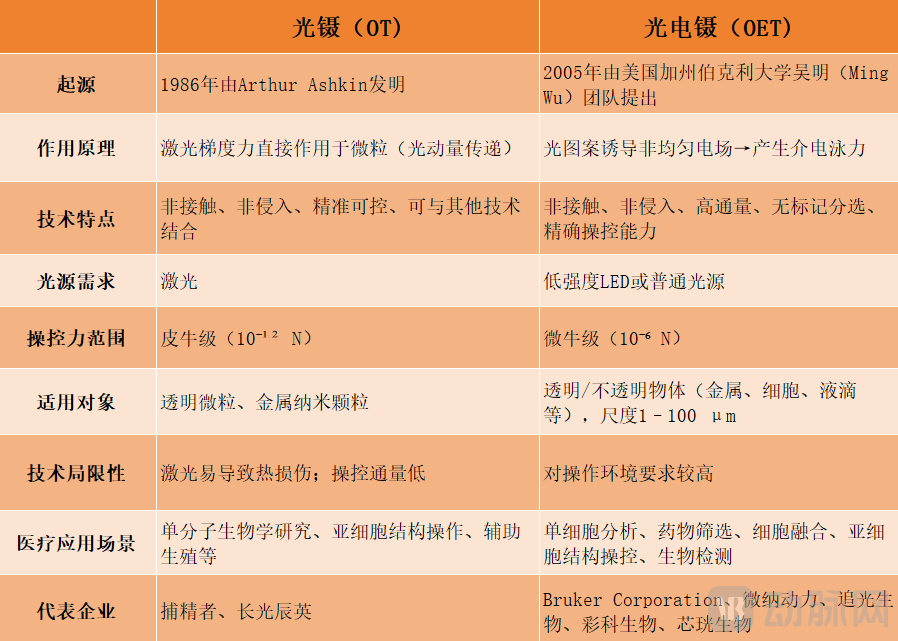
Optical Tweezers and Optoelectronic Tweezers, VCBeat Mapping
Part I: Optical Tweezers
Since its invention in 1986 by American scientist Arthur Ashkin, optical tweezers technology has demonstrated unique advantages in the study of living biological cells, owing to its non-contact nature that causes minimal damage to samples during manipulation. Ashkin fully recognized this potential and conducted extensive innovative research in this field. In 2018, he was awarded the Nobel Prize in Physics for the invention of optical tweezers and their application to various biomedical systems.[1]
After four decades of development, the scope of optical tweezers research has expanded from its initial focus on micrometer-sized spheres to the atomic and nanoscale levels, with a significant diversification in the shapes and materials of trapped objects. Its integration with other technologies, such as microfluidic systems, fluorescence imaging, Raman spectroscopy, and super-resolution microscopy, has greatly increased the number and efficiency of manipulable particles, enriched manipulation capabilities, and further enhanced experimental throughput and application range. Optical tweezers have now become a key tool for manipulating cells and biomacromolecules, as well as for studying their mechanical properties and dynamic behaviors during biological processes.
The core advantage of optical tweezers lies in their non-contact, minimally invasive manipulation of biological microparticles’ vital activities. The cellular microenvironment within the operational system is nearly identical to the “natural” environment, thereby preserving the integrity of biological processes and enabling their “real-time dynamic” visualization. More importantly, this technology empowers researchers with the capability for “active manipulation,” allowing artificial regulation of any stage in biological processes, thus marking a significant leap from passive observation to active control.
According to VCBeat, the primary application scenarios for optical tweezers at this stage are concentrated in the field of life science instruments, assisted reproduction, and the capture of extremely small quantities of cells in other medical and life science applications.Changguang Chenying and Bujingzhe are representative domestic enterprises in this sector.
Life Science Research Instruments: A Precision Micromanipulation Tool for Single-Cell Analysis Compatible with Other Technologies
Optical tweezers have become a key tool in fundamental life sciences research, with their value primarily reflected in three aspects:First, the technical principles align with basic research scenarios.Optical tweezers can manipulate biological particles at the micro- and nanoscale in a non-contact manner, making them inherently suitable for studying the dynamics of single molecules and single cells. For example, they can be used to manipulate individual DNA molecules to investigate their mechanical properties during stretching and folding, or to control viruses or bacteria to observe their interaction mechanisms with host cells.
Second, it exhibits a high degree of tooling for scientific research and is easy to integrate.Since Ashkin invented the single-beam optical tweezers in 1986, the technology has evolved for nearly 40 years, giving rise to variants such as holographic optical tweezers, photothermal tweezers, photoacoustic tweezers, and optoelectronic tweezers. Standardized optical tweezers equipment has become a routine instrument in biophysics and single-molecule biology laboratories. Furthermore, optical tweezers can be integrated with techniques such as fluorescence imaging, Raman spectroscopy, and super-resolution microscopy to achieve an integrated “manipulation-observation” platform. In particular, their combination with artificial intelligence has further enhanced the capabilities and impact of optical tweezers.
Third, it meets the rigid demand for “non-contact manipulation” in high-end scientific research.In fields such as nanobiology and colloid chemistry, traditional mechanical contact can damage samples or introduce contamination. The non-contact and low-damage characteristics of optical tweezers (particularly in the near-infrared range) make them an indispensable tool in many areas.
Changchun Chenying was established in 2017. Leveraging the expertise of the Changchun Institute of Optics, Fine Mechanics and Physics, Chinese Academy of Sciences, the company addresses microscopic challenges in life sciences, biopharmaceuticals, and industrial inspection. In June 2024, the company secured tens of millions of RMB in Series A financing, led by Shuimu Ventures, with participation from Shunwei Capital and Xiaochi Capital. Taking its flagship product, the Scatcher Single-Cell Microscopic Optical Tweezers Manipulation and Sorting System, as an example, the system boasts powerful capabilities for the microscopic manipulation of tiny objects. It enables efficient capture, free manipulation, and precise visual separation of bacteria, fungi, microalgae, animal cells, and microparticles of varying sizes and morphologies under a microscope. With single-cell recovery and culture success rates exceeding 95%, it ensures the effective acquisition of rare cells and low-abundance target cells. Furthermore, Scatcher can be integrated with various observation and detection instruments to achieve an all-in-one, automated workflow for single-cell detection, manipulation, and sorting. This not only enhances experimental efficiency but also aids researchers in gaining a deeper understanding of cellular structure and function.(Recommended reading: “[Exclusive] Changguang Chenying Completes Tens of Millions in Series A Financing, Establishing an International-Level Optical Tools Platform for Life Sciences”)
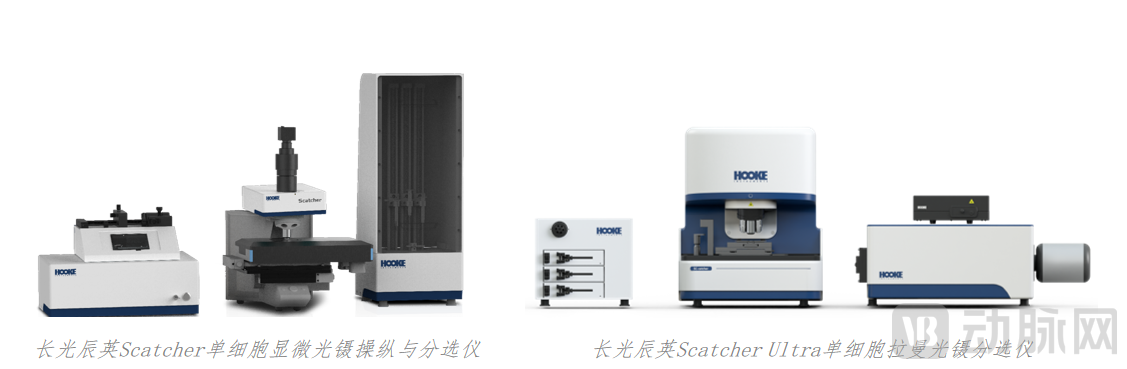
Assisted Reproduction: Sperm Selection is the Primary Application of Optical Tweezers, Particularly in Intracytoplasmic Sperm Injection (ICSI)
An interesting observation is that in the field of assisted reproduction, optical tweezers are primarily used for sperm manipulation, such as sperm selection and intracytoplasmic sperm injection (ICSI).
Why Is It More Commonly Used for Sperm Than for Oocytes? Primarily Due to the Triple Factors of Gamete Biological Characteristics, Technical Compatibility, and Clinical Pain Points.
From a biological perspective, sperm are more suited to the manipulation scale of optical tweezers.Sperm cells are approximately 50–60 μm in length, with a head diameter of only 3–5 μm. As typical micron-scale targets characterized by simple structure and vast quantities (reaching tens of millions per ejaculate), they can be stably trapped by the optical gradient force of optical tweezers.
At the level of technical adaptation, optical tweezers manipulation technology can avoid mechanical damage and enable precise positioning and capture of rapidly swimming sperm.Furthermore, computer-controlled systems can achieve a control precision of less than 0.1 micrometers.
From a clinical perspective, the pain points associated with sperm manipulation are more pronounced.Sperm selection must prioritize motility and integrity to ensure the success of in vitro fertilization (IVF). Sperm with poor morphology, often associated with high DNA fragmentation rates, can adversely affect clinical outcomes in assisted reproductive technology (ART), potentially leading to unfavorable results. Selecting individual sperm with optimal motility and morphology from a large population of continuously moving cells is a critical step in ART treatment. Currently, the most common method involves embryologists manually selecting sperm based on microscopic visual assessment. This approach is highly subjective, and the manual handling by embryologists inevitably introduces individual variability, making quality control challenging. Particularly for patients with oligoasthenozoospermia, the process of selecting optimal sperm is excessively time-consuming and lacks traceability.
Founded in 2022, SpermCatcher is a high-end R&D and manufacturing enterprise for scientific research instruments and innovative medical devices, as well as a technology platform service provider for scientific analysis instruments. The company integrates industry, academia, and research, leveraging core technologies in optical imaging, automated micro-nano manipulation, and artificial intelligence. In early 2025, SpermCatcher completed its Pre-A financing round, raising nearly RMB 30 million. Following this investment, the company leveraged its core product, the “Intelligent Label-Free Recognition and Non-Damaging Capture Platform for Live Cells,” to sequentially develop a series of products within six months. This achievement established a comprehensive product portfolio spanning price points from hundreds of yuan to millions of yuan. Starting from the high-end scientific research and healthcare markets, SpermCatcher has now successfully entered the trillion-yuan consumer-grade market.
Taking the “AI-Powered Workstation for Live Sperm Selection” as an example, this system integrates optical tweezers, (super-)high-resolution imaging, and artificial intelligence model analysis to achieve simultaneous measurement of sperm motility, morphology, and structure. It classifies sperm based on their movement characteristics and morphological features, selecting the single live sperm with optimal motility and morphology from a large population of continuously moving live sperm within the field of view. The system also enables automatic capture and transfer of the selected sperm, completing the entire selection process in under 15 seconds. Offering label-free, intelligent, and non-damaging operation, it further retains relevant information on the selected sperm for clinical use and traceability. This product has already been applied in both the medical and livestock industries.(Recommended Reading: "Starting with Sperm Selection, 'Sperm Hunters' Leverage the Power of 'Light' to Achieve a Leap from Destructive Methods to Non-Invasive Retrieval of Viable Cells")

“AI-Powered Live Sperm Selection Workstation” Developed by Bujingzhe Awarded the “Certificate of Recognition for Patent-Intensive Products” by the China National Intellectual Property Administration in 2025
Fang Yaliang, Chairman and CEO of Bujingzhe, stated that optical tweezers enable non-contact, non-mechanically damaging, and precise capture of micro- and nano-scale particles. With continuous advancements in optical imaging and artificial intelligence (AI) technologies, the integration of optical tweezers with optical imaging and AI has become increasingly tight. This synergy can, or in some aspects already has, achieved precise identification and capture of ultra-trace single cells across various research and medical scenarios, significantly enhancing work efficiency and clinical significance.. For example, the precise capture of fetal nucleated red blood cells (FNRBCs) in maternal blood, cochlear hair cells, sex-sorted bovine sperm, and other ultra-rare cell types,This technology platform will inevitably permeate various niche sectors of scientific research, healthcare, and life sciences, much like other widely adopted platform technologies, thereby creating a new competitive landscape and emerging as a mainstream application technology.
Part II: Optoelectronic Tweezers
Optoelectronic tweezers primarily rely on illuminating photoconductive materials with light spots to generate non-uniform electric fields, which in turn produce dielectrophoretic forces to drive nanoscale and microscale targets. This technology offers the advantage of parallel manipulation of multiple microscopic objects, as well as the ability to manipulate larger-scale objects. These characteristics enable optoelectronic tweezers to be widely applied in operations such as screening specific particles, rapid arrangement of microscopic objects, and separation and transport of microscopic entities, demonstrating promising application prospects in fields such as biomedicine and micro/nano precision manufacturing.
Research on optoelectronic tweezers has been widely applied in the life sciences, including cell sorting, cell analysis, DNA transfection, and cell fusion. For instance, live and dead cells exhibit different polarization characteristics, which enables optoelectronic tweezers to exert greater manipulation forces on live cells. This results in higher manipulation speeds for live cells, allowing for the effective separation of live and dead cells.
Furthermore, optoelectronic tweezers can analyze the dynamic responses of cells, such as investigating the auto-rotation behavior of cells treated with varying drug concentrations. Due to the effects of drugs on the cell membrane, the dielectric polarization properties of the cells are altered, and their rotation speed decreases as the drug concentration increases. Optoelectronic tweezer technology can also be used to construct virtual electrodes, enabling electroporation and DNA transfection of cells. Successful transfection of DNA plasmids can be verified by the expression of green, red, and blue fluorescent proteins in the transfected cells. Experiments have demonstrated that optimizing illumination time and the geometric shape of the light spot can enhance cellular transfection efficiency.
Furthermore, optoelectronic tweezers can manipulate multiple cells to achieve pairing, and when combined with the light-induced electroporation effect, enable the paired cells to fuse into a hybrid cell. This technology is applied in monoclonal antibody production, cellular reprogramming, cancer immunotherapy, and other fields.
Although optoelectronic tweezer technology demonstrates immense potential for medical applications, its industrialization is still in its infancy, with only a handful of companies worldwide having truly mastered the core technologies and achieved commercial deployment.
Looking back on its industrialization journey: In 2005, Professor Ming Wu’s team at the University of California, Berkeley, pioneered optoelectronic tweezers technology; in 2011, Professor Wu founded Berkeley Lights to commercialize this technology; its core equipment was officially launched on the market around 2017. Berkeley Lights went public on the NASDAQ in July 2020 and was ultimately acquired by scientific instrument giant Bruker in 2023.)Corporate acquisitions. Subsequently, overseas manufacturers established a monopoly: the price of a single unit exceeded RMB 20 million, while consumable chips cost as much as RMB 40,000 per piece.
In contrast, the commercialization of optoelectronic tweezers in China has only gradually taken off in recent years, with currently only a few enterprises involved in industrialization. Why has the development of domestically produced optoelectronic tweezers been relatively slow? Why is it difficult to find another “Berkeley Lights” globally? And what are the key challenges associated with optoelectronic tweezers?
Professor Feng Lin, founder of MicroNano Dynamics, pointed out that optoelectronic tweezer technology originated in the United States, with many core process parameters remaining undisclosed, making research and development extremely challenging. “It is akin to Michelin-starred cooking: seemingly simple ingredients become difficult to replicate due to the precise ratios, heat control, and timing required.” Taking MicroNano Dynamics’ large-scale optoelectronic tweezer equipment as an example, its assembly involves more than 600 precision components, and chip fabrication requires the precise control of over 300 parameters. This high barrier of proprietary “know-how” and the resulting “black box” effect have long trapped global research teams in a dilemma of “reinventing the wheel.”
Moreover, the prohibitive R&D costs, particularly for chip fabrication, far exceed the financial capacity of ordinary research teams and universities, further constraining breakthroughs in domestically produced technologies. Furthermore, as an emerging technology with only two decades of development, the industrialization of optoelectronic tweezers in China is still in its infancy; user awareness is still being established, and market education requires collaborative efforts from multiple stakeholders.
Xie Hainan, co-founder of ZhiGuang Bio, believes that the main difficulties of optoelectronic tweezer technology lie in three aspects:
1. Automated Platform Integration:It is necessary to break through interdisciplinary technological integration, including fields such as advanced manufacturing, optical engineering, and synthetic biology, to achieve full-process automation of cell manipulation, culture, characterization, and screening. The technology chain covers more than ten specialized processes, including mechanical structure development, gas-liquid path control, and image algorithm optimization.
2. R&D of Optoelectronic Tweezers-Microfluidic Chips:Construction of Chassis Cell Factories Using Optoelectronic Tweezers-Microfluidic Biochips. The technical fields involved include the development of novel materials, research on bio-coatings, design of optoelectronic tweezer chips based on silicon-based optoelectronic transistor structures, and micro/nano-fabrication.
Third, research on machine learning algorithms for monitoring cellular physiological states and evaluating cellular functions:The technical fields involved include in situ monitoring for real-time assessment of cellular protein expression levels and physiological status, real-time fluorescence image acquisition and fluorescence intensity analysis, and the development of methods for identifying target cells based on image analysis and machine learning algorithms.
High-throughput screening and antibody development have become core application scenarios,
Intelligent, Miniaturized, and System-Integrated: Leading Future Evolution
Optoelectronic Tweezers Technology, as a Revolutionary Tool in the Life Sciences Field, Is Accelerating the Reshaping of Biopharmaceutical R&D Paradigms.
The integration of optoelectronic tweezers and microfluidics enables the manipulation, culture, and characterization of cells, facilitating high-throughput screening of chassis cells, and has emerged as a breakthrough tool in fields such as synthetic biology and antibody drug development.Xie Hainan, co-founder of Zhuiguang Biology, pointed out to VCBeat that this technological system can extensively empower biopharmaceutical companies, vaccine R&D institutions, immunotherapy laboratories, and university research platforms, providing critical support in strategic areas such as synthetic biology innovation, antibody drug development, and cell therapy product optimization.
In the field of antibody drug development, optoelectronic tweezer technology is unlocking significant application potential and has already been validated by the industry.Feng Lin, founder of Micro-Nano Dynamics, revealed that “the world’s top 25 antibody pharmaceutical companies have fully adopted optoelectronic tweezers equipment. Its advantage lies in its universality—from tumors (liver cancer, lung cancer, brain cancer, etc.) to infectious diseases (COVID-19, avian influenza, H1N1 influenza, etc.), all disease R&D involving antigen-antibody reactions can benefit.” This technology significantly shortens the antibody development cycle by improving cell line screening efficiency. Its efficacy has been empirically demonstrated in the screening of neutralizing antibodies against COVID-19 and has been extended to immune cell therapies such as CAR-T.
Looking Ahead, the Evolution of Optical Tweezers Shows Several Trends.The primary focus is on intelligent upgrading,By integrating AI-based image recognition with adaptive optical path control, real-time optimization of cell manipulation trajectories and fully automated operation are achieved;Secondly, the introduction of novel photosensitive materials and flexible micro-nano structures significantly enhances the biocompatibility and scenario adaptability of OET chips;Finally, modular integration innovation drives system miniaturization,When deeply integrated with microfluidic valve arrays and biosensors, optoelectronic tweezers (OET) are poised to form a “plug-and-play” chip platform, emerging as the next-generation core tool for intelligent manipulation and analysis.
“As the microscope evolved from a research instrument into a clinical staple, optoelectronic tweezer technology is poised to become a standardized foundational tool in the life sciences,” summarized Feng Lin, founder of MicroNano Dynamics.
Caike Biology, established in 2018, is a leading Chinese innovator in life science tools and solutions, specializing in the core technology of “Biolab on Chips.” The company’s executive team comprises individuals with advanced degrees from prestigious overseas universities, all holding Ph.D.s in science. Its proprietary single-cell optoelectronic system is specifically designed for single-cell analysis and screening. By integrating optoelectronic tweezers with microfluidic chip technology, the system enables real-time observation of dynamic cellular responses and achieves seamless linkage between single-cell functional data and sequencing information, thereby facilitating deeper scientific discoveries. Its user-friendly, modular design offers unique research perspectives for antibody discovery, TCR-CAR development, cell therapy, and immunological research, significantly enhancing experimental efficiency and data value.
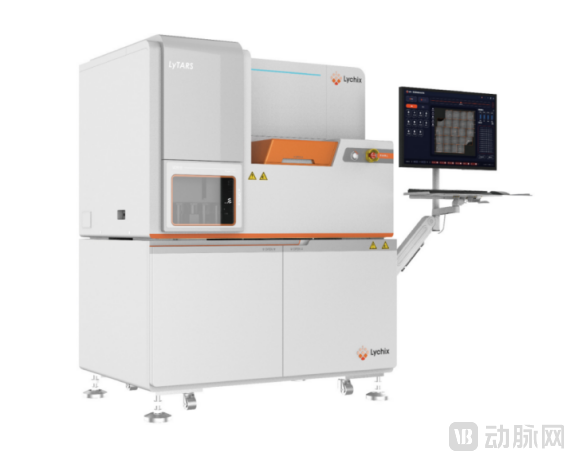
Caike Bio Single-Cell Optical Guidance System
MicroNano Dynamics, established in 2022, is a high-tech enterprise dedicated to the research and development of life science and biomedical devices. Leveraging nearly two decades of technological expertise accumulated by its founder, Feng Lin, and the core team at the University of Tokyo, Nagoya University, and Beihang University, the company has pioneered a disruptive micro-nano manipulation and micro/nanorobotics technology platform. According to data from Tianyancha, the company completed its latest A+ round of financing in September 2024, with exclusive investment from the Guangzhou Tongxin Sci-Tech Innovation Fund.
Taking its flagship product, the Light Operator S1 Optoelectronic Tweezers Micro/Nano Manipulation Platform, as an example, this is a multifunctional, high-throughput, compact, and agile advanced micro/nano manipulation tool. It leverages optoelectronic tweezers technology to replace traditional physical electrodes, facilitating research on various micro- and nano-sized particles and enabling high-throughput loading, manipulation, sorting, and unloading while minimizing damage from mechanical forces and heat. The platform supports customized expandable chips and temperature/magnetic control modules, and features rapid image and data export, bright-field observation, and three types of fluorescence imaging. Its Chinese AI-assisted operating system, which allows for secondary development, can integrate microscope systems, Raman spectroscopy systems, and mass spectrometry detection systems. This product has been adopted by institutions such as the School of Biomedical Engineering at Capital Medical University, the School of Biomedical Engineering at Shanghai Jiao Tong University, and Shanghai Jiao Tong University.(See also: “Spanning Optical and Magnetic Control, Beihang University Professor Born in the 1980s Develops Domestic Photoelectric Tweezer Micro-Nano Manipulation System, Filling a Gap in China”)
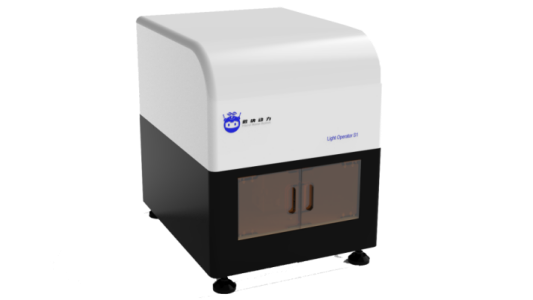
Light Operator S1 Optoelectronic Tweezers Micro/Nano Manipulation Platform
Zhuiguang Biology was established in 2023 by professors from Beijing Institute of Technology, Southern University of Science and Technology, and Jinan University, along with several overseas-returnee PhDs. The company focuses on the fundamental value chain of life sciences, developing high-end life science instrument platforms dedicated to resolving critical technological bottlenecks. Its product portfolio includes optoelectronic microfluidic platforms, digital microfluidic platforms, structured light projection equipment, and microscope accessories. In June 2025, the company completed a tens-of-millions-yuan Angel+ round of financing, led by Inno Angel Fund and participated by Nanshan Venture Capital, Heding Gong Capital, Lingyi Venture Capital, and Shanghai Angel Foundation. This achievement fully demonstrates the market’s strong recognition of its technical prowess and development potential.
Taking its independently developed OptoBot500 optoelectronic tweezer microfluidic manipulation platform as an example, this fully automated advanced system not only enables precise manipulation of micron-scale particles but also supports a variety of cutting-edge applications, including nanomaterial assembly, microrobot control, and cell sorting and manipulation. Currently, the platform has been adopted by top Chinese universities such as Tsinghua University, the University of Science and Technology of China, Beijing Institute of Technology, and Southern University of Science and Technology, supporting the nation’s most frontier scientific research and innovation.[2](See also: [Exclusive] Zhuiguang Biotech Completes Tens of Millions in Angel+ Round, Accelerating the Domestic Production of High-End Life Science Instruments)
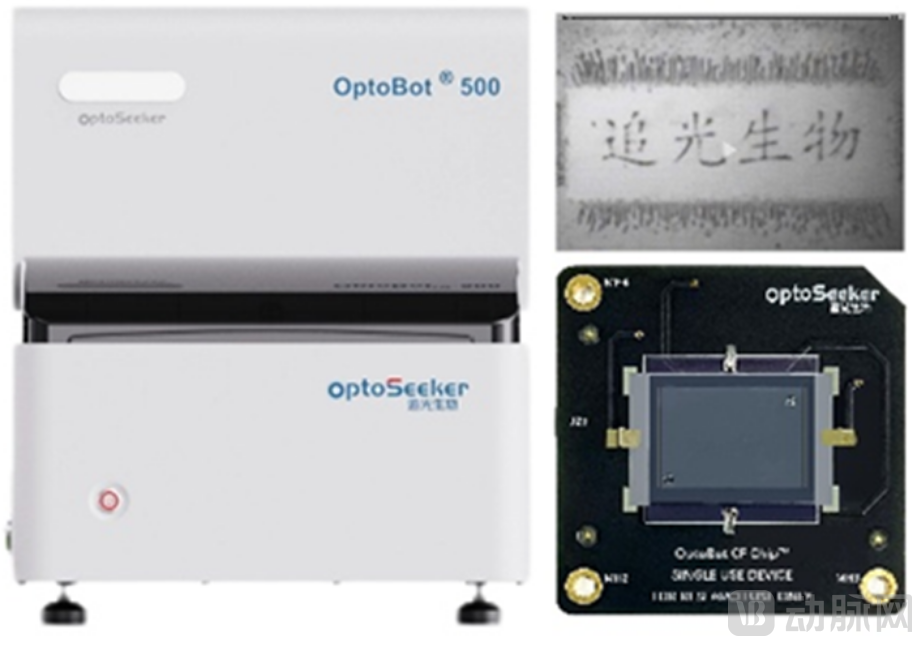
OptoBot®500 Optoelectronic Tweezer System and Its Generated Microparticle Patterns
Xinguang Biology, established in 2024, specializes in the research and development of life sciences and biomedical devices. By integrating optical field confinement with electric field modulation, the company has developed a Black-Light Optoelectronic Tweezer System. This system employs a specially designed composite field domain that incorporates a programmable electric field array while preserving the non-contact advantages of optical tweezers. Once target particles are captured by the optical field, the precise electric field enables secondary positioning and attitude adjustment, achieving sub-nanometer manipulation precision. The product has currently completed prototype design.(See also: “Chinese-Made Optical Tweezers Overtake on the Bend! A Black-Light Optical Tweezers Company Emerges from Nanshan, Shenzhen”)》)
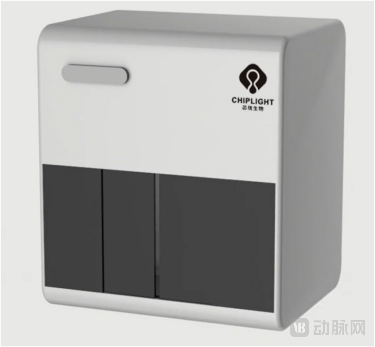
CHIPLIGHT Bio: Domestic Optoelectronic Tweezers Device (Prototype)
References:
[1] "Optical Tweezers | The World's Most Precise Gripper"
[2] Advanced Materials Cover Article from Beijing Institute of Technology: A New Breakthrough in Optoelectronic Tweezers Technology—Light-Driven 3D Micro-Gear System Achieves Cross-Plane Motion Transmission
[3] "Application of Optical Tweezers Technology in Life Science Research"