

Junlian Capital-Backed Medical Equipment Leader PT Diastika Biotekindo Lists on Indonesia Stock Exchange

Diastika Biotekindo
Medical Device Distributor
On July 10, 2025, medical device distributor PT Diastika Biotekindo (stock code: CHEK, hereinafter referred to as “Diastika”) was listed on the Indonesia Stock Exchange.
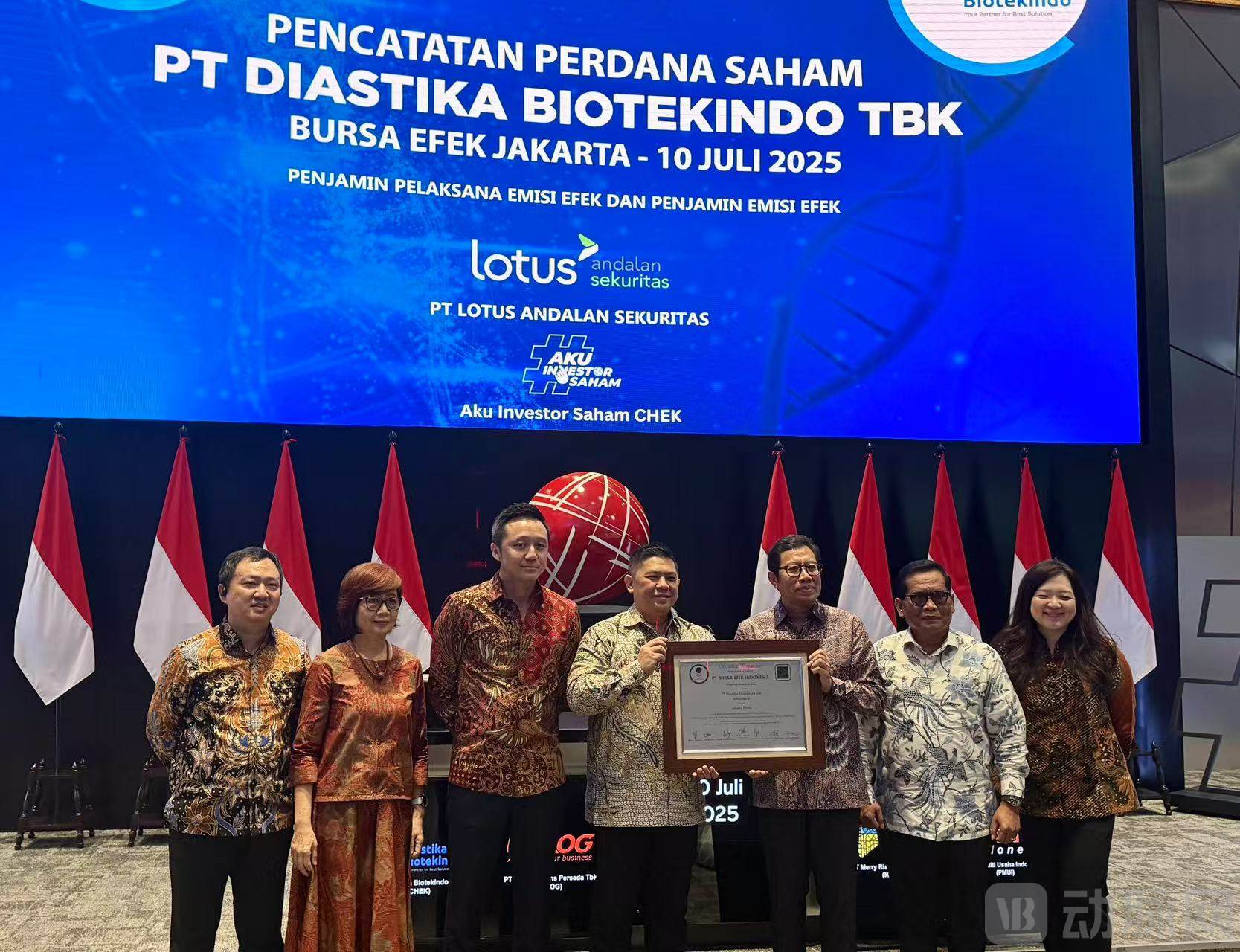
In Indonesia, Diastika’s initial public offering (IPO) has drawn significant attention from both the industry and capital markets. Data show that during the book-building process, Diastika’s shares were oversubscribed by more than 250 times, setting a new historical record for IPO subscription on the Indonesia Stock Exchange (IDX). On its listing day, the company’s stock price hit the upper circuit limit of 34.38% at the open. It is reported that Diastika issued a total of 860 million shares in this IPO, raising IDR 110 billion (approximately RMB 55 million). The proceeds will be entirely allocated to the company’s operational activities and business development, as well as to advancing the localization of imported products.
Diastika, established in 1989, operates as a licensed distributor on behalf of brand principals, responsible for formulating marketing strategies, conducting direct sales, and managing after-sales services. The company is also an affiliate of PT UBC Medical Indonesia Tbk (stock code: LABS). Diastika holds exclusive distribution rights for major global medical device brands, including well-known international partners such as Bio-Rad, Beckman Coulter, Fujifilm, and MGI. Its product portfolio focuses on two key sectors: diagnostic laboratories and life sciences. With a business network covering ten major cities in Indonesia, Diastika is also a key supplier for the Indonesian government’s procurement of instruments and equipment.
According to Diastika’s prospectus, in its second year of operation, 1990, Diastika successfully became a distributor for Bio-Rad, a global leader in innovative products for life science research and clinical diagnostics. In 2004, it established a strategic partnership with Thermo Fisher Scientific, thereby offering more options for medical devices and laboratory equipment in Indonesia.
Subsequently, Diastika began participating in national projects. In 2007, the company took part in the Indonesian government’s project to combat the avian influenza outbreak. In 2010, Diastika successfully became a supplier for a national project, contributing to the External Quality Assurance (EQA) program for health laboratories, which was managed by the Agency for Health Resources Development and Empowerment under the Ministry of Health (DEPKES). In 2014, the company provided quality control (QC) services for the Proficiency Testing Program (PME) at four Indonesian Health Laboratory Centers (BBLabKes) in Jakarta, Surabaya, Makassar, and Palembang, and became a permanent supplier of materials required for these processes.
In 2019, Diastika became a supplier to PT. In 2021, the company was responsible for procuring PCR test kits for the Health Research and Development Agency (LITBANGKES). Notably, in 2024, Diastika served as the procurement lead for Brawijaya University’s MGI G400 next-generation sequencing (NGS) instrument, liaising directly with MGI Tech.
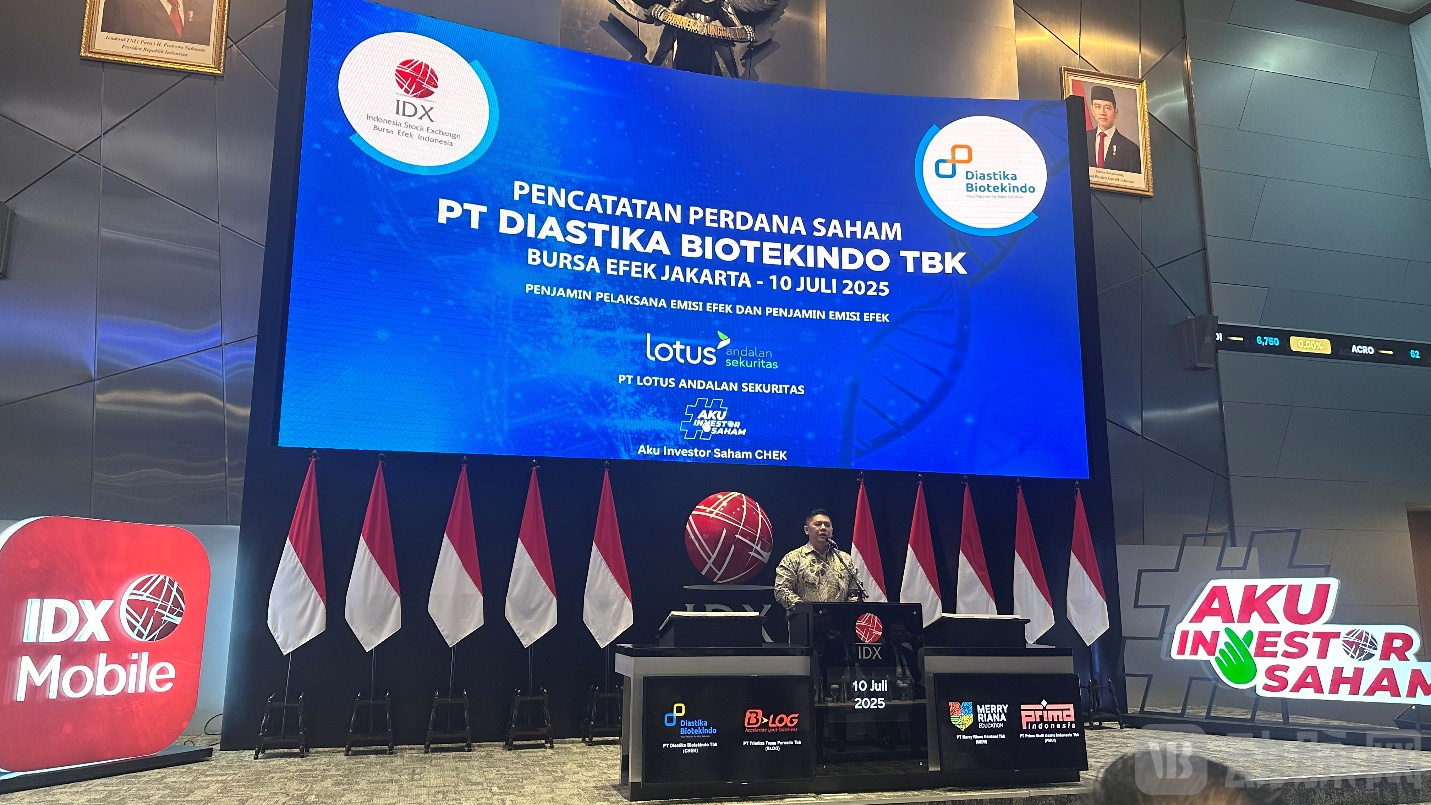
Diastika President Director Yoshua Raintjung stated that the IPO would further enhance Diastika’s financing capabilities, governance strategy, and external collaboration capacity. “Over the past three years, as one of Indonesia’s leading suppliers of diagnostic laboratories and life science instruments, Diastika has continuously strengthened its reputation in the medical device market.”
Legend Capital has long focused on Indonesia’s healthcare innovation market and participated in the investment in Diastika and its parent company. Qi Fei, Executive Director at Legend Capital, stated that Indonesia’s current medical device and equipment market is dominated by imports, with products primarily sourced from multinational corporations in Europe and the United States. Diastika’s public listing marks a significant milestone, and the oversubscription of its offering demonstrates local investors’ recognition of the healthcare sector and its underlying concepts. He believes that an increasing number of Indonesian healthcare companies will subsequently enter the capital markets, leading to greater maturity in the industry. For Chinese healthcare enterprises, paying attention to localized manufacturing opportunities unique to Indonesia, identifying suitable partners, and promoting the overseas expansion of their products and technologies represent a sound strategy for going global.