

Magnetic Surgery Pioneers Convene at Dean Forum: Redefining the Future of Minimally Invasive Surgery
Magnetic Surgery (MS) TechnologyIt utilizes specially designed magnetic medical instruments or devices to convert the "non-contact" magnetic forces between magnetic materials into forces capable of performing specific functions in clinical diagnosis and treatment, thereby accomplishingTissue Compression, Organ Anchoring, Lumen Navigation, Space Expansion, Controlled Tracingand other functions.This technology has garnered significant attention from the research and industrial sectors both domestically and internationally, owing to its advantages such as no foreign body retention, minimal tissue damage, improved surgical quality, and reduced operative time.
The advent of magnetic traction technology has not only enhanced the precision of surgical procedures but also reduced operative time. More importantly, it minimizes patient trauma and accelerates postoperative recovery, benefiting thousands of patients. The innovative pioneer who ingeniously applied magnetic technology to medicine is Professor Lü Yi, President of the First Affiliated Hospital of Xi’an Jiaotong University. Dedicated to advancing surgical innovation through the integration of medicine and engineering, he spearheaded the exploration of magnetics in medicine in China and overcame a series of technical challenges in the field.
Magnetism is reshaping the boundaries of surgery.
July 15 (Tuesday) 19:30-20:30 Invited Guest: Director of the Medical Department of Xi'an Jiaotong University, President of the First Affiliated Hospital of Xi'an Jiaotong UniversityLu YiProfessor,Vice President of the First Affiliated Hospital of Wenzhou Medical UniversitySun WeijianProfessor, Vice President of Qingdao University Medical GroupLu YunProfessor, Assistant to the President of The First Affiliated Hospital of Xi’an Jiaotong UniversityWang ZhengProfessor, Vice President of Nanfang Hospital Ganzhou HospitalChen TaoProfessor,Vice President, CytoMed Medical Research InstituteWen ChunlingParticipationMagnetic Medicine Ushers in a New Era of Surgery — Dean's Forum on Magnetic Surgery,Discussing Technological Innovations, Exploring the Clinical Applications of Magnetic Surgery in Hepatobiliary, Gastrointestinal, and Oncology Disciplines, and Jointly Advancing the Development Prospects of Magnetic Surgery.
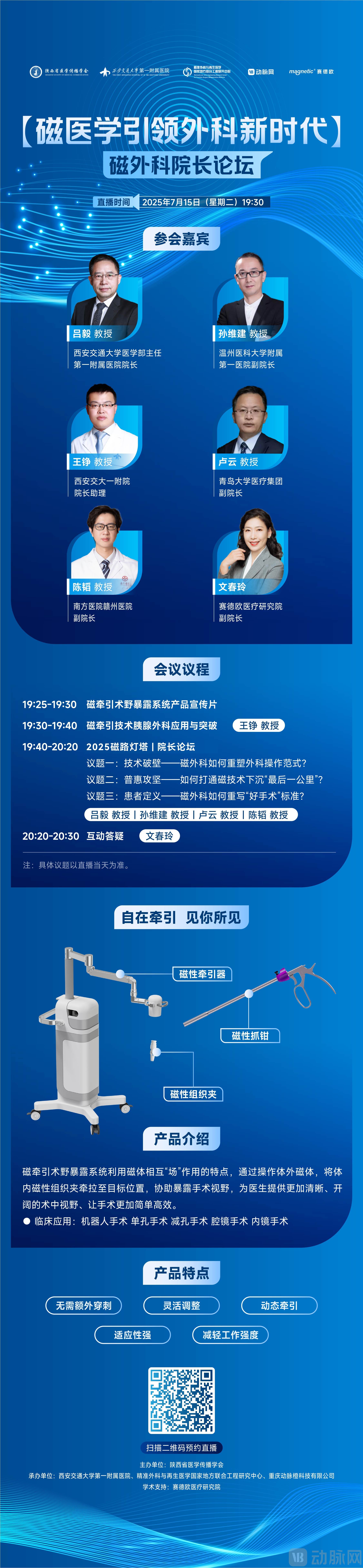
Scan the QR code on the poster to reserve your spot for the live stream!
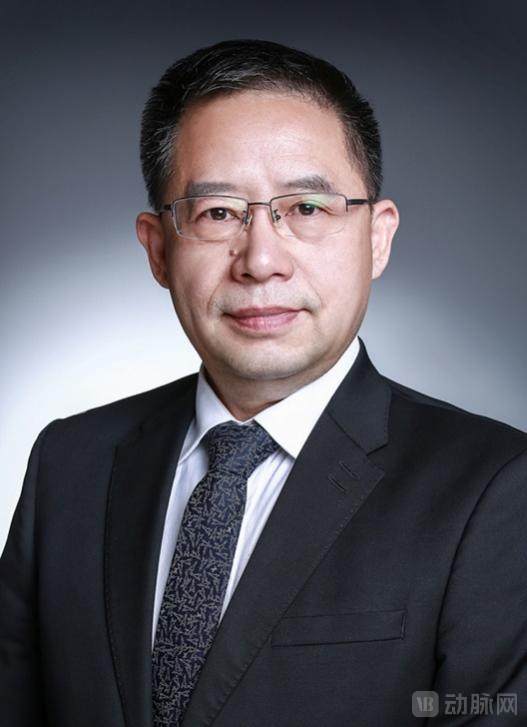
Lü YiProfessor
Director of the Medical Department of Xi'an Jiaotong University, President of the First Affiliated Hospital of Xi'an Jiaotong University
Pioneered the interdisciplinary field of “Magnetic Surgery” in China, first proposed the concept of Magnetic Surgery internationally, established its theoretical framework, and invented multiple magnetic surgery techniques for the first time worldwide. Initiated and consecutively organized seven International Conferences on Magnetic Surgery. As the primary recipient, awarded the Second Prize of the National Science and Technology Progress Award, the Second Prize of the National Teaching Achievement Award, the Chinese Medical Science and Technology Award, the Ministry of Education’s Technological Invention Award, the Health Management Award of the Huaxia Medical Science and Technology Award, and the First Prize of Shaanxi Provincial Science and Technology Award. Presided over nearly 30 projects, including key programs under the National Key R&D Program of the Ministry of Science and Technology, major national projects for the development of scientific instruments funded by the National Natural Science Foundation of China (NSFC), key NSFC projects, and special instrument development projects. Published 367 SCI-indexed papers in journals such as Annals of Surgery and Journal of Hepatology. Granted 55 Chinese invention patents and one U.S. patent.
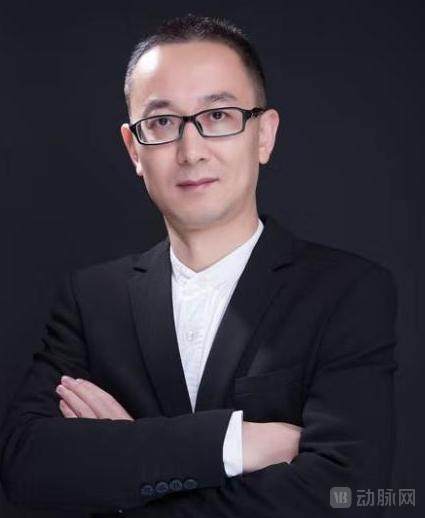
Sun WeijianProfessor
Vice President of The First Affiliated Hospital of Wenzhou Medical University
Primary research interests include surgical treatment of gastrointestinal tumors and comfort care. As first or corresponding author (including co-authors), has published more than 40 papers in journals such as Nature Communications, Bioactive Materials, Advanced Materials, Advanced Science, Molecular Therapy, and Chemical Engineering Journal (highest single-article impact factor: 27.4). Has filed over 20 national/international invention patents, with four currently undergoing commercialization. Principal investigator for two General Program projects of the National Natural Science Foundation of China, one medical engineering project of the Hospital Management Institute of the National Health Commission, and six provincial/ministerial-level key projects.
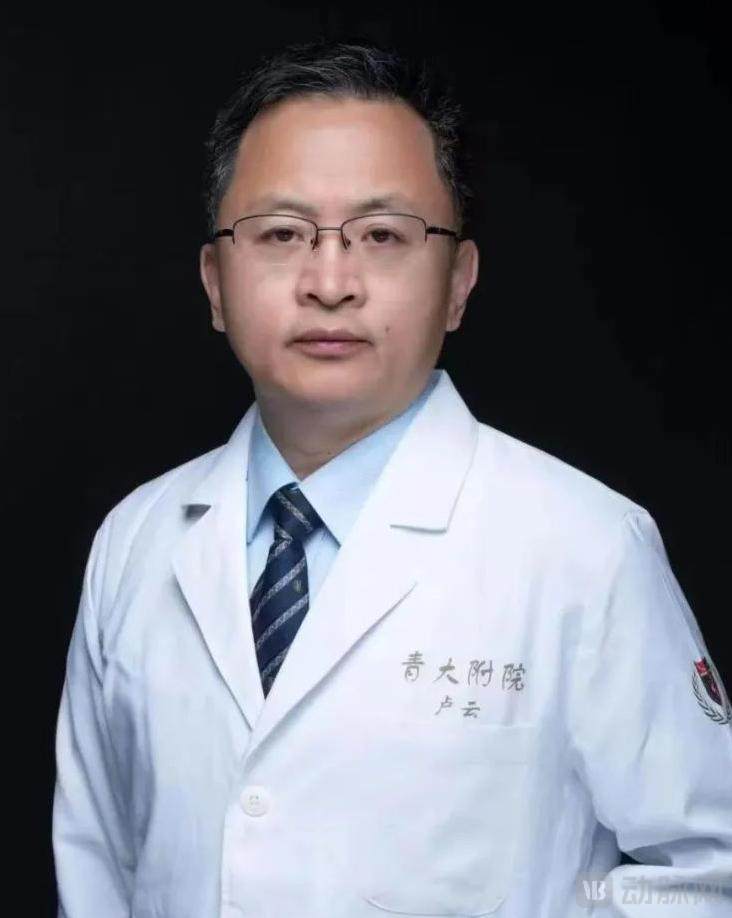
Lu YunProfessor
Vice President, Qingdao University Medical Group
Chief Scientist of the National Key R&D Program; Shandong Province’s Outstanding Young and Middle-Aged Expert with Distinguished Contributions; “National Renowned Physician” (Exemplary Distinction); Recipient of the Second Prize of the National Science and Technology Progress Award (ranked third, 2019); First Prize of the Shandong Provincial Technological Invention Award (ranked first, 2024); Member of the Colorectal Surgery Group, Surgical Branch of the Chinese Medical Association; Chairperson of the Digital Medicine Branch of the Shandong Medical Association; Fellow of the American College of Surgeons (F.A.C.S.); Editorial Board Member of the Chinese Medical Journal (CMJ, English Edition); Editorial Board Member of the Chinese Journal of Surgery.
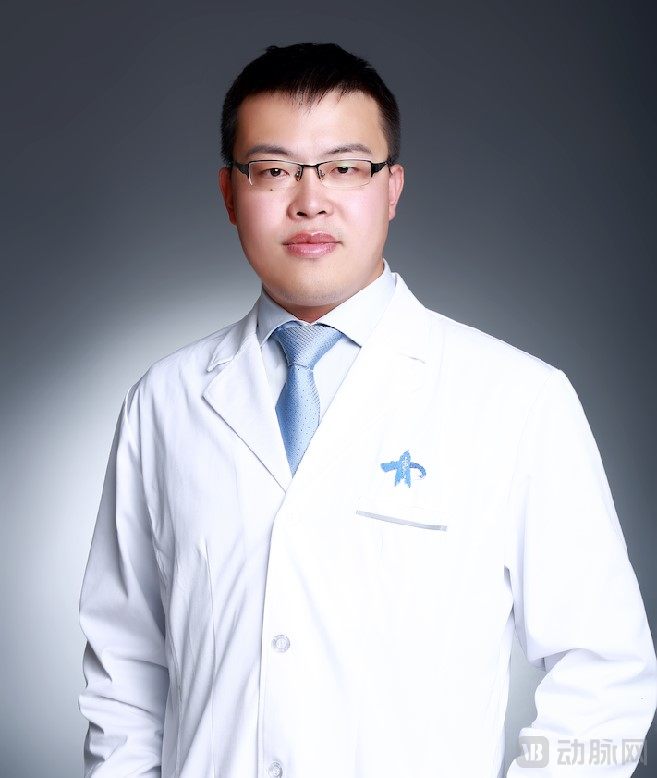
Wang ZhengProfessor
Assistant to the President of The First Affiliated Hospital of Xi'an Jiaotong University
Vice Chair of the Pancreatic Tumor Committee, China Chapter of the International Hepato-Pancreato-Biliary Association (IHPBA); Member of the Infection and Critical Care Group, Surgical Branch of the Chinese Medical Association; Member of the Surgical Group, Digestive Endoscopy Branch of the Chinese Medical Association; Vice Chair of the Chronic Pancreatitis Group, Pancreas Professional Committee of the Chinese Medical Doctor Association; Vice Chair of the Integrative Rehabilitation Committee for Pancreatic Tumors, China Anti-Cancer Association; Standing Committee Member of the Neuroendocrine Tumor Professional Committee, China Anti-Cancer Association; Member of the Pancreas Professional Committee, Chinese Research Hospital Association; Chair of the Neuroendocrine Tumor Committee, Shaanxi Provincial Anti-Cancer Association. Recipient of the National Health System Young Post Expert Award and the First Prize of the Chinese Journal of Surgery Young Scholar Award. Awarded two First Prizes for Scientific and Technological Progress in Shaanxi Province (R1, R2) and one First Prize for Teaching Achievement in Shaanxi Province (R2). Principal Investigator of one sub-project under the Key Research and Development Program, five projects funded by the National Natural Science Foundation of China, and one key project in Shaanxi Province.
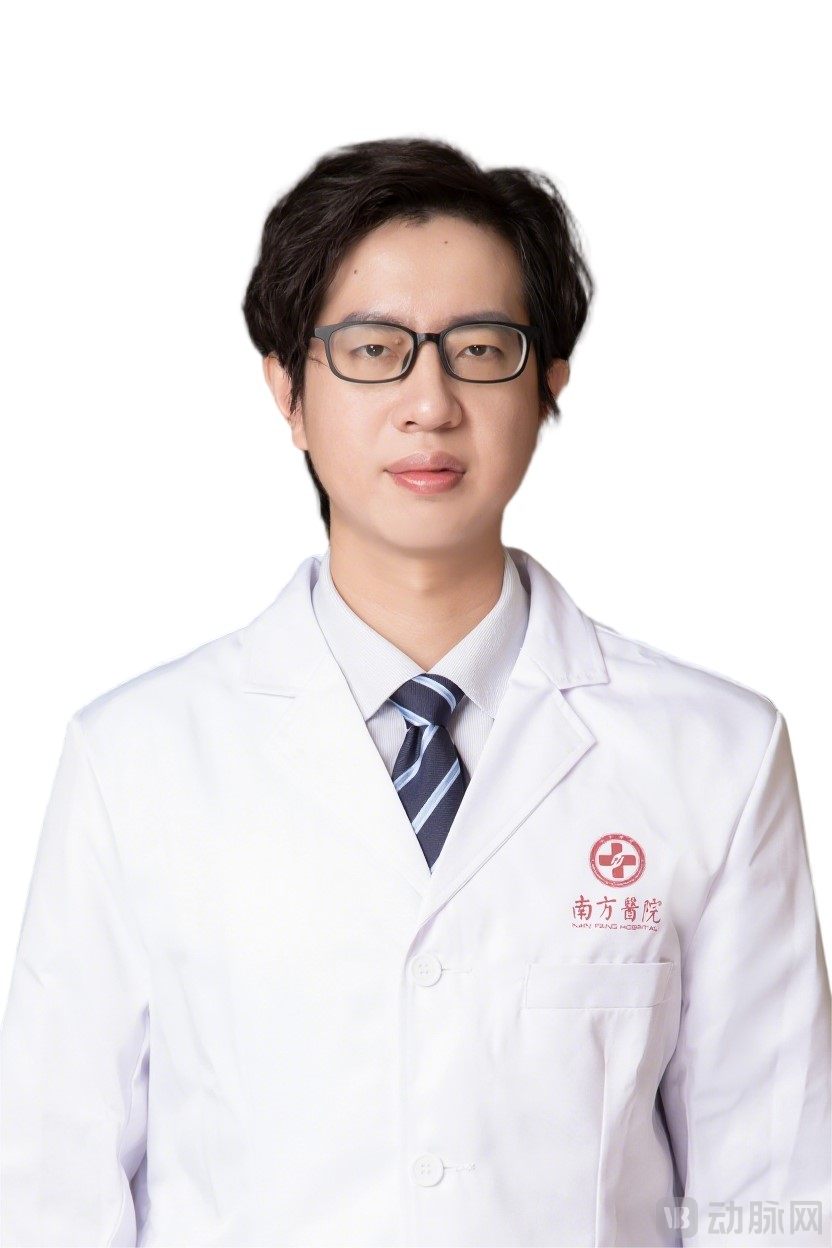
Chen TaoProfessor
Vice President of Nanfang Hospital Ganzhou Hospital
Presided over more than 10 research projects, including the General Program of the National Natural Science Foundation of China and Key Projects of the Provincial Natural Science Foundation; received funding from the Guangdong Province Natural Science Fund for Distinguished Young Scholars. Won five provincial or ministerial level awards. Guided student teams to win the Grand Prize at the Provincial “Challenge Cup” Competition and the Second Prize at the National Competition; won the Second Prize in the 3rd National Teacher’s Teaching Innovation Competition; claimed the National Championship in the Gastric Cancer Surgery Competition organized by the Chinese Anti-Cancer Association and received the Future Scientist Award. In March 2025, released China’s first large model for gastric cancer diagnosis and treatment (STAR-G).

Wen Chunling
Vice President, Cydeo Medical Research Institute
Holds a Bachelor’s degree in Clinical Medicine from Wuhan University School of Medicine and an MBA from Wuhan University School of Management. Previously worked at Johnson & Johnson (China) Medical Devices, focusing on healthcare industry incubation and operational management. Currently serves as Deputy Dean of Sideou Medical Research Institute.
Saidou Medical Research Institute has long adhered to the product philosophy of “Crafting Excellence, Safeguarding Health with Intelligence.” Guided by clinical needs, driven by innovative thinking, and characterized by interdisciplinary integration across science, engineering, and medicine, the institute focuses on the research and translation of magnetic surgery technologies. It is primarily engaged in the R&D, manufacturing, and sales of medical devices and medical teaching aids, providing systematic solutions for the design and development of cutting-edge medical products.
Currently, Sideou Medical Research Institute has undertaken and participated in 15 key provincial and ministerial-level R&D programs, key special projects, and innovation and entrepreneurship initiatives. It has received five provincial and municipal science and technology progress awards. The institute has obtained six medical device registration certificates (including one for an innovative medical device) and secured more than 100 national intellectual property rights (including two international patents). It also led the formulation of one local standard in Shaanxi Province. Sideou Medical Research Institute has been honored with numerous accolades, including recognition as a National High-Tech Enterprise, a National Technology-Based Small and Medium-sized Enterprise, recipient of Shaanxi Provincial Science and Technology Awards, First Prize in the Biopharmaceutical Category of the 7th China Innovation and Entrepreneurship Competition (Shaanxi Division), “Outstanding Enterprise” in the National Biopharmaceutical Industry Finals, and “Enterprise with Outstanding Contributions” in Xi’an High-Tech Zone for 2019.
Adhering to the operational model of “integrating medicine, research, and enterprise, and promoting development through industry-academia-application collaboration,” Saideou Medical Research Institute has built an industrialization team with extensive experience and a rigorous, pragmatic, and efficient work style in clinical practice, engineering, technology, production, sales, and medical regulations. Committed to a robust product ecosystem, the institute aims to support the high-quality development of modern medical services.