

9 Innovative Projects Compete at the First Ultrasound Medicine Frontier Applications and Artificial Intelligence Innovation Competition
In the field of medical imaging, ultrasound technology has long served as a critical tool for clinical diagnosis and treatment monitoring, owing to its non-invasive nature, lack of radiation, and cost-effectiveness. However, with the continuous growth in healthcare demands, ultrasound medicine faces numerous challenges, including a shortage of professionals due to the lengthy training cycle for specialized physicians, variability in diagnostic accuracy stemming from excessive reliance on physician experience, and the underutilization of vast amounts of data. These issues severely constrain improvements in the efficiency and precision of ultrasound diagnostics.
Meanwhile, the rapid advancement of artificial intelligence (AI) technology has injected new vitality into ultrasound medicine. With its exceptional capabilities in image recognition and big data analytics, AI demonstrates significant potential to enhance the automation and intelligence of ultrasound diagnosis. This progress is driving continuous innovation in the field of ultrasound medicine, particularly in frontier applications and AI integration, where industry exploration remains highly enthusiastic.
Against this backdrop, the inaugural “Frontier Applications of Ultrasound Medicine and Artificial Intelligence Innovation Competition,” jointly organized by Tianfu Jincheng Laboratory (Future Medical City), the Ultrasound Equipment Technology Branch of the China Association of Medical Equipment, Jinfeng Laboratory, the Social Work Department of Chengdu Eastern New Area, Chengdu Tianfu Jincheng Institute of Frontier Medical Equipment, and the Chengdu Pharmaceutical and Health Industry Ecosystem Alliance, has officially commenced. The event aims to establish a platform for exchange and collaboration among professionals in medical imaging, research teams, innovative enterprises, and clinicians, thereby stimulating innovative thinking and promoting the deep integration of industry, academia, research, and clinical application.
On July 15, the finals of the inaugural Frontier Applications of Ultrasound Medicine and Artificial Intelligence Innovation Competition, together with the Symposium on Future Medical Imaging Technology and Application Innovation, concluded successfully in the Future Medical City of Chengdu Eastern New Area.
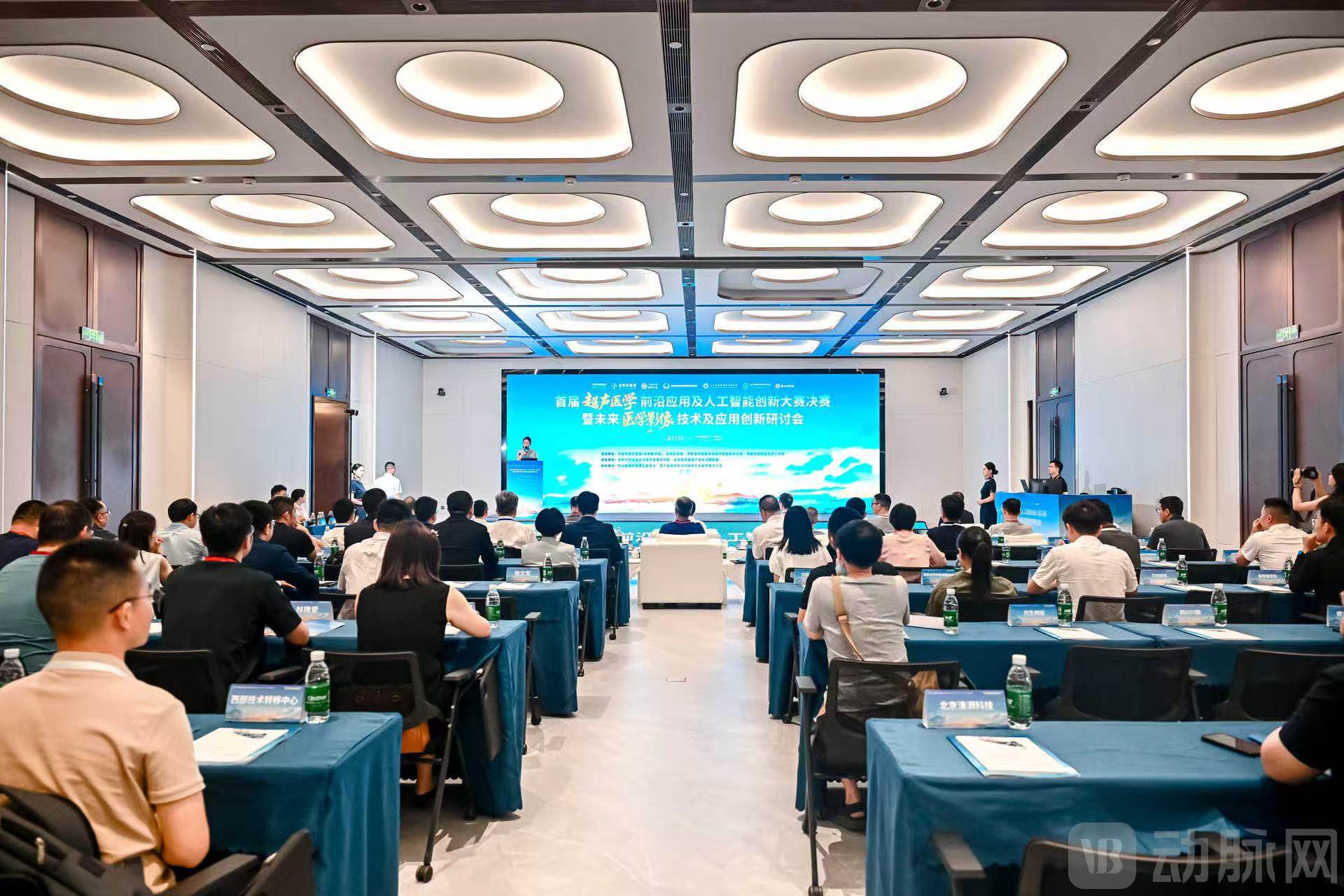 Finals Site
The successful hosting of the competition has provided new insights and solutions for the integration of ultrasound medicine and artificial intelligence, fostering interdisciplinary and cross-sector collaboration as well as the convergence of medicine and engineering, thereby accelerating technological breakthroughs and applications. Meanwhile, the competition will also promote in-depth exploration of new strategies for the application of ultrasound technology at the primary care level, helping to enhance the diagnostic capabilities of primary healthcare institutions.
Nine Major Innovative Projects Showcase Diverse Highlights, Covering the Integration and Innovation of Ultrasound Medicine and AI
“The First Frontier Applications of Ultrasound Medicine and AI Innovation Competition” was officially launched on April 15, 2025. Through multiple stages including project solicitation, selection, and online evaluation by the review committee, comprehensive scoring was conducted from various dimensions, ultimately resulting in nine innovative projects advancing to the finals.
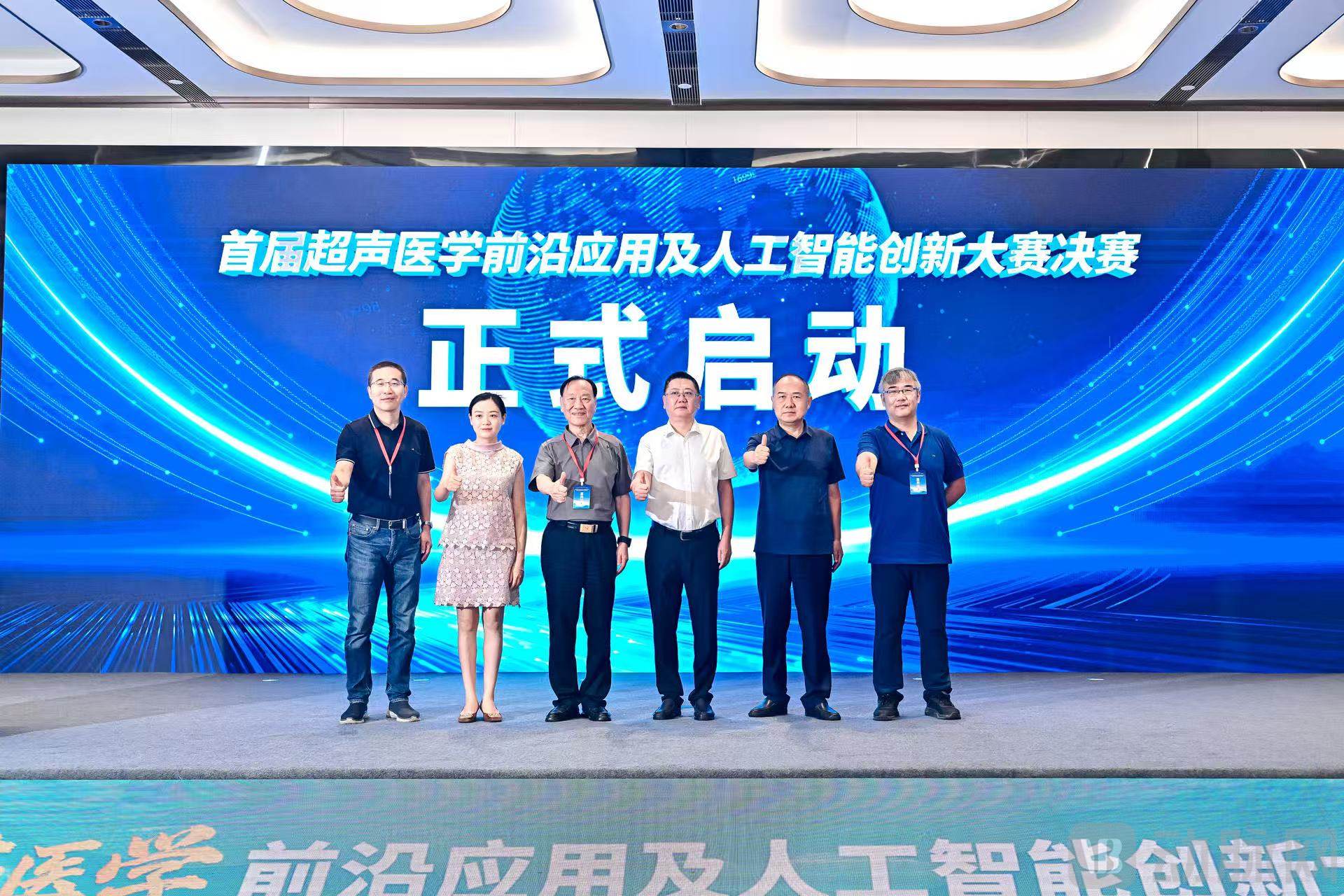 Finals Launch Ceremony
At the finals, nine innovative teams from prestigious universities and leading healthcare enterprises—including Fudan University, Beihang University, ShanghaiTech University, Shenzhen People’s Hospital, West China Hospital of Sichuan University, and Beijing BOE Health Technology Co., Ltd.—competed with their breakthrough projects. Through a format consisting of a 10-minute pitch followed by a 5-minute Q&A session, they comprehensively showcased innovations and application scenarios at the intersection of ultrasound medicine and artificial intelligence, covering multiple dimensions such as clinical diagnosis and health management.
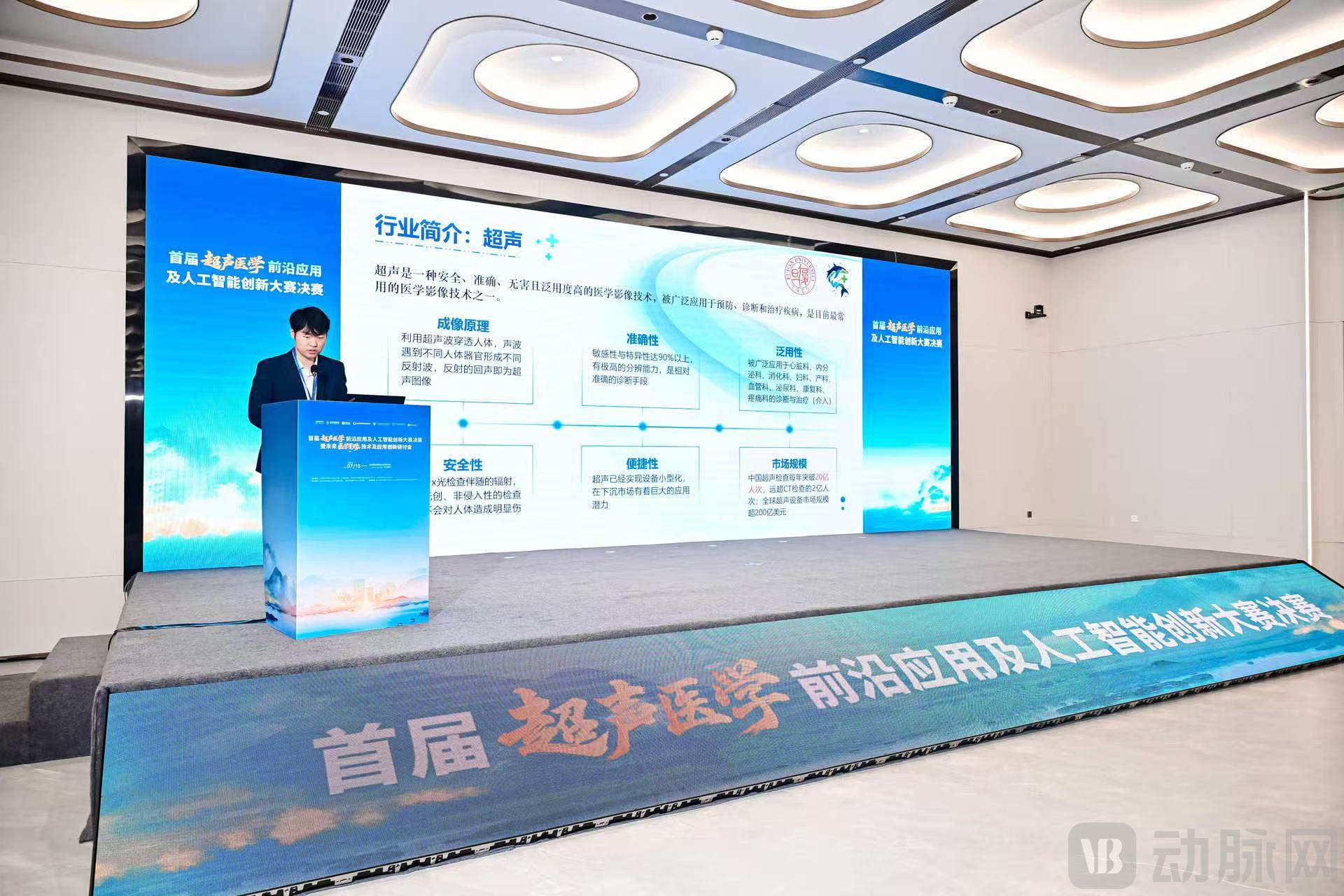 Innovation Project Roadshow
Among them, the team from Fudan University Haining Dolphin Voice Medical Technology Co., Ltd. showcased its ultrasound multimodal large model project. This initiative has created the world’s first general-purpose ultrasound medical large model, supporting multi-task diagnosis across multiple body regions and organs, enabling human-computer interaction in ultrasound imaging, and demonstrating significant advantages in data processing, model training, and ecosystem development.
Beijing Visual Perception Intelligent Technology Co., Ltd. presents its integrated AI-driven diagnosis and treatment project for musculoskeletal ultrasound. By leveraging AI technologies to achieve dynamic segmentation, real-time recognition, and quantitative analysis, the company is comprehensively developing its musculoskeletal ultrasound AI product portfolio in collaboration with top-tier domestic musculoskeletal ultrasound experts and multidisciplinary teams, thereby advancing the integration of diagnosis and treatment.
The Shenzhen People’s Hospital team presents an AI-powered ultrasound system for weight loss and body contouring assessment. Targeting obesity, the project has developed “AI Fat Vision,” the first ultrasound-based AI assessment and recommendation system designed for body contouring management. By leveraging technologies such as dermal collagen analysis, intelligent tissue measurement, and weight-loss trend feedback, the system supports national initiatives for healthy weight management.
The team from Zhongnan Hospital of Wuhan University demonstrated an AI-navigated intelligent auxiliary diagnosis and teaching system for cardiac ultrasound. Addressing the high prevalence of cardiovascular diseases, the system focuses on cultivating AI capabilities for the automated interpretation of echocardiograms. By constructing ultrasound scenario models, leveraging deep machine learning, and employing language model processing, it enhances diagnostic accuracy and work efficiency, thereby facilitating scientific research and standardization.
The team from Beihang University presented an intelligent breast cancer recognition project based on ultrasound radiofrequency signals and image features. By innovatively integrating ultrasound radiofrequency signals with image characteristics, the project enhances the precision of breast cancer diagnosis and addresses the common challenges of indistinct differentiation and inaccurate targeting in conventional ultrasound imaging. Through the incorporation of spectral information, it transforms standard grayscale images into information-rich color images, achieving distinctive and innovative ultrasound imaging.
ShanghaiTech University Team Demonstrates Parametric Spinal Modeling Based on a Portable 3D Ultrasound SystemBy enabling rapid 3D imaging of the spine and other regions through portable devices, this approach employs implicit neural representation reconstruction techniques to enhance image accuracy. In collaboration with several renowned hospitals, the system delivers imaging quality comparable to that of large-scale equipment, making it suitable for screening and monitoring conditions such as scoliosis.
The team from the Seventh Medical Center of the Chinese PLA General Hospital presented an AI-assisted emergency device for airway obstruction. Targeting airway obstruction in battlefield and emergency scenarios, they developed a portable, AI-assisted emergency device that enables precise localization and automated operation for cricothyrotomy. The device is designed to be portable and easy to operate, significantly improving emergency response efficiency.
The team from West China Hospital of Sichuan University showcased an innovative multimodal intelligent quality control platform for remote ultrasound, empowered by large language models. Addressing the needs for ultrasound quality assurance, they developed a remote intelligent real-time quality control platform based on large language models and multimodal data fusion. This platform enables real-time, precise, and efficient quality control throughout the remote ultrasound examination and diagnostic process, holding significant importance for optimizing ultrasound diagnostic workflows and enhancing the quality of primary healthcare services.
Finally, the team from Beijing BOE Health Technology Co., Ltd. presented the AI Ultrasound Imaging Screening System project. Focused on ultrasound screening in primary healthcare settings, they developed a user-friendly, highly integrated AI ultrasound imaging screening system. By optimizing ultrasound image quality and AI models, the project provides a replicable commercial closed-loop case for primary care, thereby supporting the establishment of a tiered diagnosis and treatment system.
The finals were conducted through on-site project presentations and scoring by a panel of judges. The judging panel, composed of nine top clinical experts in the field of ultrasound in China and senior industry executives, evaluated the projects across multiple dimensions, including innovation, feasibility, and market prospects. Ultimately, one first-prize winner, three second-prize winners, and five third-prize winners were selected.
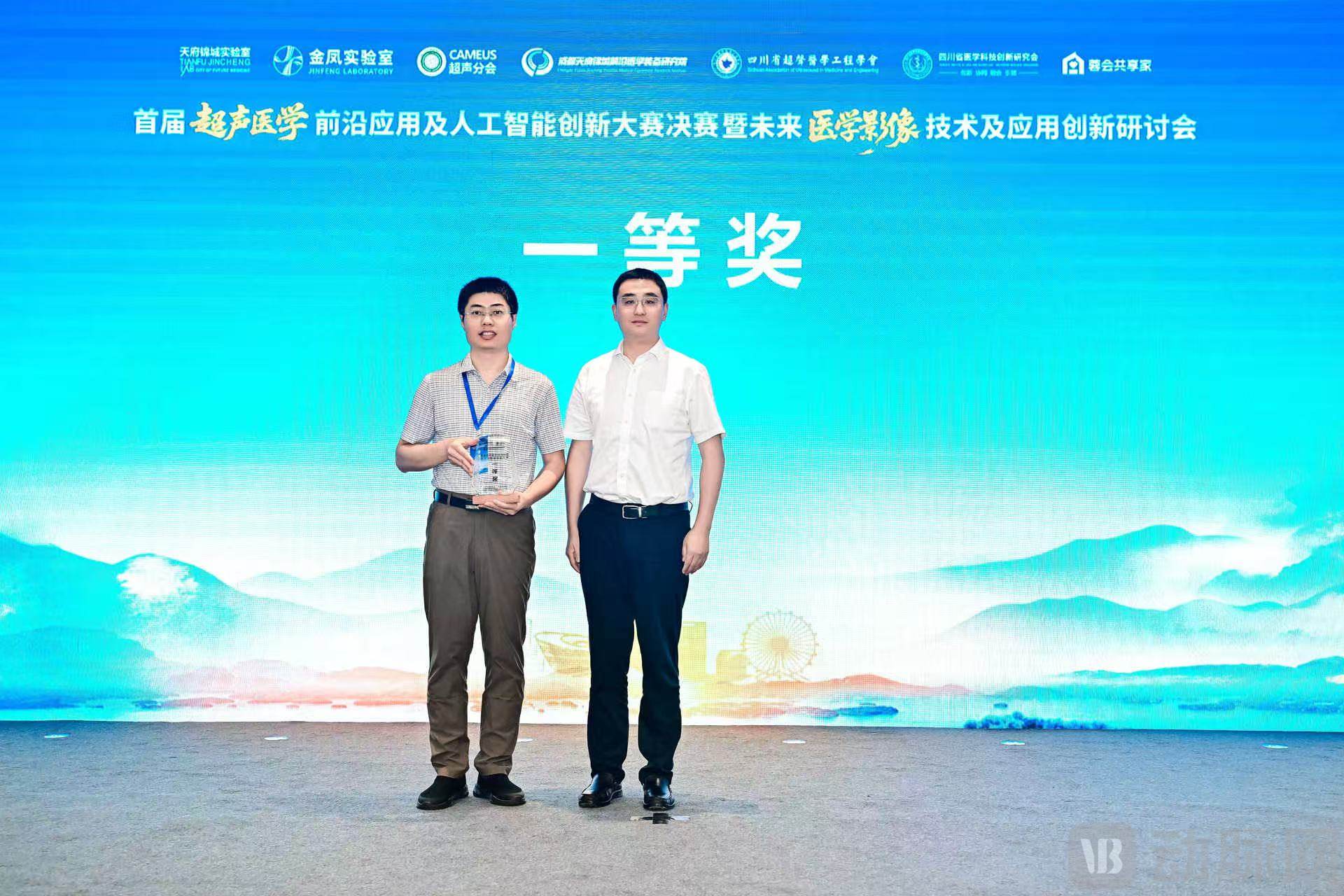 Beihang University Team Project Wins First Prize
In addition, awards were presented on-site to the winning teams, as well as to the recipients of the previously selected Research Breakthrough Award, Primary Care Model Award, AI Integration Innovation Award, and 17 Excellence Awards.
Converging Industrial Innovation Elements to Empower a New Ecosystem of Integrated Medicine, Education, Research, and Industry
For innovators, the core value of the competition extends far beyond awards or industry recognition. Compared with rankings and moral encouragement, what innovators urgently need is a tangible support system that substantially accelerates technological maturity, reduces industrialization risks, and facilitates market validation.
Only when the competition can effectively translate ecological empowerment into tangible outcomes can it truly unleash the momentum of innovation—this is precisely the objective that Tianfu Jincheng Laboratory (Future Medical City) aims to achieve through this event.
In recent years, Chengdu Future Medical City has focused on niche sectors such as high-performance medical devices, high-end medical consumption, and cutting-edge biotechnology, supported by an innovative closed-loop model: “research at the National Medical Center, validation at Jincheng Laboratory, incubation in Chengdu Future Medical City, and commercialization within the industrial ecosystem.” This system has strongly facilitated the deep integration of the entire “medical care, education, research, and industry” chain, enabling breakthrough innovations in key strategic areas.
Following the successful hosting of the 8th “Maker China” Innovation and Entrepreneurship Competition for SMEs in the Medical Device Sector, this competition represents another major national-level event held within the industrial park. This milestone marks a solid step forward in accelerating the agglomeration of industrial resources and deepening the “Park Establishment and Full Occupancy” campaign.
“We aim to efficiently transform various innovation elements into tangible momentum for industrial development by focusing on core sectors and continuously hosting a series of competitions,” said a representative from Chengdu Future Medical City. “Currently, leveraging the unique advantages of deep integration among medicine, education, research, and industry, the park is gradually establishing an innovation-driven model characterized by ‘attracting talent through competitions, aggregating industrial chains through competitions, and promoting production through competitions,’ thereby continuously injecting innovative vitality into the high-quality development of the high-performance medical device industry.”
As a key core carrier of the Future Medical City, Tianfu Jincheng Laboratory centers on clinical needs and focuses on the translation of clinical medicine. Committed to addressing major national demands for medical development and breaking through bottlenecks in advanced medical technologies, the laboratory pursues integrated development with the National Medical Center. Through collaborative efforts, it aims to produce a batch of original research and applied achievements, with the goal of building a globally competitive sci-tech innovation platform in the field of life and health.
At the event, Wu Zhe, Director of the Chengdu Tianfu Jincheng Frontier Medical Equipment Research Institute, provided a detailed introduction to the laboratory’s innovation-driven model for translating achievements in ultrasound medicine, which centers on shared outcomes. Professor Wu emphasized that the laboratory not only provides incumbent enterprises with end-to-end support covering scientific research, process development, small-scale trials, pilot-scale trials, and regulatory certification, but also operates an Industry Collaboration Center. This center is responsible for precisely aligning with market demands, validating needs, and connecting with investors and distributors, thereby safeguarding the successful translation of projects into commercial applications.
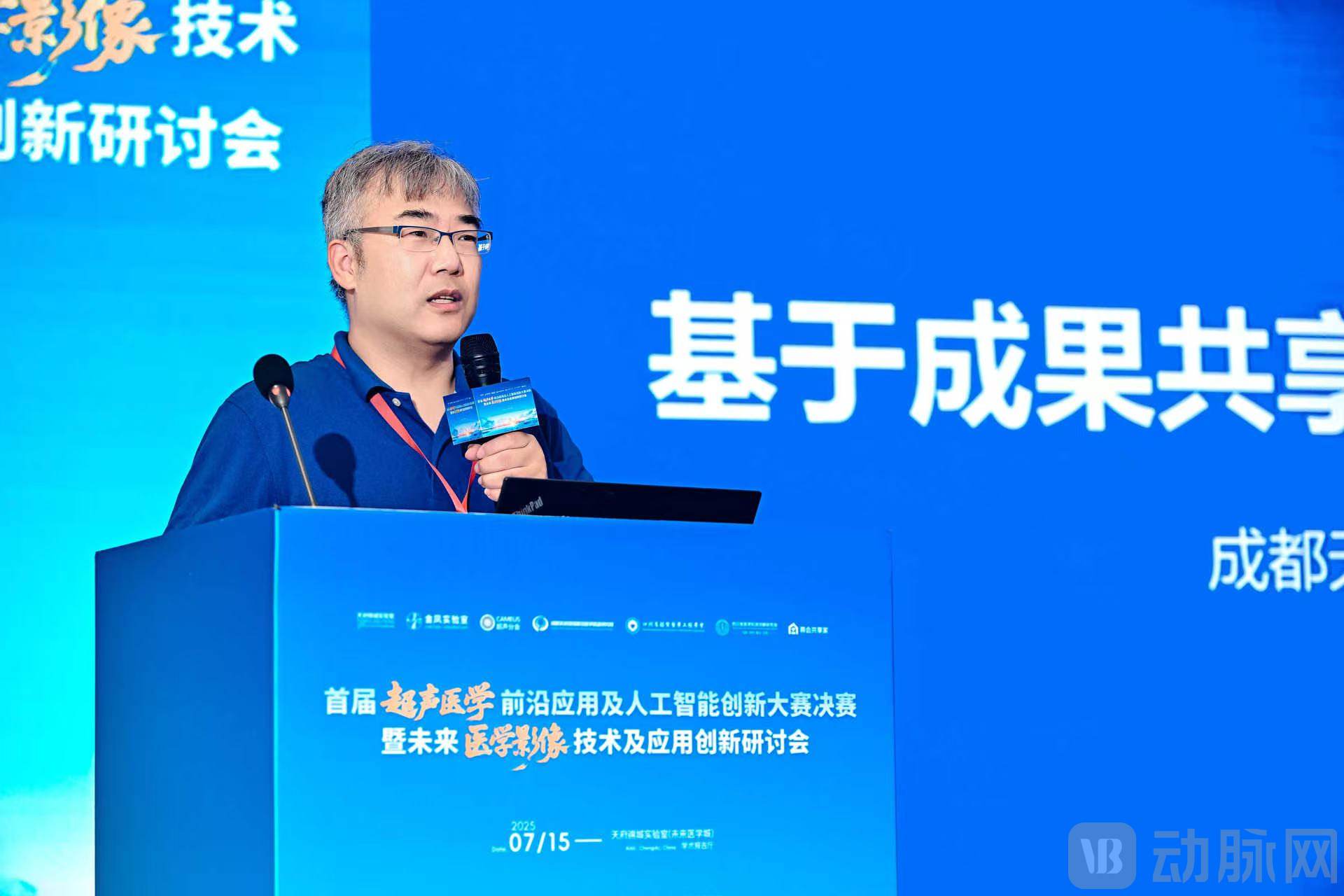 Wu Zhe, Dean of the Chengdu Tianfu Jincheng Frontier Medical Equipment Research Institute
In addition to providing end-to-end support services, the laboratory has established a mechanism for sharing academic and commercial benefits, with result-sharing at its core, aiming to encourage project incubation and commercialization. Professor Wu Zhe pointed out that the transition from scientist or physician to entrepreneur involves not only a change in identity but also a shift in mindset, moving from an innovation-driven approach to a practicality-oriented one.
Three innovative achievements were unveiled at the event, with the most notable being the launch of China’s first prototypes of non-invasive brain modulation devices. Designed for neuromodulation, tissue repair, drug delivery, and cellular function research, the product leverages precisely controlled ultrasound energy to achieve non-invasive, reversible biological effects with high spatiotemporal resolution, demonstrating significant application potential.
According to reports, the fundamental principle of ultrasonic neuromodulation lies in the interaction between ultrasound waves and specific receptors on the surface of nerve cells, which promotes calcium ion influx and thereby regulates neuronal electrical activity. Currently, many researchers are attempting to replicate this effect in laboratory settings, but this requires support from specialized equipment. This product was developed to address this need.
By adjusting fundamental parameters such as ultrasound frequency, duty cycle, pulse repetition frequency (PRF), and intensity, the device can achieve diverse functionalities across different energy levels. These include low-intensity neuromodulation, moderate-intensity blood-brain barrier opening, high-intensity tumor therapy, and the further induction of cerebral hemorrhage models in animals, thereby providing a powerful tool for related pathological research. Furthermore, the device innovatively integrates imaging ultrasound technology, enabling precise treatment under ultrasound guidance and achieving an integrated approach to diagnosis and therapy.
The development of this device originated from a research collaboration with the team at West China Hospital of Sichuan University. Following improvements and technological translation, it was commercialized into a product that has since been procured in bulk by enterprises. Concurrently, the team has collaborated with Sichuan Cancer Hospital to utilize this device for opening the blood-brain barrier, thereby providing a novel approach for treating refractory brain tumors within the cerebral parenchyma and achieving significant scientific results. As one of the first prototypes of non-invasive brain modulation devices released in China, its launch not only marks a breakthrough at the technical level but also serves as a paradigm for translating laboratory achievements into practical products, demonstrating the broad prospects of ultrasound technology in the fields of neuromodulation and therapy.
The concentrated release of three innovative achievements serves as strong validation of the implementation of Tianfu Jincheng Laboratory’s innovation and translation model, and represents a phased milestone in Chengdu Future Medical City’s integrated development strategy encompassing “medicine, education, research, and industry.” These achievements signify substantial breakthroughs in key areas of high-performance medical devices, offering novel technical pathways to address clinical pain points and enhance diagnostic and therapeutic standards.
More importantly, the emergence of these achievements and the mature operation of their commercialization mechanisms have significantly accelerated the process of bringing cutting-edge technologies from laboratories to industrial applications and societal services. This has injected strong momentum into establishing the park as a national—and even global—hub for biomedical innovation, marking a critical step forward in building a full-chain innovation ecosystem and driving high-quality industrial development.
Addressing Real Clinical Needs: Exploring Breakthroughs in Ultrasound Technology and Applications of Large Language Models
As the discerning eye of modern medicine, medical imaging is evolving at a rapid pace, profoundly reshaping the boundaries and paradigms of disease diagnosis and treatment. On the afternoon of the finals, the “Symposium on Future Medical Imaging Technology and Application Innovation” was held concurrently, inviting leading domestic experts to share insights on cutting-edge technologies and development trends.
At the symposium, Cui Ligang, President of the Ultrasound Equipment Technology Branch of the Chinese Association of Medical Equipment and Director of the Department of Ultrasound Medicine at Peking University Third Hospital, shared his practical experience in medical-engineering integration under the theme “Medical-Engineering Integration from the Perspective of an Ultrasound Physician.” Professor Cui introduced how the hospital promotes patent commercialization through innovation competitions and a technology transfer office, as well as the challenges encountered in clinical practice and the auxiliary tools developed to address them. He presented practical case studies on thyroid nodule classification, diagnosis of soft tissue masses, and ultrasound-guided shoulder joint procedures, emphasizing the importance of being driven by clinical needs. For instance, he highlighted how auxiliary tools were developed to tackle difficulties in thyroid fine-needle aspiration biopsy and preoperative diagnosis of follicular neoplasms, underscoring that innovation must be grounded in real-world clinical practice.
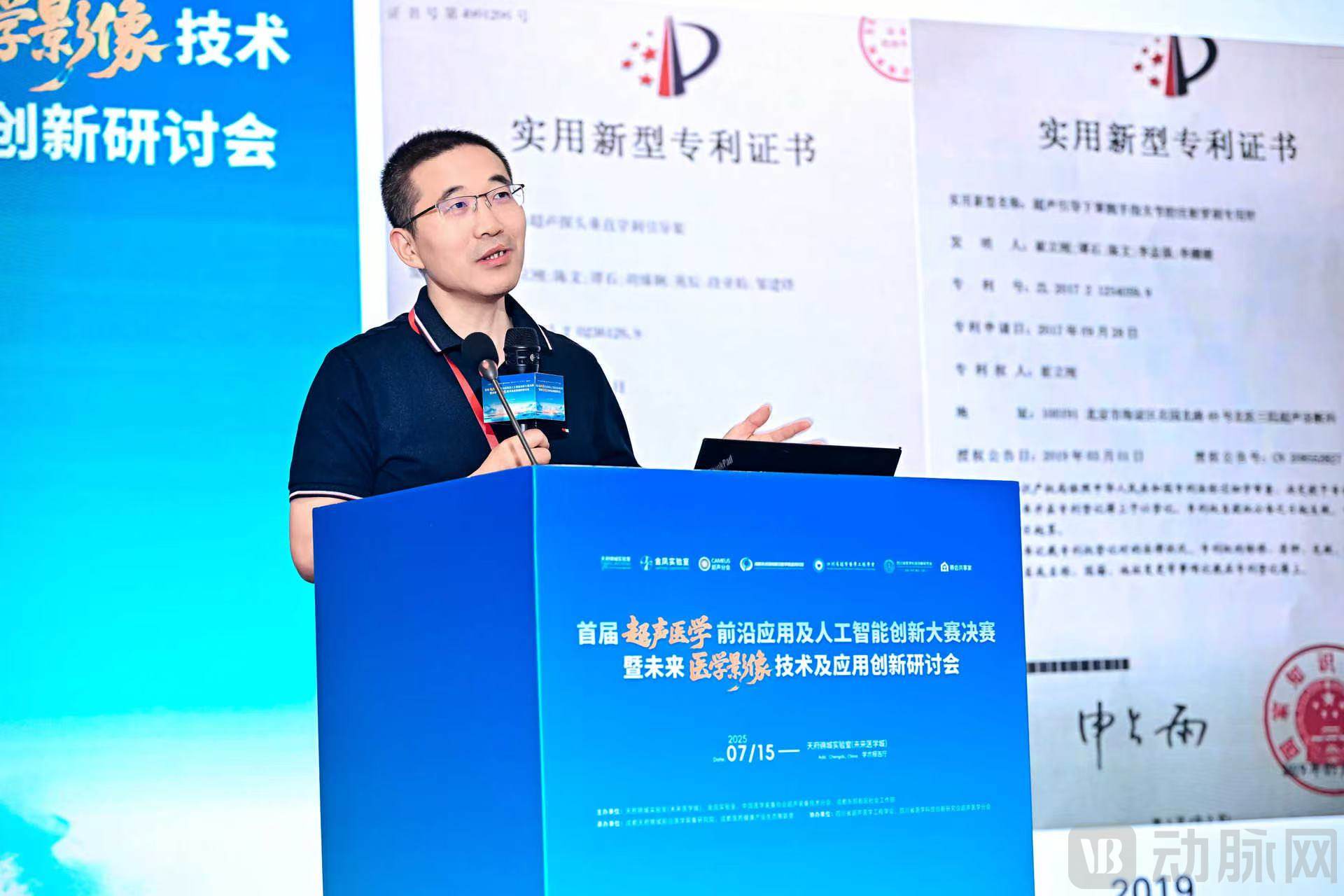 Cui Ligang, President of the Ultrasound Equipment Technology Branch of the China Association of Medical Equipment and Director of the Department of Ultrasound Medicine at Peking University Third Hospital
He Dean, Deputy Director of the Institute of Biomedical Engineering Technology and Director of the Department of Biomedical Engineering at Fudan University, delivered a presentation titled “Low-Intensity Pulsed Ultrasound Modulation Therapy: Methods and Applications,” introducing the extensive applications of low-intensity pulsed ultrasound (LIPUS) in the therapeutic field. He elaborated on how the thermal and mechanical effects of ultrasound promote tissue repair and regeneration, and cited application cases across various conditions, including osteoporosis, soft tissue injuries, muscle atrophy, diabetes, and hypertension. Professor He Dean stated that ultrasound therapy offers advantages such as non-invasiveness, precise modulation, and a broad range of indications, and he presented his team’s research achievements in this area.
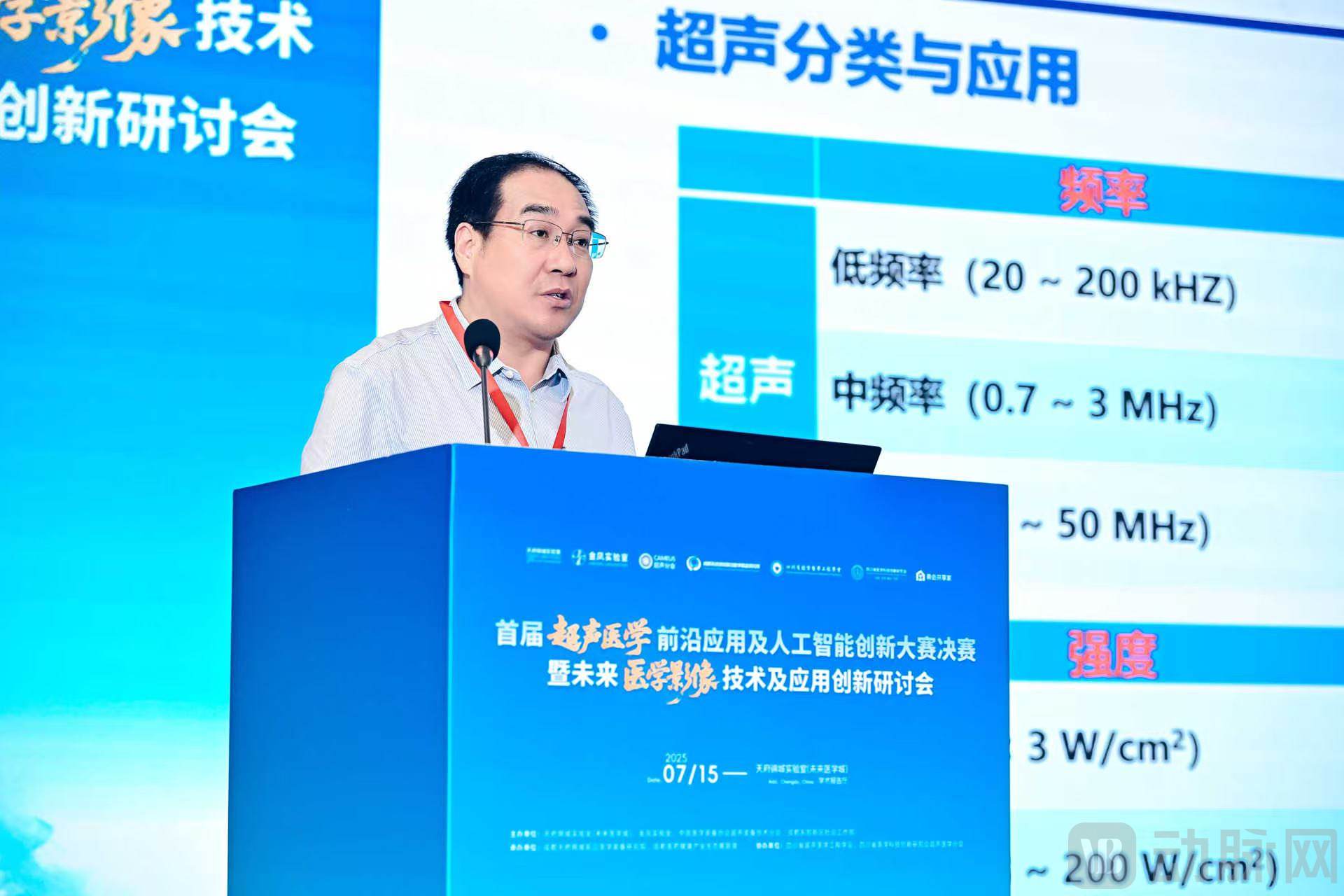 He De'an, Deputy Director of the Institute of Biomedical Engineering Technology at Fudan University and Director of the Department of Biomedical Engineering
Chen Ke, an associate professor at the School of Biomedical Engineering, Sichuan University, presented his team’s intelligent research achievements in ultrasound screening for fetal cranial malformations under the theme “Research on Intelligent Localization Methods for Standard Planes in Ultrasound Screening of Fetal Cranial Malformations.” The work includes generating standard imaging planes using 3D ultrasound data and reinforcement learning techniques to improve the accuracy and efficiency of screening. Professor Chen stated that the team will next focus on enhancing algorithm efficiency to achieve real-time guidance and expanding data sources.
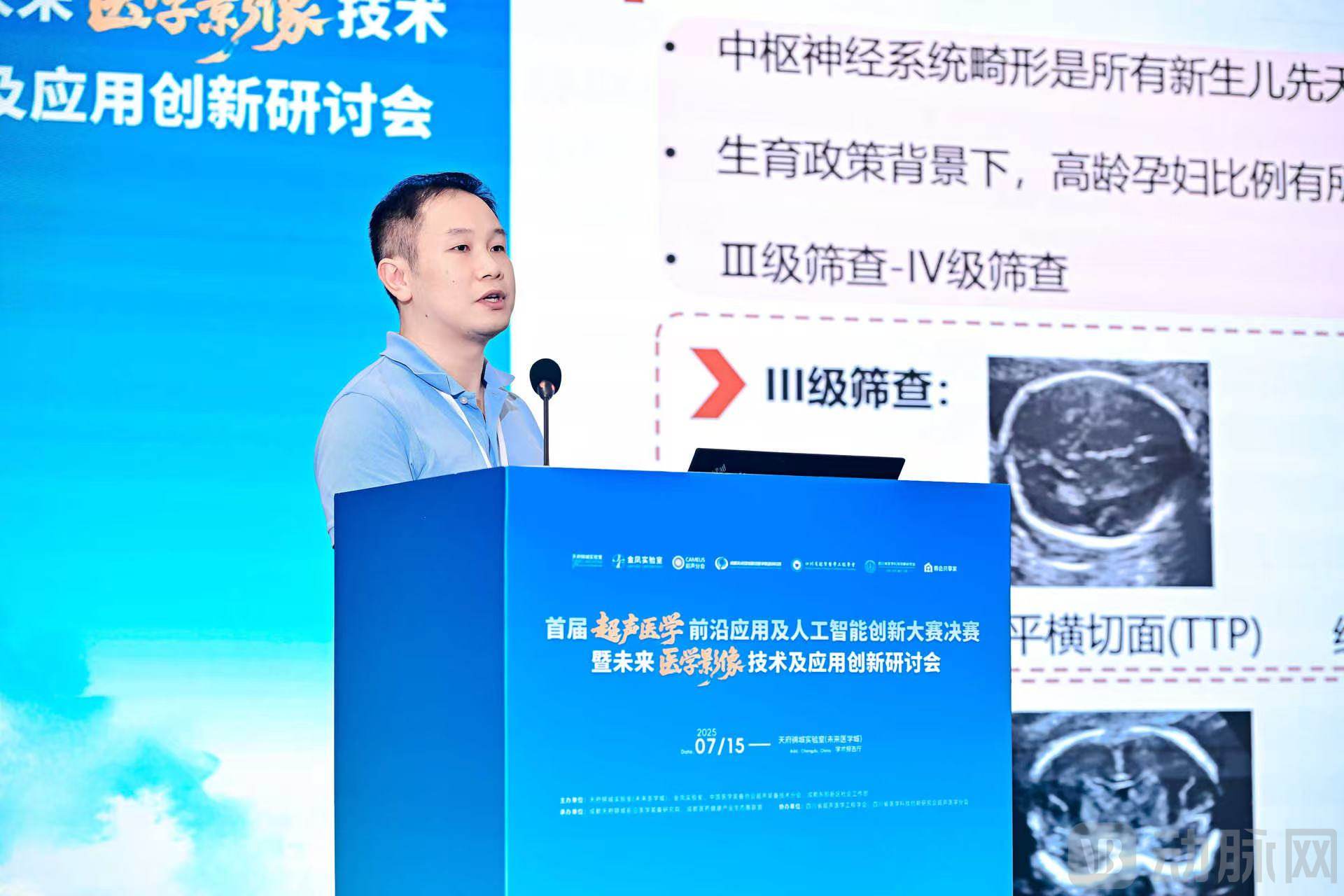 Chen Ke, Associate Professor, School of Biomedical Engineering, Sichuan University
Guo Hongcheng, Assistant Professor at Fudan University and Advisor at Dolphin Intelligence, presented on “Applications of Large Models in Ultrasound.” He highlighted the advantages of large models in ultrasound medicine, including comprehensive coverage of the entire workflow, strong interpretability, and promotion of equitable distribution of medical resources. He also demonstrated their applications in scenarios such as real-time quality control, intelligent report generation, appointment optimization, and examination assistance. Looking ahead, there is significant potential to further explore lightweight deployment, integration with cloud computing, and the development of ultrasound AI agents.
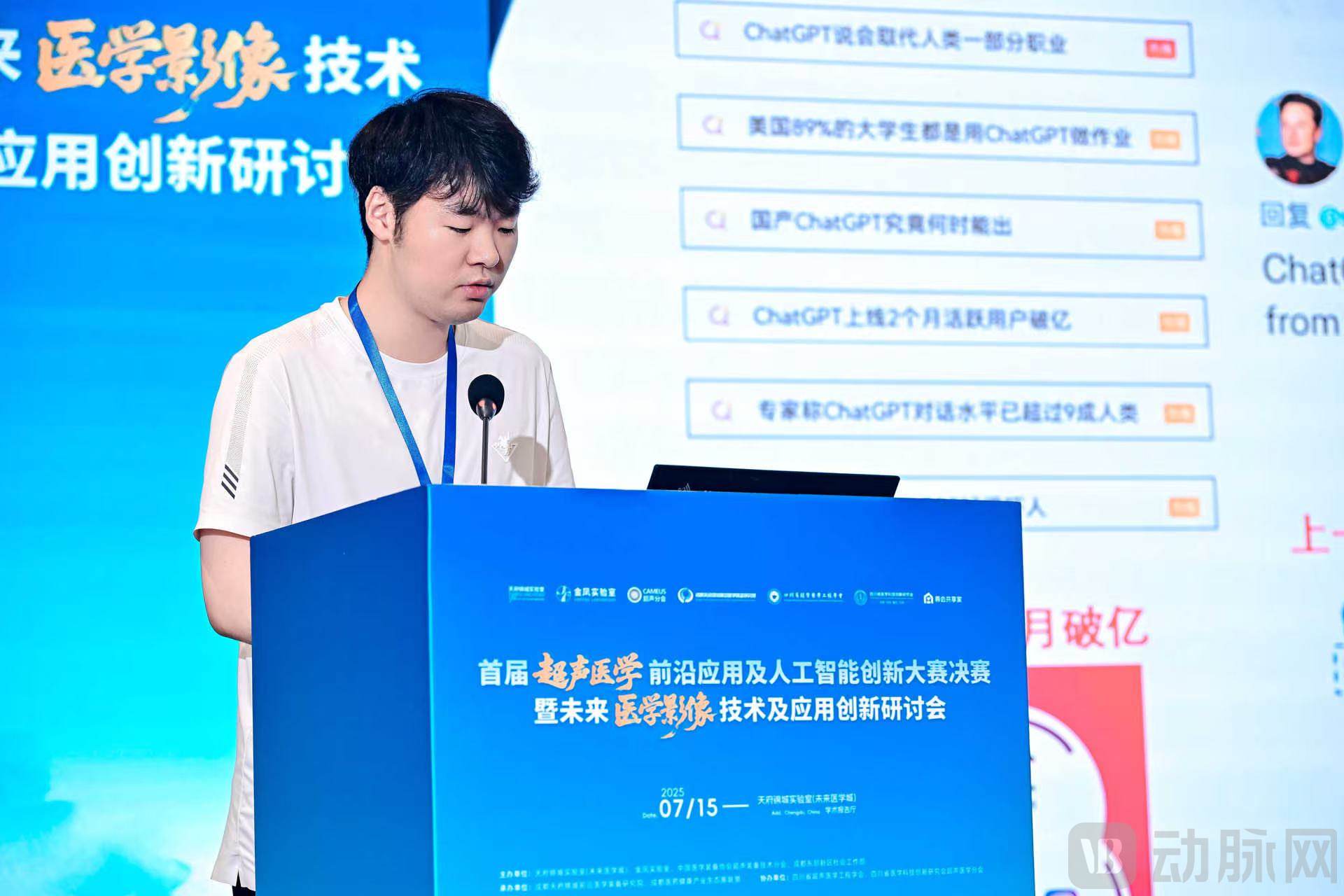 Guo Hongcheng, Assistant Professor at Fudan University and Advisor to Dolphin Intelligence
At the conclusion of the conference, Li Daiwei, Director of the Chengdu Future Medical City Administration, presented the “Tianfu Jincheng Laboratory (Future Medical City) Priority Admission Pass” to the project teams that had earned priority admission status in the competition.
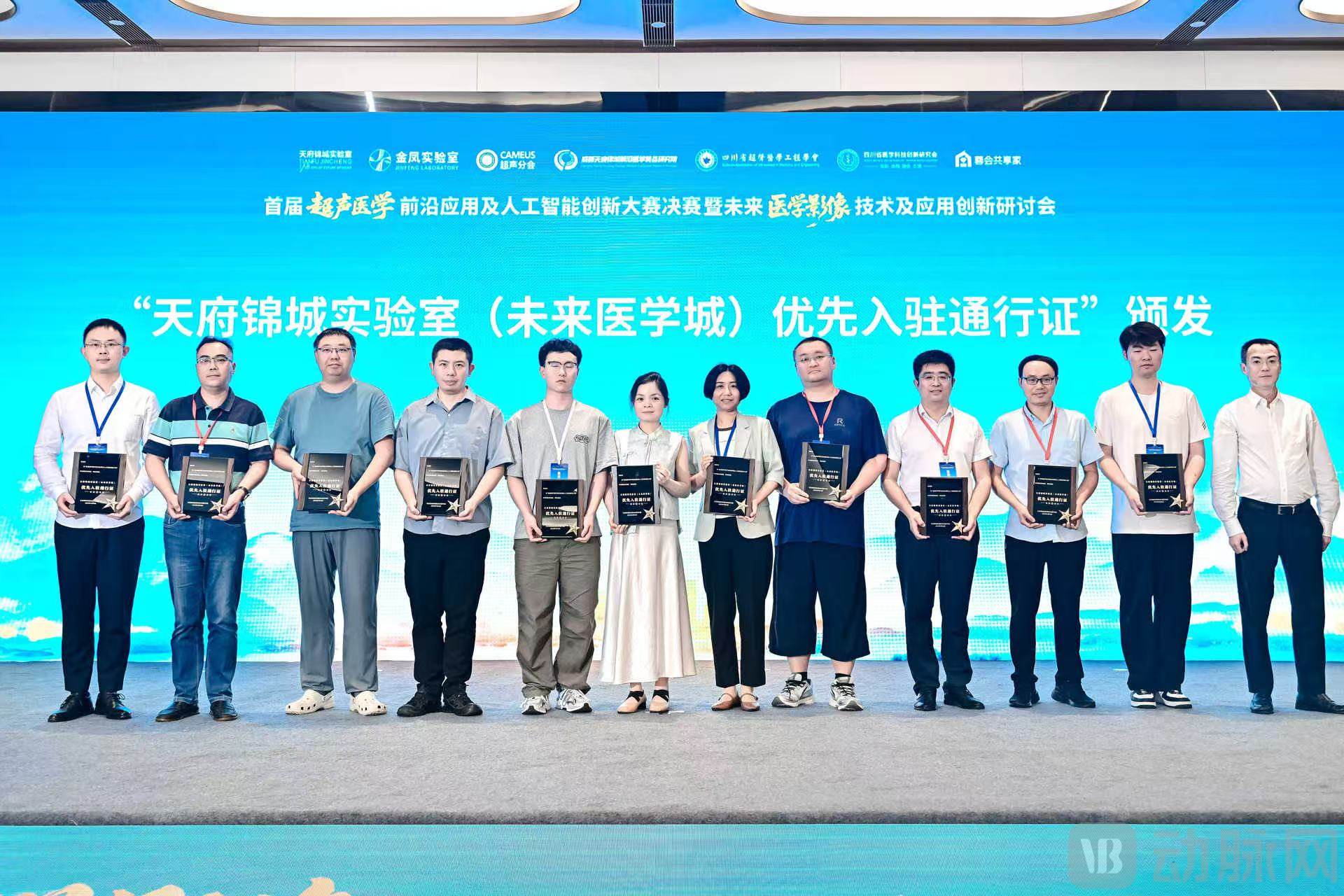 “Laboratory Priority Access Pass” Awarded
The successful hosting of this competition and symposium has not only provided new insights and directions for the integrated development of ultrasound medicine and artificial intelligence, but also established a high-level platform for exchange to foster industry-academia-research-application collaboration in the field of medical imaging. The innovative projects and cutting-edge technologies showcased in the competition are poised to generate more impactful innovations in the future, driving continuous progress in ultrasound medicine and making significant contributions to improving healthcare quality and benefiting patients worldwide.
At the same time, this marks a new step forward for Chengdu Future Medical City in building an innovative development system featuring deep integration across the entire “medical care, education, research, and industry” chain. As breakthrough scientific achievements reach the “last mile” of industrialization and commercial implementation, the hosting of innovation competitions and the empowerment by various industrial factors precisely reflect the diverse support provided by the healthcare system to innovators.
Going forward, Chengdu Future Medical City will leverage this competition as an opportunity to further deepen its artificial intelligence industry layout. With technological innovation and the commercialization of research achievements as its core drivers, it will advance innovation-driven industrial development in depth, attract top-tier global innovation resources, support Chengdu in building a highland for the bioindustry, and inject “Chengdu momentum” into the Healthy China initiative.