

Bowellmei Innovates Medical Waste Treatment Technology to Empower Eco-Friendly Solutions in Remote and Special Scenarios
Medical waste refers to waste generated by healthcare institutions during medical, preventive, healthcare, and other related activities that possesses direct or indirect infectiousness, toxicity, and other hazardous properties. In contemporary society, the safe disposal of medical waste has become a critical issue in the field of public health. Due to factors such as transportation distances and weather conditions, centralized disposal methods in remote areas fail to meet the requirement of disposing of medical waste within 48 hours. Currently, the state is promoting on-site harmless disposal of medical waste in remote areas.
According to Zhang Chenyin, founder of Xiamen Baowomei Biotechnology Co., Ltd. (hereinafter referred to as “Baowomei”), “The company closely aligns with national policy requirements to address the long-standing challenge of medical waste disposal in remote areas. Leveraging its innovative ‘microwave disinfection + high-temperature steam’ technology, Baowomei has provided a novel solution for medical waste disposal in special scenarios such as remote regions, islands, and military field exercises.”
Founded in 2020, Baowomei has identified an innovative path by developing compact medical waste disposal equipment and implementing innovative solutions to enhance public health safety, following in-depth research into the development trajectory of medical waste management in overseas countries and an analysis of the pain points associated with centralized medical waste disposal in China.
Regarding the disposal of medical waste, incineration and high-temperature steam treatment have been historically employed. Incineration tends to generate highly toxic substances such as dioxins and furans. Due to the risk of secondary pollution from ash and slag, further processing is often required, which significantly increases treatment costs and environmental risks. Meanwhile, high-temperature steam treatment imposes certain limitations on the types of medical waste it can process, and the disposal of its residues remains relatively complex.
Baowomei has adopted “microwave disinfection technology” for medical waste treatment. This technology is low-risk, cost-effective, safe, and environmentally friendly. It enables the rapid conversion of medical waste into non-hazardous waste within a short period. In practice, Baowomei has implemented a combined approach that integrates microwave disinfection with high-temperature steam treatment. This synergy provides stronger penetration, higher treatment efficiency, and lower energy consumption, making it particularly suitable for processing difficult-to-treat wastes such as dressings and plastic products.
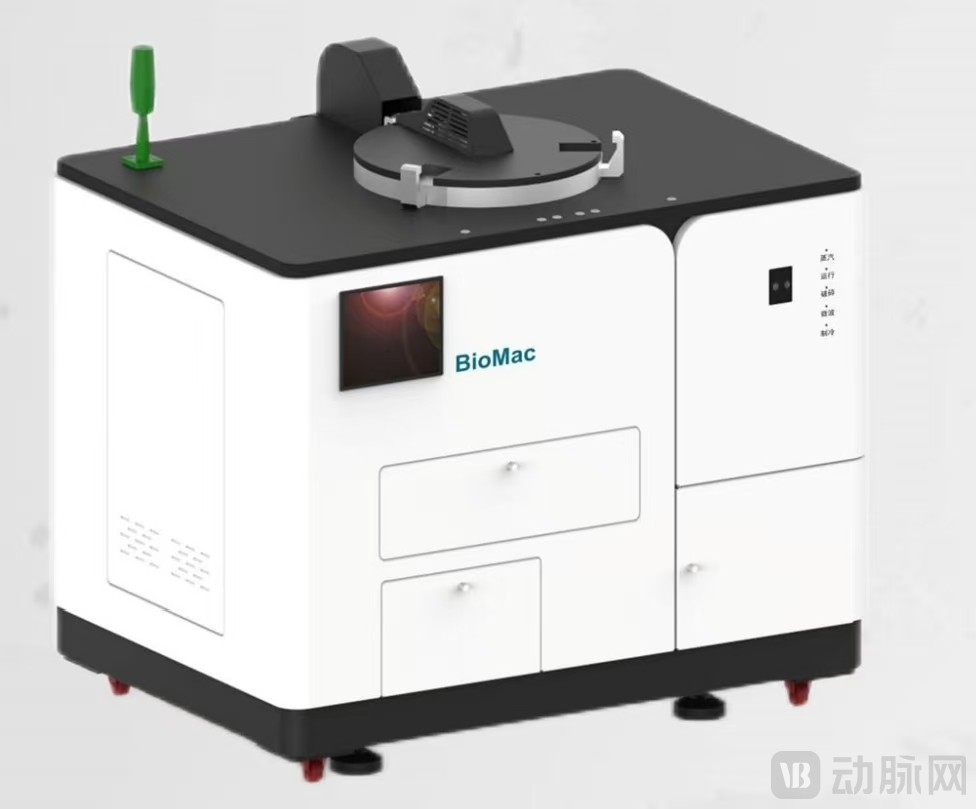
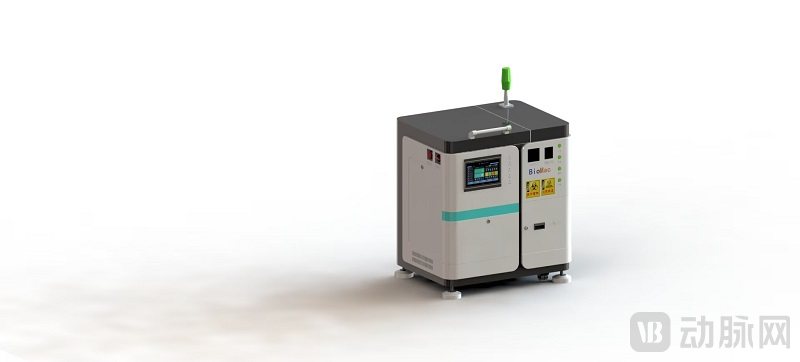
Currently, Baowomei has designed four products based on the aforementioned technology, including the E50 (daily processing capacity of approximately 100 kg), E100 (daily processing capacity of approximately 200 kg), E200 (daily processing capacity of approximately 400 kg), and E400 (daily processing capacity of approximately 800 kg) series. These four models can be combined to meet the needs of institutions of varying scales.
“The E50 model is currently the smallest microwave-based medical waste disposal device on the market, featuring a compact footprint and plug-and-play functionality. Additionally, the equipment is equipped with an intelligent management system: it includes an AIoT smart monitoring platform that enables real-time monitoring of temperature, pressure, and sterilization efficacy, and automatically generates electronic ledgers for seamless integration with medical waste regulatory platforms. We have established a ‘three-code-in-one’ traceability system, which tracks the QR code on medical waste bags (source information), the chip code of the disposal equipment (process parameters), and the residue label code (destination tracking).”
The founder of Baowomei emphasized, “By integrating precision mechanical design, self-cleaning capabilities, and intelligent control, we have addressed the challenges of high operational risk and high running costs associated with traditional medical waste treatment. During product development, designing the shredding blades posed a significant challenge. Given the complex composition of medical waste, which often contains intertwined metals, cotton, and linen, the Baowomei team conducted extensive research and developed a combined blade assembly capable of effectively processing all these materials. The equipment’s performance has been validated through long-term operation. For instance, our system can shred multiple protective suits—the most difficult items to process—in a single cycle.”
The Regulations on the Management of Medical Waste clearly stipulate that “medical and health institutions shall establish temporary storage facilities and equipment for medical waste, and shall not store medical waste in open-air areas; the temporary storage period for medical waste shall not exceed two days.”
However, due to factors such as transportation capacity and costs, it is difficult to achieve the transfer and disposal of medical waste in remote areas within 48 hours. Additionally, influenced by the relatively small volume of medical waste generated by some primary healthcare institutions and the relatively high management expenses, issues such as untimely transfer and illegal dumping of medical waste persist.
Baowomei stated that, driven by policy initiatives, the demand for medical waste disposal in remote areas is continuing to grow. Furthermore, as healthcare institutions enhance and refine their services, the volume of medical waste generated is also on a steady rise. Shifting from the traditional “centralized treatment” model to a “distributed treatment” approach will undoubtedly better meet the requirement for medical waste disposal within 48 hours.
The state’s explicit allowance for treated medical waste to enter the municipal solid waste incineration system has made this possible.
As one of its exploratory initiatives, Baowomei has developed the “On-Site Disposal Model within Healthcare Facilities”—by deploying Baowomei’s intelligent medical waste sterilization units, healthcare institutions in remote areas can achieve on-site disposal of medical waste.
Furthermore, addressing the issue of low medical waste generation in primary healthcare institutions, Baowomei pointed out that these facilities could consider adopting the “1+N” model within a Medical Consortium—where one central hospital is equipped with disposal facilities to serve N primary institutions. Combined with the “small container into large container” policy, this approach enables the disposal of medical waste from remote areas within 48 hours.
Given the limited fiscal resources in remote areas, infrastructure development largely relies on aid-assisted construction. Baowomei is also supporting local infrastructure development by collaborating with aid-providing entities through technology transfer and facility construction assistance. According to Baowomei, its current cooperation models are diverse, including preferential supply, technical collaboration, consortia, franchising, and operation and maintenance partnerships.
To integrate resources and better promote the disposal of medical waste in remote areas, Baowomei is also driving the establishment of the “Remote Area Zero-Waste Medical Alliance.” According to Baowomei’s plan, the alliance will comprise multiple stakeholders. Specifically, government and regulatory authorities will be responsible for formulating relevant policies and providing guidance on the use of related equipment; medical institutions will be tasked with deploying such equipment and implementing tiered management of medical waste treatment functions; and manufacturers will handle equipment installation, commissioning, after-sales service, and other related matters, thereby achieving optimal resource allocation.
“By decentralizing technology to address disposal challenges, leveraging public-welfare partnerships to bridge funding gaps, and driving policy innovation to dismantle institutional barriers, we will ultimately achieve a sustainable closed-loop system for the harmless treatment and resource recovery of medical waste in remote areas,” stated Baowomei.
Given the unique realities of remote county-level areas, Baowomei’s second strategic initiative is to tap into the market for municipal solid waste incineration in counties, thereby generating greater economic value for society.
Founder Zhang Chenyin stated that the decision to target this market was primarily driven by the following factors:
First, waste-to-energy plants in county-level areas have long suffered from the dual problems of “insufficient feedstock” and “poor-quality feedstock.” Due to characteristics such as limited fiscal capacity, these regions already face the dilemma of being unable to afford plant construction. This situation is further exacerbated by low-capacity operations, unstable calorific values, and poor economic viability.
Second, medical waste disposal centers face the dual challenges of poor operational economics for disposal companies and difficulty in adhering to the 48-hour collection and treatment requirement, due to characteristics such as being “close to fire but far from water” (i.e., high risk yet remote from supportive resources), low volumes of medical waste, and dispersed generation points. In addition, data regulatory oversight remains another significant challenge.
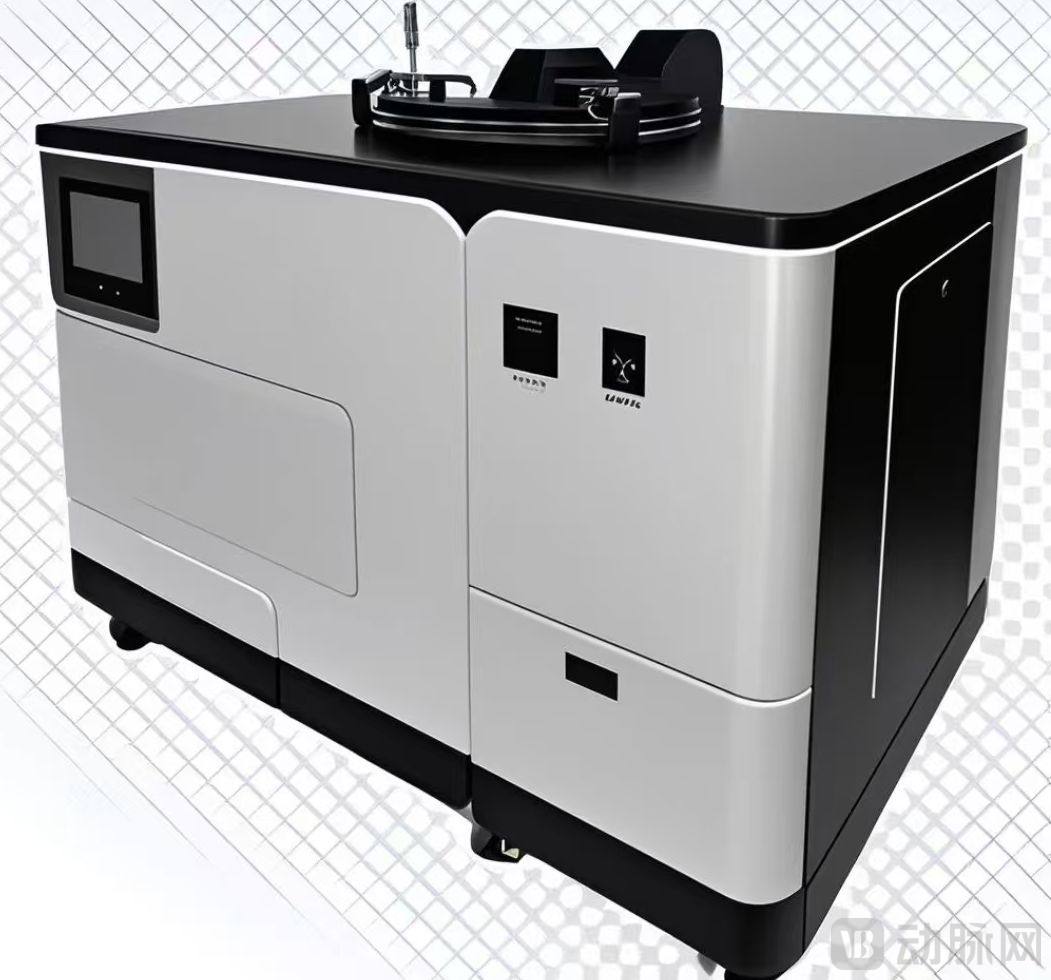
The installation of Baowomei microwave treatment equipment at county-level incineration centers can effectively address the two major challenges mentioned above. After processing medical waste, the equipment produces high-calorific-value refuse-derived fuel (RDF)—medical waste (primarily plastics and fiber products) that has been shredded, disinfected, and dewatered. This process significantly reduces moisture content and markedly increases calorific value. For incineration centers, blending this RDF into municipal solid waste in controlled proportions can substantially raise the overall calorific value of the mixed waste, thereby boosting power generation and delivering greater economic benefits to the facilities.
In this model, medical waste can be disposed of locally. This translates to lower transportation costs for medical waste, while incineration facilities can also obtain refuse-derived fuel with a higher calorific value.
The on-site disposal solution for Baowu Midea features low investment and rapid results.
Deployed in certain urban areas, it can effectively supplement the shortcomings of centralized disposal, meeting the "dual-use for routine and emergency" needs to respond to public health emergencies. For instance, the 2025 H1N5 outbreak in France led to a surge in medical waste, exposing insufficient global emergency reserves for medical waste treatment and highlighting the demand for such equipment. Deployed in remote areas far from city centers, it addresses practical difficulties in medical waste transportation, serving as a beneficial complement to centralized disposal and providing a cost-effective solution for achieving 48-hour medical waste treatment. Furthermore, through digitalization, it can effectively enhance data supervision capabilities for medical waste disposal.
Currently, Baowomei is primarily expanding into the markets for county-level hospitals, waste incineration centers, as well as universities and laboratories. Meanwhile, Baowomei has indicated that overseas markets will be a key focus of its future exploration. The company is currently in negotiations with several prominent domestic enterprises and overseas companies to develop international markets.
Baowomei points out that over the next five years, China’s medical waste management industry will undergo a transformation from “passive disposal” to “proactive prevention and control + resource circulation,” driven by regulatory pressure and technological innovation. Baowomei is committed to leading the development of “Zero-Waste Hospitals” through technological innovations (such as real-time disinfection and IoT-based traceability), business model restructuring (distributed processing), and standard-setting (non-incineration compliance).
To this end, Baowomei will further develop a modular product matrix by introducing equipment in various specifications to cover facilities ranging from tertiary hospitals to community health centers. It will implement an integrated “technology + service” model—offering equipment leasing, consumables supply, and operations and maintenance training—to lower the entry barriers for hospitals. Additionally, it will establish regional collaboration networks by co-building county-level medical waste disposal centers with local governments to enable shared infrastructure.
Achieving these results is attributable to Baowomei’s technology and team. On one hand, Baowomei possesses a patent cluster that underpins its technological uniqueness. Currently, the company holds 27 patents. By leveraging linked mechanical structures to enable multi-sided synchronous cleaning, one-touch operation, and remote control, it significantly reduces operation and maintenance costs while enhancing the equipment’s applicability in grassroots settings. On the other hand, the intelligence of its equipment stands out. Equipped with an intelligent control system, it enables automated monitoring of the sterilization process. Furthermore, Baowomei boasts an excellent team. Founder Zhang Chenyin brings 22 years of executive experience in foreign-funded enterprises, specializing in leading R&D teams for cutting-edge electronic and structural technologies as well as corporate operations management. The R&D team comprises talented professionals from diverse fields, including mechanics, circuitry, and software development. Five years of collaboration have resulted in exceptionally high R&D efficiency.
“Baowomei’s core strength lies in transforming patented technologies into lightweight products that address the specific pain points of grassroots healthcare facilities. In a blue-ocean market with limited competition, and as the on-site medical waste disposal sector undergoes a paradigm shift from ‘centralized incineration’ to ‘distributed intelligence,’ Baowomei is poised to secure a significant position in the future market by leveraging its first-mover technological advantage and keen policy sensitivity,” stated Baowomei.