

Global Top 20 Pharma Giants Converge at BFC Healthcare Summer Symposium to Decode BD Logic
Recently, the annual“BFC Healthcare Summer International Business Cooperation and Investment Seminar”(hereinafter referred to as the “Symposium”) concluded successfully in Boston, United States. The conference attracted participants from around the worldOver 300 healthcare industry leaders and professionals participated, among which there is no shortage ofAstraZeneca, Eli Lilly, Merck & Co., Sanofi, Novartis, Novo Nordisk, Roche, Johnson & Johnson, Takeda, Pfizer, Boehringer Ingelheim, Astellas Pharma, Daiichi Sankyo, Servierincluding representatives from the top 20 global pharmaceutical companies and partners from leading U.S. dollar-denominated investment firms.
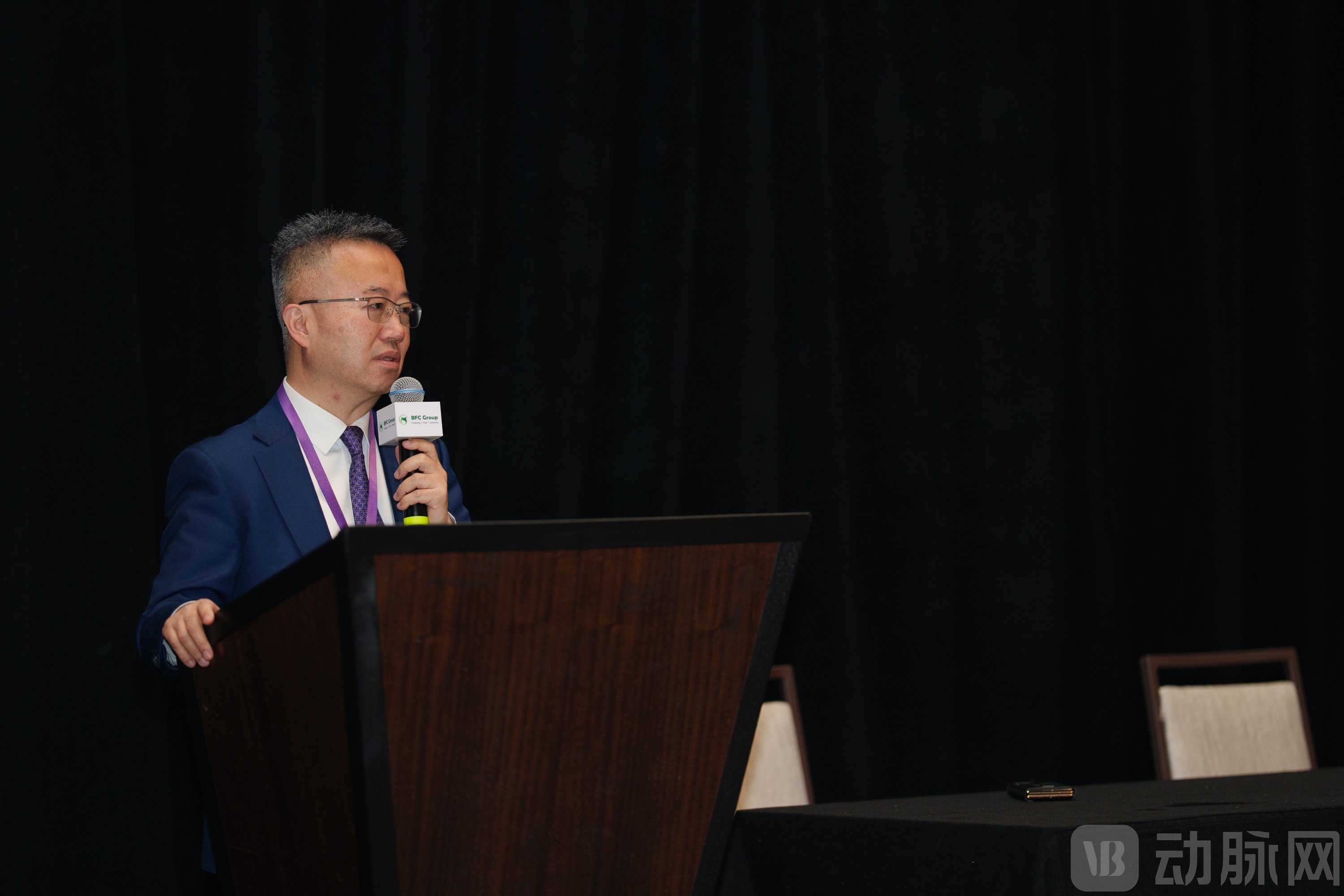 Figure 1. BFC Group founder David Chen delivers the opening report: “Cross-border Licensing Trends”
It is reported that the conference deeply focused on the development trends and cross-border cooperation opportunities for biopharmaceutical companies in the United States and Asia, covering multiple dimensions such as capital market dynamics, business development (BD) transactions between enterprises, and strategic cooperation models. The conference featured three specialized panels, respectively centered aroundDrivers of Transactions Between Biopharmaceutical Companies, Strategies for Maximizing Collaborative Benefits, and the Real Needs and Evaluation Criteria of Buyers and Sellers in Project MatchmakingSparked intense discussions. As the conference organizer, David Chen, Founder and Managing Director of BFC Group, delivered the opening remarks, laying the groundwork for subsequent discussions.
According to many industry experts, 2025 will mark the inaugural year of business development (BD) transactions for innovative drugs in China, with overall transaction data expected to reach new highs. This trend has been well substantiated in the first five months of this year, as statistical data show thatFrom January to May 2025, the total value of overseas business development (BD) transactions for innovative drugs from China reached $45.5 billion, surpassing the full-year transaction volume of 2023.. It is evident that BD transactions are becoming increasingly heated; however, this makes it all the more important to remain rational, especially in the current market winter, where every decision is critical.
Consequently, this global business development (BD) dealmaking conference, with its focus on frontline practices, has garnered significant attention within China’s pharmaceutical industry. In light of this, VCBeat has partnered with BFC Group to provide an in-depth synthesis of the conference content. This initiative aims to offer insights and recommendations to pharmaceutical professionals and investors alike, while also facilitating their more effective participation in global BD transactions in the future.
Why Are Global BD Deals Increasingly Focusing on China?
According to the research report,In 2024, the total value of license-out deals for Chinese innovative drugs surpassed $50 billion, accounting for 30% of the global total, an increase of nearly 10 percentage points over five years.. It is evident that an objective fact lies before us: China has become a new hotspot in the global business development (BD) market for innovative drugs.
This was also fully reflected at the “symposium,” where the topic of “innovative drugs from China” was repeatedly mentioned, and many multinational corporations (MNCs) emphasized the importance of Chinese innovative drugs and the Chinese market in their discussions. For instance, a representative from a pharmaceutical company stated during the conference, “Currently, everyone is closely following Chinese innovative drugs and actively discussing how to better collaborate with them.。”
So, what exactly are the driving forces behind this?
This should be viewed from two perspectives.First and foremost, there has been a significant overall improvement in the quality of innovative drugs developed in China.In this regard, one participant shared their personal experience, stating, “More than a decade ago, I began my career in China. At that time, looking around, most companies were generic drug manufacturers. However, the landscape has now undergone a fundamental transformation, with innovative pharmaceutical enterprises emerging in large numbers, each holding a substantial portfolio of cutting-edge achievements. Of course, this progress was not achieved overnight; rather, it is the result of multiple factors working in concert, including sustained policy incentives, comprehensive development of infrastructure, cultivation of talent pools, and the maturation of CRO/CDMO services.”
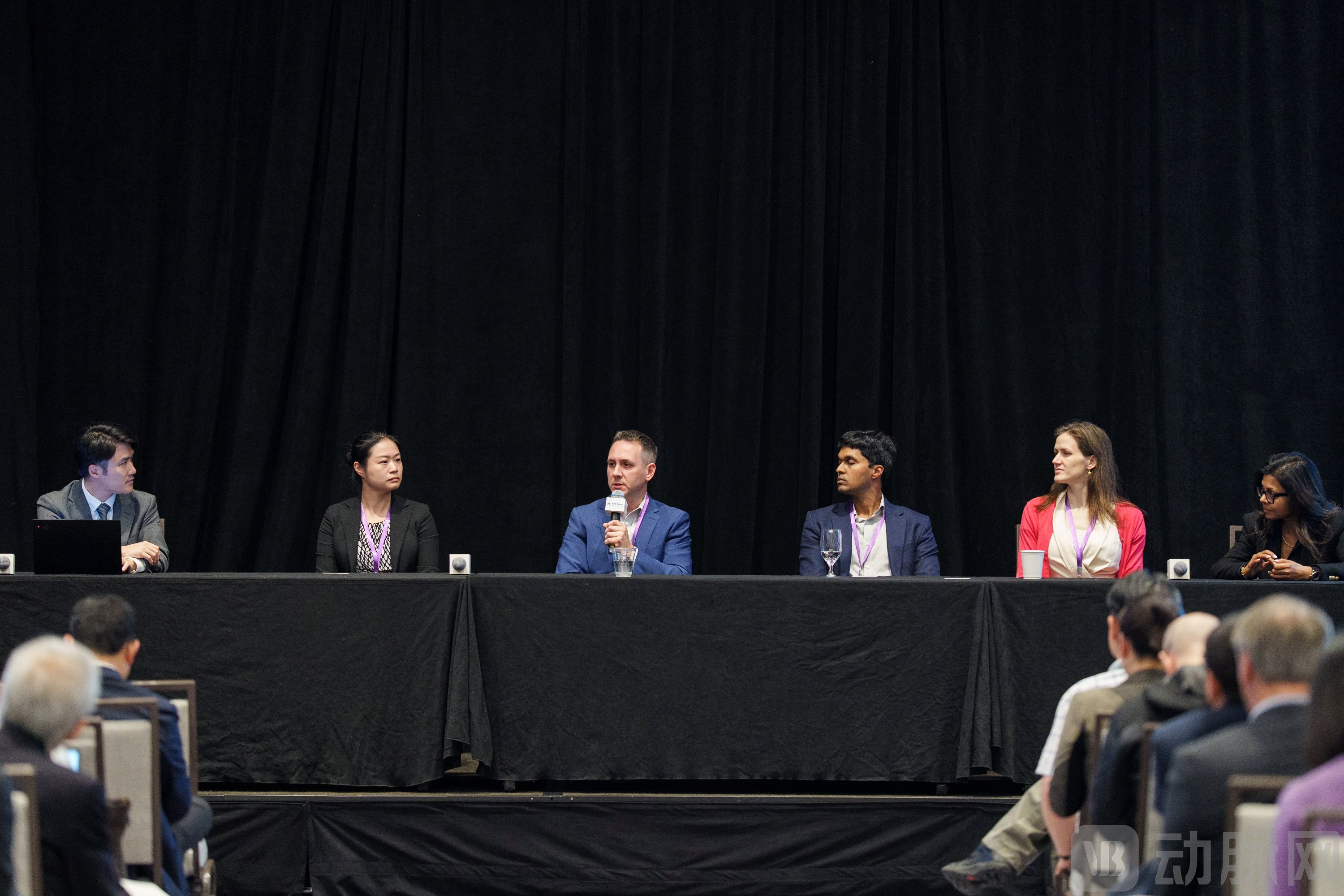 Figure 2. Panel Scene: The Rise of Asian Biotech: Why Global Pharma is Betting Big?
Furthermore, the cross-disciplinary integration across multiple fields is also regarded as one of the key factors contributing to the significant improvement in the quality of innovative drugs in China. In this regard, a representative from a pharmaceutical company stated, “In recent years, China has witnessed rapid development in biotechnology, information technology, and diagnostic technologies, with continuous integration among these fields. This has gradually fostered an ecosystem for interdisciplinary research, which is crucial for cultivating an environment conducive to the development of breakthrough innovative drugs.”
In addition to enhanced innovation capabilities, the continuous alignment of clinical standards for innovative drugs in China with international norms has also served as a crucial foundation for the surge in overseas business development (BD) collaborations. Commenting on this trend, a senior industry expert stated, “I believe the turning point occurred in 2017, when China officially joined the International Council for Harmonisation of Technical Requirements for Pharmaceuticals for Human Use (ICH). Since then, R&D efficiency in China’s pharmaceutical industry has improved significantly. A single protocol and a unified dataset can now meet the requirements of regulatory authorities both domestically and internationally, saving substantial time and resources and facilitating the emergence of multiple ‘global first-in-class’ innovations in China’s innovative drug sector.”
From the perspective of overseas pharmaceutical companies, amid patent cliffs and increasingly fierce global competition, multinational corporations (MNCs) are showing unprecedented attention to domestically developed innovative drugs.. In this regard, a representative from a multinational corporation (MNC) remarked, “In the past, our focus was primarily on mergers and acquisitions in the United States. However, with the rise of innovative drugs in China, we have strategically engaged in several collaborations. The outcomes have proven favorable, generating substantial returns that have, to some extent, offset the impact of patent expirations. Therefore, in recent years,We have been formulating transaction strategies centered on the Chinese market, continuously exploring how to integrate innovative Chinese drugs into our end-to-end process, from global R&D to commercialization.”。
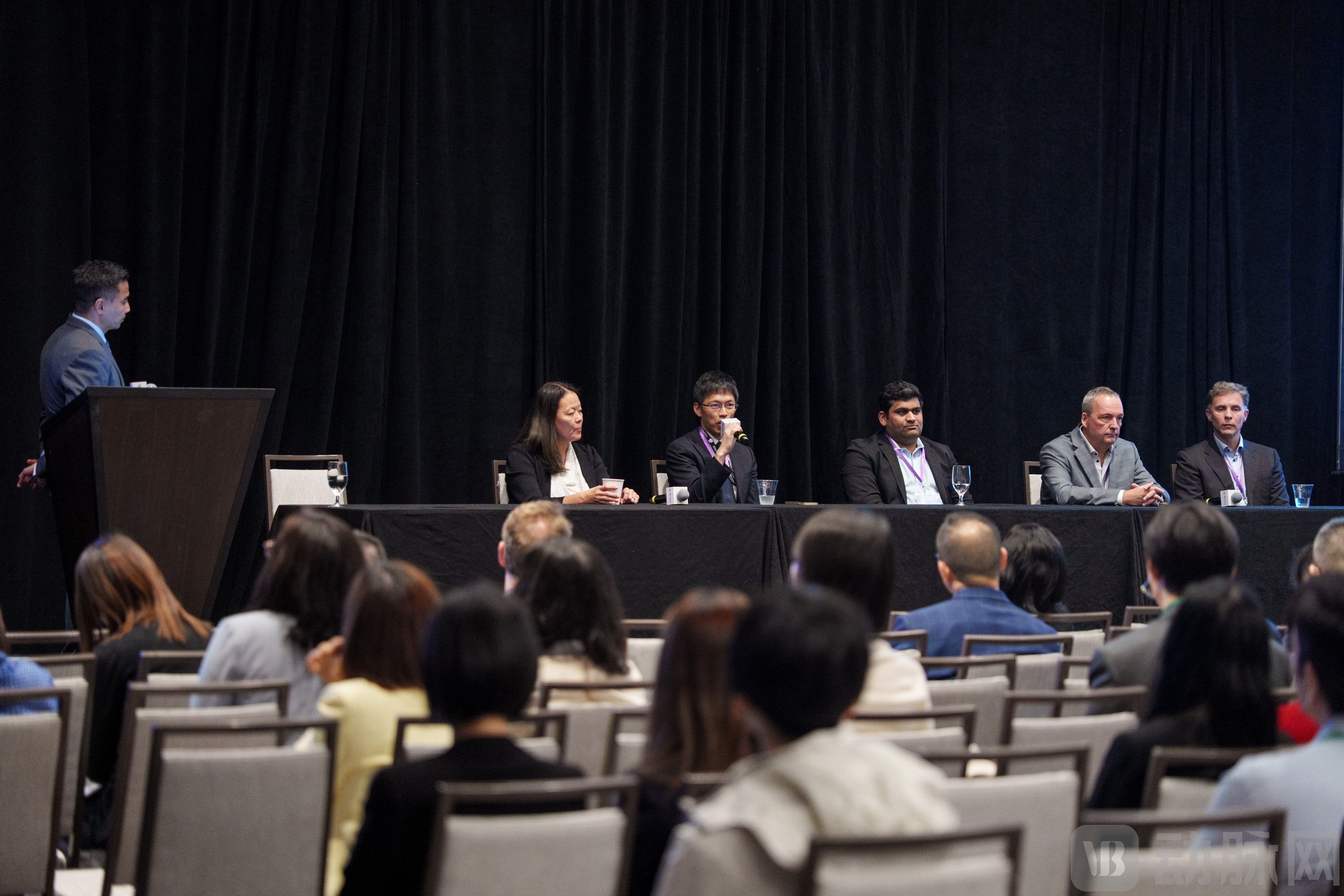 Figure 3. Panel Scene: Biopharma Investment Landscape: What's Driving Deals in 2025 and Beyond
In fact,In addition to delivering direct returns on performance, BD of innovative drugs in China can also help MNCs rapidly transform.. Take a certain multinational corporation (MNC) as an example. Originally a leader in the field of chronic diseases, the company began shifting its focus a decade ago toward innovative drugs, particularly in oncology, to seek new cash flow streams. To this end, it completed a series of licensing deals globally, including several blockbuster collaborations with Chinese pharmaceutical companies, which helped it rapidly establish its market position in the oncology sector. In fact, many overseas pharmaceutical companies are currently counting on business development (BD) initiatives involving innovative Chinese drugs to explore new market segments.
It is evident that the current global rush to acquire Chinese innovative drugs is driven by two main factors. On one hand, China’s own strengths have come to the fore, with the global competitiveness of its innovative drugs significantly enhanced by a favorable R&D environment. On the other hand, overseas pharmaceutical companies, amid the current market dynamics, are seeking to unlock new growth curves by engaging in business development (BD) deals for Chinese innovative drugs.
Which Chinese Innovative Drugs Will Be Prioritized?
According to incomplete statistics from VCBeat,Since 2023, nearly 200 Chinese innovative drugs have completed overseas business development (BD) transactions., including several blockbuster drugs such as Keymed Biosciences’ CMG901, Junshi Biosciences’ toripalimab, Hengrui Medicine’s SHR-1905, EQRx’s ECC5004, and Hansoh Biopharma’s new ADC drug HS-20093 for injection.
Amid a series of sky-high transactions, one issue has become increasingly prominent:What Types of Chinese Innovative Drugs Are More Likely to Be Favored by Overseas Pharmaceutical Companies? What Unique Characteristics Do They Possess?Based on this, multiple professionals engaged in heated discussions at the “Symposium,” which VCBeat has summarized and distilled.
First, in the category of innovative drugs, they must be first-in-class or best-in-class, or both.In response, a pharmaceutical executive stated, “Because we are primarily focused on the field of mental disorders, where the competitive landscape is relatively open and there are no mature treatment options available on the market, we have consistently prioritized first-in-class assets that can truly challenge the status quo. After all, only such disruptive innovations stand a chance of distinguishing themselves in the future.”
In relatively mature disease areas, best-in-class drugs also present significant opportunities. To this end, an executive at a foreign pharmaceutical company stated, “There is only one first-in-class, but there can be countless best-in-class.“How to become best-in-class has been a continuous topic of discussion between us and Chinese innovative pharmaceutical companies. China boasts abundant clinical resources, high R&D efficiency, and relatively low overall costs, giving it full potential to emerge as best-in-class and establish a solid foothold in the market.”
Secondly, in the innovative drug development stage, early-stage projects are clearly more favored.According to a report released by PharmaCube, in 2024, up to 64% of overseas transactions involving Chinese innovative drugs were at the preclinical stage, while only 13% were at Phase III or later. It is evident that foreign pharmaceutical companies are still primarily focusing on early-stage pipelines when engaging in business development (BD) for Chinese innovative drugs.
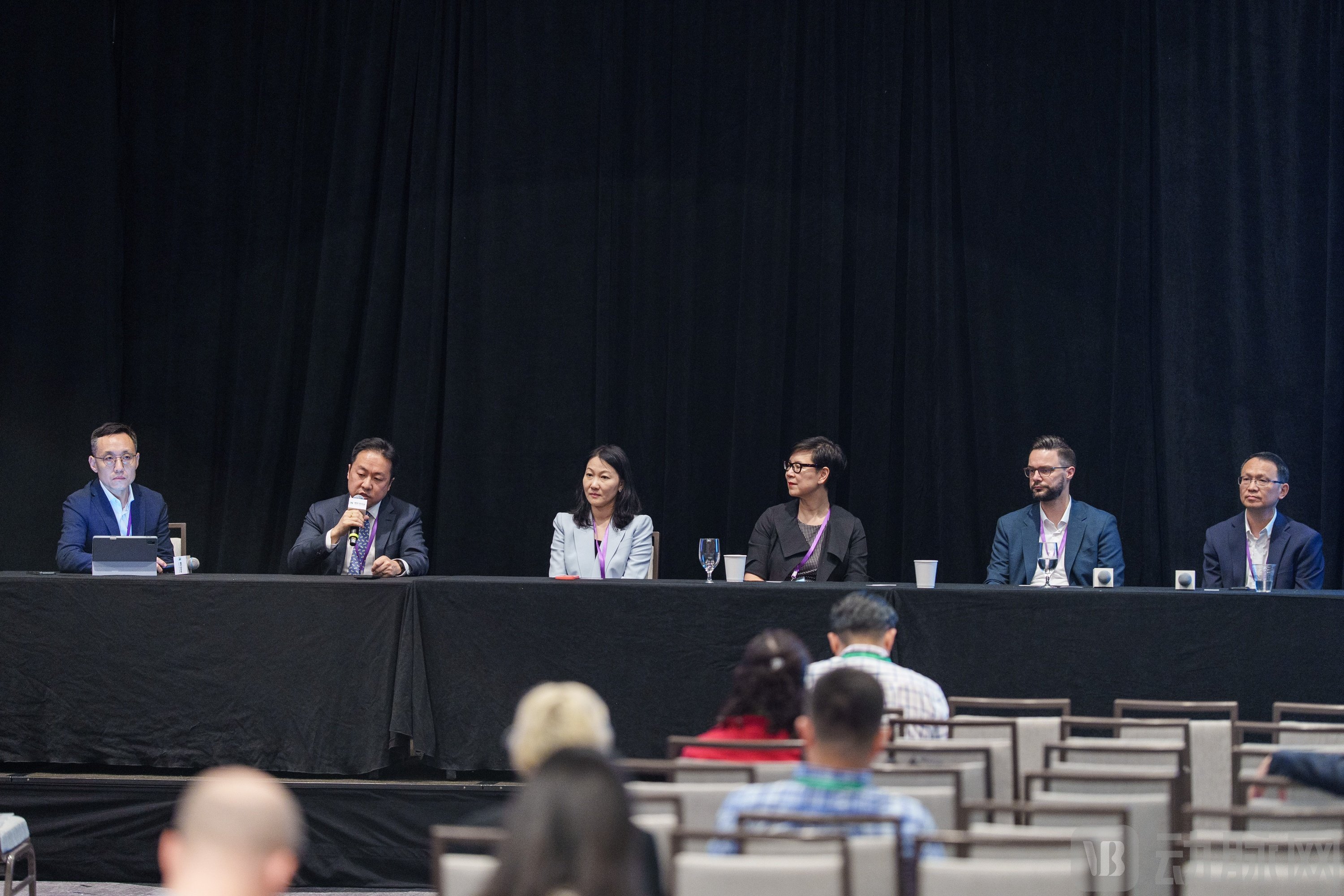 Figure 4. Panel Session: Maximizing Global Value from Asia's Early-Stage Biotech Innovation
This is not difficult to understand. At this “symposium,” the head of business development (BD) at a pharmaceutical company provided the answer: “We are more focused on early-stage pipelines in the Chinese market,This is partly due to its high cost-effectiveness., the project is somewhat competitive and reasonably priced, so even if it fails, the losses would not be substantial;On the other hand, with regard to our early-stage pipeline, we can also maximize our advantages., for instance, in advancing Phase II and III clinical trials, as well as in subsequent regulatory approval, market launch, and commercialization stages, we possess extensive expertise to provide the support needed by Chinese innovative pharmaceutical companies, thereby maximizing the benefits of our collaboration.”
Finally, in terms of focus areas, oncology still accounts for the majority, while fields such as autoimmune diseases and neuroscience are beginning to emerge.In his opening report, David Chen presented the following data: Over the past six to eight years, China has invested nearly $500 billion in the broader biopharmaceutical industry, with oncology being the largest area of investment. This indicates that Chinese innovative drugs have established a substantial portfolio of mature pipelines in this field, making it a key focus for overseas business development (BD) transactions. Among the 94 license-out deals completed in 2024, as many as 65 were focused on oncology, accounting for nearly 70% of the total.
However, this trend is currently undergoing significant changes. In this regard, a senior executive stated, “In the past, our business development (BD) transactions were primarily focused on oncology. However, over the past one to two years, we have observed that Chinese innovative drugs are becoming increasingly promising in the fields of immunology, neuroscience, cardiovascular diseases, and genetic disorders. Therefore, we also hope to leverage this opportunity to realize greater transaction value in these innovative therapeutic areas.”
Overall, for Chinese innovative drugs to stand out in the business development (BD) transaction market,“Differentiation” is widely recognized as the key to success. In this regard, one attendee remarked, “Global competition is becoming increasingly intense,We should avoid entering currently overcrowded sectors and instead focus on differentiation.“..., truly returning to the fundamental principles of science, what deficiencies currently remain? How should they be addressed in the future? This is what we have always been seeking, and it is also the sole criterion by which we evaluate our projects.”
A senior industry expert echoed this sentiment, stating, “In today’s era, differentiation is paramount. You must clearly showcase your most distinctive features from the outset; only then can you be remembered and ensure continuous follow-up in subsequent business development (BD) efforts.”
How to Maximize the Benefits of BD Deals?
VCBeat had previously compiled statistics,Of the 62 license-out deals completed in 2020, 25 have clearly terminated collaborations, resulting in a “return rate” as high as 40%., while the “return rates” for 2021 and 2022 have now reached approximately 20%, with many partnerships terminated this year, such as InnoCare’s orelabrutinib and CSPC Pharmaceutical Group’s ADC candidate EO-3021.
In fact, for the innovative drug industry, where the odds of success are notoriously low, this is a normal phenomenon of survival of the fittest. However, given the current market dynamics, both parties in a transaction hope to avoid this outcome as much as possible and maximize the benefits of their collaboration. How to unlock the maximum value from such partnerships was precisely one of the key topics focused on during this “symposium.”
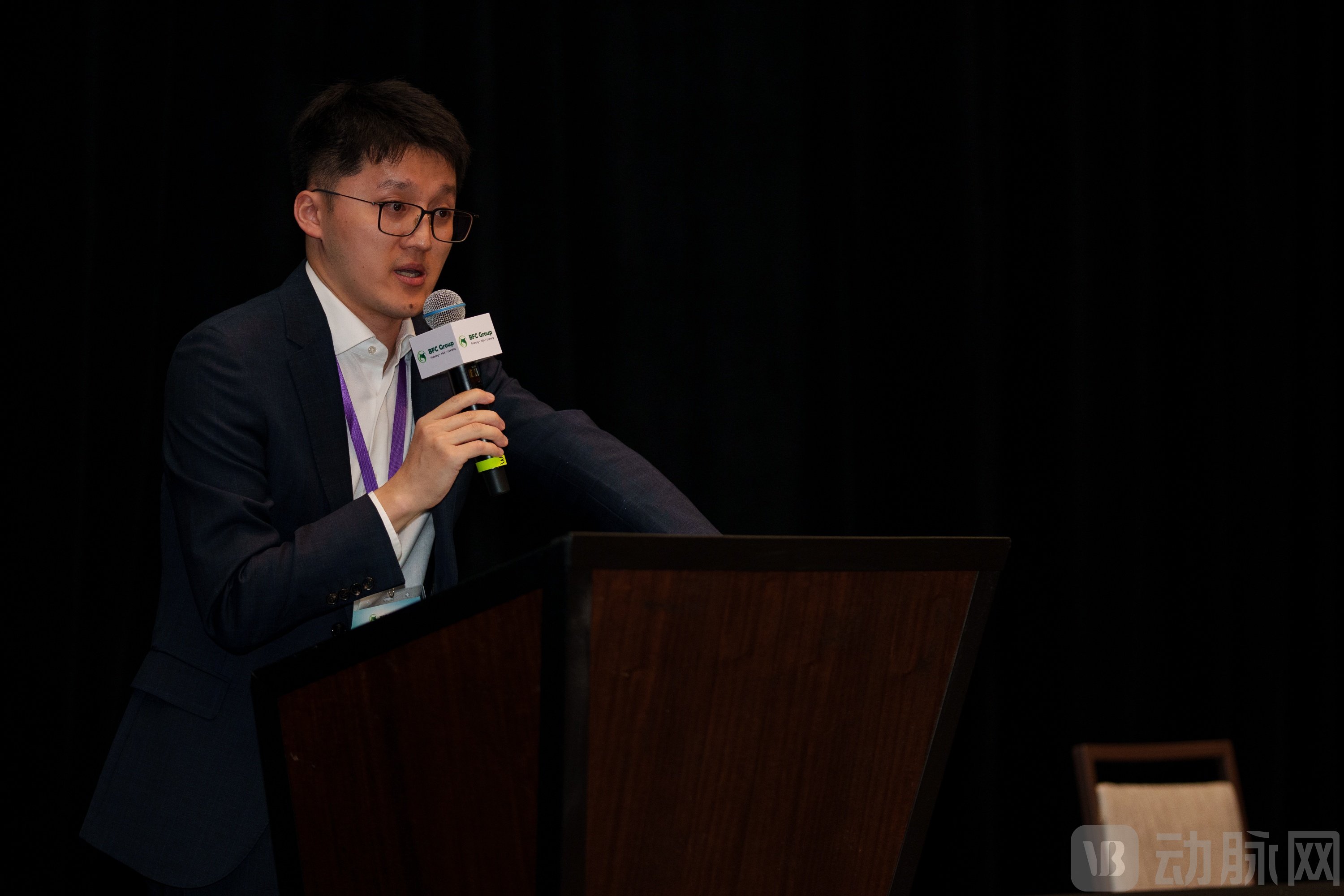 Figure 5. Henry He, Partner at Fangda Partners, Delivers a Thematic Report:
《Strategic Partnering and Cross-Border Transactions in Life Sciences》
In the view of the attendees, there are three main points:The first point is compliance.In response, a representative from a pharmaceutical company remarked, “Over the next two to three years, as business development (BD) transactions become increasingly frequent, regulatory oversight is inevitably set to tighten. For instance, regarding clinical data, we have observed that many innovative drug projects in China often fail to meet global regulatory standards. Consequently, significant challenges arise when attempting to license and integrate these assets into global development pathways. Therefore, we have been actively exploring opportunities for earlier collaboration with Chinese pharmaceutical companies to jointly formulate R&D strategies. This approach aims to seamlessly integrate Chinese innovative drugs into the global market, thereby enhancing market efficiency while ensuring quality.”
The second point is to make adequate preparations.On the one hand, you should have a thorough understanding of yourself and maintain sufficient transparency with the outside world, such as by sharing the progress of your project and its future strategic plans. On the other hand, it is essential to comprehensively grasp key information about the target company, including their specific R&D pipelines, the types of projects they prefer, who will be involved in subsequent discussions, and that individual’s communication style. Such preparatory work is indispensable.
"In this regard, one attendee stated, 'Prior to entering into transactional partnerships, it is essential to leverage external expertise by engaging professional teams to help mitigate potential risks. Take BFC Group as an example: they intervened comprehensively from the outset, offering sound recommendations based on their extensive experience and synergies with the global pharmaceutical industry. This approach afforded them significant leverage in subsequent negotiations.'"
The final point is to maintain effective communication and quickly build trust.. In this regard, a senior industry expert remarked at the conference, “Generally speaking, it is impossible to close a deal immediately after the initial conversation; rather, it is a gradual process of building trust. You need to engage with target companies as early as possible, consistently demonstrating that your project has strong market potential, your team is exceptional, you have a clear understanding of your strategic direction, you are aware of your gaps, and you have a well-defined plan to address them. Avoid spending excessive time on non-strategic areas to ensure the communication delivers genuine value.”
Clearly, to truly maximize the benefits of business development (BD) transactions while ensuring project quality and compliance, “openness and transparency” are equally critical, as they can significantly reduce unnecessary complications and disputes in subsequent collaborations.
Final Thoughts
During this “symposium,” another key topic drew significant attention, namelyDo you prefer that the pharmaceutical companies in your portfolio seek early exit through business development (BD) partnerships, or do you encourage them to go further and create their own value? Given the current industry landscape, which approach is more advantageous?
In response, a senior industry expert remarked, “These are, in fact, two distinct pathways. Some projects may be well-suited for acquisition by large pharmaceutical companies through business development (BD) deals, while others may not be as compatible. The most critical consideration is determining which approach can truly maximize the market value of the project. In fact,Whether pursuing business development (BD) or ultimately heading toward an initial public offering (IPO), these paths are not mutually exclusive; in fact, they can be pursued simultaneously. The key lies in aligning with the specific needs of the project itself.。”
Nevertheless, one thing is certain: for China’s innovative drug sector, business development (BD) will remain a perennial topic. To truly realize value from it, companies must focus on the meticulous refinement of individual projects, build relevant systemic capabilities, and maintain long-term strategic resolve.
BFC GROUP is a boutique investment bank rooted in China with a global reach, dedicated to providing advisory services for innovation and transformation in the healthcare industry. We specialize in frontier sectors including life sciences, biotechnology, pharmaceuticals, medical devices, and broader health and wellness. Our core services encompass cross-border mergers and acquisitions (M&A) and strategic integration, business development (BD) licensing transactions, and financing for innovative enterprises. Leveraging our deep presence and frontline operational experience in the three key markets of China, the United States, and Europe, we have built an extensive global network and established long-term, stable partnerships with numerous leading healthcare companies, research institutions, and investment firms both domestically and internationally. Founded in 2011, our team has successfully closed over 100 projects since inception, involving transaction values exceeding USD 10 billion.