

NeOnc Technologies Goes Public via DPO, Leveraging POH Platform to Overcome Blood-Brain Barrier in CNS Drug Delivery
NEONC Technologies
Researcher on Intranasal Inhalation Drug Delivery Therapy
In June 2024, U.S. biopharmaceutical company NEONC Technologies announced the withdrawal of its initial public offering plan. Six months later, in January 2025, this clinical-stage pharmaceutical company, focused on the treatment of brain and central nervous system (CNS) diseases, filed a registration statement with the U.S. Securities and Exchange Commission (SEC) again, explicitly aiming to list on the Nasdaq through a direct public offering (DPO).
On March 24, 2025, NEONC successfully listed on the Nasdaq Stock Market (stock ticker: NTHI). This transaction eschewed the traditional underwriter mechanism of an initial public offering (IPO), with RBW Capital Partners, a division of Dawson James Securities, serving solely as the financial advisor.
NEONC’s choice of a direct public offering (DPO) is rather distinctive: unlike a traditional initial public offering (IPO), which raises capital by issuing new shares through underwriters, a DPO does not involve the issuance of new shares, but ratherExisting shareholders directly sell their holdings to the public, with the share price determined entirely by market supply and demand.This model eliminates the need for underwriters to participate in stock underwriting, requiring only financial advisors to provide compliance support. It thoroughly achieves “disintermediation” by leaving the assessment of corporate value entirely to the market—a move that reflects confidence in one’s own strength while also meaning direct exposure to the harsher scrutiny of the capital markets.
From Voluntarily Withdrawing Its IPO to Opting for a “De-underwritten” DPO Path, NEONC Is Embracing the Capital Market’s Test in a More Market-Oriented Manner. How Will NEONC Meet Market Expectations After a Successful Listing? The Answer May Lie in the Layout of Its R&D Pipeline.
Targeting the Challenge of Blood-Brain Barrier Penetration: Developing POH-Centric Molecular Packaging Technology
NEONC Technologies, founded in 2008 and headquartered in California, USA, is a company dedicated to overcoming the challenges of brain tumor treatment. By developing unique molecular packaging technologies, it aims to breach the critical bottleneck of the blood-brain barrier, enabling precise and direct delivery of therapeutic agents to the brain, thereby providing patients with more effective treatment options.
The Blood-Brain Barrier (BBB) is a semi-permeable barrier formed by endothelial cells and constitutes a critical component of the human body’s defense system. It permits the passage of essential substances, such as oxygen and nutrient molecules, while blocking pathogens, macromolecules, and water-soluble substances from entering the central nervous system, thereby maintaining homeostasis within the brain. This highly selective physiological mechanism is achieved through tight junctions formed by endothelial cells surrounding the arterial and capillary networks in the brain, constituting a natural barrier that protects the brain.
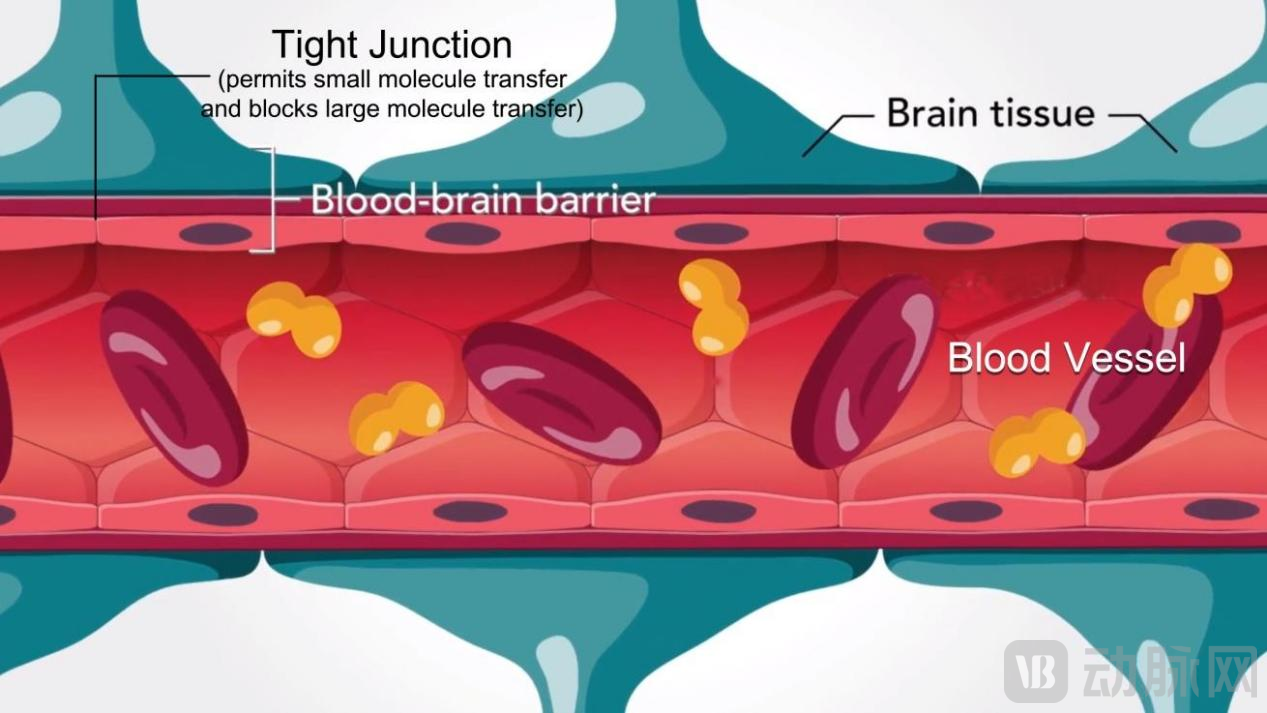
Blood-Brain Barrier (BBB) Obstruction Mechanism Source: NEONC Official Website
However, this characteristic also poses a major obstacle to the treatment of brain diseases. Most drugs are unable to effectively penetrate the blood-brain barrier (BBB) due to their large molecular weight or high water solubility. Traditional therapeutic approaches, such as intratumoral chemotherapy, intralesional injection, or implantation of an Ommaya reservoir, are only effective for superficial tumors and often prove inadequate for deeply infiltrating central nervous system tumors. Taking temozolomide (TMZ), the standard-of-care drug for glioblastoma multiforme (GBM), as an example, its macromolecular configuration and hydrophilic properties are directly blocked by the BBB, thereby hindering the drug from reaching the lesion.
In response to this challenge, NEONC has developed a proprietary technology solution centered on perillyl alcohol (POH), leveraging its molecular properties and delivery mechanisms to overcome the limitations of the blood-brain barrier (BBB).
POH is a monocyclic terpene natural compound extracted from essential oils of plants such as peppermint, sage, citrus, and lemongrass. Its molecular structure consists of a hydroxyl group (oxygen-hydrogen covalent bond), an alkynyl group (carbon-carbon triple bond), and a methylene group (carbon-carbon double bond).
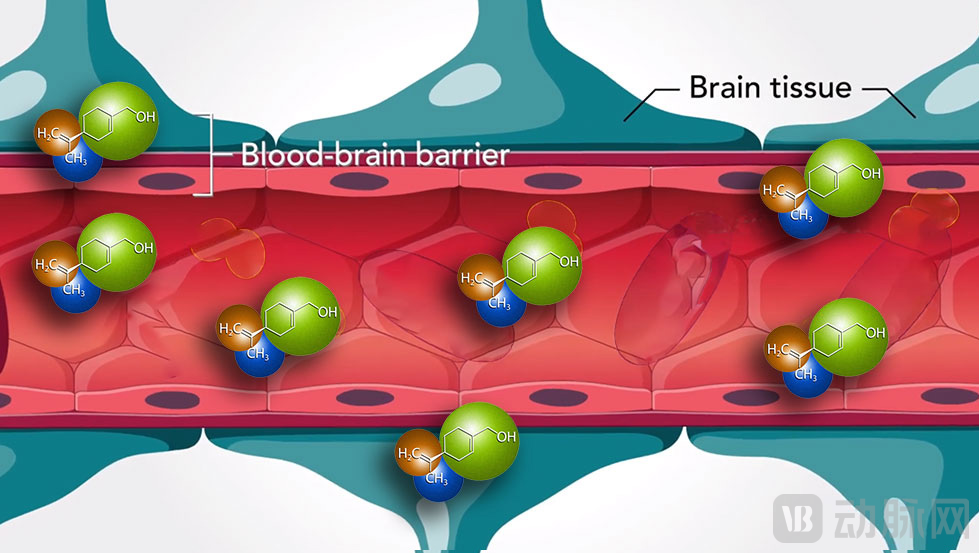
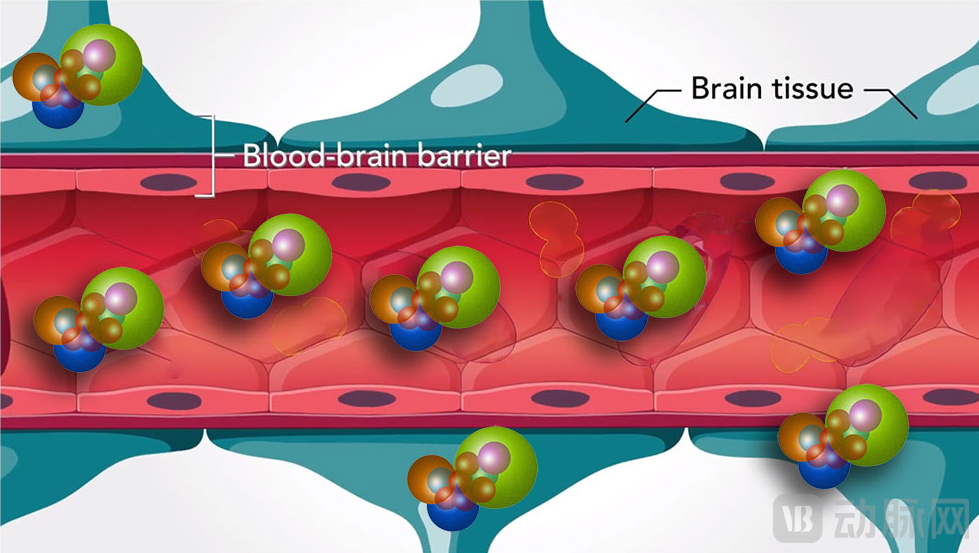
POH Working Mechanism Source: NEONC Official Website
As an FDA-approved food additive, perillyl alcohol (POH) possesses dual characteristics. On one hand, the blood-brain barrier (BBB) only permits the passage of low-molecular-weight, lipophilic, and positively charged molecules; POH exhibits significant lipophilicity, and its lipid-soluble structure enables it to readily penetrate the lipid bilayer of the BBB. On the other hand, it demonstrates diverse biological activities with therapeutic and preventive effects against cancer, characterized by broad-spectrum efficacy, high potency, and low toxicity. It has shown unique therapeutic efficacy in the treatment of various tumors, such as ovarian cancer, esophageal cancer, and breast cancer [1].
Effectively bypassing the blood-brain barrier, dual-core products are precisely delivered to brain tumors
Specifically, NEONC researchers have leveraged the small-molecule and lipophilic structure of perillyl alcohol (POH) to effectively bypass the blood-brain barrier (BBB), enabling precise drug delivery to brain tumor sites. Additionally, the solvent properties of POH allow it to encapsulate other molecular structures, forming combination therapy formulations that are delivered across the BBB, thereby enhancing therapeutic efficacy and curative potential. Currently, NEONC’s core pipeline in development includes NEO100 and NEO212.
1. NEO100: Intranasal Delivery of Ultra-Purified POH
Malignant gliomas are malignant tumors originating from glial cells in the central nervous system, accounting for more than 80% of primary brain tumors. According to the World Health Organization (WHO) Classification of Tumors of the Central Nervous System, they are graded from I to IV based on increasing malignancy.
Among these, Grade IV gliomas (such as glioblastoma, GBM) represent the most aggressive subtype, accounting for approximately 50% of all gliomas. Characterized by high invasiveness, tumor cells rapidly infiltrate surrounding brain tissue and are often associated with abnormal angiogenesis and necrosis. Furthermore, due to the difficulty in overcoming the blood-brain barrier (BBB) for drug delivery, therapeutic efficacy remains limited, and survival rates for Grade IV gliomas have shown almost no significant improvement.
NEONC Technologies’ NEO100 offers new possibilities for treatment. The core component of NEO100 is super-purified perillyl alcohol (POH), administered via the nasal route. It is produced by refining POH using a crystalline intermediate, thereby yielding an ultra-pure, pharmaceutical-grade POH formulation. By leveraging the olfactory and trigeminal nerve pathways, the formulation can cleverly bypass the blood-brain barrier (BBB) to target brain tumors, avoiding the systemic exposure associated with oral or intravenous administration.
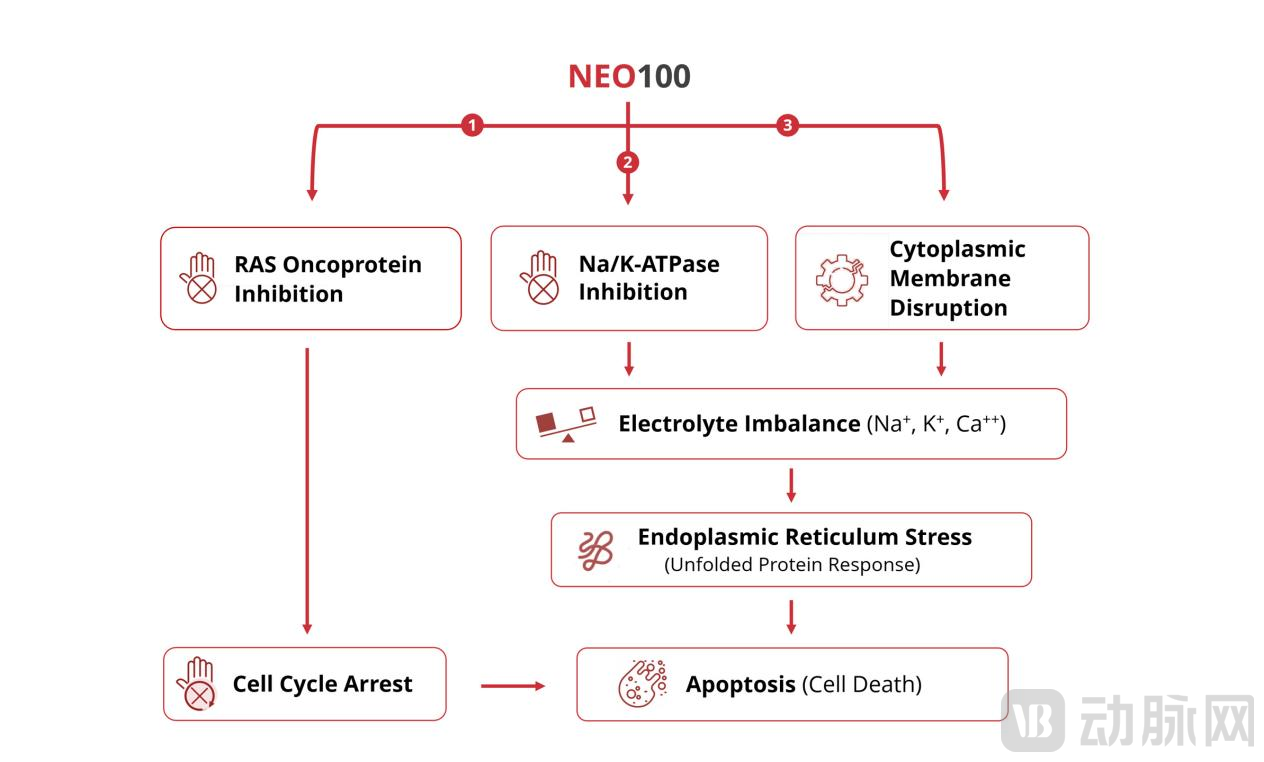
Potential Mechanism of Action of NEO100 Source: NEONC Official Website
From a mechanistic perspective, NEO100 offers dual advantages: at high concentrations, POH directly inhibits the proliferation of brain tumor cells; at low concentrations, it serves as a solvent for macromolecular drugs, temporarily opening the blood-brain barrier (BBB) via intra-arterial administration to facilitate the penetration of combination therapies, thereby enhancing treatment flexibility and synergistic efficacy.
NEO100 primarily targets Grade III/IV astrocytomas with IDH1 mutations and is the first intranasal therapy explored in the field of malignant gliomas. Currently, NEO100 is in Phase 2 clinical trials. In previous Phase 1 studies, intranasal NEO100 was well tolerated by patients across all dose levels, with no serious adverse events reported. Compared with historical data, NEO100 has also demonstrated potential to prolong patient survival.
With the advancement of this Phase II trial, NEONC is poised to secure FDA approval for the treatment of IDH1-mutant tumors (Grade III and IV), contingent upon favorable subsequent data, leveraging well-established biomarkers associated with prolonged patient survival and validated therapeutic regimens.
2. NEO212: Combination Therapy of POH and Temozolomide
According to 2024 data from the National Cancer Center, the age-standardized annual incidence rate of brain tumors in China is approximately 4.17 per 100,000 population, ranking among the highest of all systemic cancers. Temozolomide (TMZ), as a first-line chemotherapeutic agent for glioblastoma multiforme (GBM), exerts its effect by methylating DNA to inhibit cancer cell proliferation.
NEO212, a covalent conjugate of POH and TMZ, addresses two major limitations of conventional TMZ therapy: first, it enhances blood-brain barrier (BBB) penetration via POH; second, it leverages synergistic effects of the dual agents to improve efficacy, overcome drug resistance, and extend therapeutic applications to brain metastases.
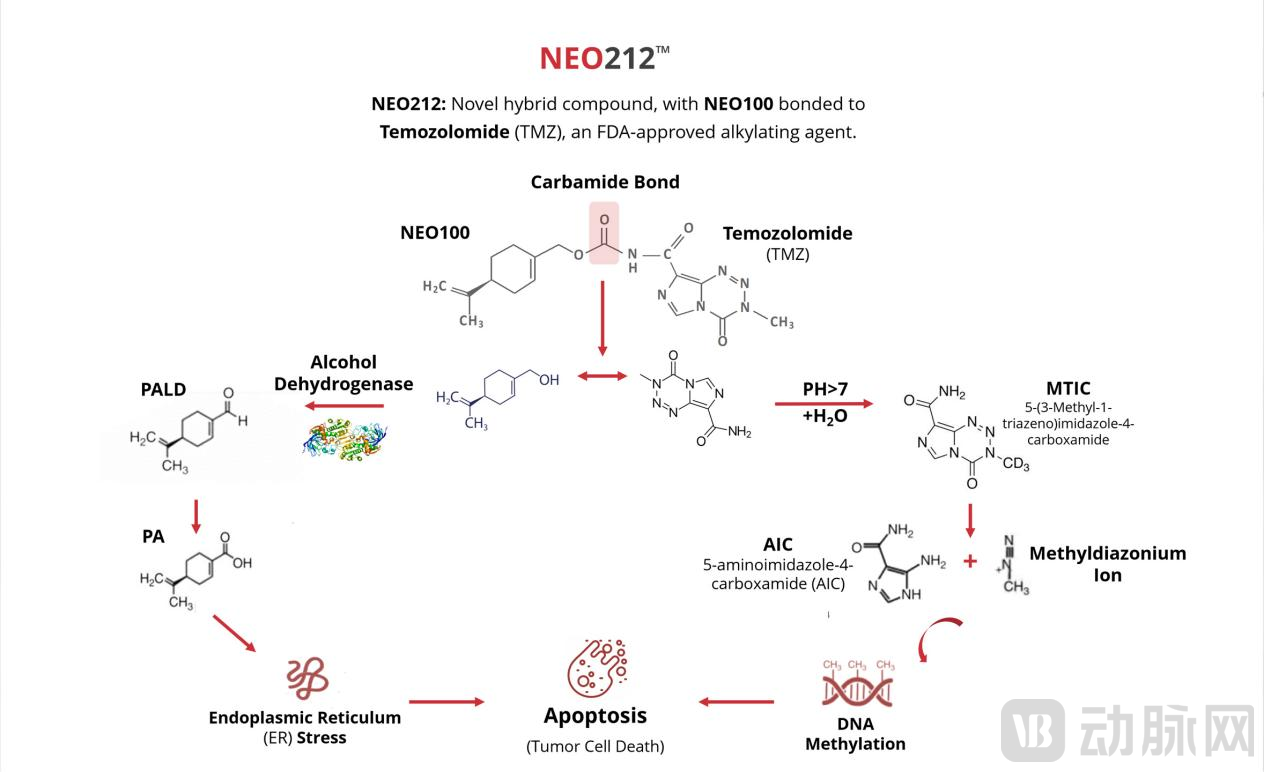
Proposed Mechanism of Action of NEO212 Source: NEONC Official Website
In terms of delivery methods, NEO212 leverages the multi-route advantages of POH technology: intranasal administration bypasses the blood-brain barrier (BBB) to directly target the brain; intra-arterial injection precisely targets the tumor’s blood supply region; and its lipophilic molecular structure enables active penetration through the lipid layer of the BBB. This design not only reduces the incidence of adverse reactions in patients but also significantly widens the therapeutic window of temozolomide (TMZ)—defined in clinical studies as the range of plasma drug concentrations in the human body that achieves the desired therapeutic effect without causing severe toxic side effects.
Currently, NEO212 is undergoing a Phase 1/2 open-label clinical trial, which will be conducted in two stages and is expected to last for five years.
Covering 176 global patents in the Chinese market, establishing multiple competitive barriers
NEONC has built a research and development system for four Phase I–II clinical candidate drug pipelines, centered on its POH (perillyl alcohol) formulation technology, with precise strategic positioning across different subtypes of adult and pediatric brain tumors.
In addition to NEO212, a POH–temozolomide combination formulation for glioblastoma multiforme, the NEO100 series comprises three pipeline candidates.
Among these, the adult pipeline includes NEO100-01/02 for IDH1-mutant Grade III/IV astrocytoma and meningioma. In addition, the pediatric pipeline candidate NEO100-03 is a pediatric-specific formulation for the treatment of pediatric high-grade gliomas (pHGGs). It optimizes intranasal dosing and formulation based on pathological characteristics, ensuring efficient blood-brain barrier (BBB) penetration while reducing the medication burden in pediatric patients.
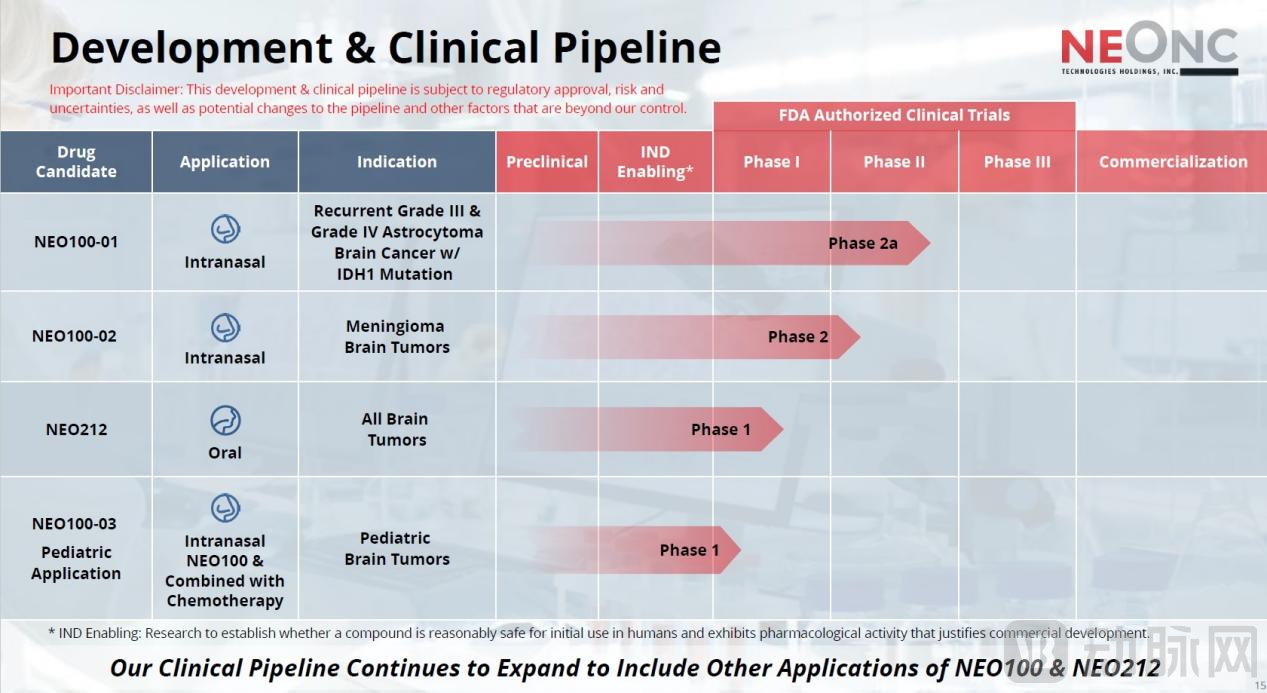
NEONC’s Clinical Candidate Drug Development Pipeline Source: NEONC Official Website
In terms of intellectual property layout, NEONC has built a full-chain protection system around its core technologies. It currently holds 176 global patents, of which 126 have been published, covering core areas such as the POH molecular structure, blood-brain barrier (BBB) crossing delivery technology, and combination therapies, forming a comprehensive protection network in major pharmaceutical markets including the United States, Europe, China, and Japan.
From an FDA regulatory perspective, NEO100 and NEO212 have both received FDA Orphan Drug Designation for indications including high-grade glioma and brain metastases from breast cancer, respectively. Meanwhile, both products have been granted entry into the FDA Fast Track program, which accelerates the review of clinical data and the marketing approval process, thereby shortening the cycle from research and development to commercialization.
Furthermore, the FDA has granted NEO100-03 “Rare Pediatric Disease Designation,” which makes NEONC eligible for a Priority Review Voucher (PRV). In future drug marketing applications, NEONC can accelerate the approval process through expedited regulatory pathways, facilitating the early availability of new therapeutic options for pediatric brain tumors.
Thus, by building a multi-layered moat comprising “patent protection + FDA approval + pipeline expansion,” NEONC has established a unique technological and product portfolio barrier. Looking ahead, NEONC may leverage its global patent layout to simultaneously pursue regulatory approvals for adult and pediatric indications, thereby accelerating the global commercialization of its POH technology in the field of central nervous system disorders.
Addressing Core Pain Points: Will Improved Formulations Capture Growth in the Brain Tumor Market?
According to data from BizWits Consulting, the global market size for brain tumor treatment reached RMB 3.15 billion in 2024 and is projected to reach RMB 6.22 billion by 2029, indicating rapid market growth.
In this field, international pharmaceutical giants such as AstraZeneca, Roche, and Novartis dominate the market by leveraging their advantages across the entire industry chain. These companies not only offer improved formulations of classic chemotherapeutic agents like temozolomide but also continue to make significant strides in emerging targeted therapy areas, including PD-L1 inhibitors and angiogenesis inhibitors. By combining robust R&D capabilities, a diverse product portfolio, and extensive market channels, they have established substantial market barriers.
Meanwhile, a cohort of innovative biotechnology companies focused on brain tumor treatment is gradually emerging, entering niche segments through technological differentiation. Represented by NEONC Technologies, these companies are building pipelines of clinical candidate drugs using unique POH technology, seeking breakthroughs in areas with unmet clinical needs.
At the capital level, NEONC’s financing history is clear. In February 2023, it completed a $10 million equity financing round led by Eminent II Venture Capital and other investors, with the proceeds allocated to Phase II clinical trials of NEO100. In June 2024, it secured $18.5 million in strategic investment (investors undisclosed), further strengthening its R&D foundation.
NEONC has updated its Nasdaq IPO prospectus, setting the offering price range at $11.25–$13.75 per share. The company plans to issue 6 million shares, with a maximum fundraising target of $82.5 million. The proceeds will be exclusively allocated to accelerating the clinical development of four brain tumor pipelines, including NEO100 and NEO212. Its POH technology’s differentiated advantages in blood-brain barrier penetration position it to capture market share post-launch.
For the industry, whether it is the pipeline iteration of international giants or the technological breakthroughs of innovative enterprises, overcoming common challenges such as the blood-brain barrier (BBB) delivery bottleneck remains key to determining the evolution of the brain tumor market landscape. Whether NEONC can secure a foothold in the rapidly growing market with its POH technology post-launch remains to be seen.
References:
[1] Zhang Yuan, Yan Chengyun. Study on the Effect of Perillyl Alcohol-loaded Mitochondria-targeting Liposomes (POH/DPT-LN) on Breast Cancer MDA-MB-231 Cells[J]. Journal of Guangxi Medical University, 2024, 41(03): 380-387. DOI: 10.16190/j.cnki.45-1211/r.2024.03.009.