

Gallant Files for IPO to Advance First Off-the-Shelf Stem Cell Therapy for Pets

Gallant Therapeutics
Stem Cell Therapy Product Development and Manufacturing
In June 2025, a company in the field of pet regenerative medicine located in San Diego, California, USAGallant Therapeutics Completes $18 Million Series B Financing, led by Digitalis Ventures, with participation from NovaQuest, BOLD Capital, and others.
Sustained capital investment is poised to drive Gallant Therapeutics toward a milestone achievement: its first “off-the-shelf” cell therapy product, targeting Feline Chronic Gingivostomatitis (FCGS), is expected to receive conditional approval from the FDA in 2026.
At a time when pet health needs are increasingly escalating, Gallant has chosen a track that appears niche but actually holds high potential:By collecting tissues from pet sterilization surgeries, a closed-loop system of “storage–preparation–distribution–treatment” is established to truly integrate stem cell therapy into routine veterinary care.
From Custodial Platforms to Stem Cell Therapy: The Closed-Loop Path of Pet Regenerative Medicine
Founded in 2018, Gallant Therapeutics initially adopted a seemingly straightforward approach: repurposing reproductive tissues discarded during pet sterilization procedures to extract mesenchymal stem cells (MSCs) for the development of allogeneic, off-the-shelf cell-based therapeutics, thereby addressing the need for precision treatment in pets suffering from chronic inflammation and degenerative diseases.
But Gallant’s “ambitions” extend far beyond “stem cell storage.” The business model built by Gallant is not simply “stem cell storage” or “cellular product development,”but rather a closed-loop system that spans tissue procurement, processing and preparation, logistics and distribution, and clinical applicationThis integrated approach enables Gallant Therapeutics to streamline the entire workflow from tissue sourcing to clinical application, thereby lowering the entry barriers for stem cell therapies to a certain extent and making large-scale adoption feasible.
Gallant Therapeutics founder Aaron Hirschhorn holds a background in both neuroscience and economics. He previously founded DogVacay, a pet-sitting platform that was later acquired by Rover, a giant in the U.S. pet care market. His pivot to the stem cell field was driven by the sense of helplessness he experienced while witnessing his beloved pet’s aging and suffering. He keenly recognized that as pets’ lifespans extend, chronic diseases have increasingly become an unmet medical need, and stem cell therapy may hold the key to addressing this critical pain point.
Regrettably, Hirschhorn passed away in an accident in 2021. Dr. Linda Black subsequently assumed the role of CEO. Holding dual Ph.D. degrees in Veterinary Medicine and Molecular Biology, she has served in core R&D and management positions at U.S. animal stem cell companies such as VetStem and SciStem, where she led the development of the first animal cell therapy products to enter the FDA review process.
Under Black’s leadership, Gallant Therapeutics has gradually evolved from a concept-driven company into one oriented toward clinical development and regulatory affairs. Driven by her efforts, Gallant has steadily established a development strategy anchored in FDA requirements and aimed at delivering regulatable products, building its product portfolio and regulatory pathways around standardized stem cell therapeutics.
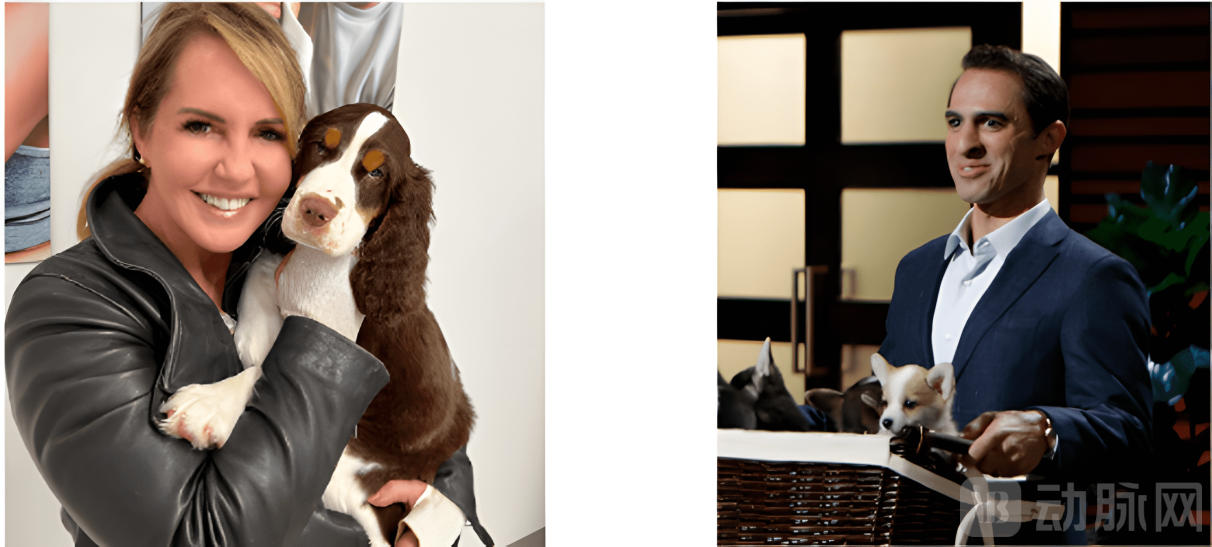
Figure 1: Portrait of the current CEO on the left, and portrait of the founder on the right
Focusing on Allogeneic Off-the-Shelf Stem Cells, Gallant Therapeutics Builds a Pipeline of Five Pet Indications
In veterinary medicine, feline chronic gingivostomatitis (FCGS) is regarded as one of the “clinical challenges.” It is a severe inflammatory oral disease triggered by immune dysregulation, typically characterized by widespread ulceration of the gums and oral mucosa, intense pain, and difficulty eating, which can ultimately lead to weight loss and a sharp decline in quality of life. For some affected animals, symptoms remain difficult to alleviate even after full-mouth tooth extraction, with persistently high recurrence rates.
Current treatment modalities primarily rely on antibiotics and immunosuppressive agents such as corticosteroids, constituting typical symptomatic supportive care. Due to significant fluctuations in efficacy, high recurrence rates, and substantial risks associated with long-term medication use, feline chronic gingivostomatitis (FCGS) is often regarded as one of the most challenging and refractory conditions in companion animal oral diseases.
Gallant Therapeutics intervenes in the progression of chronic inflammation through stem cell-mediated immunomodulation, replacing traditional anti-inflammatory approaches.
This therapeutic regimen utilizes mesenchymal stem cells (MSCs) derived from allogeneic uterine tissue. Such cells are widely present in tissues including the umbilical cord, bone marrow, and adipose tissue, and possess inherent immunomodulatory and anti-inflammatory properties. In diseases caused by immune imbalance, MSCs can release various cytokines through paracrine mechanisms, thereby reducing the release of pro-inflammatory factors, enhancing the expression of anti-inflammatory factors, and promoting the repair and regeneration of damaged tissues. Animal models and preclinical studies have confirmed that MSCs can ameliorate oral inflammatory conditions and enhance healing capacity.[1]
Gallant Therapeutics utilizes pet uterine tissue collected from spaying surgeries as a source of MSCs., offering both biocompatibility and ethical feasibility. The cells undergo screening, expansion, and lyophilization to produce standardized injectable formulations, eliminating the need for individualized culture.
This “off-the-shelf” strategy is significantly superior to traditional autologous stem cell protocols, which often require weeks of culture time, cost thousands of dollars, and demand highly specialized equipment and expertise, making them difficult to implement in primary-care veterinary clinics.
In feline chronic gingivostomatitis (FCGS), the allogeneic mesenchymal stem cell (MSC) product developed by Gallant Therapeutics targets the underlying immune imbalance by modulating T-cell activity and reducing the release of inflammatory cytokines, thereby reshaping the mucosal immune microenvironment. Existing studies have shown that it can significantly alleviate clinical symptoms and promote wound healing.[2]
Starting with FCGS, Gallant Therapeutics has planned a pipeline of stem cell products targeting high-prevalence chronic indications across the two core pet populations—cats and dogs—with the aim of establishing a “standardized regenerative therapy product family.”
Another high-incidence yet often underestimated condition isFeline Chronic Kidney Disease(Feline Chronic Kidney Disease, CKD). CKD typically has an insidious onset and progresses slowly; however, once it advances to the middle or late stages, it can lead to severe complications such as uremia, dehydration, and electrolyte imbalances. Given that nephron damage is irreversible, current treatment strategies primarily focus on slowing disease progression. The innovation of stem cell therapy lies in its ability to secrete bioactive factors that modulate local immune responses, promote repair of renal tubular epithelial cells, and inhibit fibrosis, thereby potentially altering the disease course and extending the “golden management period.”
InOsteoarthritisIn the field of osteoarthritis (OA), Gallant Therapeutics focuses not only on canines but also extends to felines, addressing the long-neglected gap in OA treatment for cats. Feline osteoarthritis symptoms are often subtle and frequently misattributed to “reduced activity due to aging,” whereas canine osteoarthritis typically presents with obvious lameness, joint swelling, and mobility impairment. Regardless of species, OA fundamentally involves the interplay of cartilage degeneration and chronic inflammation. While traditional analgesics can alleviate symptoms, they cannot reverse structural damage. Mesenchymal stem cells, with their differentiation potential and robust paracrine capabilities, can release growth factors and anti-inflammatory mediators within the joint cavity, holding promise for slowing cartilage degeneration and promoting rebalancing of the synovial environment.
Furthermore, Gallant Therapeutics has also expanded stem cell therapy toCanine Atopic Dermatitis(Canine Atopic Dermatitis, CAD) is a highly prevalent skin disease. CAD is primarily triggered by abnormal immune responses, manifesting as persistent pruritus, cutaneous inflammation, and secondary infections. Current management relies on long-term topical or oral corticosteroids and immunosuppressants to control symptoms, which are associated with significant adverse effects. Mesenchymal stem cells have been demonstrated to ameliorate chronic allergic reactions by inducing regulatory T cells and inhibiting mast cell degranulation and the secretion of inflammatory cytokines, thereby opening new therapeutic avenues for immune-mediated dermatological conditions.[3]
From the oral cavity to the kidneys, and from joints to skin, Gallant Therapeutics is leveraging the multifaceted regulatory capabilities of stem cells to target chronic inflammation as a common therapeutic focus, thereby establishing a replicable treatment framework in veterinary medicine.Unlike the traditional “one drug, one disease” model, its platform logic is more akin to building a “regenerative hub”: once the mechanism and regulatory pathway are established, subsequent indications can be rolled out at an accelerated pace.
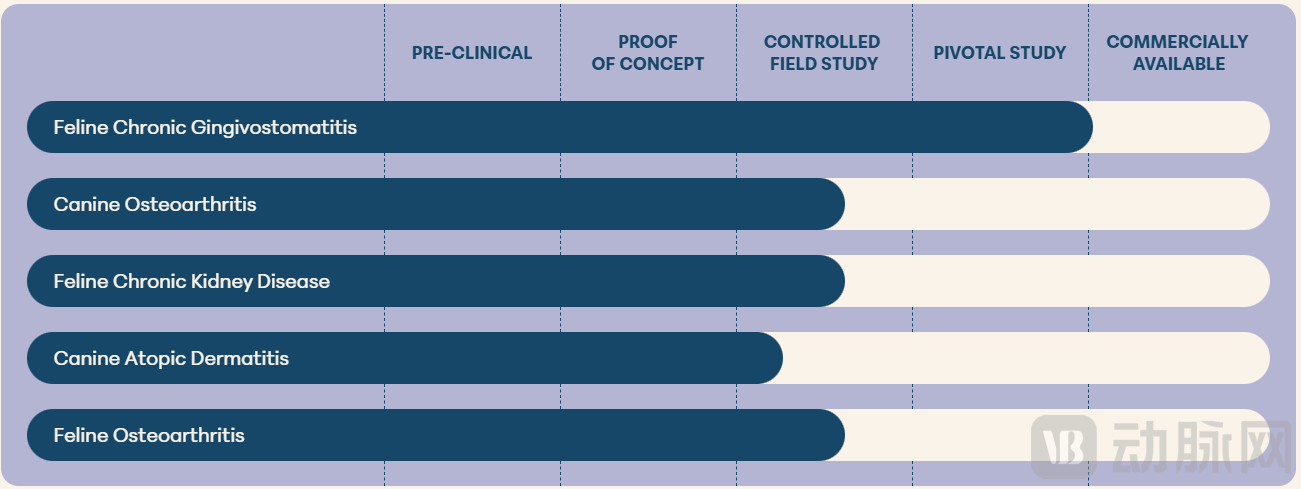
Figure 2: Overview of Gallant Therapeutics’ Pipeline
On the Verge of Completing the First Standard Registration Pathway for Pet Stem Cells
Gallant Therapeutics’ first registered product is the FCGS stem cell injection. According to disclosures on its official website, this therapy has completed pivotal clinical studies involving multiple centers and diverse feline populations. The data indicate that its efficacy is superior to that of conventional pharmacological treatments, with some cats experiencing partial or even complete symptom relief after injection, and a low incidence of adverse effects. Currently, the product is in the process of applying for “conditional approval” from the U.S. Food and Drug Administration (FDA).
Notably, in the United States, the regulation of animal stem cell products falls under the purview of the FDA’s Center for Veterinary Medicine (CVM). The conditional approval mechanism allows products to enter the market early based on initial evidence of safety and efficacy, with complete data to be submitted subsequently.
Gallant Therapeutics explicitly adopts a “tackle the hardest first, then expand broadly” strategy: by securing regulatory approval for FCGS and establishing a foundation for market validation, it can replicate its technology platform and manufacturing processes to rapidly expand into subsequent pipeline candidates, thereby achieving technology reuse and commercial scale-up.
This pathway has not only gained professional recognition but also secured capital support: in 2025, Gallant Therapeutics completed a $18 million Series B financing round, precisely to pave the way for the regulatory approval and market launch of FCGS, as well as clinical trials for new indications.
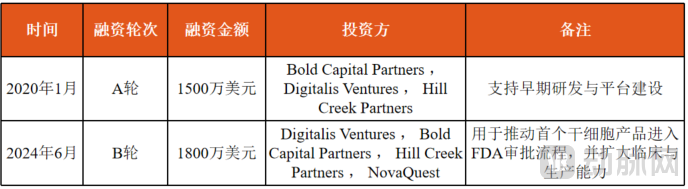
Table 1: Overview of Gallant Therapeutics’ Financing Rounds
Technology Is Not Everything: Gallant’s Moat Lies in Its End-to-End Integration Capability
If one looks solely at the technology itself, Gallant Therapeutics’ stem cell product is not unique in the industry. However, its true breakthrough lies not merely in the therapy itself, but in its systematic integration capabilities across the entire industrial chain—a moat that most biotechnology companies find difficult to replicate.
At the collection stage, Gallant Therapeutics partners with veterinary hospitals across China to repurpose uterine tissue discarded during routine spay surgeries, achieving a truly non-invasive sourcing method. On the manufacturing side, the company has established a cell production system that complies with FDA structured approval processes and cGMP quality standards, covering all stages from cell expansion and purification to cryopreservation and final product assembly. In terms of distribution and application, leveraging pre-formulated dosages, a nationwide veterinary network, and cold-chain logistics, Gallant Therapeutics delivers a vaccine-like user experience—veterinarians can administer treatments directly in frontline clinics through a simple “unpack–thaw–inject” process, without the need to establish in-house laboratory facilities.
It is precisely this closed-loop integration—from tissue acquisition, preparation, and delivery to follow-up—that positions Gallant not merely as a stem cell company, but as a “quasi-typed medical ecosystem enterprise” with platform capabilities.
Gallant’s investor lineup also reveals the clarity of its commercial strategy. Its backers include life science-focused firms such as NovaQuest and Digitalis Ventures, as well as funds like BOLD Capital Partners that focus on future healthcare trends. These investors generally possess expertise in both the healthcare and pet industries, valuing not just a single therapeutic breakthrough but rather a standardized platform with the potential for “regulatory validation first, followed by rapid expansion,” along with a product pathway that is replicable and scalable.
Gallant’s story, in a sense, is a real-world demonstration of “regeneration.” Discarded tissues from sterilization surgeries are transformed through manufacturing processes into standardized pharmaceuticals for treating chronic diseases. This represents not only the adaptation of cell therapy to the veterinary sector but may also foreshadow the industrial landscape of future human regenerative medicine.
Of course, the commercialization of any new technology is rarely smooth sailing: regulatory approvals, market trust, and insurance reimbursement systems are still being established. However, Gallant Therapeutics has taken the lead in raising a question worthy of reflection for all industry practitioners: as stem cell therapy shifts from “high-end and scarce” to “standard and ready-to-use,” are the treatment boundaries in veterinary medicine also quietly changing?
References:
[1]Gao, Zhe, Lixun Guan, Zhanxiang Liu, Fei Yan, Shu Fang, Xiangmei Zhang, & Chunji Gao. "Using extracellular vesicles derived from human umbilical cord mesenchymal stem cells for a topical coating promotes oral mucositis healing in rats." Annals of Translational Medicine [Online], 10.6 (2022): 290. Web. 8 Jul. 2025
[2]Arzi, B. et al. (2016). Therapeutic efficacy of mesenchymal stem cells for feline chronic gingivostomatitis. Stem Cells Translational Medicine, 5(1), 75–86.
[3]Kim, J. Y. et al. (2019). Immunomodulatory effects of mesenchymal stem cells in canine atopic dermatitis model. Journal of Veterinary Science, 20(3), e35.