

TuHURA Biosciences Combines Plasmid DNA and Bispecific ADC Platforms to Overcome PD-1 Resistance and Activate 'Cold Tumor' Immunity

TuHURA
Developer of Immuno-Oncology Technologies
In recent years, immunotherapy has swept the globe. Immune checkpoint inhibitors (ICIs), represented by PD-1/PD-L1 inhibitors, have become first-line treatment regimens for solid tumors such as melanoma and non-small cell lung cancer, once hailed as “the hope for ending cancer.” However, data reveal a blind spot in this “revolution”: more than 70% of patients show no response to ICIs or develop early resistance.[1]。
This means that,Under the Spotlight of Immunotherapy, a Large Number of Cancer Patients Remain Trapped by “Cold Tumors”—Due to the lack of immune cell infiltration, such tumors are difficult for the immune system to recognize and attack, becoming a “silent blind spot” for immunotherapy. Enabling the immune system to “detect” these silent signals has emerged as a new competitive frontier in global drug development.
In the face of this technical challenge, an innovative biotechnology company from Tampa, Florida—TuHURA Biosciences (NASDAQ: HURA)—has taken a different approach:Unlike the conventional approach of “targeting the tumor surface,” TuHURA chooses to start by activating “local immunity,” aiming to remodel the tumor microenvironment of cold tumors and empower the immune system to take the initiative.
Veteran Pharma Executive’s “Second Startup”: From Four Launched Drugs to Focusing on the Tumor Microenvironment
In the biopharmaceutical startup ecosystem, there is no shortage of companies that did not start from scratch but instead achieved a remarkable transformation through mergers and acquisitions and platform restructuring at critical junctures. TuHURA is a prime example of such “second-time entrepreneur” companies—Leveraging a precise reverse merger, the company revitalized a high-potential platform and advanced to the clinical frontline.
The architect behind this relaunch is James A. Bianco, M.D., the current President and Chief Executive Officer and a seasoned oncology drug developer. He founded CTI Biopharma (CTIC) in 1991 and, during his 25-year tenure, spearheaded the development of five candidate drugs, four of which received FDA approval for market launch. The most notable example is pacritinib, a JAK2 inhibitor that, leveraging its Phase III clinical trial results, was ultimately acquired by SOBI, the Swedish rare disease giant, for $1.75 billion, becoming a classic case study in biotech commercialization.

Figure 1: Founder Profile
In October 2024, Bianco led the team to integrate Kintara Therapeutics through a reverse merger, successfully listing TuHURA on the Nasdaq.Without waiting for an IPO window, the company completed a $31 million PIPE financing on its listing day, laying the foundation for its IFx platform to enter Phase III trials.
In 2025, TuHURA completed the clinical pathway mapping for IFx-2.0, and reached a Special Protocol Assessment (SPA) agreement with the FDA, subsequently securing $12.5 million in equity financing and $3 million in warrant proceeds, thereby providing the final capital reserve for the upcoming global multicenter registrational trial.
The name TuHURA is derived from the Māori word for “discovery,” and this Bianco-led “discovery” represents not merely a financial maneuver, but the practical implementation of a technological philosophy.After three decades of navigating the challenges of oncology drug development, he has once again turned his attention to the most formidable challenge in immunotherapy: “cold tumors.” He aims to leverage the IFx platform to reconstruct the therapeutic paradigm for these non-responsive cold tumors.
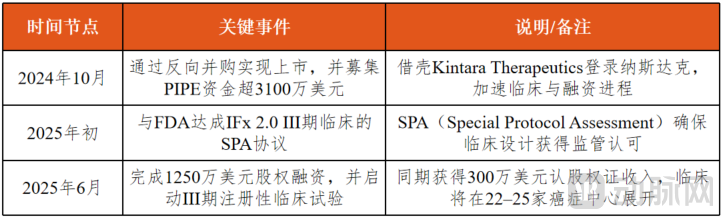
Table 1: Overview of TuHURA Milestones
Dual Technological Approach, Two-Step Targeted Immune Blockade Pathway
In the "offensive and defensive battle" of cancer immunotherapy,TuHURA’s technological framework functions as a “combination punch” to collectively overcome the “silent zone” of immunotherapy.
1IFx Platform: “Igniting the Flames,” Awakening “Cold Tumors,” and Activating Innate Immunity
The technological vision behind TuHURA is intuitively straightforward: most patients who fail immunotherapy do so not because of insufficient efficacy, but because the immune system never truly recognizes the tumor as an enemy. These “silent” tumors lack the characteristic signals needed to activate an immune response, rendering them unrecognized and thus unable to trigger the cytotoxic mechanisms of T cells.
To address this “blind spot” in identification, TuHURA has turned its attention to the more ancient and primitive innate immune system. This system relies on evolutionarily conserved “pattern recognition” to identify foreign invaders such as bacteria and viruses.
The strategy employed by the IFx platform is akin to draping tumors in a “disguise cloak.”Researchers injected the genetic information of a highly immunogenic bacterial protein named emm55 (in the form of plasmid DNA or mRNA) into tumor tissues, causing tumor cells to express this “non-self” protein on their surface. To the immune system, this is akin to suddenly recognizing a familiar “enemy pattern” on the surface of tumor cells, thereby immediately triggering a long-dormant immune alarm.
This camouflage strategy activates local Toll-like receptors (TLRs) and interferon pathways, recruiting antigen-presenting cells such as dendritic cells and macrophages, thereby triggering the release and presentation of tumor-associated neoantigens. Ultimately, dormant T cells and B cells are awakened to initiate a precise immune attack, leading to the destruction of tumor cells.
Compared with traditional tumor vaccines, which must rely on specific mutant antigens and require complex screening processes,The advantage of the IFx platform lies in its independence from tumor-specific personalized mutations, enabling compatibility across various cancer types and patients; meanwhile, local administration reduces the risk of systemic adverse reactions.
2Bispecific ADC Platform: Clearing the Minefield at the Site of Immune "Aphasia" to Relieve Suppression in the Tumor Microenvironment
However, activating the immune response is merely the first step. In many advanced-stage tumors, even when T cells are activated, they still fail to effectively eliminate the tumor. This is because the tumor microenvironment is pervaded by a class of “immune suppressors”—Myeloid-Derived Suppressor Cells (MDSCs). Like an invisible smog, these cells disrupt the navigation system of T cells and induce exhaustion, leading to a state known as “immune fatigue,” which significantly reduces the durability and broad-spectrum response of immunotherapy.
TuHURA’s Bi-Specific ADC platform is specifically designed to address this challenge. Unlike traditional ADCs that focus solely on tumor targets, this platform targets myeloid-derived suppressor cells (MDSCs)—the “immune blockers” within the tumor microenvironment—by recognizing their unique surface Delta receptors, thereby achieving precise targeting and functional inhibition. Furthermore, the ADC molecular structure incorporates immune checkpoint inhibitors or T-cell activators, which not only eliminate immunosuppressive barriers but also reactivate effector T cells, truly bridging the “last mile” of anti-tumor immune attack.
In a sense, this platform serves as a “bomb disposal expert” in tumor immunity, attempting to systematically reshape the entire tumor–immune ecosystem: clearing interference sources for immune cells, re-establishing attack pathways, and enabling existing tools such as checkpoint inhibitors and cell therapies to truly unleash their potential.
Innate Immune Agonist IFx-2.0 Enters Phase III, Launching Global Multicenter Clinical Trials in Combination with Keytruda
TuHURA’s pipeline architecture resembles both a meticulously crafted strategic map and a bottom-up immune reconstruction engineering effort: from local “ignition” to microenvironmental “debridement,” and finally to mechanistic synergy, aiming to activate the dysfunctional immune system across the entire chain.
From a technical perspective, TuHURA has established three core strategic pillars: the IFx platform (innate immune agonists), the Bi-Specific ADC platform (bispecific antibody-drug conjugates), and the development of combination immunotherapies. The company focuses on addressing resistance and non-response to immunotherapy, with a portfolio spanning both solid tumors and hematologic malignancies.
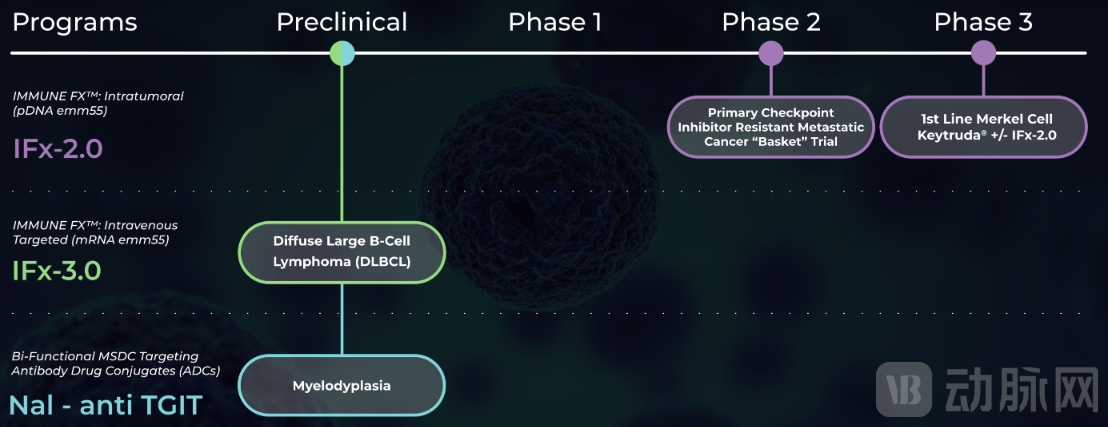
Figure 2: Overview of the TuHURA Pipeline
Among the most mature platforms in the IFx portfolio, IFx-2.0 is undoubtedly the center of attention. Currently, IFx-2.0 has received FDA clearance to lift the clinical hold and is scheduled to enter a Phase III registrational clinical trial for advanced Merkel cell carcinoma (MCC) by late June 2025. This study will use Merck’s PD-1 inhibitor Keytruda (pembrolizumab) as the combination benchmark drug and will be conducted as a multicenter clinical trial across 22–25 oncology centers worldwide.
TuHURA has selected Merkel cell carcinoma (MCC) as the inaugural indication for IFx‑2.0, driven by the clinical dilemma wherein MCC is highly immunogenic yet exhibits limited response rates to existing PD-1 therapies. Patients with MCC often fail to derive sustained benefit due to an “immunologically cold” tumor microenvironment. By activating innate immunity and reshaping the local inflammatory microenvironment, IFx‑2.0 holds promise for overcoming PD-1 resistance barriers, thereby offering a therapeutic breakthrough for patients who have experienced primary failure of immunotherapy. This strategic choice underscores TuHURA’s mechanism-driven approach to clinical development.
In addition to IFx‑2.0, TuHURA is developing the next-generation innate immune agonist IFx‑3.0. This pipeline strategically targets aggressive B-cell malignancies (such as lymphoma, leukemia, and multiple myeloma), thereby expanding the platform’s applications in hematologic cancers. Currently, this pipeline is in the pre-IND development stage, with clinical trial application expected in 2025.
In its medium- to long-term strategy, TuHURA aims to leverage the IFx platform to target “cold tumor” indications that are unresponsive to immune checkpoint inhibitors (ICIs), such as non-small cell lung cancer, pancreatic cancer, and liver cancer—traditionally immunotherapy-refractory malignancies—and to achieve broad-spectrum synergistic effects with pathways involving PD-1, CTLA-4, and others.
The second technology platform, Bi-Specific Immune Modulating ADCs, targeting MDSCs (myeloid-derived suppressor cells) and tumor-associated macrophages (TAMs), is in the preclinical research stage, with an IND filing expected to be initiated in the second half of 2025. If successfully advanced, TuHURA is poised to pioneer a new paradigm of “immune modulation + microenvironment remodeling” within the ADC landscape.
Furthermore, unlike certain biotech companies that focus on single-target breakthroughs, TuHURA has embedded “combination” as a fundamental design logic into its product roadmap from the outset. Both its IFx platform and ADC platform exhibit high synergistic potential with therapies such as PD-1/PD-L1 inhibitors, CTLA-4 inhibitors, or CAR-T cell therapy.
Currently, TuHURA has entered into a collaboration agreement with Merck & Co. to use its PD-1 inhibitor Keytruda as the standard-of-care treatment in the Phase III clinical trial of IFx‑2.0. The company is also exploring synergistic development with cell therapies, radiotherapy, and even IL-2 receptor agonists, aiming to establish a modularly expandable immune intervention platform.
From overcoming "primary resistance" to addressing "acquired resistance," from local activation to systemic response,TuHURA’s three major platforms converge on a single goal: to make the immune system a truly controllable, programmable, and sustainable intervention tool for cancer therapy.
Chinese Pharmaceutical Companies Attempt to Crack the “Immune Non-Responsiveness” Puzzle
In recent years, China’s immunotherapy has achieved a breakthrough in original innovation, progressing from zero to one., immune checkpoint inhibitors represented by PD-1/PD-L1 have achieved domestic breakthroughs in China, obtained approvals from the NMPA (National Medical Products Administration) for multiple indications, and entered the stage of commercialization. On this basis, many biotech companies have begun to explore combination immunotherapy strategies, aiming to improve treatment efficacy in “cold tumors” or among patients with low response rates.
Junshi Biosciences has established a diversified immuno-combination strategy centered on its PD-1 inhibitor, toripalimab, encompassing oncolytic viruses, anti-angiogenic agents, and cytokines. By synergistically designing these combinations with conventional therapies such as radiotherapy and chemotherapy, the company aims to enhance the efficacy and broad-spectrum applicability of combination treatments.
Sintilimab (Tyvyt®), a PD-1 inhibitor jointly developed by Innovent Biologics and Eli Lilly, has received approval from the NMPA, further advancing the clinical implementation of immunotherapy combined with chemotherapy in lung cancer.
In this context,TuHURA’s IFx Platform Offers Two Practically Significant Insights:
At the mechanistic level, IFx technology mimics bacterial infection signals and activates innate immunity. It does not rely on specific mutations or neoantigen recognition, theoretically making it broadly applicable to various “cold tumors,” and it exhibits strong synergistic effects with PD-1/PD-L1 inhibitors.
In terms of strategic pathway, TuHURA has demonstrated an efficient model for small biotech firms to access capital and achieve clinical implementation by going public through a reverse merger while simultaneously advancing the validation of differentiated products. This approach offers valuable reference for Chinese innovative enterprises facing similar challenges in financing cycles.
For Chinese biotech companies to achieve a leap from “efficacy” to “high efficiency” in the field of combination immunotherapy, they must not only dare to break through traditional logic in terms of targets and mechanisms but also adopt more flexible and efficient approaches in clinical trial design and capital strategies.This dual breakthrough in technology and commerce may become the key to solving the problem of “immune non-responsiveness.”
References:
[1]Zhou S, Yang H. Immunotherapy resistance in non-small-cell lung cancer: From mechanism to clinical strategies. Front Immunol. 2023 Apr 6;14:1129465.