

15 National Medical Center Hospitals Pioneer 12 First-of-Their-Kind Specialized Disease AI Large Models
In 2025, two characteristics of large medical models have become increasingly prominent: first, the specialization of large models for specific diseases and medical specialties; second, a surge in the number of participating hospitals.
As previously reported by VCBeat, as of April 30, 2025, 98 of the top 100 hospitals in China had publicly announced the completion of large language model (LLM) deployments. Furthermore, 33 of these hospitals had developed 55 specialized vertical LLMs based on general-purpose large models.
The advent of disease-specific and specialty-focused large models signals that the application of medical large models in China has entered the 2.0 phase, evolving from previously generalized applications such as online pre-consultation, generative electronic medical records, and out-of-hospital patient follow-up management to a deeper focus on addressing tangible clinical pain points in specialized diseases and disciplines.
Training and developing large language models (LLMs) for specialized diseases and disciplines requires accessing the core of hospitals’ multimodal clinical data, thus necessitating deep involvement from healthcare institutions. The surge in popularity of DeepSeek earlier this year has given hospitals hope for low-cost local deployment, further stimulating their enthusiasm for participation. Driven by these factors, the wave of “Hospital + Specialized Disease/Discipline LLMs” is sweeping across China’s medical AI industry.
Over the past three months, VCBeat has observed the successive release of multiple large language models (LLMs) specifically designed for particular diseases or specialties—many of which are the first of their kind globally or in China. Notably, these initiatives have involved hospitals participating in the construction of National Medical Centers. As institutions entrusted with building National Medical Centers, these hospitals and organizations often represent the highest level of diagnostic and therapeutic expertise in China within specific departments or for specific diseases. Consequently, the disease- or specialty-specific LLMs (applications) they help develop serve as significant industry benchmarks. Therefore,This article focuses on disease-specific large language models (applications) developed with the participation of hospitals involved in the establishment of National Medical Centers, aiming to map out a comprehensive industry landscape from multiple dimensions, including quantity, medical specialties, participating institutions, and promotion strategies.
15 Hospitals Enter the Fray, Developing 12 “First-of-Their-Kind” Large Models (Applications) for Specialized Diseases and Departments
Since the National Health Commission issued a document in December 2022, designating Beijing Jishuitan Hospital and Shanghai Sixth People’s Hospital as the lead institutions for the National Orthopedic Medical Center, China has established a total of 14 National Medical Centers, constructed by 25 hospitals/institutions.
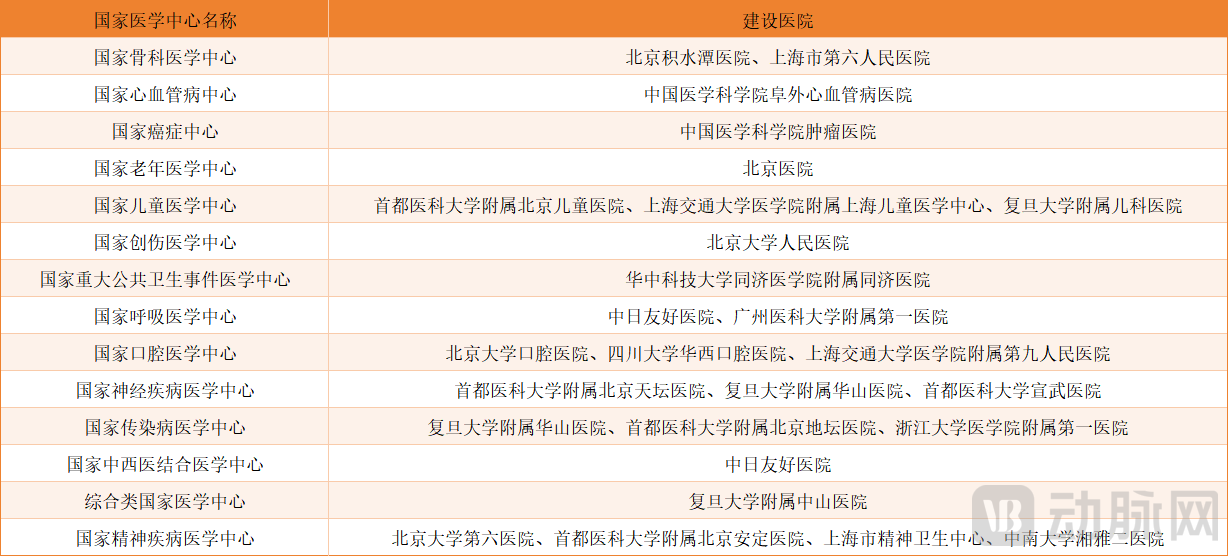
Figure 1: List of National Medical Centers and Hospitals Under Construction
According to incomplete statistics from VCBeat, as of press time, a total of 15 hospitals have participated in the development of 27 specialized large models (applications) for specific diseases and specialties, with 12 of these large models (applications) being the first of their kind in China.For instance, “Futang·Baichuan” from Beijing Children’s Hospital, Capital Medical University, is China’s first large language model (LLM) dedicated to pediatrics; “Guanxin” from Zhongshan Hospital, Fudan University, is the nation’s first medical LLM deeply specialized in cardiovascular care; and “Tianshu” from Beijing Tiantan Hospital, Capital Medical University, is the world’s first LLM focused on neurological disorders. These twelve pioneering initiatives further underscore the capabilities and industry influence of these disease- and specialty-specific large models (applications).
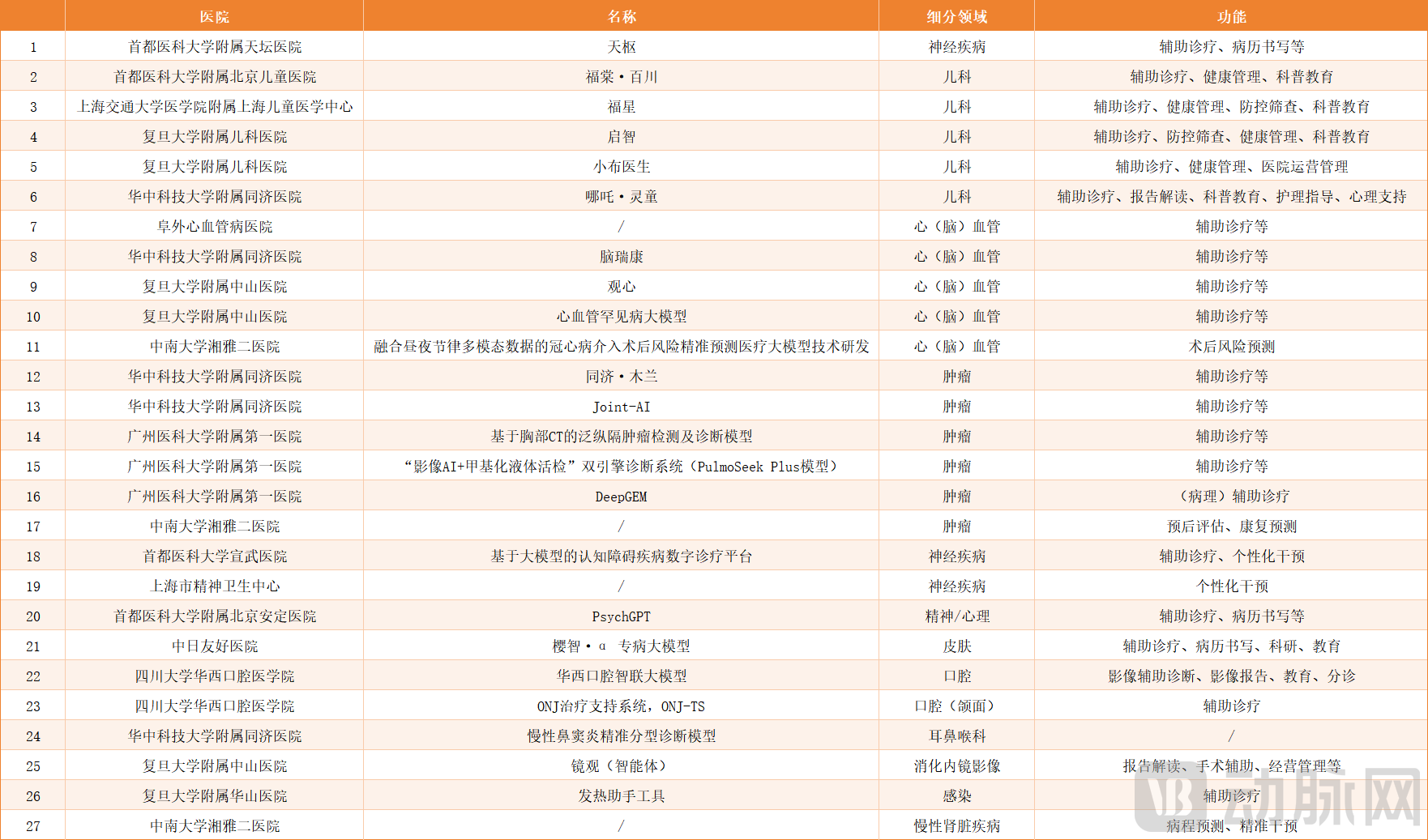
Figure 2: List of Specialized Disease and Specialty Large Models (Applications) for Hospitals Under Construction as National Medical Centers
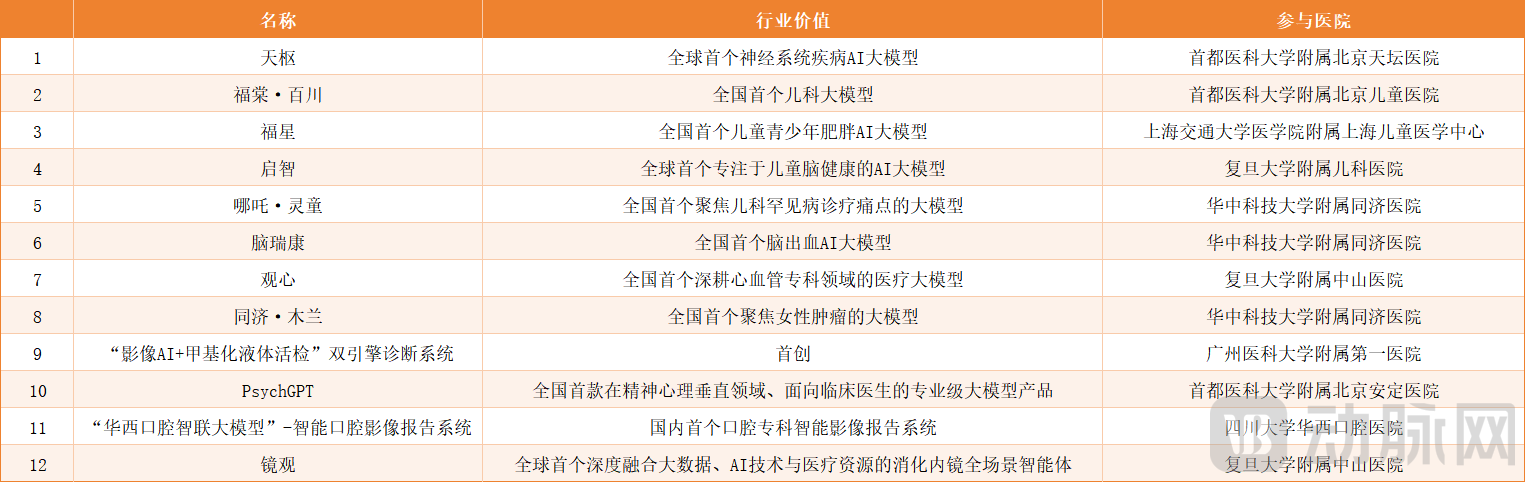
Figure 3: List of the First Specialty-Specific Large Models (Applications) Developed by National Medical Centers
In terms of quantity, Tongji Hospital Affiliated to Huazhong University of Science and Technology currently has the largest number of specialized disease-specific large models (applications), with a total of five, covering areas including pediatric rare diseases, cerebral hemorrhage, female cancers, pancreatic cancer, and sinusitis.; Zhongshan Hospital, Fudan University, and the First Affiliated Hospital of Guangzhou Medical University ranked second with three large language models (applications) each. The former’s models cover cardiovascular specialties, rare cardiovascular diseases, and digestive endoscopy, while the latter’s developed models are all oncology-related, focusing on two disease types: pan-mediastinal tumors and lung cancer.
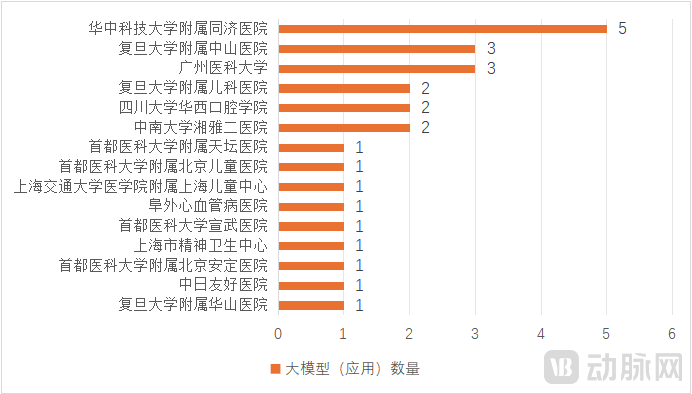
Figure 4: Number of Specialized Disease and Specialty Large Models (Applications) in Hospitals Constructing National Medical Centers
It should be noted that Huashan Hospital Affiliated to Fudan University has not disclosed the number of disease-specific large language models (LLMs) and applications. However, reports indicate that the Department of Infectious Diseases at Huashan Hospital has established collaborations with multiple partners on “leveraging AI large models to promote precise diagnosis and treatment of challenging infectious diseases, such as fever of unknown origin, and to explore related immune pathogenic mechanisms.” One such outcome is the Fever Assistant tool, developed based on a local knowledge base and multimodal large model algorithms. Furthermore, Huashan Hospital Affiliated to Fudan University has constructed disease-specific databases using large model technology, thereby achieving fully automated information extraction and entry for disease-specific Case Report Forms (CRFs), as well as precise AI-driven positioning within hospital-wide whole-course intervention knowledge graphs.
Oncology Large Language Models Become the Main Battleground
From the perspective of specialized fields, disease-specific large models (applications) related to oncology are the most numerous, totaling six; followed by pediatrics and cardiovascular (cerebrovascular) diseases, each involving five large models (applications); neurology ranks next, with three large models (applications) involved.
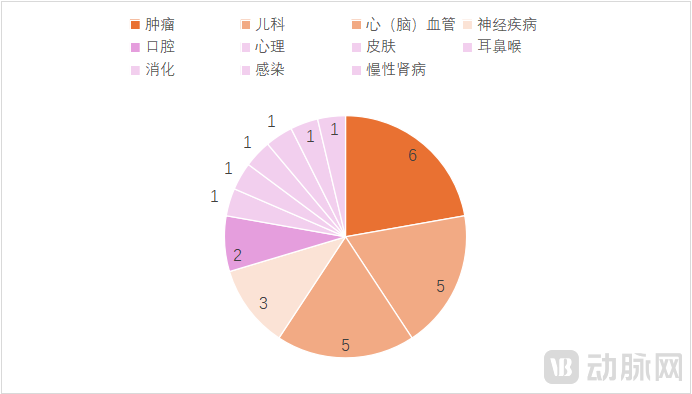
Figure 5: Distribution of Subspecialties in Disease-Specific Large Models (Applications) at Hospitals Under the National Medical Center Initiative
Furthermore, it is worth noting that large models (applications) for multiple specialized fields—including oncology, pediatrics, cardiovascular and cerebrovascular diseases, and neurological disorders—are exhibiting an increasing trend toward specialization.

Figure 6: Oncology Large Language Model (Application) at Hospitals Constructing National Medical Centers
Specifically, six large language models in the oncology field cover five major cancer types: female cancers, pancreatic cancer, pan-mediastinal tumors, lung cancer, and renal tumors. In addition to auxiliary diagnosis and treatment enabled by intelligent consultations, the oncology sector has seen the emergence of disease-specific large models, including pathology-focused and multi-modal imaging-focused models. For instance, “DeepGEM,” developed by the First Affiliated Hospital of Guangzhou Medical University using weakly supervised learning techniques, can predict common genetic mutations in lung cancer patients from routine hematoxylin and eosin (H&E)-stained pathological slide images. Its “Imaging AI + Methylation Liquid Biopsy” dual-engine diagnostic system (the PulmoSeek Plus model) is the first to integrate clinical data, CT imaging features, and blood-based cell-free DNA (cfDNA) methylation biomarkers. This system enables the detection of suspicious nodules measuring 5–10 mm, reducing unnecessary surgical trauma in 85% of patients with benign nodules and avoiding delayed treatment risks in 72% of cases with malignant nodules.

Figure 7: Pediatric Large Language Model (Application) for Hospitals Constructing National Medical Centers
The race to capture market share among large language models (LLMs) in the pediatric field is even more pronounced. To date, five pediatric LLMs (applications) all offer functionalities such as assisted diagnosis and treatment, health management, and popular science education. Upon closer examination, however, while “Futang·Baichuan” and “Xiaobu Doctor” are general-purpose pediatric LLMs, the other three are focused on different specialized subfields within pediatrics.
Among them, “Fuxing” is China’s first AI large model for childhood and adolescent obesity, “Qizhi” is the world’s first AI large model dedicated to children’s brain health, and “Nezha·Lingtong” is China’s first large model focusing on the pain points in the diagnosis and treatment of pediatric rare diseases.
The trend toward specialization has also extended to the field of large models for cardiovascular and cerebrovascular diseases. Tongji Hospital, affiliated with Huazhong University of Science and Technology, focuses its “Nao Rui Kang” model on the niche of cerebral hemorrhage. In addition to releasing a large model for rare cardiovascular diseases, Zhongshan Hospital, affiliated with Fudan University, has launched the highly anticipated Guanxin Large Model, the first domestic large model specifically dedicated to cardiology. The Second Xiangya Hospital of Central South University is developing a medical large model technology for precise risk prediction after percutaneous coronary intervention in coronary heart disease by integrating circadian rhythm multimodal data, while Fuwai Hospital is currently researching and developing a large model to assist in the diagnosis and treatment of cardiomyopathy.
In addition to oncology, pediatrics, and cardiovascular (and cerebrovascular) medicine, large language model (LLM) applications also extend to other specialized medical fields, including psychology, dermatology, dentistry, otolaryngology, gastroenterology, infectious diseases, chronic kidney disease, and medical imaging (non-disease-specific).
Hospital-Enterprise Collaborative Development Remains the Mainstream
From the perspective of collaboration models, 12 out of the 27 specialized disease and specialty large models (applications) adopted a hospital-enterprise collaborative development approach, accounting for a significant proportion.
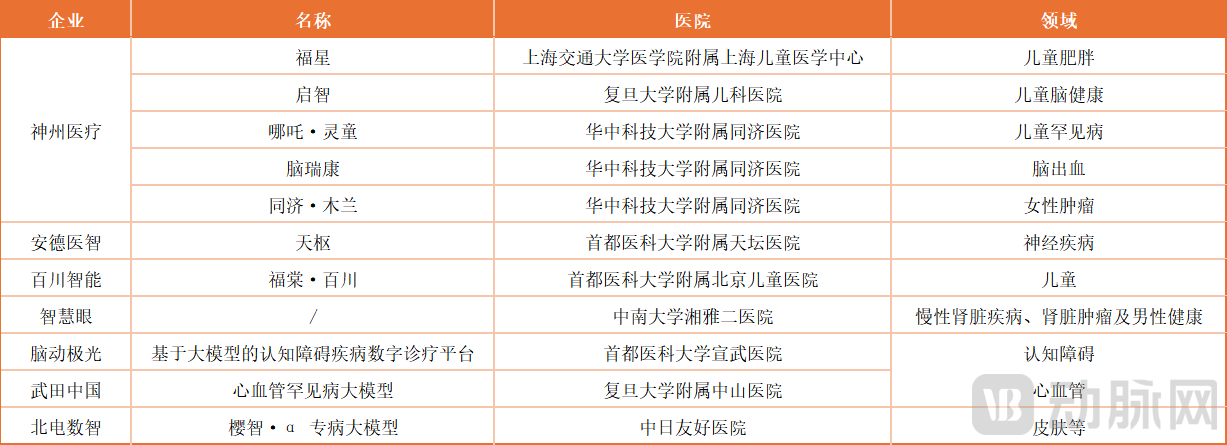
Figure 8: Specialized Large Language Model for Specific Diseases and Specialties Co-developed by Hospitals and Enterprises (Application)
In terms of the number of collaborations, Shenzhou Medical participated in the most projects among the 12 large models (applications) for specialized diseases and specialties, with a total of five. Meanwhile, other companies such as Baichuan Intelligence, Ande Yizhi, Zhihuiyan, BrainDong Aurora, and Takeda China have also carried out collaborations with relevant hospitals.
Corporate participation addresses the shortage of interdisciplinary talent with both engineering and medical expertise in most hospitals, effectively empowering them to tackle key technical challenges in developing large models for specialized diseases and departments. With strong corporate support, many such disease- and specialty-specific large models have indeed made encouraging progress.
Instant transcription of doctor-patient conversations, one-click generation of medical records, and automated imaging reports... To address critical pain points in the management of neurological disorders—such as the high prevalence of acute and severe cases, stringent requirements for timely intervention, and excessive documentation burdens on physicians—the "Tianshu" multimodal large AI model for neurological diseases, jointly developed by Beijing Tiantan Hospital (Capital Medical University) and Ande Yizhi, leverages speech recognition and natural language understanding technologies to reduce the average time spent on outpatient and inpatient medical record documentation by more than 70%.
Moreover, leveraging high-quality real-world medical data and the clinical expertise of authoritative neurology specialists from Beijing Tiantan Hospital, “Tianshu” deeply integrates Ande Medical Intelligence’s proprietary imaging large language model with various open-source large language models. Built upon Huawei’s independently innovated infrastructure and fully adapted to the Ascend computing power platform, it achieves a comprehensive leap in capabilities ranging from precise image recognition to intelligent diagnostic and therapeutic decision-making. This establishes an intelligent collaborative system covering the entire cycle of “screening, diagnosis, treatment, and rehabilitation,” suitable for diverse clinical scenarios including outpatient, emergency, and inpatient care.
Furthermore, to align diagnostic and treatment decisions more closely with real-world clinical logic, “Tianshu” has achieved expert-level diagnostic capabilities through techniques such as knowledge distillation, supported by Ande Medical Intelligence. Moreover, the “Tianshu” large language model can automatically extract 90% of the information required for quality control reporting, significantly enhancing the standardization of diagnosis and treatment for neurological disorders. To address the common issue of “hallucinations” in AI large models, the system incorporates a multi-modal data cross-validation mechanism and maintains real-time indexing of neurology-related knowledge bases and clinical guidelines. This ensures that every decision is supported by a complete and traceable chain of evidence, thereby comprehensively improving the credibility and safety of AI-assisted diagnosis and treatment for neurological diseases.
Shenzhou Medical is also making significant strides in addressing the issue of hallucinations. A prime example is “Qizhi,” the world’s first large AI model dedicated to pediatric brain health, developed jointly by Shenzhou Medical and the Children’s Hospital of Fudan University. By integrating retrieval-augmented generation (RAG) technology with a semantic similarity reranking strategy, “Qizhi” effectively mitigates hallucination risks, thereby ensuring the credibility and professionalism of its responses.
Meanwhile, to address issues such as the poor adaptability of general-purpose large models in pediatric brain health scenarios, “Qizhi” integrates clinical expertise from the National Center for Children’s Health in the field of brain health with internationally leading innovative achievements. By incorporating evidence-based medical guidelines and consensus, and leveraging Shenzhou Medical’s dual-engine multimodal technology, it enhances the clinical application effectiveness of large models through knowledge base construction, model fine-tuning, and prompt engineering. This provides technical support for the prevention, treatment, and cognitive promotion of pediatric brain disorders across multiple terminals and scenarios.
Based on project progress, at least 15 of the 27 specialized disease-specific large language models have entered or are about to enter the application phase.
Some of these disease-specific and specialty-specific large language models (LLMs) will be integrated into the National Children’s Medical Center Collaborative Network to deepen multi-center real-world studies. Examples include “Nezha·Lingtong,” a pediatric rare disease LLM developed by Tongji Hospital affiliated with Huazhong University of Science and Technology in collaboration with Shenzhou Medical, and “Futang·Baichuan,” developed by Beijing Children’s Hospital affiliated with Capital Medical University in partnership with Baichuan Intelligence and others. Others are expected to be rapidly deployed through relevant “screening, prevention, and control systems.” For instance, “Fuxing,” a pediatric and adolescent obesity LLM developed by Shanghai Children’s Medical Center affiliated with Shanghai Jiao Tong University School of Medicine in collaboration with Shenzhou Medical, emphasizes obesity screening and intelligent intervention for children and adolescents within a collaborative network involving families, communities, and schools.
Among R&D projects that have not yet entered large-scale clinical application, several have announced their imminent entry into clinical use or accelerated industrialization. As more disease-specific and specialty-specific large language models are deployed at scale in real-world settings, such models in China will inevitably address critical pain points and deliver genuine, value-added empowerment to clinical practice.