After '0 to 1': Breaking Through and Sailing Forward in China's Stem Cell Industry
On January 2, Bosheng Zhuoyue’s stem cell therapy, Amemetosel Injection, received marketing approval, becoming the first approved stem cell therapy in China. Not long ago, Academician Huang Xiaojun’s team at Peking University People’s Hospital issued the country’s first prescription for a stem cell drug, namely Amemetosel Injection.
This not only marks the official launch of commercial clinical application for China’s first stem cell drug, but also signifiesChina Cell and Gene Therapy (CGT) Breakthrough Leap in the Industry。
According to data from ClinicalTrials.gov, there are currently over 10,000 registered stem cell clinical research projects worldwide, with more than 1,000 such projects in China. Market projections for global stem cell therapies further underscore the explosive potential of this field.
According to an analysis report by Precedence Research, the global stem cell market size was $15 billion in 2023 and is projected to grow to approximately $48.83 billion by 2034.
As “universal cells,” stem cell technology has been one of the hottest tracks in the biomedical field since the 21st century, and is currentlyAt the critical juncture of translating basic research into clinical applications, it is necessary to overcome multiple barriers in technology, policy, and commercialization to truly achieve a “0 to 1” breakthrough.。
The Dilemma of Scientific Consensus and Regulatory Harmonization for MSCs
Stem cells can be classified into totipotent, pluripotent, and multipotent stem cells based on their differentiation potential. The types of stem cells most commonly used in clinical practice mainly include mesenchymal stem cells,Hematopoietic Stem Cells, neural stem cells, skin stem cells, pancreatic islet stem cells, adipose-derived stem cells, etc.
Among them, mesenchymal stem cells (MSCs) possess five key characteristics: self-renewal, low immunogenicity, high bioactivity, tropism toward inflammatory sites, and non-tumorigenicity, making them one of the most prominent areas of research in stem cell therapy. As of May 2025, nearly 600 MSC-related clinical trials were registered on ClinicalTrials.gov. The aforementioned Aimaituosai injection is China’s first approved MSC-based pharmaceutical product.
It can be said that mesenchymal stem cells (MSCs) have consistently dominated the field of stem cell products. As research continues to deepen, the applications of MSC therapy have expanded beyond bone and cartilage repair to include the nervous system and cardiovascular fields. Meanwhile, dental disorders, corneal diseases, hematologic conditions, and diabetes represent important areas of clinical investigation for MSCs.
According to incomplete statistics, nearly 40 companies in China have entered the field of MSC therapy and achieved certain clinical progress. Among them, iCell Biotech’s umbilical cord-derived MSC product IxCell hUC-MSC-O (for treating knee osteoarthritis), Cytopeutics’ allogeneic human adipose-derived mesenchymal progenitor cell injection AlloJoin (for treating knee osteoarthritis), Tianjin Madison Regenerative Medicine’s bone marrow-derived MSC product Promaitosai Injection (for treating chronic graft-versus-host disease), Dekang Bio’s allogeneic human adipose-derived MSC product DK001 (for treating complex anal fistulas in inactive/mildly active Crohn’s disease), and Tuohong Kangheng Pharmaceutical’s umbilical cord-derived MSC product TH-SC01 Cell Injection (for treating perianal fistulas caused by Crohn’s disease) have all entered Phase III clinical trials.
However, MSCs face numerous challenges in the process of clinical translation, with the primary issue being the dilemma between scientific consensus and regulatory harmonization. There is ongoing debate within both industry and academia regarding whether MSCs should be identified as “Mesenchymal Stem Cells” or “Mesenchymal Stromal Cells.”
Mesenchymal Stem Cells and Mesenchymal Stromal Cells Are Distinct Cell Populations; Confusion Between These Concepts Has Directly Led to Inconsistent Clinical Outcomes of MSCs.
At the International Society for Cell & Gene Therapy (ISCT) 2025 Annual Meeting, held just recently, ISCT released the updated identification criteria for mesenchymal stromal cells (MSCs).MSCs are explicitly defined as "mesenchymal stromal cells", if the term “stem cells” is used, evidence of stemness gene expression must be provided.
This also means that regulatory agencies urgently need to establish an evaluation framework tailored to MSC products, and companies will face more refined quality control standards.
Breakthroughs and Controversies in the Path to Exosome-Based Therapeutics
If mesenchymal stem cells (MSCs) are the “logistics hubs,” then exosomes are the “couriers” between cells. As a type of extracellular vesicle, exosomes are composed of natural human proteins and lipids and are present in various biological fluids. This enables exosomes not only to penetrate tissues but also to disseminate through the bloodstream and even cross the blood-brain barrier. Leveraging these properties, exosomes can be used for disease treatment and as drug carriers to improve drug delivery methods.
The striking advantages and vast development potential exhibited by exosomes have attracted multiple pharmaceutical giants to enter the field. From a financing perspective,Cibioman BiotechnologyAfter completing strategic financing in 2016, the domestic exosome therapy technology platform gradually came into prominence, with its popularity surging in 2019. Bio-Tnt,Darwin Cell Biology, Enze Kangtai, Ruijian Pharma, and EHang Bio successfully completed their financing rounds.
On June 10, one month ago, the Center for Drug Evaluation (CDE) of China’s National Medical Products Administration released the “Scope, Classification, and Definitions of Advanced Therapy Medicinal Products (Draft for Comment),” explicitly including extracellular vesicles (exosomes) within the regulatory framework for advanced therapy medicinal products at the official level for the first time.
In terms of clinical progress, the potential of exosomes is being acceleratedly validated, with an increasing number of biotechnology companies beginning to explore the druggability of exosomes in central nervous system (CNS) diseases. SNE-101, a microRNA-based exosome therapeutic for stroke independently developed by the South Korean biotechnology company S&E Biotech, has recently received formal approval from the Ministry of Food and Drug Safety (MFDS) of South Korea to initiate Phase 1b clinical trials. This marks the first exosome therapy in South Korea to enter the clinical stage.
Zhujiang Hospital of Southern Medical University in China has launched the world’s first clinical study on stem cell-derived exosomes for treating liver failure, exploring intravenous exosome infusion to improve survival rates. Clinical trials at Ruijin Hospital using mesenchymal stem cell-derived exosomes administered via nasal spray for Alzheimer’s disease have demonstrated efficacy superior to existing medications. Hainan Boao Lecheng has included exosomes in its “Medical Special Zone” pilot program to accelerate their clinical translation.
However, Deramiocel, the world’s first exosome-based cell therapy product that was once highly anticipated, has been formally denied approval by the FDA. This decision not only caused a sharp plunge in the stock price of the developer, Capricor Therapeutics, but also exposed the dual bottlenecks facing exosome technology and regulatory oversight, highlighting the arduous path toward developing exosome-based therapeutics.
Balancing the Pace of Innovation with Scientific Needs
Innovation in the laboratory never ceases, and regulatory upgrades are always underway.
In mainland China, the regulatory framework for stem cells follows a “dual-track” approach: a filing system overseen by the National Health Commission, which applies to clinical research and translational applications of stem cell therapies conducted within medical institutions and led by such institutions; and a registration system managed by drug regulatory authorities, which applies to cell therapy products developed by enterprises and submitted for registration and market approval in accordance with relevant pharmaceutical regulations.
It can be said to be under the responsibility of the National Health Commission.IITResearch-oriented studies differ from IND registrations overseen by the National Medical Products Administration (NMPA), which are drug-oriented. Although current regulations stipulate that investigator-initiated trials (IITs) typically focus on marketed products to explore new indications or optimize treatment regimens, cell therapies (such as CAR-T and stem cell therapies) are permitted to bypass this restriction due to the unique nature of their technology and urgent clinical needs.
As the only international medical tourism pilot zone in China, Boao Lecheng in Hainan saw the implementation of the "Regulations on Promoting New Biomedical Technologies in the Boao Lecheng International Medical Tourism Pilot Zone of the Hainan Free Trade Port" this February. These regulations, for the first time in the form of local legislation, explicitly support clinical research and translational applications of frontier technologies such as stem cells, and innovatively establish a system of "filing, pricing, and public disclosure."
Scientific needs, patient rights, and regulation have reached a new balance, opening a special pathway for patients.
We also believe that, as the scientific consensus on MSCs becomes clearer in the future, technical bottlenecks in the development of exosome-based therapeutics are gradually overcome, and regulatory frameworks evolve through prudent innovation,The Dawn of the Stem Cell Industry’s “0 to 1” Breakthrough Is Emerging。
The Path to Resolution
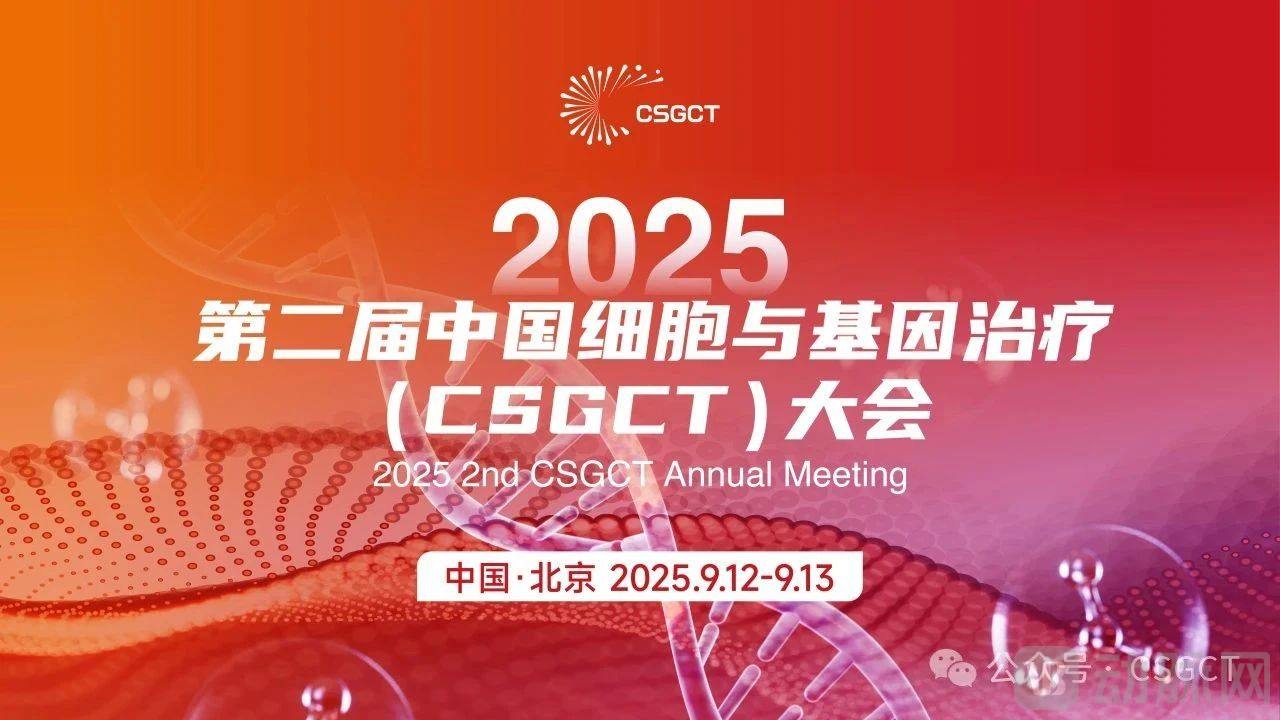
To drive technological breakthroughs, industrial integration, policy alignment, and international cooperation in China’s cell and gene therapy (CGT) sector, and to propel the Chinese CGT industry to the forefront of global competition, the China Society for Gene and Cell Therapy (CSGCT) Conference was established.
Leveraging its close ties with the American Society of Gene & Cell Therapy (ASGCT), the 2025 CSGCT Annual Meeting will bring together leading scientists, clinical experts, multinational pharmaceutical companies, and overseas investment institutions from around the world. The event will showcase the most cutting-edge scientific advances, technologies, and applications in the global cell and gene therapy field, provide insights on market access, highlight high-quality collaborative projects, and facilitate matchmaking between overseas investors and investment opportunities. It aims to build a platform for in-depth exchange and cooperation between China’s cell and gene therapy industry and the global value chain.
The conference closely addressed the industry’s hotspots, pain points, and bottlenecks, featuring1 Main Forum + 18 High-End Sub-Forums, coveringLatest Advances in Global Gene Therapy, Immune Cell Therapy, In Vivo CAR-T, Adult Stem Cells and Exosomes, iPSC-Derived Cell Therapies, Small Nucleic Acid Drugs, Gene Editing, Oncolytic Viruses, and Tumor Vaccines; Clinical Applications and Breakthroughs; CMC and Testing; AI-Driven Drug Discovery; Registration and Regulation; Investment, Financing, and BD Matchmaking...deep coverage of the entire industry chain.
The 2025 CSGCT Conference will establish “Sub-forum on “Adult Stem Cells and Exosomes: From 0 to 1”,Special InvitationZhang Yu, CSO of Vcanbio, served as the lead for the sub-forum and participated in planning its thematic direction., bringing together key players across the industry chain and inviting founders, CEOs, and other senior executives from leading innovative companies to engage deeply in multi-perspective discussions on practical experiences in technological integration, viable pathways for regulatory coordination, and strategies for building a robust industrial ecosystem.
Related Issues:
Topic Sharing: The Evolution of the Stem Cell Industry from a Capital Perspective
Roundtable Discussion: Can Exosomes Be Developed into Drugs?
Roundtable Discussion: The Dual-Track System—How to Balance Innovation and Equity?
Roundtable Discussion: MSCs, How Should They Be Defined?
Roundtable Discussion: How Can Chinese Stem Cell Companies Go Global?
……
Confirmed Attendees:
Zhang Yu, Zhongyuan Union Cell & Gene Engineering Corp., CSO (Lead)
Yin Hang, Professor at the School of Pharmaceutical Sciences, Tsinghua University
Wu Biao, Deputy Dean, West Taihu Institute of Frontier Technologies in Cell Therapy
Gao Jianchao, Associate Research Fellow at Changping Laboratory, Former Review Expert at the CDE
Ge Xiaohu, Tianjin Exosome, Chairman
Zhao Libo, CEO of Enze Kangtai
Zhang Ting, CEO of Regend Therapeutics
Liu Guangyang, Beilai Pharmaceutical, CTO
Zhang Chong, Partner at Songhe Capital
Jia Qianqian, Jiaofa Herui, CTO
Li Cheng, Simmons & Simmons LLP, Partner / Head of Greater China, Healthcare and Life Sciences Practice
More speakers to be announced!
September 12–13, 2025
2025 The 2nd China Cell & Gene Therapy (CSGCT) Conference
Subforum on Stem Cells and Exosomes
For more details, scan the QR code to visit the official conference website.
Speech / Sponsorship / Exhibition and Business Cooperation Inquiries
Ms. Li: 18600921680 (WeChat available)
Conference Registration / Business Delegation Inquiry
Ms. Ren: 15111945514 (WeChat ID same as phone number)
More Details
Previous Reviews
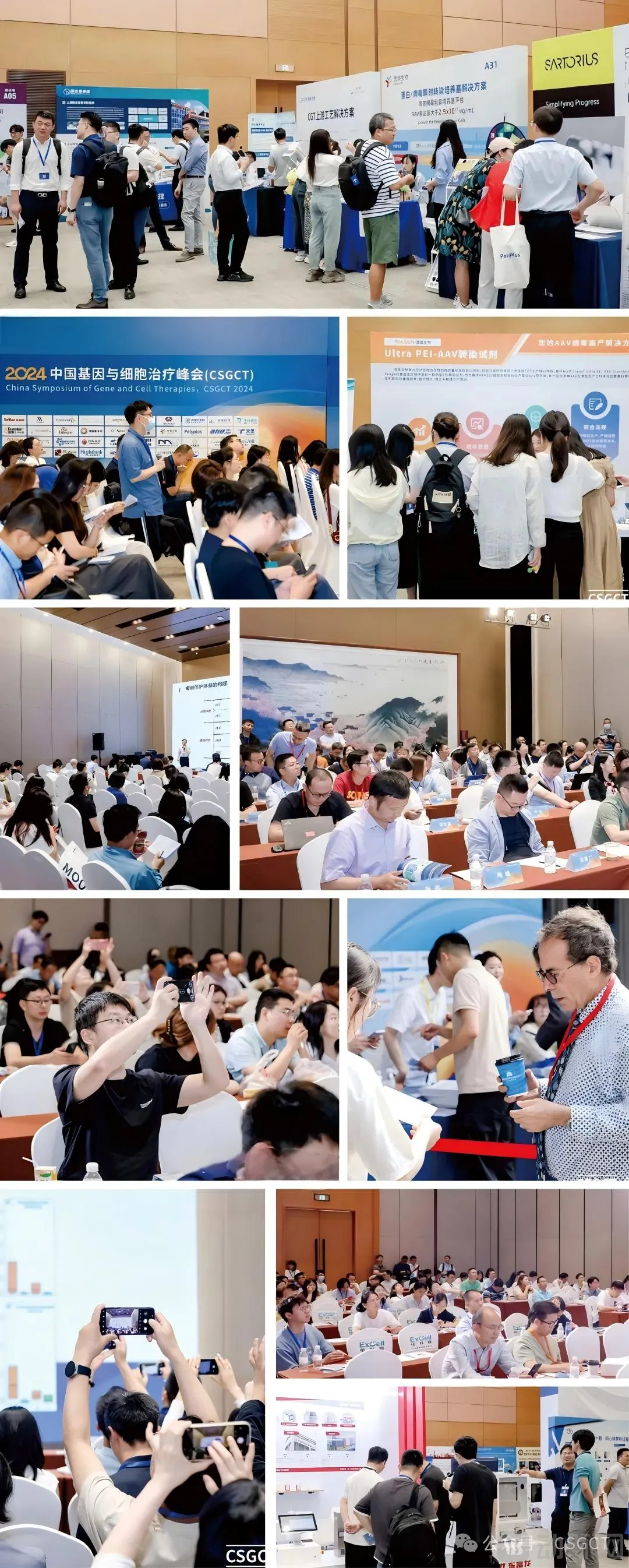
2024 CSGCT Conference