

Cooler Heads Secures $11M Series A Funding to Expand Access to Amma™, the FDA-Cleared Portable Scalp Cooling System for Chemotherapy-Induced Hair Loss

Cooler Heads
Portable Scalp Cooling System Developer
On July 22, 2025, the San Diego, California-basedMedical Device Company Cooler Heads Announces Completion of $11 Million Oversubscribed Series A Financing, to accelerate the production and market deployment of its FDA-cleared portable scalp cooling device, Amma. This round of financing was led by Mutual Capital Partners, a venture capital firm focused on medical technology and medical devices.
Amma is used to reduce chemotherapy-induced hair loss. This function not only mitigates the blow to patients’ self-image and concerns about privacy exposure caused by hair loss, but also addresses the psychological needs arising during cancer treatment. Cooler Heads has leveraged Amma as a breakthrough point to restructure the technical architecture and scenario logic of its cooling system, aiming to truly integrate this “niche yet critical” technology into routine chemotherapy workflows.
A Breast Cancer Survivor’s Entrepreneurial Journey
The story of Cooler Heads began with a patient’s personal experience and stemmed from a long-overlooked, real-world pain point.
Company founder Kate Dilligan was formerly a senior executive in Silicon Valley’s technology sector. During her breast cancer diagnosis and chemotherapy treatment, the resulting hair loss had a profound psychological impact on her.
Scalp cooling systems are therapeutic devices specifically designed to reduce hair loss in patients undergoing chemotherapy. However, what troubled her was the user experience of the scalp cooling devices available on the market at the time: they were bulky, expensive, and required reliance on in-hospital equipment and assistance from professional staff. This not only made operation cumbersome but also severely limited accessibility. Furthermore, in her view, hair loss was not merely a “cosmetic issue” but a critical matter concerning patient dignity and self-identity.

Figure 1: Founder Kate Dyligan
“For many women, hair signifies identity, a sense of control, and even the confidence to keep living.” She stated in an interview that this experience, “difficult to quantify medically,” became the primary driving force behind her decision to start a business.
In 2018, Dilligan founded Cooler Heads in San Diego, California, with the aim of developing a truly portable scalp cooling system that does not rely on medical personnel and can be used independently by patients.
Over the next few years, Cooler Heads successfully navigated the path from prototype refinement and clinical trials to commercial deployment. In 2019, Cooler Heads completed a seed funding round of approximately $1.4 million to support product prototype development and validation of its temperature control mechanism; subsequently, the product entered early-stage clinical testing, and the team began continuously optimizing the user interface and remote support capabilities.
In 2021, the flagship product Amma received FDA 510(k) clearance for market launch, becoming the first approved portable scalp cooling device in the U.S. market. With its wearable, patient-operated design, Amma has been deployed in multiple infusion centers, improving the treatment experience and comfort of patients undergoing chemotherapy.
In July 2025, Cooler Heads completed an $11 million Series A financing round. The funds will be used to expand production, broaden its commercial network, advance payment integration, and iterate on its products. Currently, the company is advancing a comprehensive strategic layout to integrate scalp cooling technology from adjunctive therapy into routine clinical practice.
From One Patient’s Journey, Cooler Heads Forges a Unique Path in Medical Device Innovation Over Seven Years——It not only achieves a breakthrough in product form, but also drives the value transition of medical devices from “treating diseases” to “treating patients.”
Portable, Easy-to-Use, and Automated: Cooler Heads Are Also “User-Friendly”
Although chemotherapy is one of the cornerstones of modern cancer treatment, it is often accompanied by a series of side effects that cannot be ignored. Among these, the most visible and psychologically impactful is hair loss. Studies have shown thatApproximately 47% of breast cancer patients consider hair loss to be "one of the most anxiety-inducing side effects."[1], some patients may even delay or forgo treatment as a result.
In clinical practice,Scalp Cooling Technology (Scalp Cooling) Has Been Proven Effective in Alleviating Chemotherapy-Induced Hair Loss, its mechanism involves continuous cooling of the scalp to induce vasoconstriction, thereby reducing the penetration of chemotherapy drugs into hair follicles and mitigating damage to hair follicle cells.
Cooler Heads has found its entry point by addressing this real-world pain point. It has transformed the traditional “cooling cap” from a technique reliant on manual labor and in-hospital procedures intoAutomated, Wearable, and Patient-Operated Smart Devices. Its flagship product, Amma, is more akin to a wearable, self-managed, personalized “head therapy device,” designed to help patients retain their hair as much as possible during treatment with minimal cost and maximum convenience, thereby preserving their dignity and sense of identity.
The core principle is straightforward: by continuously cooling the scalp to approximately 65°F (about 18°C), local vasoconstriction is induced, thereby reducing the delivery of chemotherapy drugs to hair follicles and lowering the risk of chemotherapy-induced alopecia. The device initiates cooling 30 minutes prior to infusion, continues throughout the entire chemotherapy session, and maintains cooling for a period after completion. The system consists of three components: a cooling pack that delivers coolant to the scalp, a compression cap that secures the pack in place, and a portable cooling unit that controls the circulation temperature. Amma employs a continuous cooling system, using an electrically driven portable cooling unit to maintain coolant circulation without the need for dry ice or liquid nitrogen. Compared with traditional cold caps, Amma offers automation, constant temperature control, and greater consistency, enabling patients to use the device independently without assistance from healthcare professionals.
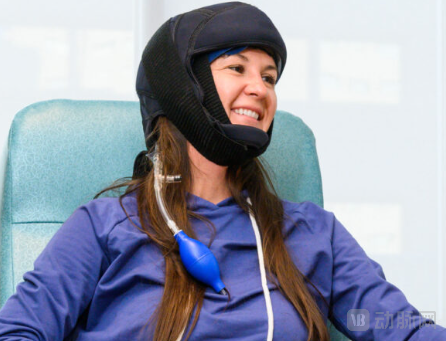
Figure 2: Schematic Diagram of Amma Usage
Amma’s true breakthrough lies in its design philosophy of “moving from the hospital to the patient.” The entire system comprises a portable cooling unit, an intelligent cap, and real-time temperature control algorithms, enabling independent use in outpatient settings and even at home. Built-in sensors monitor scalp temperature in real time, while algorithms dynamically adjust cooling intensity to prevent cold-induced injury. A companion app provides remote status monitoring, operational guidance, and online customer support, significantly lowering the barrier to use.
Notably, Amma features a modular design and supports an on-demand rental model, allowing patients to access the device at numerous infusion centers across the United States, with training and installation conducted remotely via video. This product strategy overcomes the traditional limitations of scalp cooling caps—namely high cost, high barriers to entry, and limited accessibility—transforming scalp cooling technology from a niche option into a widely accessible tool.
The name “Amma” is derived from the Sanskrit word for “mother,” symbolizing gentle guardianship. It also reflects a core shift in its product philosophy: no longer merely an adjunct to hospital workflows, but a therapeutic companion that truly stands with patients and respects their individual choices.
Building a Tripartite Trust System Among Healthcare Providers, Insurers, and Patients to Accelerate the Implementation of Amma
Cooler Heads is not only dedicated to developing a portable and user-friendly scalp cooling device but also regards “technology democratization” as its core corporate mission. It strives to create synergies across three key areas—deployment in medical institutions, establishment of insurance reimbursement mechanisms, and industry education and advocacy—to reshape the trust loop among healthcare providers, insurers, and patients, thereby driving broad accessibility of Amma in real-world clinical settings.
According to official disclosures, Amma has been deployed in multiple infusion centers across the United States. During chemotherapy, patients are no longer confined to infusion chairs and can independently operate the device to cool their scalps, thereby eliminating reliance on traditional cooling caps that require specific treatment infrastructure and nursing resources. This innovation enhances both treatment autonomy and patient comfort.
In October 2024, the American Medical Association (AMA) officially released CPT® Category I codes to replace the previous temporary codes. Effective from 2026, these codes will provide a standardized pathway for insurance reimbursement of scalp cooling technologies, including cryotherapy. This coding upgrade eliminates the need for patients to bear out-of-pocket costs, as these services are expected to be covered by medical insurance.
To accelerate technology adoption, Cooler Heads also promotes technical awareness and standardized usage in infusion centers through online training, user guides, and healthcare provider support materials, helping institutions seamlessly integrate cooling protocols. Overall, Cooler Heads is building a comprehensive ecosystem encompassing equipment supply, treatment workflows, payment coverage, and patient education, gradually transforming the technology from an “experimental adjunct option” into a standard component of chemotherapy support protocols.
Bringing Innovative Devices into Homes, Into Payment Systems, and Into Humanistic Care
Scalp cooling devices remain in their nascent stage in China. The current market relies primarily on a limited number of imported brands, which are not only prohibitively expensive but also concentrated in large tertiary hospitals and high-end private institutions, resulting in limited access for ordinary patients and low technology penetration. The development practices of Cooler Heads offer three key insights for device-focused innovative enterprises in China.
1Miniaturization of Products: Advancing Toward Home Accessibility
As an increasing number of patients expect to receive supportive care at home, there are higher demands for the portability and home-use friendliness of chemotherapy adjunct devices such as cold caps.
Traditional scalp cooling devices are often bulky and heavy, relying on professional in-hospital operation, whereas Cooler Heads’ Amma features a portable design that is “operable by a single person,”Breaking Through Scene LimitationsFor Chinese enterprises, designing products with miniaturization and user-friendly operation centered around “home scenarios” can not only reduce reliance on professional medical environments but also stimulate demand in grassroots markets and among individual consumers.
2Payment Mechanism Coordination: Integration with Diverse Payment Methods
Amma’s gradual integration into the insurance reimbursement system, starting from scratch, is key to its widespread deployment. While China currently lacks medical insurance or commercial insurance coverage for scalp cooling, actively engaging with third-party payment mechanisms—such as commercial insurance and inclusive city-specific supplemental health insurance (“Huimin Bao”)—from the perspective of oncology supportive care may become a crucial pathway to overcoming early-stage reimbursement barriers.
3Building Humanistic Medical Value by Addressing “Non-Medical Issues”
The success of Cooler Heads demonstrates that addressing peripheral needs centered on “patient experience” can also foster innovative breakthroughs that combine clinical significance with industrial value. This offers important insights for China’s oncology care market, which is increasingly emphasizing “integrated mind-body treatment” and “whole-disease-course management.”
As patient rights awareness grows and cancer increasingly becomes a chronic condition, China’s healthcare market is awaiting a new wave of device innovators who offer solutions that are affordable, user-friendly, and empathetic. Starting from patients’ pain points and addressing clinical gaps through engineering innovation, Cooler Heads’ approach may well be suited to the localized restructuring of the Chinese model.
References:
[1]Trüeb RM. Chemotherapy-induced hair loss. Skin Therapy Lett. 2010 Jul-Aug;15(7):5-7. PMID: 20700552.