

2025 Digital Therapeutics Conference Grandly Opens, Accelerating Hainan's Rise as a Global Innovation Hub for Digital Therapeutics
To accelerate the development of Hainan’s brand as a global innovation hub for digital therapeutics and to attract and gather global innovative resources in this field, August 15–16, 2025, hosted by Beijing Danhuang Technology Co., Ltd. and VCBeat, organized by Chongqing Dongmaicheng Technology Co., Ltd. and Hainan Danhuang Technology Co., Ltd., in strategic cooperation with Hainan Free Trade Port Eco-Software Park, in ecological cooperation with China Merchants Bank, and co-hosted by the parallel forums of the Global Health Economics Branch of the Chinese Society of Health Economics, the Health Industry Branch of the Chinese Society of Health Economics, the Hainan Digital Healthcare Association, and the Digital Medicine Branch of the Hainan Medical Association“2025 Digital Therapeutics Conference” Grandly Opens in Haikou, Hainan Province.
Themed “Embracing a Hundred ‘Data’ Streams,” this conference brings together the latest global developments in digital therapeutics, policy interpretation, academic exchange, industry collaboration, and innovation showcases through keynote speeches, list unveilings, and the release of a panoramic map. The event has invited numerous distinguished guests and high-level industry professionals from domestic and international government departments, academicians and scientists, clinical experts, and corporate leaders to jointly discuss and share insights on the development direction, cutting-edge trends, and collaborative opportunities in digital therapeutics.
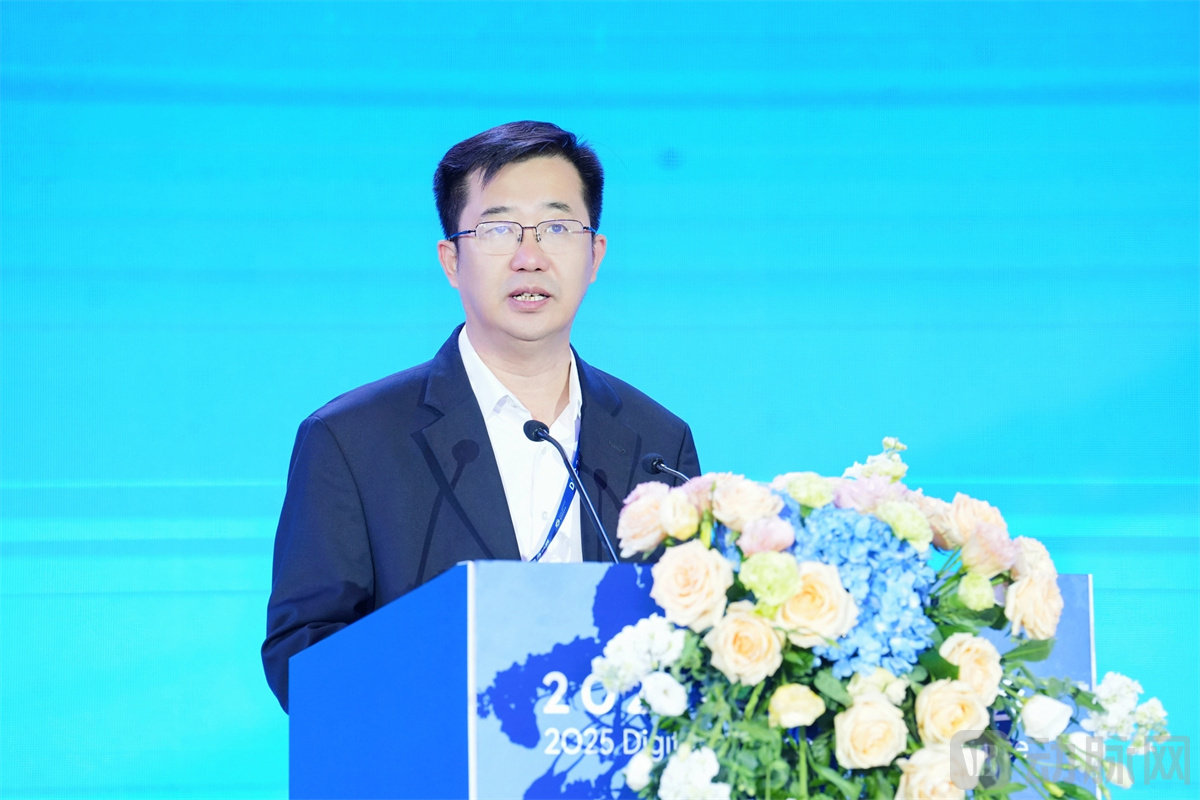
Li Wenxiu, Director of the Hainan Provincial Health CommissionHe attended the event and delivered a speech. He pointed out that Hainan is accelerating the construction of a modern industrial system with distinct local characteristics and advantages. As one of the key directions for innovative development in modern services and high-tech industries, digital therapeutics represents a priority area in the health industry layout of the Hainan Free Trade Port (FTP). Leveraging the policy advantages of the FTP, Hainan is systematically advancing the development of a collaborative digital healthcare ecosystem. On one hand, it is expediting the establishment of a big data center for medical, pharmaceutical, and health services, breaking down cross-departmental and cross-regional data barriers to achieve interoperability of health data. On the other hand, it is vigorously promoting the digital transformation of medical institutions, facilitating the decentralization of high-quality medical resources to grassroots levels, thereby enabling the public to enjoy more convenient and efficient health services. With the imminent implementation of island-wide customs closure operations in the Hainan FTP, Hainan is becoming a new frontier for China’s opening-up, a new hub for regional mutually beneficial cooperation, and a new engine for driving economic globalization. It is hoped that more industry practitioners will share in the policy dividends of the Free Trade Port in Hainan, promote technological innovation and industrial upgrading in digital therapeutics, and work together to build an internationally influential highland for the digital health industry.
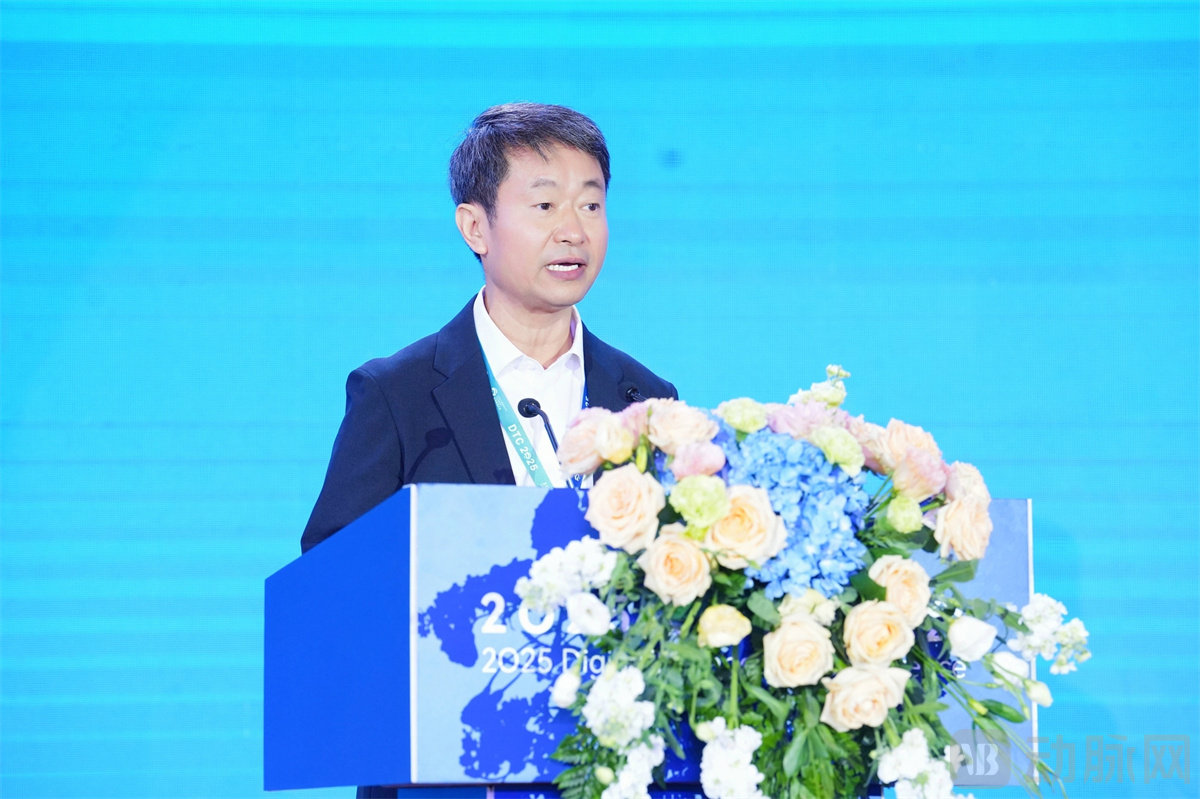
Zhu Hongbiao, Former First-Level Inspector of the Department of System Reform under the National Health Commission, Vice President and Secretary-General of the Chinese Society of Health Economics, and President of the Branch on Medical and Pharmaceutical System Reform of the Chinese Society of Health EconomicsHe attended the event and delivered a speech. He stated that digital therapeutics, as a typical representative of new-quality productive forces in the healthcare sector, are revolutionizing healthcare service models with their core characteristics of high technology, high efficiency, and high quality. They bring new opportunities for advancing the Healthy China initiative and serve as a vital force in improving the health status of the entire population. The Outline of the “Healthy China 2030” Plan explicitly calls for leveraging technological innovations such as the internet, big data, and artificial intelligence to enhance medical services. With policy support, the application of digital therapeutics continues to expand across disease prevention, diagnosis, treatment, and rehabilitation, offering broad prospects. The 2025 Digital Therapeutics Conference has established a platform for exchange and collaboration. The Chinese Health Economics Association is committed to working with all parties to explore pathways for industrial development, pool intellectual resources, and jointly promote the vigorous growth of this cause and industry.
Hainan has long provided comprehensive policy support for the development of digital therapeutics, aiming to comprehensively advance the high-quality, coordinated development of the Hainan Free Trade Port’s digital health service system and digital health economy, establish a nationally leading hub for digital health innovation, and accelerate the construction of an international health island at a higher level.
Now, as Hainan Free Trade Port is about to implement island-wide customs closure operations, Hainan has unprecedentedly strengthened its policy support for industries.
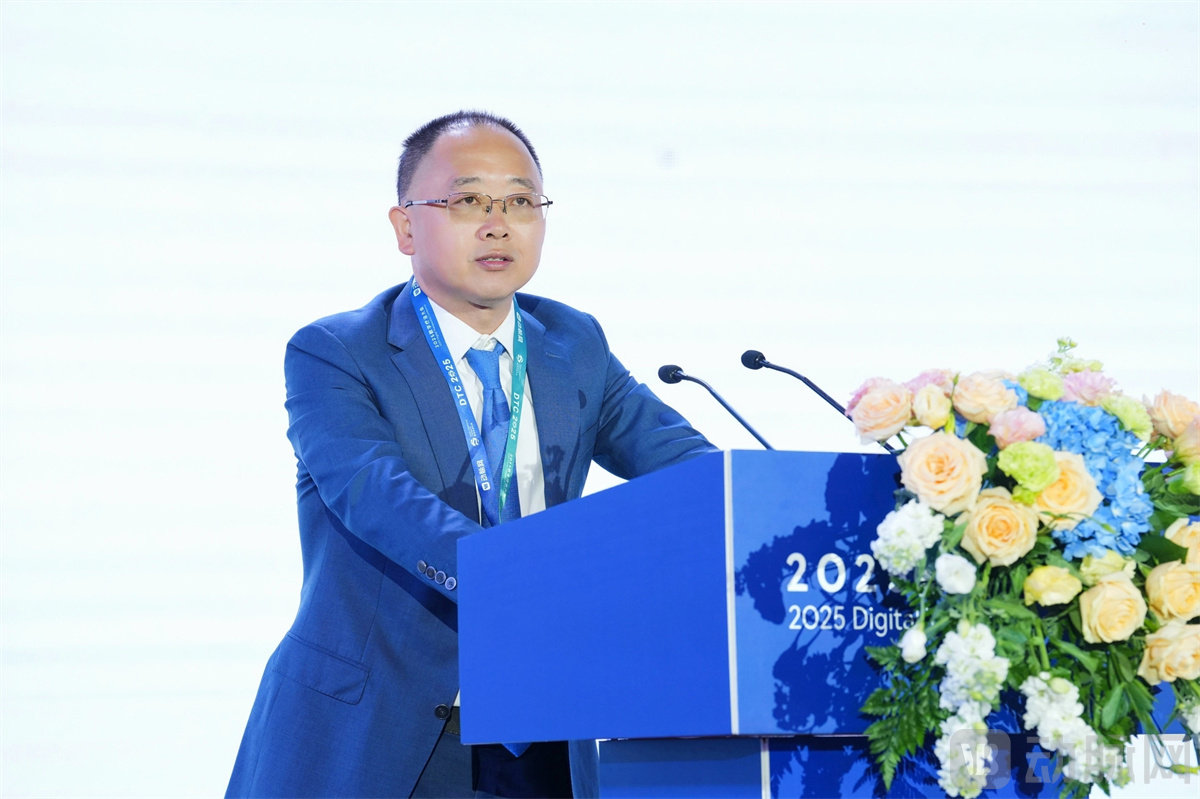
At the 2025 Digital Therapeutics Conference,Liao Zengliang, Deputy Director of the Office of the Hainan Provincial Committee of the Communist Party of China for Comprehensive Deepening of Reforms (Office of the Free Trade Port Working Committee)An overview was provided on the construction progress, policy and institutional framework, and advantages of the Hainan Free Trade Port (FTP). He pointed out that since the implementation of the Overall Plan for the Construction of the Hainan Free Trade Port, from 2020 to 2024, the province’s gross regional product (GRP) grew at an average annual rate of 5.5%, fixed-asset investment by 4.3%, total retail sales of consumer goods by 4.3%, value-added in industry by 5.1%, and imports and exports of goods and services by 31.3% and 32.3%, respectively, while the economy’s outward orientation increased by 18.4 percentage points. Underpinning these achievements is Hainan FTP’s unique “4-3-2-1” policy and institutional system. Following the initiation of island-wide customs closure operations, Hainan FTP will implement more favorable zero-tariff policies, more liberalized trade management measures, more convenient passage arrangements, and a more efficient and precise regulatory model. Hainan will establish a “4-5-3-2” modern industrial system with distinctive local characteristics and competitive advantages. Focusing on the digital health industry, Hainan will continue to improve digital infrastructure to facilitate the flow of data elements in areas such as healthcare, thereby providing strong support for the development of digital therapeutics. Meanwhile, by enhancing the service capacity of national regional medical centers and leveraging the world-class medical resources aggregated in the Boao Lecheng International Medical Tourism Pilot Zone, Hainan will create rich application scenarios for digital therapeutics while capitalizing on healthcare consumption opportunities.
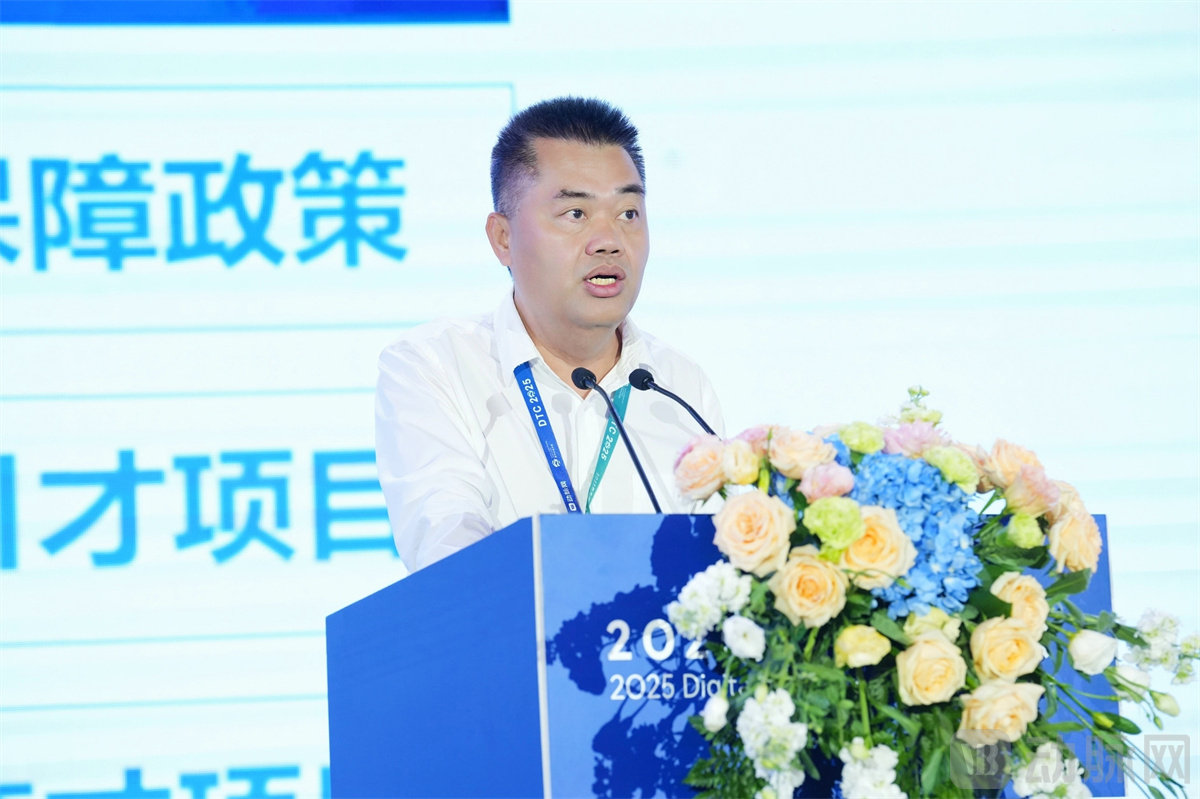
Talent is a key element in the construction of the Hainan Free Trade Port. To better serve the overall situation of Hainan Province’s island-wide customs closure operations, the Talent Development Bureau of the Provincial Party Committee has adhered to the concept of coordinating talent work with the development of key industrial projects. Leveraging Hainan’s advantages as a hub for conventions and exhibitions, the Bureau has proactively identified and aligned with thematic activities and major conferences organized by key provincial industries, investment promotion and industrial departments, and national and provincial scientific and technological innovation platforms. Taking a proactive approach, it has launched the “Talent Accompaniment” recruitment campaign centered on the development of Hainan’s “4532” modern industrial system. At the conference venue, the Talent Development Bureau of the Provincial Party Committee set up an information booth for talent policy consultations, where various “easy-to-understand” guides on provincial talent policies were neatly displayed, covering multiple groups including high-level talents, university graduates, professional and technical personnel, and highly skilled workers.Chen Wanjie, Director of the Second Division of the Talent Development Bureau of the CPC Hainan Provincial CommitteePromotion of Talent Policies at the 2025 Digital Therapeutics Conference. He pointed out that, in terms of talent attraction initiatives, Hainan Province has established the “Sifang Zhi Cai” (Talent from All Directions) Aggregation Plan, which targets leading talents, team-based talents, flexible-engagement talents, and international talents, providing them with relevant subsidies and service guarantees. Currently, the Talent Development Bureau of the Hainan Provincial Committee is implementing a liaison officer system for high-level talent services, assembling a team of 644 liaison officers, and establishing a three-tiered enterprise talent service framework at the provincial, municipal/county, and key industrial park levels, comprising “Chief Enterprise Service Officers + Coordinators + Liaison Officers,” to deliver efficient, convenient, and considerate services to talents.

Driven by the combined forces of favorable policies, talent, and other factors, Hainan Province’s digital health industry is experiencing rapid development.Zhang Guangpeng, Deputy Director of the Hainan Provincial Health CommissionDelivered a speech on the “Report on the Progress of Digital Therapeutics in Hainan Province.” He stated that after Hainan Province issued its first policy providing full-lifecycle support for the development of the digital therapeutics industry in 2022, it has continuously moved toward supporting and empowering ecosystem building. In 2024, the province released the “Three-Year Action Plan for High-Quality Development of Hainan’s Digital Health System and Digital Health Economy (2024–2026),” introducing an action plan spanning from digital therapeutics to the broader digital health economy system. The plan has now been substantially implemented: Under the initiative to drive innovation through application scenarios, Hainan has achieved implementation across multiple areas, including public benefit, medical assistance, governmental support, and industrial promotion. In the effort to build digital health industrial clusters, the province has established several key specialized digital health sub-clusters, formed a digital health industry-academia-research-application technological innovation alliance, launched initiatives to improve the quality of investment attraction, and undertaken standardization foundation-building actions. Regarding the strengthening of digital health technical support, Hainan is accelerating the construction of new digital health infrastructure, establishing an open platform for healthcare data elements, and building a public service platform for the digital health industry. Within the innovative digital health policy support framework, Hainan has developed supportive policies fostering open and inclusive innovation in healthcare data elements, established and improved systems for the circulation and security assurance of healthcare data, and provided policy support for the high-quality development of the digital health services industry. He emphasized that the development of the digital health industry relies not only on inter-departmental government collaboration but also on synergy among medical institutions, research entities, and enterprises, requiring joint efforts to promote the multi-scenario implementation of digital therapeutics products.
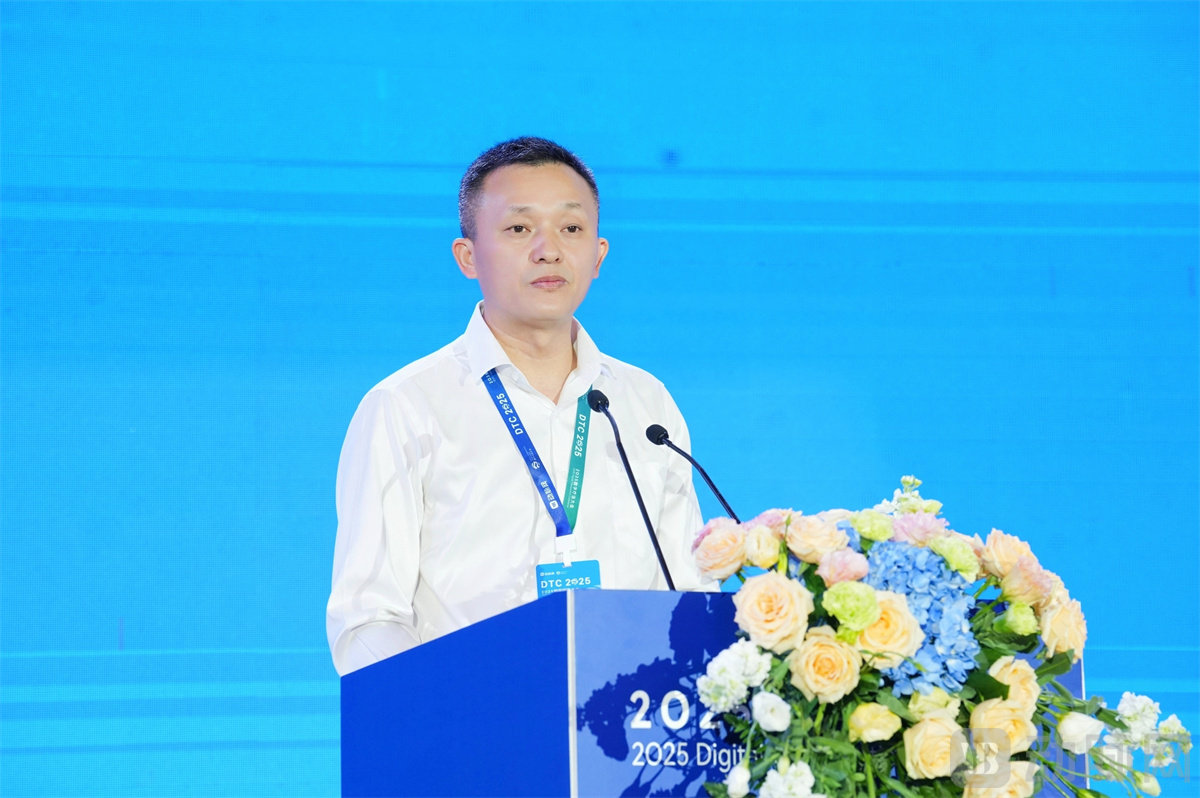
The rapid product approval of digital therapeutics is inseparable from the National Medical Products Administration's ability to keep pace with the times.Deputy Director of the Hainan Provincial Medical Products Administration, Chen JunjieIt was pointed out in the sharing session that, with increasingly robust regulatory frameworks, the integration of AR and VR technologies, and the accumulation of evidence-based data, the market will further propel the development of personalized medicine, including digital therapeutics (DTx). Leveraging the policy advantages of the Hainan Free Trade Port, Hainan’s DTx industry is beginning to form an innovative product matrix. Currently, the Hainan Provincial Medical Products Administration (HPMPA) is accelerating the development of the DTx industry through a series of measures:- **Policy Guidance:** Real-time updates on policies, regulations, and guidelines are provided in the DTx section of the official website to offer precise direction for enterprises.- **Enterprise Cultivation:** A “DTx steward” service has been launched, establishing a specialized coaching mechanism for Class II DTx medical device products.- **Expedited Approval:** The registration and approval of Class II DTx products have been incorporated into Hainan Province’s priority approval procedure for medical devices. This has significantly shortened the pre-registration preparation cycle, with the average approval time reduced to 29 working days.- **Ecosystem Co-construction:** Multiple enterprise symposiums, exchange meetings, product seminars, and forums have been organized to build a diversified collaboration platform, empowering policy research and industrial cluster development.- **Innovation-Driven Development:** Innovative application of real-world data (RWD) is being used to support product optimization and upgrading. Great efforts are being made to promote real-world studies (RWS) and facilitate the use of RWD for post-market clinical validation.Looking ahead, the HPMPA will further promote service optimization, standard-led development, and ecosystem synergy.
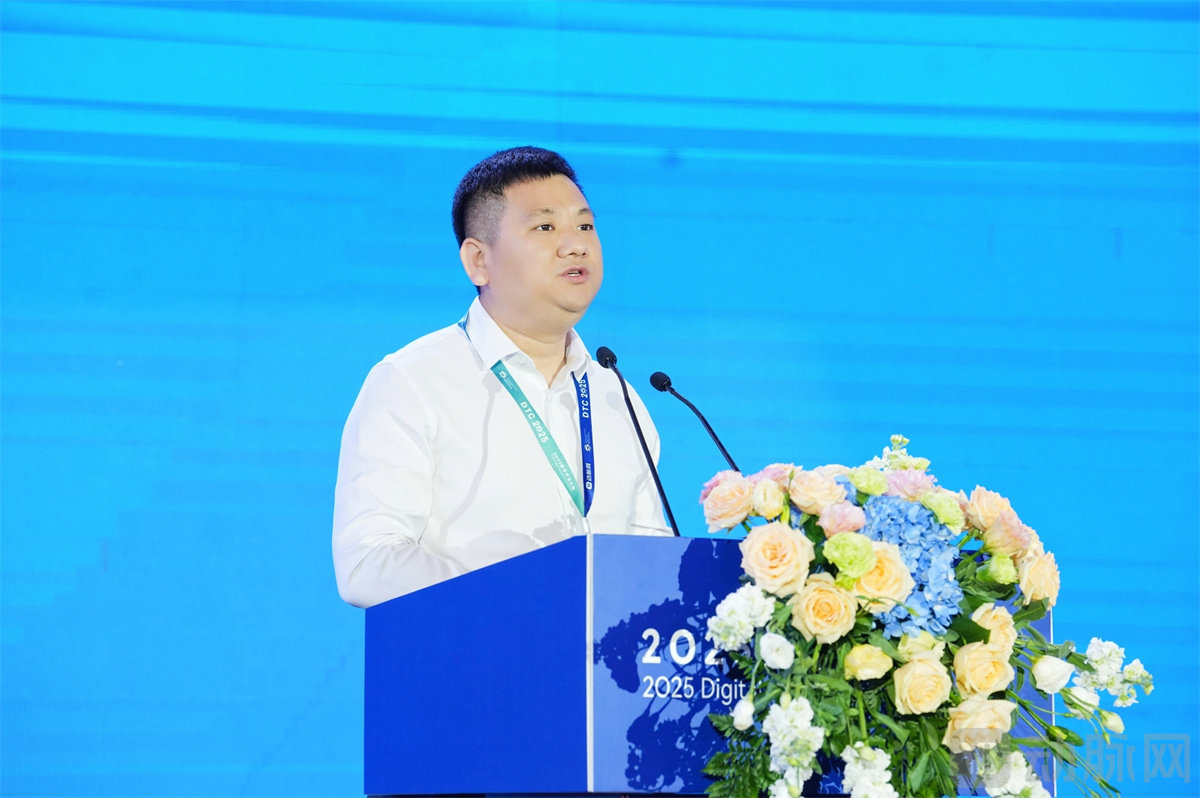
As “China’s only medical special zone” approved by the State Council, a highland for domestic healthcare policies, a pilot area for multiple fields including the use of specially authorized drugs and medical devices and real-world studies, an international medical tourism destination, and a base for the research, development, and translation of cutting-edge international medical technologies, Boao Lecheng in Hainan holds a remarkably prominent position.Liao Jingle, Deputy Director of the Administration Bureau of Boao Lecheng International Medical Tourism Pilot Zone in HainanSharing the speech “Leveraging Policy Dividends in Boao Lecheng, Jointly Building an International Highland for Medical Innovation.” He pointed out that Boao Lecheng is developing policy advantages across three tracks: first, the policy on特许 (special permission) drugs and medical devices—allowing the use of internationally innovative drugs and medical devices that are marketed abroad but not yet approved in China within the Lecheng Pilot Zone; second, policies regarding special medical purpose foods and health supplements—the State Administration for Market Regulation is promoting the implementation of reform policies for imported special medical purpose foods and health supplements in Lecheng; third, new biomedical technologies—the Provisions on Promoting New Biomedical Technologies in the Boao Lecheng International Medical Tourism Pilot Zone of the Hainan Free Trade Port. Meanwhile, Boao Lecheng also boasts three accelerator advantages: first, the policy on real-world studies—pioneering pilot applications of clinical real-world data; second, the franchise policy for public hospitals—supporting the provision of public hospital brands, trademarks, patents, technologies, services, and management expertise to medical institutions in the pilot zone through franchising, thereby encouraging public hospitals to establish a presence in the pilot zone; and third, the zero-tariff policy for imported drugs and medical devices—with support from five national ministries and commissions, the “zero-tariff” policy for drugs and medical devices in the Hainan Free Trade Port has been implemented. Leveraging these advantages, the Boao Lecheng Pilot Zone is poised to achieve domestic leadership and international advanced levels in medical services and scientific research by 2030, fully forming industrial agglomeration and brand effects, and establishing itself as a world-class international medical tourism destination and a platform for medical technology innovation.

Supported by academicians, experts, government departments, and innovative enterprises, the 2025 Digital Therapeutics Conference has officially launched. From conceptual enlightenment at the inaugural event, to in-depth practice at the second edition, and now to ecosystem co-construction at this year’s conference, the event has consistently centered on advancing digital healthcare from isolated breakthroughs toward systemic transformation. It is committed to building a cross-border, interdisciplinary platform for exchange, ensuring clear pathways for technology translation, providing models for industry development, and establishing footholds for global cooperation.
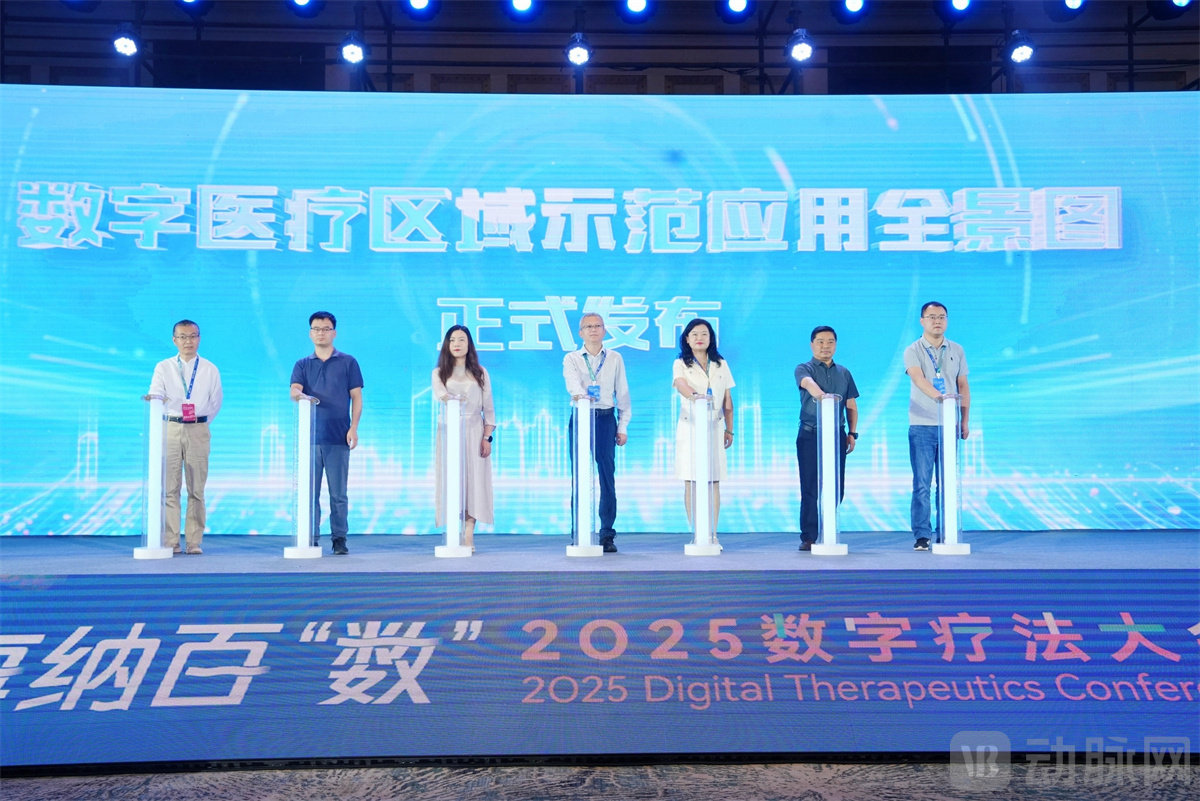
From an industry-wide perspective, China’s digital healthcare sector has entered a phase of accelerated development. Continuous policy support is driving the integration of technology with clinical scenarios. In response to various common diseases and application scenarios, extensive exploratory practices in digital healthcare have been carried out across China, accumulating substantial experience in digital healthcare applications.In 2025, the Digital Therapeutics Conference integrated typical demonstration cases spanning multiple regions, departments, and indications across China. Focusing on the practical value of digital healthcare in enhancing medical efficiency and improving patient experience, the conference released the “Panoramic Map of Regional Demonstration Applications in Digital Healthcare.”It presents the application outcomes and implementation pathways of digital healthcare across China in a systematic and structured manner, providing reference experiences for local governments, technical deployment models for clinical institutions, direction for scenario expansion for enterprises, and a basis for investors to identify high-quality investment targets.

To better showcase innovative achievements in the field of digital health, identify representative application scenario cases, and empower the upgrading and development of new quality productive forces in the medical and healthcare industry,The Digital Therapeutics Conference featured the 2025 Selection of Innovative Application Cases in Digital Health.Building on the 2024 Selection of Innovative Development Cases for New Quality Productive Forces in Digital Health, this initiative has been comprehensively upgraded to further focus on innovative application scenarios in digital health. It showcases the innovative achievements of digital technologies across four key areas: chronic disease and oncology care, nutrition and weight management, mental and psychological health, and wellness and elderly care, thereby providing more exemplary cases for industry reference. The Organizing Committee conducted an evaluation of the innovative application value of over 200 submitted cases based on four core dimensions: innovativeness, practicality, promotional value, and impact. Ultimately, 25 award-winning cases were selected. They are: ALSOLIFE, Alibaba DAMO Academy, Ailian Health, Aoshi Medical, Chengxin Digital Therapeutics, Desheng Biotechnology, Gerui Technology, Huamei Haolian, Maidong Shukang, Mengying Ophthalmology, Moka Zhixin, NanSu Technology, Ping An Good Doctor, Qingsong Health Group, Sinocare, Shenzhou Medical, Tangji Medical, Tencent, Weihui Technology, Siemens Healthineers, iFlytek Healthcare, Airdoc, Yingkang Technology, Yu’an Kangrui, and Yurui Innovation.
At the conference venue, also"Panoramic View of the Hainan Digital Therapeutics Innovation Island Ecosystem" ExhibitionThe exhibition area constructs an ecological closed loop for the development of digital therapeutics across four key dimensions: At the policy level, institutional innovation lays a solid foundation for the industry, creating a “fertile ground” that guides development and provides robust support for the implementation and growth of digital therapeutics; In the industrial sector, the agglomeration of enterprises and collaborative innovation unleash vigorous vitality, presenting a “thriving landscape” of diverse symbiosis, where various market entities jointly promote industrial iteration and upgrading; The tangible outcomes of clinical implementation and user benefits highlight the core value of digital therapeutics, bearing “fruitful results” that benefit public livelihood and ensure that technological innovation truly serves health needs; Looking globally, open cooperation and long-term planning map out a future blueprint, demonstrating an “inclusive vision” that embraces diversity and propels digital therapeutics onto a broader stage.
Amid the continuous rollout of favorable policies, what cutting-edge explorations are underway in the digital health industry? How can we better unlock the commercial value of digital therapeutics and the broader digital health sector to drive industrial innovation?
At the event, researchers from universities and industry practitioners shared their insights.
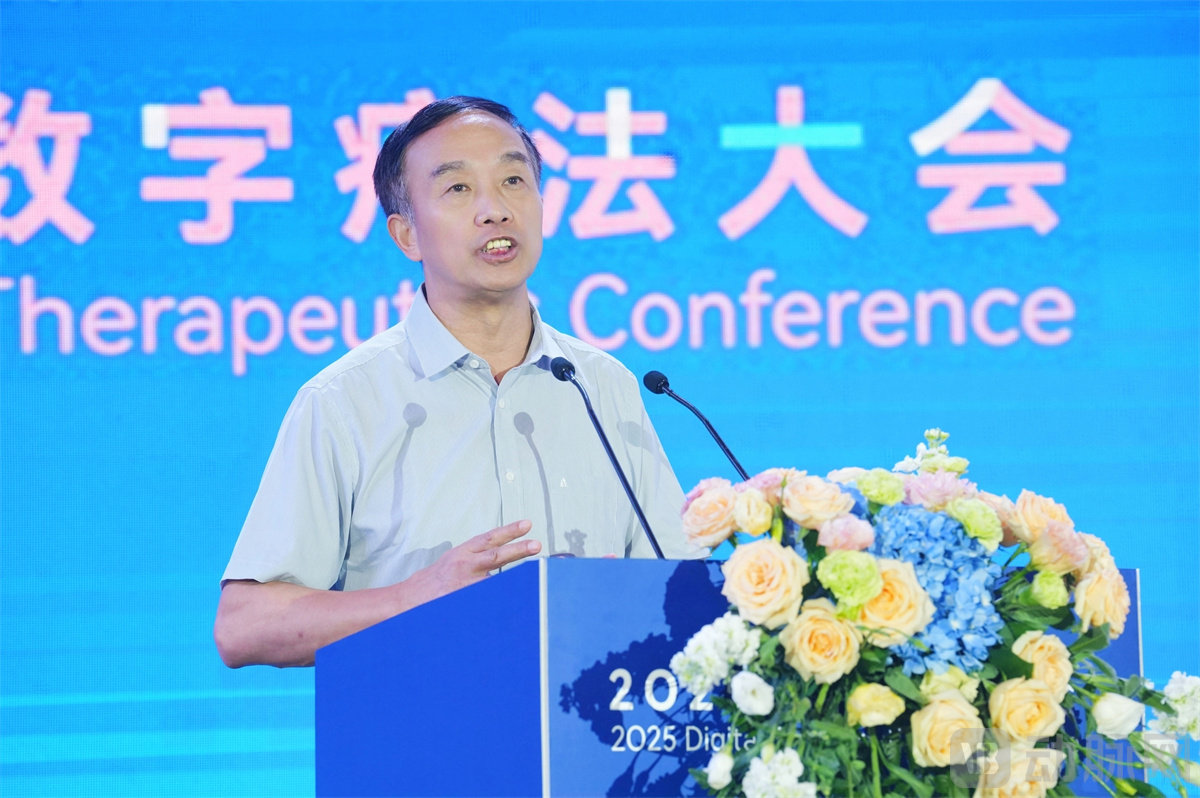
Jin Zhengyu, Academician of the Chinese Academy of Engineering and Professor at Jiangnan UniversityDelivered a speech titled “Upgrading and Developing the ‘Medicine-Food Homology’ Big Health Industry Driven by Dietary Wisdom.” He pointed out that “medicine-food homology” products refer to 106 types of traditional Chinese medicinal (TCM) materials approved in four batches by health administrative authorities, which can be used both as TCM materials and as food. With rising national health awareness and the inheritance and development of TCM culture, the market for medicine-food homology is experiencing significant growth. Currently, the planting area and output of “medicine-food homology” TCM materials account for half of the total planting area and output of all TCM materials. However, national and industry standards for “medicine-food homology” are still being refined, and the standardization process needs to be accelerated in the future. The industry’s future development must balance traditional wisdom with modern technology while addressing market demands, policy environments, and industry challenges. While preserving traditional characteristics, it is essential to promote scientific validation and standardization to bring regional treasures to the global stage. Furthermore, foundational research support must be strengthened, and new resources for medicine-food homology should be further explored to drive industrial upgrading and meet diverse health needs.
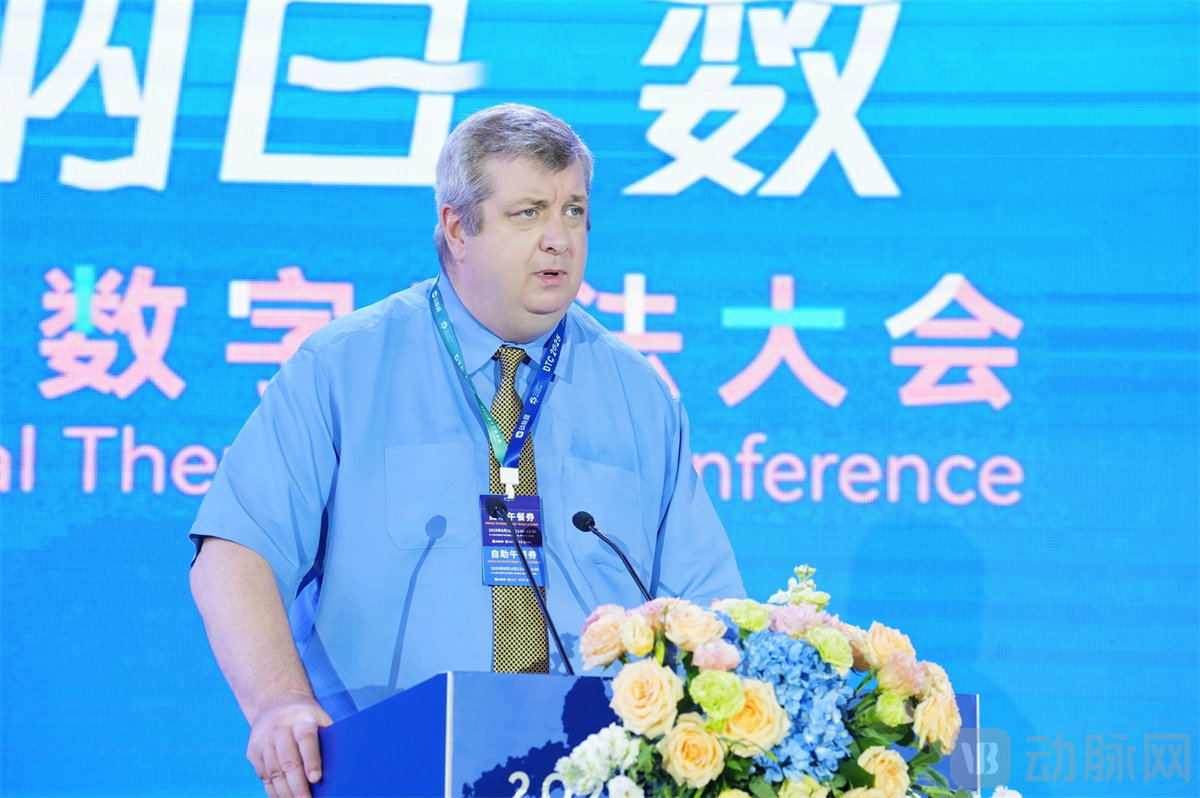
Mike McCourt, Director of Healthcare and Investment, China Region, British Consulate-General in GuangzhouDelivered a speech titled “Shaping the Future of Global Health: UK Innovation and UK-China Collaboration.” He pointed out that the United Kingdom is a leader in the field of digital health. Since 1948, the UK’s healthcare system has continuously integrated digital technologies and achieved innovative development. Currently, the UK continues to invest heavily in areas such as artificial intelligence. With advantages including the NHS’s world-class clinical platforms, supportive policies and a level playing field, strong R&D capabilities, and a vast market, the UK hopes to forge partnerships with more Chinese enterprises.
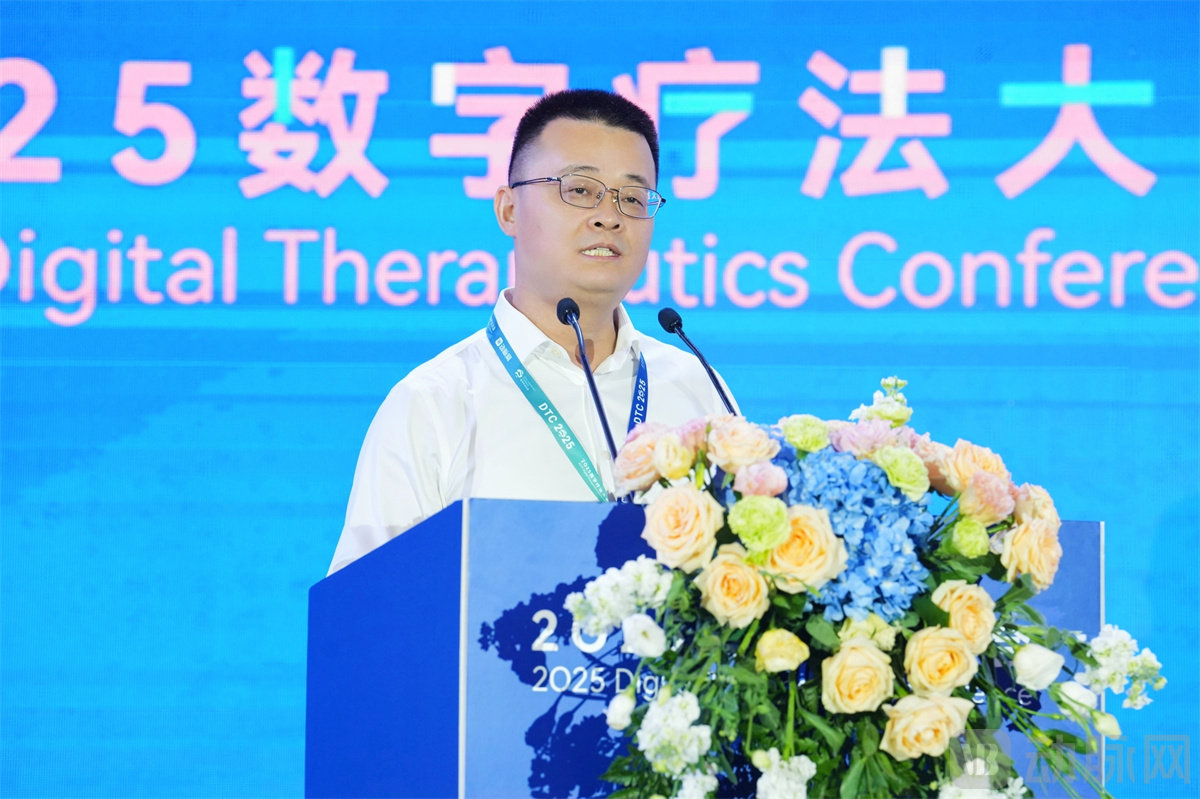
Lu Xiaoliang, Executive President of iFlytek HealthcareSharing the presentation “From Technological Leap to Scenario Implementation: AI-Enabled Innovative Practices in Digital Therapeutics.” He pointed out that prior to the emergence of large language models (LLMs), machine reasoning capabilities were below the level of a child. As LLMs have enabled machines to master human language and knowledge for the first time, offering a glimpse of artificial general intelligence (AGI), they have become a new focal point of global attention. With the advent of the LLM era, intelligent speech technology and image recognition technology are undergoing comprehensive upgrades and being applied in the medical field, such as in patient follow-up and medical record quality control. However, the current presence of “knowledge hallucinations” has reduced industry users’ trust in LLMs. Related technologies are changing this situation, and the development of LLMs is making large-scale application of digital therapeutics possible. Currently, the iFlytek Spark Medical LLM combined with digital therapeutics is being fully implemented, creating a whole-process patient management platform tailored to patients with specific diseases, providing personalized management strategies for each individual. In the future, AI will certainly assist physicians, further achieving human-AI collaboration rather than replacement, enabling AI to help doctors complete 80% of administrative tasks. The industry needs to prepare for long-term commitment to this field.
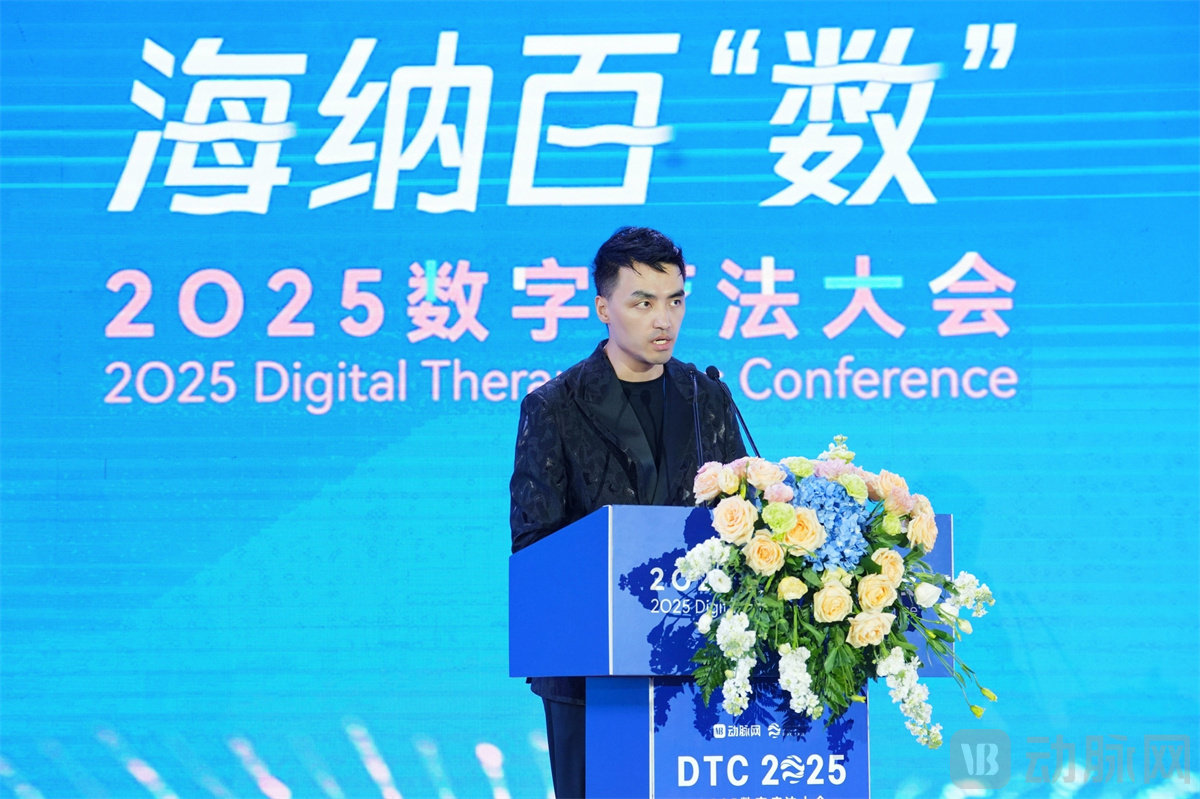
Ma Xiaowu, Executive Vice President of Easy Health GroupSharing the presentation “Smartly Painting a New Health Ecosystem: Full-Process Upgrading of Medical Services Driven by AI.” He pointed out that policy dividends are being intensively released, further empowering the development of AI in healthcare. AI will be a key focus for the transformation and upgrading of the medical industry, with its inclusive value becoming increasingly evident. To promote the implementation of AI in healthcare, four key elements must be addressed: technological breakthroughs to enhance algorithms and computing power, enabling AI to cover the entire diagnosis and treatment process; data infrastructure development to establish a comprehensive medical data system; model innovation to explore new service models such as “diagnosis and treatment + insurance coverage”; and ecosystem collaboration to foster cooperation among all parties and build an open, shared industrial ecosystem. With 11 years of deep engagement in the industry, Qingsong Health Group has created a one-stop health solution, leveraging its self-developed AI Care technology stack to achieve full-chain optimization across prevention, diagnosis, treatment, rehabilitation, and insurance coverage. By integrating AI technology, a robust ecosystem, and innovative models, the Group deeply merges health services, science popularization and education, early screening management, and insurance protection, thereby building a smart health ecosystem for all scenarios. In the future, AI will deliver higher-quality and more convenient health solutions for everyone.
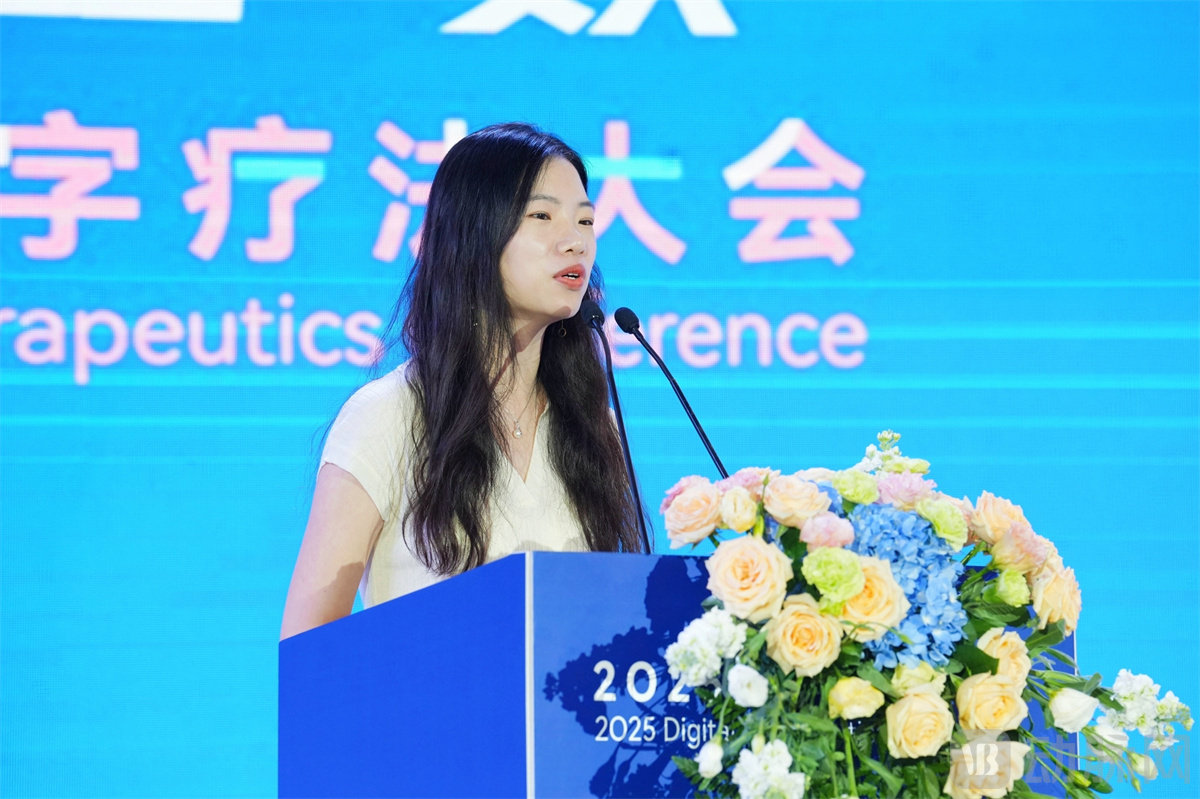
Wang Shiyu, Research Director at VCBeatShared an interpretation of the “Panoramic View of Regional Demonstration Applications of Digital Healthcare in China.” She pointed out that the panoramic view enables digital healthcare stakeholders to better understand the application of digital healthcare solutions across different scenarios, regions, and clinical departments through a more systematic and structured approach. The research team compiled 264 demonstration cases nationwide, including 232 cases involving patients and providers, and 32 cases from hospitals and regional regulatory authorities. The panoramic view reveals that public hospitals have achieved phased results in high-quality development; medical information technology innovation has become a new focus for hospital informatization; and hospital information systems as well as public health and disease control systems are collectively entering the era of artificial intelligence. In detail, at the hospital level, gastroenterology, oncology, and neurology have emerged as the three most mature departments in digital healthcare applications. At the patient-provider level, digital healthcare focuses on different aspects across various departments. Regionally, Beijing, Shanghai, Guangdong, Zhejiang, and Hainan have the highest number of demonstration cases. Looking ahead, AI, large language models, wearables, and robotics are becoming key keywords for the future development of digital healthcare.

To better understand the current domestic and international landscape, the Digital Therapeutics Conference has established an “International Dialogue” session,The dialogue was moderated by Song Yiran, Managing Director of Yuan Yi Capital. Participants included Robin Peter Tensen, Founder and CEO of GlobalTech IP; Yasuko Akutsu, Board Member of the Japan Digital Health Association and Specially Appointed Associate Professor in the Department of Patient Support at Chiba University Hospital; and Chen Kaishen, Founder and CEO of Xidong Medical Technology, former Co-Chair of the Asia-Pacific Working Group of the Digital Therapeutics Alliance, and member of the International Association for the Study of Lung Cancer (IASLC).Participate in the discussion.
Attendees noted that AI and digital therapeutics are accelerating their practical implementation, providing support to physicians and clinical patients. When discussing constraints on development, participants widely cited challenges such as reimbursement policies, standardization of clinical data, cross-border data security, and regulatory uncertainty. Nevertheless, attendees expressed strong optimism about the future prospects of the digital health industry. Under current trends, digital health has become an essential pathway for development.
At the conference venue, in addition to the main forum, efforts were made to facilitate better exchange and collaboration among government, industry, academia, research institutions, and investors within the sector.The 2025 Digital Therapeutics Conference also features parallel forums and activities, including a closed-door meeting on the development of the digital healthcare industry, the AI + Chronic Disease Management Scenario Application Forum, the Digital Application Forum for Health and Elderly Care Scenarios & Academic Annual Meeting of the Health Industry Branch of the Chinese Society of Health Economics, the Digital Scenario Application Forum for Nutrition and Weight Loss, the Digital Innovation Forum for Mental Hygiene and Psychological Health, the AI + Oncology Scenario Application Forum, the 2025 Digital Therapeutics Conference · Innovation Cases and Ecosystem Forum, the “Visit Innovation Island” 2025 Hainan Digital Therapeutics Tour, and the Exchange Meeting on the Application and Practice of Digital Therapeutics.By connecting government officials, academicians from the Chinese Academy of Sciences and the Chinese Academy of Engineering, renowned experts and scholars, investors, executives from multinational pharmaceutical and medical device companies as well as leading domestic healthcare enterprises, CEOs of listed companies, and senior executives from innovative enterprises, the 2025 Digital Therapeutics Conference aims to facilitate industry practitioners in jointly exploring implementation scenarios and further unlocking potential markets.
Clearly, Hainan’s investment in the digital health industry continues to grow.
In terms of policy, Hainan is gradually shifting from policy-led initiatives to empowerment through ecosystem development. The refinement and implementation of specific measures not only demonstrate Hainan’s determination to develop the digital health industry but also reflect its deepening understanding of industry dynamics. At the level of scenario implementation, an increasing number of digital therapeutics companies are choosing to cluster in Hainan Island to explore cutting-edge trends and application scenarios. The release of the “Panoramic Map of Regional Demonstration Applications for Digital Healthcare in China” also symbolizes Hainan’s continuous exploration in implementing application scenarios and its leading position within the industry.
Nowadays, while Hainan provides global digital therapeutics companies with support in areas such as implementation exploration, model validation, clinical trials, and product commercialization, overseas markets—this highland of digital innovation—are playing an increasingly prominent role in building consensus for the digital therapeutics and digital health industries. With the official closure of customs operations in the Hainan Free Trade Port, Hainan Island will further embrace opportunities for innovative development, continue to gather global resources and elements of the digital health industry, and accelerate its innovative takeoff while fostering consensus within the sector.