

Five Million-Dollar CAR-T Therapies Included in China's First Commercial Insurance Innovative Drug Preliminary Review List
On August 12, the National Healthcare Security Administration (NHSA) released a public notice listing the drugs and related information that passed the preliminary formal review for adjustments to the 2025 National Basic Medical Insurance Drug Catalog and the Commercial Health Insurance Innovative Drug Catalog. A total of 718 submissions were received for the Basic Medical Insurance Catalog, covering 633 drugs; among them, 534 drugs passed the formal review, yielding a pass rate of 84.3%. Of these, 393 drugs were outside the current catalog, and 310 generic names passed the initial review, representing a significant increase compared to the 249 drugs that passed the formal review in 2024.
Meanwhile, the newly established commercial health insurance innovative drug catalog this year is being submitted for inclusion in sync with the National Reimbursement Drug List.A total of 141 applications for inclusion in the Commercial Health Insurance Innovative Drug Catalog were received, covering 14 drug generic names.1121 generic drug names passed the formal review after preliminary examination.,The pass rate reached 85.8%.
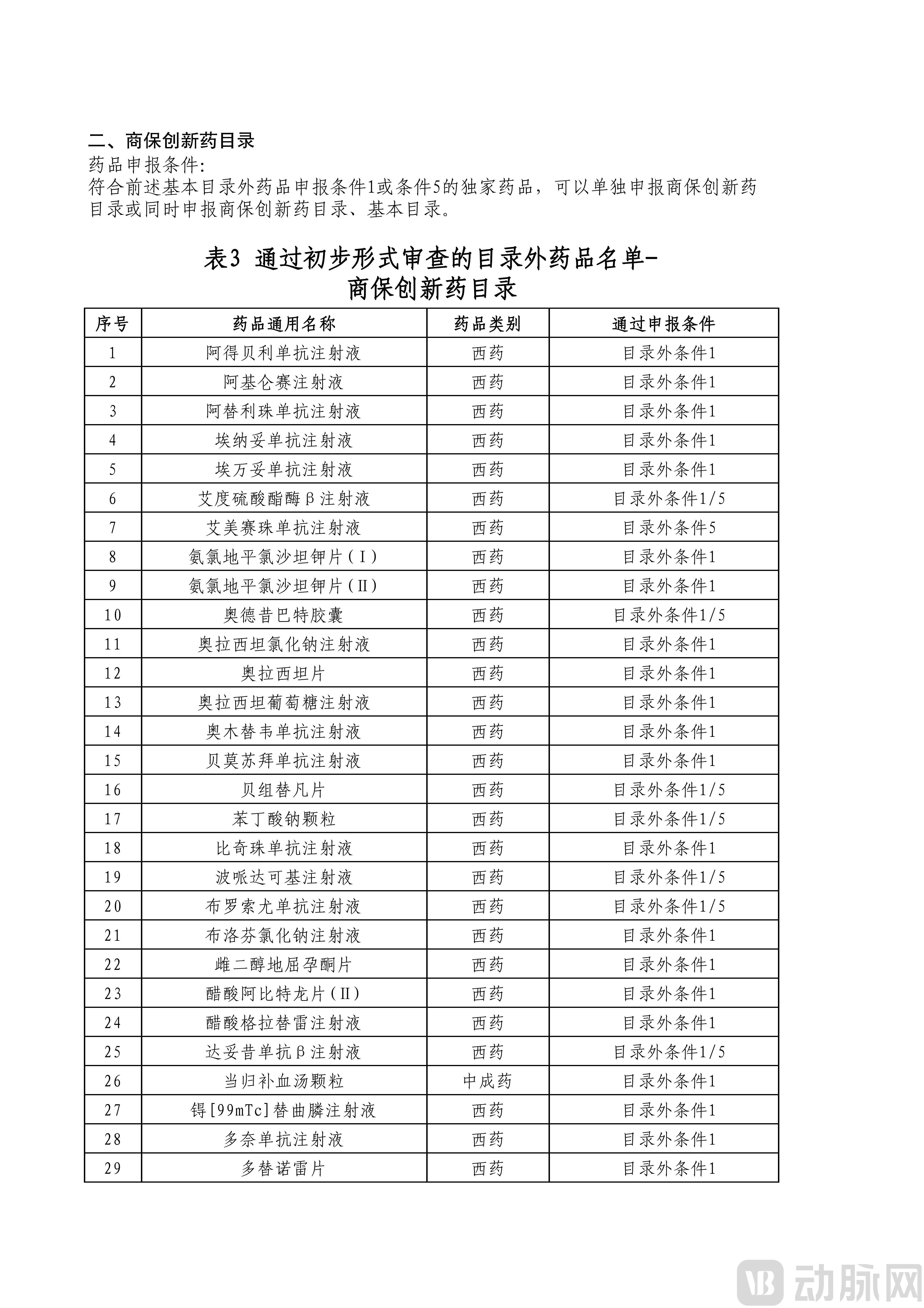
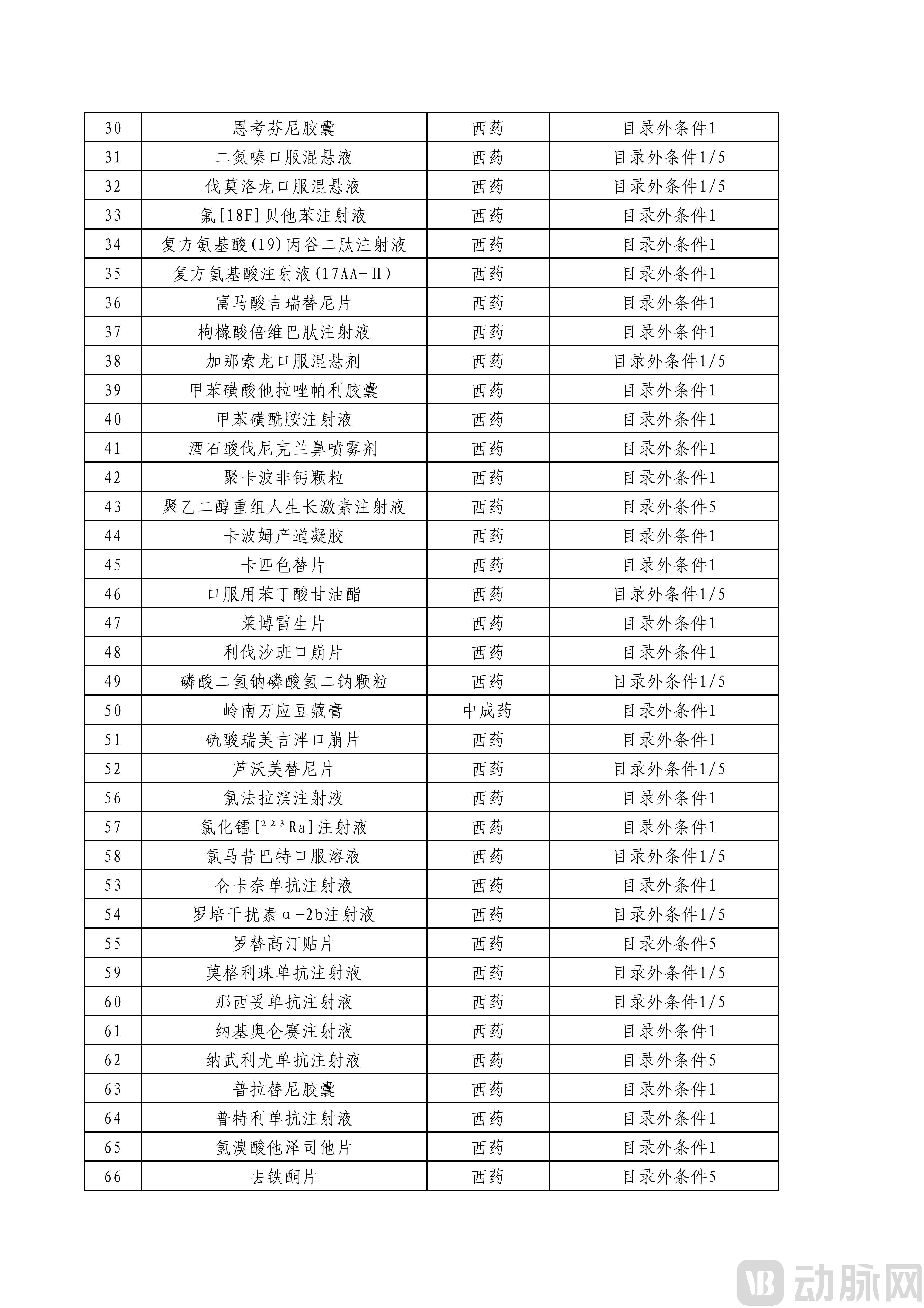
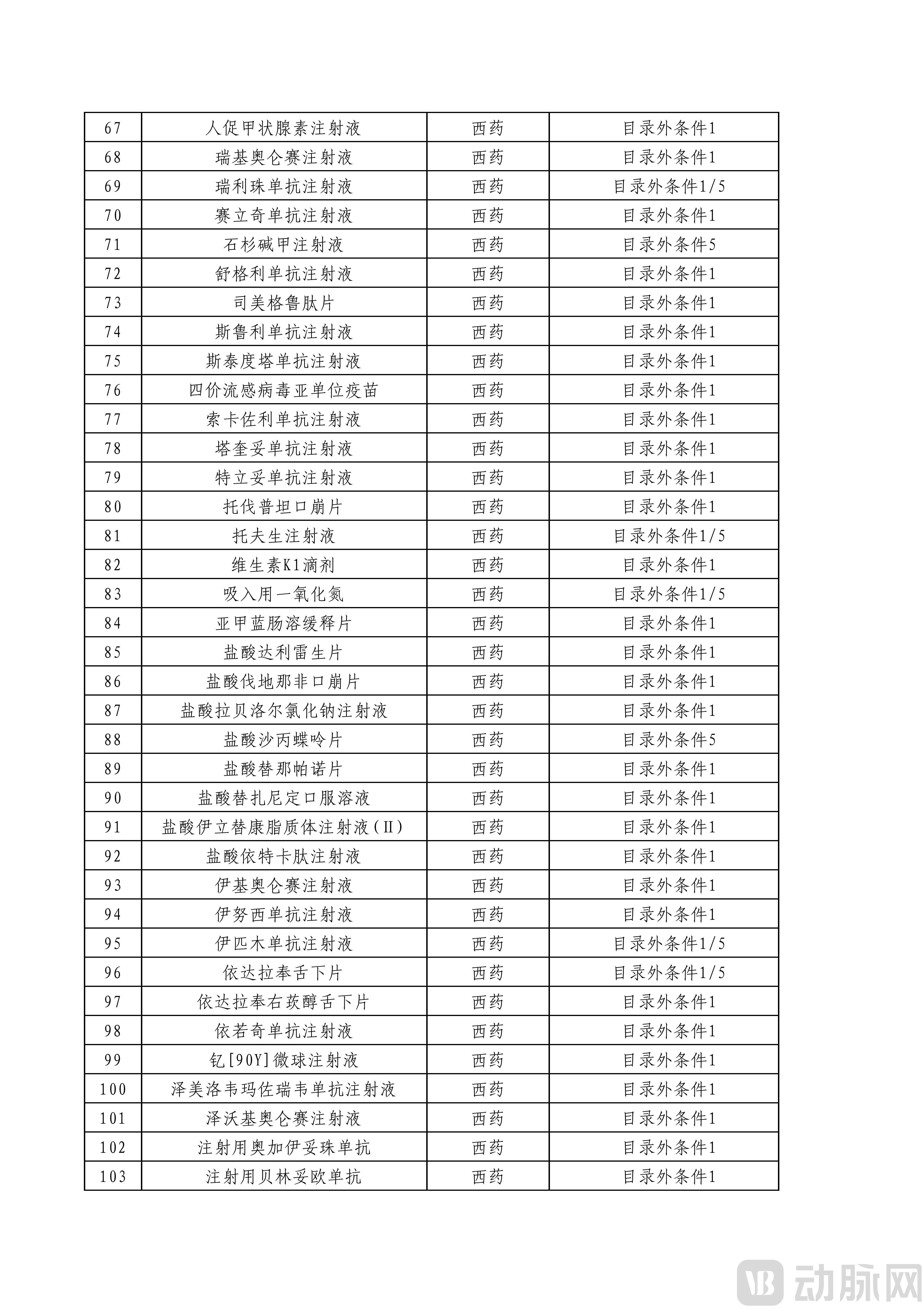
In the initial review list of the first commercial health insurance innovative drug catalog, there are5Price per Single-Dose VialDaOne MillionGradeCAR-TDrug——Fosun Kite's axicabtagene ciloleucel injection (RMB 1.2 million–1.28 millionCNY per injection), CARsgen Therapeutics' zevor-cel injection (1.15 million CNY per injection), and IASO Biotherapeutics' equecabtagene autoleucel injection (1.16 million CNY per injection)、Healios’ Naxicel injection (RMB 999,000 per dose) and JW Therapeutics’ Relma-cel injection (RMB 1.29 million per dose);The Only Vaccine Product—Zhonghui Bio’s quadrivalent influenza virus subunit vaccine; andThe Continuously Hot Weight-Loss Drugs—— Novo Nordisk's Semaglutide Tablets.
Although the ultimate market size of the commercial insurance innovative drug formulary remains uncertain, and issues such as selection criteria, payment integration, and coordinated implementation still require exploration, the benefits—including diversified payment mechanisms for innovative drugs, first-mover advantages, and accelerated hospital access—make it a worthwhile endeavor for pharmaceutical companies.
1Price confidentiality mechanism, "three exclusions," and exemption from the "one product, two specifications" restriction
Based on the joint issuance by the National Healthcare Security Administration and the National Health Commission“Several Measures to Support the High-Quality Development of Innovative Drugs” (hereinafter referred to as “Several Measures”), on July 1, 2025, officially launched the establishment of an Innovative Drug Catalogue for Commercial Health Insurance (hereinafter referred to as the “Commercial Insurance Innovative Drug Catalogue”). Concurrently, a supporting policy framework was introduced, encompassing measures to strengthen R&D support for innovative drugs, facilitate their inclusion in both the National Essential Medicine List and the Commercial Insurance Innovative Drug Catalogue, promote clinical application, enhance diversified payment capabilities, and reinforce safeguard mechanisms. These initiatives aim to bridge the “last mile” across the entire chain of innovative drugs, from laboratory R&D to clinical reimbursement.
This reform marks a landmark breakthrough in China’s multi-tiered medical security system, transitioning from “institutional framework construction” to “deep functional integration,” and further signaling that the medical security system is undergoingFrom “Ensuring Basic Survival” to “Safeguarding Health Value”: An Upgrade in Underlying Logic, exploring a Chinese solution that balances equity and efficiency in addressing the global challenge of access to innovative medicines.
The Innovative Drug Catalog for Commercial Health Insurance primarily includes innovative drugs that exceed the scope of basic coverage and cannot be temporarily included in the National Reimbursement Drug List, but feature high levels of innovation, significant clinical value, and substantial patient benefits. It is recommended for reference and adoption by multi-tiered medical security systems, including commercial health insurance and medical mutual aid programs.January 1, 2020–2025new generic drugs approved for marketing by the national drug regulatory authority on June 30, and2025Exclusive drugs, such as rare disease treatments approved for marketing by the national drug regulatory authorities before June 30 of the year, may be submitted separately for inclusion in the Commercial Health Insurance Innovative Drug List, or simultaneously for inclusion in both the Commercial Health Insurance Innovative Drug List and the Basic Directory.
Overall, commercial health insurance still has room to expand in unlocking payment scenarios for innovative drugs, improving the multi-tiered medication security system, and meeting the public’s diverse needs for medication coverage.In 2024, the number of participants in basic medical insurance reached 1.326 billion, with the participation rate stabilized at 95%, and the total fund expenditure for the year amounted to RMB 2.97 trillion.However, the overall funding level of basic medical insurance remains low. In particular, for the nearly 1 billion participants in the Urban and Rural Resident Basic Medical Insurance scheme, per capita funding amounts to only RMB 1,070, with approximately two-thirds derived from fiscal subsidies at various government levels. Therefore, it is essential to firmly adhere to the core principle of “providing basic coverage.”
Meanwhile, in 2024, the original insurance premium income of China’s commercial health insurance reached RMB 977.3 billion, a year-on-year increase of 8.2%, with its fund scale approaching the total financing level of residents’ basic medical insurance for that year. However, compared to the over 95% fund utilization rate of urban and rural residents’ basic medical insurance, commercial health insurance still has considerable room for improvement in terms of coverage level and effectiveness.
Specifically, the commercial health insurance innovative drug directory is helping to expand hospital access and application scenarios for innovative drugs, while promoting developments in settlement processes and global market expansion.At a previous press conference, the National Healthcare Security Administration pointed out that, drawing on international practices, in order to support the overseas market launch of certain innovative drugs,Price confidentiality under negotiation shall be implemented on a voluntary basis for enterprises, and more stringent price confidentiality mechanisms will be explored for drugs included in the innovative drug catalog for commercial health insurance.
Based on the “1+3+N” multi-tiered healthcare security system, basic medical insurance and commercial health insurance will promote coordination in “coverage scope,” “data,” “settlement,” and “supervision.”. In particular,Provide “three exclusions” support for drugs listed in the commercial insurance innovative drug catalog: namely, exclude them from the out-of-pocket rate indicators of basic medical insurance; exclude them from monitoring of substitutable varieties selected in centralized procurement; and allow cases involving the use of innovative drugs covered by commercial health insurance to be excluded from diagnosis-related group (DRG) payment schemes. This will support commercial health insurance in expanding coverage and optimizing services.
The “Several Measures” put forward specific requirements for the provision of innovative drugs: negotiated medicines included in the National Reimbursement Drug List andDrugs listed in the Commercial Health Insurance Innovative Drug Catalogue may be exempt from the “one product, two specifications” restriction.Some of these policies have already been implemented in practice. For instance, the 2020 revision of the Accreditation Standards for Tertiary Hospitals removed the requirements on the number and specifications of drug varieties, and there are currently no such policy restrictions at the national level.
From the perspective of procedural formulation, the Commercial Health Insurance Innovative Drug Catalog is organized and developed by the National Healthcare Security Administration (NHSA). This approach will fully leverage the expertise of the NHSA’s catalog adjustment experts, alleviate the administrative burden on pharmaceutical companies associated with multiple separate submissions, and align with the National Reimbursement Drug List (NRDL) in terms of simultaneous submission and synchronized adjustment, following largely identical procedures. Enterprises may voluntarily apply for inclusion in either the NRDL or the Commercial Health Insurance Innovative Drug Catalog, or they may submit applications for both concurrently. The key difference from the NRDL adjustment process lies inThe Catalog of Innovative Drugs for Commercial Insurance will fully respect the market entity status of commercial health insurance companies, establishing a mechanism that ensures their full participation, along with industry experts, in all stages including scheme formulation, expert review, and price negotiation. Experts in commercial health insurance hold significant decision-making authority regarding the inclusion of drugs in the Catalog of Innovative Drugs for Commercial Insurance as well as in price negotiations.
2Five CAR-T Therapies, One Vaccine, and Oral Semaglutide: 80 Drugs Shortlisted for the “Dual List”
In the preliminary list of innovative drugs for commercial health insurance, Western medicines account for more than 98%, with only two proprietary Chinese medicines (Danggui Buxue Tang Granules and Lingnan Wanying Doukou Ointment) selected.
In terms of indications, oncology is the absolute dominant area. Among them, five CAR-T products have made the list.— Fosun Kite’s axicabtagene ciloleucel injection, Heyuan Biologics’ naqiocel injection, JW Therapeutics’ relmacabtagene autoleucel injection, Gracell Biotechnologies’ equecabtagene autoleucel injection, and CARsgen/CARsgen Life’s zevorcabtagene autoleucel injection. Two other domestically approved CAR-T therapies are absent from the list: Legend Biotech’s ciltacabtagene autoleucel and Hengrundaisheng’s reniocabtagene autoleucel (approved on July 30).
Multiple Oncology Drugs from Multinational Pharmaceutical Companies Selected, including Johnson & Johnson's amivantamab, Pfizer's enapotamab vedotin/Roche's emicizumab, Eisai/Biogen's lecanemab injection, Gilead's sacituzumab govitecan for injection, Bristol-Myers Squibb's Opdivo (nivolumab), and ipilimumab injection.
In addition, rare disease drugs included in the catalog through Condition 5 channels are also a highlight of the commercial insurance innovative drug catalog.Such as Takeda’s velaglucerase alfa for injection and Canhelp Genomics’ velaglucerase beta for injection for Gaucher disease, where the annual treatment cost of previously imported drugs exceeded RMB 1 million; Belief Therapeutics’ bopercodaki injection for the treatment of hemophilia, with a single vial priced at over RMB 90,000; Ipsen’s odevixibat capsules for the treatment of pruritus in patients with progressive familial intrahepatic cholestasis (PFIC); and Kyowa Kirin’s burosumab injection, the world’s first targeted therapy for XLH/TIO.
In addition, the only vaccine product in the commercial insurance formulary is Zhonghui Biologics' quadrivalent influenza virus subunit vaccine.The company stated, “Currently, there are no preventive biologics included in the formulary. Adding preventive biologics for influenza prevention to the ‘Commercial Health Insurance Innovative Drug Formulary’ would help reduce the payment burden on medical insurance, particularly for patients with chronic diseases.” The vaccine was commercially launched in September 2023. Leveraging this core product, Zhonghui Biologics generated revenues of approximately RMB 52.2 million and RMB 260 million in 2023 and 2024, respectively, representing a significant year-on-year revenue growth of 397.65%. On August 11, Zhonghui Biologics held its initial public offering (IPO) on the Hong Kong Stock Exchange, attracting subscription oversubscription by more than 4,000 times and achieving the highest first-day gain in the grey market among all new listings this year.
Exclusive drugs that meet either Criterion 1 (new drugs with new generic names approved for marketing by the national drug regulatory authorities between January 1, 2020, and June 30, 2025) or Criterion 5 (drugs approved for marketing by the national drug regulatory authorities before June 30, 2025, whose package insert indications or functional indications include rare diseases listed in the First Batch of Rare Diseases Catalogue and the Second Batch of Rare Diseases Catalogue issued by the National Health Commission) for inclusion outside the basic catalogue,Applications can be submitted separately for the Commercial Insurance Innovative Drug List, or simultaneously for both the Commercial Insurance Innovative Drug List and the National Essential Drug List.
Due to the simultaneous implementation of the “dual catalog,”Some pharmaceutical products are simultaneously submitted for inclusion in both the National Basic Medical Insurance Drug List and the Commercial Health Insurance Innovative Drug List. However, due to discrepancies in their respective submission criteria, inconsistencies may arise in the outcomes of the formal review process.According to the VBInsight database,Approximately 80 drug varieties simultaneously passed the formal review for inclusion in both the National Reimbursement Drug List (NRDL) and commercial health insurance formularies.,Negotiations may be conducted simultaneously with both the basic medical insurance and commercial insurance programs. In accordance with the relevant regulations, these drugs will be given priority for inclusion in the basic medical insurance reimbursement list through price negotiations; if such negotiations fail, the process will then proceed to the price negotiation channel for commercial insurance coverage.
Taking CAR-T products as an example, After four consecutive unsuccessful attempts in national medical insurance negotiations, Fosun Kite’s axicabtagene ciloleucel injection has now shifted its focus to commercial health insurance formularies.Legend Biotech, CARsgen Therapeutics, and Healios Biologics have adopted a “dual-track breakthrough” strategy for their CAR-T products, simultaneously applying for inclusion in both the National Reimbursement Drug List (NRDL) and the Commercial Health Insurance Innovative Drug Directory.In addition, Bristol Myers Squibb’s (BMS) “Opdivo” (nivolumab) and the new Alzheimer’s drug lecanemab have both been submitted for inclusion in the National Basic Medical Insurance List and the Commercial Health Insurance Innovative Drug List.
In its subsequent interpretation, the National Healthcare Security Administration pointed out that certain high-priced drugs clearly exceeding the scope of basic medical insurance coverage had passed the preliminary formal review for inclusion in the National Reimbursement Drug List (NRDL). This merely indicates that these drugs met the application requirements and qualified to proceed to the next stage. Whether such drugs will ultimately be included in the NRDL depends on a rigorous evaluation process: exclusive drugs must successfully complete expert negotiations, while non-exclusive drugs must succeed in competitive bidding before they can be formally added to the list.
For pharmaceutical companies, different submission strategies depend not only on historical hospital admissions, sales volume, market launch, and market share, but more critically on how they maintain a balance between their market strategy and pricing strategy.Taking the currently popular weight-loss drugs as an example, Novo Nordisk’s semaglutide injection has been included in Category B of the National Reimbursement Drug List (NRDL), while oral semaglutide tablets have been added to the commercial health insurance formulary on this occasion. Eli Lilly’s tirzepatide injection appears on the shortlist for the basic formulary. However, long-term weight management is not included among the indications submitted for NRDL coverage.
Next, the National Healthcare Security AdministrationThe relevant drug information will be reviewed based on the feedback received during the public notice period, and the final list of drugs that have passed the formal review will be determined and announced to the public. Meanwhile, the final results of the formal review, whether passed or not, will be communicated throughFeedback on the Application Module for Adjustments to the 2025 National Basic Medical Insurance Drug List and the Commercial Health Insurance Innovative Drug List Has Been Provided to Applicant Companies. Subsequently, the National Healthcare Security Administration will, in accordance with the work plan, expedite expert reviews, negotiations and bidding for the National Basic Medical Insurance Drug List, and price consultations for the Commercial Health Insurance Innovative Drug List.
Attached: Preliminary Review List of the 2025 Commercial Insurance Innovative Drug Directory

References:
Transcript of the National Healthcare Security Administration’s Press Conference on “Several Measures to Support the High-Quality Development of Innovative Drugs”
The Paper’s Caixin Finance: “Preliminary List of the First Commercial Health Insurance Innovative Drug Catalog Released: Million-Dollar ‘Sky-High’ Priced Drugs and a Vaccine Product Included—What Signals Does This Send?”
Pharmaceutical Economic News: “Insights into the 2025 Preliminary Review List for National Reimbursement and Commercial Insurance: Eli Lilly and Novo Nordisk’s GLP-1 Battle, Gilead and Kelun’s ADC Clash, Eisai and BMS Break Through on Two Fronts”
21st Century Business Herald: “Initial Review List of Drugs for the Commercial Health Insurance Innovative Drug Catalog Released, Featuring Several Million-Yuan Anti-Cancer Medications”