

Upgrading Socially-Operated Healthcare: How a $560 Million Hospital is Advancing Disciplines, Talent, and Services
What is the ultimate goal of privately run healthcare institutions in China? The exploration and practice of Taikang Tongji (Wuhan) Hospital (hereinafter referred to as Taikang Tongji) may provide a reference for us.
Taikang Tongji Hospital is a high-quality, non-profit general hospital built to the Grade III Class A standard. It is wholly invested by Taikang Insurance Group Inc., a Fortune Global 500 company, and jointly managed with Tongji Hospital Affiliated to Tongji Medical College of Huazhong University of Science and Technology.Adhering to the operational strategy of “one-time construction, phased opening,” Phase I of Taikang Tongji Hospital was put into operation in February 2020, providing medical and health services with 548 beds. Recently, Taikang Tongji Hospital officially launched its Phase II project.
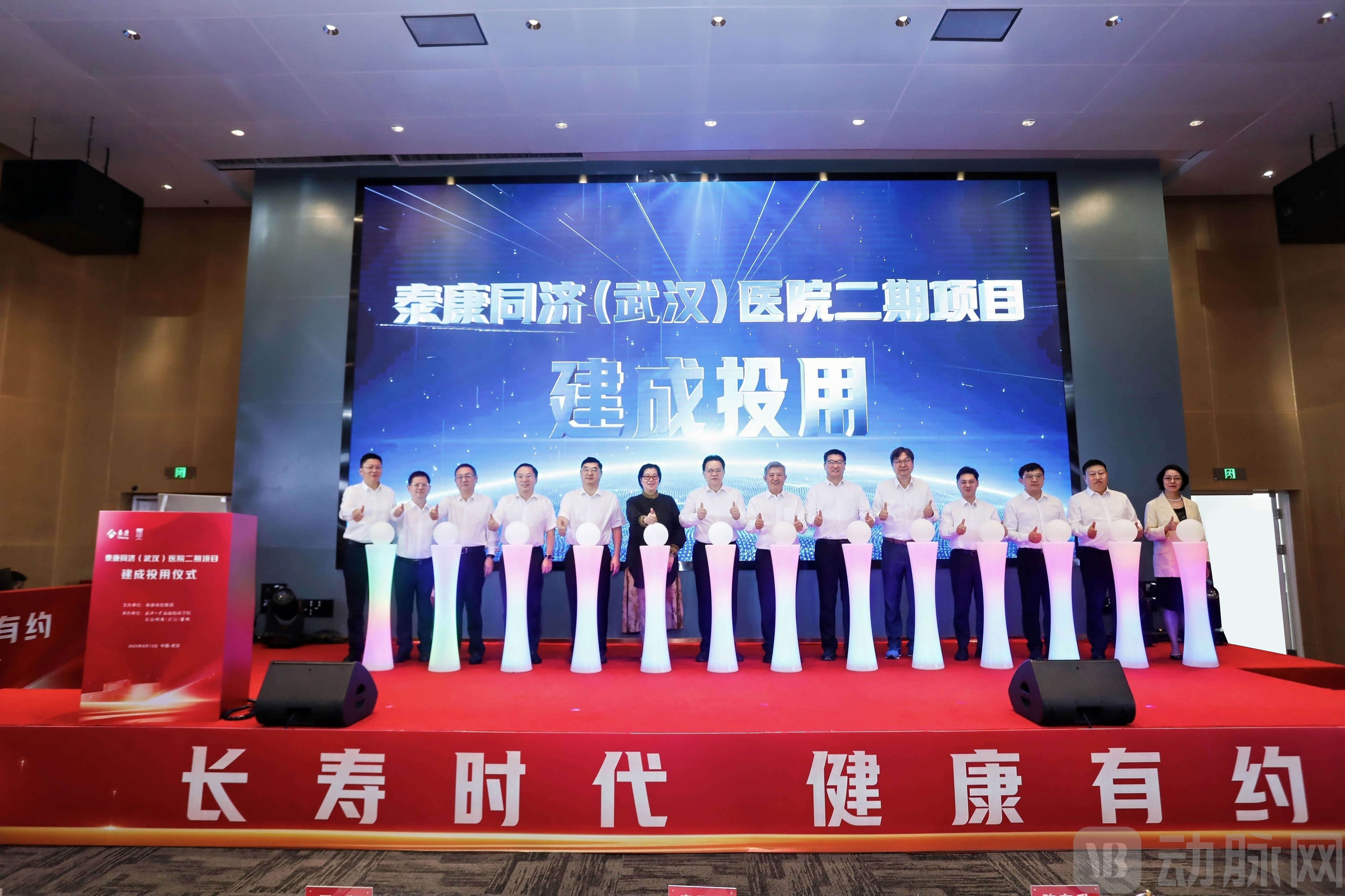
Chen Dongsheng, Founder, Chairman, and CEO of Taikang Insurance Group Inc., stated: “Taikang Tongji Hospital is a hospital of heroes. Over the past five years since its establishment, it has achieved substantial progress across all areas. This year, it was officially inaugurated as the Taikang Clinical College of Wuhan University, serving as a base for cultivating medical talent within Taikang Healthcare. Leveraging the institutional mechanisms and resource advantages of Taikang Group, a Fortune Global 500 company, Taikang Healthcare will engage in deep collaboration with the healthcare systems of two premier universities—Wuhan University and Huazhong University of Science and Technology—in areas such as basic research, clinical research, translation of scientific achievements, and the integration of medical practice, education, and research. Our goal is to establish Taikang Healthcare as a gold standard for private healthcare provision in China and a new growth pole and innovative force within the Chinese healthcare sector.”
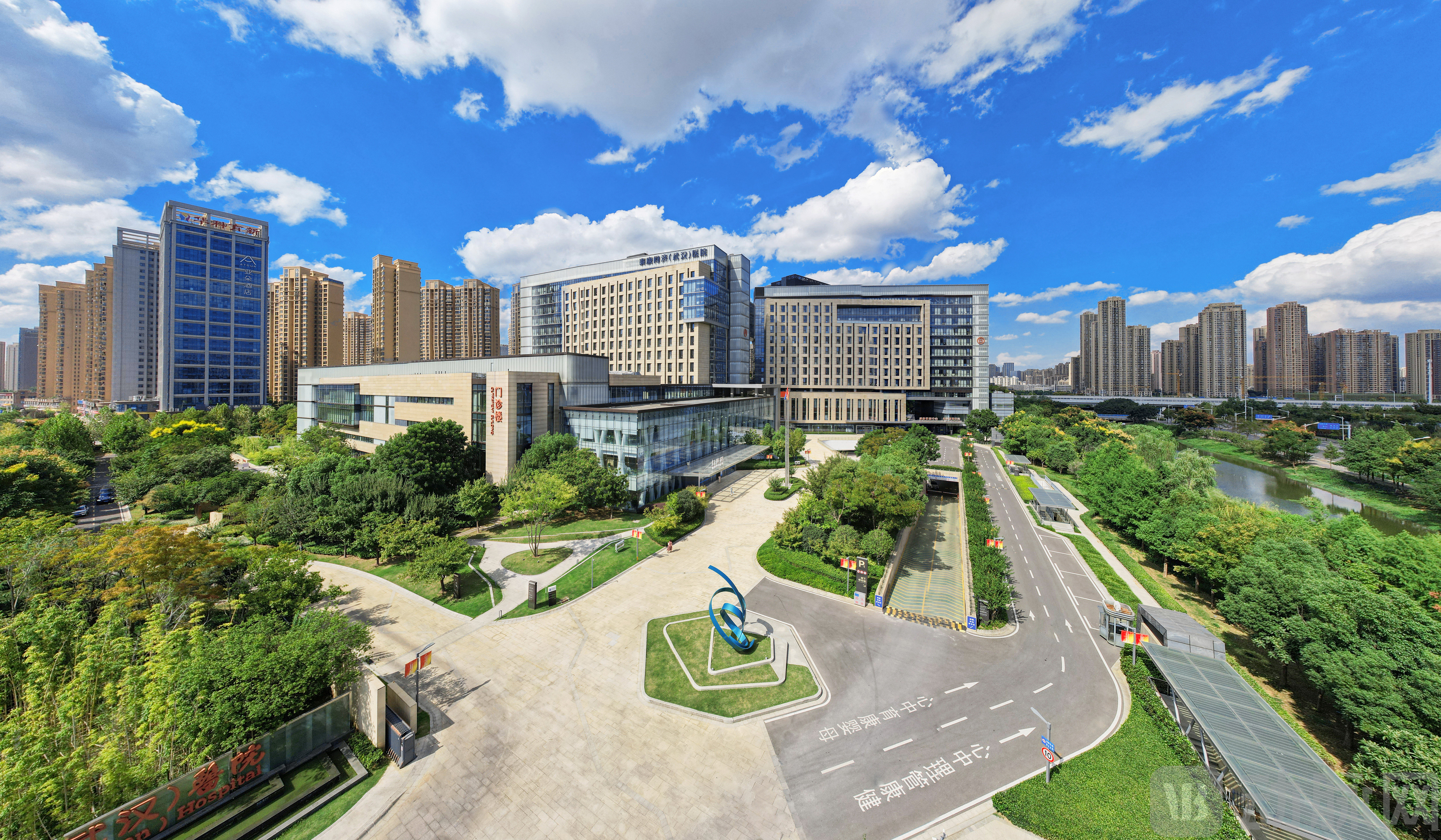
Taikang Tongji Overview
So, as a private healthcare institution jointly operated by a Fortune 500 company and the medical system management team of a top-tier Chinese university, what are the highlights of Taikang Tongji Hospital, and what practical experiences can be learned from it? Let’s start with the Phase II project that was officially launched this time.
New Departments Added, Space Expanded, Equipment Upgraded: Both Soft and Hard Capabilities Enhanced
The upgrade of Taikang Tongji Hospital Phase II mainly focuses on the following aspects:
One is the introduction of advanced diagnostic and treatment equipment.Specifically, Taikang Tongji Hospital Phase II has introduced advanced equipment, including the fourth-generation da Vinci Surgical System, United Imaging’s next-generation high-end fully digital uCT960+ 320-slice CT, uMI Panorama 28C PET/CT, the new-generation Siemens Symbia Intevo 6 SPECT/CT, United Imaging’s high-field uMR790 3.0T MRI, and the Siemens ARTIS icono biplane dual-C-arm DSA system, providing strong support and assurance for the implementation of advanced diagnostic and therapeutic technologies.
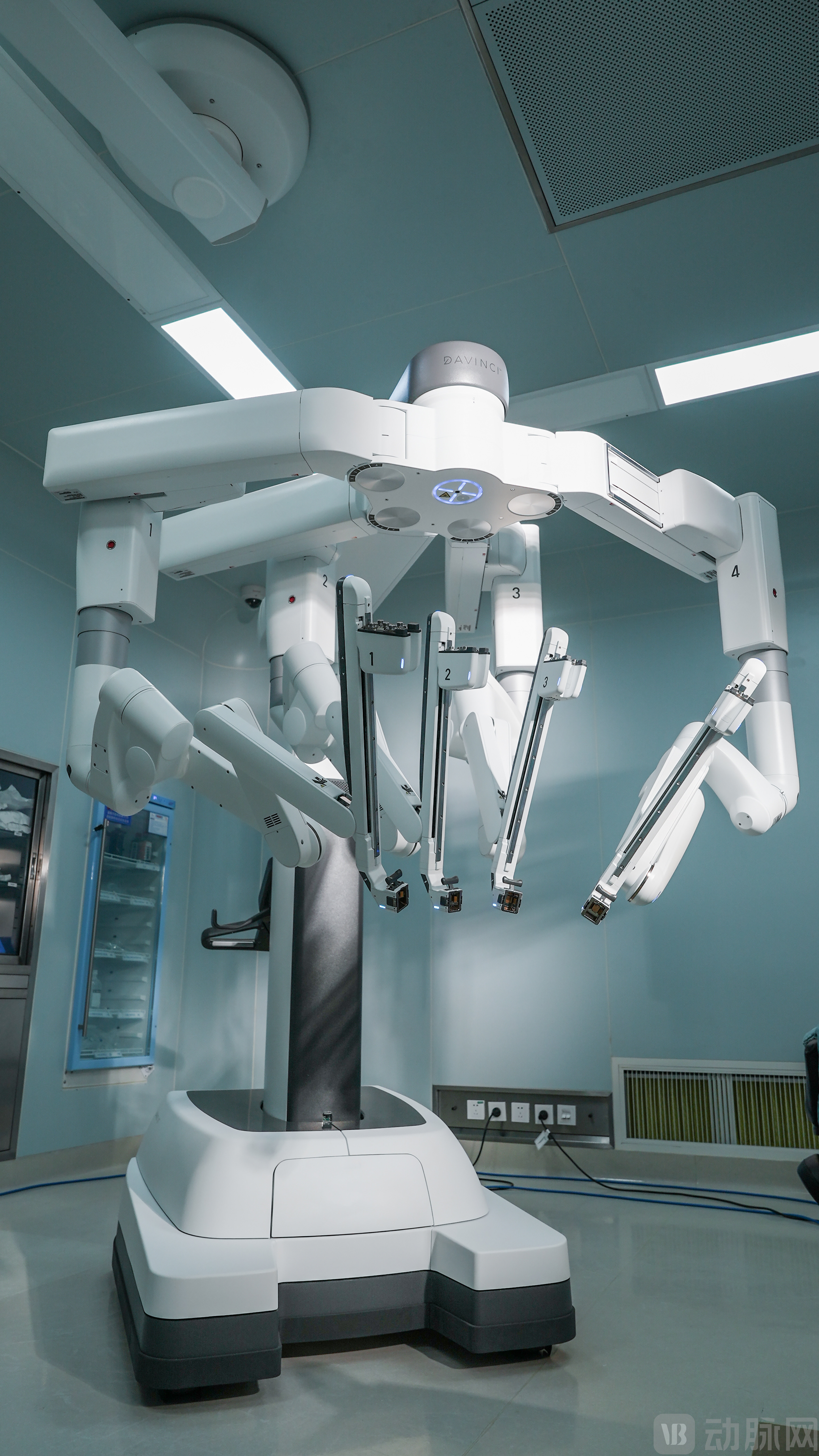
The Fourth-Generation Da Vinci Surgical Robot Introduced in Phase II of Taikang Tongji Hospital
Second, the addition and upgrading of departments have led to an expansion of service offerings and target patient populations.VCBeat has learned that Phase II of Taikang Tongji Hospital, in addition to upgrading some of its existing departments, has also introduced several specialized departments.
For example, the original ward of the Department of Rehabilitation Medicine has been relocated as a whole, while simultaneously launching a comprehensive treatment hall spanning nearly 900 square meters. This facility encompasses multiple specialized areas, including physical therapy, occupational therapy, and speech and swallowing therapy. Equipped with advanced technologies such as transcranial magnetic stimulation (TMS) devices, SET suspension therapy systems, and intelligent rehabilitation robots, it enables the provision of more comprehensive and precise rehabilitation treatment services to patients.
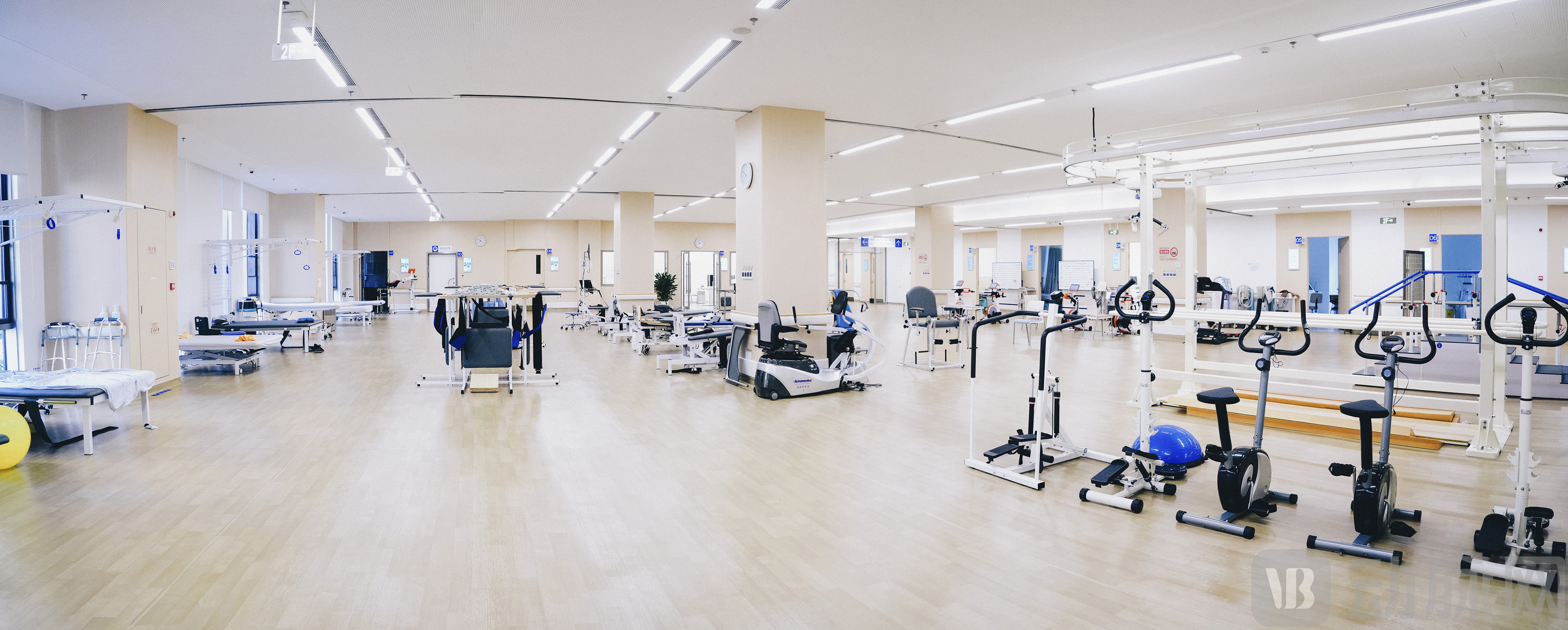
Taikang Tongji Rehabilitation Therapy Center
As the first core project to be commissioned in Phase II (note: the Health Management Center commenced operations in October 2024 but remains part of the Phase II projects), it has innovatively introduced customized health check-ups, a one-stop specialized service model featuring “medical staff mobility while patients remain stationary,” and multidisciplinary health management teams. This initiative marks a transition from “simple health screening” to “proactive health” services, providing patients (users) with more precise, comprehensive, and continuous personalized health management services.
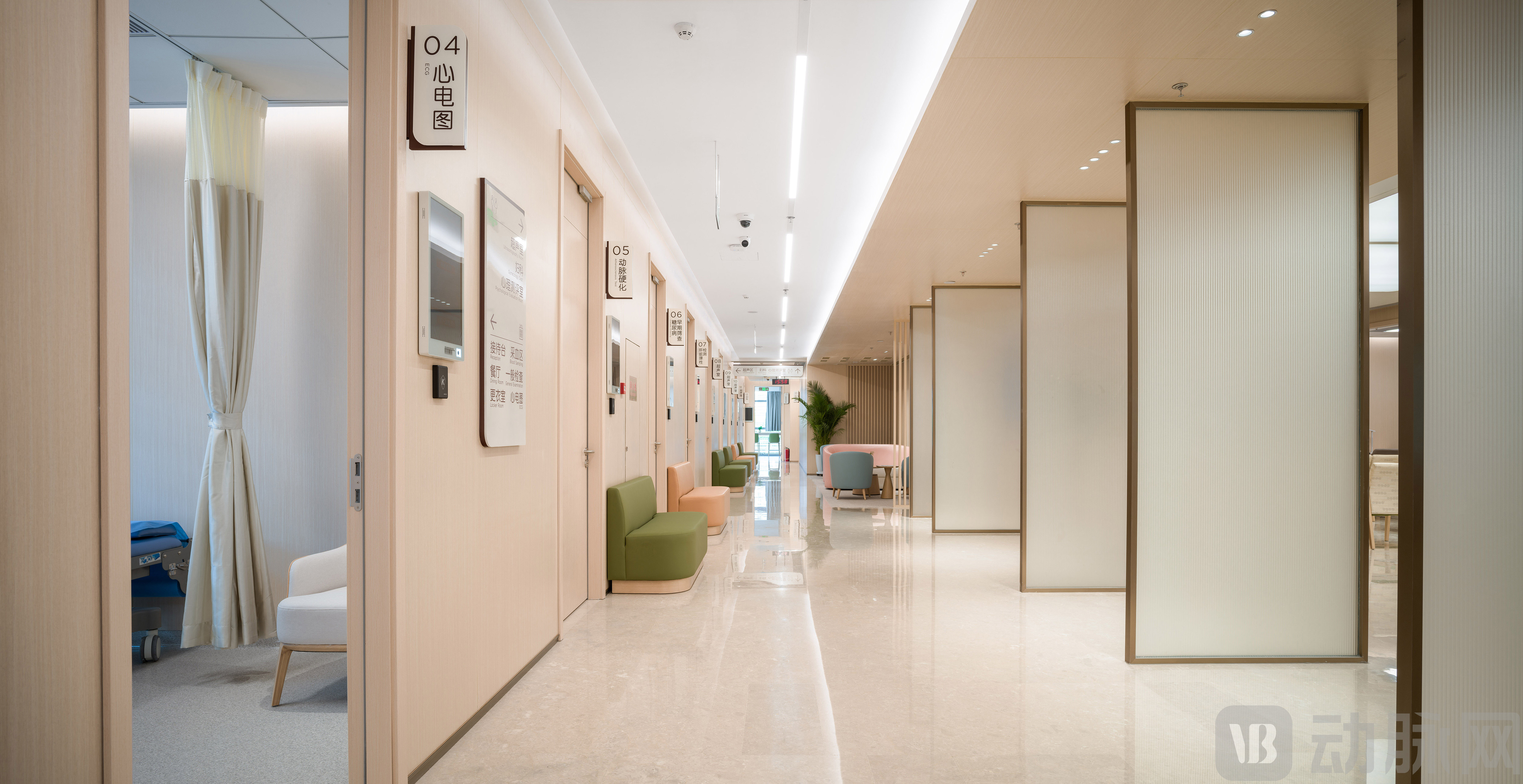
Taikang Tongji Health Management Center
The newly established Pediatric Rehabilitation Center features a rehabilitation space of over 400 square meters, including an ultra-large sensory integration training room of 120 square meters built in accordance with international standards. It integrates medical resources such as pediatric healthcare physicians and professional therapy teams, and has launched three specialized curriculum systems focusing on sensory integration, sensory processing, and speech communication. The center provides an integrated, closed-loop health management service encompassing “screening, assessment, rehabilitation, and promotion” for children aged 0 to 18 years.
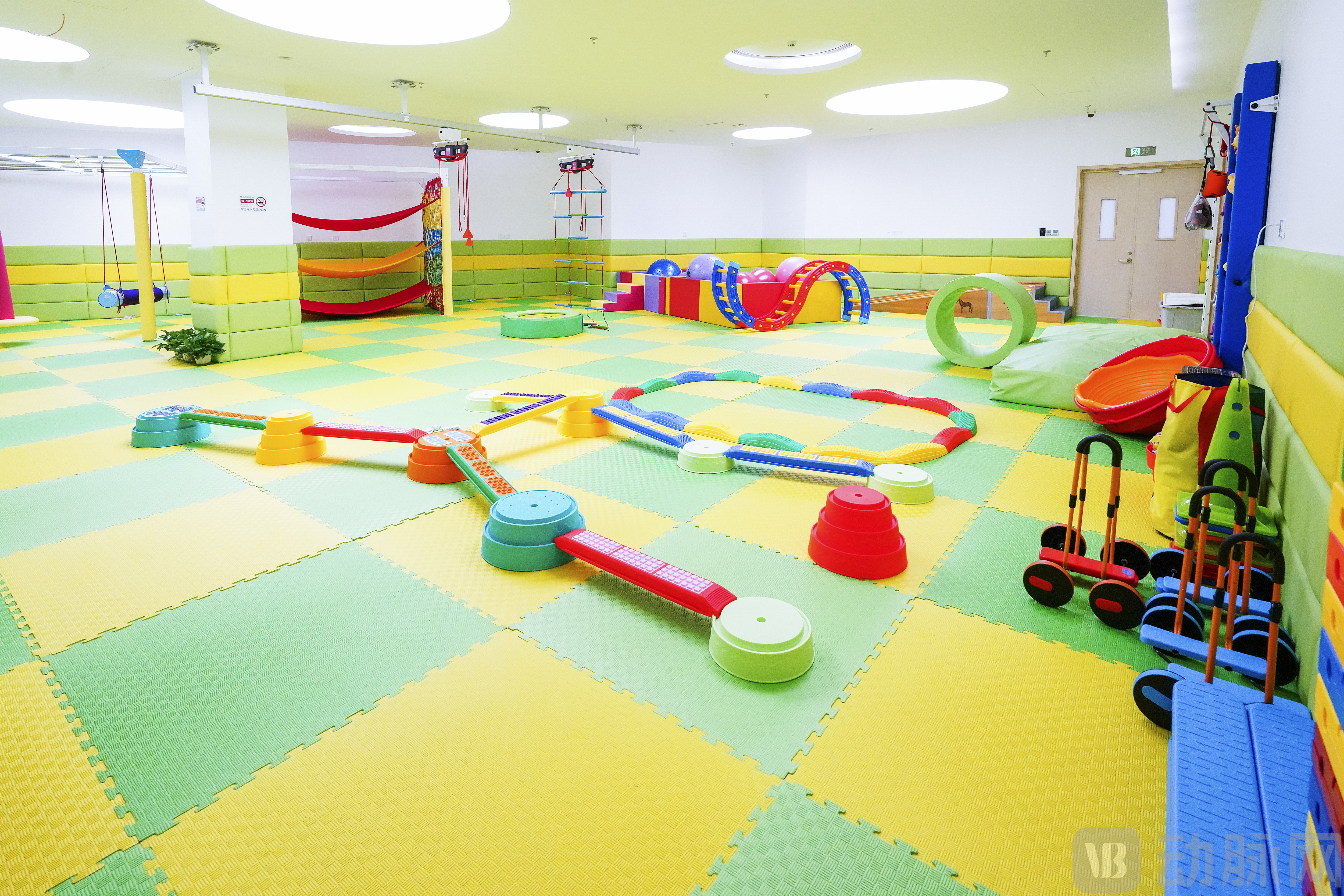
Taikang Tongji Children's Rehabilitation Center
In addition to the Pediatric Rehabilitation Center, Taikang Tongji Hospital Phase II has prioritized the development of its International Medical Department. Operating primarily on an appointment-based system, this department offers a range of distinctive services, including one-on-one full-process care, green channel access, and comprehensive translation support. It adopts a patient-centered care model and implements a “1+N” collaborative practice led by general practitioners, with coordinated involvement from specialists, pharmacists, rehabilitation therapists, dietitians, psychologists, and nurses, thereby providing diverse and personalized medical services to both domestic and international patients.
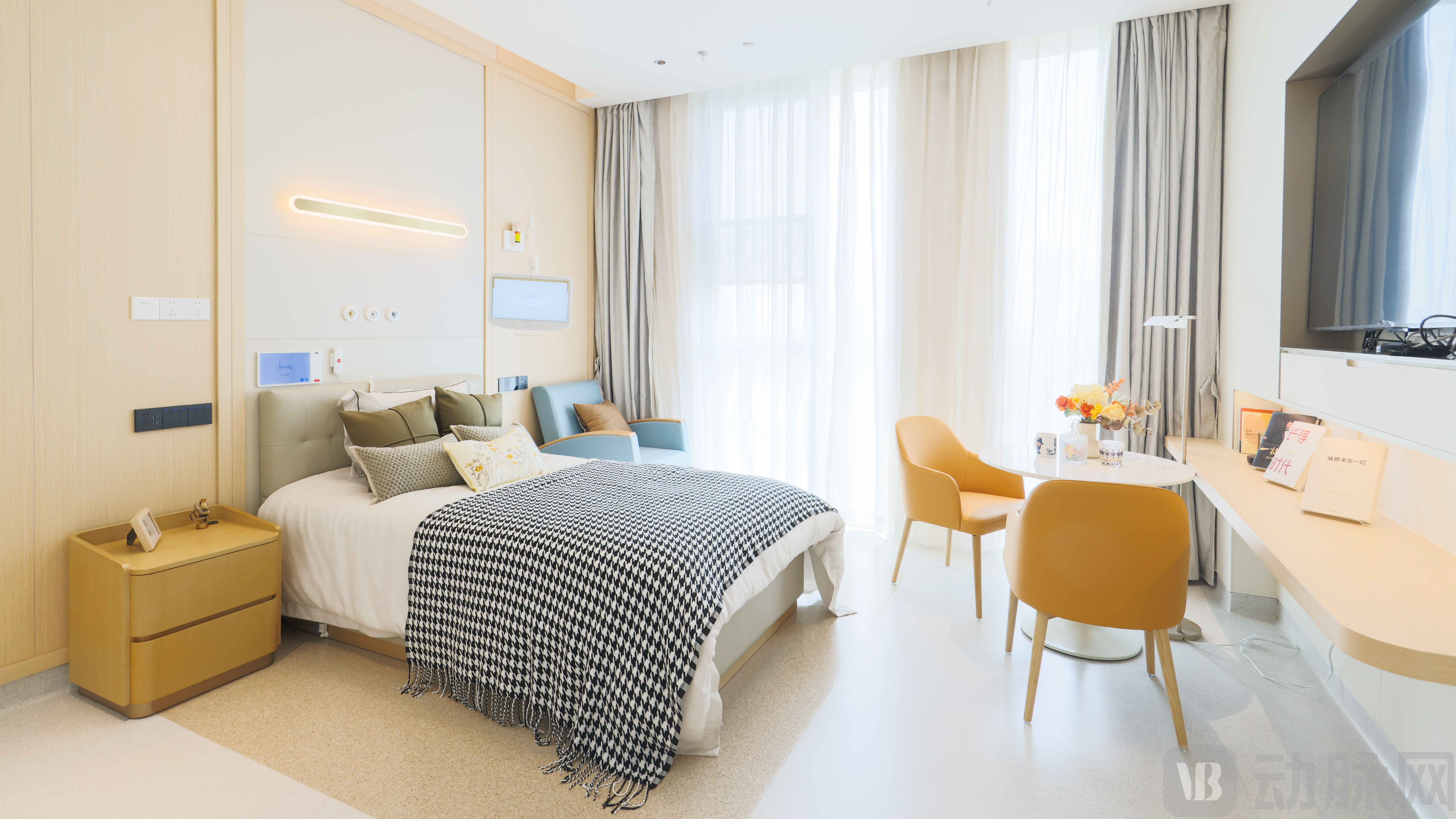
Taikang Tongji International Medical Department
Third, the upgrade and optimization of the environmental space have enhanced patient experience and service efficiency.Taking the International Medical Department as an example, its wards are not only equipped with essential amenities such as electric beds, massage chairs, sofas, microwaves, hair dryers, and bathing supplies, but have also undergone intelligent upgrades. These include the integration of multiple IoT-enabled automatic data collection devices to facilitate intelligent reminders and early warnings. In addition to providing private spaces and reception rooms within the patient rooms, the department has established reading areas, independent visitor lounges, and dedicated exercise rehabilitation zones outside the rooms. These measures aim to create a comfortable space that meets patients’ practical needs while ensuring safety.
Moreover, Phase II of Taikang Tongji Hospital has consolidated the neurosurgery and neurology wards, previously scattered across different buildings, into a single building, expanding the ward space from two floors to four. This optimized departmental layout not only facilitates the integration of spatial resources but also strengthens interdisciplinary collaboration, thereby enabling the provision of more cohesive, comprehensive, and efficient multidisciplinary diagnosis and treatment services for patients.
It is evident that, although Taikang Tongji Phase II has achieved upgrades in multiple aspects, it remains centered on delivering higher standards of medical care and superior medical services. This commitment is reflected not only in the development of Taikang Tongji Phase II, but also throughout the construction and operational practices of Taikang Tongji Hospital and Taikang Healthcare as a whole.
Continuously Introduce High-Quality Physician Resources and Promote the Integrated Development of Medical Care, Education, and Research
Excellence in medical care is the goal that Taikang Tongji Hospital continuously strives to achieve. In this regard,In addition to continuously introducing advanced diagnostic equipment and pharmaceutical and medical device products, Taikang Tongji Hospital, as a demonstration hospital for the “integration of medical care, teaching, and research” development model of Taikang Healthcare, has been consistently enhancing its medical standards through multiple approaches, including the recruitment and training of high-quality physician resources and the development of specialized disciplines.
In terms of introducing high-quality medical resources, Taikang Tongji has, in recent years, continuously improved its talent echelon by adopting a dual approach that combines the active recruitment of leading experts with the ongoing development of mid-career and young professionals. Currently, the hospital boasts nearly 100 physicians holding senior professional titles (associate chief physician or above).
Meanwhile, Taikang Tongji has actively recruited dozens of renowned experts from institutions such as Tongji Hospital Affiliated to Tongji Medical College of Huazhong University of Science and Technology and Zhongnan Hospital of Wuhan University to serve as Academic Directors, Chief Experts, and in other key roles.and conducted outpatient consultations, ward rounds, and surgeries at Taikang Tongji Hospital, providing a solid guarantee for high-quality medical health management services.
In the realm of physician education and training, Taikang Tongji has engaged in deep collaboration with Wuhan University. In 2021, Taikang and Wuhan University jointly established the “Wuhan University Taikang Medical and Education Fund” to support Wuhan University in building world-class disciplines in medicine and life sciences, while exploring new mechanisms for “university-enterprise cooperation, integration of industry-academia-research, and coordinated development.” In the same year, the Taikang Medical School (School of Basic Medical Sciences) of Wuhan University was officially unveiled, and the Wuhan University Taikang Center for Life Sciences was formally established. This January, Taikang Tongji signed a cooperation agreement with Wuhan University and unveiled the “Wuhan University Internship and Training Base.” In June, Taikang Tongji officially unveiled the “Wuhan University Taikang Clinical College.” The college will actively leverage Wuhan University’s comprehensive strengths in talent cultivation, scientific research, and discipline construction, integrate high-quality resources in medical care, education, and research, and strengthen the platform for medical talent development.
Moreover, Taikang Tongji Phase II will officially launch the Taikang Tongji Clinical Skills Training Center and Research Laboratories this September. The former will undertake diverse training programs, including standardized residency training, continuing medical education for practicing physicians, and specialty skill enhancement for specialists. The latter integrates multiple platforms—such as molecular biology, cell biology, and clinical sample preprocessing—with a focus on cultivating medical scientists in alignment with Taikang Healthcare’s “5+N” strategic disciplines.
In terms of discipline development, Taikang Tongji Hospital currently has two provincial-level key clinical specialties, including Clinical Pharmacy; one provincial-level key clinical specialty under construction, namely Thoracic Surgery; four municipal-level key clinical specialties, including Pathology; and five municipal-level key clinical specialties under construction, such as Colorectal and Anal Surgery and Diagnostic Radiology.
Notably, as one of Taikang Healthcare’s five strategic disciplines, the Taikang Healthcare Neurology Center is anchored by Taikang Tongji Hospital.Professor Chen Jincao, Chairman of the Neurosurgery Branch of the Hubei Medical Association and Dean of the Brain Hospital at Zhongnan Hospital of Wuhan University, has been appointed as the Chief Expert. By integrating resources from relevant specialties, the initiative aims to enhance diagnostic and therapeutic capabilities for difficult, complex, and critical neurological cases, thereby establishing a regional center of excellence for the diagnosis and treatment of neurological disorders.
In addition to the Neurology Center, Taikang Tongji Hospital also prioritizes the development of specialties such as orthopedics, oncology, and ophthalmology. By leveraging a multidisciplinary team (MDT) collaborative care model alongside flexible management and resource allocation mechanisms, the hospital aims to drive high-quality growth in its distinctive specialties and establish an influential academic alliance.
Professor Wang Zhihua, Dean of Taikang Clinical College at Wuhan University and President of Taikang Tongji Hospital, stated that the hospital aims to establish three to four key clinical specialties every three years, with the goal of becoming a well-known Grade A tertiary hospital in Hubei Province within three years and ranking among the top 100 hospitals on the Fudan University Hospital Ranking within ten years.
Exploring the Differentiated Advantages of Private Healthcare Providers in China: Characterized by the Integration of Medical Services with Insurance, and Medical Care with Elderly Care
In addition to its robust medical capabilities, Taikang Tongji Hospital, as a hospital founded by insurance capital and committed to longevity medicine, features distinctive integration of healthcare with insurance services and seamless coordination between medical care and elderly care.
In the realm of integrated medical and elderly care, Taikang Tongji has been committed to building a longevity-focused healthcare system. In addition to the Neurology Center and other key disciplines mentioned earlier, it focuses on the development of a comprehensive geriatric specialty cluster, dedicated to providing integrated, whole-course care services encompassing geriatrics, health management, and chronic disease management.
In terms of synergy with Taikang Community’s high-quality senior living communities, Taikang Tongji Hospital has maintained continuous collaboration with Taikang Community·Chuyuan to explore and implement Taikang’s “intra-city integrated” model of medical-elderly care integration. On one hand, by establishing an integrated service platform covering the full lifecycle of medical and elderly care, the hospital jointly conducts free clinic consultations, pharmaceutical services, and online medical consultations with Taikang Community·Chuyuan. It also provides a green channel for two-way referrals for community residents, enabling the sharing of high-quality medical resources and delivering higher-level integrated medical and elderly care services to Taikang residents.
On the other hand, Taikang Tongji Hospital can also leverage the medical big data resources accumulated over a decade by Taikang Community’s senior living communities to continuously advance its own development in longevity medicine, thereby supporting Taikang in building a seamlessly integrated service system that covers healthcare, elderly care, rehabilitation, and wellness across the entire life cycle.
andIn terms of integrating medical care with insurance, in addition to providing services such as direct billing for commercial health insurance, Taikang Tongji has leveraged its “Health Appointment” initiative to establish a family doctor-centered health management system, thereby enhancing health awareness among high-net-worth clients.
In the future, Taikang Tongji will continue to adhere to the integrated development of medical care, education, and research, firmly implement the “5+N” disciplinary strategy, and deepen the exploration of “integration of healthcare and insurance, and integration of medical care and elderly care,” thereby providing new insights for building private healthcare institutions with differentiated characteristics.