

Digital Health Sector Gains Momentum: Grassroots Case Studies Unpack Practical Approaches to Digital Efficiency Enhancement [2025 DTC]
In the current era where digital technologies are reshaping the healthcare sector, innovative cases and ecosystem synergy have emerged as core forces addressing industry pain points such as unequal distribution of medical resources and insufficient service efficiency. These forces are driving the healthcare industry toward upgrades characterized by precise implementation, multi-domain integration, and full-scenario services, injecting strong momentum into the translation of medical technologies, improved accessibility of services, and cross-sector resource integration. Currently, under the combined influence of policy support, technological breakthroughs, and escalating public health demands, China’s digital healthcare sector is advancing rapidly. Multiple stakeholders—including medical institutions, technology enterprises, financial institutions, and academic groups—are deeply engaged. Application scenarios are continuously expanding, ranging from clinical applications in brain science to chronic disease management at the primary care level, and from care for special populations to regional industrial layout. A new industrial development ecosystem, marked by collaborative progress among diverse entities, is gradually taking shape.
On August 16, 2025, byHosted by Beijing Danhuang Technology Co., Ltd.; organized by Chongqing Artery Orange Technology Co., Ltd. and Hainan Danhuang Technology Co., Ltd.; strategic cooperation with Hainan Eco-Software Park Group Co., Ltd.; ecological partnership with China Merchants Bank Haikou Branch; co-hosted by the Digital Medicine Branch of the Hainan Medical AssociationThe 2025 Digital Therapeutics Conference: Innovation Cases and Ecosystem Forum was successfully held at the Hilton Haikou Meilan Hotel in Haikou, Hainan.
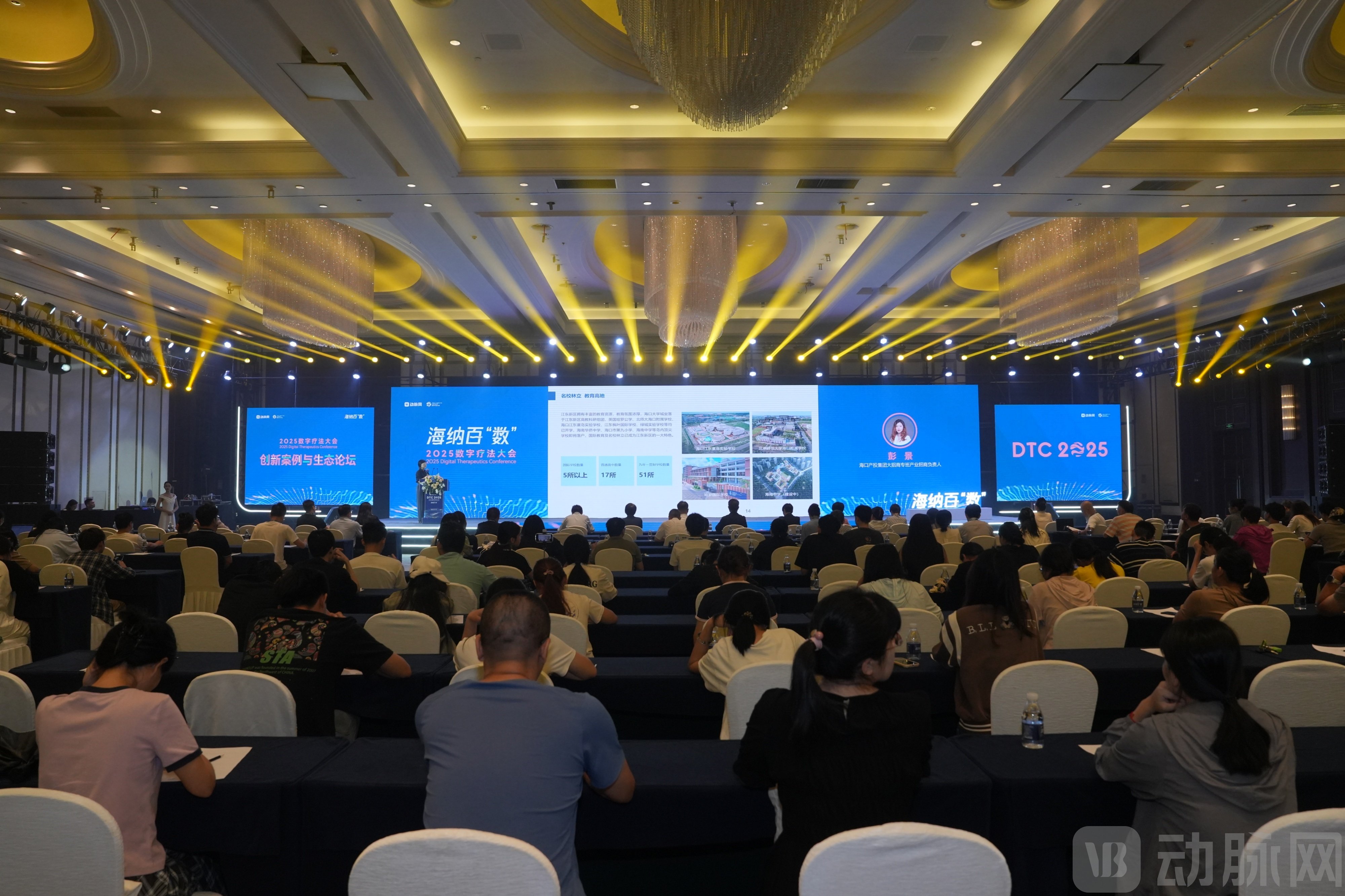
Conference Venue
Centered on innovative practices and ecosystem development in the field of digital healthcare, this forum focused on key areas such as optimizing regional industrial layouts, deepening the implementation of technological integration, enhancing primary care service capabilities, and fostering cross-sector resource synergy. It brought together industry experts, representatives from medical institutions, corporate executives, and leaders from financial institutions to jointly explore practical pathways for the digital healthcare industry and models for win-win ecosystem collaboration. The aim was to strengthen practical exchanges and resource linkages in this field, injecting new vitality into the high-quality development of the digital health industry. Moderated by Lei Yang, Deputy General Manager of VCBeat Select, the forum featured successive presentations by multiple guests, who shared cutting-edge practices and valuable insights on innovative applications and ecosystem building in digital healthcare.
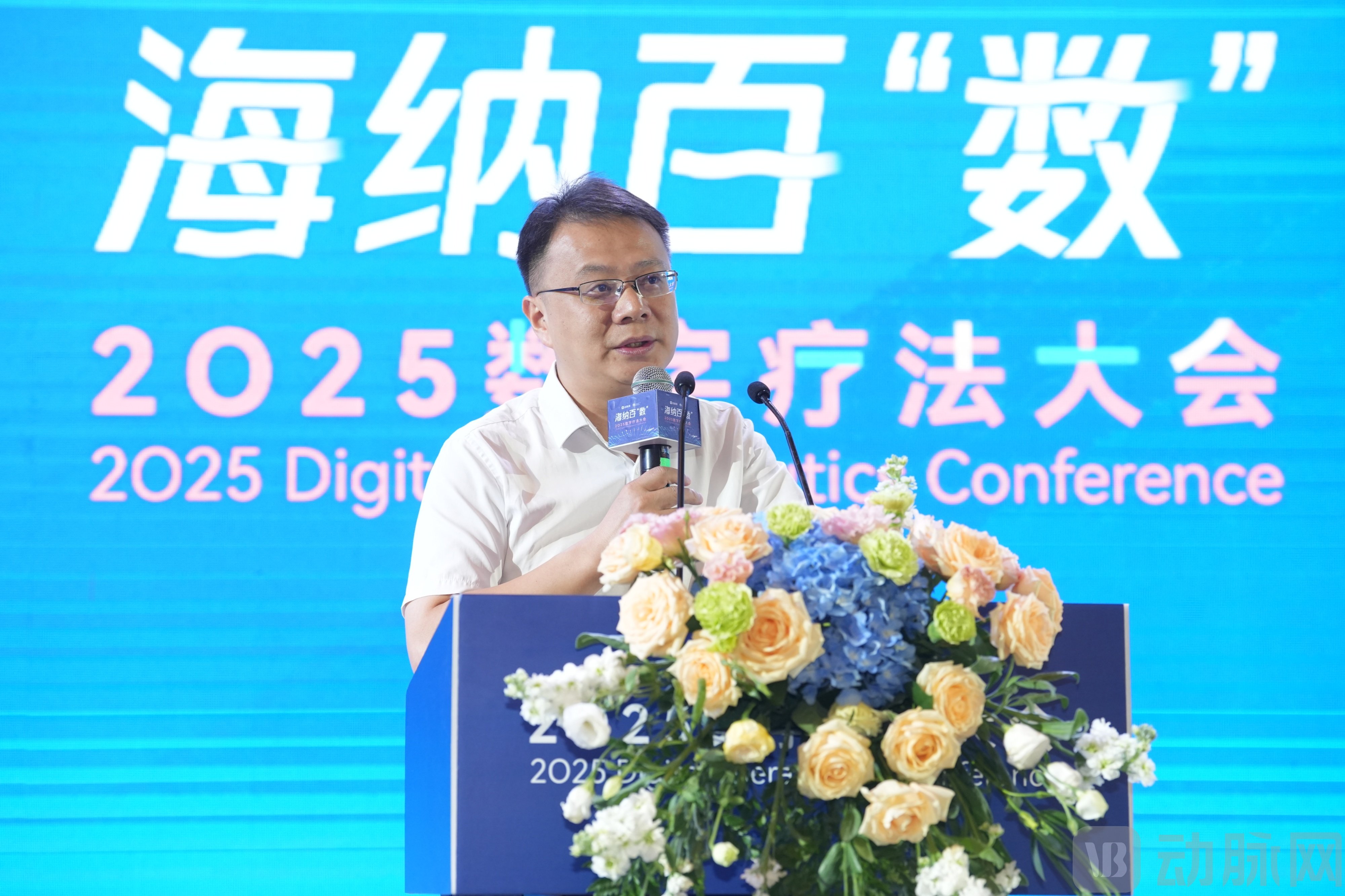
Liu Tao, Chairman of the Digital Medicine Branch of the Hainan Medical Association
At the outset of the forum, Liu Tao, Chairman of the Digital Medicine Branch of the Hainan Medical Association, delivered a presentation titled “Brain Science and Digital Healthcare.”
Liu Tao pointed out that China has entered a phase of deep aging, with the core objective of medicine being to achieve healthy longevity and graceful aging. Digital technology provides critical support for medical innovation, particularly in the field of brain science, where it drives the upgrading of disease research, diagnosis, and treatment through a dual-path approach combining problem-driven clinical research and technology-led advancement.
As a core technology of the Fourth Industrial Revolution, the development of artificial intelligence (AI) relies on three foundational pillars: data, algorithms, and computing power. In the field of neurology, AI has been applied in scenarios such as precise diagnosis of stroke, neuroimaging analysis, and robotic-assisted surgery. Institutions like Beijing Tiantan Hospital and Huashan Hospital have achieved breakthrough applications, including brain-computer interfaces (BCI). Hainan Province holds advantages in this domain, with Hainan University and Hainan Medical University hosting specialized teams focused on BCI chips and large-scale medical data mining.
He emphasized that AI remains an auxiliary tool, requiring strict adherence to ethical bottom lines such as data security and algorithmic interpretability, while the humanistic care provided by physicians is irreplaceable. Hainan is supporting the development of digital healthcare through policies such as R&D vouchers and innovation vouchers, encouraging young doctors to participate in interdisciplinary collaboration between medicine and engineering. Leveraging the policy and industrial advantages of the Hainan Free Trade Port, the Digital Medicine Branch of the Hainan Medical Association will continue to build a platform for industry-academia-research-application collaboration, promoting the implementation of digital therapeutics and industrial upgrading.
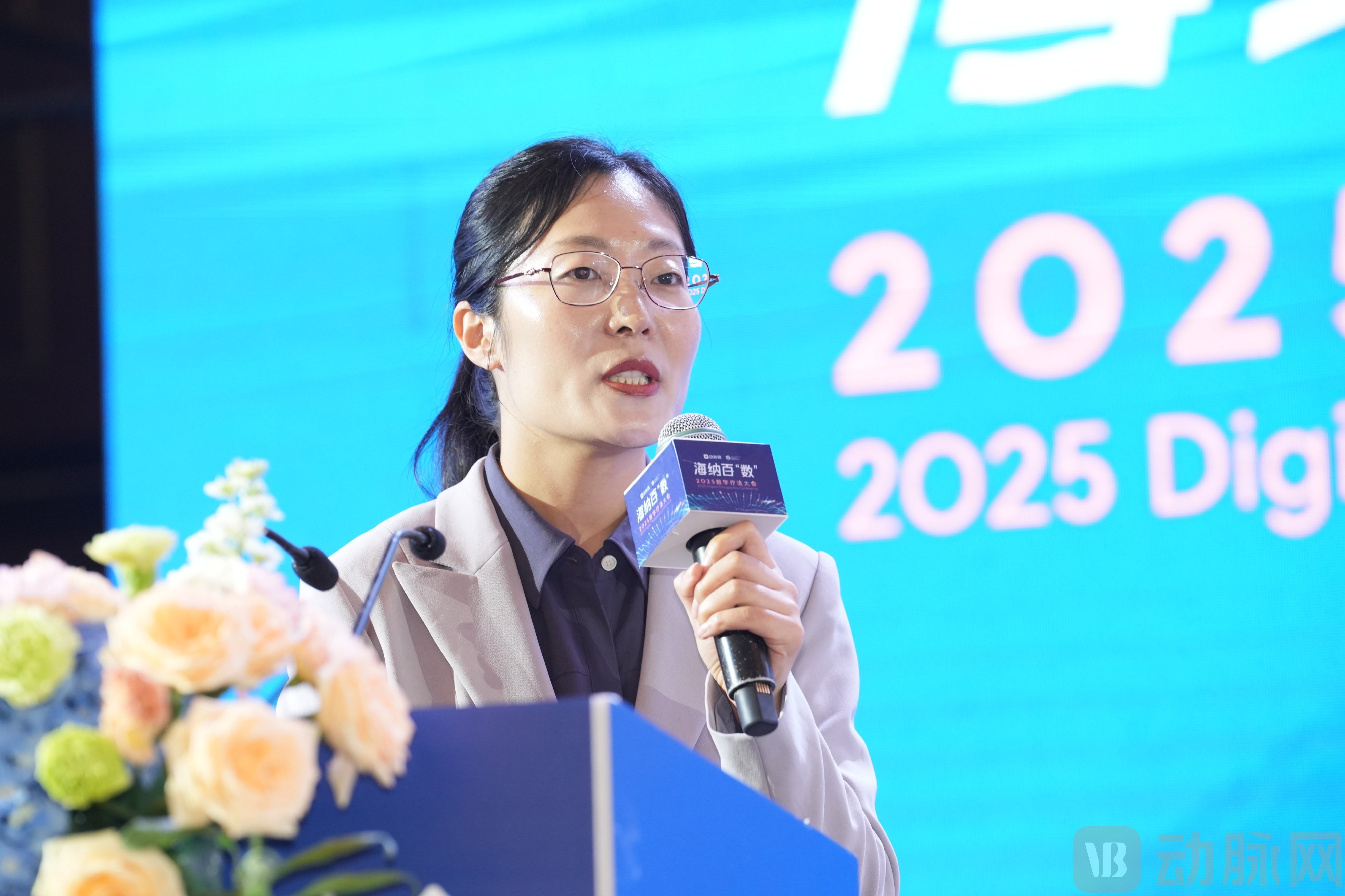
Lu Juan, Transaction Banking Department, China Merchants Bank Haikou Branch
Lu Juan from the Transaction Banking Department of China Merchants Bank Haikou Branch presented "China Merchants Bank's Specialized Solutions for the Pharmaceutical Industry."
Lu Juan shared practical experiences in empowering the healthcare industry through hospital-bank collaborations. She provided a comprehensive overview of the medical sector, considering current factors such as population aging, rising public health awareness, and policy optimizations including tiered diagnosis and treatment. The long-term demand in the healthcare industry is characterized by strong certainty and significant growth potential, while innovation-driven development remains the core logic for short-term industry growth.
In response to the distinct characteristics of the three major sectors—pharmaceutical manufacturing, pharmaceutical distribution, and medical services—China Merchants Bank provides differentiated, end-to-end financial services. In the pharmaceutical manufacturing sector, the bank covers the entire lifecycle from R&D and production to market listing through products such as investment-loan linkage, project financing, and IPO services, while its valuation model for innovative drug and medical device enterprises enables precise service delivery. In the pharmaceutical distribution sector, it reduces financing costs, alleviates cash flow pressures, and resolves capital mismatch issues between upstream and downstream partners through fully online “Zhao Qi Dai” corporate loans and pharmaceutical factoring services. In the medical services sector, the bank has pioneered an “M&A framework credit line” model to support small-scale, high-frequency merger and acquisition transactions.
Leveraging its robust customer base and leading digital capabilities, China Merchants Bank promotes the deep integration of finance and the healthcare industry through customized financial products and multi-channel resource matchmaking services. This fosters a synergistic development pattern of “technology + capital,” injecting financial vitality into digital healthcare enterprises at various stages, including R&D, implementation, and scaling, thereby supporting the high-quality development of the digital health industry.
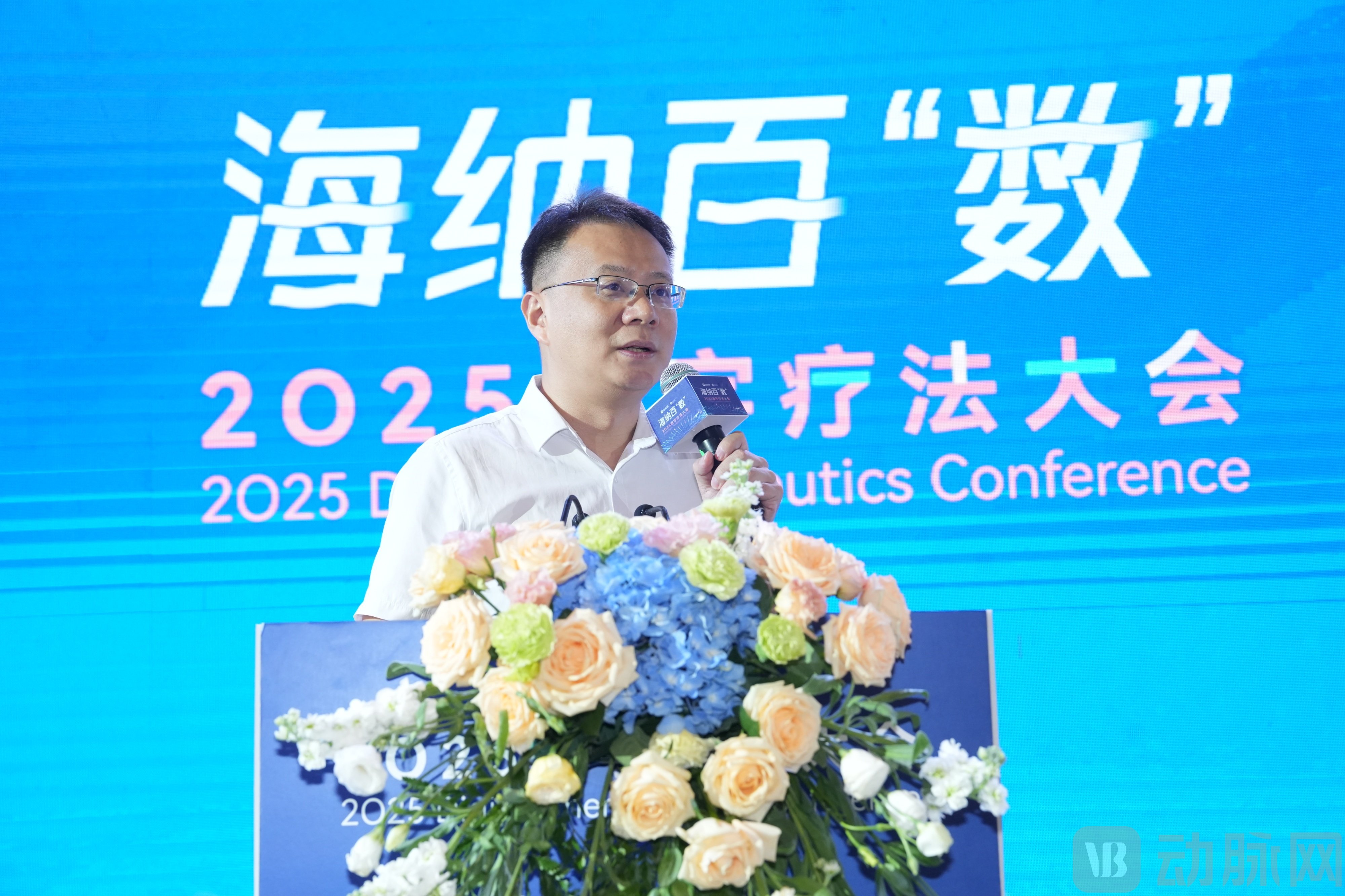
Liu Tao, Executive Deputy Director of the Medical and Healthcare Center, Hainan Provincial People's Hospital
Liu Tao, Executive Deputy Director of the Healthcare Center at Hainan General Hospital, shared insights on “AI + Brain Health: Hainan’s Practice in Early Diagnosis and Treatment of Alzheimer’s Disease.”
Liu Tao pointed out that the number of patients with cognitive impairment in China has reached 50 million, a figure expected to double within 20 years. The population aged 60 and above affected by the disease continues to expand; however, rates of medical consultation, diagnosis, and treatment remain low. With only slightly more than 2,000 specialists nationwide, the prevention and control of the disease face severe challenges. Alzheimer’s disease follows a course spanning up to 20 years, and most patients seek medical attention only when they have already progressed to the middle or late stages. Therefore, early diagnosis and intervention should focus on the stages of mild cognitive impairment (MCI) and subjective cognitive decline (SCD).
In the field of early diagnosis, Hainan has achieved precise diagnosis by integrating cerebrospinal fluid and peripheral blood biomarkers with magnetic resonance imaging (MRI) and artificial intelligence (AI) through the Healthy Aging and Community Dementia Cohort Study in China’s Tropical Regions. By employing Quantitative Tissue Mapping (QTM) technology to detect early markers such as hemodynamic changes in the hippocampus, and applying Granger causality analysis to trace the sequential progression of brain region alterations, this approach provides a scientific basis for early intervention.
In the practice of cognitive digital therapeutics, Hainan has established a platform integrating a 6-minute rapid screening tool, cognitive assessment, and gamified interventions, collaborating with Xiamen Hejia and Jingshi Brain products to enable home-based training. In 2022, 227,500 elderly individuals were screened (achieving 114% of the target). Training data from 2023 demonstrated significant improvements in patient scores. A hospital-community-home collaborative model has been established, leading to increased outpatient visit rates. Moving forward, the initiative will leverage technologies such as neuromodulation, brain-computer interfaces, and artificial intelligence to promote the deep integration of omics research with innovative technologies, thereby addressing the challenges in dementia prevention and control.
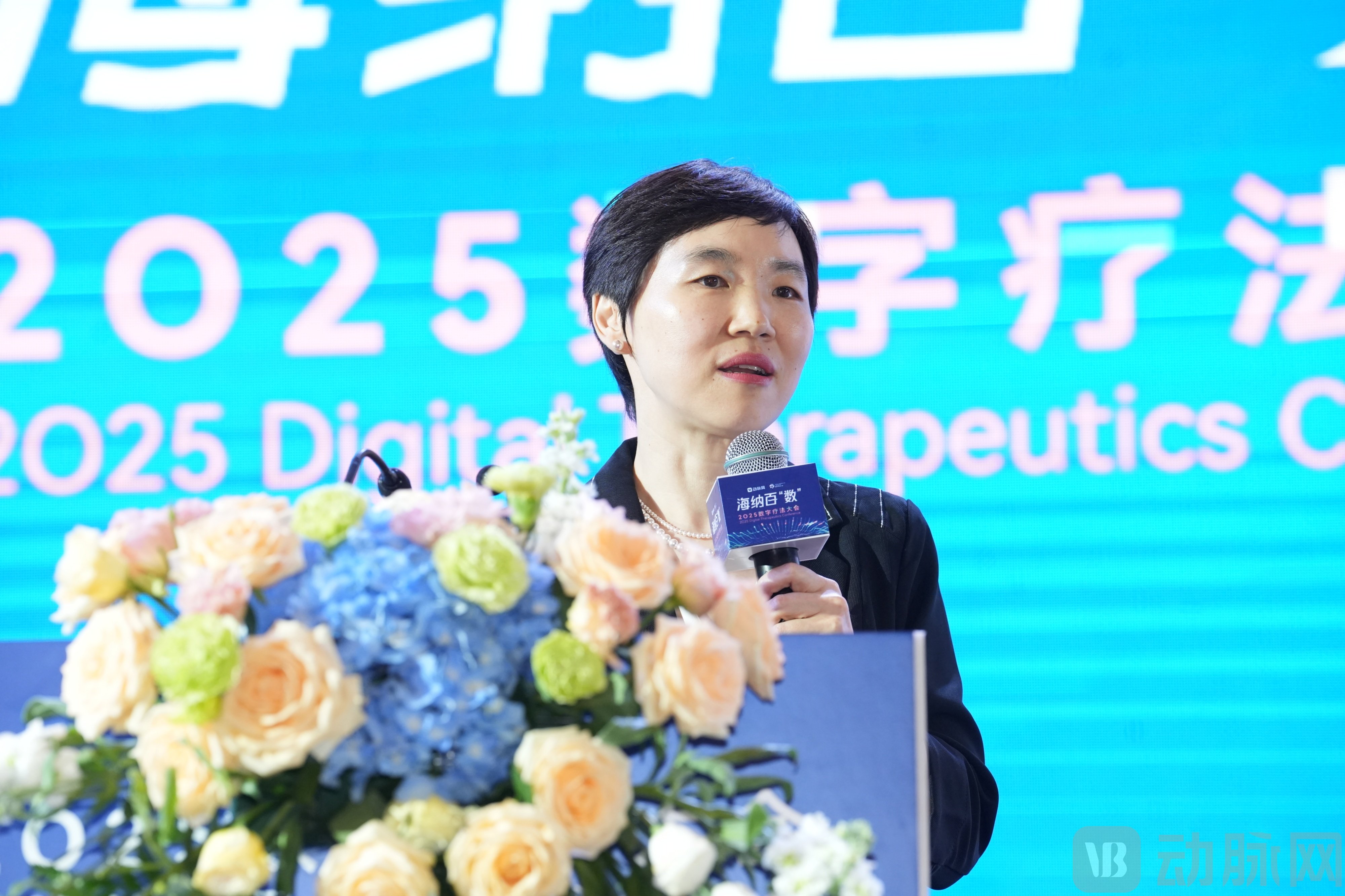
Ding Hui, Deputy Chief Physician and Director of the Myopia Refractive Specialty Department at Hainan Provincial Eye Hospital
Ding Hui, Deputy Chief Physician and Director of the Myopia and Refractive Specialty Department at Hainan Eye Hospital, delivered a presentation titled “Myopia Prevention and Control and Digital Therapeutics.”
Ding Hui emphasized the severity of the global myopia epidemic, noting that China is a high-prevalence region. Despite national-level emphasis on prevention and control, the prevalence of myopia among children and adolescents remains persistently high. Since myopia is irreversible once it occurs due to axial elongation, the focus of prevention and control lies in preventing its onset and slowing its progression, with particular attention needed for the intervention window in pre-myopic children.
Shortcomings of Traditional Prevention and Control Models: Risk factors (such as near-work activities and insufficient outdoor time) are difficult to identify promptly; effective interventions for non-myopic children are lacking; parents have limited understanding of the intensity and spectral composition of outdoor light; and there is insufficient oversight of intervention adherence. Although axial length monitoring is a key indicator, dynamic management is challenging when relying solely on outpatient data.
Hainan has leveraged digital technologies to overcome existing limitations by jointly developing a medical-grade myopia risk monitor. This device enables multi-dimensional monitoring of bilateral viewing distance, head tilt, and ambient lighting, providing real-time vibration alerts for poor eye-use behaviors. By integrating monitoring data with axial length measurements and employing AI analysis to identify personalized risk factors, the system establishes a closed-loop process of “data collection–analysis–intervention–feedback.” Furthermore, data is shared with parents and schools to promote the optimization of learning environments, thereby advancing primary prevention from individual interventions to broader environmental improvements, ensuring that every monitoring and intervention effort delivers tangible value in myopia control and prevention.
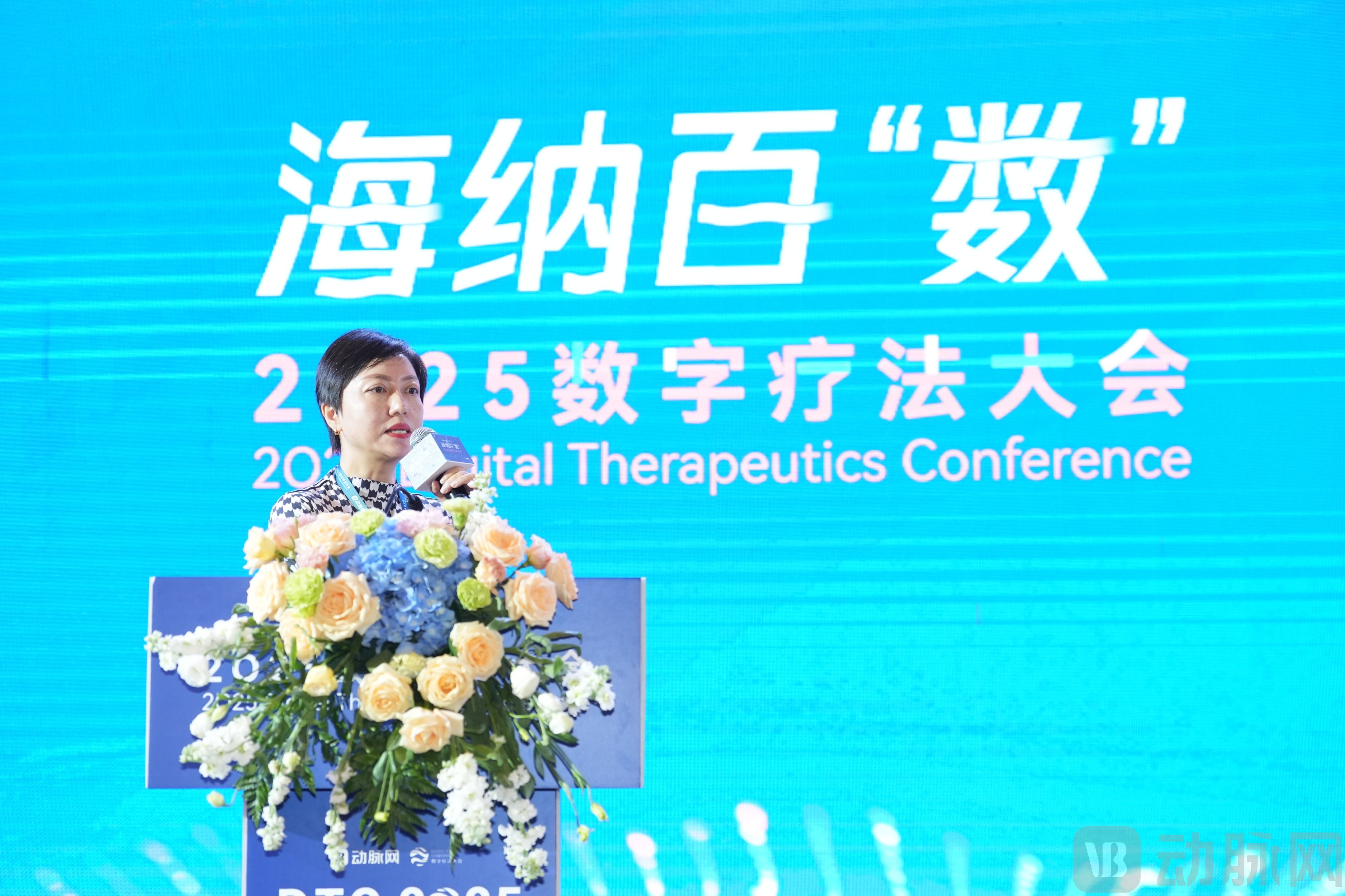
Zhang Dan, CEO of Orange Heart Digital Therapeutics (Tianjin) Co., Ltd.
Zhang Dan, CEO of Orange Heart Digital Therapeutics (Tianjin) Co., Ltd., shared insights on “Empowering the Integration of Medical Care and Prevention for Chronic Obstructive Pulmonary Disease at the Primary Care Level Through Comprehensive Management Based on Family Doctor Contracted Service Packages.”
Zhang Dan stated that the number of people with chronic obstructive pulmonary disease (COPD) in China is nearly 100 million, and if left uncontrolled, it will result in losses of 13.6 trillion yuan over the next 30 years. There are significant pain points in current management. Research shows that as a first-line treatment, inhalation therapy has a high rate of patient operation errors, with adherence at only 61.3%. Additionally, 49.8% of primary care physicians face difficulties in prescribing, and only 2.5% have mastered inhalation techniques.
Chengxin Digital Therapeutics (Tianjin) Co., Ltd. focuses on addressing the pain points in primary care management of chronic obstructive pulmonary disease (COPD). Leveraging family doctor contract services as a vehicle, the company empowers primary healthcare through digital therapeutics technology. To tackle issues such as improper inhalation techniques and low adherence among COPD patients, as well as insufficient prescribing capabilities for inhaled medications among primary care physicians, Chengxin has utilized digital technologies to develop a comprehensive, end-to-end management solution covering screening, assessment, intervention, and follow-up.
At primary healthcare institutions, an innovative “One Network, One Platform” digital diagnosis and treatment system for chronic respiratory diseases has been established. By embedding QR code questionnaires within the widely covered community/village grid groups at the grassroots level, this system facilitates convenient resident participation and automated identification of high-risk populations. In case studies such as Zhongbei Town in Tianjin, low-cost screening of 10,000 individuals and over 1,000 pulmonary function tests were completed within two months. In conjunction with health policy innovations, specially designed “Family Doctor Contracted Service Packages” were introduced, offering free or paid services tailored to different stages, including health record establishment, confirmed diagnosis/definitive treatment planning, and remote home management. Leveraging real-time sensor feedback and AI-assisted diagnosis and treatment, a full-chain closed-loop management model encompassing “screening–diagnosis–precise medication education–intelligent home monitoring” has been formed. This approach has restructured clinical pathways and significantly enhanced the standardized diagnosis and treatment capabilities for chronic obstructive pulmonary disease (COPD) at the primary care level. To date, the standardized health service rate at the “Respiratory Chronic Disease Digital Therapeutics Center” in Zhongbei Town, Tianjin, has risen to over 62.89%, while the hospitalization rate for acute exacerbations has decreased to 4.12%. It is reported that relevant practices of Chengxin Digital Therapeutics have been implemented in primary healthcare settings across more than ten provinces and municipalities nationwide, providing support for promoting the integration of medical care and prevention in COPD management and optimizing chronic disease management at the grassroots level.
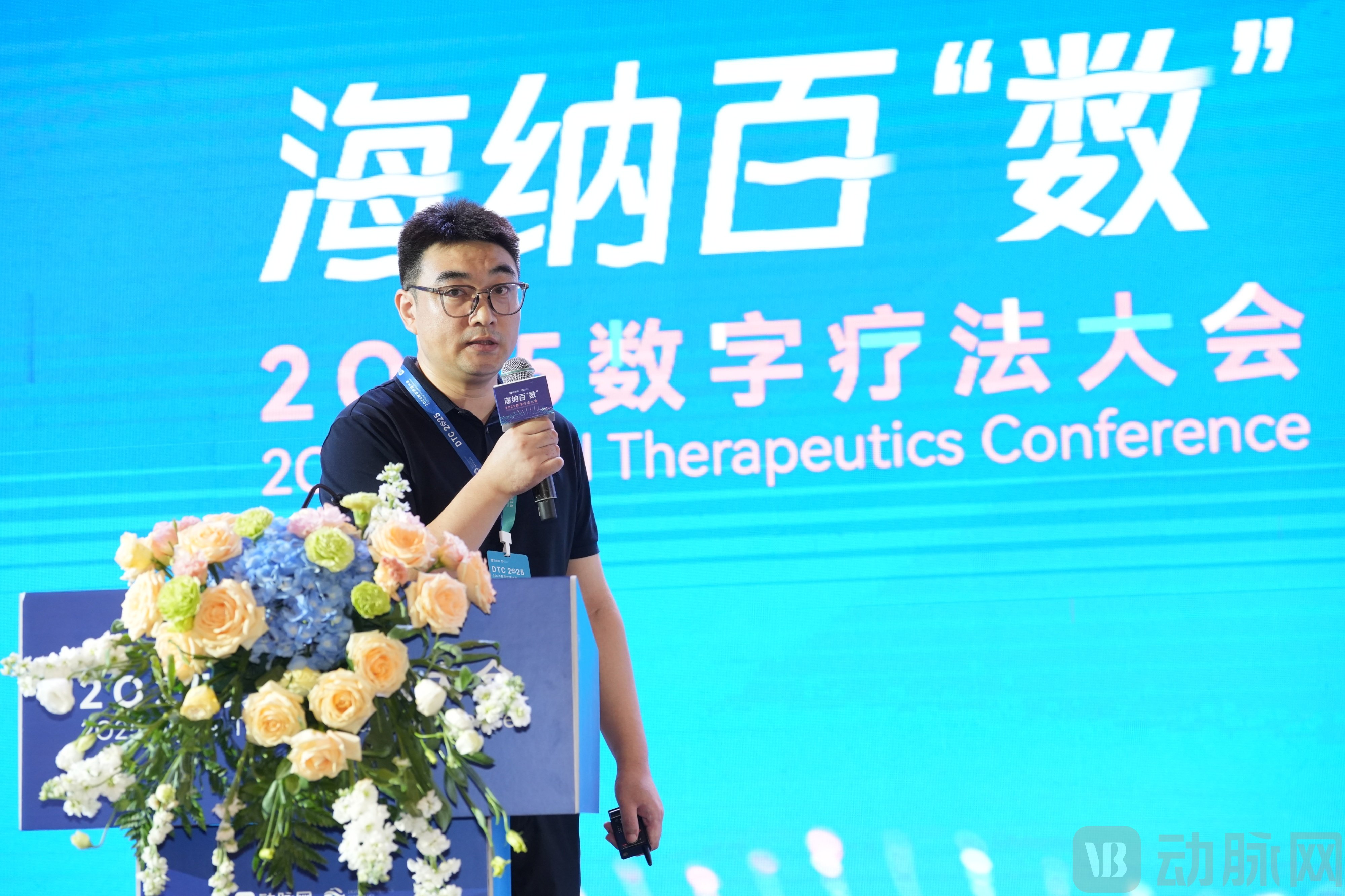
Wei Tao, Deputy General Manager of Chongqing Moka Zhixin Technology Co., Ltd.
Wei Tao, Deputy General Manager of Chongqing MOCA Zhixin Technology Co., Ltd., delivered a presentation titled “Intelligent Fusion Innovation Based on Clinical Advantages: MOCA Digital Therapeutics Building a New Paradigm for Mental Health in Children and Adolescents.”
Wei Tao pointed out that children and adolescents are the population with the highest incidence of anxiety and depression, as well as the age group with the highest detection rate. However, related prevention and treatment efforts face multiple practical challenges, such as low identification rates, limitations of traditional intervention methods, high relapse rates, and a severe imbalance between supply and demand.
To address these pain points, MOCA Digital Therapeutics is grounded in international guidelines and innovatively integrates Acceptance and Commitment Therapy (ACT), music therapy, art therapy, VR electronic sandplay, and family-based interventions. It has developed an original digital therapeutic system tailored for Chinese children and adolescents, which has been validated through clinical trials to significantly alleviate symptoms of anxiety and depression. The product portfolio currently includes mobile-based digital therapeutics, home desktop companion robots, and embodied intelligent psychological robots.
The “Education + Healthcare” Dual-Domain Symbiosis Model, established through practical application, has demonstrated significant effectiveness. On the education front, it standardizes digital mental health screening platforms, stratification criteria, and intervention protocols for primary and secondary schools. On the healthcare front, it integrates digital therapeutics into whole-course disease management, creating a specialized model that encompasses pre-diagnosis screening and assessment, intra-diagnosis clinical decision support, and post-diagnosis rehabilitation support. This approach enhances physicians’ service efficiency, increases hospital service revenue, improves patient adherence, and reduces relapse rates, thereby providing an accessible and scalable implementation pathway for child and adolescent mental health services.
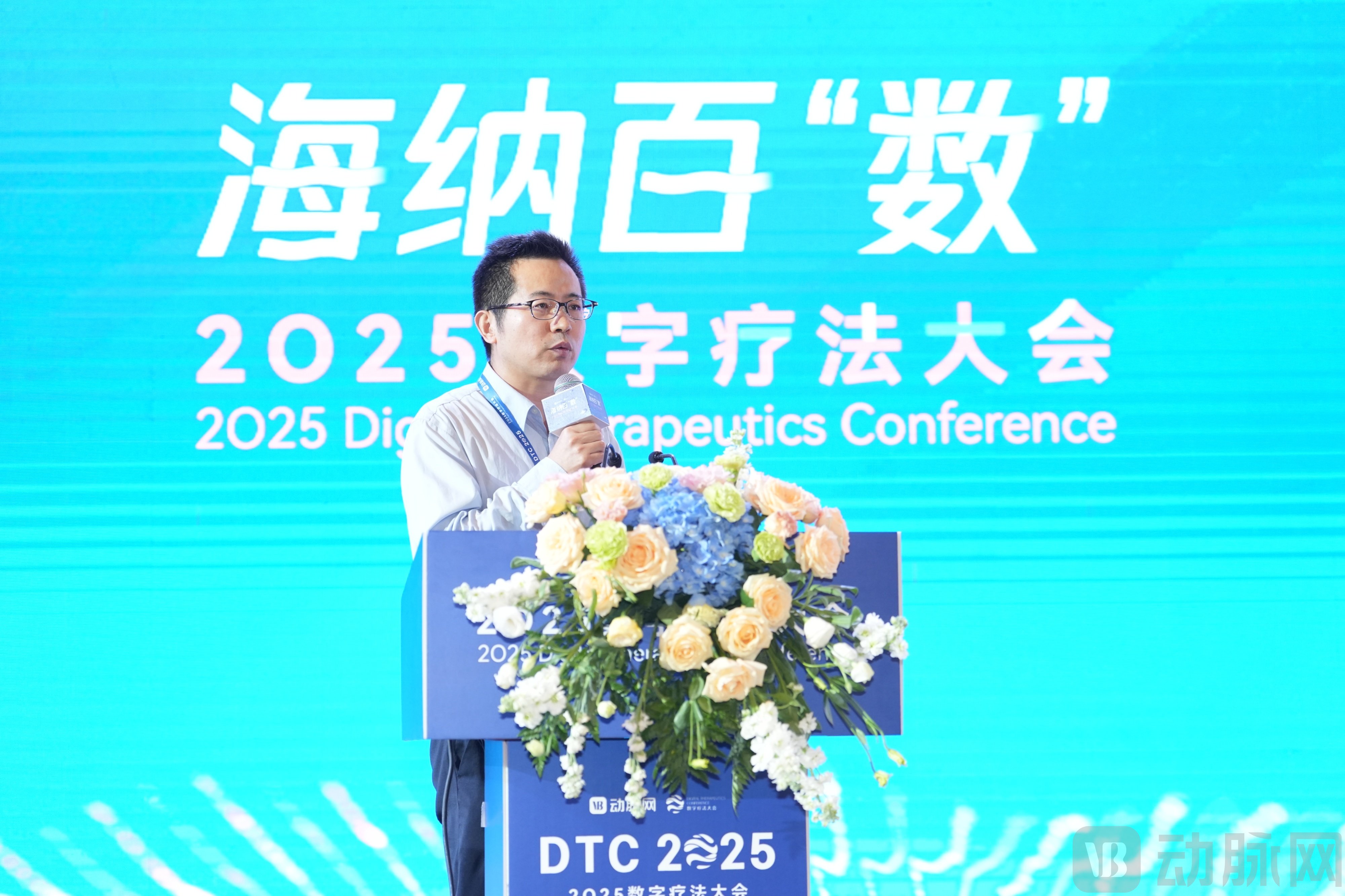
Wu Xiaolei, Vice President of Government Affairs at Airdoc
Wu Xiaolei, Vice President of Government Affairs at Airdoc, shared insights on “Innovative Practices of AI-Based Fundus Imaging and Chronic Disease Assessment with Digital Therapeutics in Primary Healthcare.”
Wu Xiaolei shared that the fundus retina, as the only part of the body where blood vessels and nerves can be observed non-invasively, has become an important window for early screening of chronic diseases. Airdoc focuses on AI-based fundus examination and chronic disease assessment practices, providing an innovative pathway for primary care chronic disease management.
By integrating AI algorithms with a proprietary portable fundus camera, this technology requires only a single fundus photograph and 1–2 minutes of analysis to generate results for 55 health risks. These include auxiliary diagnosis for 35 fundus diseases and risk alerts for 10 chronic conditions, thereby addressing the limitations of traditional fundus examinations, which rely on specialized equipment and ophthalmologists and suffer from low coverage in primary care settings.
At the grassroots level, the fundus telemedicine platform built upon medical consortiums has demonstrated significant effectiveness. Taking 48 community health centers in Haidian District as an example, a cumulative total of 80,000 screenings were conducted, identifying over 6,000 cases with major positive risks. Bidirectional diagnosis was achieved through the government cloud, enabling residents to complete chronic disease risk screening while picking up medications at their local communities. Furthermore, by integrating digital therapeutic tools such as eye movement training and myopia phototherapy devices, a closed-loop “screening-intervention” model has been established in areas like strabismus correction and myopia prevention and control. This provides a replicable technical implementation model for grassroots chronic disease management.
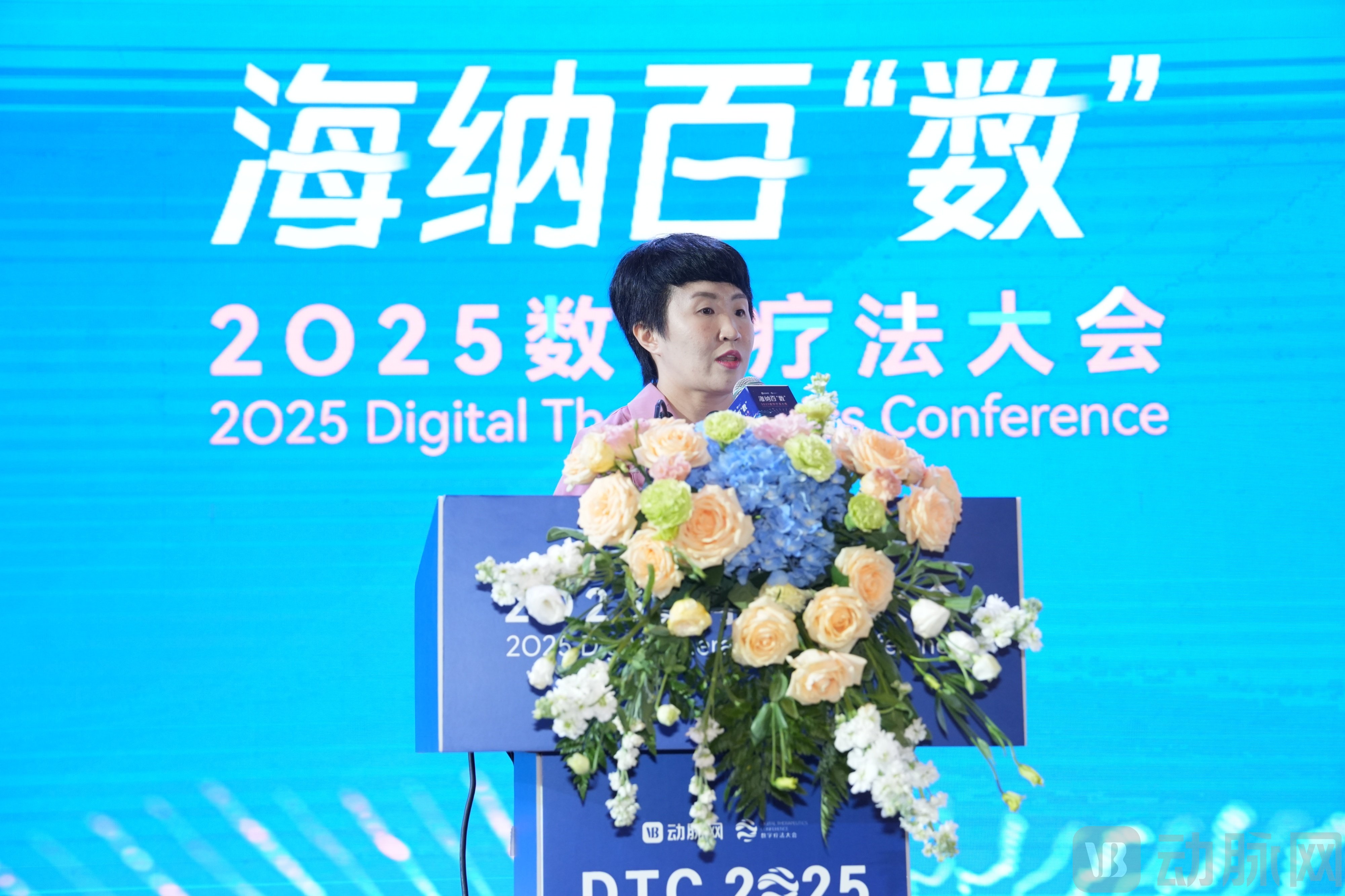
Ou Qianying, Attending Physician, Department of Endocrinology, Hainan Provincial People's Hospital
Ou Qianying, an attending physician in the Department of Endocrinology at Hainan General Hospital, shared “Innovative Cases of Digital Therapeutics for Diabetes.”
Ou Qianying pointed out that Hainan Province faces severe challenges in diabetes prevention and control: the prevalence rate among residents aged 18 and above is 13.8%, higher than the national average, while the treatment rate is only 13.5%, far below the national level. Specialists are forced to manage millions of patients with a ratio of one doctor to ten thousand patients, making the traditional model unsustainable.
To this end, Hainan Province has constructed a “Triangular Support System” through policy innovation: centering on personalized patient services, supported by medical institutions, and grounded in regional information platforms, while introducing four enterprises to pilot digital therapeutics. Among them, the Yidu Cloud solution achieves data tracking, regimen customization, and real-time monitoring through tripartite collaboration among the healthcare provider’s PC terminal, mobile terminal, and patient terminal, serving as a “digital umbilical cord” connecting physicians and patients.
Clinical data have validated the value of digital therapeutics: among 3,902 patients with type 2 diabetes who underwent a three-month intervention, those with high adherence and active engagement demonstrated significant reductions in fasting and postprandial blood glucose levels, as well as weight loss. In a pilot program in Baoting County, the rate of glycated hemoglobin (HbA1c) target attainment reached 80.7% over 80 days. She further emphasized that sustained patient interaction is essential to unlock the “digital therapeutic effect.” This model offers a scalable example for comprehensive, lifecycle management of diabetes at the primary care level, delivering value in terms of clinical efficacy, economic burden reduction, and transformation of disease management.
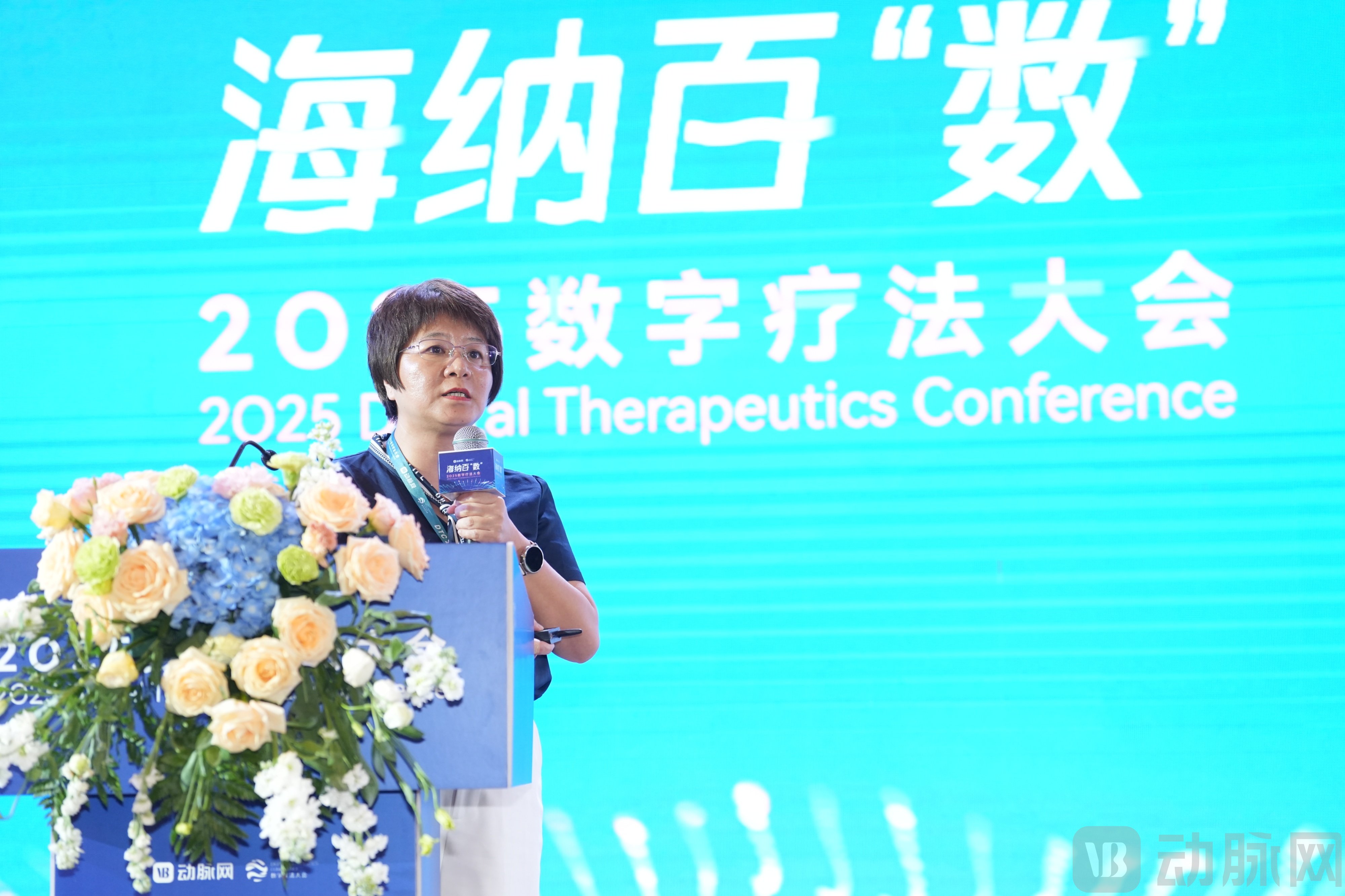
Cai Xilian, Director of Dongjiao Town Central Health Center in Wenchang City and Associate Chief Physician
Cai Xilian, Director of Dongjiao Town Central Health Center in Wenchang City and Associate Chief Physician, shared “Innovative Cases of Digital Therapeutics for Chronic Respiratory Diseases.”
Cai Xilian emphasized the prominent contradiction between high prevalence and low diagnosis rates in the management of chronic respiratory diseases at the primary care level. Among the 50,000 residents of Dongjiao Town, approximately 3,500 are potential patients with chronic obstructive pulmonary disease (COPD), yet only 32 have established health records. Furthermore, 61.3% of patients use inhalation devices incorrectly, and 66.6% demonstrate poor adherence.
To this end, the community health center established a Chronic Respiratory Disease Therapy Center in July 2024, leveraging digital technologies to build a comprehensive management system: rapid screening of high-risk patients was achieved through electronic SQ questionnaires, while combining 20-second live demonstration tutorials elevated the quality control rate of pulmonary function testing to 100%; inhalation capacity assessment and training were conducted for patients on medication, with smart monitors providing real-time reminders for proper inhalation techniques, and precise guidance delivered via phone calls or home visits following backend detection of abnormalities.
Significant Results Achieved in Two Months: Among 965 individuals screened, 278 (28.8%) were identified as high-risk, and 108 (11.19%) tested positive, confirming an association with exposure to smoke and dust from coconut processing. Patient medication adherence reached 64.88%, and the correct inhaler technique rate was 66.96%, far exceeding the national average. In a representative case, a 74-year-old patient achieved standardized medication use within one week following targeted interventions. Moving forward, diversified service packages will be introduced, leveraging family doctors and digital platforms to create a closed-loop system, thereby strengthening the role of primary care providers and health insurance as gatekeepers of public health.
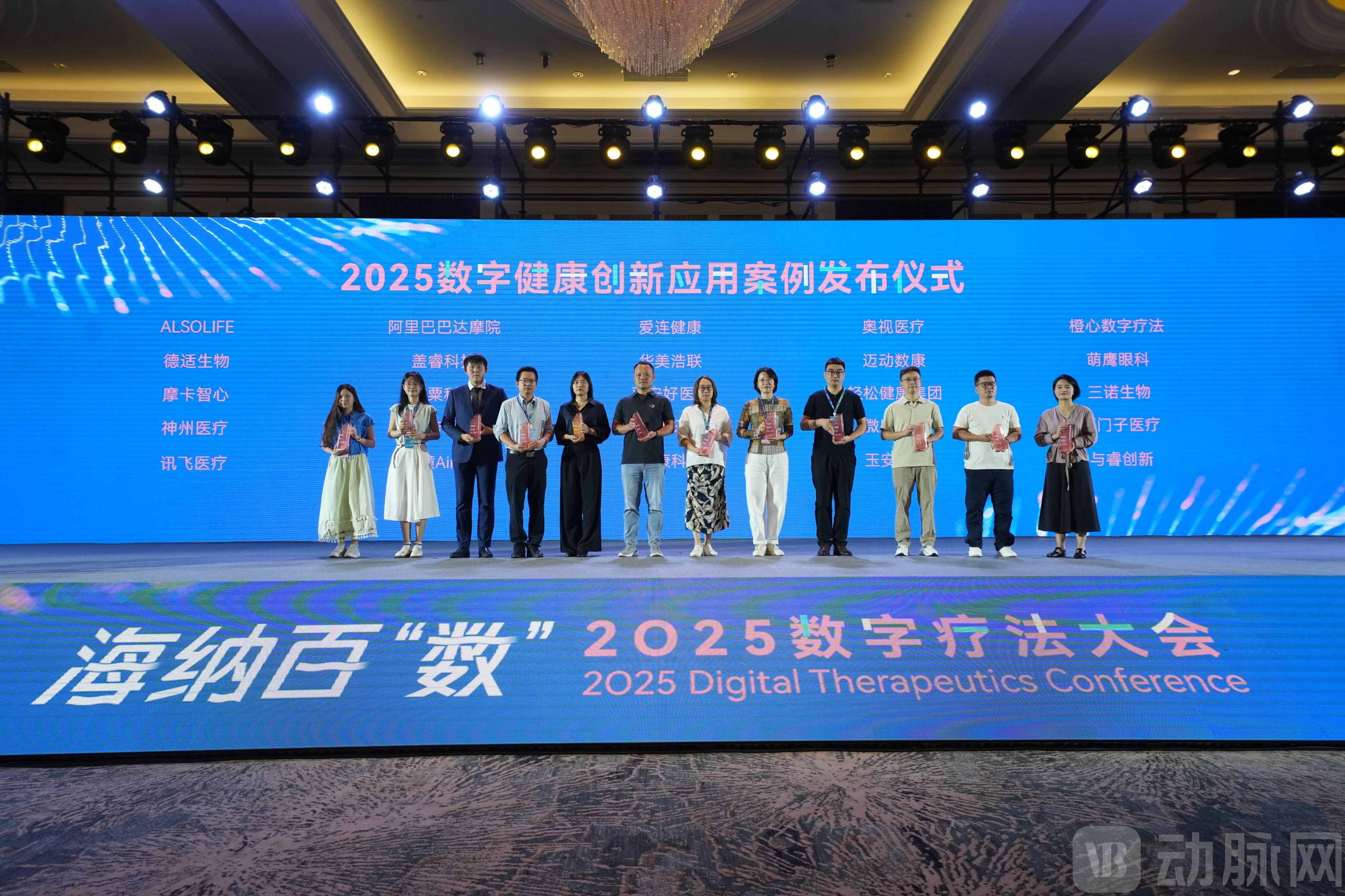
2025 Digital Health Innovation Application Case Selection and Award Ceremony
To better showcase innovative achievements in the field of digital health, identify representative application scenarios, and empower the upgrading and development of new quality productive forces in the medical and healthcare industry, the 2025 Digital Therapeutics Conference has established the 2025 Digital Health Innovative Application Case Selection. Focusing on innovative application scenarios in digital health, this initiative highlights the innovative application outcomes of digital technologies across four key areas: chronic disease and oncology care, nutrition and weight management, mental and psychological health, and wellness and elderly care. It aims to provide more exemplary cases for reference within the industry.
FinalALSOLIFE, Alibaba DAMO Academy, Ailian Health, Aoshi Medical, Chengxin Digital Therapeutics, Desheng Biotech, Gerui Technology, Huamei Haolian, Maidong Shukang, Mengying Ophthalmology, Moka Zhixin, Nanli Technology, Ping An Good Doctor, Qingsong Health Group, Sinocare, Shenzhou Medical, Tangji Medical, Tencent, Weihui Technology, Siemens Healthineers, iFlytek Medical, Airdoc, Yingkang Technology, Yu'an Kangrui, Yurui InnovationTwenty-five award-winning cases have emerged as finalists. These initiatives have not only enhanced diagnostic and treatment efficiency and improved service accessibility, but also reconstructed health management models with a “patient-centered” approach.
The successful convening of the Innovation Cases and Ecosystem Forum at the 2025 Digital Therapeutics Conference comprehensively showcased the substantial achievements of digital healthcare in policy guidance, technological breakthroughs, and practical application. Digital technology has become deeply integrated into the entire healthcare value chain, fostering a development pattern characterized by “optimized regional layout, technology rooted in real-world scenarios, and collaborative ecosystem advancement.” Looking ahead, as collaboration among industry, academia, research, and clinical practice deepens, and as technologies iterate and applications expand, digital healthcare will continue to unleash new quality productive forces within the industry. This will inject strong momentum into the construction of a Healthy China, ushering in a new era of precise, inclusive, and full-lifecycle health services.