

Longzang Bio Achieves Breakthrough in Scalable Plant Stem Cell Cultivation Technology, Ushering in Mass Production Era for Rare Medicinal Compounds
Rare medicinal plants have long faced supply shortages due to their slow growth and scarce resources. For instance, the raw material for the anticancer drug paclitaxel, Taxus chinensis (Chinese yew), requires over 20 years of natural growth, while the accumulation of active ingredients in ginseng, a prized traditional Chinese medicine, takes several decades. Recently, a pilot project for the large-scale cultivation of plant stem cells was successfully conducted in Kunming, Yunnan Province, marking a new breakthrough in addressing this challenge. This technology compresses the production cycle of rare compounds such as paclitaxel and ginsenosides from decades of natural growth to just 45–60 days, increasing land use efficiency by more than 100-fold. It effectively restructures the production paradigm, shifting from “field cultivation” to a “cell factory” model.
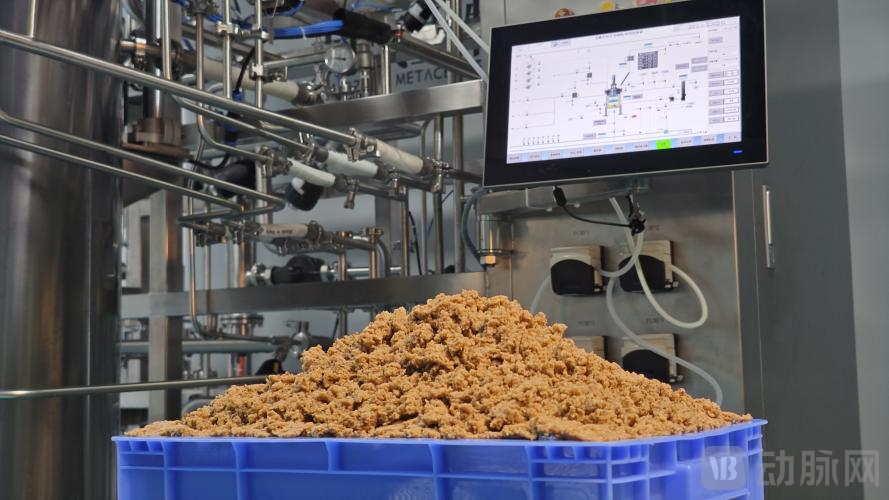
Yew Stem Cells Harvested via Large-Scale Plant Stem Cell Culture Technology / Image provided by Longzang Bio
Overcoming Resource Bottlenecks: “Cell Factories” Enable Efficient Synthesis of Rare Ingredients
Recently, Changzhou Longcang Biotechnology Co., Ltd. (“Longcang Biotech”) officially announced that its independently developed large-scale plant stem cell culture technology platform has achieved success in the 500-liter bioreactor pilot phase. Multiple high-value medicinal plant species, including Taxus chinensis (Chinese yew), Centella asiatica, and Panax ginseng, have realized stable proliferation and efficient synthesis of active ingredients.
According to reports, this breakthrough stems from insights into the fundamental mechanisms of plant growth. When plants encounter external stresses such as pest infestations and drought in their natural environment, they actively produce secondary metabolites as a defense mechanism; these secondary metabolites are the source of more than 99% of medicinal compounds. Based on this principle, the plant stem cell large-scale culture technology platform maintains the continuous viability of plant stem cells within 500-liter bioreactors through precise environmental control. This approach compresses the production cycle for compounds such as ginsenosides and paclitaxel from the several years to decades required for natural growth down to just 45–60 days, while increasing land utilization efficiency by more than 100-fold.
“The successful 500-liter pilot-scale trial marks a critical turning point for ‘cell factories’ to replace ‘field cultivation.’ This represents not merely a scale-up, but a fundamental transformation in production logic,” pointed out Wan Cheng, Chairman of Longzang Bio. The platform has overcome industrial bottlenecks in maintaining cell viability and synthesizing metabolites, doubling the synthesis efficiency of key components such as paclitaxel, ginsenosides, and asiaticoside compared to laboratory conditions.
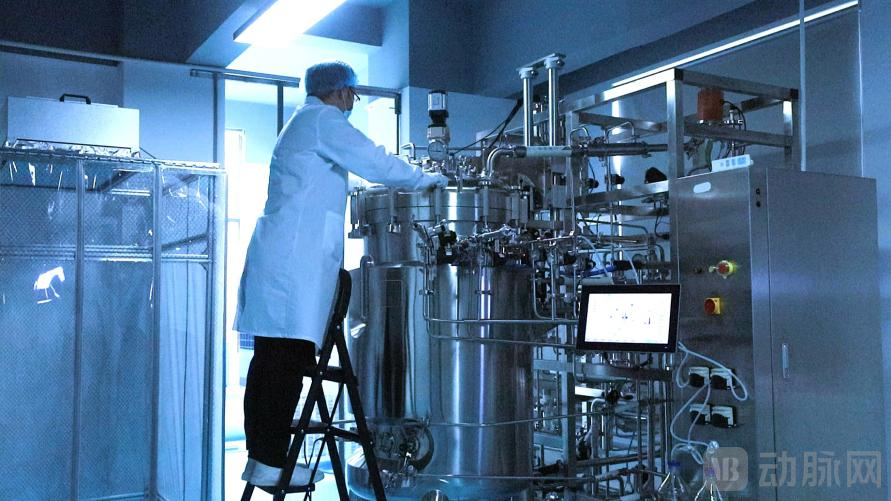
Staff Performing Cell Fermentation Scale-Up Operations / Image Provided by Longzang Biotechnology
Full-Chain Technology Integration: Biomanufacturing Empowers Industrial Upgrading
Longzang Biologics stated that the varieties undergoing pilot-scale validation cover three major areas: treatment of critical diseases, high-end skincare, and tissue repair. Once the platform becomes operational within the year, its annual paclitaxel production capacity will meet the demand for 200,000 doses of anticancer formulations, significantly alleviating pressure on wild resources. The proportion of rare ginsenosides in ginseng stem cells exceeds 80%, with antitumor activity reaching ten times that of traditional extracts; the annual output from a single bioreactor vessel is equivalent to that of a 2,000-mu plantation. Centella asiatica cell-derived targeted repair factors have been shown to increase skin regeneration efficiency by 85% in severe burn models, providing a new pathway for tissue regeneration.
“The platform has established a full-chain technology spanning plant stem cell isolation, metabolic regulation, and GMP-compliant production, with an annual active ingredient capacity at the hundred-kilogram scale to support the large-scale supply of innovative drugs and medical aesthetics products,” introduced Wan Cheng. Testing has shown that the implementation of this technology can significantly reduce the cost of rare medicinal ingredients; for instance, it can lower the cost of paclitaxel by 70%. In the future, it will provide sustainable raw material support for anti-tumor drugs, high-end skincare products, and regenerative medicine products, with the potential to unlock a market worth hundreds of billions of yuan.
Currently, Longzang Biotech is accelerating the construction of its metric-ton-scale production base and collaborating with institutions such as Guangdong Provincial People’s Hospital to develop Class III new drugs based on plant stem cells. Meanwhile, the company is engaging in deep partnerships with leading cosmetic brands to jointly develop next-generation skincare products derived from plant stem cells.
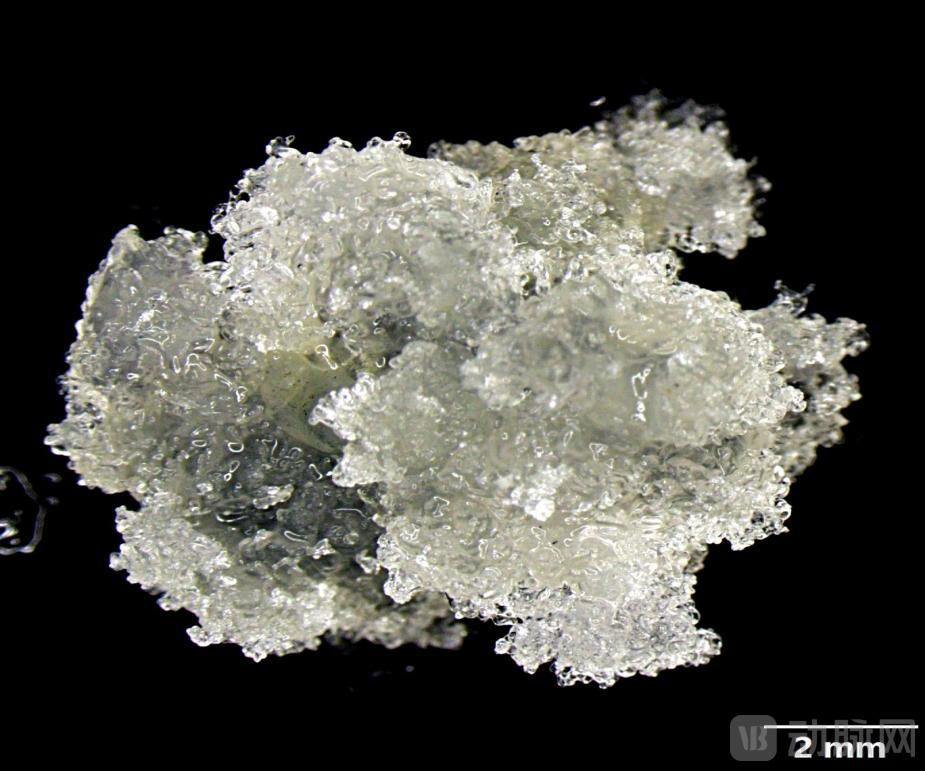
Ginseng Stem Cells Harvested Using Large-Scale Plant Stem Cell Culture Technology / Image provided by Longzang Biotechnology
From Cell Line Development to Large-Scale Exosome Production: Setting Industry Standards
Longzang Biology, established in 2018, boasts a multidisciplinary team with expertise in plant genomics, molecular biology, and plant metabolomics. The company possesses technical capabilities in plant cell induction, analysis, modification, and industrial-scale cultivation. Leveraging technological platforms based on plant somatic embryogenesis and plant stem cell culture, it focuses on constructing high-value plant cell lines and achieving industrialized production of natural bioactive compounds from plants. The company holds two core technologies: stem cell cultivation and the preparation of plant-derived exosomes.
According to reports, unlike synthetic biology technologies based on microbial chassis, Longcang Biology adopts a technical approach that “respects cellular integrity”: it directly obtains stem cell lines from target plants and leverages their naturally intact metabolic pathways to stimulate the synthesis of active ingredients through environmental regulation rather than genetic modification. This strategy not only avoids issues associated with microbial synthesis, such as uncontrollable costs and numerous by-products, but is also better suited for high-value ingredients with complex molecular structures that are difficult for microbes to synthesize. Currently, the company has successfully established cell lines for 56 varieties, demonstrating significant platform-based technological capabilities.
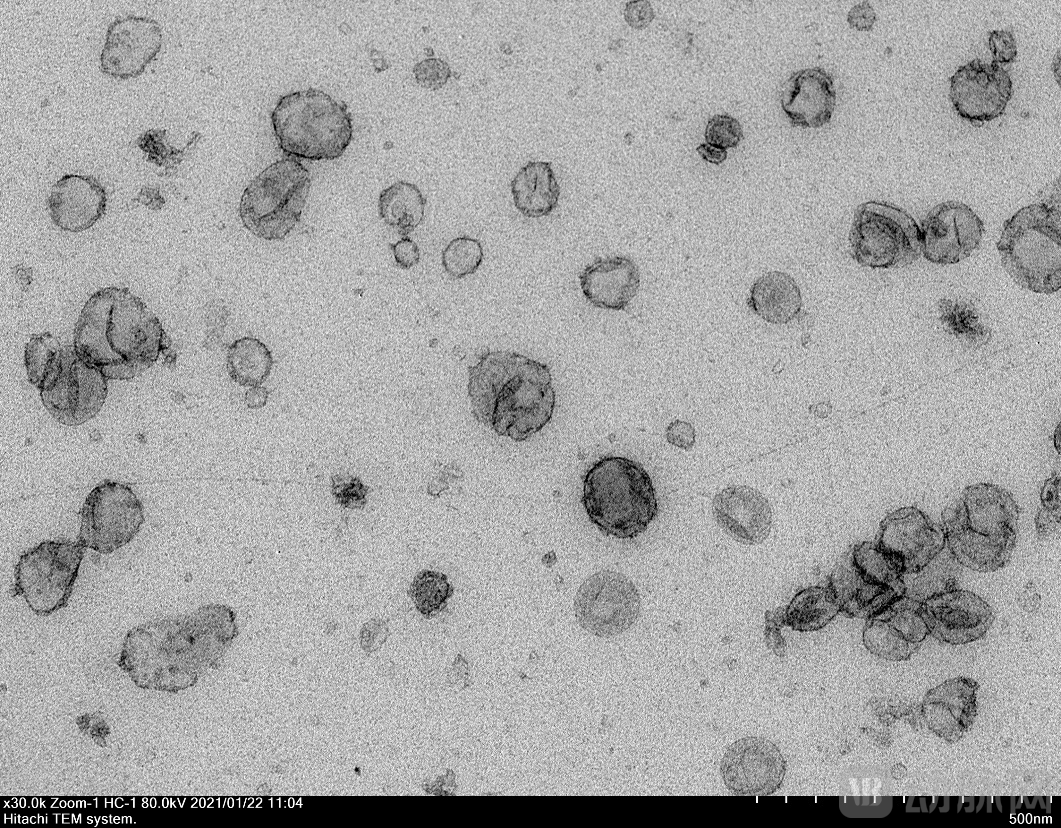
Exosomes Secreted by Ginseng Stem Cells / Image provided by Longcang Biotech
Notably, this technology also lays the foundation for the mass production of plant-derived exosomes. Most plant-derived exosomes on the market are extracted directly from plants, leading to significant batch-to-batch variability and challenges in standardization. By leveraging scalable stem cell culture, Longzang Biology can consistently obtain exosomes from the same master cell bank, thereby addressing issues of uniformity and standardization and paving the way for the commercialization of exosome-based products in the pharmaceutical and medical aesthetics sectors.
The successful application of this technology has garnered widespread recognition within the industry. Xu Xiaoyang, President of Sino Biopharmaceutical Limited, stated that the successful implementation of this technology has effectively overcome the bottleneck of dwindling resources of rare medicinal plants. While injecting new momentum into the inheritance, innovation, and development of Traditional Chinese Medicine (TCM), it also provides robust scientific and technological support for the industrial upgrading of high-end biopharmaceuticals and cosmetics, as well as for the field of regenerative medicine.