

Menopause Health Management: Navigating the Challenges for 280 Million Women and Unlocking Industry Opportunities
On August 17, the 18th XiPu Conference (China Health Industry Ecology Conference) 2025, hailed as the “Davos of the Health Industry,” kicked off in Boao, Hainan. Industry leaders and experts gathered to focus on a core question: As the old engines reliant on scale expansion and channel dividends stall, where exactly lie the new drivers that will enable the industry to navigate economic cycles?
As one of the flagship summits of the West China Pharmaceutical Conference, the “Out-of-Hospital Solutions Ecosystem Forum” hosts multiple sub-forums. Among them, the “Menopause Health Management Solutions Forum” was held on the morning of the 19th. Centered on the theme “Breaking Through the Challenges of Menopause: Building a Multi-Dimensional Closed-Loop Ecosystem for Health Services,” this sub-forum aimed to focus on segmented needs and explore integrated service solutions centered on “user value” through multi-stakeholder discussions, thereby safeguarding the health of women during menopause.
280 Million Women Are in Perimenopause: Awareness of Menopause Needs to Be Improved
At the beginning of the forum,Professor Bai Wenpei, Director of the Department of Obstetrics and Gynecology, Beijing Shijitan Hospital"Revealing the Core Challenges Faced by Women During Menopause from Clinical and Data Perspectives."
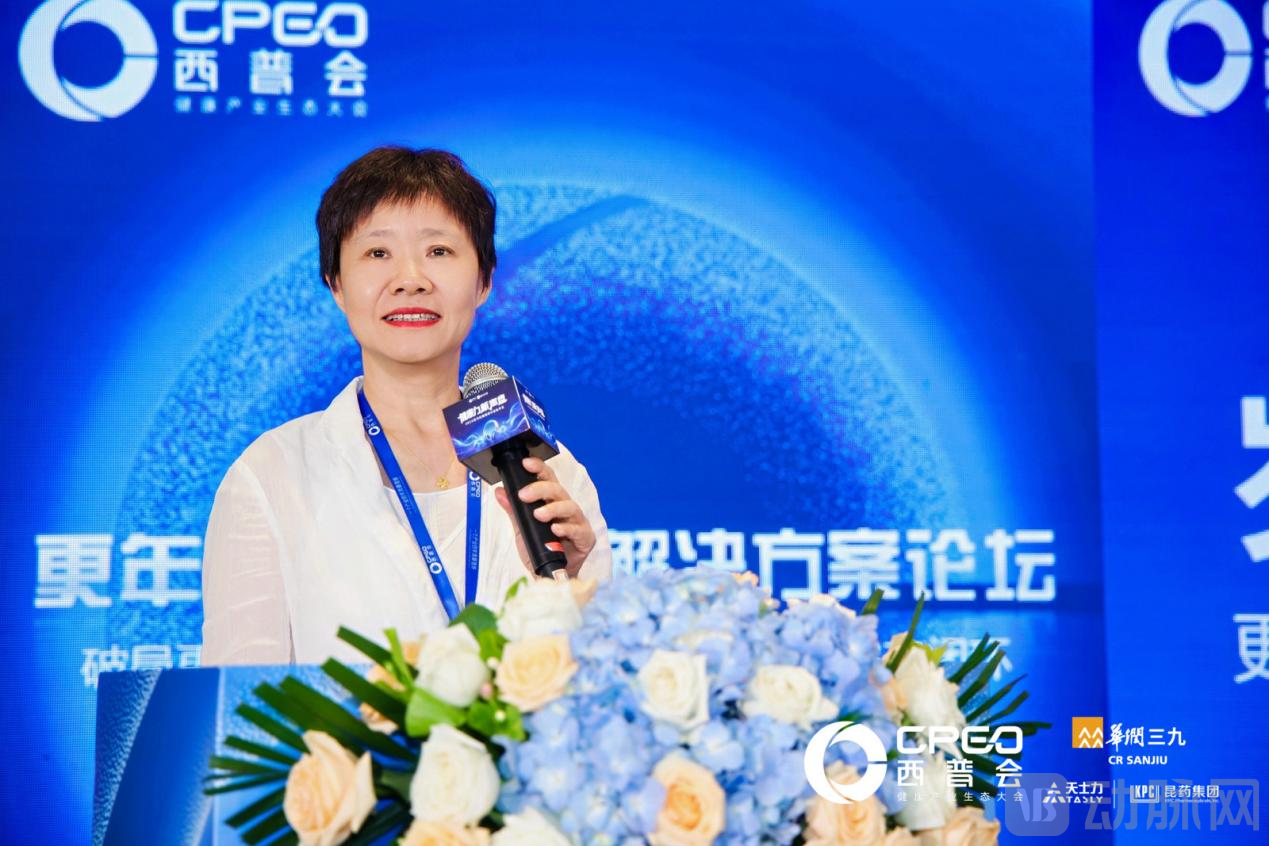
Professor Bai Wenpei, Director of the Department of Obstetrics and Gynecology, Beijing Shijitan Hospital
Currently, menopause-related health issues have become a global concern. As of 2023, approximately 1.2 billion women worldwide were in the perimenopausal period, with 280 million in China, primarily aged between 40 and 55 years. However, the health impacts during this stage are often severely underestimated, women’s genuine suffering is frequently misunderstood, and standardized, comprehensive management protocols for this population remain scarce.
Professor Bai Wenpei clearly points out that menopause is not a disease, but a physiological stage in which women transition from their reproductive years to old age. Its essence lies in the rapid fluctuations and significant decline of estrogen levels. Clinical data show that 80% of women experience symptoms such as hot flashes, night sweats, insomnia, and mood swings, which may persist for 10 to 25 years. If not properly managed, menopause can not only impair current quality of life but also increase the long-term risk of developing conditions such as cardiovascular and cerebrovascular diseases and osteoporosis.
In light of this, she calls on all sectors of society to enhance awareness of menopause and promote a full-cycle management model characterized by “early symptom intervention, mid-stage risk mitigation, and long-term health planning.” This approach should not only alleviate physiological symptoms through medical interventions but also address diverse needs such as psychological counseling and family support. Ultimately, multi-stakeholder collaboration will foster integrated solutions to help women navigate this critical life stage with stability and ease.
“Menopause Management”: A Diversified Service Ecosystem Is Taking Shape, with Accelerated Commercial Implementation
In the field of menopause health management, enterprises and retail terminals are accelerating their transition from providing single products to building a diversified service ecosystem. Drawing on commercial practices, multiple corporate representatives explored the pathways for the commercial implementation of menopause health management, integrating elements such as retail terminals, corporate offerings, and services.
Fan Jing, Head of the Digital Marketing Department for JD Health’s Pharmaceutical BusinessShared JD Health’s service model. Leveraging a health big data pool covering 120 million women, JD Health has launched a full-cycle health service package that includes pharmaceuticals, dietary supplements, medical services, and health education courses. By combining online consultations, customized medication services, regular health check-up packages, and health devices, it provides tailored solutions for menopausal women with varying symptoms. For instance, it matches hormone-based medications for individuals experiencing hot flashes and night sweats, recommends calcium supplements for those at risk of bone health issues, and ensures standardized delivery of hormone therapy drugs through its “Subscribe & Save” service. Furthermore, JD Health’s “Women’s Care Center” integrates online consultations, regular health screenings, and intelligent health assessments, filling the gap in personalized management.
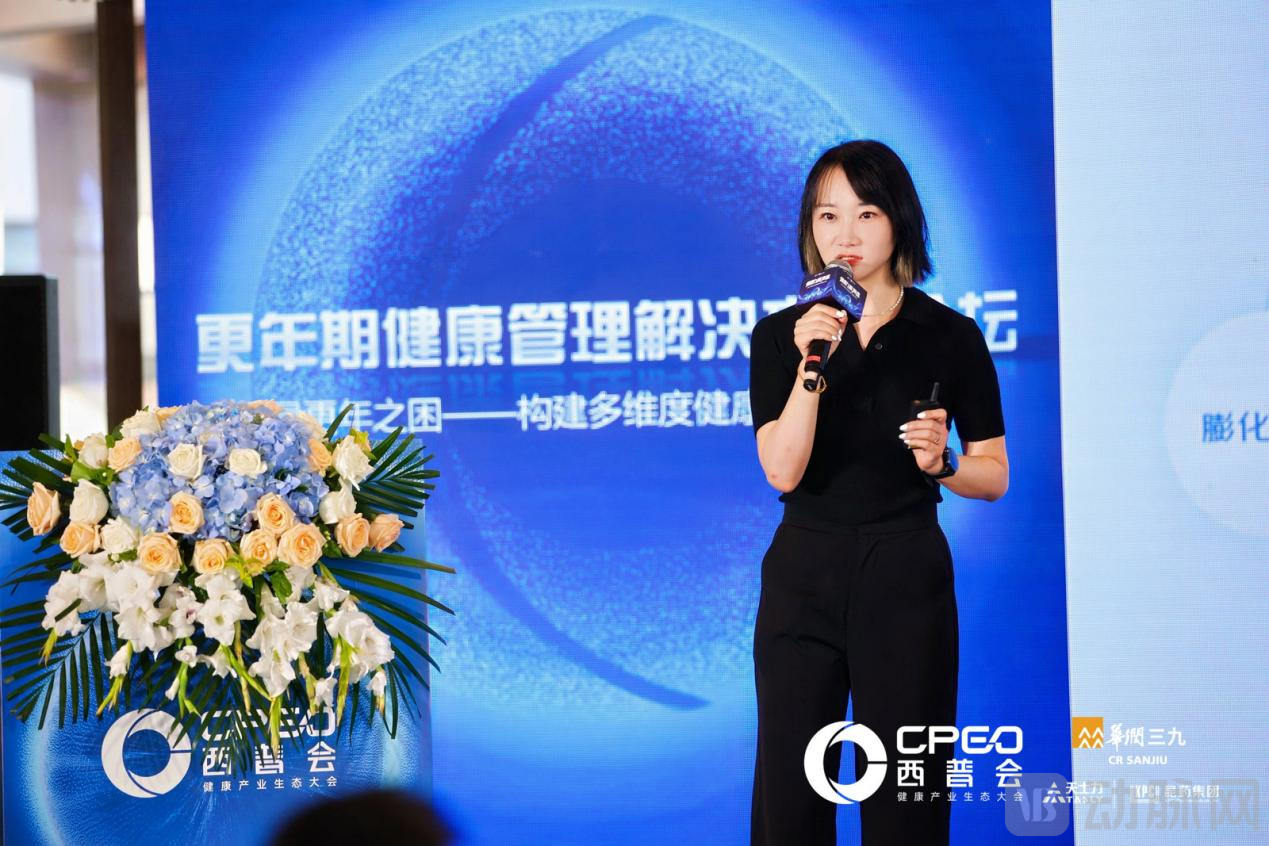
Fan Jing, Head of the Digital Marketing Department for JD Health’s Pharmaceutical Business
Zeng Fanrong, General Manager of Chongqing Huishida Network Consulting Co., Ltd.Drawing on 20 years of practical experience, she addressed the topic: “When Menopause Chooses Silence, How Can Pharmacies Offer Professional Responses?” She recommended that pharmacies cater to the needs of individuals experiencing “silent menopause” by building a service system characterized by “empathy and accessible professionalism.” For instance, targeted product combinations can be recommended for symptoms such as hot flashes and insomnia; meanwhile, offline initiatives like “Sisters’ Support Groups” and “Parent-Child Interaction Salons” can address users’ psychological needs and enhance customer loyalty. Zeng Fanrong believes that “pharmacies must transition from merely ‘selling drugs’ to becoming ‘health partners,’ focusing not just on transactions but on companionship.” She advocates establishing an integrated service model involving health managers, pharmacists, and nutritionists to strengthen preventive guidance for menopause and premenstrual syndrome (PMS). Specifically, pharmacists should provide pharmaceutical care and follow-up services, health managers should conduct user assessments, and nutritionists should offer dietary guidance.
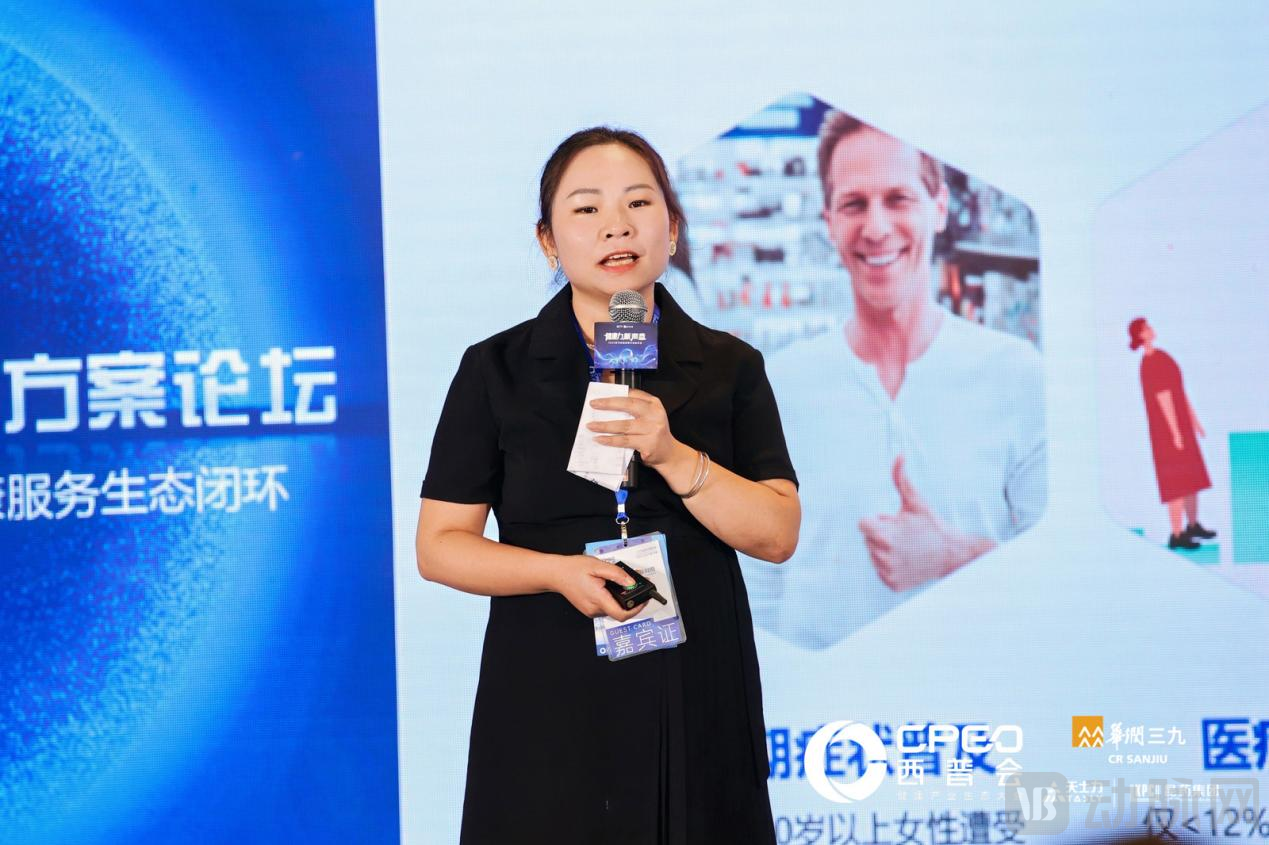
Zeng Fanrong, General Manager of Chongqing Huishida Network Consulting Co., Ltd.
Deng Jinhua, Chairman of Chuji Tang Pharmaceutical Group Co., Ltd.Focusing on the innovation of offline scenarios, she proposed the concept of the “pharmacy’s second living room” to create a “sanctuary for menopausal women.” She believes that pharmacies should shift from “product transactions” to “health interactions.” The Baisui’an Health Service Centers under her management have designated 15–20 square meters of space for women to copy classic traditional Chinese medicine (TCM) prescriptions and practice Baduanjin qigong. By offering scenario-based services such as TCM physiotherapy, calligraphy therapy, and medicated diet wellness, and leveraging AI diagnostic systems to further enhance service professionalism, the number of in-store visitors and customer satisfaction have continued to rise. She pointed out that “pharmacies should become hubs for health and wellness, cultural education, and social interaction.”
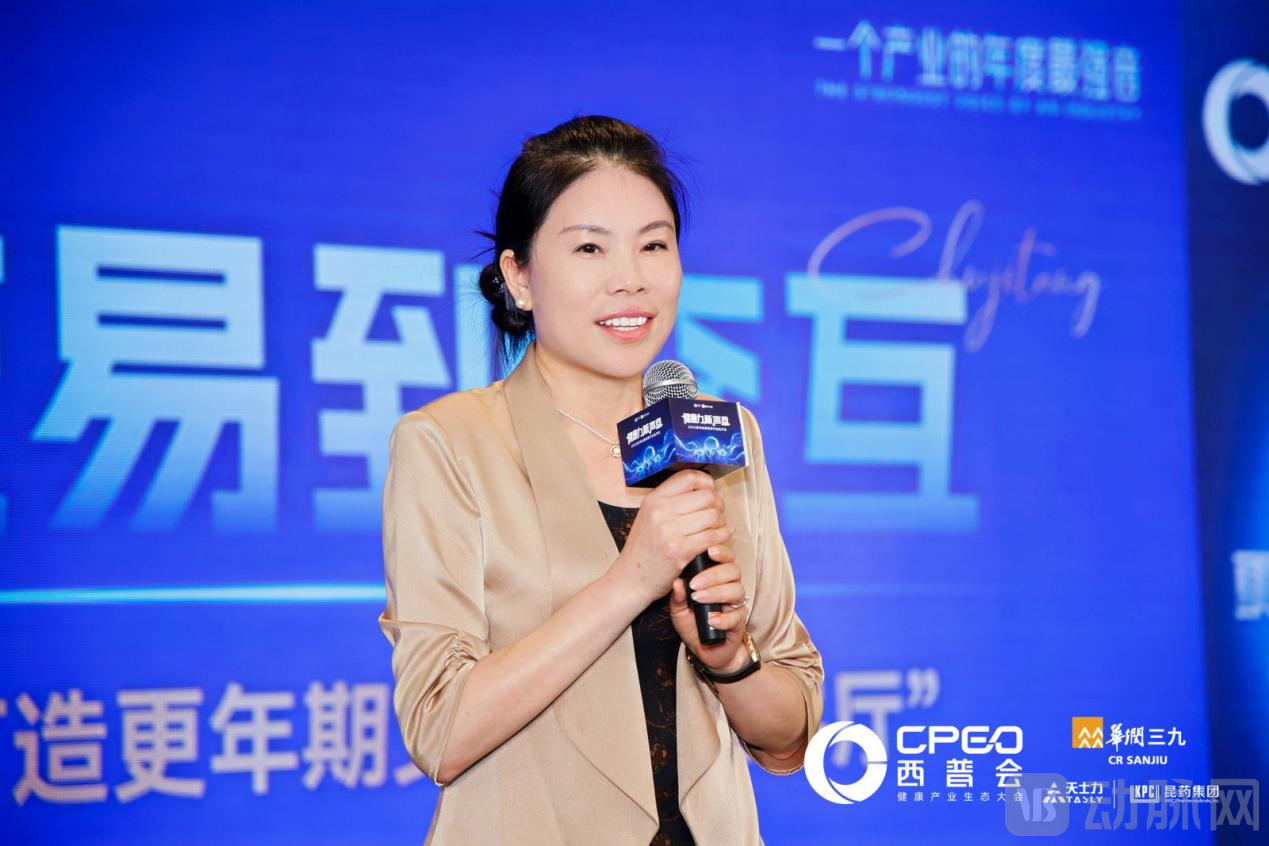
Deng Jinhua, Chairman of Chuji Tang Pharmaceutical Group Co., Ltd.
Synergy of Medicine, Pharmaceuticals, and Food: Deep Integration of Traditional Chinese Medicine in Whole-Course Disease Management
Drawing on thousands of years of practical accumulation and a holistic perspective, Traditional Chinese Medicine (TCM) is emerging as a pivotal force in addressing the challenges of women’s health. At the conference, representatives from various companies outlined the diverse applications of TCM in menopause health management from multiple dimensions.
Ma Yun, General Manager of Zhongjing Wanxi Pharmaceutical Co., Ltd.Drawing from the theoretical framework of Traditional Chinese Medicine (TCM), the concept of “Strategies for Preventing and Managing Menopausal Emotional Health” is proposed. He pointed out that in the post-pandemic era, the “emotional economy” is gaining momentum, making the fulfillment of women’s emotional value needs a key direction for health services. By positioning its approach around “soothing the liver and relieving depression in the morning, and nourishing blood and calming the mind in the evening,” and employing scenario-based marketing strategies such as “Emotional First-Aid Kits” and “Family Harmony Kits,” Zhongjing Wanxi Pharmaceutical is strengthening user awareness through integrated online and offline channels. The company is transforming the combined use of its proprietary products into representative solutions for addressing emotional issues associated with female menopause, thereby further integrating TCM into modern life.
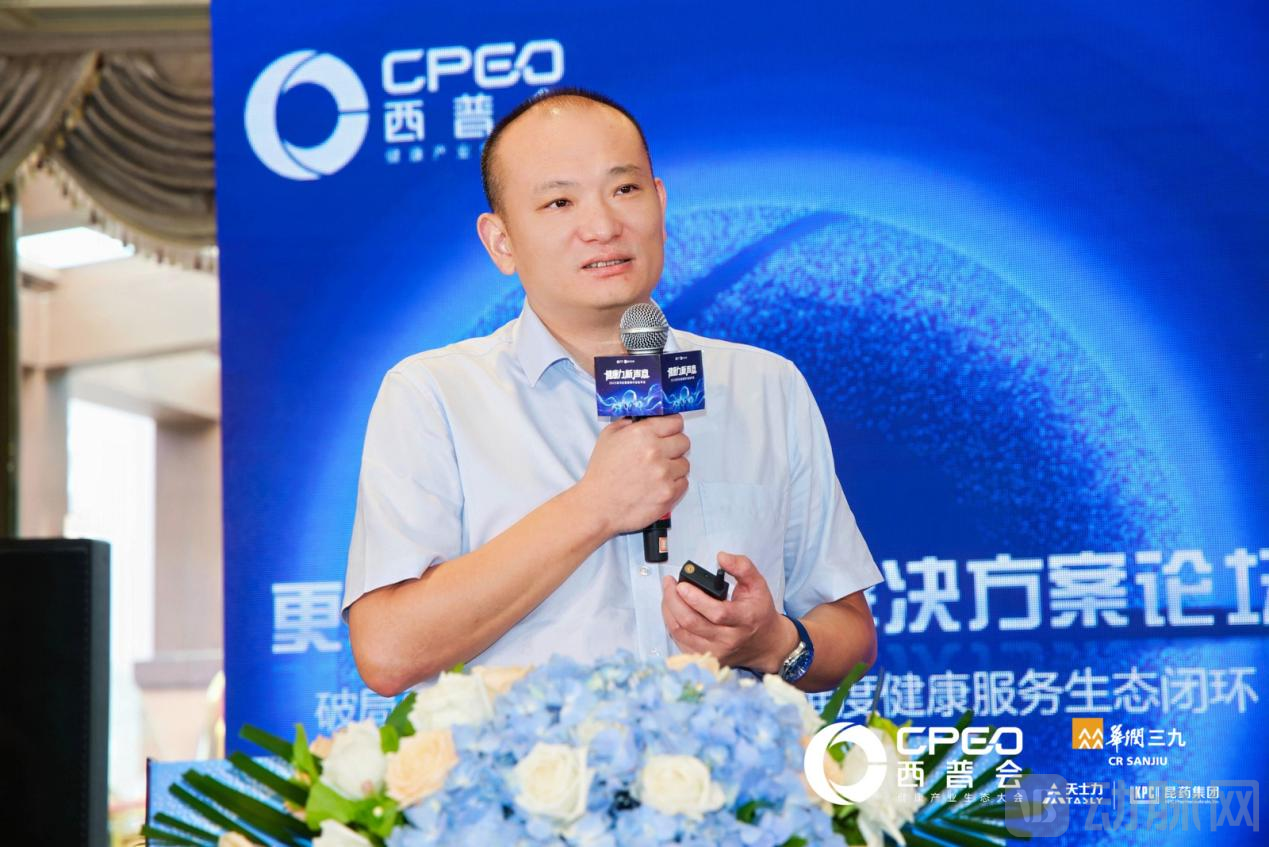
Ma Yun, General Manager of Zhongjing Wanxi Pharmaceutical Co., Ltd.
Guo Qiaoqiao, Head of the Traditional Chinese Medicine Promotion and Publicity Department at Zhang Zhongjing Grand PharmacyDrawing on the theoretical and practical experience of Traditional Chinese Medicine (TCM) regarding “liver and kidney deficiency” and “yin-yang imbalance,” and in accordance with the 2023 edition of the Guidelines for Integrated Traditional Chinese and Western Medicine Diagnosis and Treatment of Menopausal Syndrome, intervention strategies tailored to different populations are proposed: For individuals eligible for hormone therapy, hormone therapy combined with TCM treatment is the first-line option; for those eligible for hormone therapy but requiring control or moderation, TCM treatment can be used as an adjunct; for those unwilling or unable to use hormone therapy, TCM should serve as the primary treatment, supplemented by symptomatic management. Meanwhile, Guo Qiaoqiao proposed three key implementation directions: First, promote non-pharmacological therapies, such as TCM wellness exercises like Baduanjin and Tai Chi, as well as physical therapies including acupuncture and moxibustion. Second, establish a medication system based on the TCM principle of “Jun-Chen-Zuo-Shi” (Monarch, Minister, Assistant, and Envoy), wherein Monarch herbs address primary symptoms, Minister herbs alleviate accompanying symptoms, and Assistant herbs provide supportive regulation. Third, introduce TCM dietary regimens that offer various medicated diet therapies tailored to different constitutional types, thereby achieving daily health maintenance through the concept of “medicine and food sharing the same origin.”
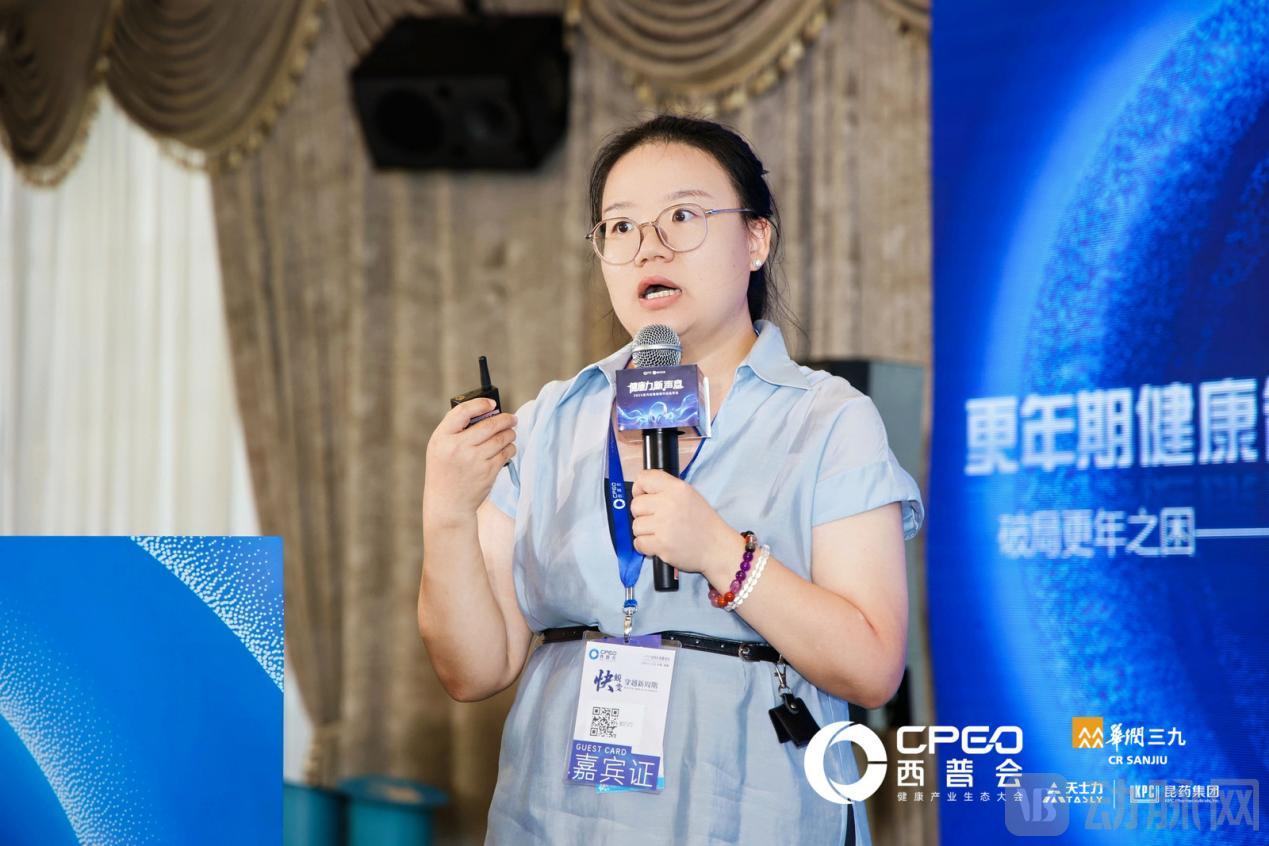
Guo Qiaoqiao, Head of the Department of Traditional Chinese Medicine Promotion and Publicity at Zhang Zhongjing Grand Pharmacy
Shi Shen, Director of Health Food R&D at Infinitus (China) Co., Ltd.She delivered a keynote presentation titled “Nourishing in Harmony with the Seasons: Reshaping a New Ecosystem for Women’s Health through ‘New Balanceism’.” She pointed out that Infinitus’s core product brand, Yang Gu Jian, is committed to providing systematic solutions that help people restore balance in their bodies and lives through “New Balanceism.” Anti-aging is a key theme throughout the human lifespan. She emphasized that holistic anti-aging solutions should align with natural laws by integrating the Traditional Chinese Medicine (TCM) principles of “nourishing in harmony with the seasons” and “internal regulation with external care,” exerting efforts from both dimensions: “internal nourishment” and “external beauty.” Regarding “internal nourishment,” she highlighted the company’s comprehensive anti-aging solutions and its technological achievements in delaying ovarian aging in women. In terms of “external beauty,” she showcased innovative advancements in skin anti-aging.
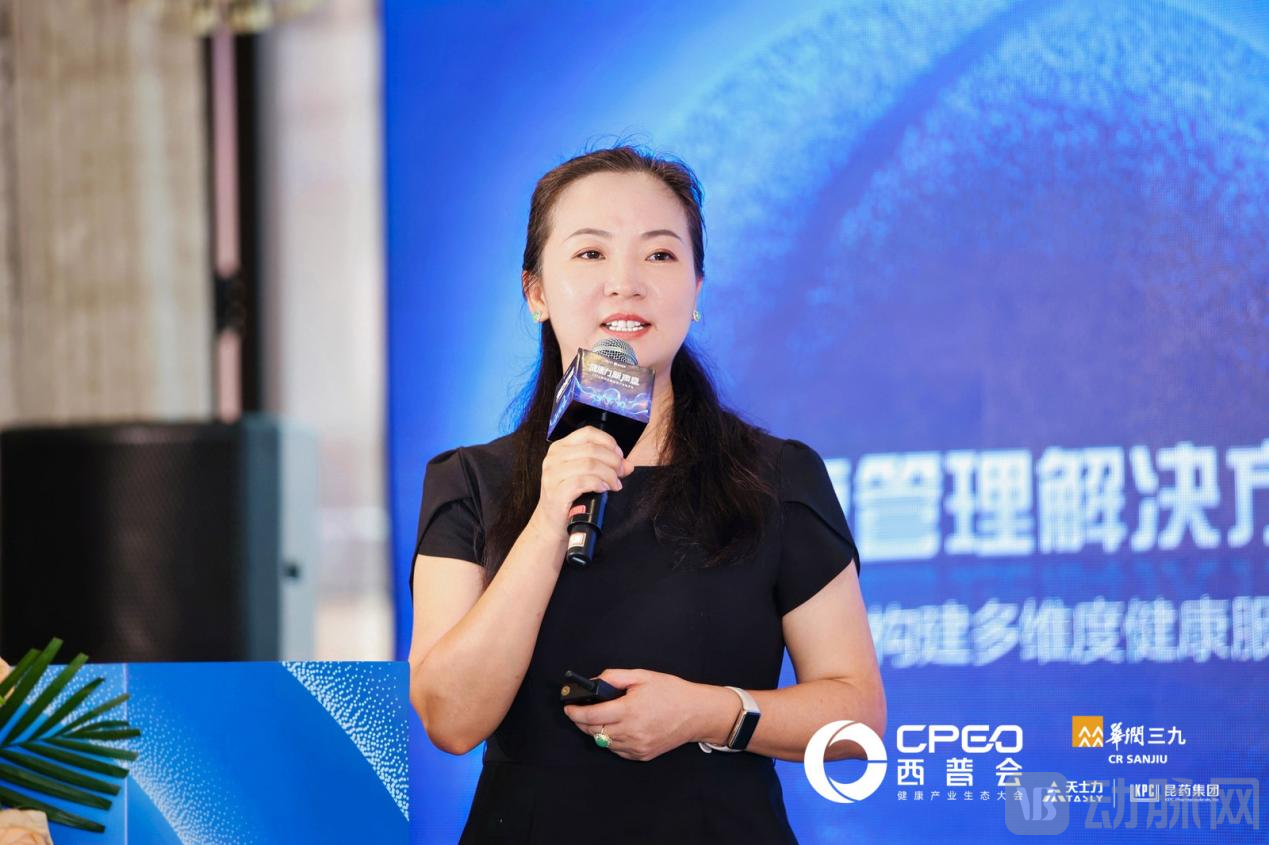
Shi Shen, R&D Director of Health Foods at Infinitus China
Tech-Enabled, AI-Reconstructed Menopause Health Services
The integration of technological capabilities was also a focal point of this forum. The convergence of data and intelligent tools is injecting new momentum into menopause health management.
Liu Wei, Founder of Changsha Yaoshang Jiyuan TechnologyFocusing on the application of AI technology in menopause health services for women at chain pharmacies, this article proposes creating “super clerks” through AI tools to help pharmacies shift from a product-oriented to a user-need-oriented model. Liu Wei pointed out that technological innovations such as AI are bringing new opportunities to the pharmaceutical retail industry. Currently, menopausal symptoms are complex and vary significantly among individuals; 80% of women over the age of 40 experience related discomforts, yet 70% have not received professional guidance. Traditional pharmacy staff often struggle to provide precise services due to insufficient professional knowledge. The “Yaolingtong AI” system specifically addresses this pain point: staff can quickly access professional knowledge, such as the pathophysiological mechanisms of menopause and symptom correlations, through the system. By matching users’ symptoms with the store’s existing product categories and medication bundling plans, the system enables staff to provide precise solutions along with lifestyle recommendations.
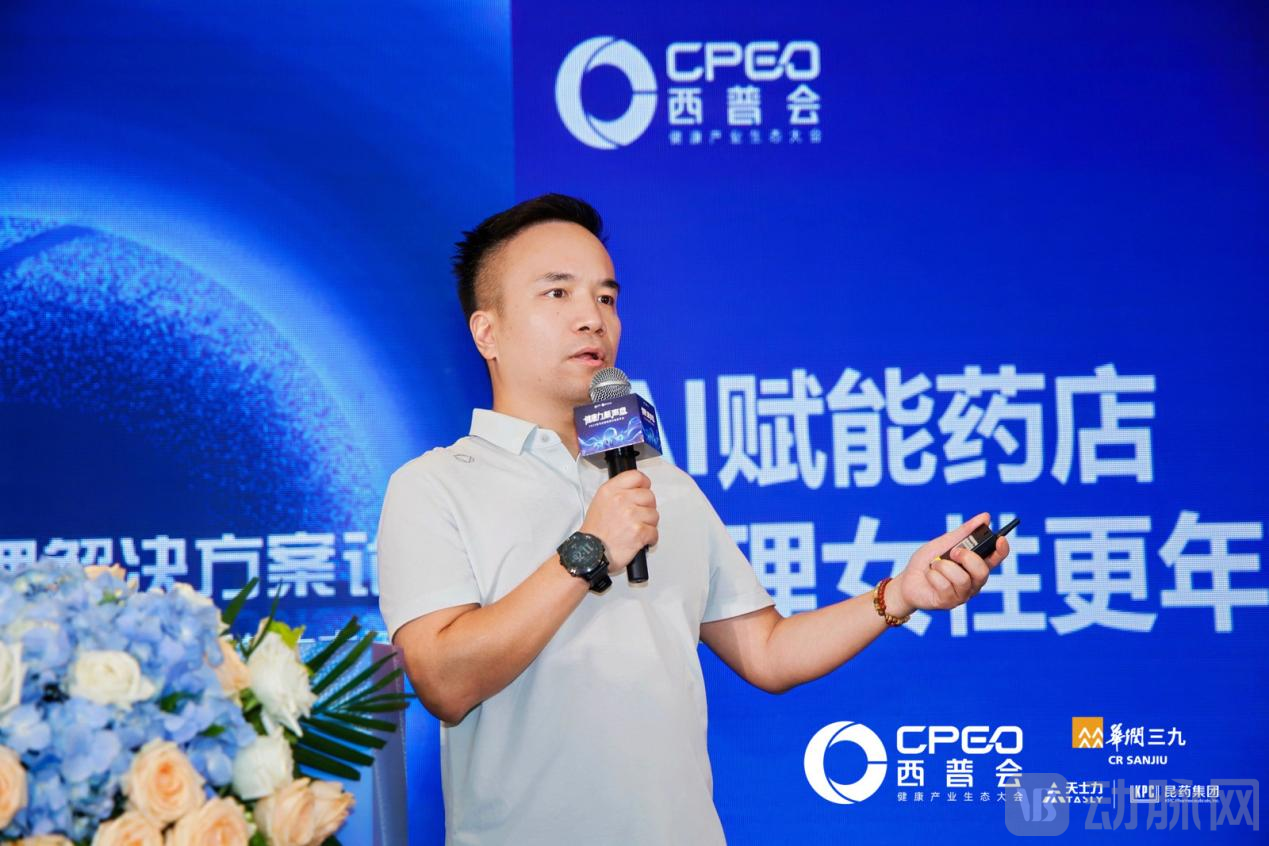
Liu Wei, Founder of Changsha Yaoshang Jiyuan Technology
At the conclusion of the forum, the moderator of this forum,Ji Zhenqiang, General Manager of the Retail Department at Shijiazhuang Yiling Pharmaceutical and Chairman of Hengshui Yiling PharmaceuticalThe summary highlights that menopause health management has transitioned from a phase focused on treating individual diseases to one encompassing whole-lifecycle management. This shift requires cross-sector collaboration among healthcare, retail, technology, and traditional wellness industries. Conference participants integrated diverse perspectives to offer multifaceted approaches to health management for menopausal women. From academic breakthroughs to commercial implementation, and from technological innovation to ecosystem development, all stakeholders must continue to engage more openly and deeply in every aspect of future menopause health management.