

Digital Health and Elderly Care Sector Gains Momentum: Policies, Technologies, and Case Studies Unveiled at 2025 DTC
As the core engine addressing aging and health demands, the digitalization of health and wellness scenarios is driving the health industry toward precision, intelligence, and full-lifecycle management, providing critical support for upgrading medical services, expanding markets, and enhancing industrial synergy. Currently, driven by policy, technology, and demand, the domestic digital health and wellness market is accelerating its penetration, with an increasing number of cross-industry entrants, expanded application scenarios, and the rapid formation of a new industrial ecosystem.
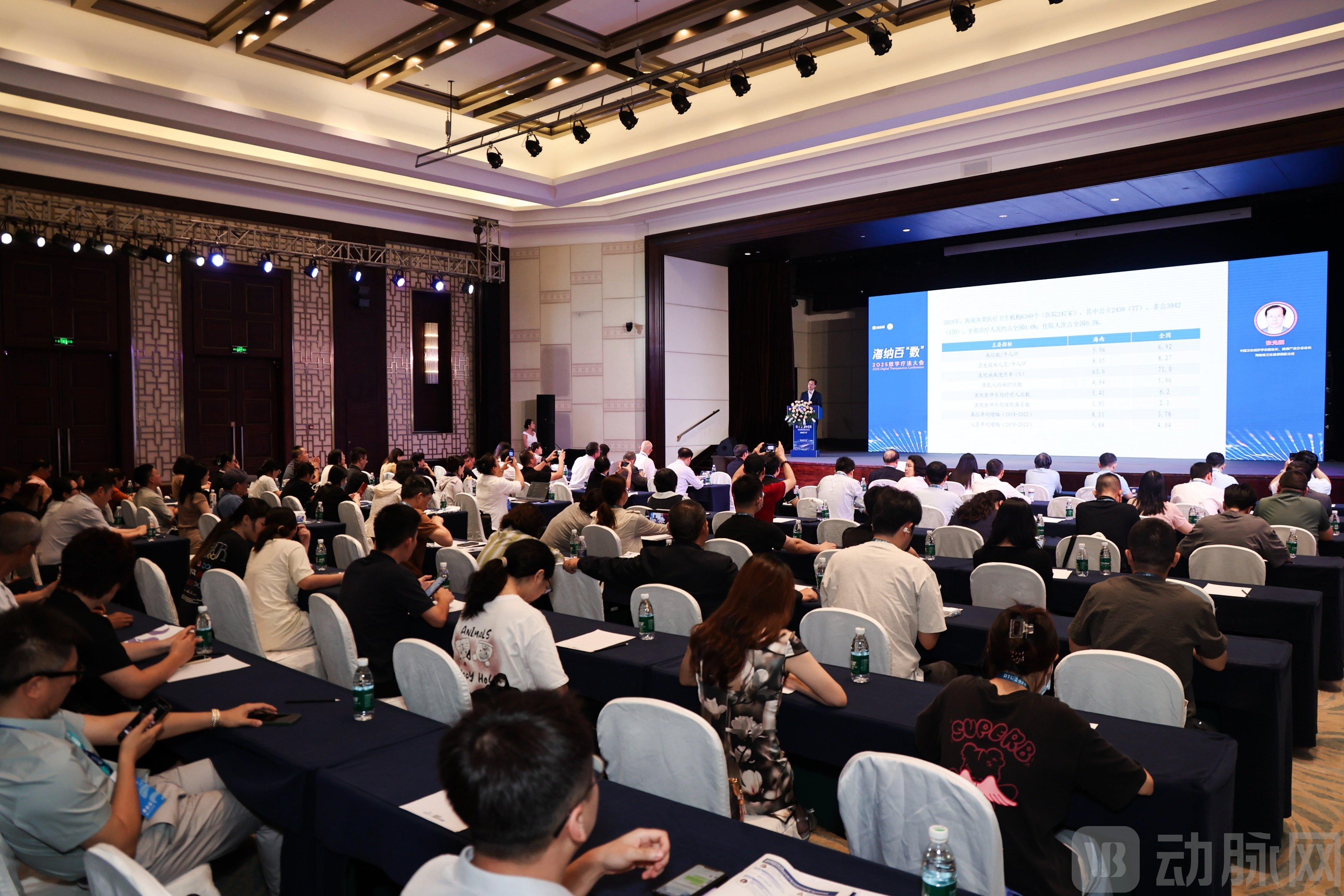
Conference Venue
On August 15, 2025, hosted by Beijing Danhuang Technology Co., Ltd., organized by Chongqing Dongmaicheng Technology Co., Ltd. and Hainan Danhuang Technology Co., Ltd., in strategic cooperation with Hainan Eco-Software Park Group Co., Ltd., and in ecological partnership with China Merchants Bank Haikou Branch,Co-organized by the Health Industry Branch of the Chinese Society for Health EconomicsThe 2025 Digital Therapeutics Conference: Forum on Digital Applications in Health and Wellness Scenarios, and the Annual Academic Meeting of the Health Industry Branch of the Chinese Society of Health Economics, Was Successfully Held at the Hilton Haikou Meilan Hotel in Haikou, Hainan.
Starting from the core issues of digital applications in health and wellness scenarios, the conference invited government officials, experts, scholars, and corporate executives to jointly explore the development path of China’s digital health and wellness industry. Discussions centered on building policy support systems, implementing digital technologies, ensuring comprehensive coverage of health and wellness services for all population groups, and promoting coordinated development of the industrial ecosystem, thereby strengthening academic exchange and industry collaboration in the health and wellness sector.

Zhang Zhenzhong, Honorary President of the Health Industry Branch of the Chinese Society for Health Economics, Honorary Director of the Health Development Research Center of the National Health Commission, and Researcher

Deng Jianmin, Vice President of the Health Industry Branch of the Chinese Society of Health Economics and Founding Chairman of the China Council of the Advanced Medical Technology Association (AdvaMed)
The forum was co-moderated by Zhang Zhenzhong, Honorary President of the Health Industry Branch of the Chinese Society of Health Economics, Honorary Director of the Health Development Research Center of the National Health Commission, and Researcher; and Deng Jianmin, Vice President of the Health Industry Branch of the Chinese Society of Health Economics and Founding Chairman of the China Council of the Advanced Medical Technology Association (AdvaMed).
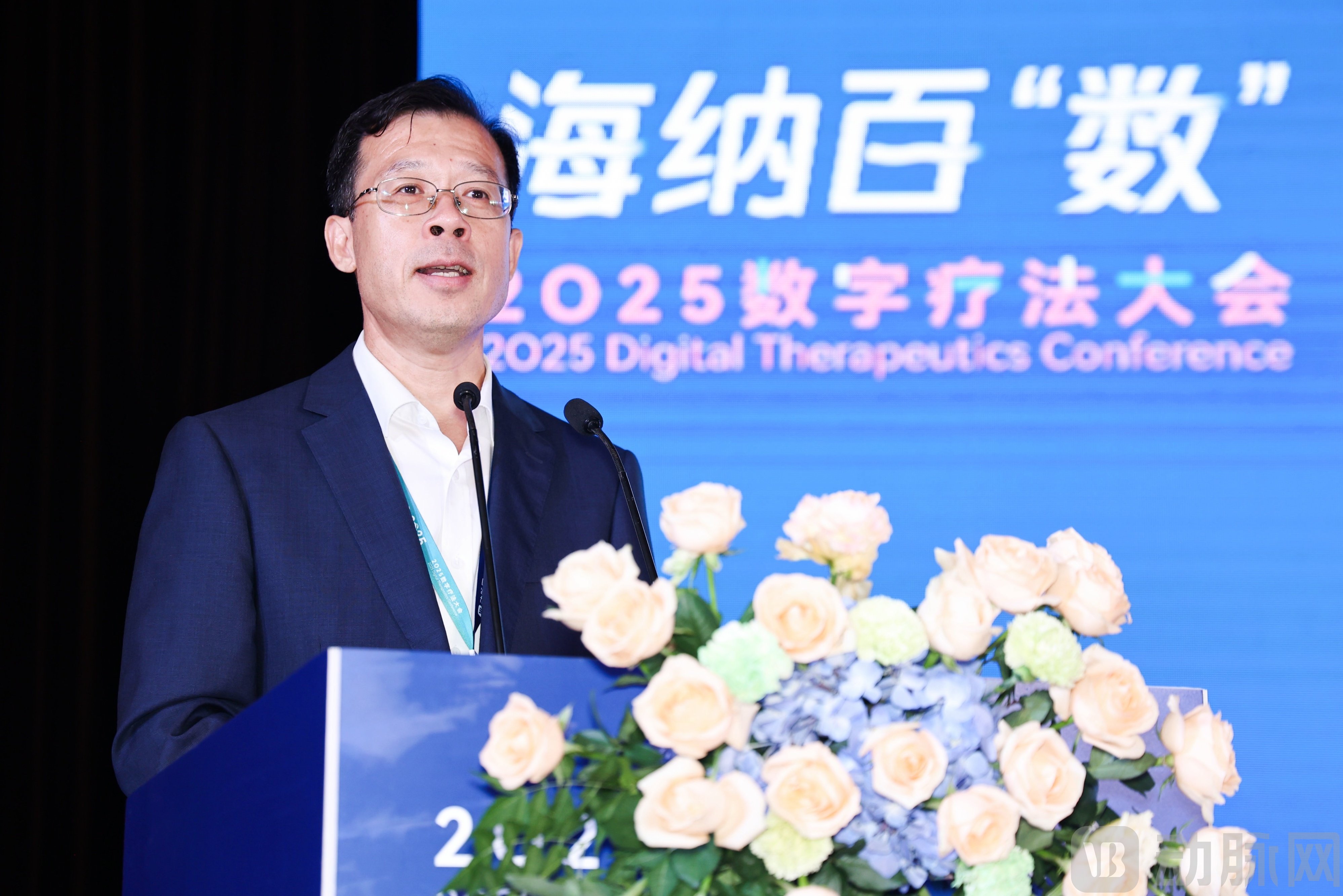
Zhang Guangpeng, Vice President of the Chinese Health Economics Association, President of its Health Industry Branch, and Deputy Director of the Hainan Provincial Health Commission
At the beginning of the conference,Zhang Guangpeng, Vice President of the Chinese Health Economics Association and President of its Health Industry Branch, as well as Deputy Director of the Hainan Provincial Health Commission, delivered a presentation titled “Adhering to the Synergy Between Public Welfare Undertakings and Industries to Promote the Development of Health and Elderly Care Services.”Topic Sharing.
He stated that, leveraging its unique natural advantages, Hainan has persisted for many years in the coordinated advancement of medical and health services alongside the health industry, focusing on vigorously developing the health sector across six key areas: biopharmaceuticals, international healthcare, digital health, the food industry, and wellness and elderly care services. He emphasized that the medical and health sector serves as the foundational support for industrial development, while the core of wellness and elderly care services lies in health promotion and management. These services require deep integration with healthcare, tourism, residential living, and forestry to address challenges related to professional expertise, patient and visitor flow, and infrastructure platforms.
Currently, China’s health and wellness industry is plagued by widespread service deficiencies and fragmented projects. Medical institutions should engage in the health and wellness sector by developing health management service packages, among other approaches. Such services fall under the category of special-needs markets and require policy innovation to support collaboration between medical and wellness institutions, thereby addressing the health needs of the entire population and unlocking the potential for health-related consumption.
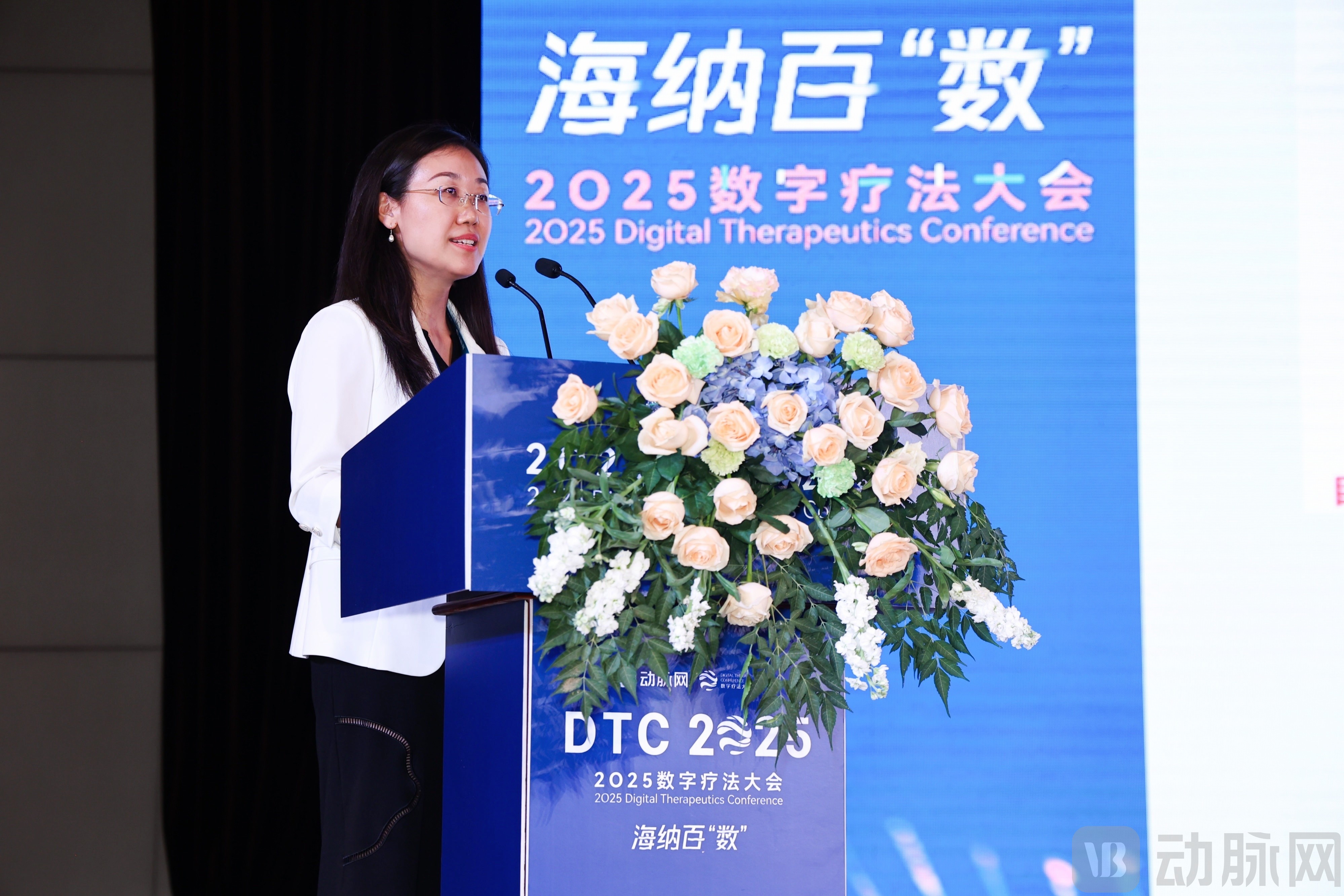
Wang Yanfang, Director of the Health Industry and External Cooperation Bureau of the Hainan Provincial Health Commission, and Executive Director of the Health Industry Branch of the Chinese Health Economics Association
Next,Wang Yanfang, Director of the Health Industry and International Cooperation Bureau of the Hainan Provincial Health Commission and Executive Director of the Health Industry Branch of the Chinese Society of Health Economics, presented on “Hainan’s Wellness and Elderly Care Industry: Policies and Practices”Share.
She introduced that, guided by the “Three Zones and One Center” strategy, Hainan has successively issued development plans for the health industry and the wellness and elderly-care industry since 2019. In February this year, it released the Three-Year Action Plan for Promoting the Development of the Wellness and Elderly-Care Industry in Hainan Province (2025–2027), which specifies 14 tasks across four major categories.
Policy Emphasis on Integrated Institutional Innovation: Land security adopts flexible land leasing, initial supply followed by transfer, and revitalization of existing stock; fiscal resources provide special support for high-quality development, while financial services implement a “one enterprise, one policy” approach; a cooperation mechanism between medical institutions and health and elderly care facilities is established, supporting hospitals in setting up special-needs medical departments or health service centers.
In practice, a differentiated regional layout spanning “East, South, Central, North, and West” has been established: promoting an overall framework featuring medical and wellness care in the East, Traditional Chinese Medicine (TCM)-based wellness in the South, climate- and forest-based wellness in the Central region, community-based wellness in the North, and ecological wellness in the West. A series of specialized disease-specific wellness service packages have been developed, integrating natural therapies with digital technologies to cover conditions such as asthma and sleep disorders. Through training promotion and decentralization of services, efforts are being made to address insufficient supply quality, with the goal of building a comprehensive wellness ecosystem that serves all population groups across all seasons.
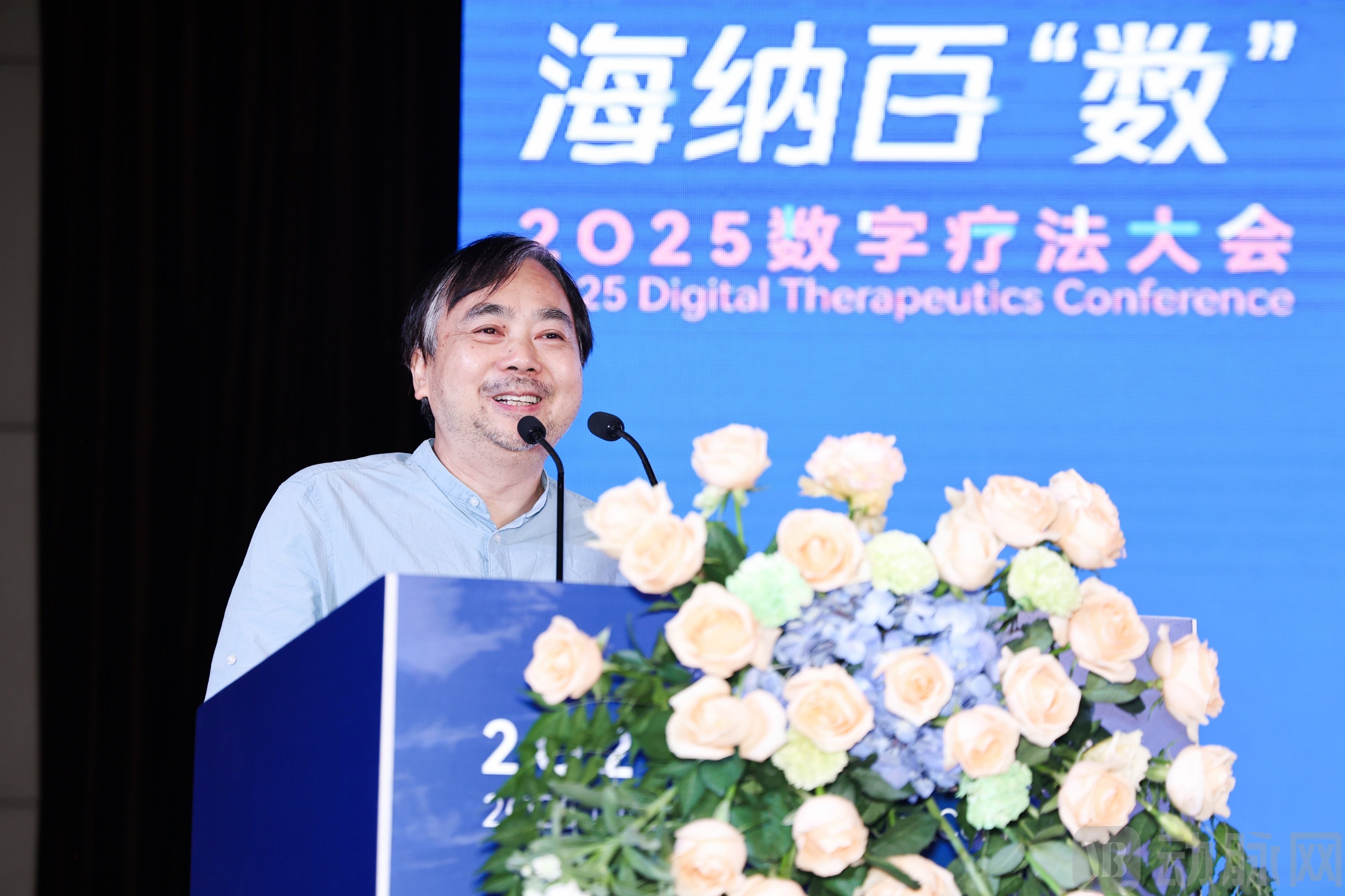
Lei Jianbo, Founding Executive Director of the Center for Medical Informatics at Peking University; Deputy Director of the Smart Imaging Center at the National Institute of Health and Medical Big Data, Peking University; Distinguished Research Fellow at the Institute for Global Health Development, Peking University; and Doctoral Supervisor.
Lei Jianbo, Founding Executive Director of the Medical Informatics Center at Peking University, Deputy Director of the Smart Imaging Center at the National Institute of Health and Medical Big Data (Peking University), and Distinguished Research Fellow at the Peking University Institute for Global Health Development, as well as a Doctoral Supervisor, presents “The New Era of Digital Therapeutics: Global Trends, Challenges, and Breakthrough Opportunities”。
Professor Lei Jianbo and his team established the world’s first digital therapeutics database covering China, the United States, Germany, and Belgium. By the end of 2024, the database had included 507 approved products from these four countries. Through screening, extraction, and analysis of official data, they precisely characterized industry development trends across 16 features in three aspects, and launched a website to facilitate global product comparison and analysis, thereby promoting standardized industry development.
Based on domestic development data revealed by the database, China has led global growth in digital therapeutics since 2021. In terms of geographic distribution, Hunan Province ranks first with 88 FDA-approved products, followed closely by Guangdong and Jiangsu Provinces. At the national level, 11 products have received approval, most of which are classified as low-to-moderate risk, with functionalities covering disease treatment, management, and prevention.
He pinpointed the core challenges facing the industry: insufficient clinical recognition remains the greatest barrier, a reality corroborated by the struggles of the “three musketeers” of digital therapeutics in the United States and most chronic disease management apps in China; meanwhile, there is a lack of specialized talent development and high-quality solutions. In response, the team continues to strive in areas such as interdisciplinary talent cultivation, research and development of high-quality solutions, applications for national-level research projects, in-depth exploration of domestic and international digital therapeutic products, and clinical validation, with the aim of empowering and supporting the healthy development of digital therapeutics in China.
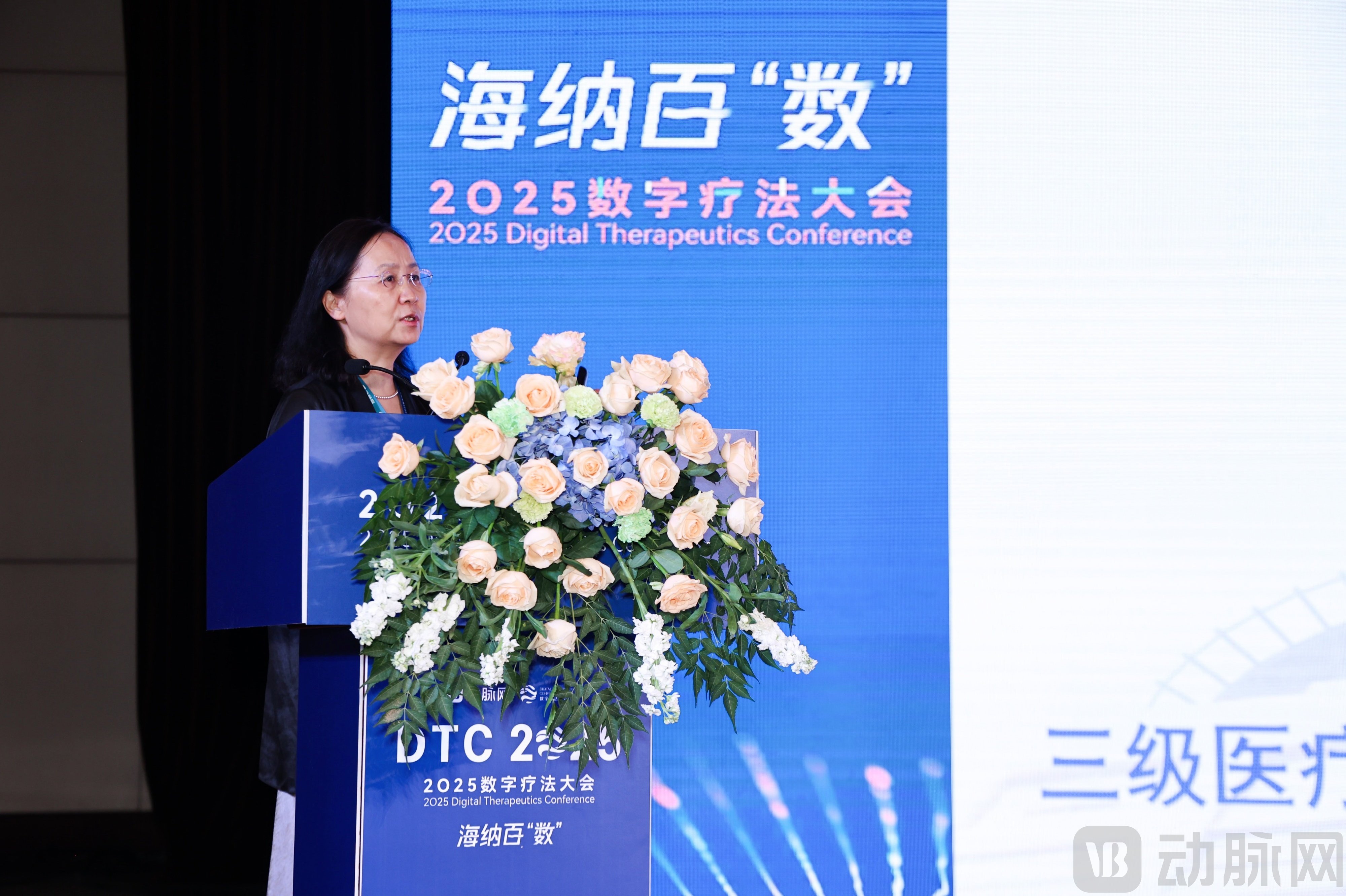
Jia Jie, Vice President of Huashan Hospital Affiliated to Fudan University (Fujian Branch) and Deputy Director of the Department of Rehabilitation Medicine at Huashan Hospital Affiliated to Fudan University
Jia Jie, Deputy Director of the Department of Rehabilitation Medicine at Huashan Hospital Affiliated to Fudan University and Vice President of Huashan Hospital Affiliated to Fudan University (Fujian Branch), presented on "AI + Electrical Stimulation: Facilitating Clinical Practice for Stroke Patients from Hospital to Home."Share.
Jia Jie has led his team in advancing stroke rehabilitation for 36 years. Starting with the implementation of a three-tier rehabilitation network model, he spearheaded national initiatives on proactive health and aging response, covering 10 functional domains and 14 disease areas, with a focus on the deep integration between rehabilitation medicine and clinical diseases.
In clinical practice, although the application scenarios of AI combined with electrical stimulation technology may appear limited, it effectively addresses the shortage of rehabilitation personnel. By leveraging features such as device sharing and wireless intelligence, a single therapist can manage multiple devices, enabling unlimited expansion of service capacity. This allows a team of just over 20 rehabilitation professionals to cover more than 1,000 hospital beds, meeting the demands of large-scale rehabilitation services.
This technology underpins the construction of a full-cycle rehabilitation system spanning hospitals, communities, and homes: it enables precise interventions through standardized equipment in hospitals, promotes technical consistency with main hospitals in community settings, and facilitates continuous rehabilitation services for the elderly in home care scenarios. By maintaining long-term community engagement and establishing an information platform, the team has made medical devices the core vehicle for technological integration, ensuring that stroke patients receive standardized and effective rehabilitation support at every stage of their recovery.
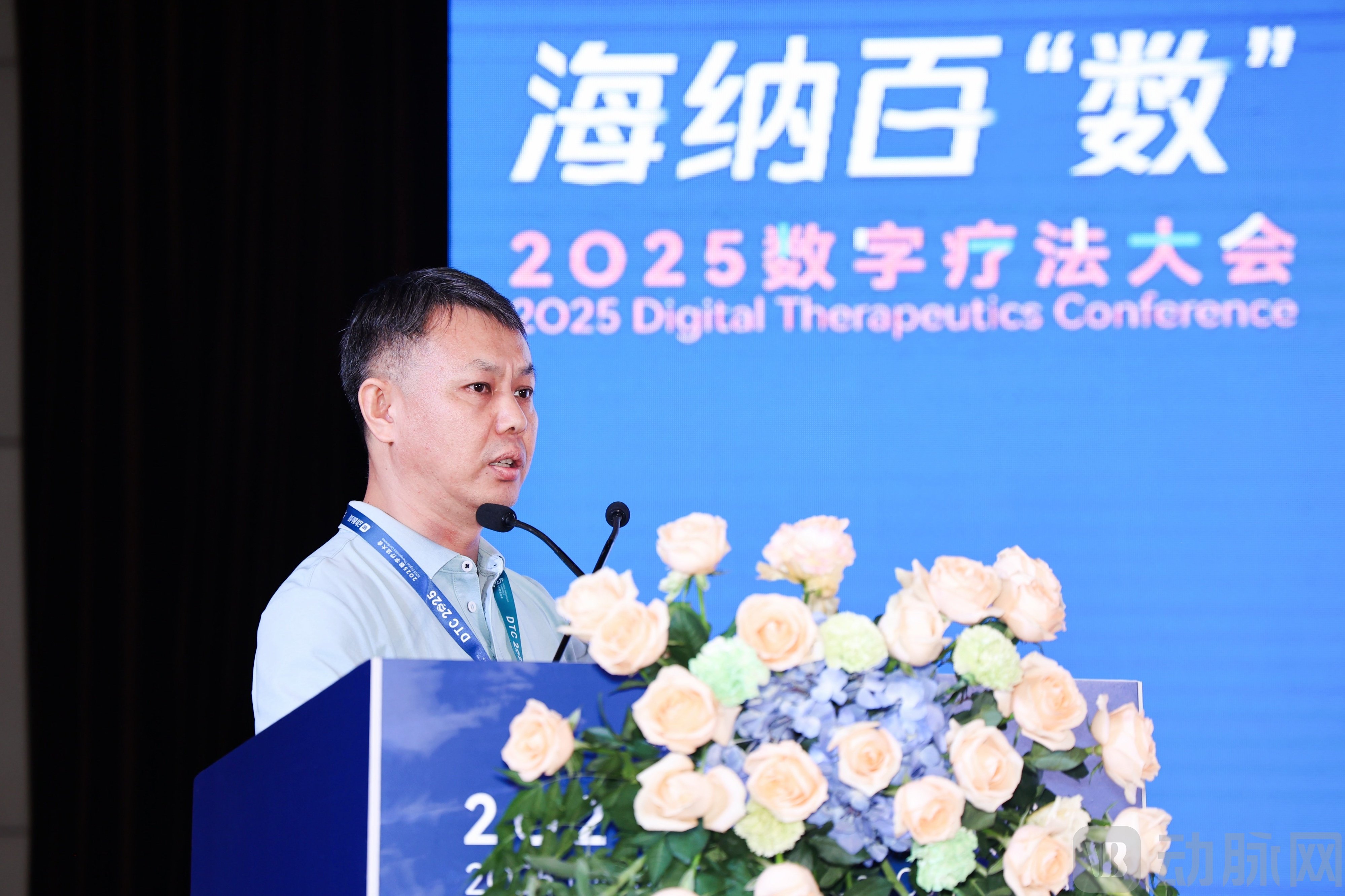
Zou Jun, Director of the Department of Clinical Pharmacy, Hainan Women and Children's Medical Center
Zou Jun, Director of the Department of Clinical Pharmacy at Hainan Women and Children’s Medical Center, delivered a presentation titled “Digital Clinical Research in Real-World Populations of Women and Children.”。
Zou Jun pointed out that women and children have long faced the dilemma of insufficient medical resources: pediatric drugs account for less than 2% of marketed varieties, and the proportion of original clinical trials is extremely low. However, the average annual growth rate of 46% in pediatric clinical trials highlights the development potential and urgent demand in this field.
Addressing critical clinical challenges, the team has pioneered new pathways through digital therapeutics: they developed the Nezha Baobei APP to solve the problem of monitoring neonatal jaundice. By combining real-time detection via colorimetric cards with cloud-based stratified assessment, the app not only alleviates family anxiety but also reduces readmission rates by 30%. These achievements have secured national patents and funding support. Additionally, they created a digital rehabilitation system for children with autism, which leverages smart devices to automatically track training outcomes and dynamically adjust intervention plans. Having served over 1,100 cases, the system has significantly improved intervention efficiency.
In terms of access to new drugs, leveraging the policy advantages of Boao Lecheng, the survival rate of neuroblastoma patients has doubled after using innovative drugs. The team has promoted the convenient domestic use of overseas innovative drugs by compiling and updating manuals on newly approved pediatric oncology drugs abroad, thereby reducing the burden on patients seeking medical treatment overseas.
Finally, he emphasized that the accreditation of the Hainan Digital Therapeutics Clinical Trial Center and the continuous updating of medical insurance reimbursement standards have cleared obstacles for technology implementation. In the future, sustained attention must be paid to vulnerable groups among women and children, leveraging a dual-drive approach of digital technologies and new drug research to break through bottlenecks in the field’s development.
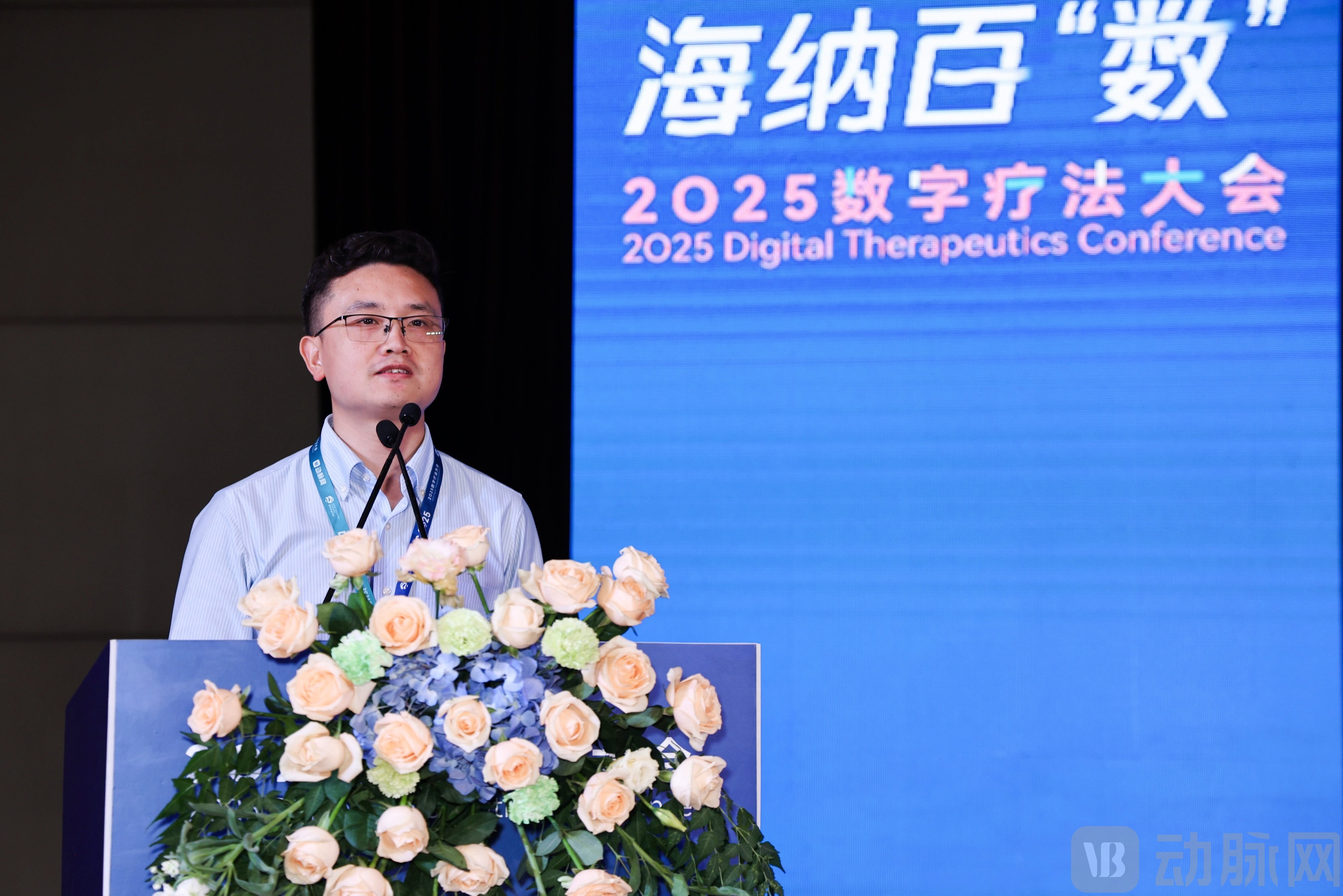
Liao Shenggang, General Manager of Ailian Health Elderly Care Business Center
Liao Shenggang, General Manager of Ailian Health Elderly Care Business Center, Shares “Data-Driven and Service-Empowered: Practical Implementation and Value Exploration of Scenario-Based Applications in Smart Elderly Care”。
Liao Shenggang stated that, as a leading membership-based health management platform in China, Ailian Health has deeply cultivated the home-based elderly care scenario and established a “three-dimensional integrated” platform architecture: the Butler Service Platform refines services to the capillary level, providing 24/7 access to five major butler services; the Elderly Care Payment Platform innovates payment models by precisely matching demand through B2C membership payments and B2B insurance payments; and the Technology-Assisted Elderly Care Platform advances hardware deployment and ecosystem building in phases.
Strategic Focus on Four Key Home-Based Services: Doctor-at-Home extends premium medical resources to patients’ homes via internet hospitals and China’s nationwide healthcare service network; Medication-at-Home integrates benefit systems to boost utilization rates; Nursing-at-Home establishes standardized protocols combining caregivers with professional nursing care; Elderly-Care-at-Home leverages devices to ensure home safety. By iteratively improving services through real-time data feedback and addressing payment pain points, we aim to “redefine the home in later life through technology,” creating a sustainable commercial model for elderly care services.

Chen Zhigeng, Director of the Medical Department at Wenzhi TCM
Chen Zhigeng, Director of the Medical Department at Wenzhi Traditional Chinese Medicine, Delivers Presentation on “Clinical Application of the AI TCM Brain”Content sharing.
Chen Zhigeng stated that, in response to industry pain points such as TCM’s reliance on experts, lack of standardization, and inconsistent therapeutic efficacy, Wenzhi TCM has independently developed a professional-grade AI TCM Brain-assisted diagnostic and treatment system. Built on a technical architecture of “knowledge graphs + hybrid models + clinical case training,” the system integrates millennia-old TCM theory with effective treatment protocols for over 3,000 types of conditions.
The system has cumulatively served over 100,000 patients, creating a million highly structured case records. It requires physicians to conduct 100% follow-up visits and annotate data for training purposes. Patient satisfaction reaches 93.6%, and the return visit rate is 71.6%, both significantly exceeding the industry average. Its core function is to assist physicians in diagnosis and treatment by generating three to eight personalized prescription options for physician review and adjustment based on inputted patient symptom information, covering multi-system conditions such as cardiovascular diseases, gynecology and pediatrics, digestive disorders, and oncology.
The system has been promoted through external collaborations. The Health Commission of Henan Province has procured nearly 100 sets, and over 60 sets have been deployed in Guangming District, Shenzhen. Following its support for the construction of the Smart Traditional Chinese Medicine (TCM) Network in Kashgar, Xinjiang, prescription volume increased by 200%, with an effective rate of 95%. In clinical practice, the system assists young doctors with an average age of 32 in successfully managing complex cases, including trauma repair in elderly patients, treatment of acute liver failure, reversal of early-stage severe diabetes, and intervention for advanced lung cancer, thereby achieving visualized and scalable expansion of high-quality TCM services.
The policy interpretations, technological explorations, and practical implementations presented by the attendees not only vividly showcased digital innovation achievements ranging from full-cycle rehabilitation and precision wellness to smart home-based elderly care, but also provided replicable experience in key areas such as the development of specialized disease service packages, the construction of payment systems, and interdisciplinary collaboration. This intellectual feast, covering multiple dimensions including policy, technology, and services, has consolidated practical wisdom and developmental consensus that will continue to drive the deeper integration of digital technologies with health and wellness services, leading the industry toward a new journey of development that covers the entire population, spans the full life cycle, and combines precision with humanistic warmth.