

Zdeer Launches Next-Gen Open-Ear Bone Conduction Hearing Aid G4 Series with All-Day Comfort, Seamless Wearability, and True-to-Life Sound

zdeer
Intelligent Health and Wellness Product R&D and Manufacturer
August 19, 2025zdeer Officially Launches the New Generation Flagship Hearing Aid Product — zdeer Bone Conduction Hearing Aid G4 Series. Newly upgraded HiSilicon intelligent DSP chip, 25-hour ultra-long battery life, AFC feedback suppression algorithm, intelligent noise reduction algorithm, comfortable wearing design, stylish appearance...A series of innovations in performance, wearing experience, and aesthetic design provide a new generation of open-fit bone conduction hearing aid solutions for individuals with hearing impairment.
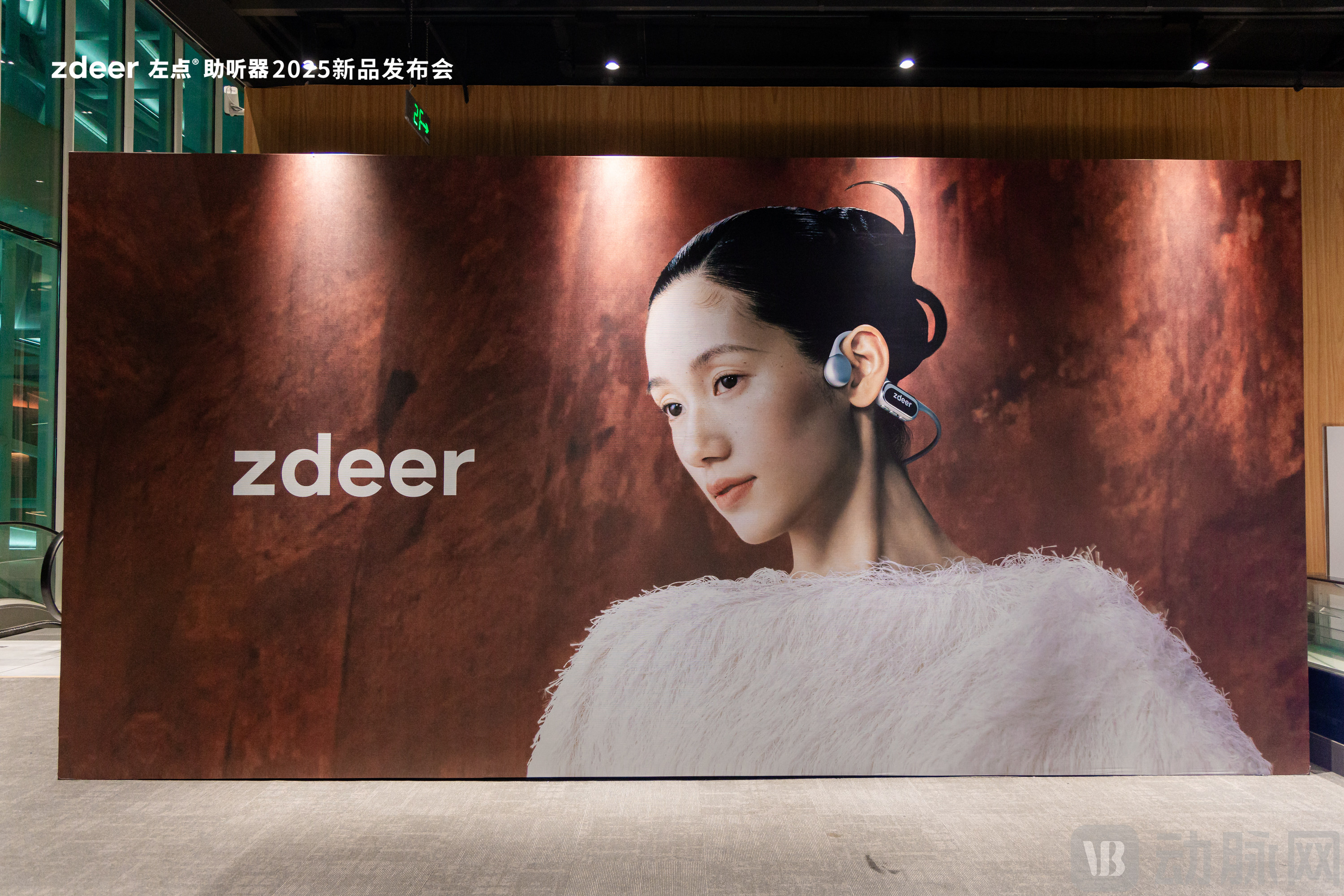
“True technological innovation always points to the warmth of human nature, rather than cold parameter metrics.” With 11 years of dedicated research and innovation, zdeer has consistently focused on individuals with hearing impairment, committed to leveraging technology to break the silence. The company is making rapid strides in breaking the monopoly of imported products, providing Chinese consumers with high-quality, affordable hearing aids that deliver both functional and emotional value.The newly released zdeer G4 series of bone conduction hearing aids has been hailed as the “iPhone 4 moment” for the hearing aid industry.
1Hearing Aid Usage Rates Lag Far Behind Developed Nations, with Hearing Impairment Becoming a Widely Overlooked Health Blind Spot
The World Health Organization’s “World Report on Hearing” indicates that hearing loss currently affects more than 1.5 billion people worldwide. According to statistics from “Current Status and Development Trends of Hearing Health in China,” one-third of adults aged 65 and older suffer from hearing impairment.
Zhu Jiangtao, Founder and CEO of zdeerIt is frankly acknowledged that hearing impairment has long remained on the “margins” of societal concern, becoming a widely overlooked blind spot in public health. In reality, however, it exerts a profound impact on patients’ physical and mental well-being. Research conducted by Johns Hopkins University in the United States found that, after controlling for age and other confounding factors, individuals with mild hearing loss had nearly twice the risk of developing dementia compared to those with normal hearing; those with moderate hearing loss had a threefold increased risk; and those with severe hearing loss faced a fivefold higher risk.
Furthermore, the impact of hearing loss often permeates daily life in a subtle and progressive manner. It not only creates communication barriers in everyday interactions, posing challenges to social integration, but also exacerbates cognitive burden due to the continuous effort required to capture and process auditory information. Meanwhile, the various inconveniences encountered in daily living, work, and study directly diminish quality of life. Prolonged communication frustrations and social withdrawal may even gradually induce psychological health issues such as loneliness, anxiety, and depression, resulting in a multidimensional and profound erosion of an individual’s physical and mental well-being.
However, beneath the vast population of patients and the severe threats to their physical and mental health lies a huge unmet need. According to the "2024 Survey Report on Hearing Loss and Hearing Aid Usage Among the Elderly in China," the number of elderly people with hearing loss in China has reached 120 million, among whom 70 million require intervention with hearing aids. Yet the harsh reality is that only 5% actually wear hearing aids, a penetration rate far below the 30% average in developed countries.
To address this challenge,The zdeer team delved deep into the real lives of individuals with hearing impairment, gaining a thorough understanding of the hidden, intricate, yet very real needs and pain points of patients with hearing loss.
First,Exorbitantly High Product Prices Limit the Penetration Rate and Frequency of Hearing Aid UseAccording to Zhu Jiangtao, when zdeer entered the hearing aid market in 2015, products on the market showed a polarized trend: one type was analog hearing aids priced at around one hundred yuan, which merely amplified sound, offered poor wearing comfort, and could potentially cause secondary hearing damage; the other type was digital hearing aids capable of finely processing loud, medium, and soft sounds separately, providing corresponding noise reduction based on the environment, and offering strong comfort. However, the latter segment was nearly monopolized by foreign brands, with prices reaching tens of thousands of yuan.
On one hand, the high cost of hearing aids puts them out of reach for many users. On the other hand, elderly users who own hearing aids experience significant psychological burden due to their high price; fearing loss or malfunction, they keep the devices stored away, turning them into “drawer-bound hearing aids.”
Second,Many hearing aid products have significant shortcomings in wearing experience, with the "occlusion effect" being a common issue.This can cause discomfort such as aural fullness and echo interference, which not only significantly reduces wearing comfort but also makes it difficult to adapt to long-term use scenarios, ultimately leading to users’ inability to maintain consistent long-term wear due to persistent sensory discomfort.
Third,Wearing Hearing Aids Can Easily Trigger “Stigma” in UsersTo address this pain point, although “invisible hearing aids” have emerged on the market, their suboptimal sound processing performance and insufficient battery life, coupled with the physical constraints of the ear canal that hinder technological breakthroughs, have resulted in product performance and user experience failing to meet actual customer needs.
The neglect of hearing health and the lagging adoption of hearing aids are quietly eroding the quality of life for millions. By delving into user pain points and understanding their needs, zdeer is gradually breaking through this impasse. As price barriers lower, wearing comfort improves, and attention to the “stigma” associated with hearing loss becomes a reality, the blind spots in hearing healthcare will be increasingly illuminated and addressed.

2No ear occlusion, with superior performance in gain, noise reduction, and feedback management, creating an all-day hearing aid solution
So, how exactly does zdeer address the challenges faced by individuals with hearing loss?
“zdeer’s R&D for hearing aids has always adhered to one principle: users must be willing to wear the device, and willing to continue wearing it over time; otherwise, even the most advanced and cutting-edge technology cannot deliver practical value,” introduced Zhu Jiangtao. Therefore,Hearing aids must be capable of “24/7 all-day hearing assistance.”. From zdeer’s perspective, the following core elements must be met:
● Comfortable and Non-Occlusive: Sensation-free wear without ear insertion; prevents stuffiness and ear canal blockage;
● Multi-scenario Use: Provides simple hearing assistance across diverse daily life scenarios;
● Clear hearing assistance: Excellent gain, noise reduction performance, and improved feedback management;
● All-day battery life: Provides at least 24 hours of continuous hearing aid usage.
Therefore, in terms of technical pathways,The zdeer G4 Series Bone Conduction Hearing Aids innovatively integrate an open-ear design with bone conduction technology, enabling a non-intrusive, ear-free wearing experience.It transmits sound signals directly to the cochlea of the inner ear through vibrations of skeletal tissues such as the skull and jawbones. Compared with traditional in-ear hearing aids, this approach not only shortens the sound transmission path to minimize loss and ensure clear sound delivery, but also fundamentally avoids the “occlusion effect,” thereby providing a comfortable experience without ear canal blockage or insertion. Furthermore, this simplifies the wearing process: the device can be securely fitted with just a gentle hook, reducing the risk of loss. This helps alleviate psychological burdens for elderly patients and encourages more frequent use.

Specifically, the zdeer G4 series bone conduction hearing aids feature the following highlights:
First,Equipped with HiSilicon chip-based dual-DSP hearing aid solution, delivering more authentic sound reproduction and a more natural listening experience.. zdeer has partnered with HiSilicon Shanghai Laboratory, a globally leading semiconductor company, to co-develop customized processors for the G4 series of bone conduction hearing aids. The HiSilicon chip features dual DSP processors operating at a main frequency of 300 million operations per second, ensuring timely response. Its powerful computing capacity supports more complex algorithms, providing robust technical support for diverse and rich hearing assistance scenarios.
Second,More adjustable channels, finer sound processing, and better clarityThe zdeer G4 Series Bone Conduction Hearing Aids feature 32, 48, and 64 WDRC channels. Each channel contains three sets of finely tuned data, providing customized compensation gain solutions for various types of hearing loss. This ensures refined and personalized sound processing, delivering clear sound reproduction with minimal distortion, while maintaining clarity at low volumes and comfort at high volumes.
Third,Excellent Noise Reduction and Anti-Howling Features. The zdeer G4 series bone conduction hearing aids are equipped with the company's patented noise reduction technology, offering a superior noise reduction experience. The device effectively separates signals from noise and boosts speech signals by up to 15 dB, significantly mitigating the common issues of buzzing and hissing sounds associated with hearing aids.
In terms of anti-howling processing, the zdeer team refined the internal structure of the transducer. By employing an “AFC Howling Suppression Algorithm,” they enabled more effective transmission of vibrations to the skin surface. Meanwhile, the team optimized the vibration mass and mode, reducing vibration leakage and effectively suppressing howling, thereby preventing hearing discomfort and damage caused by such feedback.
Notably, to optimize transducer performance, the zdeer team replicated changes in magnetic fields and vibration curves, conducting simulated tests across more than 5,000 operating conditions to determine the optimal direction. Through iterative prototyping and testing, they ultimately identified the best combination of materials and structural design. The zdeer G4 Series Bone Conduction Hearing Aids feature master-grade custom transducers, powered by a high-output 12.5mm transducer that focuses on vocal energy. Their dual-reed vibration system delivers superior performance in both low and high frequencies, while a push-pull nonlinear cancellation design ensures precise control over distortion.
Fourth,25-Hour Ultra-Long Battery Life.The zdeer G4 Series Bone Conduction Hearing Aids are equipped with 4.4V pure diamond high-density batteries, offering higher energy density. The battery capacity has increased by 35% compared to the second generation, extending the battery life to 25 hours. Thanks to the excellent power management of the HiSilicon chip, combined with the ultra-low distortion and high sensitivity energy-saving features of the transducer, the device achieves a 25-hour battery life in hearing aid mode, meeting users' needs for a full day of use.
Fifth,Achieving Precise Online Fitting Through AI-Powered Intelligent Voice SolutionsFor elderly individuals, those with limited mobility, and hearing-impaired patients in remote areas, the cumbersome fitting process at physical stores and the need for long-distance travel constitute a major barrier to obtaining hearing aids. To address this challenge, the zdeer G4 series bone conduction hearing aids support rapid fitting via the “zdeer Sound” app and innovatively introduce “AI intelligent
“Voice Solution”: Users only need to engage in simple conversations with the AI assistant. Under the assistant’s professional inquiry and operational guidance, the system can automatically identify their hearing loss condition.
Moreover, zdeer boasts a team of professionally certified hearing aid dispensers who provide one-on-one assistance with hearing tests and device tuning for the elderly, delivering “customized sound solutions” tailored to each user.
Sixth,Enable simultaneous activation of hearing aid and Bluetooth modes, with the option to switch between them individually.. During use, users can connect via Bluetooth and continue to hear ambient sounds normally while watching videos, listening to music, or taking phone calls, ensuring seamless communication.
3Combining the attributes of a fashion accessory with age-friendly design, allowing the voices of the hearing-impaired to be heard by the world.
At this new product launch, the aesthetic appeal of zdeer’s G4 series bone conduction hearing aids became a major focal point—it is hard to imagine that terms such as “fashionable,” “textured,” “futuristic,” and “premium” would one day be used to describe hearing aids. Embracing the philosophy of “rather than hiding it, showcase it confidently,” zdeer has designed its hearing aid as a “fashion accessory” that closely resembles Bluetooth earphones.
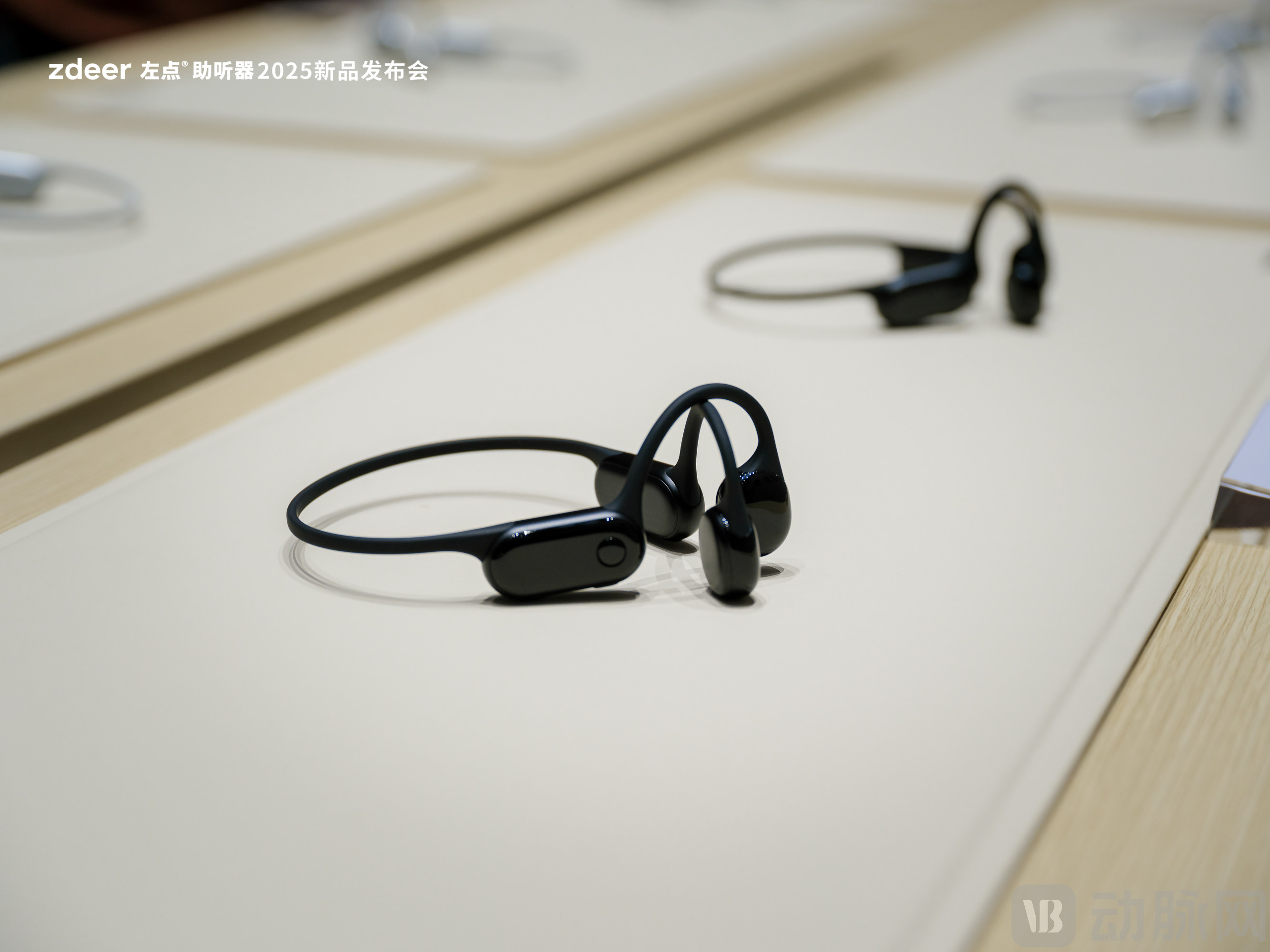
In the hearing aid industry, zdeer has taken the lead in prioritizing visual aesthetics as a key aspect of user experience, treating “emotional value” as equally important to “functional value” in its product design.zdeer G4 Series Bone Conduction Hearing Aids Feature Ultra-Precision CNC MachiningThe entire metal ingot is processed from the inside out using 3D technology, with integrated cutting and forming, resulting in a lighter and thinner product with an error margin of only 0.01mm. The production and processing of hearing aid casings alone require six extremely rigorous key procedures: CNC precision machining, grinding and polishing, surface grinding, mirror polishing, sandblasting, and anodizing. In terms of processing efficiency, one machine can produce only 18 sets (casings) per day.

Meanwhile, zdeer is not only refining the aesthetic design of its hearing aid products but also deeply committed to enhancing quality and wearing comfort.
The zdeer G4 Series Bone Conduction Hearing Aids utilize 6-series aerospace-grade aluminum alloy, with a density of only 2.7 g/cm³. This material offers high strength and excellent toughness. Through T6 heat treatment, its tensile strength reaches 310 MPa, meeting the stringent standards for strength performance and corrosion resistance required in the aviation and aerospace industries.“This makes zdeer hearing aids ‘more drop-resistant’ and ‘more durable,’ significantly alleviating the psychological burden among older adults with hearing loss who ‘hesitate to use their devices for fear of damaging them,’” introduced Zhu Jiangtao.
In terms of wearing experience, to achieve truly unobtrusive wear,Solving the "Head-Clamping" Problem of Traditional Over-Ear Headphones, zdeer spent half a year meticulously refining everything from structural design to material craftsmanship, enabling a slender memory titanium alloy frame to withstand 180° torsion and over 5,000 bends without deformation, ensuring a snug yet pressure-free fit against the head. Reportedly, the zdeer G4 series bone conduction hearing aids weigh only 40g.
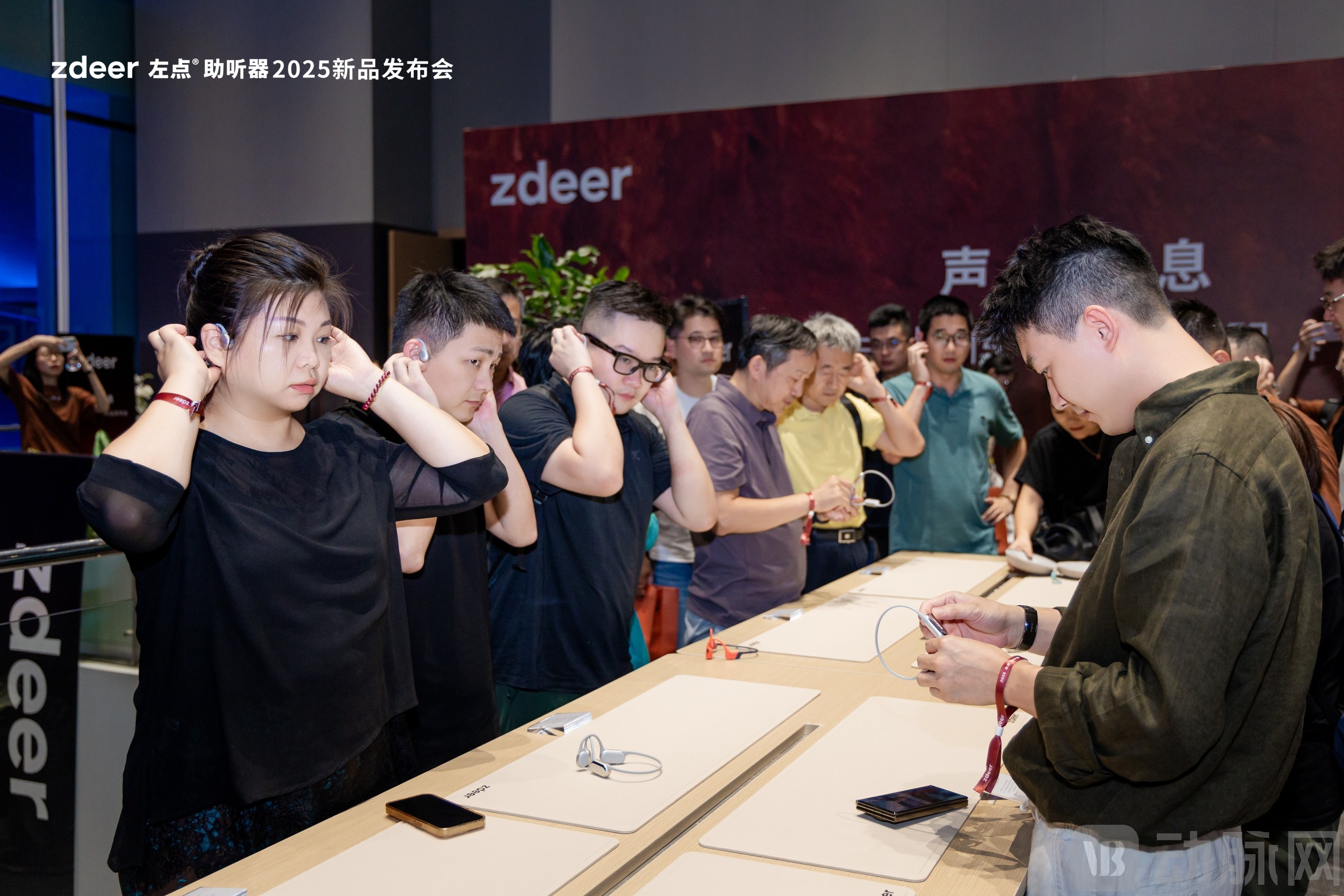
Given that the elderly constitute the majority of the population with hearing impairment,zdeer has incorporated more extensive and refined age-friendly design features into its new generation of hearing aids, such as toggle switches, oversized buttons, and externally exposed charging ports, while minimizing multi-function keys to prevent accidental operation by the elderly.
At the press conference, zdeer announced that it would join hands with the China Disabled Persons’ Welfare Foundation to launch a public welfare initiative, donating hearing aids worth RMB 2 million to provide targeted assistance to elderly individuals in extreme poverty with hearing impairments. Meanwhile, the brand will continue its “zdeer Voice Aid Initiative,” recruiting 1,000 “Voice Aid Ambassadors” to amplify the voices of people with hearing impairments and ensure they are heard by the world.
“At zdeer, we hope that more people with hearing loss can freely enjoy the joys of the audible world. Rather than saying they want to hear the sounds of the world, it is more accurate to say they want to be heard by the world,” said Zhu Jiangtao at the conclusion of the press conference.