

Digital Therapeutics for Nutritional Weight Management: Transforming Adherence Challenges into Actionable Solutions [2025 DTC]
As public health awareness continues to awaken amidst the rising tide of improved quality of life, nutritional weight management has quietly evolved from a mere personal aesthetic pursuit into a critical issue concerning the foundational health of the nation. Currently, the health crisis triggered by overweight and obesity is spreading more extensively; it is not only a significant high-risk factor for chronic conditions such as diabetes, hypertension, and cardiovascular and cerebrovascular diseases, but also imposes a heavy burden on individual quality of life, family health management, and even the social healthcare system. However, traditional weight loss models remain mired in dilemmas: blind dieting leads to imbalanced nutritional intake and weakened immunity; extreme exercise causes joint injuries and muscle loss; and unscientific, internet-famous remedies disrupt metabolic rhythms, causing most individuals attempting to lose weight to fall repeatedly into the vicious cycle of “short-term effectiveness followed by rapid rebound after cessation.”
August 15, 2025, byHosted by Beijing Danhuang Technology Co., Ltd., organized by Chongqing VCBeat Orange Technology Co., Ltd. and Hainan Danhuang Technology Co., Ltd., in strategic partnership with Hainan Eco-Software Park Group Co., Ltd., and in ecological cooperation with China Merchants Bank Haikou BranchThe 2025 Digital Therapeutics Conference – Forum on Digital Applications of Nutritional Weight Management Was Successfully Held at the Hilton Haikou Luneng Hotel in Haikou, Hainan.
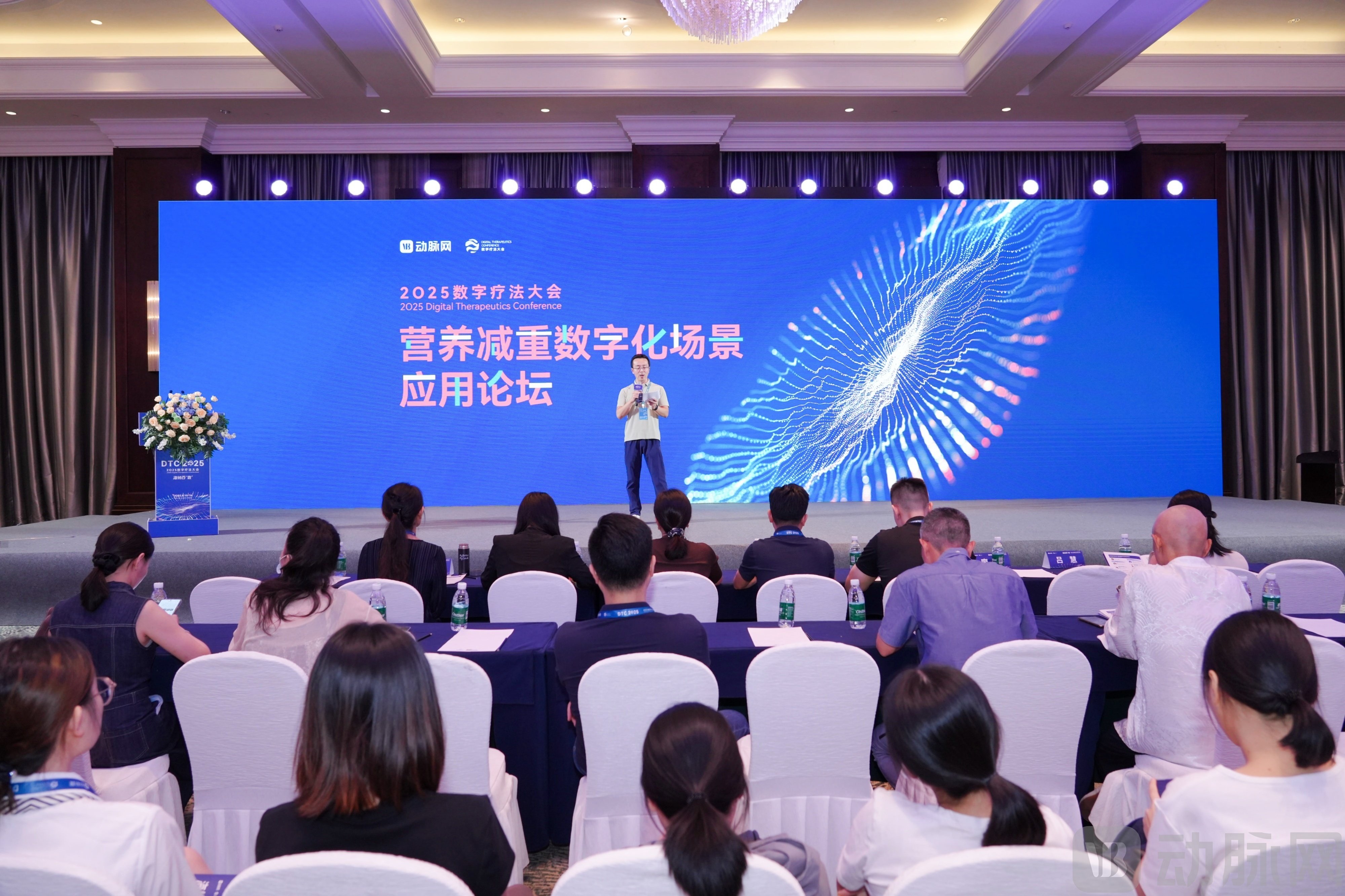
Xu Yaogang, Investment Director at Danen Capital
Centered on the digital application of nutrition-based weight management, the forum focused on key areas such as strengthening policy support systems, implementing digital technology innovations, expanding weight management services to cover the entire population, and fostering cross-industry collaborative development. Distinguished experts, scholars, and corporate executives were specially invited to gather and jointly explore breakthrough pathways for China’s digital nutrition and weight management industry. The event aimed to enhance academic exchange and industry collaboration in this field, injecting new vitality into its development. Moderated by Xu Yaogang, Investment Director at Danen Capital, multiple guests took the stage in succession to share cutting-edge insights and practical experiences in the digitalization of nutrition-based weight management.
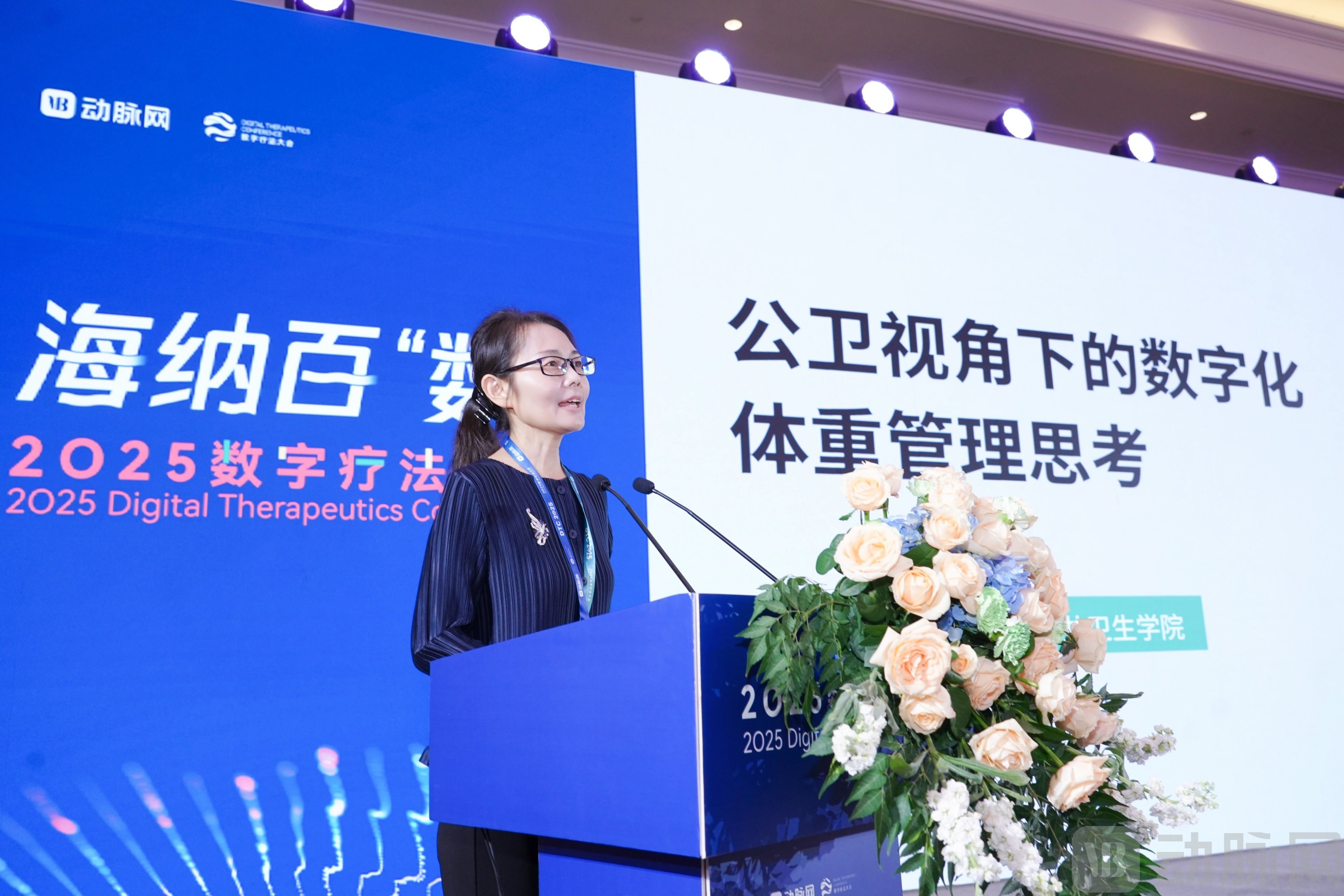
Xu Yajun, Deputy Dean of the School of Public Health at Peking University, Professor and Doctoral Supervisor in the Department of Nutrition and Food Hygiene
Forum Opening,Xu Yajun, Deputy Dean of the School of Public Health at Peking University, Professor and Doctoral Supervisor in the Department of Nutrition and Food Hygiene, Shared “Reflections on Digital Weight Management from a Public Health Perspective”。
Xu Yajun pointed out that obesity has become a severe public health issue. In recent years, the number of obese children and adolescents has surged, with the growth rate of overweight and obesity in rural areas exceeding that in major urban regions. Obesity not only triggers numerous chronic diseases, such as hypertension, diabetes, and cancer, but also imposes a heavy economic burden. For instance, obesity-related medical expenditures account for over 20% of China’s total health spending, while the decline in labor productivity due to obesity results in annual economic losses exceeding RMB 500 billion.
Traditional weight loss intervention models suffer from limitations such as insufficient personalization, limited coverage of offline outpatient services, lack of coordination among various health management segments, and failure to form an effective closed loop. Moreover, weight loss in these models relies primarily on willpower, resulting in a relapse rate exceeding 80%. In contrast, digital weight management offers advantages including precision, comprehensive coverage across all populations and the entire lifecycle, and high cost-effectiveness. It enables high-quality, full-cycle behavioral interventions through risk early warning, precise assessment, remote monitoring, and scenario-based interventions, thereby constructing a "four-in-one" intervention model. This approach promotes weight management from a population-wide, lifecycle perspective, integrating public health with individual management.
Key technologies are applied across multiple dimensions, including biomedicine, nutrition, exercise, sleep, and behavioral psychology, with the aim of creating synergistic effects to serve public health management. Although challenges such as data security and validation of model effectiveness persist, proactive promotion of city-level weight management is essential. This approach seeks to build a smart city health ecosystem, foster the integration of public health and clinical care, and contribute to national efforts in weight and health management.
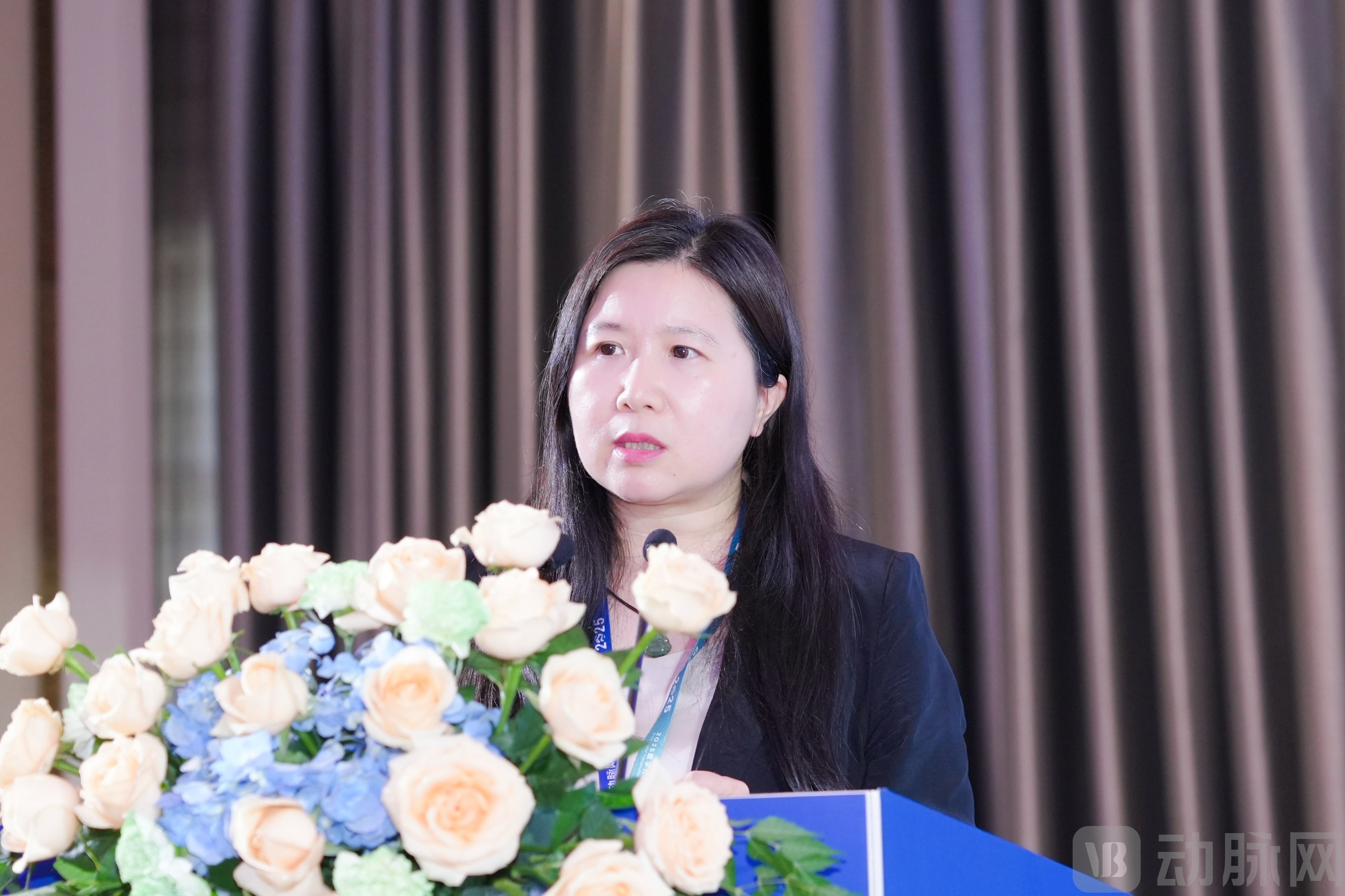
Fang Haiqin, Director of the First Applied Nutrition Division and Researcher at the China National Center for Food Safety Risk Assessment
Fang Haiqin, Director of the First Nutrition Division and Researcher at the China National Center for Food Safety Risk Assessment, presented “Interpretation of the NHC’s Dietary Guidelines: Focusing on Blood Lipids, Blood Glucose, Uric Acid, and Metabolic Health”Share.
Fang Haiqin introduced that the National Health Commission has released eight dietary guidelines for chronic diseases, including obesity, hyperlipidemia, and hyperuricemia. The core feature of these guidelines is the integration of traditional Chinese medicine (TCM) with Western medicine. Leveraging 106 substances classified as both food and medicinal ingredients, the guidelines establish personalized dietary principles tailored to specific disease classifications, TCM syndromes, and individual constitutions.
As emphasized in the obesity guidelines, energy intake should be controlled to create an energy deficit. The hyperlipidemia guidelines propose the “Four More, Four Less” principle. Furthermore, the guidelines provide sample meal plans tailored by region and season, and include food exchange methods to facilitate flexible application by the public. Current guidelines have demonstrated favorable outcomes in primary healthcare settings and clinical nutrition departments.
However, challenges such as the public’s difficulty in self-identifying their TCM syndrome patterns persist during promotion. In the future, by integrating AI and intelligent technologies—such as tongue diagnosis via photo recognition for constitution assessment and symptom-based Q&A for syndrome pattern matching—we will precisely align with the core recommendations of clinical guidelines to provide personalized dietary guidance for individuals with chronic diseases. Furthermore, standards for complete nutritional formula foods for obesity management will be introduced to further strengthen support for obesity prevention and control.
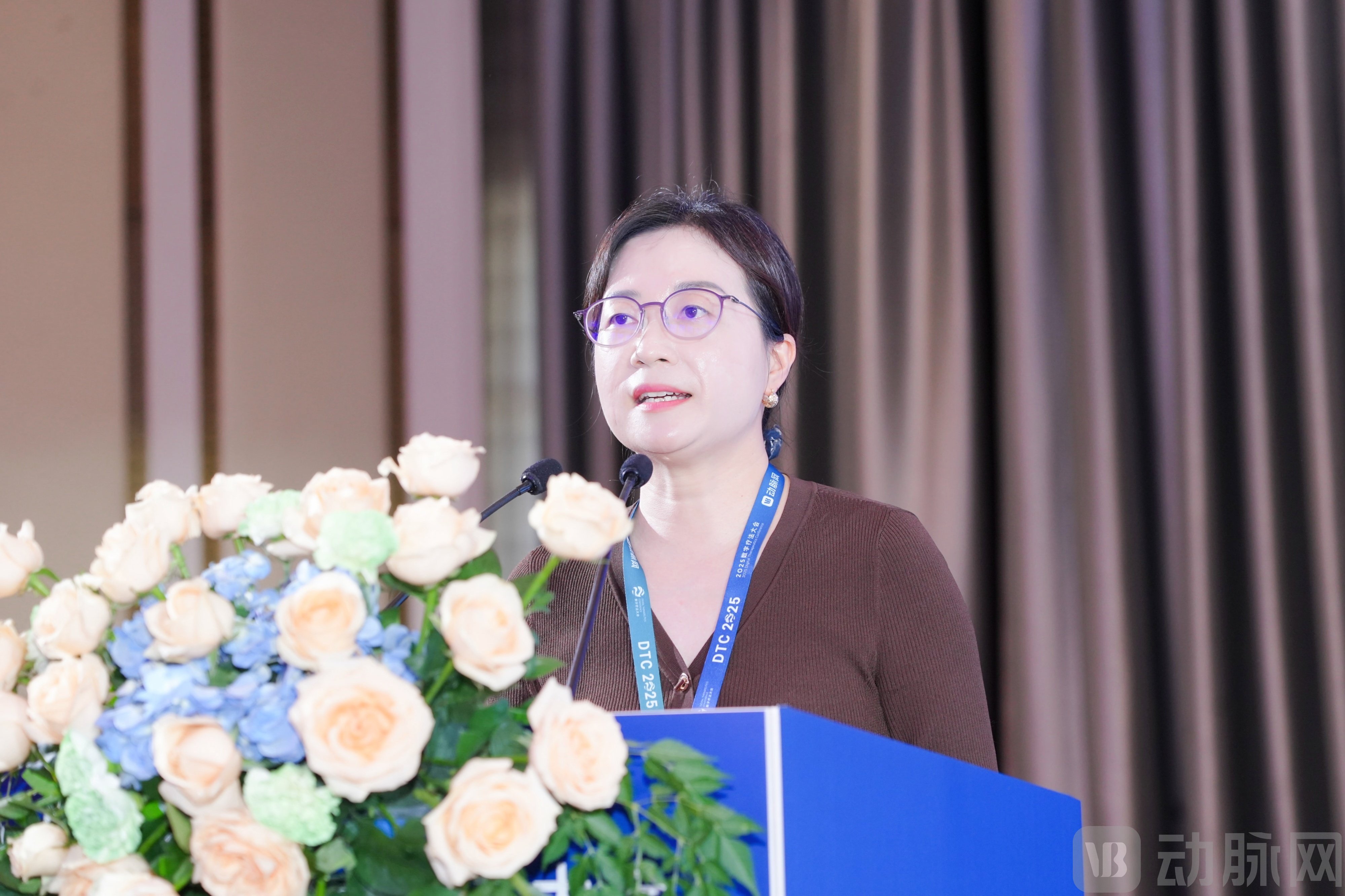
Xu Lingling, Chief Physician and Director of the Department of Endocrinology, Shenzhen Hospital of Southern Medical University
Chief Physician Xu Lingling, Director of the Department of Endocrinology at Shenzhen Hospital of Southern Medical University, presents “AI Dietitian (AI Agent): A Paradigm Innovation in Precision Nutritional Intervention for Chronic Disease Weight Management”。
From a clinician’s perspective, Xu Lingling shared that obesity is a chronic disease requiring significant attention, as it is associated with multiple other chronic conditions. A weight loss of 10%–15% can improve or even reverse issues such as hyperglycemia and dyslipidemia. While lifestyle intervention serves as the foundation, nutritional intervention is the most critical component. However, traditional models face bottlenecks including inadequate services, monotonous meal plans, difficulties in follow-up, and low patient adherence.
National policies encourage AI-empowered healthy weight management, with AI serving as both a physician’s assistant and a patient companion to meet the needs of long-term intervention, including personalized dietary advice, tailored exercise plans, emotional support, and real-time monitoring. The department adopts a “three-specialist co-management” model and introduces an AI assistant that delivers four key functions via a digital intelligence nutrition mini-program: customizing nutrition plans based on patients’ gender, age, chronic disease status, dietary preferences, allergies/contraindications, and meal budget; supporting dietary logging through text, images, and voice with recognition and feedback; providing real-time adjustment of guidance; and offering long-term psychological support.
The program prioritizes medical safety, leveraging check-in records, real-time Q&A, dietary search, and weekly reviews to deliver “personalized meal plans for each individual,” thereby empowering patients to transition from passive medical care to proactive health management and cultivate sustainable healthy habits.
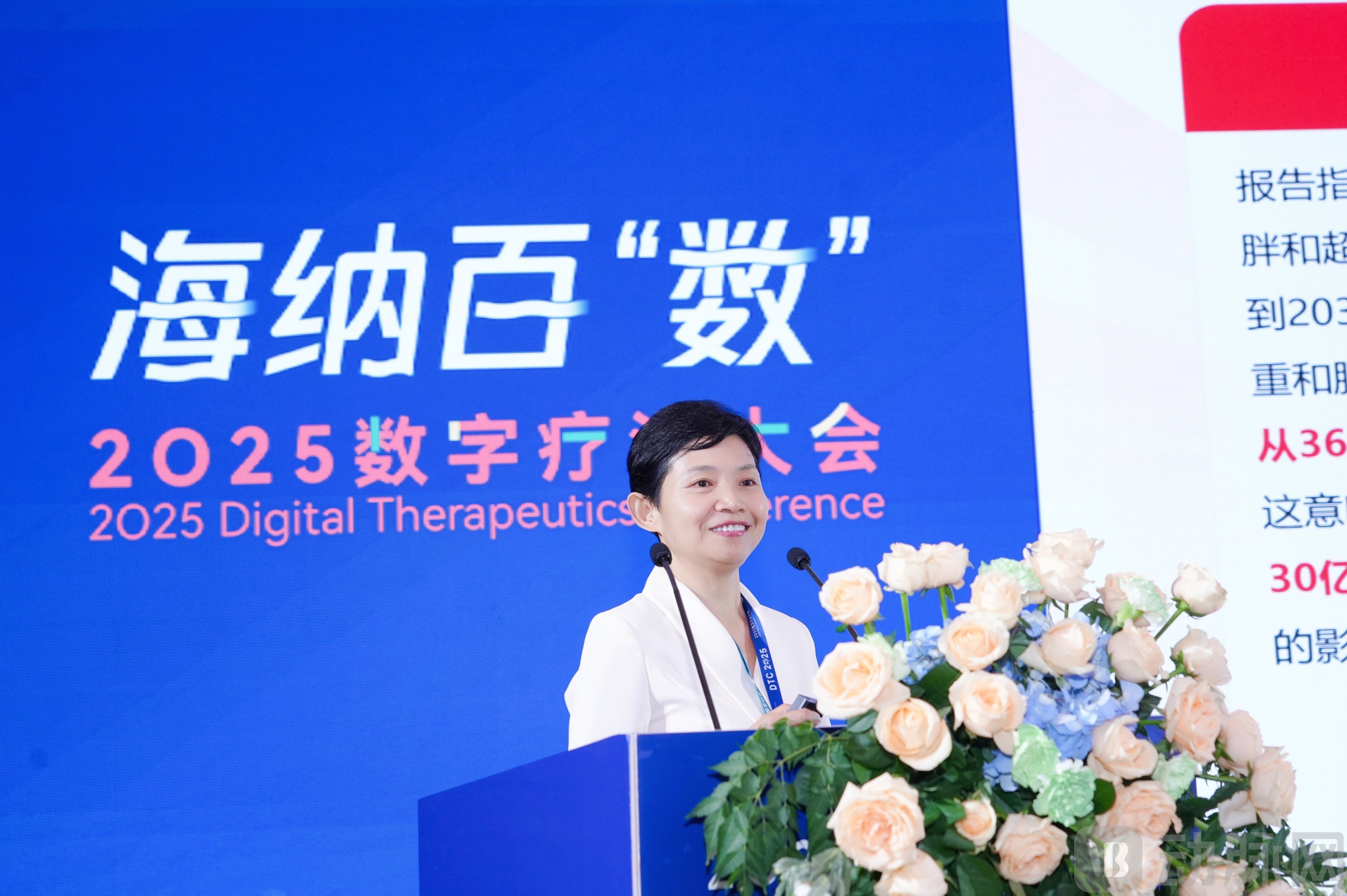
Liao Yu, Professor and Director of the Sinocare Diabetes Reversal Center, Board-Certified Physician in Lifestyle Medicine (International), Council Member of the Lifestyle Medicine Branch of the Chinese Health Management Association, and Committee Member of the Chronic Disease Prevention and Management Branch of the Chinese Geriatrics Society
Liao Yu, Professor and Director of the Sinocare Diabetes Reversal Center, an internationally certified Lifestyle Medicine physician, a council member of the Lifestyle Medicine Branch of the Chinese Health Management Association, and a committee member of the Chronic Disease Prevention and Management Branch of the Chinese Geriatrics Society, delivered a presentation on “CGM-Empowered Weight Loss: Digital-Driven Upgrading of Health Management”Share.
Liao Yu stated that, as a “globally leading expert in digital diabetes management,” Sinocare has established a digital management model integrating biosensing, artificial intelligence, and medical services, with its CGM products demonstrating significant advantages in the field of weight loss.
The obesity crisis is severe, with lifestyle intervention serving as the cornerstone of weight management; relying solely on willpower or medication often results in high rates of weight regain. Sinocare’s Continuous Glucose Monitoring (CGM) system captures real-time blood glucose data and provides immediate feedback through voice and image uploads. This technology precisely identifies individual variations in glycemic responses—recognizing that the same food affects blood glucose levels differently across individuals—thereby breaking the vicious cycle of “obesity → insulin resistance → hyperinsulinemia → further obesity.”
Practice has demonstrated that patients using Sinocare CGM achieve superior average weight loss outcomes. The system also corrects common misconceptions, such as “unlimited consumption of healthy foods” and “complete carbohydrate elimination,” facilitating a shift in weight management from knowing what to do but struggling to act, to integrating knowledge with action, and from passive compliance to proactive change. This approach not only enhances individuals’ quality of life but also improves institutional management efficiency and user retention, while contributing to the reduction of the national health burden, thereby highlighting Sinocare Biosensor’s value in the advancement of digital health management.
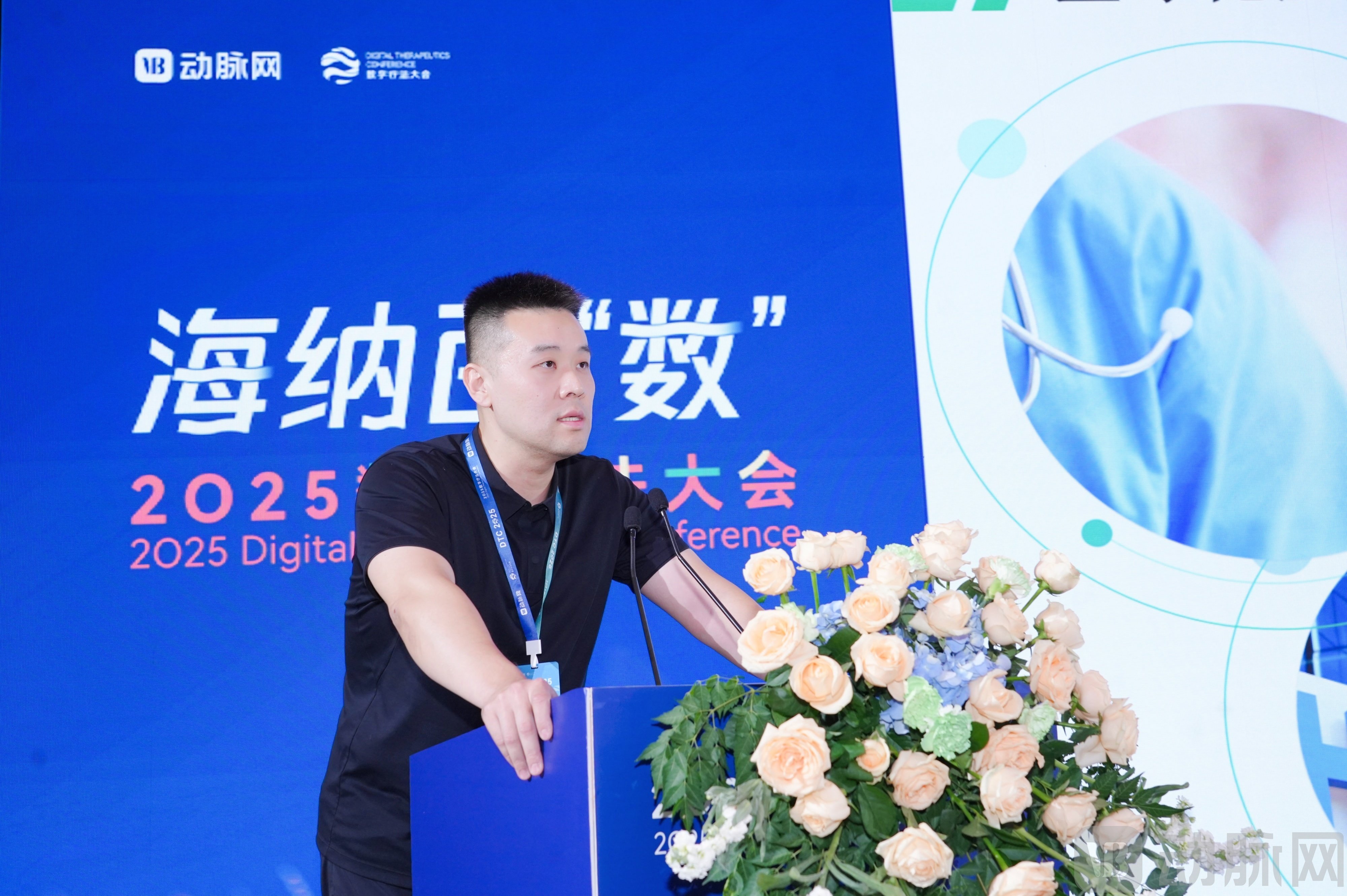
Hu Wei, Director of Health Insurance Products at Huamei Haolian
Hu Wei, Director of Health Insurance Products at Huamei Haolian, presented “Huamei Haolian × Ranka Tribe: Innovative Practices in Digital and Intelligent Health Management”。
Hu Wei emphasized that weight loss must prioritize safety through medical institutions, recommending consultations with endocrinology, nutrition, or specialized weight management clinics to avoid risky methods such as fasting and liposuction. Ranka Tribe has currently partnered with multiple hospitals to operate weight management clinics and implement risk management protocols. Its team completed the national filing for an artificial intelligence large model in the health sector this year; this model is built upon the Dietary Guidelines for Chinese Residents and the Dietary Guidelines for Diabetes. By collaborating with insurance companies, it drives user participation through economic incentives such as premium reductions and increased coverage amounts. The core highlight of the Ranka Tribe APP is its facial contour prediction visualization feature, which uses AI to accurately predict facial appearance at target weight, thereby motivating users.
Implement personalized, phased weight-loss plans that adjust dietary recommendations by leveraging a dynamic health data hub, offering low-calorie, high-protein meal suggestions. Explore social incentive models while addressing the tendency for check-in groups to devolve into food-focused communities. Currently adopting a B2B2C strategy—providing incentives such as gym memberships and nutrition vouchers—to establish industry standards through B-to-C products. The long-term goal is to achieve full personalization within the app, with software capabilities already deployed in Southeast Asian markets.
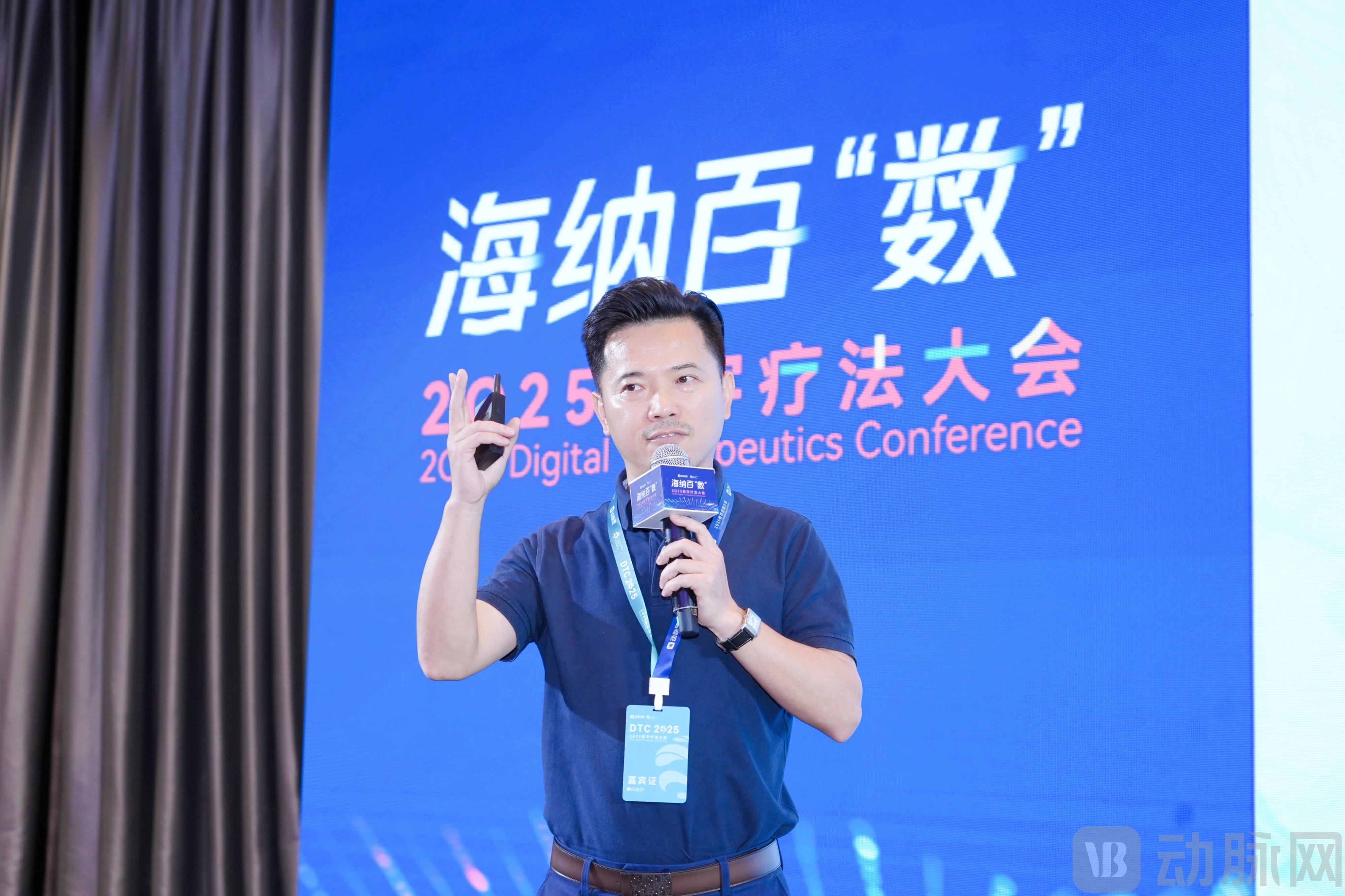
Yin Hui, Founder of Nanda Feite
Yin Hui, Founder of Nanda Feite, Shares “Application of the ‘Three-Physician Co-Management’ AI Agent in Full-Lifecycle Management of Weight Loss and Metabolic Chronic Diseases”。
Yin Hui stated that Nanda Feite has been deeply engaged in its field for ten years. On May 10, it released China’s first AI large model for weight loss and metabolism, supporting the establishment of obesity clinics and diabetes reversal subspecialties in 50 Grade-A tertiary hospitals. It is the only enterprise in South China selected as an excellent case of weight management by the Chinese Center for Disease Control and Prevention.
To address bottlenecks in traditional lifestyle interventions, such as uneven staff quality, low adherence, and service saturation, Nanda Feite leverages AI technology to break through these barriers. By training models on a dataset of over 100,000 users, integrating multi-platform large language models, and incorporating proprietary algorithms, the company delivers precise services. Its AI health manager features robust capabilities, including image recognition for calorie analysis and the customization of personalized plans tailored to individual needs. It supports multimodal communication in languages such as Cantonese and provides real-time emotional support (e.g., comforting distressed users in the early hours). Furthermore, by integrating with Continuous Glucose Monitoring (CGM) devices, it enables comprehensive blood glucose monitoring and alerts, seamlessly bridging in-hospital and out-of-hospital management.
The AI-driven digital chronic disease management system has been implemented in 50 hospitals, covering tertiary Grade A hospitals, health examination centers, and primary care institutions. The company is launching a multi-center cohort study and plans to expand from metabolic disorders to comprehensive, full-cycle management of four major chronic diseases, including cardiovascular and cerebrovascular conditions. This initiative aims to shift health management from a passive to a proactive model and promote the standardization of the industry.
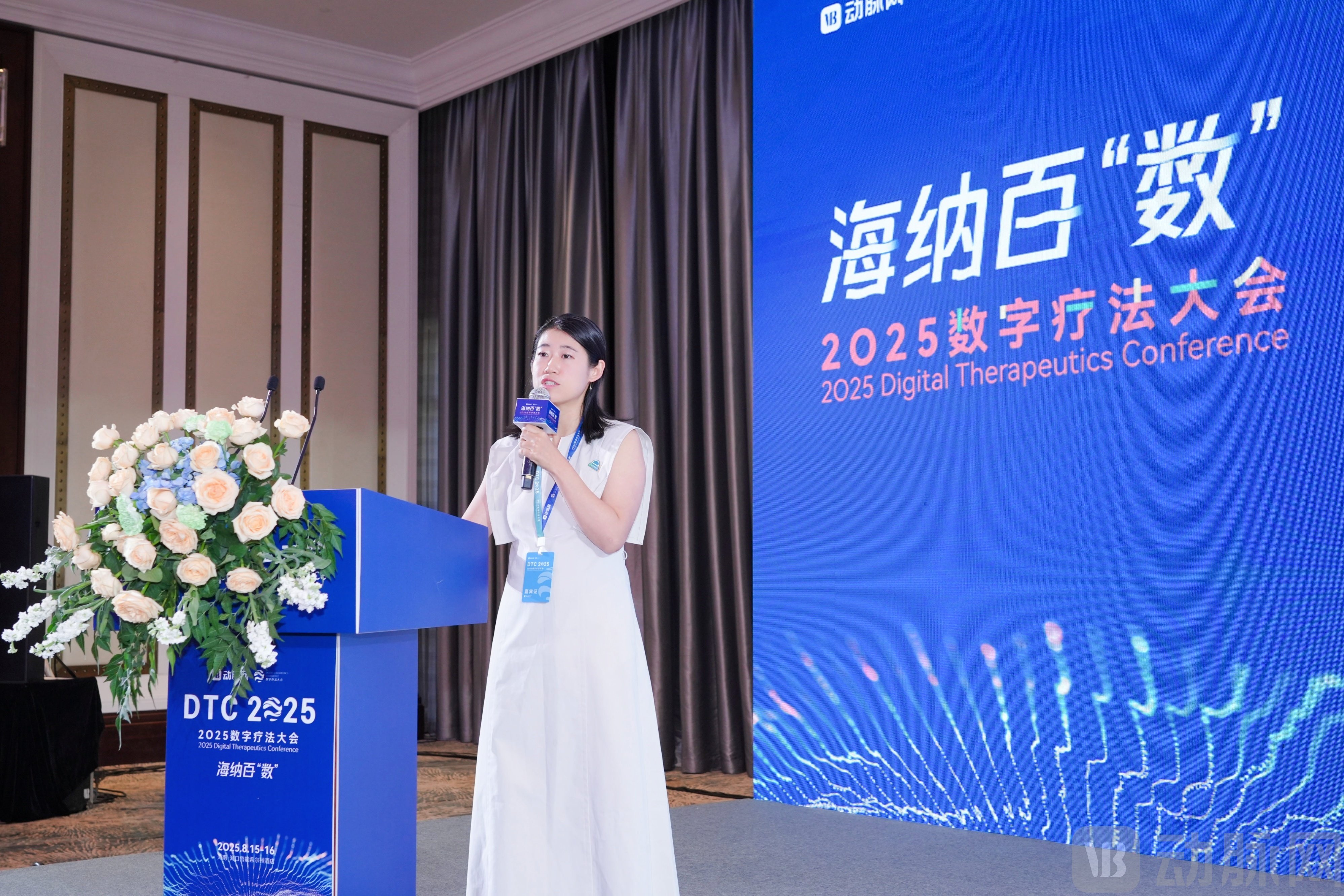
Lü Hui, Founder of ZENCARE and President of the China-Japan Health Industry Association
“Current Status and Opportunities in Japan’s Weight Loss and Chronic Disease Management Market,” Presented by Lv Hui, Founder of ZENCARE and President of the China-Japan Health Industry Associationcontent sharing.
Amid the continuous global rise in obesity, Hui Lv highlighted that Japan’s weight-loss market exhibits a unique pattern: despite a low obesity rate, demand is expanding. Japan has long promoted obesity and chronic disease prevention through national initiatives such as the “Specific Health Checkups” and “Health Japan 21.” However, the market is now growing rapidly, driven by lifestyle changes and the emergence of new therapies like GLP-1 receptor agonists. She emphasized that the core pathway for medical weight management in Japan follows a stepwise approach: “lifestyle intervention → pharmacotherapy → bariatric surgery.” Furthermore, a cross-sector industrial ecosystem is taking shape, integrating healthcare providers, pharmaceutical companies, digital health firms, and nutrition and fitness services.
She specifically highlighted that GLP-1 medications and digital health tools have become high-growth market segments, with patient cases demonstrating that the integration of medicine and technology is significantly improving outcomes in weight loss and chronic disease management. Finally, she pointed out that there are extensive opportunities for collaboration between Chinese enterprises and the Japanese market in the areas of pharmaceuticals, nutrients, wearable devices, and digital management solutions.
Finally, it was noted that although Japan’s weight-loss market has a low obesity rate, it is experiencing rapid growth in the areas of pharmaceuticals, chronic disease management, and digital health. Chinese companies can achieve differentiated success in overseas expansion by leveraging digital solutions, wearable devices, and comprehensive health services.
The policy analyses, technological innovations, and practical explorations presented by the attendees vividly showcased breakthroughs in weight management—from full-cycle weight control and customized dietary interventions to intelligent dynamic monitoring—while also offering replicable experience in key areas such as personalized solution design, cross-sector collaboration models, and the integration of safeguard mechanisms. This in-depth seminar, which brought together policy guidance, technological support, and service upgrades, has distilled practical insights and development philosophies that will continue to drive the deep integration of digital technologies with weight management services, leading the industry into a new era of healthy weight loss that is inclusive of all populations, spans the entire care continuum, and combines professional precision with humanistic care.