

Billion-Dollar Diabetes Market Transformation: Industry Shifts from 'Drugs' to 'Services' for Value Breakthrough
Diabetes has become a major public health issue threatening the nation’s health, with its vast patient population and complex management landscape continuing to draw societal attention. In June 2025, the National Center for Chronic and Noncommunicable Disease Control and Prevention of the Chinese Center for Disease Control and Prevention released the latest “China Atlas” of diabetes prevalence: in 2023, the number of people with diabetes in China reached 233 million, accounting for one-quarter of the global diabetic population. This figure continues to rise as population aging accelerates.
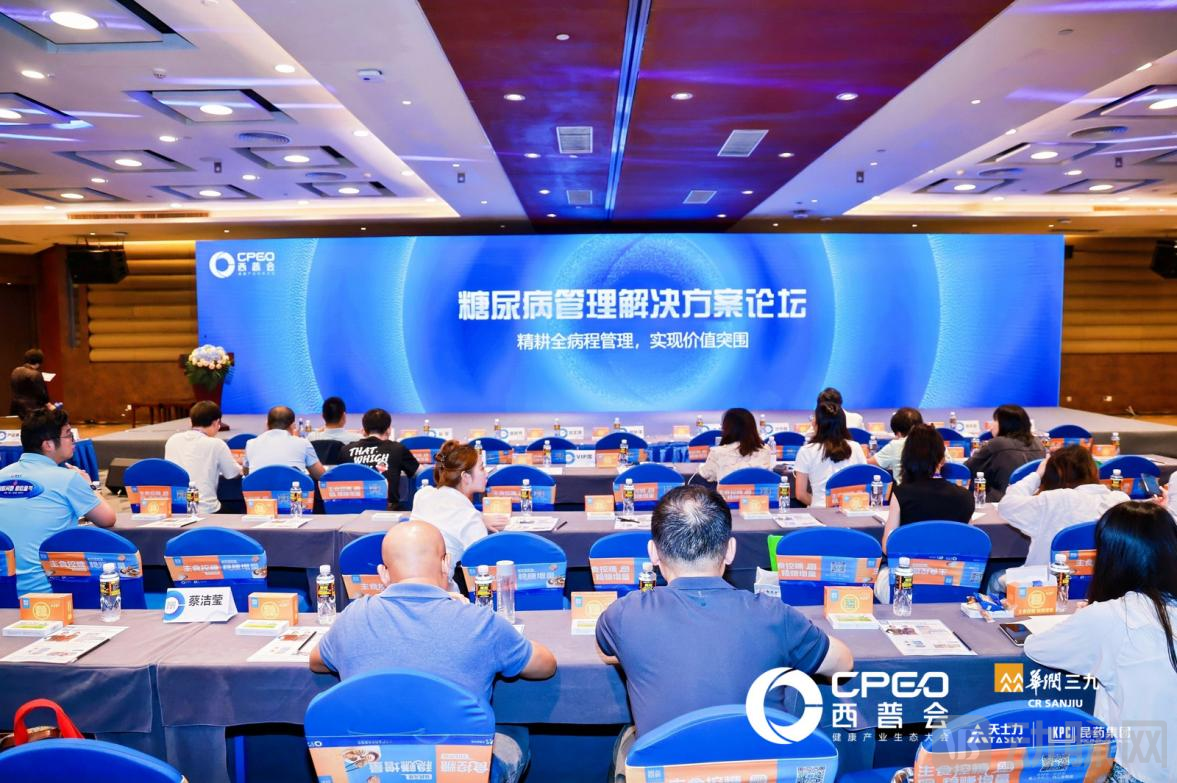
Against this backdrop, the 2025 Westpu Conference’s “Out-of-Hospital Solutions Ecosystem Forum” will feature a dedicated “Diabetes Management Solutions Forum.” Centered on the theme “Deepening Whole-Course Disease Management to Achieve Value Breakthroughs,” the forum will focus on three key areas: blood glucose monitoring, complication prevention and control, and nutritional support. It will analyze practical pathways such as all-scenario monitoring, service package upgrades, innovative dietary plans, and adjunctive traditional Chinese medicine therapy, helping industry players build a value closed loop from prevention to treatment and seize first-mover advantages in the hundred-billion-yuan market.
Forum Opening,Yan Lihan, Senior Research Director, Commercial Data Division, Zhongkang TechnologyPinpointing Industry Pain Points: The number of people with diabetes in China is surging, yet the disease awareness rate stands at only 36.7%, the treatment control rate remains below 50%, and the incidence of complications reaches as high as 15%–20%, highlighting a substantial unmet need. He emphasized that the three-tier prevention system requires further development and refinement: primary prevention should focus on lifestyle interventions and early screening; secondary prevention needs to strengthen pharmacological treatment and complication management; and tertiary prevention should prioritize reducing the risks of disability and mortality. He pointed out that the out-of-hospital market is currently on the rise, with retail pharmacies accounting for one-quarter of the market share. Segments such as novel glucose-lowering drugs, continuous glucose monitoring (CGM), and nutritional supplements are experiencing significant growth. Pharmacies should seize the growth opportunities in the out-of-hospital market and further optimize patient services.
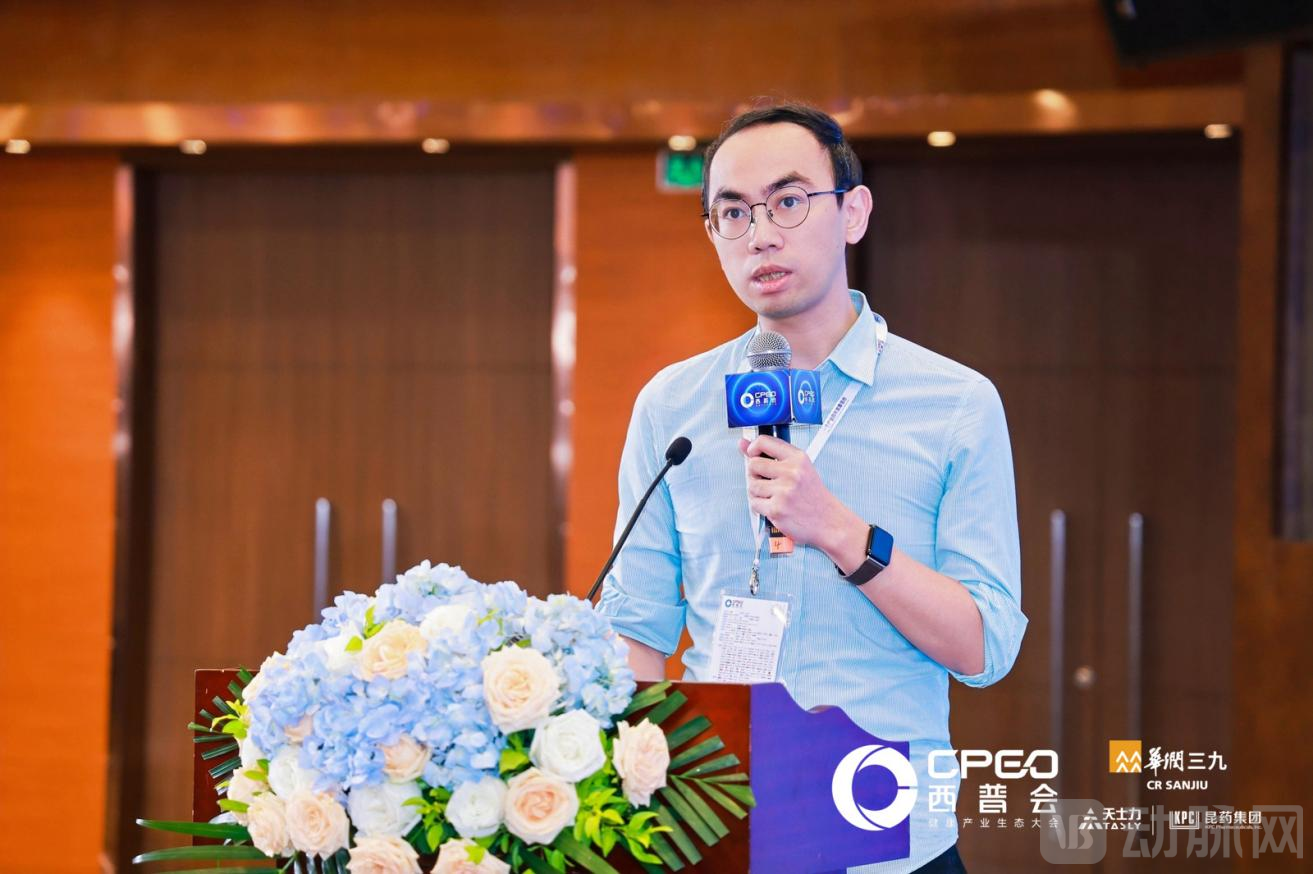
Yan Lihan, Senior Research Director of the Commercial Data Division at Zhongkang Technology
Wu Bin, Former Vice President of the China Pharmaceutical Commerce AssociationAs a patient with a 25-year history of diabetes, he voiced concerns from the user experience perspective, highlighting patients’ dissatisfaction with and expectations for pharmacy services. He pointed out that current pharmacies remain centered on product sales, with weak professional service capabilities and low member stickiness. Therefore, he believes that “pharmacies should draw on the patient management mechanisms of tertiary hospitals, leveraging tools such as AI to establish long-term, effective connections with patients,” and collaborate with medical institutions to provide continuous, compassionate, and professional support.
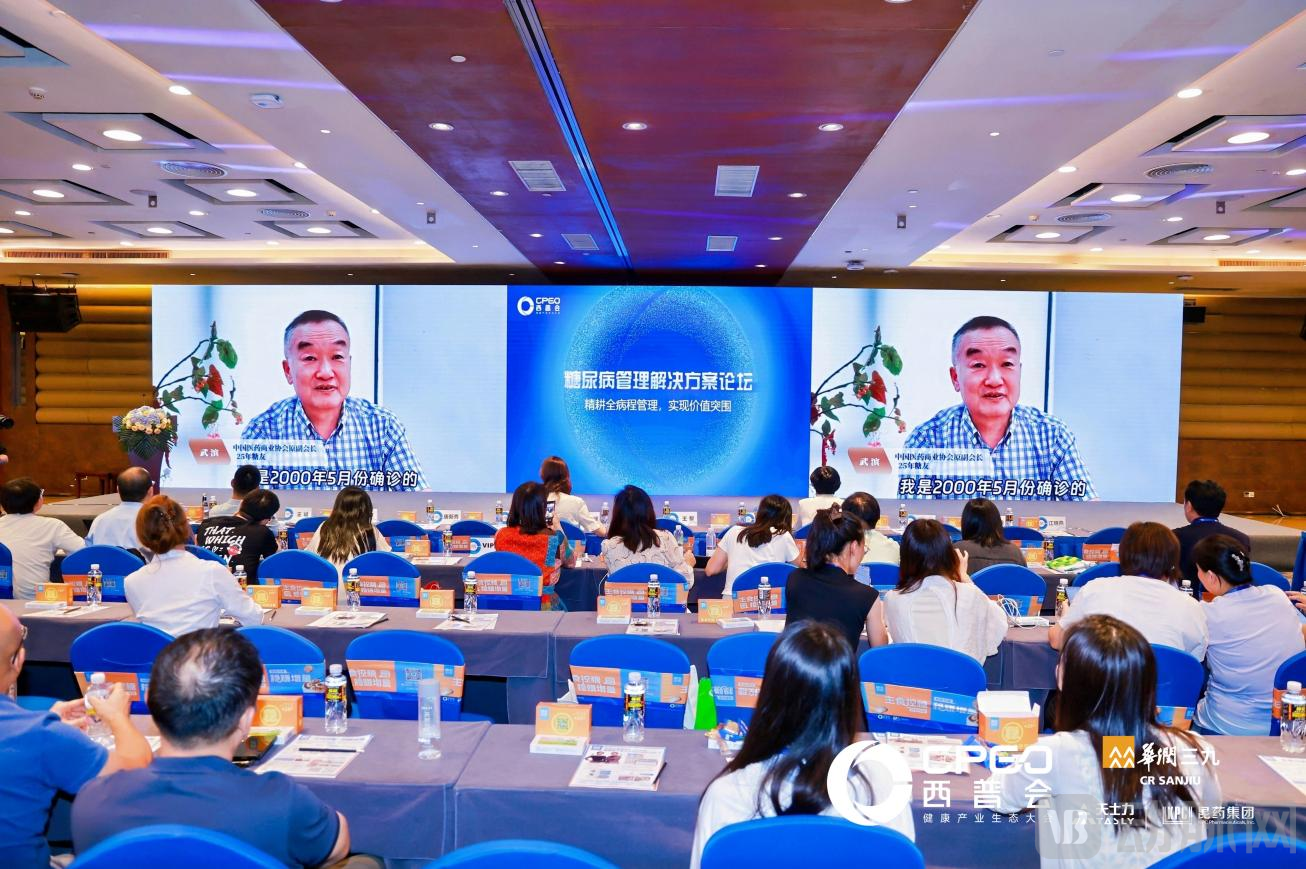
Wu Bin, Former Vice President of the China Pharmaceutical Commerce Association
Based on the current market situation,Wang Bin, Senior Director at Gaoji Health and Head of the Special and Chronic Diseases DivisionProposing a breakthrough strategy of “locking in the early golden period”: enhancing patient adherence through screening interventions and professional services to deeply unlock customer lifetime value (LTV). He subdivides the course of diabetes into four stages: diagnosis, control, maintenance, and complication phases, emphasizing that the first two stages constitute a golden window for establishing trust and habits. Pharmacies need to provide precise information delivery, emotional support, and treatment guidance, leveraging digital tools to improve patient adherence. This approach enables patients to shift from passive response to proactive management, ultimately achieving a fundamental transformation from “selling drugs” to “managing patients.”
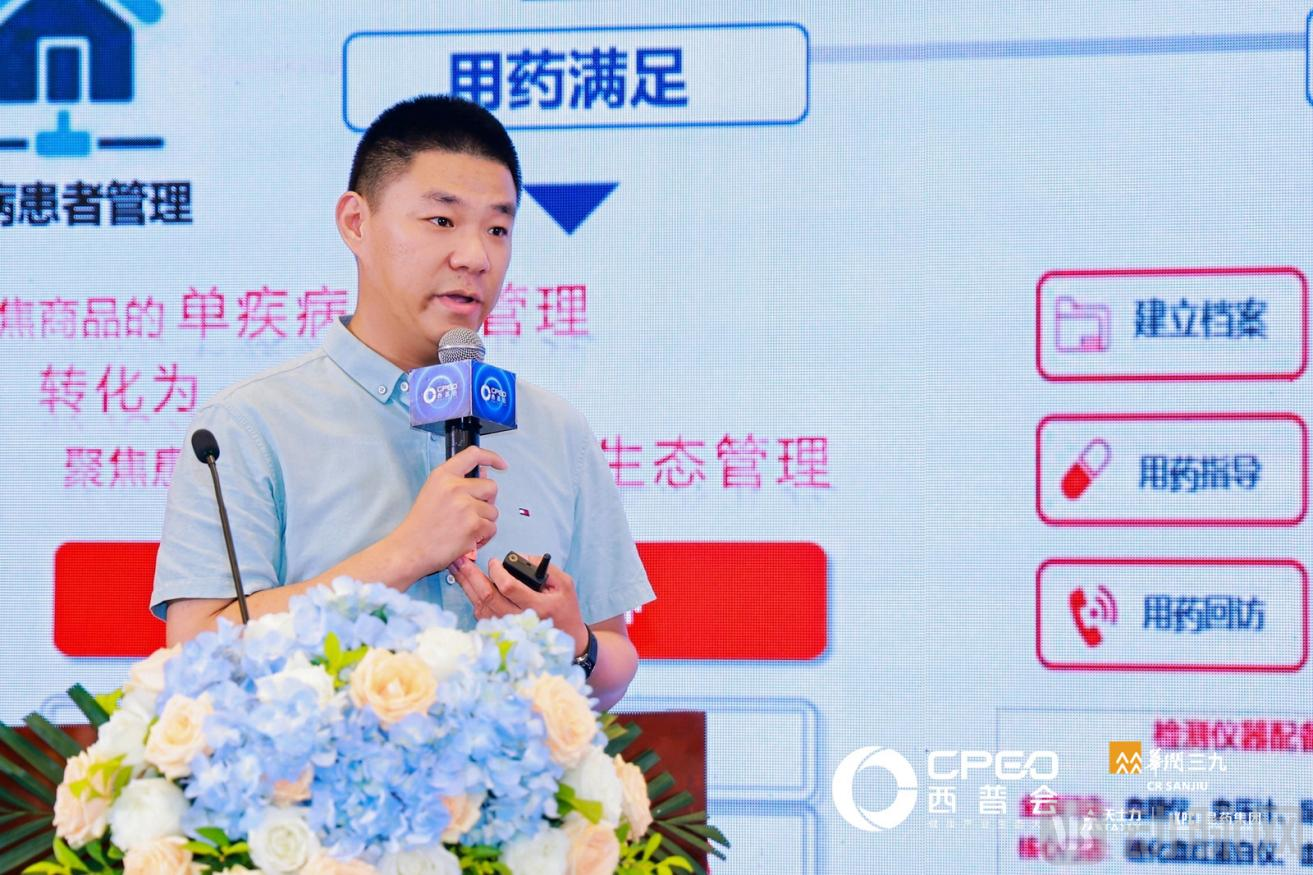
Wang Bin, Senior Director of Gaoji Health and Head of the Special and Chronic Disease Division
In diabetes management, breakthroughs in isolated segments are no longer sufficient to meet the needs of whole-course patient care. Pharmaceutical manufacturers are moving beyond their traditional role as suppliers and transforming into ecosystem co-creators across the upstream, midstream, and downstream value chain by integrating resources, establishing standards, and empowering end-point providers.
Zhao Hui, Head of the Retail Division at Jiangsu Hengrui MedicineThe speech demonstrated China’s determination to reshape the market landscape through original innovation. She stated that in recent years, domestic enterprises in China have exhibited strong innovative capabilities in the field of metabolic disease treatment. Hengrui Medicine entered the metabolic sector with its first independently developed Class 1 new drug, the SGLT-2 inhibitor “Henggliflozin,” which has now benefited tens of millions of patients. To date, Hengrui has received marketing approval for four Class 1 innovative drugs and one Class 2 innovative drug in the field of metabolic diseases. Looking ahead, the company has strategically positioned itself to develop triple fixed-dose combination formulations (Henggliflozin/Retagliptin/Metformin Extended-Release Tablets), long-acting insulin, and GLP-1/GIP dual-target weight-loss products, accelerating the build-out of its product portfolio. Furthermore, through initiatives such as the “Hengrui Chronic Disease Care Pavilion,” Hengrui is providing chain pharmacies with comprehensive disease-management solutions, including personnel training and curriculum systems, thereby empowering out-of-hospital patient management.
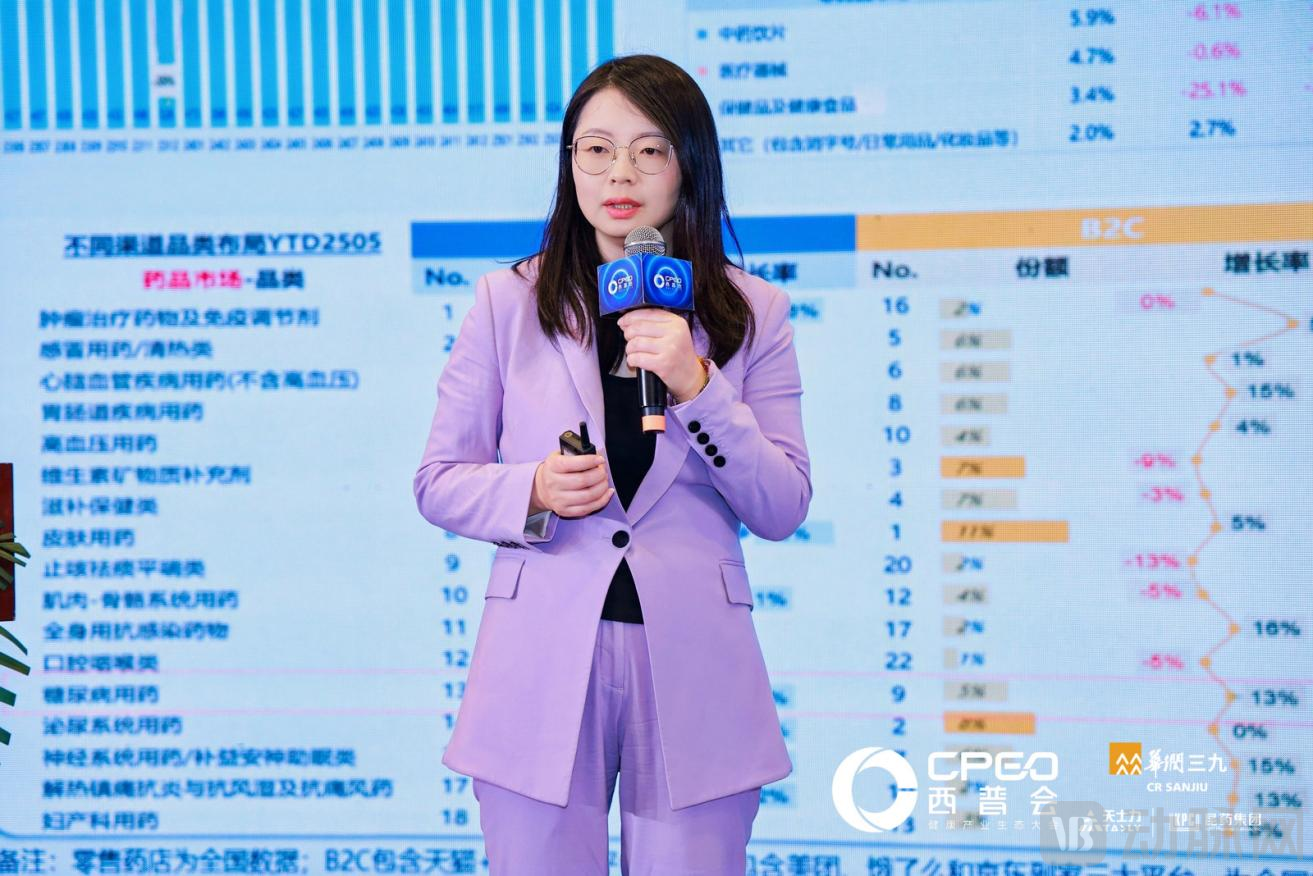
Zhao Hui, Head of Retail Division at Hengrui Medicine
Liu Wenyuan, Deputy General Manager of the Marketing Center at Grand Life Sciences GroupThe focus is on how to build a professional system to unlock the growth potential of the diabetes category and empower terminal outlets. He first introduced that, in terms of products, its core product Siliankang grew by 50% in the first half of 2025, firmly maintaining its position as the No. 1 pharmaceutical probiotic; Misang grew by 108%, with the potential to break into the top five; Fudingler (Alpha-Lipoic Acid Capsules), used for treating diabetic peripheral neuropathy, also performed well. He pointed out that the company has currently entered a stage of brand empowerment. To this end, the company established an academy in partnership with a third party. For the B-side, it launched the Dandelion APT Training Camp (APT stands for Professionalism, Talent, and Capability), aiming to enhance the capabilities of professionals in chain pharmacies. For the C-side, it created "Diabetic Friend Stations," providing services such as blood glucose, blood pressure, and fundus examinations, while driving customer traffic and continuously upgrading marketing capabilities.
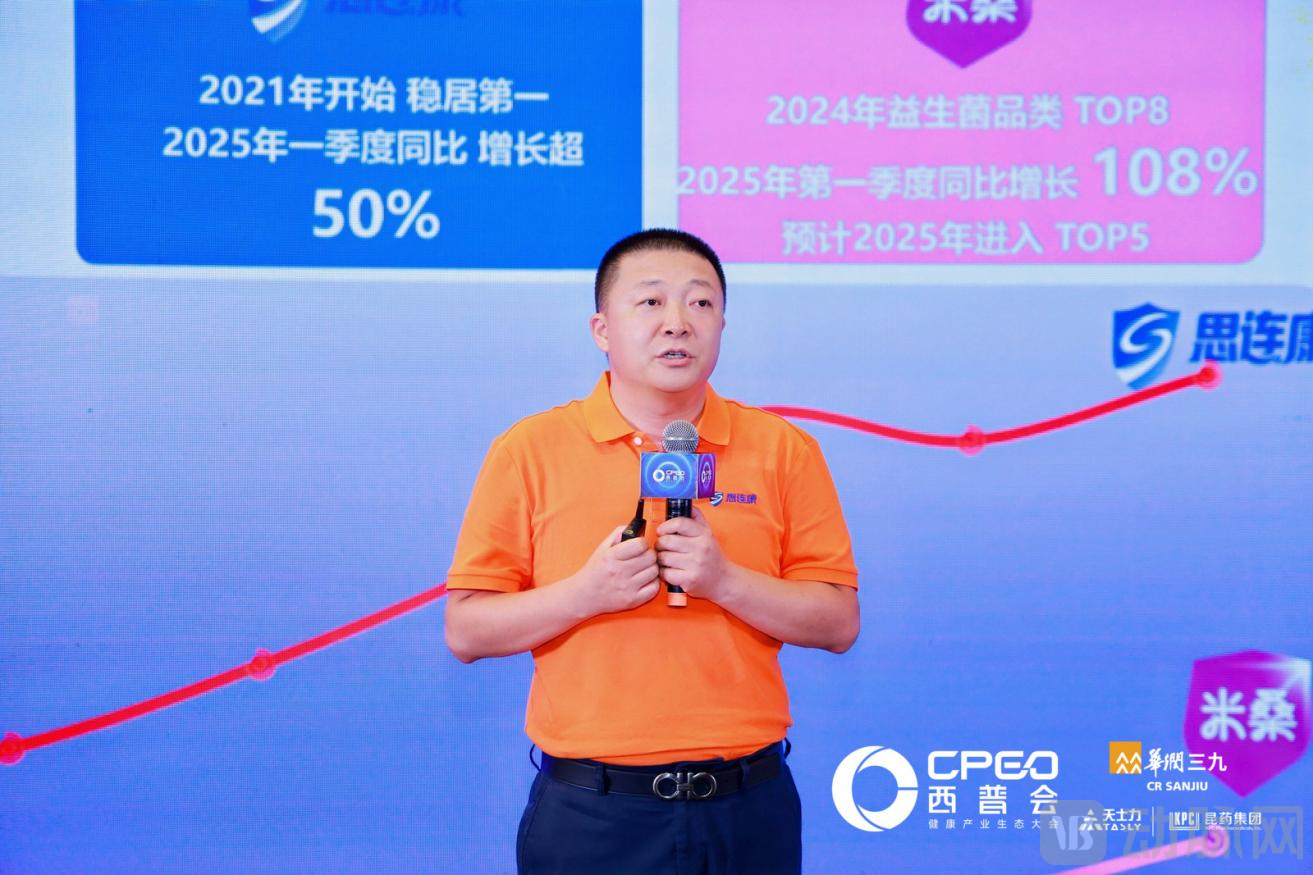
Liu Wenyuan, Deputy General Manager of the Marketing Center at Grand Life Sciences Group
In the transition of diabetes management toward whole-course care services, chain pharmacies are addressing the fragmented pain points of out-of-hospital patient management through a three-dimensional synergy integrating medical resources, upgrading retail scenarios, and providing specialized complication management services, thereby enhancing their competitive barriers through professionalized offerings.
Guan Qiujin, Chairman of Jiangsu Health Home Pharmaceutical Chain Co., Ltd.This approach has introduced the concept of refined operations to pharmacies. She pointed out bluntly that only 40% of patients in traditional pharmacies adhere to monitoring regimens. The key to breaking this deadlock lies in building a closed-loop service model and a repurchase flywheel: First, adopt a “four-dimensional product selection logic” that considers four attributes—product, disease, sales, and policy—while balancing traditional Chinese medicine and Western pharmaceuticals to optimize the product mix. Second, establish an internal trainer system to address employees’ reluctance and inability to sell (“afraid to sell, unsure how to sell”) through mindset empowerment, mental models, and diversified training. Finally, leverage a chronic disease membership system to achieve full-process digital management, including profile creation, monitoring, AI follow-ups, report delivery, and medication reminders. She emphasized that pharmacy professionals must transform from one-time sellers into lifelong health partners. Only by providing customer-centric services can pharmacies become trusted partners in blood glucose management for patients.
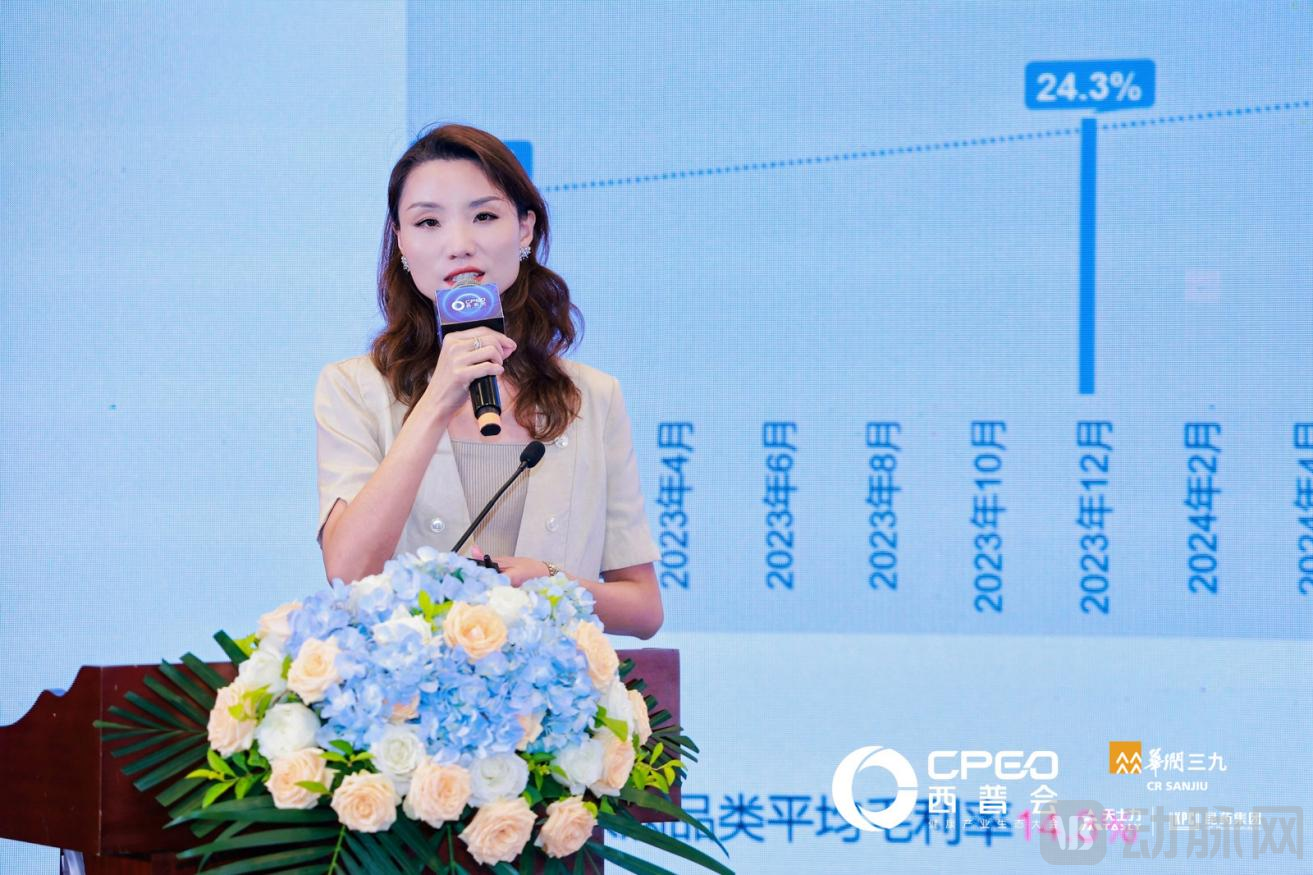
Guan Qiujin, Chairman of Jiangsu Health Home Pharmaceutical Chain Co., Ltd.
Shanxi Lijian Pharmacy Chain Co., Ltd. Deputy General Manager Sha JinchengShared strategies for driving dual improvements in average transaction value and professional image through the "Complication Service Package." She pointed out that by 2030, the number of patients with complications is expected to exceed 100 million, yet current pharmacy coverage remains below 5%. However, 68% of individuals with diabetes are willing to pay for professional screening and treatment. Lijian’s advantages lie in its proximity to patients, strong interactivity, flexible services, and low costs. It has explored an implementation path as follows: First, scenario-based store operations. Lijian has established chronic disease service centers equipped with various testing and assessment services, and precisely segmented customer groups to provide solutions based on four dimensions: target population, risk, symptom severity, and purchasing power. Second, member retention and activation. Currently, Lijian has collaborated with nearly 200 dedicated diabetes specialists to create dual health records, conduct foundational awareness education, develop personalized professional, service, and management plans, and leverage AI combined with human support to push task reminders. In the future, Lijian will expand diversity in product offerings breadth-wise and deepen its expertise in areas such as the "four highs" (hypertension, hyperglycemia, hyperlipidemia, and hyperuricemia), aiming to retain customers and drive traffic by enhancing service capabilities.
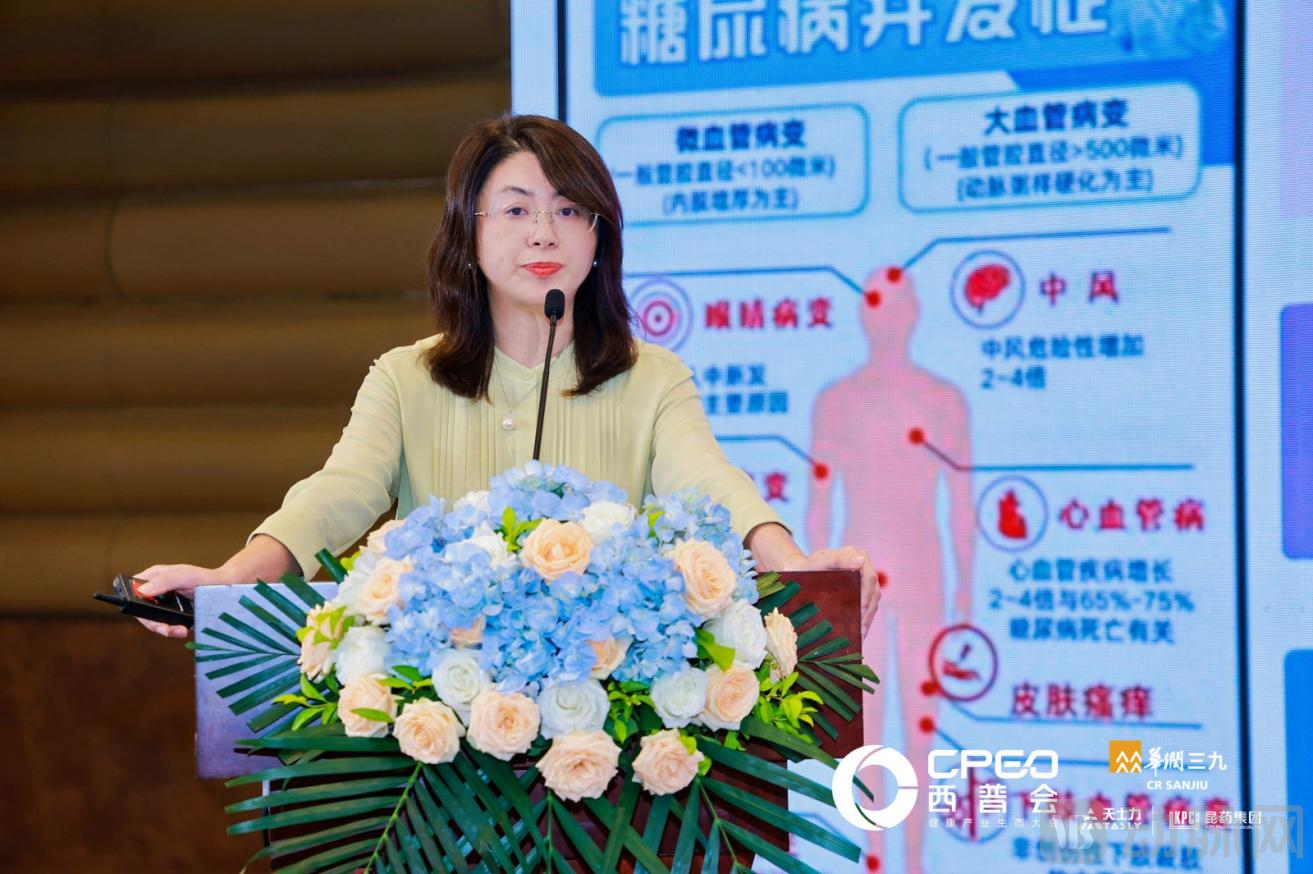
Shandong Lijian Pharmacy Chain Co., Ltd. Deputy General Manager Sha Jincheng
Addressing the core pain points prevalent across the industry, namely “lack of professional guidance, insufficient customer trust, and weak growth momentum.”Liu Xiaoyan, General Manager of the Retail Division, Deshengtang Pharmaceutical Co., Ltd.A detailed exposition was provided on the strategic measures agreed upon by Deshengtang Group and Yangtze River Pharmaceutical Group in their efforts to break through existing impasses.
Guided by the collaborative philosophy of “Professional Expertise, Triple-Win Partnership,” both parties leverage the dual drivers of “Family Doctors with Proven Prescriptions” and “Specialized Training and Combat Drills” to achieve mutual benefits for patients, chain pharmacies, and pharmaceutical manufacturers. Since 2018, Deshengtang has pioneered the “Family Doctors with Proven Prescriptions” strategy, positioning itself as a “Healthcare and Health Solution Provider.” At its core is the establishment of family doctor teams comprising physicians, pharmacists, and health managers, offering services such as 24-hour online response and home medication delivery. Based on the insight that “95% of diseases treated in retail stores are standardized conditions,” Deshengtang has accumulated over 1,600 sets of standardized, symptom-targeted prescriptions formulated according to the Traditional Chinese Medicine (TCM) principle of “Jun-Chen-Zuo-Shi” (Monarch, Minister, Assistant, and Guide). These prescriptions have been used in over 20 million formulation services, significantly improving patient outcomes and repurchase rates. In collaboration with Yangtze River Pharmaceutical Group, both parties have further introduced the “Specialized Training and Combat Drills” system. This system enhances the professional capabilities and service awareness of pharmacy staff through immersive, practice-oriented training courses, including TCM syndrome differentiation and treatment based on the “Nine Constitutions and Four Diagnostic Methods.” This training model has covered 1,153 Deshengtang employees, driving a 100% increase in sales of key products and significantly improving customer satisfaction and the professional service level of the chain. This collaboration not only advances Deshengtang’s in-depth exploration of professional pharmaceutical care and health management but also strengthens Yangtze River Pharmaceutical Group’s product penetration and brand influence at the retail terminal, marking a transition from traditional supply chain cooperation to the co-creation of a “Service–Product–User” ecosystem. Looking ahead, both parties will continue to deepen the construction of the “Family Doctors with Proven Prescriptions” service system and cultivate specialized talent, jointly propelling the pharmaceutical retail industry from a sales-oriented model to a health-service-oriented stage, thereby providing Chinese consumers with more trustworthy and valuable health solutions.
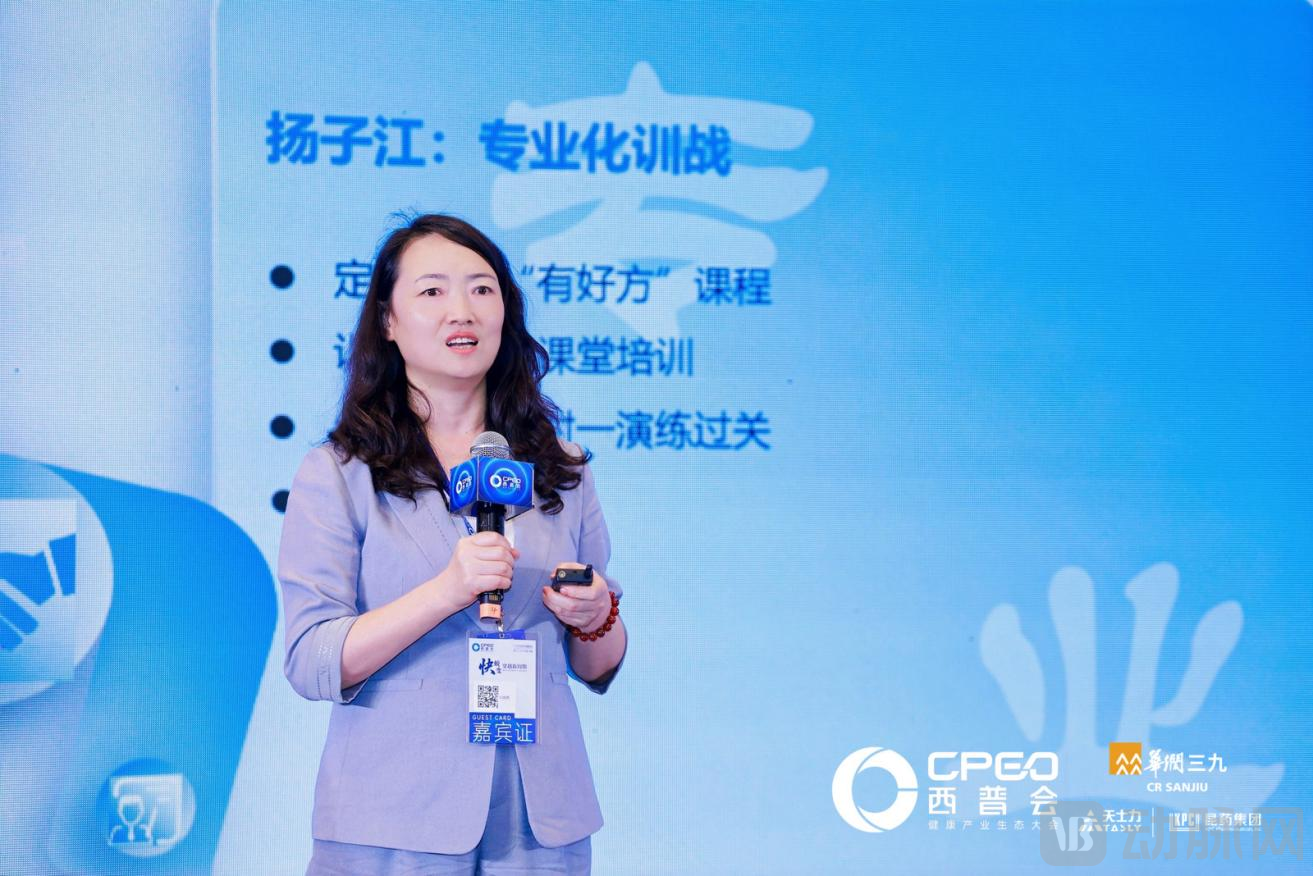
Liu Xiaoyan, General Manager of the Retail Division, Deshengtang Pharmaceutical Co., Ltd.
Jiang Mingyan, Deputy Director of the Retail Brand Center at Yangtze River Pharmaceutical GroupIt is believed that patient access channels must be streamlined through an “education + service” approach, leveraging professional expertise to address chronic disease management challenges. She focuses on complications as a “deterministic growth sector”: 61.7% of diabetic patients develop complications, yet only 23.2% are aware of their condition and adhere to medication; 56.5% of symptomatic patients are unaware they have developed complications, and 67.9% believe medication is unnecessary. These figures reveal a substantial education gap. In response, Yangtze River Pharmaceutical Group has made Tanglin (epalrestat tablets) its core sales product and launched the “Elite Diabetes Care Manager Training Camp.” Adopting a “3+3 training-and-practice model” (3 days of training plus 3 days of hands-on practice), the initiative enhances store staff’s professional educational capabilities. Furthermore, it establishes a three-tier health service model comprising “in-store salons, chain-wide lectures, and community free clinics,” thereby integrating education with services to truly become an indispensable health partner for patients.
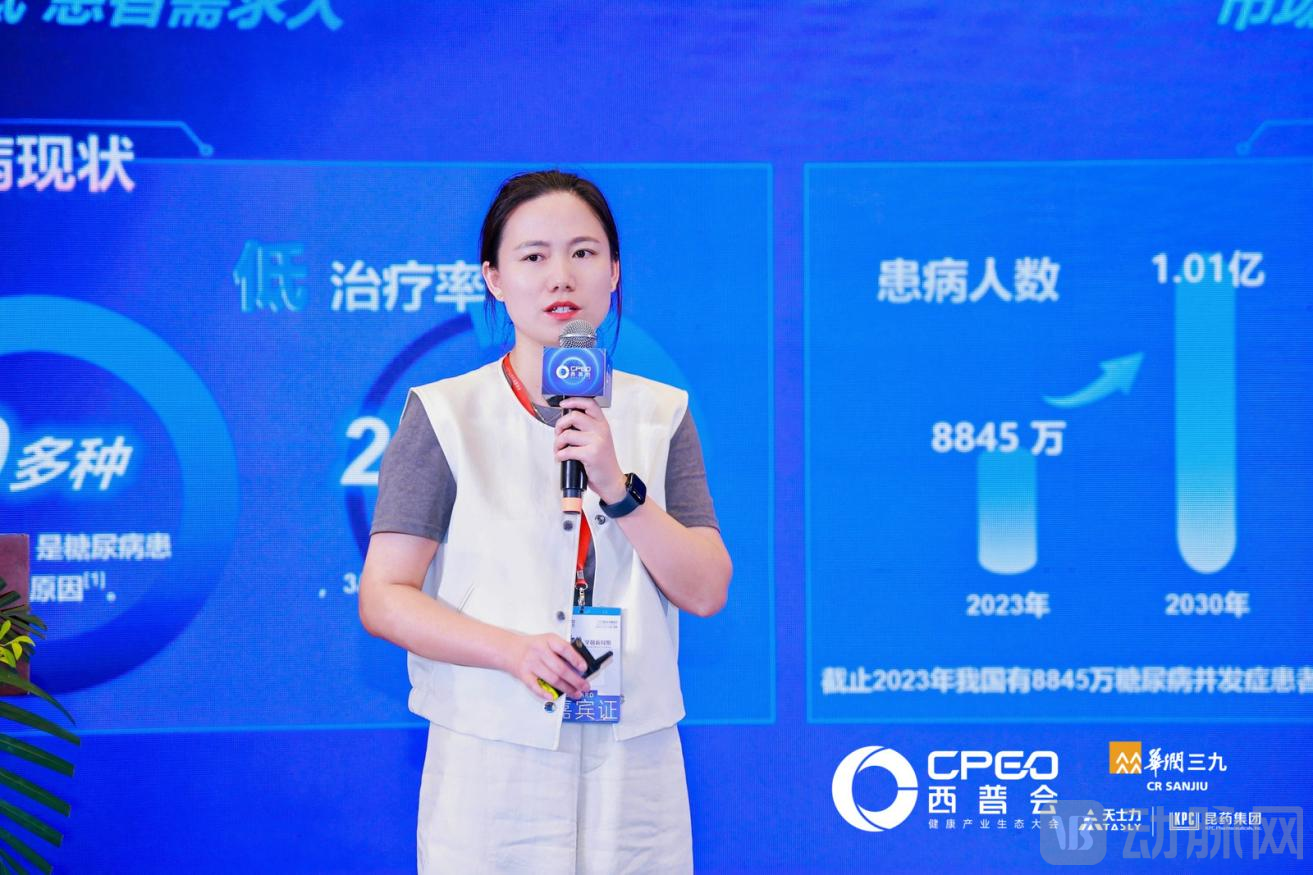
Jiang Mingyan, Deputy Director of the Retail Brand Center, Yangtze River Pharmaceutical Group
Tang Xinxiu, Assistant to the General Manager of Guangxi Guizhong Grand Pharmacy Chain Co., Ltd.Shared a distinctive breakthrough path in “TCM-Assisted Blood Glucose Control.” The 2024 Edition of the Guidelines for Traditional Chinese Medicine Prevention and Treatment of Diabetes points out that relying solely on Western medicine is insufficient to address the root causes of diabetes, necessitating collaborative management with traditional Chinese medicine (TCM). TCM exerts its effects in six key areas: multi-target regulation of glucose and lipid metabolism, reduction of disease risk, synergistic enhancement of Western drug efficacy, alleviation and prevention of complications, and holistic constitution regulation. She noted that in practice, Guizhong Pharmacy has integrated TCM characteristics into Western medicine-led diabetes management, providing tiered management and various complication service packages for 100,000 diabetic patients, complemented by basic interventions and comprehensive conditioning. This approach has strengthened treatment protocols, enhanced the comprehensiveness of services, opened up new growth opportunities, and achieved a distinctive breakthrough.
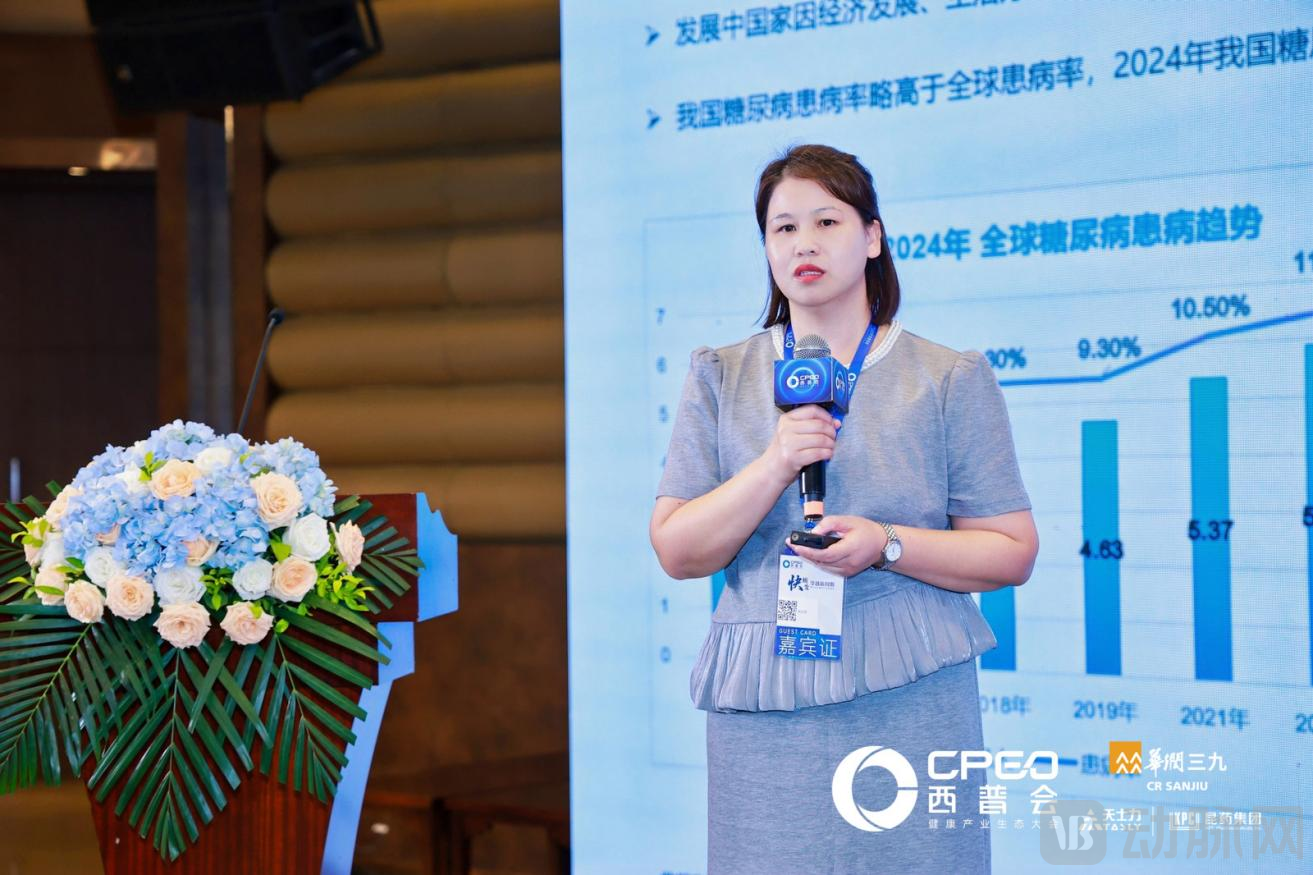
Tang Xinxiu, Assistant to the General Manager of Guangxi Guizhong Pharmacy Chain Co., Ltd.
Across the entire continuum of diabetes management, dietary intervention is evolving from a traditional adjunctive measure into an emerging management paradigm, offering patients with diabetes more precise and actionable solutions. Its value lies not only in glycemic control but also in enhancing patients’ quality of life and treatment adherence through evidence-based nutritional strategies.
Li Qing, Chief Physician, Department of Clinical Nutrition, Nanfang Hospital, Southern Medical UniversityFrom a clinical nutrition perspective, it was highlighted at the IDF 2025 World Diabetes Congress that lifestyle interventions can “reverse” type 2 diabetes. She provided a detailed overview of the Medical Nutrition Therapy (MNT) process, which involves conducting a comprehensive assessment, establishing nutrition-related diagnoses, formulating personalized and integrated treatment plans, and making continuous adjustments during follow-up monitoring and re-evaluation. Additionally, she introduced four effective dietary patterns: Calorie-Restricted Diet (CRD), Low-Carbohydrate Diet (LCD), Intermittent Energy Restriction (IER), and specialized dietary patterns. She particularly emphasized the need to design personalized plans for children and adolescents, pregnant women, and the elderly based on their specific populations and constitutions. Through a combination of physician-led care and AI assistance, the comprehensive management of dietary interventions for patients with diabetes can be jointly optimized.
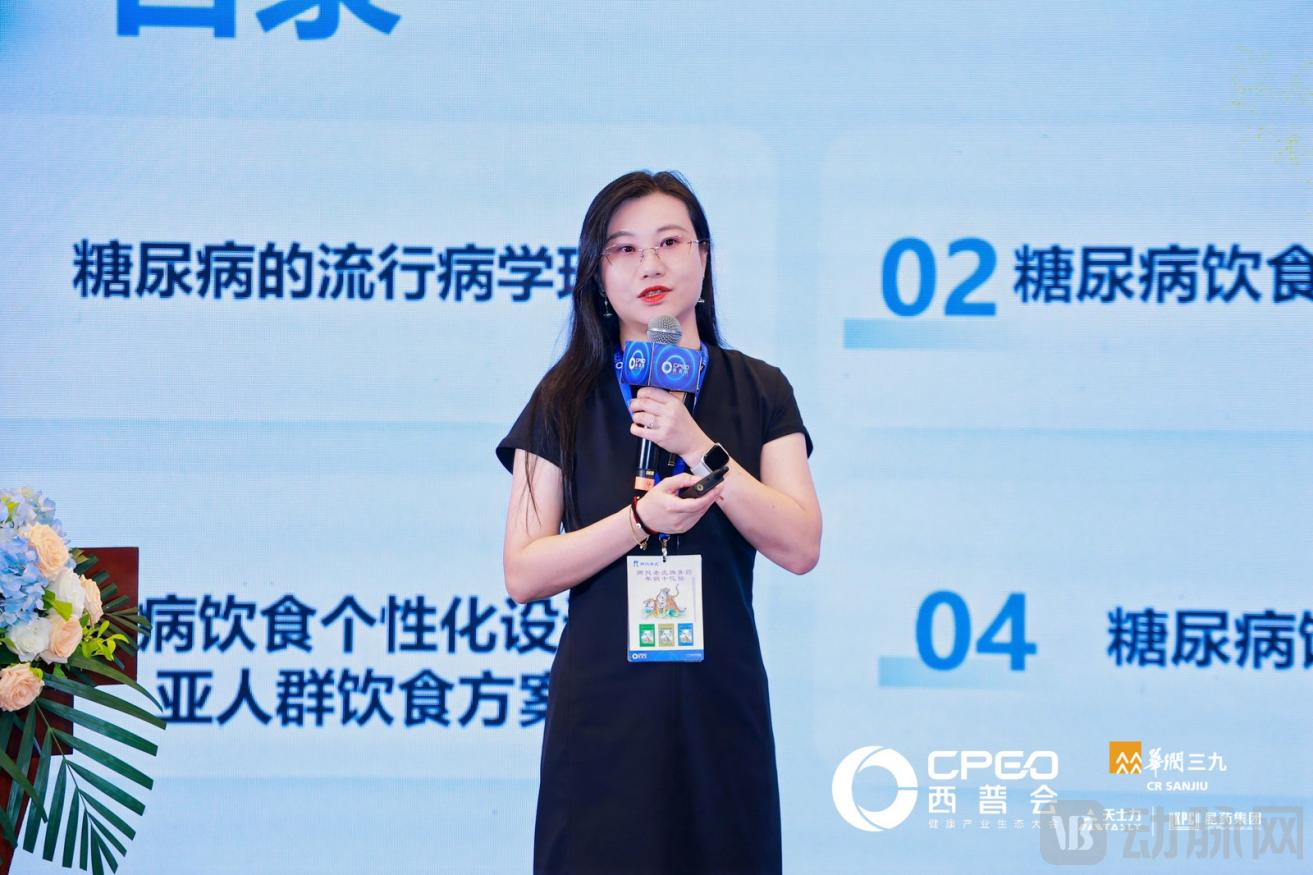
Li Qing, Chief Physician, Department of Clinical Nutrition, Nanfang Hospital, Southern Medical University
Wang Li, Co-founder and CEO of Tangyou KitchenShe shared how Tangyou Kitchen supports disease management for patients with diabetes. She pointed out that dietary control is challenging for many diabetic patients, who often fall into misconceptions such as treating sweet potatoes as a staple food or avoiding wheat-based products altogether. The “Tangyou” food products developed by Tangyou Kitchen provide scientifically formulated and delicious alternatives to staple foods and snacks, helping diabetic patients maintain stable postprandial blood glucose levels (with no significant spike two hours after meals), achieve steady glycemic control, and improve their quality of life. She stated that the brand’s core philosophy of “stability” stems from the pursuit of smooth blood glucose curves. This approach addresses the common dilemma of “wanting to eat but fearing to do so,” encourages patients to replace traditional staples with healthier alternatives while enjoying greater freedom in choosing side dishes, and offers a new dietary support pathway for the refined management of diabetes.
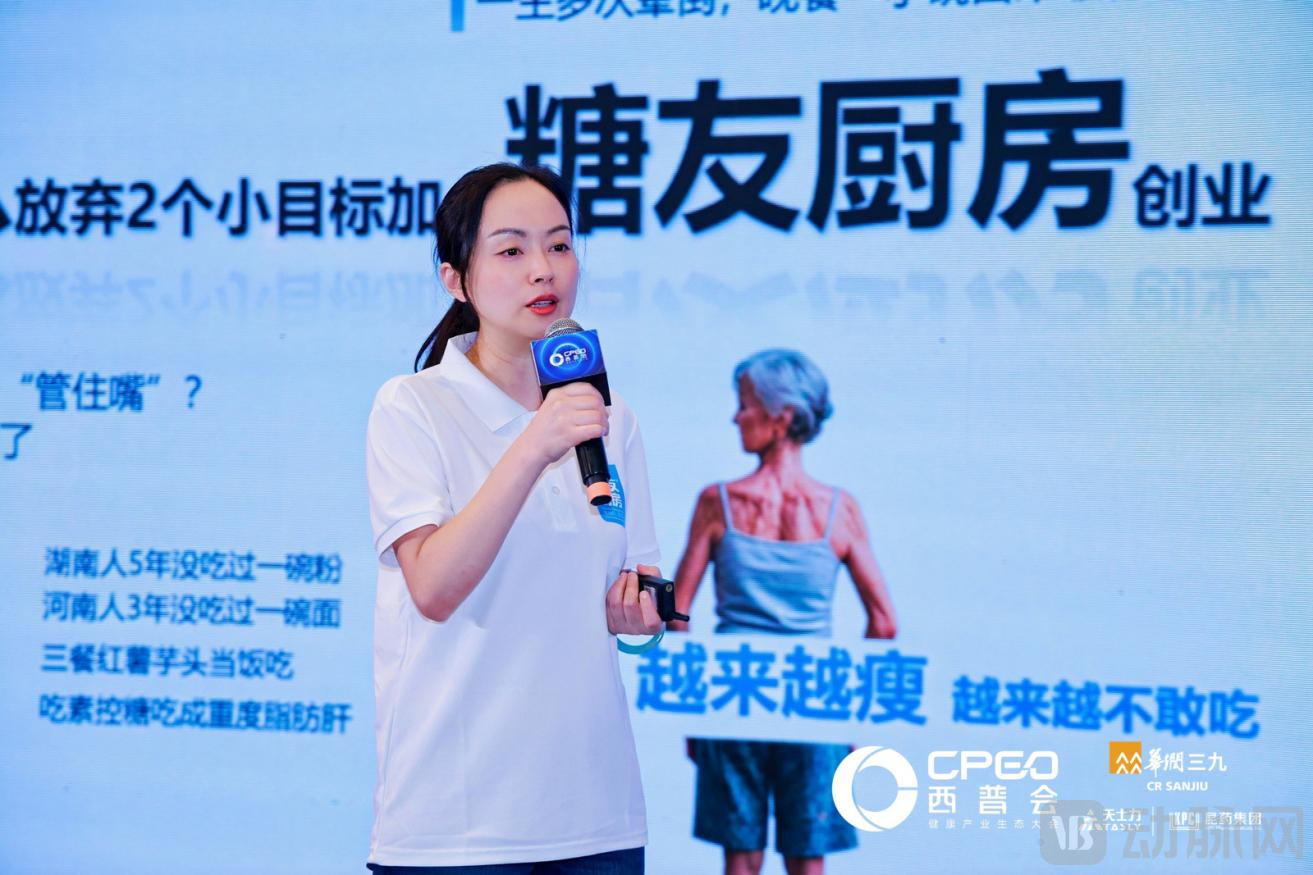
Wang Li, Co-founder and CEO of Tangyou Kitchen
From pharmaceutical manufacturing to retail pharmacies, and from clinical diagnosis and treatment to daily consumer life, collective practices converge on a core principle: diabetes management is evolving from singular glycemic control to comprehensive, whole-course care. In this rapidly evolving market, companies can only achieve value breakthroughs—transitioning from “drugs” to “products” and further to “services”—in this billion-dollar market by grounding themselves in professionalism and placing patients at the center.